Attractions in Andalucía
The Alhambra, the Mezquita, flamenco tablaos, natural parks and prehistoric caves — every must-see across southern Spain.
16 attractions in Granada

Alcazaba Citadell
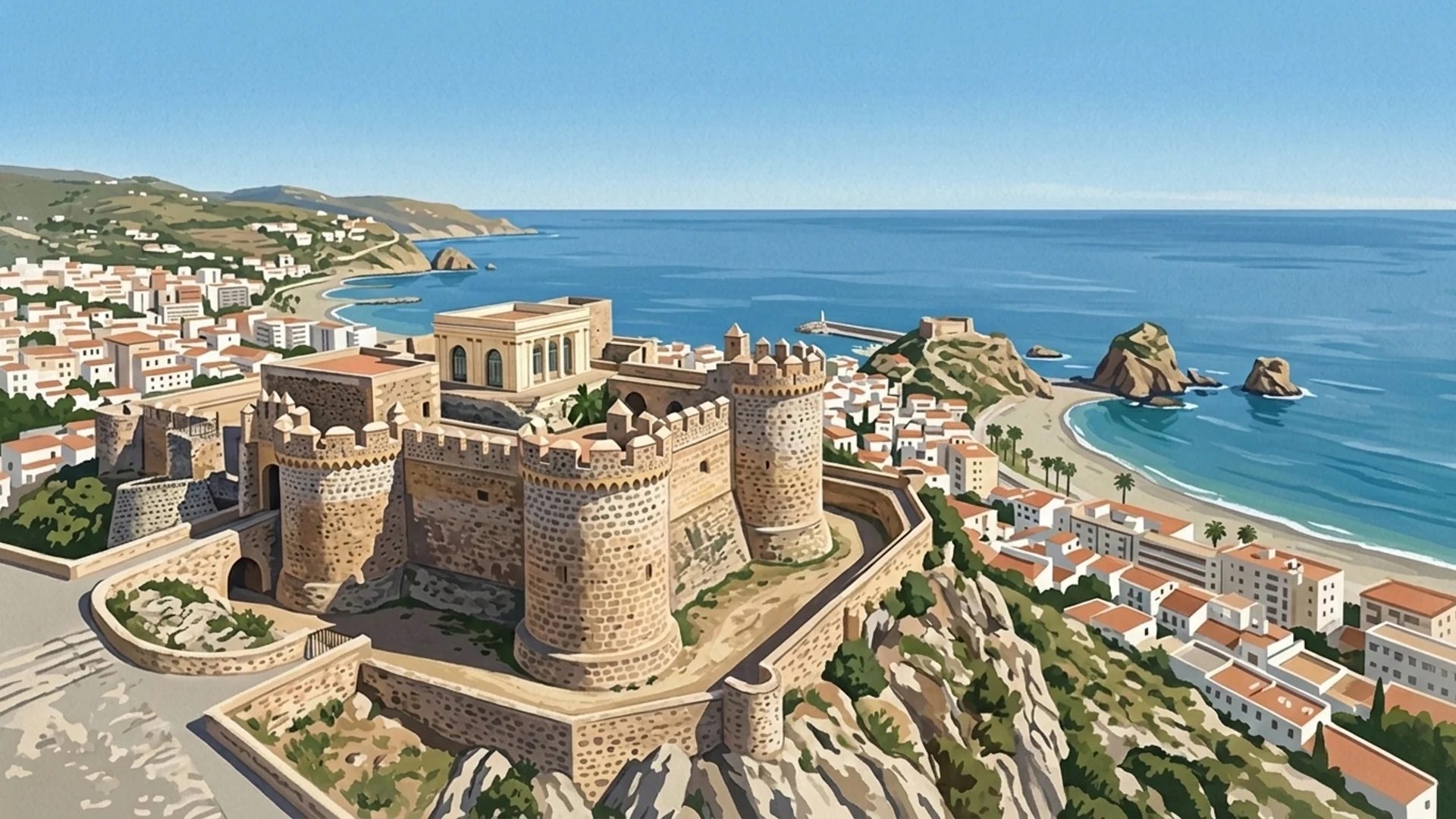
The Alcazaba of Guadix is an eleventh-century Moorish fortress that stands over the red-earthed city in the foothills of the Sierra Nevada. It serves as a significant reminder of the strategic importance this region held during the Zirid and Nasrid dynasties. Unlike the heavily restored monuments found in Granada city, this citadel offers a more rugged and authentic experience for those interested in military architecture and medieval history. It is particularly suited to travellers who enjoy exploring sites away from the typical tourist trails and those who appreciate panoramic views over unique geological landscapes. The structure was built primarily using rammed earth, giving it a distinctive reddish hue that blends into the surrounding clay hills. Upon entering the site, your attention is immediately drawn to the massive square towers and the defensive curtain walls that define the perimeter. The main keep, known as the Torre del Homenaje, is the most prominent feature and offers a vantage point that was once vital for surveying the approaches from the mountains. Visitors should take time to walk along the ramparts to observe the ancient construction techniques used by the Almohad builders. The contrast between the weathered original walls and the later brickwork additions tells a story of centuries of siege and reinforcement. Look for the remnants of the interior living quarters and the ancient cisterns that were designed to sustain the garrison during prolonged conflicts. One of the most rewarding experiences at the citadel is looking out from the battlements towards the famous Barrio de las Cuevas. From this height, you can clearly see the white chimneys of the troglodyte dwellings emerging from the earth, providing a visual connection between the military stronghold and the domestic life of the town below. The play of light on the Sierra Nevada peaks in the distance provides a dramatic backdrop that changes character throughout the day. It is worth spending time in the lower enclosure to appreciate the sheer scale of the foundations and the way the fortress dominates the local skyline from every angle. The citadel is located on Calle la Muralla and is easily reached on foot from the Guadix Cathedral or the main town square. If you are driving from Granada, the journey takes roughly forty-five minutes via the A-92 motorway. You should allow at least an hour to explore the grounds and climb the towers at a comfortable pace. Check the official website for current opening times and prices, as these can vary depending on the season and ongoing restoration projects. Tickets are typically purchased at the entrance, and the site is generally much quieter than other major Andalucían monuments, allowing for a peaceful visit. To avoid the intense heat of the northern Granada plateau, aim to visit in the early morning or late afternoon. The reddish clay of the fortress walls looks particularly striking during the hour before sunset. Wear sturdy footwear as the paths and stone steps can be uneven and steep in places. It is also sensible to carry water, as there are few facilities once you are inside the defensive walls. Combining this visit with a tour of the nearby cave museum offers a complete perspective on the heritage of the area.

Carmen de los Mártires
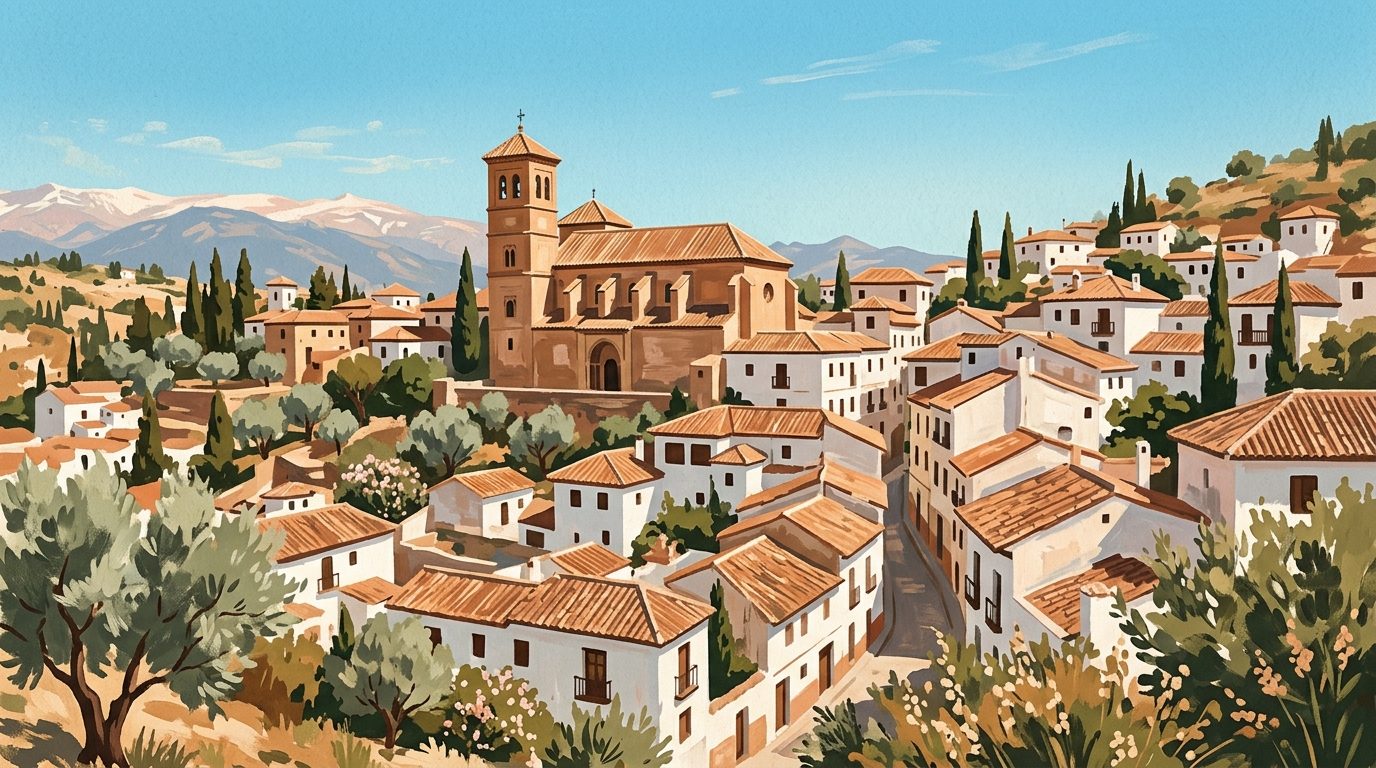
Situated on the crest of Mauror Hill, Carmen de los Mártires stands as one of the most expansive and historically significant gardens in Granada. This public estate offers a tranquil alternative to the often crowded Alhambra complex located just a short walk away. Its name reflects a sombre past, marking the site where Christian captives were held in underground dungeons during the Nasrid era. Today, it presents a sophisticated blend of various landscaping traditions, making it an ideal destination for those who appreciate horticulture, history, or simply a quiet spot to reflect. Whether you are a photography enthusiast looking for panoramic views over the city and the Sierra Nevada or a family seeking a spacious area for a slow afternoon stroll, this garden provides a serene sanctuary away from the city centre. The estate is remarkable for its eclectic variety of gardens, each possessing a distinct character. You should begin your exploration in the French garden, which features symmetrical parterres and elegant statuary, leading to the Nasrid patio where water channels and tilework pay homage to Granada's Moorish heritage. Perhaps the most striking feature is the large ornamental lake, which contains a miniature castle and a small island accessible by a bridge. This area is often frequented by peacocks, whose displays add a touch of regality to the surroundings. Be sure to look for the Grotto, a man-made cavern that adds an air of romantic mystery to the landscape. The various levels of the garden are connected by winding paths and stone staircases, each offering different perspectives of the meticulously maintained flora and the architectural elements of the main nineteenth-century mansion. In the lower section of the estate lies the English garden, characterised by more informal planting and a collection of ancient lime and cedar trees. This area provides deep shade even during the hottest months, offering a respite from the Andalucían sun. History enthusiasts will note the connection to Saint John of the Cross, who served as prior here and is said to have planted a cedar tree that still stands in some form today. The terrace viewpoints are equally essential, providing some of the finest vistas in the city. From these stone balconies, you can see across the rooftops of the Realejo district towards the sprawling Vega de Granada and the distant mountains, making it a perfect spot for capturing the scale of the region. Reaching the carmen is straightforward, though it involves a steep climb if you choose to walk from the city centre. A more convenient option is to take the C30 or C32 Alhambra bus from Plaza Isabel la Católica, which drops passengers very close to the entrance. Entry to the gardens is free, which is rare for an attraction of this calibre in Granada. You should check the official website for current opening times, as these vary significantly between the summer and winter seasons and the gates often close for a break in the middle of the day. A thorough visit usually takes between ninety minutes and two hours, allowing enough time to explore the different garden rooms and enjoy the viewpoints without rushing. The best time to visit is during the late afternoon in spring or autumn, when the light is softer and the temperature is comfortable for walking. During the summer, aim to arrive as soon as the gates open in the morning to beat the heat. Wear sensible walking shoes as some paths are surfaced with traditional Granada pebbles which can be uneven. Bring water with you, as there are limited facilities inside the grounds. It is worth remembering that the main house itself is generally closed to the public, so focus your energy on the diverse outdoor spaces.

Catedral de Granada
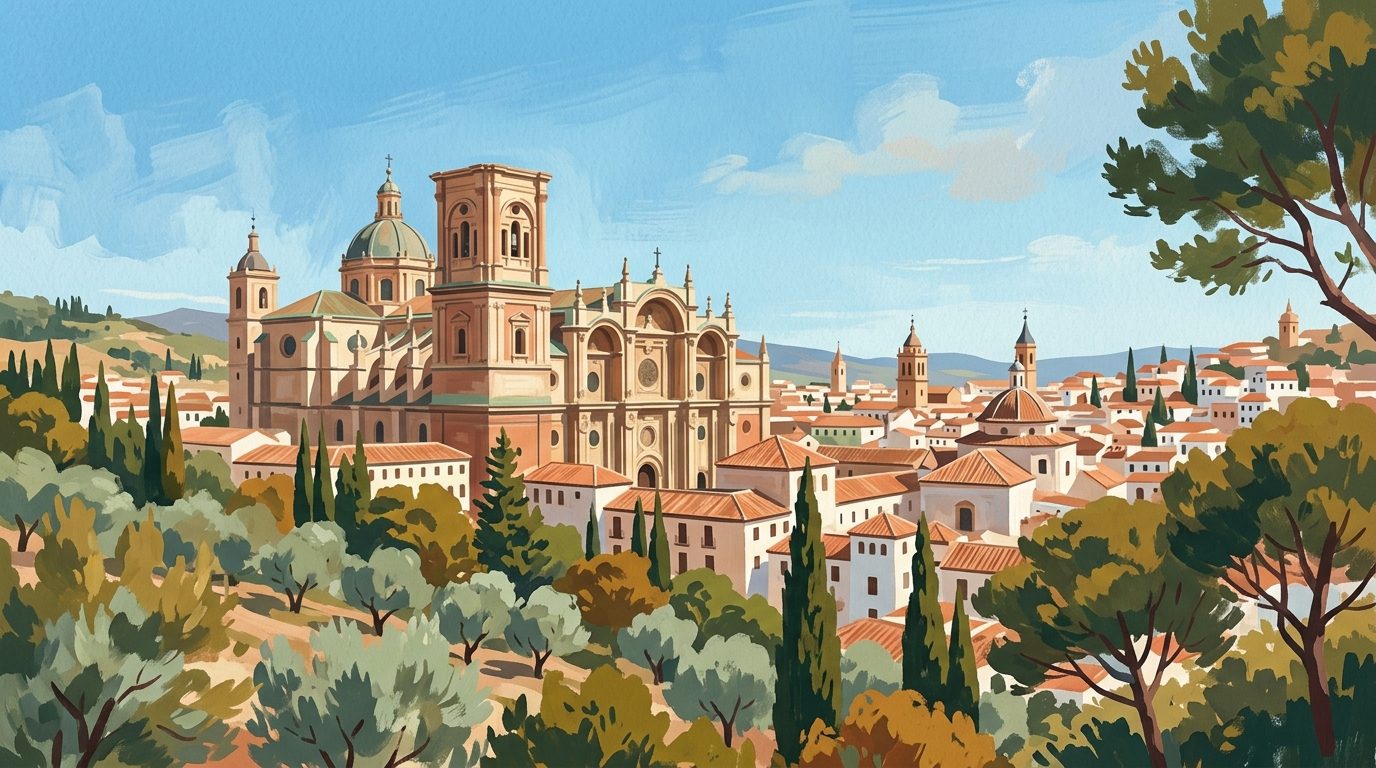
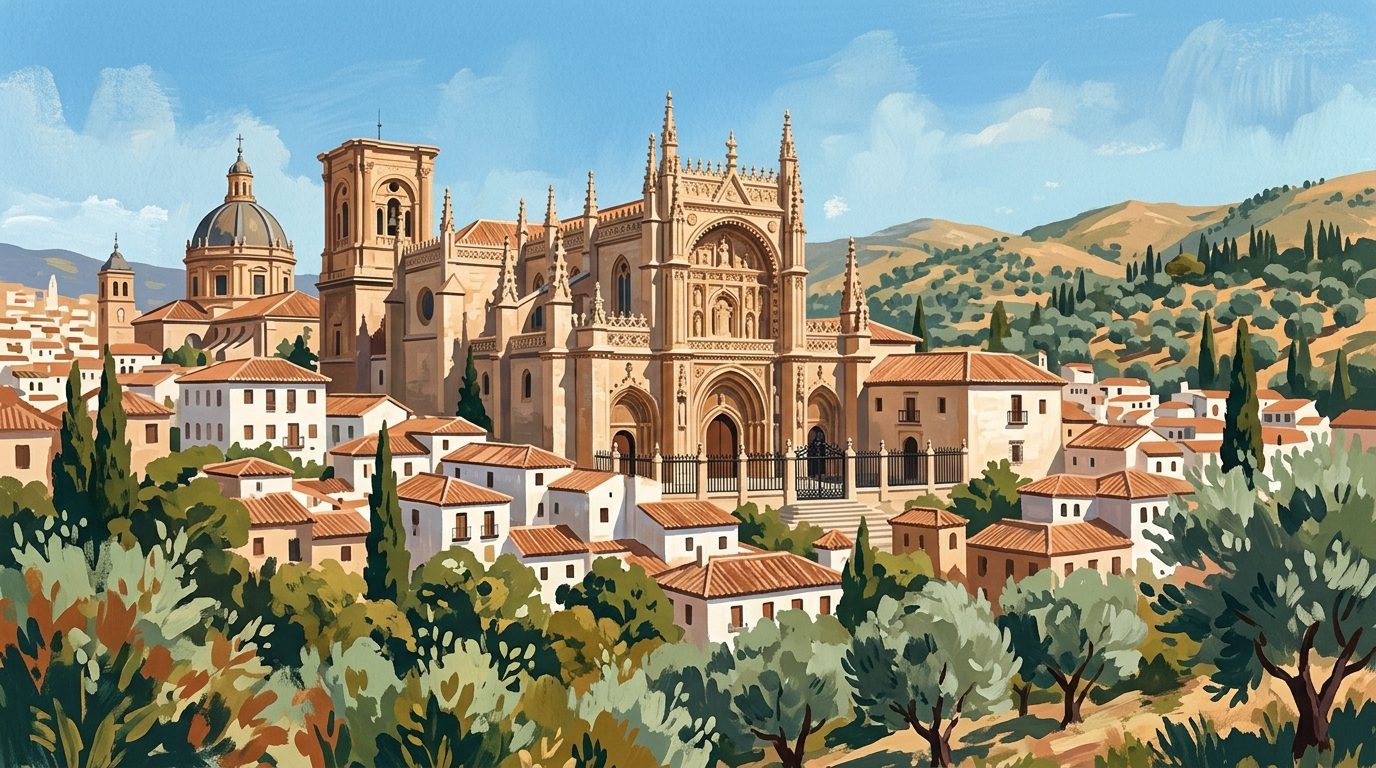
The Cathedral of Granada serves as a monumental symbol of the transition from the medieval era to the early modern period in Spain. Construction began in the early sixteenth century on the site of the city's main mosque, following the conquest of Granada by the Catholic Monarchs. While initially intended as a Gothic structure, the design shifted under the influence of the Renaissance, resulting in one of the most significant ecclesiastical buildings in Europe. It is an essential stop for visitors who appreciate grand architecture and those interested in the religious history of the Iberian Peninsula. The building represents the triumph of the new order over the old, standing as a testament to the cultural shift that defined the Spanish Golden Age. When you step inside, the first thing that strikes you is the sheer sense of light and space, achieved through the use of white stone and high vaulted ceilings. The Capilla Mayor is the centrepiece of the interior, designed by Diego de Siloé with a circular floor plan that was revolutionary for its time. Look up to admire the stained glass windows that bathe the sanctuary in colour, and note the massive Corinthian columns that support the structure. The proportions are intentionally vast, meant to inspire awe and reflection. Take your time to walk around the ambulatory to see the various side chapels, each containing distinct religious artworks and intricate carvings that demonstrate the wealth and artistic ambition of the Spanish Empire. The main facade of the cathedral, designed by the local artist and architect Alonso Cano, is a masterpiece of Spanish Baroque design. It overlooks the Plaza de las Pasiegas and provides a stark contrast to the surrounding narrow streets. Inside, do not miss the grand organs and the choir stalls, which are examples of exceptional craftsmanship. Many visitors also take the opportunity to visit the adjacent Royal Chapel, which houses the tombs of Isabella and Ferdinand, although this requires a separate ticket. The cathedral museum displays a collection of liturgical objects and paintings that offer further insight into the religious life of the city over the centuries. Located in the heart of the city centre, the cathedral is easily reached on foot from most central accommodation or via local bus routes that stop at the nearby Gran Vía de Colón. Access is through the main doors facing the plaza. You should plan to spend at least an hour exploring the interior, though ninety minutes allows for a more relaxed pace with the provided audioguide. Tickets can be purchased at the entrance or booked online in advance to avoid queues during the peak season. Check the official website for current opening times and prices, as these can vary for religious holidays and special services. To see the interior at its most atmospheric, try to visit during the morning when the sunlight streams through the high windows. Wear comfortable shoes as the stone floors are uneven in places, and remember to dress respectfully for a place of worship. The audioguide is highly recommended as it explains the complex architectural history and the significance of the various artworks that might otherwise be overlooked in such a large and impressive space.

Catedral de la Encarnación de Guadix
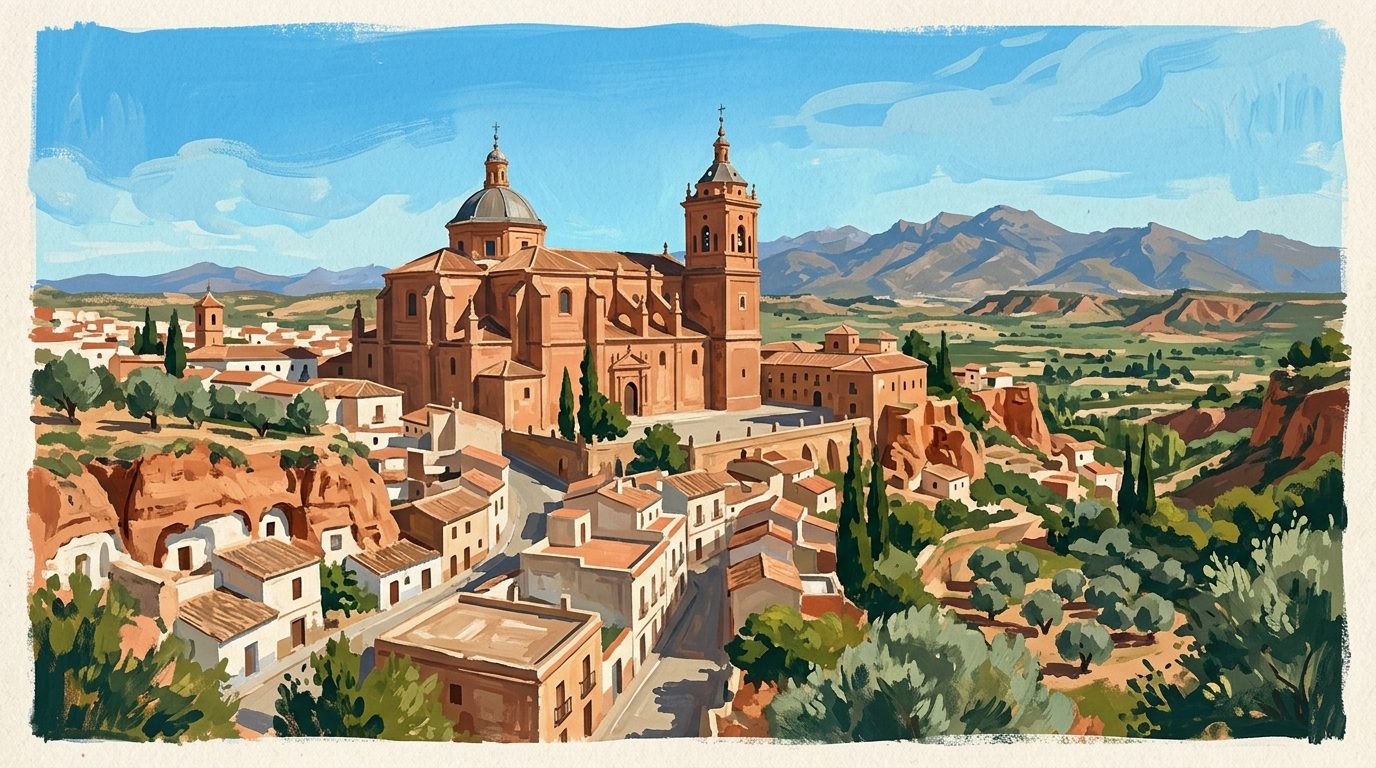
The Cathedral of Guadix stands as a monumental fusion of Gothic, Renaissance, and Baroque styles, reflecting the long religious and architectural history of the region. Built upon the site of a former mosque, it serves as a central landmark for any visitor exploring the province of Granada. It appeals particularly to architecture enthusiasts and those interested in the post-Reconquista transformation of the Iberian Peninsula. Its construction spanned three centuries, resulting in a fascinating visual evolution from its sturdy, grounded foundations to its more decorative and ornate upper sections. This is a site for the curious traveller who appreciates quiet grandeur and historical depth rather than the high-volume crowds often found in the neighbouring city of Granada. Inside, the cathedral reveals an impressive collection of artistic treasures that require close inspection. The choir stalls are particularly noteworthy, featuring intricate carvings that demonstrate the exceptional skill of eighteenth-century craftsmen. Look up to admire the complex vaulting and the subtle play of light through the stained glass windows. One of the most significant features is the high-quality copy of Michelangelo’s Pietà, which sits in its own chapel and provides a moment of sombre reflection. The main altar serves as another focal point, showcasing a transition from the structured Renaissance aesthetic to the more theatrical flourishes of the Baroque era. Pay attention to the exterior as well, where the warm red sandstone façades provide a striking contrast against the clear sky. For a different perspective, the cathedral museum contains a rich collection of religious art, paintings, and silverwork that illustrates the wealth of the diocese through the centuries. Walking through the sacristy offers a chance to see more intimate details of the building's daily operation. A significant part of the experience involves climbing the bell tower. From this elevated vantage point, you can look out across the terracotta roofs of the town and see the distinctive cave dwellings that make this area famous, set against the dramatic backdrop of the Sierra Nevada mountains. This view provides a geographical context that helps you understand how the cathedral anchors the entire valley. The cathedral is located in the heart of the old town on Plaza de la Catedral, making it easy to reach on foot from most local accommodation or parking areas. You should allow at least ninety minutes for a thorough visit, especially if you plan to include the museum and the tower climb. Tickets are generally purchased at the entrance and usually include an informative audio guide to explain the various chapels and artworks. While the building remains an active place of worship, it is open to tourists during the day, though visitors should check the official website for current opening times and prices as these can vary seasonally or during religious services. To appreciate the interior light at its best, visit during the morning when the sun highlights the details of the central nave. It is wise to wear comfortable shoes with good grip if you intend to climb the tower, as the stairs are narrow and steep. Since the thick stone walls keep the interior cool even during the peak of summer, carrying a light layer is often helpful for your comfort. Visiting Guadix during the autumn or spring ensures milder temperatures for exploring the surrounding historic quarter once you have finished your tour of the cathedral.

The Cueva Museo Centro de Interpretación Cuevas de Guadix serves as an essential introduction to the unique troglodyte culture that defines this corner of Granada province. This interpretation centre is housed within an original cave dwelling, providing an authentic setting to learn about the history and architecture of subterranean living. It appeals to travellers who want to move beyond the surface of a destination and understand the social evolution of a community that has lived in the earth for centuries. Guadix is home to one of the largest cave complexes in Europe, and this museum explains how these dwellings transition from simple excavations into comfortable, permanent homes. Inside the museum, visitors find a series of interconnected rooms that demonstrate the traditional layout of a cave house. You should pay close attention to the ingenious ways natural light is invited into the front rooms and how the thickness of the clay walls maintains a constant temperature between eighteen and twenty degrees Celsius year-round. The exhibition includes a collection of historical household items, agricultural tools, and traditional crafts that reflect the rural life of the Accitane people. One of the most striking features is the kitchen, where a large open hearth sits beneath a chimney that pierces the hillside to reach the open air above. The experience extends beyond the domestic rooms into an understanding of the local industry, such as pottery and esparto grass weaving. Visitors can explore the stable areas where livestock were once kept, highlighting how the caves served as multifunctional spaces for both people and animals. The museum also provides context on the religious history of the cave district, particularly the influence of Father Poveda. After exploring the interior, it is worth walking to the nearby viewpoints to observe the white chimneys and doorways that emerge from the ochre earth, creating a landscape that looks unlike anywhere else in the region. Located in the Plaza del Padre Poveda, the museum is reached by a steep but rewarding walk from the Guadix cathedral or a short drive to the designated parking areas in the cave district. You should allow approximately one hour to fully appreciate the exhibits and the atmosphere of the dwelling. Ticket prices are modest, and visitors should check the official website for current opening times and prices, as these can vary between the summer and winter seasons. The museum is conveniently situated near the Ermita de la Virgen de Gracia, making it easy to combine these visits into a single morning or afternoon stroll. Visiting during the heat of a summer afternoon is particularly revealing, as the natural cooling effect of the cave provides immediate relief from the Andalucían sun. To get the most from your trip, wear sturdy footwear suitable for the uneven terrain and hills of the Barrio de las Cuevas. Bringing a bottle of water is recommended for the walk up from the lower town.

Iglesia de Santiago
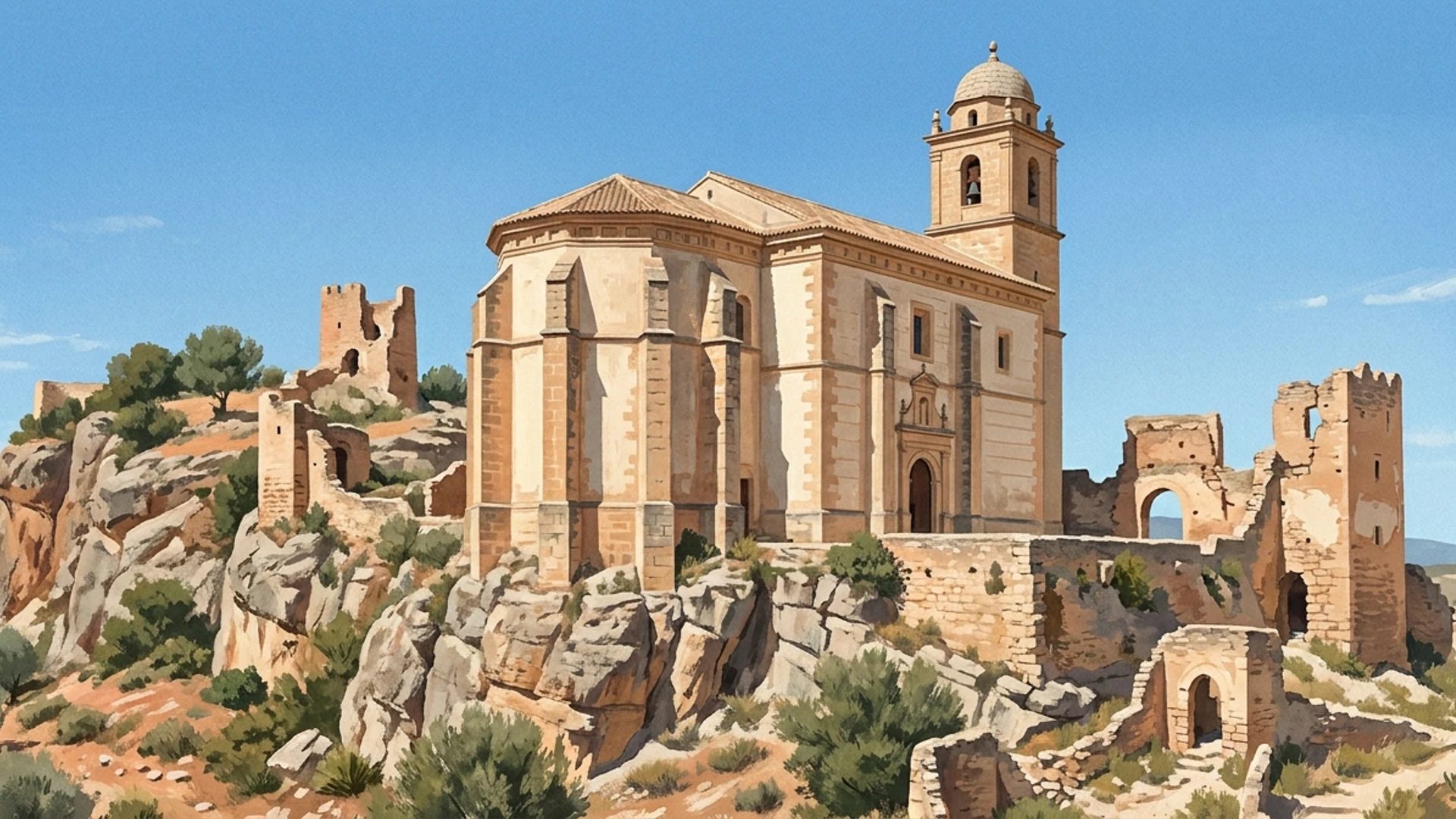
The Iglesia de Santiago in Guadix is a masterpiece of Mudéjar and Renaissance architecture, standing as one of the most significant monuments in this historic city in the province of Granada. Built in the sixteenth century on the site of a former mosque, it features a striking exterior that transitions from Gothic elements to a refined Plateresque portal. It appeals most to those interested in the fusion of Islamic and Christian artistic traditions, as well as admirers of elaborate carpentry and religious history. It serves as a quieter alternative to the city's cathedral, offering a more intimate look at the evolution of local ecclesiastical design during the transition from the Middle Ages to the modern era. The most immediate draw is the north portal, attributed to the school of Diego de Siloé. This doorway is a fine example of the Spanish Renaissance, decorated with intricate stone carvings that demonstrate the prosperity of the region at the time. Inside, the church reveals a spectacular Mudéjar coffered ceiling, known as an artesonado. This woodwork is an exceptional display of geometric precision, with interlacing patterns that reflect the enduring influence of Moorish craftsmen long after the Reconquista. The single-nave layout leads to a series of side chapels and a high altar that houses significant religious iconography. You should pay close attention to the delicate balance between the heavy masonry walls and the lightness of the timber roof. Adjacent to the main structure is the slender bell tower, which dominates the surrounding skyline of Guadix. It is built in the Mudéjar style using traditional brickwork, with decorative bands that catch the light at different times of day. Inside the church, the sense of peace is palpable, making it an ideal spot for reflection away from the main tourist paths. The baptismal font and various liturgical pieces held within the sacristy provide further insight into the religious life of the local community over the centuries. Watching the way the natural light filters through the high windows onto the dark wood of the ceiling is a particularly memorable experience. Located in the Plaza de Santiago, the church is easily reached on foot from the centre of Guadix or the cathedral district. Parking in the narrow streets nearby can be challenging, so it is better to leave your vehicle in one of the larger car parks on the edge of the historic quarter and walk through the atmospheric alleys. You should allow roughly forty-five minutes to an hour to appreciate both the exterior carvings and the interior woodwork. While the church is often open for services, it is best to visit during designated tourist hours. Check the official website for current opening times and prices, as these can vary throughout the year. Early morning or late afternoon provides the best light for photographing the intricate Plateresque facade without the harsh glare of the midday sun. Since this remains an active place of worship, visitors should dress respectfully and remain quiet during their exploration. Combining a visit here with a walk to the nearby Alcazaba or the cave dwellings of the Barrio de las Cuevas makes for a comprehensive afternoon in Guadix. Wear comfortable shoes, as the approach involves navigating some uneven cobblestones and gentle inclines.

Mirador de la Magdalena
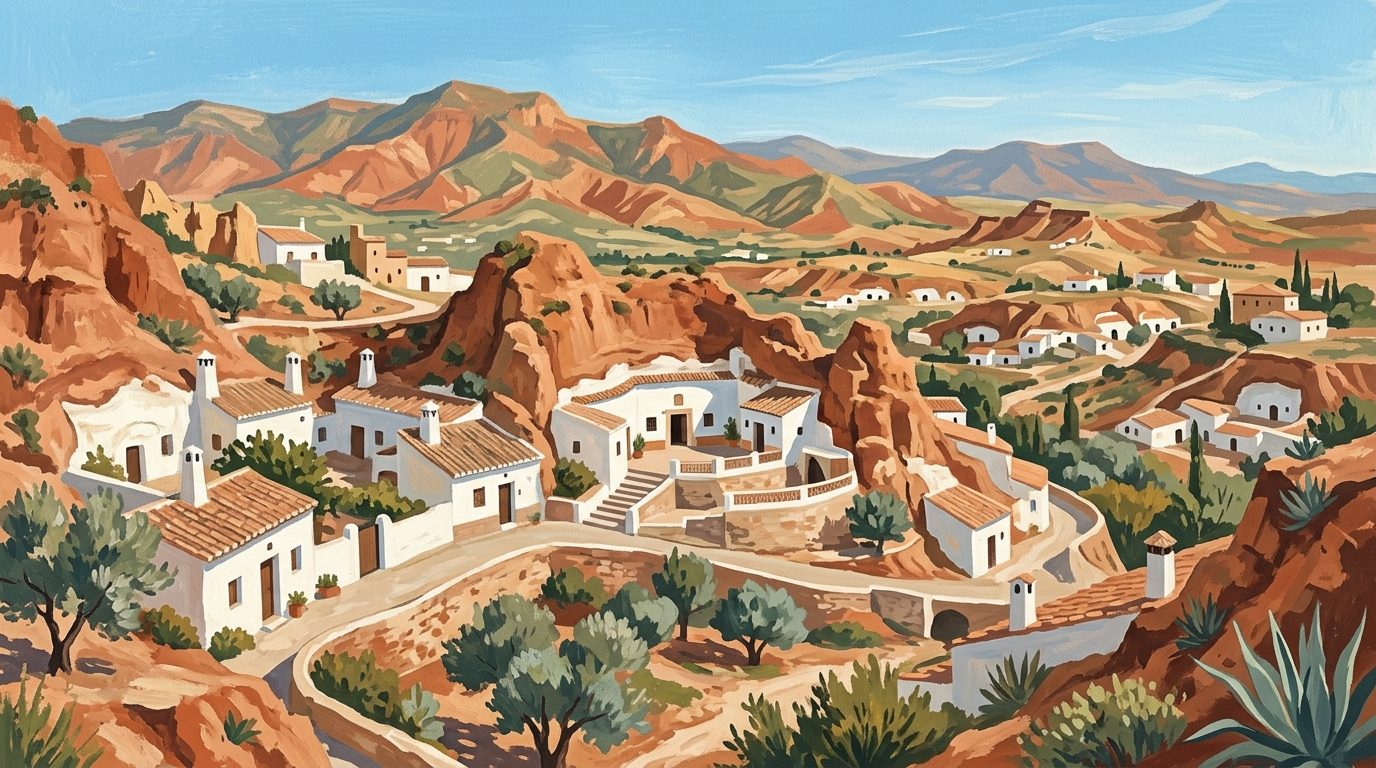
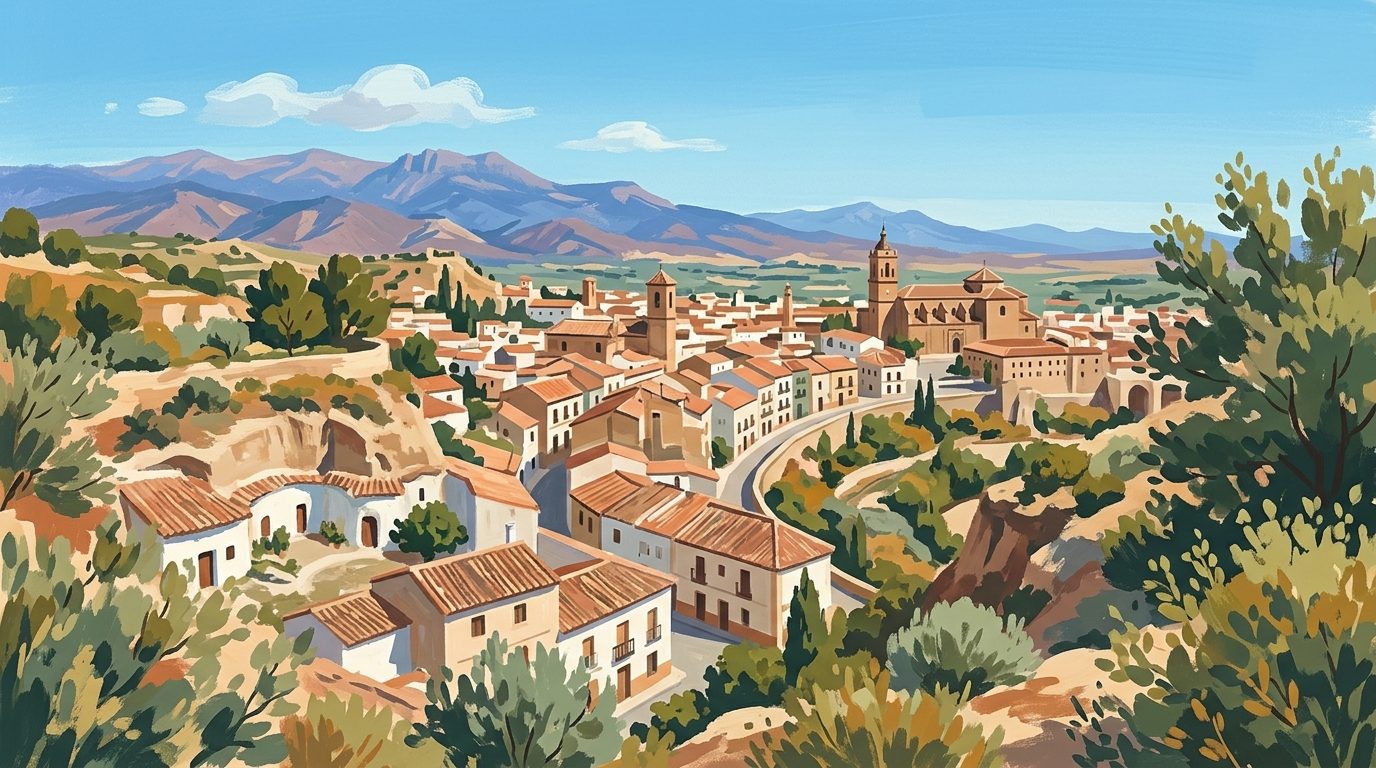
The Mirador de la Magdalena offers one of the most distinctive views in the province of Granada, overlooking the unique troglodyte quarter of Guadix. This vantage point provides a clear perspective on how the local population has adapted to the arid landscape by carving homes directly into the soft clay hills. It is an essential stop for anyone wanting to understand the scale of the cave district, as it reveals a horizon dotted with hundreds of whitewashed chimneys rising from the earth. This spot is particularly suited to photographers and those interested in human geography, as it illustrates the seamless integration of domestic life within a striking geological environment. Looking out from the viewpoint, the immediate highlight is the contrast between the terracotta-coloured peaks and the stark white façades of the cave dwellings. You will see the sprawling Barrio de las Cuevas stretching out below, where the undulating terrain creates a labyrinth of paths and subterranean homes. In the distance, the massive silhouette of Guadix Cathedral rises above the traditional rooftops of the lower town, providing a dramatic counterpoint to the humble cave entrances. Keep an eye out for the specific textures of the badlands, where erosion has carved deep gullies and sharp ridges into the landscape, a process that continues to shape this corner of Andalucía. Beyond the architectural interest, the viewpoint serves as an excellent spot to appreciate the expanse of the Hoya de Guadix. The surrounding mountains often provide a snow-capped backdrop in the winter months, framing the red earth. It is worth spending time observing the daily life of the neighbourhood below, where residents can be seen maintaining their unique homes. The nearby Ermita de la Magdalena, a simple chapel that gives the lookout its name, adds historical gravity to the site and serves as a quiet place for reflection away from the busier tourist areas. Reaching the Mirador de la Magdalena involves a steady climb through the winding streets of the cave district. It is accessible on foot from the centre of Guadix, though the final ascent is somewhat steep and requires sturdy footwear. As it is a public viewpoint, there are no entrance fees or formal opening hours, allowing you to visit at your convenience. Most visitors find that thirty to forty-five minutes is sufficient to take in the views. If you prefer not to walk, local taxis can drop you close to the summit. The most rewarding time to visit is during the late afternoon as the sun begins to dip. The low light accentuates the deep ridges of the badlands and turns the clay a rich red. Because the area offers little shade, bring water and a hat during the summer. To enhance your visit, stop at the cave museum first to understand the dwellings before viewing them from above.

Mirador de San Nicolás
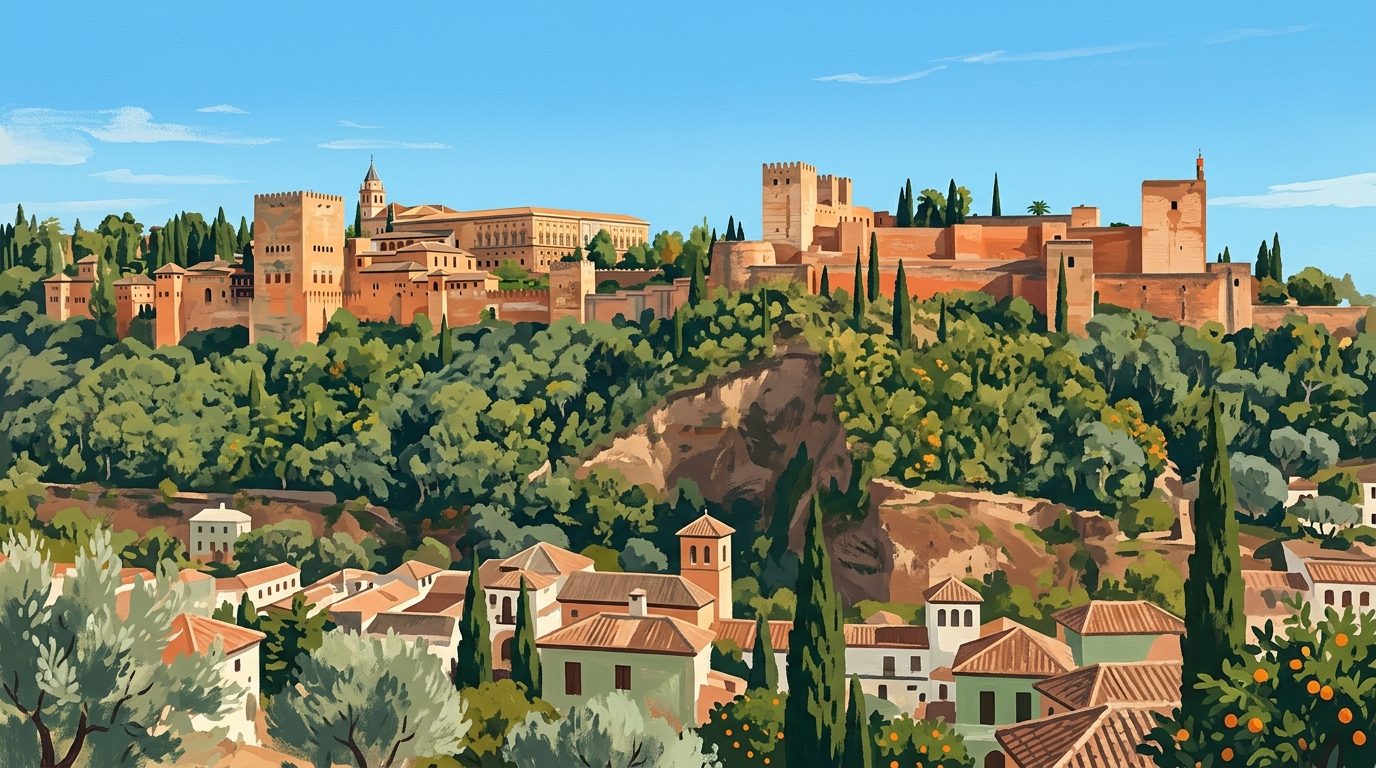
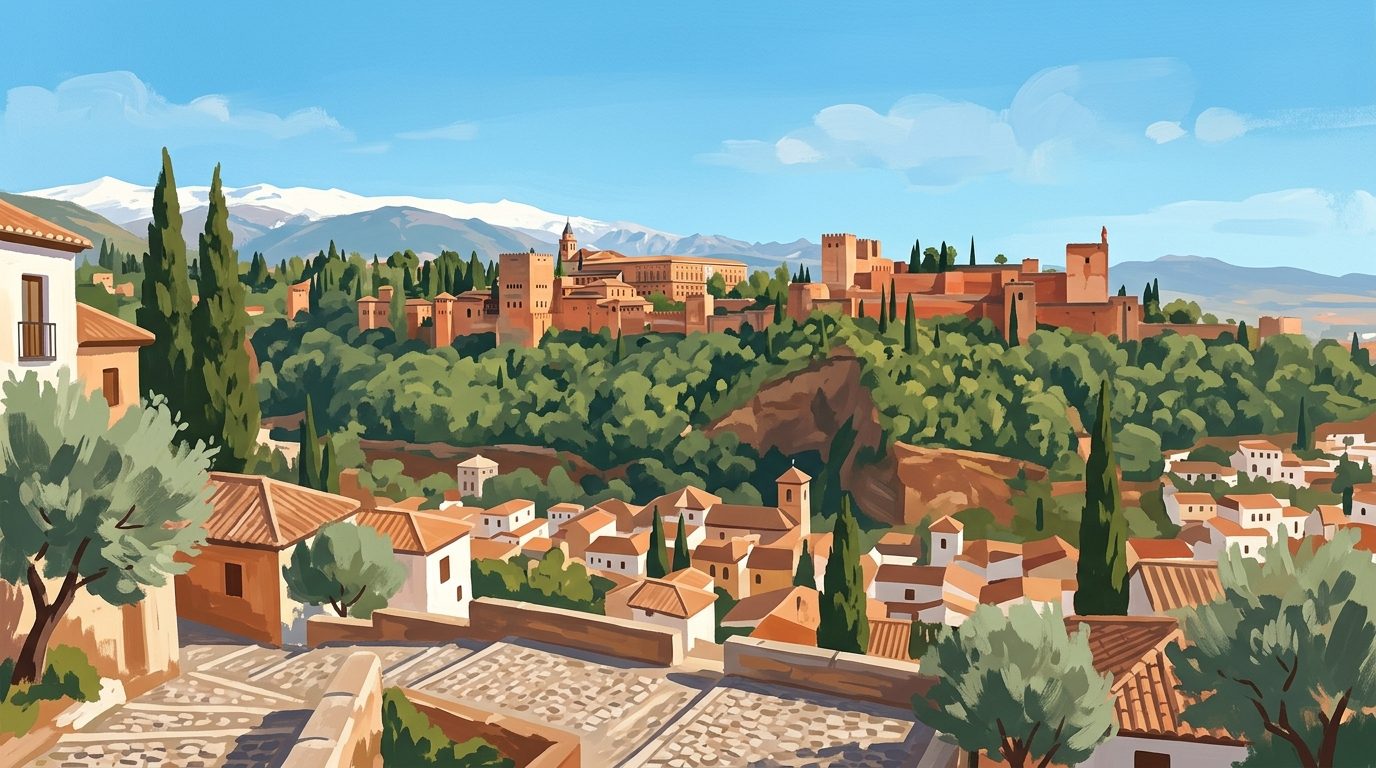
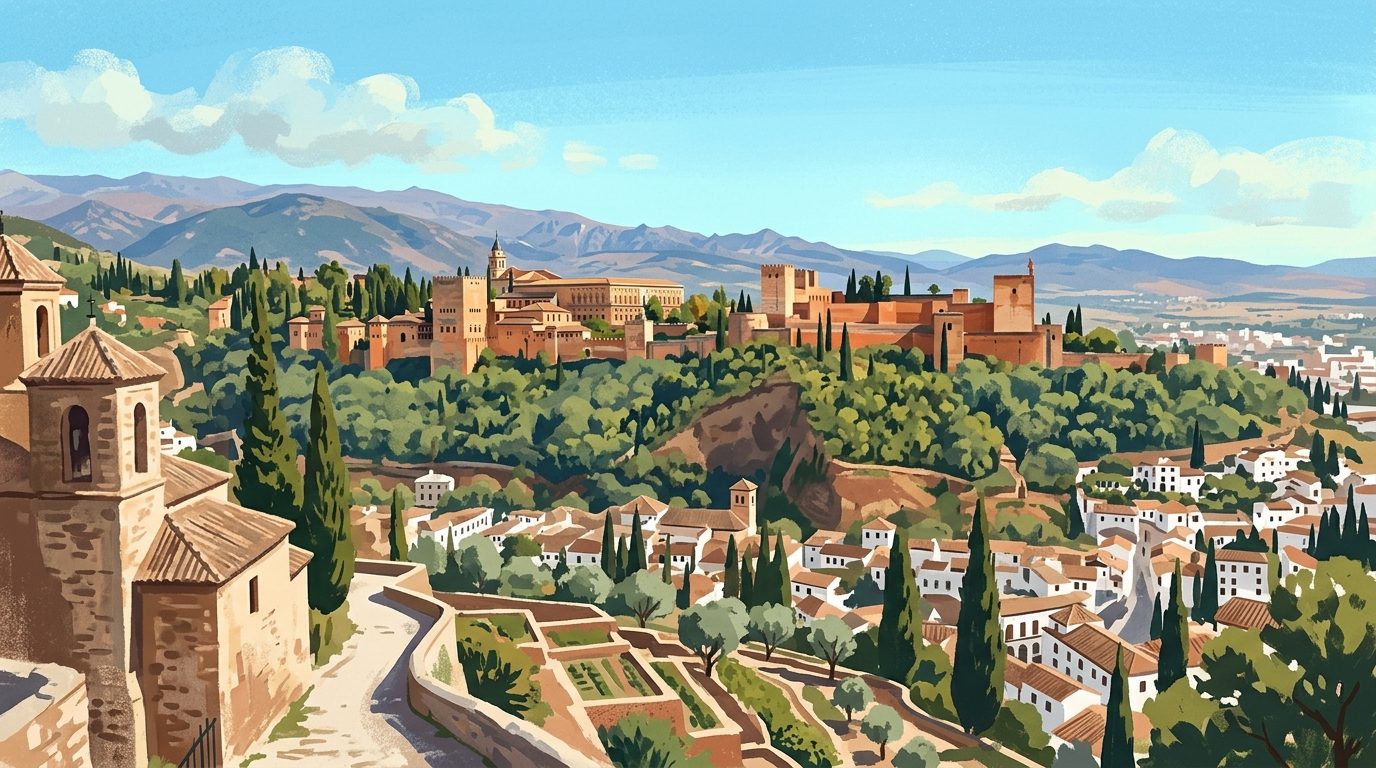
The Mirador de San Nicolás is the most famous viewpoint in Granada, situated at the heart of the historic Albaicín district. It offers a panoramic vista of the Alhambra palace complex set against the dramatic backdrop of the Sierra Nevada mountains. This location matters because it provides the quintessential image of the city, capturing the intersection of Moorish architecture and Andalusian landscape. It is a destination for every type of traveller, from photographers and romantic couples to families and those seeking to understand the geographical relationship between the medieval fortress and the old city. While it is often crowded, the atmosphere is an essential part of the Granada experience, reflecting the enduring appeal of the heritage within this ancient quarter. The primary draw is the unobstructed view across the Darro Valley to the red walls of the Alhambra. From this vantage point, you can clearly distinguish the various components of the palace, including the Alcazaba fortress, the Nasrid Palaces, and the Generalife gardens. Behind the terrace sits the Church of San Nicolás, a sixteenth-century building constructed over a former mosque, which gives the square its name. Look out for the local flamenco performers and musicians who frequently gather here, providing a live soundtrack to the scenery. Nearby, the Great Mosque of Granada offers a peaceful garden with similar views but a more contemplative atmosphere. The contrast between the terracotta roofs of the Albaicín and the imposing stone of the palace is particularly striking from this height. Beyond simply looking at the Alhambra, take a moment to explore the surrounding cobbled streets of the Albaicín. Just below the main terrace, you will find several small restaurants and carmens, which are traditional Granada houses with walled gardens. These often have private terraces where you can enjoy a meal with the same view away from the main crowd. Visiting the neighbouring Church of San Nicolás is also worthwhile if the doors are open, as it represents the transition from Islamic to Christian Granada. Do not miss the chance to observe the changing colours of the Sierra Nevada peaks, which remain snow-capped for much of the year, providing a stark white contrast to the warm tones of the fortress. Reaching the viewpoint involves a steep climb from the city centre, which can be done on foot via the Paseo de los Tristes or through the winding alleys of the Albaicín. If you prefer not to walk, the C31 or C32 minibuses run frequently from Plaza Nueva and stop very close to the square. Access to the viewpoint itself is free and it remains open at all hours, though the surrounding shops and the church follow their own schedules. You should allow at least thirty to forty-five minutes to soak in the view and explore the immediate area, though many people linger longer to enjoy the music. Check the official website for current opening times and prices if you plan to visit the interior of the church or the mosque gardens. Sunset is the most popular time to visit when the light turns the Alhambra walls a deep crimson. However, to avoid the largest crowds, consider arriving early in the morning when the air is crisp and the light is soft. Wear comfortable shoes with good grip, as the cobblestones in the Albaicín can be slippery and uneven. Keep a close watch on your belongings in the square and carry a bottle of water during the warmer months to stay hydrated during the ascent.

The Museo Cuevas del Sacromonte is an ethnographic museum located on the hillside of the Sacromonte district, offering an insight into the unique troglodyte lifestyle that has defined this part of Granada for centuries. This centre focuses on the history, culture, and natural environment of the Darro Valley, specifically examining the lives of the Roma community who carved these dwellings into the soft rock. It is a destination for those who want to understand the city beyond the Alhambra walls, appealing to visitors interested in social history, traditional craftsmanship, and the relationship between humans and their landscape. By preserving eleven original caves, the museum provides a tangible connection to a way of life that flourished in the face of geographic and social challenges. Visitors should look out for the meticulously recreated cave interiors which demonstrate how different spaces were used for living, working, and sheltering livestock. One cave serves as a traditional kitchen and bedroom, showing the ingenuity of using the earth's natural insulation to keep temperatures stable year-round. Another cave focuses on the forge, highlighting the importance of metalwork in the local economy, while others display tools for basketry and pottery. Beyond the caves themselves, the museum offers some of the most striking views of the Alhambra across the valley. The orientation of the site allows you to see the fortress from a perspective that reveals its strategic position and its relationship with the surrounding hills. The interpretation centre also explores the natural history of the Darro Valley, detailing the plants and wildlife that inhabit this semi-arid terrain. It is worth paying attention to the displays on traditional agriculture and the water management systems that were essential for survival on these steep slopes. The cultural heritage of the area is further explored through its connection to flamenco, explaining how the environment of the caves influenced the development of the Zambra, a style of dance and music particular to the Sacromonte district. This context adds depth to any performances you might see later in the evening in the village below. Reaching the museum involves a climb, as it sits at the top of the Barranco de los Negros. You can walk up through the narrow streets of the Albaicin and Sacromonte or take the C34 bus which drops passengers nearby at the Camino del Sacromonte. Access is generally via the Verea de Enmedio, a path that offers wonderful scenery but requires sturdy footwear and a moderate level of fitness. Most visitors spend between an hour and ninety minutes exploring the site. Check the official website for current opening times and prices, as these can vary between the summer and winter seasons. It is a relatively quiet spot compared to the city centre, making it a peaceful retreat for an afternoon of exploration. Late afternoon is the best time to visit, as the light begins to soften over the Darro Valley and the red walls of the Alhambra across the way. Because the museum is largely outdoors and involves climbing stone steps, it is advisable to bring water and wear a hat during the warmer months. Combining a visit here with a walk back down through the Albaicin as the sun sets provides a comprehensive experience of the historic upper districts of Granada.

Nasrid Palaces
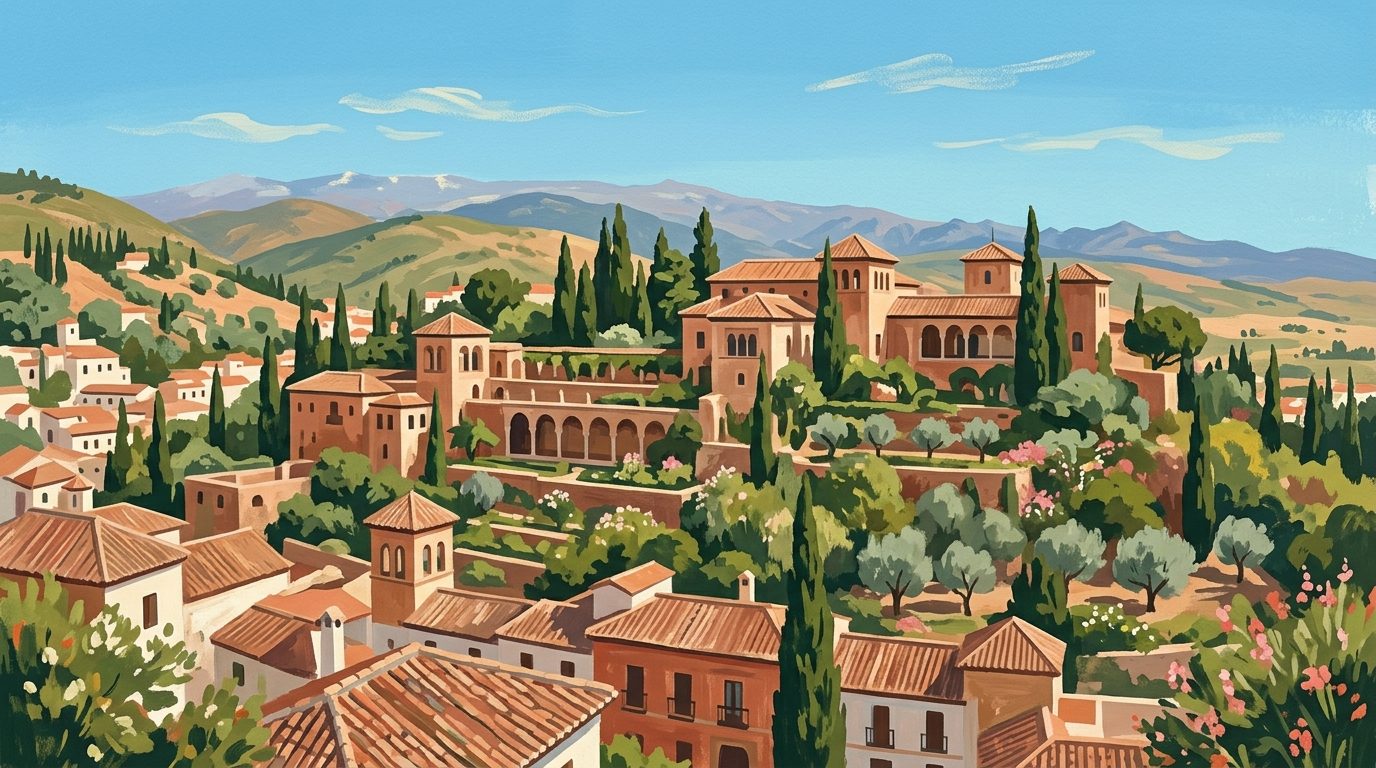
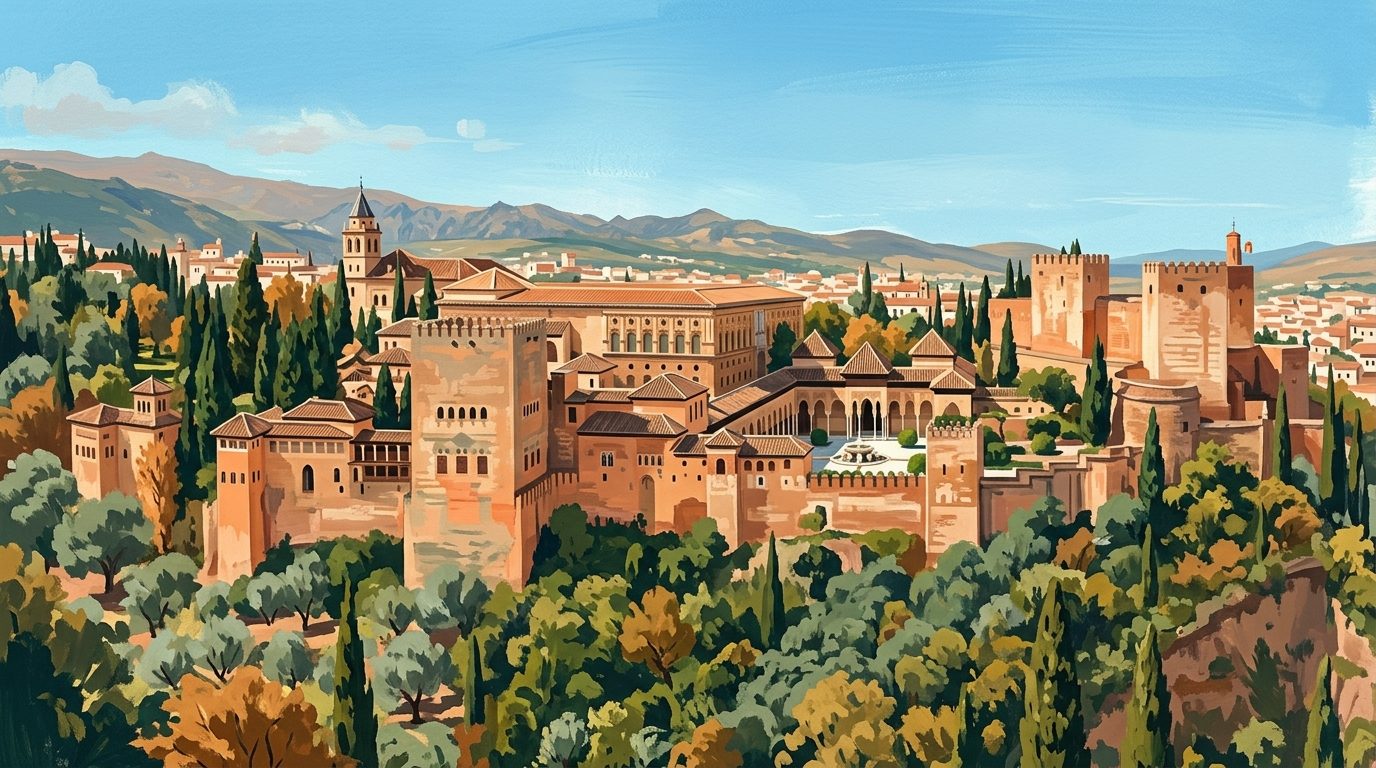
The Nasrid Palaces represent the pinnacle of Islamic architecture in Europe and serve as the historic heart of the Alhambra complex in Granada. Built as the residence for the sultans of the Nasrid Dynasty, the final Muslim rulers of Spain, these structures are a testament to the sophisticated craftsmanship and political power of the fourteenth century. The site is divided into three main areas: the Mexuar, the Comares Palace, and the Palace of the Lions. It suits visitors who appreciate intricate art, historical narratives, and the intersection of different cultural influences. Rather than grand, imposing facades, the palaces focus on interior harmony, using light, water, and geometry to create a sense of paradise on earth. It is a place for slow observation, where the details of the plasterwork and the sound of running water tell the story of a lost kingdom. When walking through the palaces, your attention should be drawn to the interplay between architecture and nature. The Court of the Myrtles acts as a transition into the Comares Palace, where the massive reflection pool creates a sense of stillness and doubles the visual height of the surrounding arches. Inside the Hall of Ambassadors, look upwards to the incredible cedar wood ceiling, which contains over eight thousand pieces arranged to represent the seven heavens of the Islamic universe. The transition to the Palace of the Lions brings a shift in atmosphere, focusing on a central fountain supported by twelve marble lions. This courtyard is famous for its forest of slender columns and the intricate muqarnas, or honeycomb vaulting, found in the adjacent rooms. These three-dimensional stalactite decorations are carved with such precision that they seem to defy the weight of the stone above. The Hall of the Abencerrajes is particularly striking for its star-shaped dome, which catches the afternoon light to highlight the complex geometry of the ceiling. Move through to the Hall of the Two Sisters to see one of the best-preserved examples of Nasrid tilework and plaster carving. The Lindaraja Lookout provides a framed view of the gardens, illustrating how the architects used windows as living paintings. Do not overlook the smaller details, such as the epigraphic inscriptions in the walls that repeat the Nasrid motto, "There is no victor but God." This constant repetition of calligraphy serves as both decoration and a continuous religious reminder throughout the royal apartments. The palaces are located within the Alhambra complex on the Sabika hill. You can reach the site on foot from Plaza Nueva by walking up the Cuesta de Gomérez or by taking the C30 or C32 red minibuses from the city centre. Advance booking is mandatory, as tickets are often sold out weeks or even months ahead. Your ticket will have a specific half-hour time slot printed on it; this is the only time you are permitted to enter the Nasrid Palaces. If you miss this window, you will be denied entry. Plan to spend at least one hour inside the palaces themselves, though the entire Alhambra site requires roughly three to four hours. Check the official website for current opening times and prices. To avoid the largest crowds, try to book the earliest morning slot or an evening visit when the artificial lighting emphasises the textures of the stone carvings. Wear comfortable shoes as the floors are uneven and you will be walking significant distances across the whole complex. It is also wise to carry a water bottle, especially during the summer months when Granada experiences intense heat. Arriving at the main Alhambra gates at least forty-five minutes before your palace entry time ensures you have enough time to walk to the palace entrance.

Parque de las Ciencias
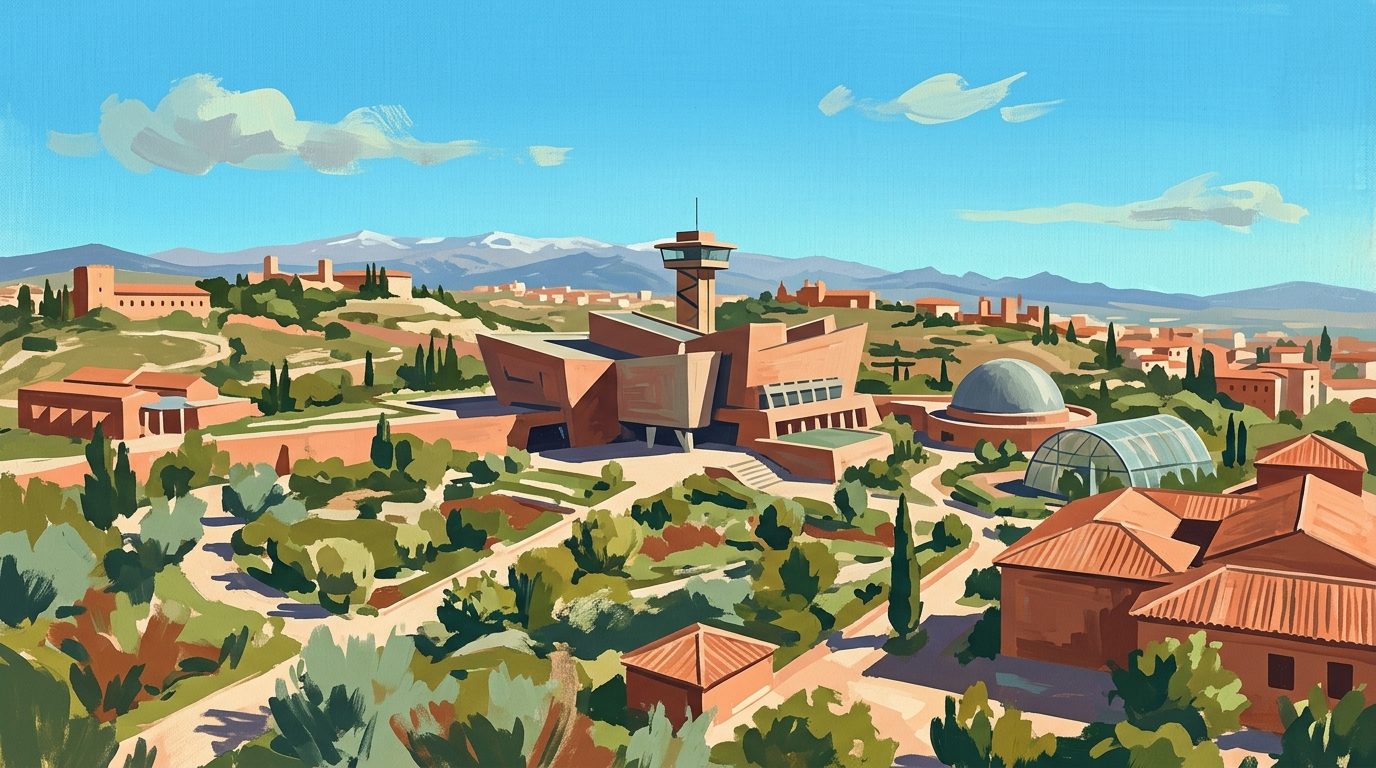
Located just outside Granada's historic centre, the Parque de las Ciencias is one of Spain’s most significant interactive science museums. It spans seventy thousand square metres, offering a modern counterpoint to the city’s traditional architecture. This facility appeals to curious minds of all ages, though it is particularly well-suited for families travelling with children who might need a break from traditional art galleries. It serves as a regional hub for scientific education, combining permanent exhibitions with rotating international displays. Whether you are interested in human anatomy, space exploration, or environmental conservation, the site provides a comprehensive look at the wonders of the natural and technological world in an accessible, engaging format. The BioDomo is perhaps the most striking feature of the complex, acting as an immersive window into the planet’s biodiversity. This enclosed ecosystem recreates tropical rainforests and marine habitats, allowing you to walk through areas where lemurs, sloths, and exotic birds live in proximity. Beyond the biological world, the Journey into the Human Body pavilion provides a detailed look at life and health through interactive models and historical medical instruments. You should also look for the Foucault Pendulum in the entrance hall, which offers a constant, silent demonstration of the rotation of the Earth. The architecture itself is noteworthy, with the Macroscopio building housing several thematic halls that explore everything from the origins of the universe to the intricacies of physics. Make sure to visit the Planetarium, where a high-definition projection system transports you across the night sky, though it is wise to book your session immediately upon arrival. Outside, the Observation Tower rises fifty metres above the ground, offering some of the best panoramic views of the Sierra Nevada mountains and the city skyline. The outdoor botanical walks and the butterfly house provide a quieter pace, showcasing Mediterranean flora and the life cycle of numerous species. For those with children, the dedicated exploration rooms allow for hands-on experiments that make complex concepts like gravity and light refraction easy to grasp through play and interaction. Reaching the park is straightforward as it is situated within walking distance of the city centre or a short ride on the city's bus network. Lines five, eleven, and twenty-one stop close to the entrance on Avenida de la Ciencia. The museum is generally open from Tuesday to Saturday with shorter hours on Sundays and public holidays, though it typically remains closed on Mondays. Check the official website for current opening times and prices to plan your day accurately. A full visit requires at least four to five hours to see the main pavilions without rushing, though science enthusiasts could easily spend an entire day here. To avoid the largest crowds, try to arrive when the doors open in the morning or visit on a weekday. Wearing comfortable walking shoes is essential given the size of the grounds. If you plan to eat on-site, the cafeteria offers standard fare, but there are also designated picnic areas for your own supplies. Always confirm the schedules for the bird of prey demonstrations and planetarium shows at the information desk upon entry.

Plaza de la Constitución
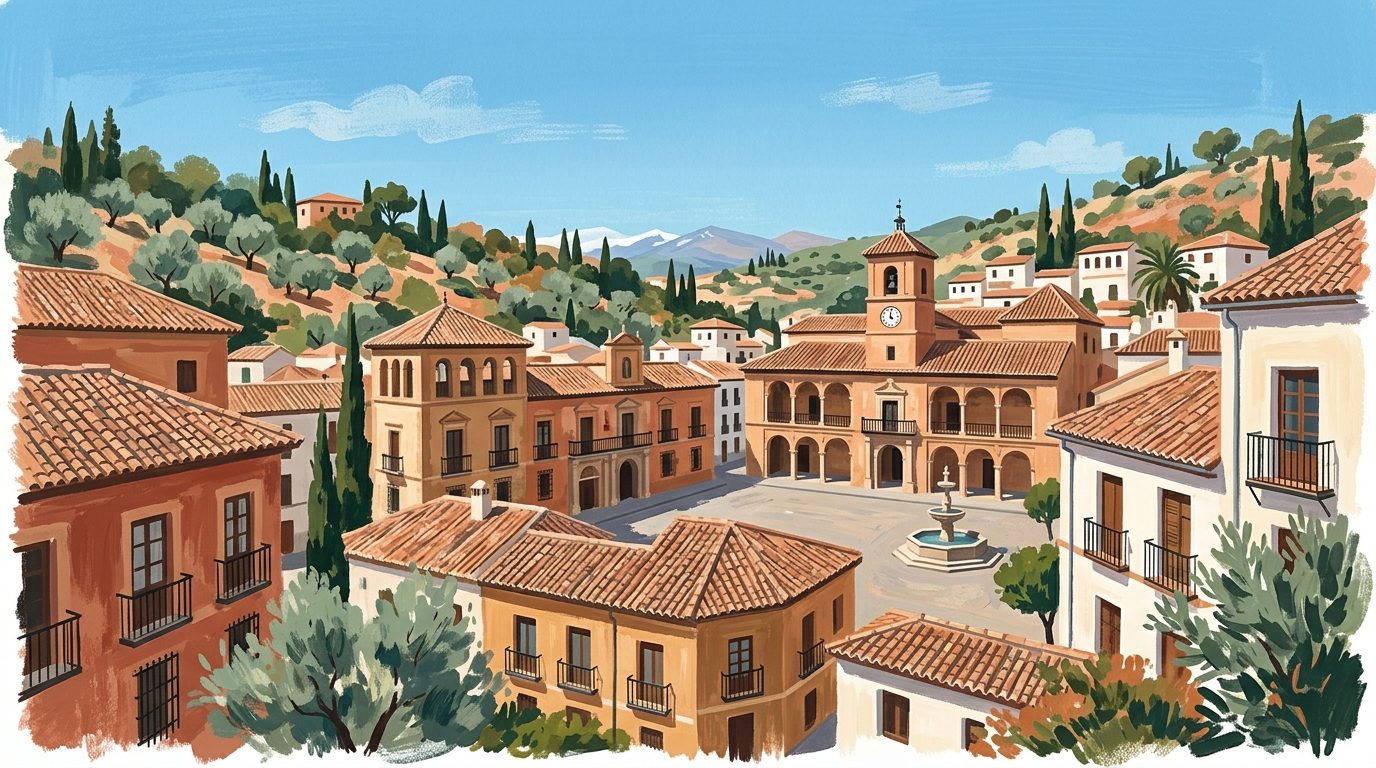
Plaza de la Constitución serves as the civic heart of Guadix, a city famous for its cave dwellings and Renaissance architecture. This sixteenth-century square is a refined example of a Castilian-style plaza mayor, characterised by its uniform porticoes and elegant proportions. It matters because it represents the urban transformation of the city following the Reconquista, moving the social centre away from the Moorish alcazaba towards a more formalised public space. It suits visitors who appreciate architectural history and those who enjoy observing the rhythm of daily life in a traditional Andalucian town. It is the ideal starting point for exploring the wider monumental district, offering a sense of order and grandeur that contrasts with the labyrinthine streets of the nearby cave quarters. The most striking feature of the square is its harmonious series of arcades, supported by slender columns and semicircular arches that provide shade and shelter around the perimeter. Above these arches, two levels of balconies with traditional ironwork overlook the central space. One of the principal buildings integrated into the square is the Ayuntamiento, or City Hall, which features a distinctive clock tower and a facade that blends seamlessly with the surrounding structures. Look closely at the coat of arms and the decorative stone carvings that denote its administrative importance. The square also houses the local tourist information office, situated within the arcades, where you can find detailed maps of the nearby cathedral and the ancient cave districts. The balance between the ochre-toned stone and the open sky creates a bright, airy atmosphere typical of the region's grander civic spaces. While the architecture is the primary draw, the square is best experienced by lingering at one of the terrace cafes under the arches. Sampling local tapas or a coffee while watching the townspeople go about their business provides an authentic glimpse into the social fabric of Guadix. It is also the gateway to the Cathedral of Guadix, whose massive presence looms just beyond the square's south-eastern corner. Walking through the narrow passage connecting the plaza to the cathedral plaza reveals a dramatic shift in scale and architectural style. Do not miss the opportunity to see the square lit up at night, when the golden stone glows and the atmosphere becomes particularly peaceful. Guadix is easily reached from Granada by car via the A-92 motorway in around fifty minutes, or by regional train and bus services which run several times a day. Once in the city, the Plaza de la Constitución is centrally located and best reached on foot, as parking in the immediate vicinity can be difficult. The square is a public space and is free to enter at any time of day. Most visitors spend about thirty to forty-five minutes here, though this can easily extend to over an hour if you stop for refreshments. Check the official website for current opening times and prices regarding any specific municipal buildings or exhibitions held within the Ayuntamiento. Early morning is the quietest time to visit, perfect for photography without the distraction of crowds. Alternatively, late afternoon during the paseo is when the square truly comes to life with local families. Visit during the heat of summer to benefit from the cooling shade of the porticoes. Wear comfortable walking shoes as the surrounding streets are often paved with traditional cobbles that can be uneven underfoot.

Plaza de Toros de Granada
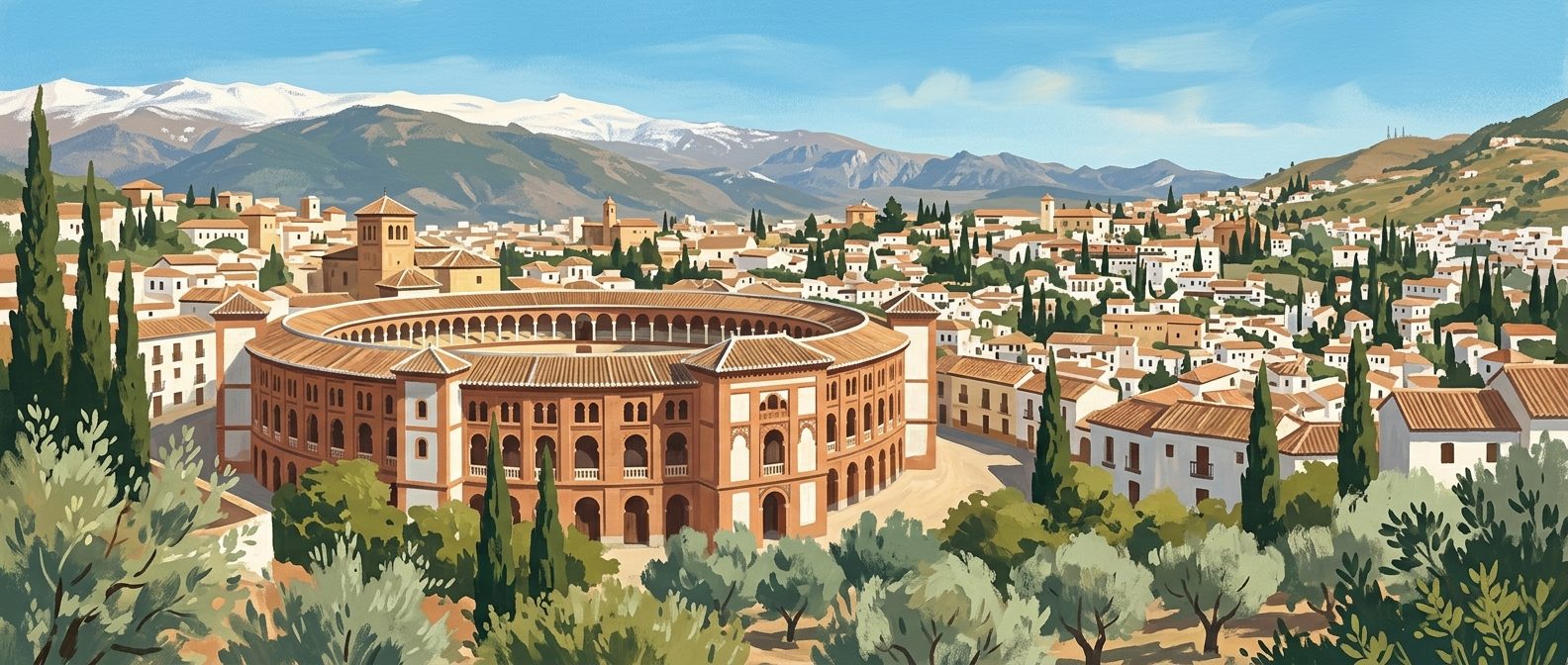
The Plaza de Toros de Granada is a significant monument to the city’s twentieth-century history and architectural ambition. Built in the late 1920s, this large-scale arena was designed by Francisco Prieto Moreno in the Neomudéjar style, which draws heavily on Moorish aesthetic traditions. It is one of the ten largest bullrings in Spain, accommodating over fourteen thousand spectators. This site is particularly well-suited to those interested in regional architecture or the complex cultural history of Andalucía. While the primary function of the arena is contentious for some, the building stands as a landmark of Granada’s social life and is frequently used for concerts and public events today. Exploring the site allows visitors to appreciate the scale of such structures and their role in the urban landscape beyond the typical tourist circuits of the Alhambra and the Albaicín. Upon approaching the arena, the first thing you notice is the intricate brickwork and the distinctive horseshoe arches that characterise the exterior facade. This style pays homage to the medieval heritage of the city while maintaining a functional, grand presence. Once inside, the sheer size of the golden sand circle, known as the ruedo, is striking. You should pay close attention to the ironwork on the balconies and the way the stands are tiered to provide unobstructed views. The museum housed within the structure provides a deeper look into the history of the site through a collection of historical posters, traditional costumes, and archival photographs. These exhibits help contextualise the various eras of the building and the legendary figures who have performed here, offering a scholarly rather than purely celebratory look at the tradition. One of the more evocative spaces within the complex is the small chapel where participants traditionally pray before entering the ring. It is a quiet, sombre space that highlights the ritualistic and spiritual aspects of the events held here. You can also walk through the stables and the infirmary, areas that are often missed but provide a complete picture of how the arena functions as a self-contained ecosystem. The taurine museum contains a variety of paintings and artefacts that illustrate the evolution of the sport in Granada. Taking the time to look at the detailed embroidery on the suits of light displayed in the glass cases gives you a sense of the craftsmanship involved in the traditional attire. The bullring is situated on Avenida del Doctor Oloriz in the Beiro district, which is a manageable thirty-minute walk north of the city centre. Alternatively, several local bus routes serve the area, or a short taxi ride from the cathedral will drop you right at the entrance. The site is generally open for tours throughout the week, though you should check the official website for current opening times and prices as these can change according to the season or planned events. A typical self-guided tour lasts between sixty and ninety minutes, providing plenty of time to explore the museum and the arena floor. Tickets can be purchased at the gate, though booking ahead online is often more convenient during the busier spring months. Visiting in the late morning is often best to avoid the heat of the afternoon sun, as the arena offers little shade. If you are in the city during the Feria de Corpus Christi in June, the area becomes the focal point of local festivities. For a more authentic experience, visit one of the many bars and restaurants integrated into the arches of the bullring after your tour. These establishments are popular with locals for traditional tapas and offer a unique perspective on the building’s ongoing role in the community.

Puerta de la Justicia
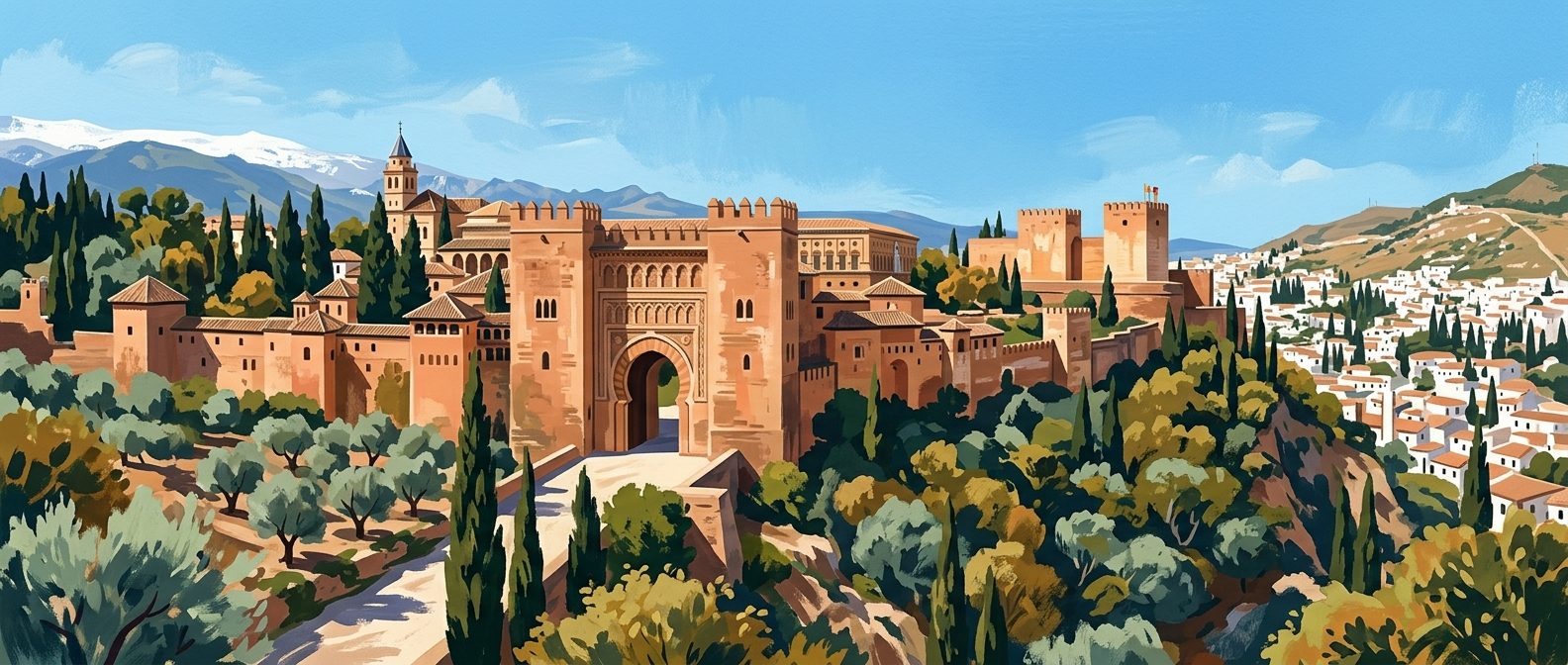
The Puerta de la Justicia serves as the most imposing entrance to the Alhambra fortress complex in Granada. Completed by Yusuf I in 1348, it is a massive defensive gatehouse that stands as a testament to the architectural sophistication of the Nasrid dynasty. This site is particularly suited for visitors who appreciate historical symbolism and military engineering, as it represents the grand threshold between the city and the royal precinct. It is often the first point of contact for those walking up from the city centre, offering a sense of the scale and power of the Moorish kingdom. This entrance provides a more authentic experience than the modern visitor pavilion, allowing you to walk the same path as the sultans and their court centuries ago. Upon approaching the exterior, you should look for the hand carved into the keystone of the outer arch, which represents the five pillars of Islam. Above the inner arch, a key is carved into the stone, a symbol of the authority to open and close the gates of heaven or perhaps the builder's power. The gate is constructed from local sandstone that glows under the Andalusian sun. As you enter, the passage follows a sharp, bent path known as a dog-leg, a classic Moorish defensive feature designed to break the momentum of any charging enemy. The interior is surprisingly cool and vaulted, with simple yet elegant masonry that reflects the utilitarian nature of the gatehouse as a guard post and a place where justice was once administered. Within the gatehouse, you will find a small niche that was converted into a chapel following the Christian conquest of 1492. This addition, featuring an image of the Virgin and Child, marks the shift from Islamic to Christian rule. Just outside the gate stands the Pillar of Charles V, a Renaissance fountain decorated with imperial shields and mythological figures. This area serves as a transition point between the defensive walls and the cultural heart of the Alhambra. Many visitors miss the subtle inscriptions in the stonework, so take a moment to look for the Arabic calligraphy that praises the Sultan and invokes divine protection over the fortress and its inhabitants. Accessing the gate is most rewarding on foot by walking up the Cuesta de Gomérez from Plaza Nueva, a path that leads through the cool, wooded grounds of the Alhambra forest. For those who prefer not to walk uphill, the C30 and C32 red microbuses drop passengers a short distance away. While you can walk through the gate and explore the Square of the Cisterns without a ticket, you will need a pre-booked ticket to enter the Nasrid Palaces or Generalife. Check the official website for current opening times and prices. You should set aside around thirty minutes to study the gate and its surrounding monuments before continuing your tour of the wider complex. Late afternoon is an ideal time to visit when the light brings out the warm tones of the stone and the crowds begin to thin. The gatehouse provides a natural wind tunnel that offers a cool breeze, making it a pleasant spot to rest for a moment during the heat of the day. Be sure to wear sturdy walking shoes, as the cobbles leading through the gate are worn smooth and can be slippery.

Royal Chapel of Granada
The Royal Chapel of Granada serves as the final resting place of the Catholic Monarchs, Isabella I of Castile and Ferdinand II of Aragon. Constructed in the Isabelline Gothic style between 1505 and 1517, this site holds immense historical weight as the symbolic heart of a unified Spain. It is an essential stop for visitors who wish to understand the seismic shift in European history following the fall of the Nasrid Kingdom in 1492. While it sits adjacent to the city's vast cathedral, the chapel is a distinct institution with its own entrance and character. It particularly appeals to those with an interest in medieval history, religious art, and the personal lives of the monarchs who sponsored Christopher Columbus. Upon entering, your attention is immediately drawn to the magnificent Carrara marble mausoleums. The tombs of Isabella and Ferdinand, designed by the Italian sculptor Domenico Fancelli, are masterfully carved with intricate detail. Beside them lie the monuments of their daughter, Joanna the Mad, and her husband, Philip the Handsome. These ornate structures are separated from the rest of the chapel by a monumental gilded wrought-iron grille, a masterpiece of the Plateresque style crafted by Bartolomé de Jaén. Visitors should not overlook the narrow stone staircase leading beneath the floor. This descent brings you to the crypt where the original lead coffins are stored in a simple, austere setting that contrasts sharply with the grandeur above. The experience continues in the Sacristy Museum, which houses an extraordinary collection of personal items and artworks belonging to Queen Isabella. Her devotion to Flemish art is evident in the selection of paintings by masters such as Rogier van der Weyden and Hans Memling, alongside works by Botticelli and Perugino. The museum also displays the Queen’s crown and sceptre, Ferdinand’s sword, and several illuminated missals. These objects offer a tangible link to the monarchs, moving beyond their public personas to show their personal tastes and the symbols of their authority. The collection is considered one of the most important private art galleries of its era in Spain. The chapel is located on Calle Oficios in the heart of Granada, easily reachable on foot from the Plaza Nueva or the Gran Vía. It is open to the public throughout the week, though visiting hours may be restricted on Sunday mornings and religious holidays to accommodate liturgical services. Tickets are required for entry and can be purchased at the ticket office on-site or through the official website. You should plan to spend approximately sixty to ninety minutes exploring the chapel and the museum to fully appreciate the details. Check the official website for current opening times and prices before your visit. To enjoy a quieter atmosphere, aim to arrive as soon as the doors open or during the final hour before closing when the largest tour groups have departed. Photography is strictly prohibited within the chapel and museum to preserve the integrity of the artworks and maintain a respectful environment. As this is a sacred site, visitors are expected to maintain silence and dress appropriately. Walking shoes are recommended for the surrounding cobbled streets, and it is worth noting that the interior can feel quite cool even during the peak of the Andalucian summer.

San Miguel Alto viewpoint
San Miguel Alto is the highest viewpoint in Granada, offering a panoramic perspective that surpasses the more famous Mirador de San Nicolás. Located atop a steep hill above the Albaicín and Sacromonte districts, it is marked by a small, whitewashed hermitage dedicated to the city's patron saint. This spot appeals to visitors who prefer a quieter, more contemplative experience away from the heavy tourist crowds. It suits those with a reasonable level of fitness who enjoy a walk with a rewarding view, as well as photographers looking for the ultimate wide-angle shot of the city. While San Nicolás offers a close-up view of the Alhambra, San Miguel Alto places the entire monument in its geographical context, framed by the Sierra Nevada mountains and the sprawling urban landscape below. The primary draw is the unobstructed view of the Alhambra palace complex, which stretches out across the opposite hillside. From this elevation, you can clearly distinguish the Alcazaba fortress, the Nasrid Palaces, and the Generalife gardens. Beyond the palace, the skyline is dominated by the massive Cathedral of Granada, its Renaissance structure rising above the labyrinthine streets of the lower city. To the south, the snow-capped peaks of the Sierra Nevada provide a dramatic backdrop for much of the year. Look closely at the hillside directly below the viewpoint to see the entrance to various cave dwellings, a characteristic feature of the Sacromonte area. The hermitage itself, the Ermita de San Miguel Alto, is a simple seventeenth-century building that, while often closed to the public, provides a serene focal point for the summit. The walk up to the viewpoint is an experience in itself, taking you through the upper reaches of the Albaicín where the streets become narrower and the atmosphere more local. You will pass traditional carmens—private villas with walled gardens—and remnants of the old Moorish walls. Once at the top, the sense of space is immense. It is common to see locals sitting on the stone walls, sharing a conversation as the light changes. If you explore the area around the hermitage, you can find different angles that look out over the Vega de Granada, the fertile plain that has sustained the city for centuries. The contrast between the ancient architecture and the natural landscape is particularly striking from this vantage point. Reaching San Miguel Alto requires a bit of effort. You can walk from the Plaza Larga in the Albaicín, following the steep path and stairs that lead upwards, which takes approximately twenty minutes. Alternatively, the C34 bus stops nearby, though it still leaves a short uphill walk to the very top. Taxis can also reach the vicinity if you prefer to skip the climb. The site is a public space and is open twenty-four hours a day with no entrance fee or tickets required. Plan to spend at least forty-five minutes at the summit to properly take in the view and explore the surroundings. Check the official website for current opening times and prices if you intend to visit during specific religious festivals when the hermitage might be open. Sunset is undoubtedly the most popular time to visit, as the Alhambra glows orange and the city lights begin to flicker on. However, arriving an hour before sunset allows you to secure a good spot and watch the colours transition. Wear sturdy walking shoes as the paths can be uneven and dusty. Bring water and perhaps a light snack, as there are no shops or cafes at the summit. Even in summer, a light jacket is useful as the hilltop can become quite breezy once the sun goes down.