Attractions in Andalucía
The Alhambra, the Mezquita, flamenco tablaos, natural parks and prehistoric caves — every must-see across southern Spain.
15 attractions in Cádiz

Alcázar de Jerez de la Frontera
The Alcázar de Jerez de la Frontera stands as one of the few examples of Almohad architecture remaining in the Iberian Peninsula. Originally constructed in the eleventh and twelfth centuries, this monumental complex served as a defensive fortress and a seat of power for the city’s various rulers. It is an essential stop for visitors who appreciate the layered history of Andalucía, where Islamic foundations support later Christian additions. Those interested in military fortifications and medieval urban planning will find the site particularly rewarding. Unlike the larger palace complexes in Seville or Granada, the Jerez fortress offers a more intimate and manageable encounter with the past, making it an excellent choice for families or travellers who prefer exploring at a steadier pace without the overwhelming crowds often found elsewhere. The most significant feature within the walls is the only surviving mosque of the eighteen that once served the city. Converted into a chapel following the Christian conquest, it retains its original mihrab and a beautiful ribbed dome that showcases the sophistication of Almohad design. Moving outside, the defensive structures are equally impressive, particularly the Octagonal Tower. This defensive bastion provides a vantage point over the surrounding countryside and the city’s rooftops. Walking along the ramparts, you can observe the massive tapia walls, a mixture of earth and lime that has withstood centuries of conflict. The contrast between the austere military architecture and the delicate interior spaces illustrates the dual role of the Alcázar as both a protective shield and a private residence for the ruling elite. Deep within the complex, the well-preserved Arabic baths offer a glimpse into the daily rituals of the Moorish inhabitants. The cold, warm, and hot rooms are clearly defined, featuring star-shaped skylights that once allowed steam to escape while illuminating the marble floors. Nearby, the Baroque-style Palacio de Villavicencio provides a stark architectural contrast. Built on the site of the former Islamic palace during the seventeenth century, it now houses a permanent exhibition regarding the city’s history. One of the unique experiences within this palace is the camera obscura, located in the highest tower, which projects live, moving images of Jerez onto a white screen, providing a different perspective on the urban layout. Located on Calle Alameda Vieja, the Alcázar is easily accessible on foot from the city centre, situated just a short walk from the cathedral and several major sherry bodegas. For those arriving from outside the city, the train and bus stations are roughly twenty minutes away on foot, though local buses stop nearby. A standard visit usually takes between ninety minutes and two hours, depending on how long you spend in the gardens and the palace galleries. Check the official website for current opening times and prices, as these can vary between the summer and winter seasons. It is worth noting that the camera obscura operates on a separate schedule with timed entries, so enquire at the ticket office upon arrival to secure a slot. To enjoy the grounds comfortably, visit during the cooler morning hours or late afternoon, especially during the height of summer when the stone surfaces retain significant heat. Spring is particularly pleasant as the orange trees and jasmine in the gardens are in bloom, adding fragrance to the experience. Wear sturdy walking shoes as the stone paths and staircases can be uneven. For the clearest views from the ramparts, aim for a day with low wind and high visibility to see as far as the surrounding vineyards.

Baluarte de la Candelaria, Cadiz
The Baluarte de la Candelaria is a prominent sea-facing fortress located on the northwestern tip of Cádiz, originally built in the late seventeenth century. It served as a critical defensive bastion, protecting the entrance to the port and the city’s bay from maritime threats. Today, it has transitioned from a military stronghold into a permanent cultural space, making it an ideal destination for history enthusiasts and those who appreciate architecture with a coastal backdrop. It suits visitors who enjoy walking along the city’s historic perimeter walls and those looking for a quiet spot to observe the Atlantic Ocean away from the more crowded tourist areas. Constructed under the direction of Governor Diego de los Salcedo, the fortification is notable for its sturdy, sloping stone walls designed to deflect cannon fire. As you explore the site, you should pay attention to its distinctive pointed shape, which juts out towards the sea like the prow of a ship. This strategic design allowed for a wide field of fire across the water. The central courtyard is now used for open-air concerts and exhibitions, providing a spacious area surrounded by the thick defensive masonry. Look out for the various ramps and platforms where cannons were once positioned, offering a glimpse into the military engineering of the period. The contrast between the weathered limestone and the bright blue of the Atlantic provides a clear sense of the city’s maritime history. Beyond the defensive walls, the interior of the bastion contains vaulted rooms that formerly served as barracks and storage for gunpowder. These spaces frequently host temporary art exhibitions, providing a cool retreat from the Andalusian sun. One of the most rewarding experiences at the Baluarte de la Candelaria is walking along the upper battlements. From this vantage point, you can enjoy expansive views of the Bay of Cádiz and watch the local fishing boats navigating the water. It is an excellent place to understand the city’s historic vulnerability and its reliance on sea defences for survival. The bastion is located at the end of the Alameda de Apodaca, a beautifully landscaped promenade. It is easily accessible on foot if you are exploring the old town or by using the local bus network that circles the historic centre. Admission to the fortress is generally free, though specific events or exhibitions might require a ticket. You should check the official website for current opening times and prices, especially during the summer months when evening concerts are common. A typical visit lasts around forty-five minutes to an hour, though you may wish to stay longer if there is an active exhibition or performance scheduled during your stay. Late afternoon is the most favourable time to visit, as the setting sun illuminates the stone walls and the surrounding sea. This timing also avoids the peak midday heat. Since the site is exposed to the elements, it can become quite windy, so bringing a light jacket is advisable even in warmer months. To make the most of your trip, combine your visit with a walk through the nearby Genovés Park for a full afternoon of coastal scenery and local heritage.

Cadiz Museum
The Museum of Cádiz sits on the elegant Plaza de Mina and serves as the definitive repository for the city's three thousand years of history. This institution is an essential stop for any visitor wishing to grasp the depth of the Phoenician and Roman heritage that underpins this ancient Atlantic port. It is housed in a nineteenth-century neoclassical building on the site of a former Franciscan orchard. The collection is divided into three distinct sections: archaeology on the ground floor, fine arts on the first, and ethnography on the top floor. It suits curious travellers who appreciate a quiet, intellectual retreat from the salt-sprayed streets and those who want to see the physical evidence of Gadir and Gades. The undisputed stars of the archaeological section are the two Phoenician anthropoid sarcophagi, dating back to the fifth century BC. Carved from white marble, these remarkable tombs represent a man and a woman and show a clear Egyptian influence, signifying the wealth and global connections of ancient Cádiz. Moving into the Roman era, look for the colossal statues recovered from the ruins of Baelo Claudia, including a striking depiction of the Emperor Trajan. The intricate mosaics and delicate glassware on display provide a vivid sense of the domestic lives of the Romans who once called this peninsula home. The transition from the Punic era to the Roman period is documented with clarity, showing the evolution of the city's seafaring identity. On the first floor, the Fine Arts gallery contains one of the most important collections of Baroque painting in Andalucía. The primary draw is the series of saints and monks by Francisco de Zurbarán, originally painted for the Charterhouse in Jerez de la Frontera. His mastery of light and the heavy textures of white robes is exceptional. You will also find works by Murillo and Rubens, alongside nineteenth-century Spanish landscapes. For a change of pace, the top floor houses the Tia Norica puppets, which are traditional string puppets used in local satirical theatre since the eighteenth century, offering a glimpse into the unique folk culture of the city. You can find the museum easily on foot within the old town, as Plaza de Mina is a short walk from the port and the cathedral. The museum usually opens from Tuesday to Sunday, remaining closed on Mondays and public holidays. Entrance is free for citizens of the European Union, while others are required to pay a modest fee. Check the official website for current opening times and prices to avoid disappointment. A thorough visit takes approximately two to three hours, though art enthusiasts may wish to linger longer in the Zurbarán gallery. It is a well-organised space that rarely feels overcrowded. The best time to visit is during the early afternoon when the Andalucían sun is at its peak, providing a cool sanctuary away from the heat. Start your tour on the ground floor to follow the chronological history of the city, and ensure you leave time for the puppet collection, which provides a lighter contrast to the solemnity of the archaeological finds. Photography is generally allowed without flash, making it easier to record the impressive details of the sarcophagi.

Catedral de Cádiz
The Cathedral of the Holy Cross over the Sea, commonly known as the New Cathedral, stands as a striking landmark on the Cádiz skyline with its distinctive golden-tiled dome reflecting the Atlantic sun. Constructed over a period of one hundred and sixteen years starting in 1722, it represents the city’s golden age when trade with the Americas moved from Seville to the coast. This building is a fascinating architectural hybrid, shifting from the ornate Baroque style of its foundations to the Neoclassical restraint of its upper reaches. It suits travellers who appreciate grand historical architecture and those interested in how maritime wealth shaped the urban landscape of southern Spain. It is an essential stop for anyone wishing to understand the scale of Spanish colonial influence and the sheer resilience of a city built on the edge of the ocean. Once inside, the sheer scale of the limestone and marble interior becomes apparent, with massive Corinthian columns supporting a soaring vaulted ceiling. You should look for the high altar, which features a neoclassical design by Manuel Machuca, and the impressive choir stalls carved from mahogany and cedar. Beneath the main altar lies the circular crypt, a sombre and atmospheric space built from local oyster stone. The acoustics here are remarkable, and the proximity to the sea is palpable as the foundations sit below the waterline. This crypt is also the final resting place of celebrated locals, including the composer Manuel de Falla and the poet José María Pemán. The interplay of light filtering through the high windows creates a serene atmosphere that contrasts sharply with the bright glare of the coastal city outside. A climb up the Levante Tower is a necessary addition to your visit. Unlike many cathedrals with steep stairs, this tower uses a series of ramps, making the ascent somewhat easier while offering glimpses of the city’s rooftop gardens and drying laundry through small windows. From the top, you are rewarded with a panoramic view of the Atlantic Ocean, the port, and the tightly packed white buildings of the old town. Back at ground level, the cathedral museum, located in the adjacent Casa de las Contaduría, houses a collection of liturgical gold and silverwork, processional monstrances, and religious paintings that illustrate the immense wealth of the diocese during the eighteenth century. The cathedral is located in the heart of the historic centre on Plaza de la Catedral and is easily reached on foot from any part of the old town. If you are arriving from the modern part of the city, the number one bus stops nearby at Plaza de San Juan de Dios. You should allow at least ninety minutes to explore the main nave, the crypt, the tower, and the museum properly. Tickets are usually sold as a combined pass covering all these areas. It is advisable to check the official website for current opening times and prices, as these can vary during religious festivals or for conservation work. Entry usually includes an informative audio guide, which provides context for the architectural transitions you will notice throughout the building. To avoid the largest crowds, try to arrive shortly after the doors open in the morning or during the late afternoon. The light on the golden dome is beautiful at sunset when viewed from the nearby Campo del Sur promenade. Remember that this is an active place of worship, so shoulders and knees should be covered. Taking a bottle of water is wise if you plan to climb the tower to stay hydrated during the ascent.

The Cathedral of San Salvador stands as a monumental landmark in the heart of Jerez de la Frontera, representing a fascinating transition between architectural eras. Originally a collegiate church, it only attained cathedral status in 1980, yet its scale and complexity reflect the historical wealth of this wine-producing city. The structure occupies a site where the city’s Great Mosque once stood, and today it offers a compelling study of Gothic, Baroque, and Neoclassical styles merged into one cohesive structure. It is an ideal destination for those who appreciate ecclesiastical architecture and anyone interested in the religious evolution of southern Spain. The building serves as a testament to the city’s prosperity during the seventeenth and eighteenth centuries, making it a central pillar of any cultural itinerary through the province of Cádiz. When approaching the exterior, pay close attention to the flying buttresses, which are quite distinctive because they were constructed during the Baroque period rather than the Gothic era. This unusual architectural choice gives the cathedral a unique profile. Inside, the five naves create a sense of immense space, with the central nave rising significantly higher than those on the sides. Look up to admire the stone dome, which is a masterpiece of late eighteenth-century design, decorated with intricate sculptural details. Another significant feature is the separate bell tower, standing apart from the main building. It was built over the remains of an ancient Almohad minaret, and its lower sections still reveal traces of its Moorish origins, while the top is capped with a decorative ceramic roof. Beyond the architectural grandeur of the main sanctuary, the Cathedral Museum houses several significant cultural treasures. The most famous piece in the collection is Francisco de Zurbarán’s painting, The Virgin Child, which is a rare and delicate depiction of Mary as a young girl. The museum also contains a collection of ornate liturgical silverware and historical vestments that reflect the cathedral’s former status as a wealthy collegiate church. For those willing to climb the stairs, the ascent of the bell tower provides a panoramic perspective of the surrounding city. From this height, you can clearly see the rooftops of the nearby Alcázar and the various sherry bodegas that define the local landscape. The cathedral is located on Plaza de la Encarnación, just a short walk from the Moorish Alcázar, making it easy to visit both sites in a single morning. Entry usually requires a ticket, which often includes an informative audio guide that explains the history of the various chapels and artworks in detail. While the cathedral is open throughout the week, it is important to remember that it remains an active place of worship, so access may be restricted during mass or special religious ceremonies. You should plan to spend at least an hour exploring the interior and the museum, though another thirty minutes is recommended if you intend to climb the tower and take in the views. To ensure a comfortable experience, try to arrive shortly after opening when the light filtering through the windows is at its most evocative and the crowds are thinner. Wearing comfortable shoes is essential if you plan to navigate the stone floors and the tower stairs. As with all religious buildings in Andalucía, modest dress is expected to show respect for the environment. Check the official website for current opening times and prices to avoid any disappointment before you arrive at the gates.

Claustros de Santo Domingo
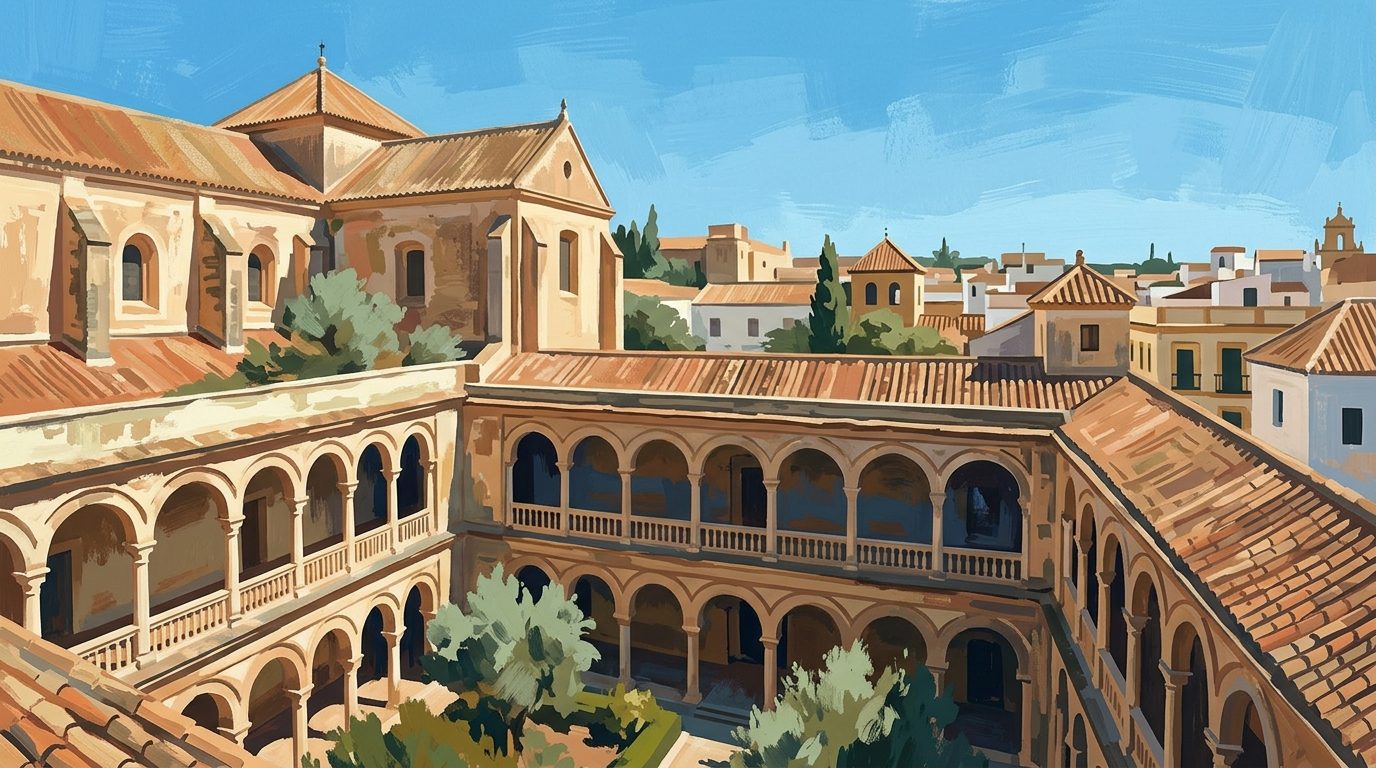
The Claustros de Santo Domingo in Jerez de la Frontera represent a significant example of Gothic architecture in Andalusia. This former Dominican convent, founded in the thirteenth century following the Christian reconquest of the city, serves as a serene cultural hub today. It appeals to those with an interest in ecclesiastical history and architectural evolution, as well as anyone seeking a quiet retreat from the sun-drenched streets. The complex has been meticulously restored to showcase its transition from a religious sanctuary to a versatile space for exhibitions and concerts. Visitors will appreciate the historical weight of a site that has survived centuries of change, making it an essential stop for those exploring the heritage of the province of Cádiz. The primary architectural draw is the grand cloister itself, which dates back to the fourteenth and fifteenth centuries. You should look closely at the intricate vaulting and the elegant pointed arches that define the Gothic style here. As you walk through the galleries, pay attention to the interplay of light and shadow across the stone floors, which highlights the craftsmanship of the medieval masons. The lower cloister retains a sense of solemnity, while the upper gallery offers a different perspective on the central courtyard. Look out for the various funerary chapels and the subtle decorative elements that reflect the wealth and patronage of the families who supported the Dominican order. Mudéjar influences are also present, reminding visitors of the cultural overlap that defines much of southern Spain. Beyond the structural elements, the cloister frequently hosts temporary art exhibitions and cultural events that breathe new life into the historic stone walls. If you visit during an exhibition, take the time to see how contemporary installations contrast with the ancient surroundings. The acoustics in the galleries are exceptional, making it a favoured venue for classical music recitals. Even when no specific event is taking place, the sheer scale of the refectory and the various meeting rooms provides a deep sense of the communal life once led by the friars. It is a place where the history of Jerez feels tangible, particularly in the quiet corners where the original stone carvings remain remarkably preserved. The cloisters are situated on the Alameda Cristina at the edge of the historic centre, making them easy to find on foot from the cathedral or the Alcázar. If you are arriving by car, there are several underground car parks nearby, such as the one at Plaza del Mamelón. Opening times can vary depending on the season and scheduled cultural events, so it is wise to check the official website for current opening times and prices before your visit. Generally, an hour is sufficient to see the main galleries and appreciate the architecture, though you may wish to stay longer if there is an exhibition of interest. Tickets are typically inexpensive, often with discounts available for students and seniors. To experience the cloisters at their most atmospheric, aim to visit in the morning when the light is softest and the galleries are at their quietest. During the summer months, the thick stone walls provide a natural and welcome cooling effect. Check the local cultural calendar for evening concerts, as seeing the space illuminated at night offers a completely different experience. Photography is usually permitted, but remember to be respectful if a private event is being prepared.

Iglesia de San Miguel
The Iglesia de San Miguel stands as one of the most important religious buildings in Jerez de la Frontera, representing a transition of styles from late Gothic to Baroque. It occupies a central position in the historic San Miguel district, an area synonymous with the city’s flamenco heritage and aristocratic past. This site is particularly suited to travellers who appreciate intricate ecclesiastical architecture and those who wish to understand the spiritual heart of one of Andalusia’s most storied neighbourhoods. Its construction spanned several centuries, resulting in a complex structure that serves as a visual record of the city’s evolution from the fifteenth century onwards. Visitors will find a space that feels deeply connected to the local community while offering world-class artistic treasures. Upon approaching the church, the west facade immediately captures your attention with its elaborate Baroque portal, though the overall structure retains its strong Gothic roots. Inside, the primary focus is the monumental main altarpiece, often considered a masterpiece of Spanish sculpture. This work was begun by Juan Martínez Montañés and completed by José de Arce, showcasing a sophisticated blend of Mannerist and Baroque influences. You should take time to examine the detailed carvings and the expressive figures that populate the tiers of the retablo. The interior is divided into three naves, where the soaring pillars transition into complex rib-vaulted ceilings. These architectural details create a sense of verticality and light that is typical of the late Gothic style found across the region. Beyond the main altar, the various side chapels offer a more intimate look at the religious devotion of Jerez’s noble families. The Chapel of the Socorro is a notable example, containing significant artworks and providing a quiet space for reflection. The church also features a distinctive bell tower, which dominates the local skyline with its blue and white ceramic tiles, a classic Andalusian decorative touch. As you walk through the aisles, notice the intricate metalwork on the screens and the delicate stone carvings on the doorways. These smaller details often tell the stories of the craftsmen and patrons who funded the church’s long and varied construction history. Located in the Plaza de San Miguel, the church is easily reached on foot from the central market or the Alcázar. While it remains an active place of worship, it is generally open to visitors during specific morning and afternoon windows. You should check the official website for current opening times and prices, as these can vary depending on the liturgical calendar. Most people find that forty-five minutes to an hour provides sufficient time to appreciate both the grand scale of the interior and the finer details of the altarpiece. Tickets are usually purchased at the entrance, and the revenue contributes to the ongoing preservation of this historical monument. To experience the church at its most atmospheric, plan your visit for the morning when the light filters through the high windows, illuminating the stone columns. It is wise to avoid arriving during scheduled mass times unless you intend to join the service, as tourist visits are restricted then. For a complete experience, combine your visit with a walk through the surrounding streets of the San Miguel quarter, which offers some of the most authentic atmosphere in the city, especially during the local festivals when the parish becomes the focus of civic life.

The Palace of Time, located within the Atalaya Museums complex in Jerez de la Frontera, is one of the most prestigious horological museums in Europe. It houses a vast collection of masterpieces dating from the seventeenth to the nineteenth centuries, making it an essential stop for history enthusiasts and fans of mechanical engineering. This attraction is far from a static repository of silent objects; it is a living exhibition where hundreds of timepieces are maintained in perfect working order. The setting adds to the appeal, as the museum is housed in a nineteenth-century neoclassical palace surrounded by landscaped gardens. It suits visitors who appreciate the intersection of scientific precision and decorative art, offering a quiet and contemplative atmosphere away from the busier tourist circuits. The collection consists of approximately three hundred clocks, primarily of French and English origin, which showcase the evolution of timekeeping technology and artistic styles. Visitors should look for the intricate mantel clocks from the Louis XV and Louis XVI periods, often decorated with gilded bronze, marble, and delicate porcelain. A standout feature is the way the museum engages the senses; the rooms are filled with the soft ticking and rhythmic chiming of the various mechanisms. Keep an eye out for the skeleton clocks, which reveal their complex inner workings through glass panels, and the tall grandfather clocks that demonstrate the height of eighteenth-century craftsmanship. The museum also employs holographic technology and multimedia displays to explain the scientific principles behind the movements, helping to interpret the history for a modern audience. Beyond the clocks themselves, the Atalaya complex offers a broader cultural experience. The palace is situated within the Atalaya Gardens, which are recognised for their botanical variety and provide a serene space for a walk. These grounds are also home to the Mystery of Jerez, an audiovisual space dedicated to the history of wine production in the region. Do not miss the chance to be in the main galleries when the hour strikes, as witnessing the synchronised chiming of scores of antique clocks is a rare and evocative experience. The craftsmanship on display extends to the furniture and paintings within the palace, which provide a rich context for the era in which these timepieces were created. The museum is located on Calle Cervantes, a short walk from the Royal Andalusian School of Equestrian Art, making it easy to combine these two major Jerez attractions in a single morning. It is roughly a twenty-minute walk from the central railway station or a short taxi ride from the Plaza del Arenal. Visitors should typically allow ninety minutes to two hours to fully appreciate the collection and the gardens. Opening hours are generally focused on weekday mornings, though they can be limited, so planning ahead is necessary. Check the official website for current opening times and prices, as these can vary seasonally or during local festivals. To experience the museum at its best, arrive shortly before the hour to ensure you are inside the main galleries when the clocks begin their collective chime. The atmosphere is quietest during the middle of the week, allowing for a more intimate look at the intricate dials and engravings. Since the museum is primarily indoors and climate-controlled to protect the delicate mechanisms, it provides an excellent escape from the midday heat. Photography is usually permitted, but check local signs regarding the use of flash near the more sensitive exhibits.

Palacio del Virrey Laserna
The Palacio del Virrey Laserna is an extraordinary example of a Spanish aristocratic residence located in the heart of Jerez de la Frontera. This grand house has remained in the hands of the same family since the thirteenth century, offering a rare continuity of heritage that spans over seven hundred years. It was once the home of the Count of the Andes and General José de la Serna, the last Viceroy of Peru. It appeals specifically to visitors who appreciate history, genealogy, and the domestic lives of the Spanish nobility. Unlike museums that feel clinical or abandoned, this palace retains the atmosphere of a lived-in family home, filled with personal effects and a sense of enduring legacy. Stepping inside the palace reveals an impressive collection of furniture, porcelain, and artworks that reflect the changing tastes of several centuries. The neoclassical architecture serves as a backdrop to an array of seventeenth and eighteenth-century pieces, including delicate French tapestries and Flemish paintings. One of the most significant aspects of the interior is the collection of family portraits that line the walls, providing a visual history of the lineage that has maintained the property. Keep a sharp eye out for the elaborate chandeliers and the intricate tile work that decorates many of the lower levels, showcasing the traditional craftsmanship of the region during its most prosperous eras. Beyond the formal reception rooms, the palace contains a remarkable library filled with antique volumes that highlight the intellectual pursuits of the family over generations. The dining room remains set as if for a formal gala, demonstrating the etiquette and social rituals of the Spanish upper class. The central courtyard and gardens offer a peaceful retreat from the heat of the city, featuring traditional fountain designs and lush vegetation. These spaces provide a glimpse into the private leisure of the residents, far removed from the public eye of the surrounding streets and the heat of the Andalusian afternoon. Finding the palace is straightforward, as it is situated on Calle Pozuelo, just a short walk from the Jerez Alcázar and the Cathedral. Access to the interior is strictly by guided tour, which allows for a deeper understanding of the anecdotes and historical context behind the various rooms. Tours typically last about forty-five minutes to an hour. You should check the official website for current opening times and prices, as these can vary depending on the season and family events. Most visitors find that an hour is sufficient to see the highlights, though those with a keen interest in art may wish to linger longer during the tour to examine the finer details. To enjoy the most pleasant weather, visit Jerez during the spring or early autumn, particularly during the Horse Fair or the autumn harvest festivals when the city is in high spirits. Photography is often restricted in certain private areas, so it is wise to clarify the rules with your guide upon arrival. Combining a visit here with the nearby Alcázar provides a comprehensive overview of the architectural evolution of Jerez from the Moorish period through to the nineteenth century.

Parque Genovés
Parque Genovés is the largest and most significant green space within the historic centre of Cádiz. Established in the late eighteenth century and significantly expanded in the nineteenth, it provides a structured botanical garden that contrasts sharply with the narrow, windy streets of the old city. It is particularly well-suited to those seeking a quiet retreat from the afternoon heat, botanical enthusiasts, and families with children. The park represents the romantic garden style typical of the late 1800s, offering a peaceful atmosphere overlooking the Atlantic Ocean. Its historical importance lies in its role as a botanical collection, featuring species brought back from the Americas, which reflects the maritime heritage of the city. Visitors can enjoy a leisurely walk through carefully manicured paths while experiencing a different side of the local landscape. The defining feature of the park is its impressive collection of shaped cypress trees, which line the central promenade and provide a distinctive architectural quality to the greenery. These trees are meticulously pruned into symmetrical forms that create long, shaded vistas. Another significant highlight is the waterfall and grotto area known as La Cascada. This artificial lake and rock formation allow visitors to walk behind a curtain of falling water or climb to the top for views across the park towards the sea. Keep an eye out for the many rare botanical specimens, including the massive dragon trees and various species of palms that have flourished in the mild coastal climate. The garden also features several statues and monuments dedicated to local figures, adding a layer of cultural history to the botanical surroundings. Beyond the main paths, look for the various aviaries that house a variety of bird species, adding a soundscape of birdsong to the garden. The children's play area is well-maintained and provides a safe space for younger visitors to burn off energy under the shade of mature trees. Walking along the perimeter wall offers glimpses of the Santa Catalina fortress and the sea, especially pleasant during the golden hour before sunset. Taking a seat on one of the ceramic-tiled benches allows for a slower appreciation of the park’s geometry and the diverse textures of its foliage and flowers. Located at the northwestern tip of the old town on Avenida Doctor Gómez Ulla, the park is easily accessible on foot from major landmarks like the Cathedral or the Falla Theatre. Entry to the park is free, making it an accessible option for all travellers. It typically opens early in the morning and remains open until late in the evening, though specific hours can vary depending on the season. You should allow at least an hour to wander the main circuits, though those who wish to read or enjoy the grotto might stay longer. Check the official website for current opening times and prices to confirm access during your stay. The ideal time to visit is during the late afternoon when the sun begins to dip, as the light filtering through the cypress trees is particularly beautiful. During the height of summer, the park offers a cooler microclimate than the surrounding stone streets. Wear comfortable walking shoes, as the paths are primarily gravel and stone. It is worth combining a visit here with a walk along the nearby Santa Bárbara promenade for panoramic ocean views immediately after leaving the park.

Parque González Hontoria
Parque González Hontoria is the primary public park in Jerez de la Frontera, serving as a fundamental social and cultural hub for the city. Named after a former mayor, it occupies a significant area north of the city centre and acts as the official grounds for the Feria del Caballo, the Horse Fair, which is one of the most prestigious events in the Andalucian calendar. This attraction is ideal for travellers who appreciate the intersection of public gardening and regional tradition. It offers a spacious environment for families, joggers, and those seeking a quiet walk. While it is a functional park throughout the year, its identity is inseparable from the equestrian heritage of the region, making it a site of interest for anyone wanting to understand the local identity. The architecture within the park reflects a refined late nineteenth-century aesthetic, featuring several permanent structures that offer historical character. One of the most prominent features is the Paseo de las Palmeras, a grand avenue flanked by towering palm trees that gives the park an air of elegance. Throughout the site, visitors should look for the intricate ironwork on the pergolas and the various pavilions that provide shelter from the sun. The park is landscaped with a combination of wooded zones and more formal arrangements, featuring a range of Mediterranean flora. The ground is often covered in the traditional yellow albero sand, which is synonymous with the bullrings and fairgrounds of the south, providing a distinct texture and colour to the landscape even outside of the festival season. Away from the wide avenues, the park contains a dedicated rose garden, known as the Rosaleda, which provides a more intimate and fragrant experience during the spring months. This section is often quieter and allows for a moment of reflection among well-tended flowerbeds. It is also worth observing the permanent infrastructure designed for the city's major festivities, such as the systematic layout of the rows of lanterns. These elements remain year-round and hint at the scale of the celebrations held here. For horse enthusiasts, the proximity to the city's equestrian heart is evident in the broad paths designed to accommodate carriages and riders, reflecting a lifestyle that has defined Jerez for centuries. Reaching Parque González Hontoria is simple, as it is located within a comfortable walking distance from other major sights, such as the Royal Andalusian School of Equestrian Art. For those travelling from further away, local bus routes serve the surrounding area, and there is generally street parking available nearby, except during the week of the fair. The park is accessible daily from morning until evening, and entry is entirely free. A visit typically lasts around an hour, though those wishing to linger in the gardens or use the space for exercise may stay longer. Check the official website for current opening times and prices if any temporary exhibitions or ticketed events are taking place. Visiting in late spring or early autumn is recommended to avoid the intense heat of the mid-summer months. If you wish to see the park in its most famous state, the week of the Horse Fair in May is the time to go, though be prepared for large crowds and a very different atmosphere. For a regular visit, wear sensible footwear suitable for sandy paths and bring a bottle of water, as there are limited facilities inside the grounds on quiet days.

Playa de La Caleta
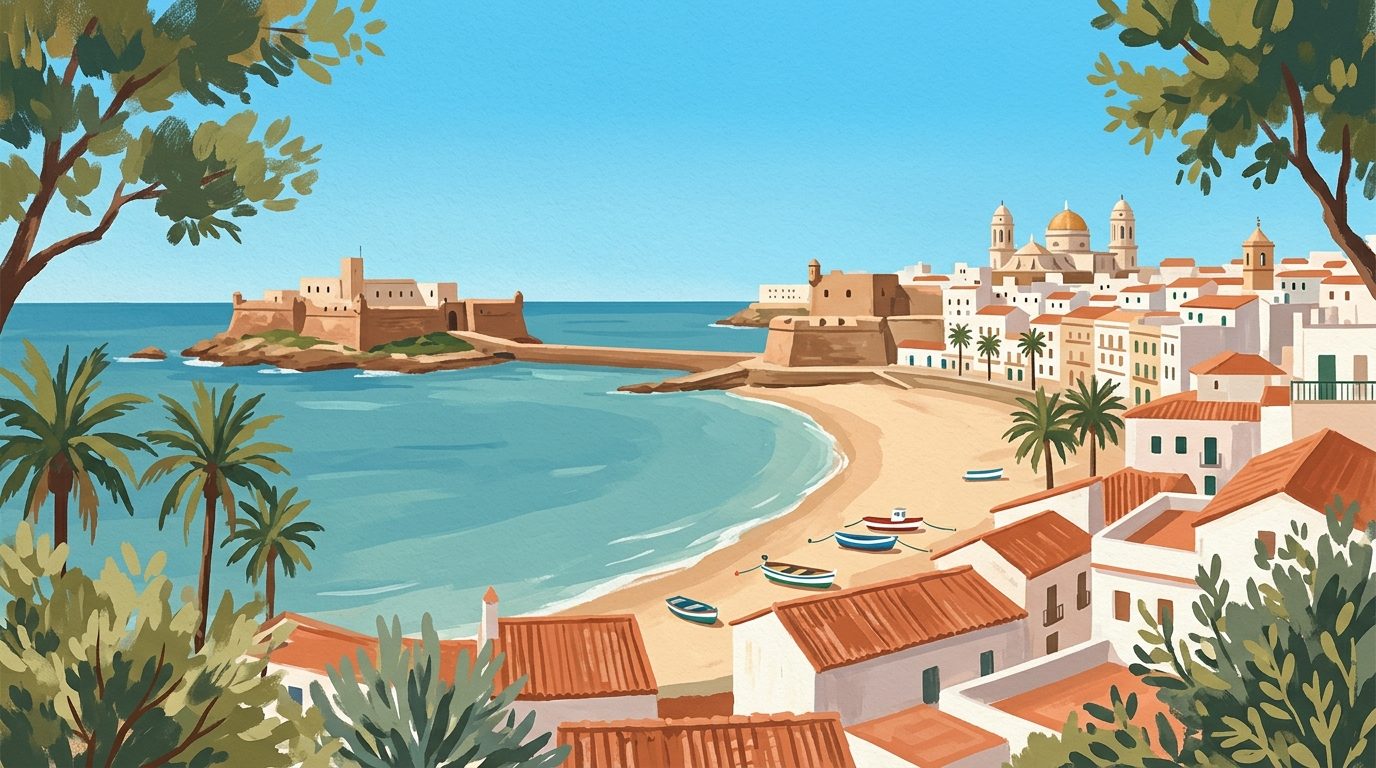
Playa de La Caleta is the most historic and smallest beach in Cádiz, situated at the western tip of the old city. It is framed by two ancient fortresses and sits directly in front of the traditional Barrio de la Viña. This beach is deeply woven into the local identity, serving as the setting for countless carnival songs and even international films. It appeals to history enthusiasts who want to see the seafaring roots of the city, families who appreciate the calm, shallow waters protected by the bay, and photographers looking for the most iconic coastal views in Andalucía. Unlike the long, modern stretches of sand further south, La Caleta offers a sense of intimacy and connection to the maritime past of the oldest continuously inhabited city in Western Europe. The most striking feature of the beach is the Balneario de Nuestra Señora de la Palma, a grand white building with elegant turrets that serves as an architectural icon of the city. To the north lies the Castillo de Santa Catalina, a seventeenth-century star-shaped fortress that now hosts art exhibitions and provides a sturdy backdrop to the northern curve of the bay. On the opposite side, the Castillo de San Sebastián sits at the end of a long stone causeway reaching out into the Atlantic. You should look out for the small fishing boats, known locally as barquillas, which bob in the central part of the water. These boats are not just for show; they represent the living fishing culture of the Viña neighbourhood. The rocks surrounding the beach are also significant, as many are named by locals and have their own distinct identities within Gaditano folklore. Walking along the Paseo Fernando Quiñones, the raised stone path leading to the San Sebastián fortress, provides a unique perspective of the city skyline and the ocean. It is a favourite spot for a breezy stroll where you can watch waves crash against the stone defences. Back on the sand, take the time to observe the local rituals, such as the groups of residents who gather daily to socialise and play cards. For a different view, explore the giant ficus trees located just behind the beach on the Avenida Duque de Nájera. These massive trees were brought from the Americas centuries ago and offer a cooling canopy of shade after a day spent in the sunshine. Reaching Playa de La Caleta is straightforward on foot if you are staying within the historic centre of Cádiz, as it is a short walk from the Cathedral or the Central Market. If you are arriving from the newer part of the city or the railway station, the number 2 or 7 bus will drop you nearby at the Duque de Nájera stop. There is no entrance fee for the beach, as it is a public space open throughout the day and night. The fortresses often have their own specific visiting hours; check the official website for current opening times and prices for any exhibitions within the castles. Plan to spend at least three hours here to properly explore the castles and enjoy the water, though many visitors stay for the entire afternoon. The most celebrated time to be at La Caleta is during sunset, as the sun drops directly into the sea between the two castles. It is arguably the most famous sunset in Spain, so arrive early to secure a spot on the sand or the seawall. During the summer months, the beach can become quite crowded with local families, so a morning visit is better if you prefer a quieter environment. Bring sturdy footwear if you intend to walk the causeway, as the ground can be uneven and wet.

Teatro Romano de Cádiz
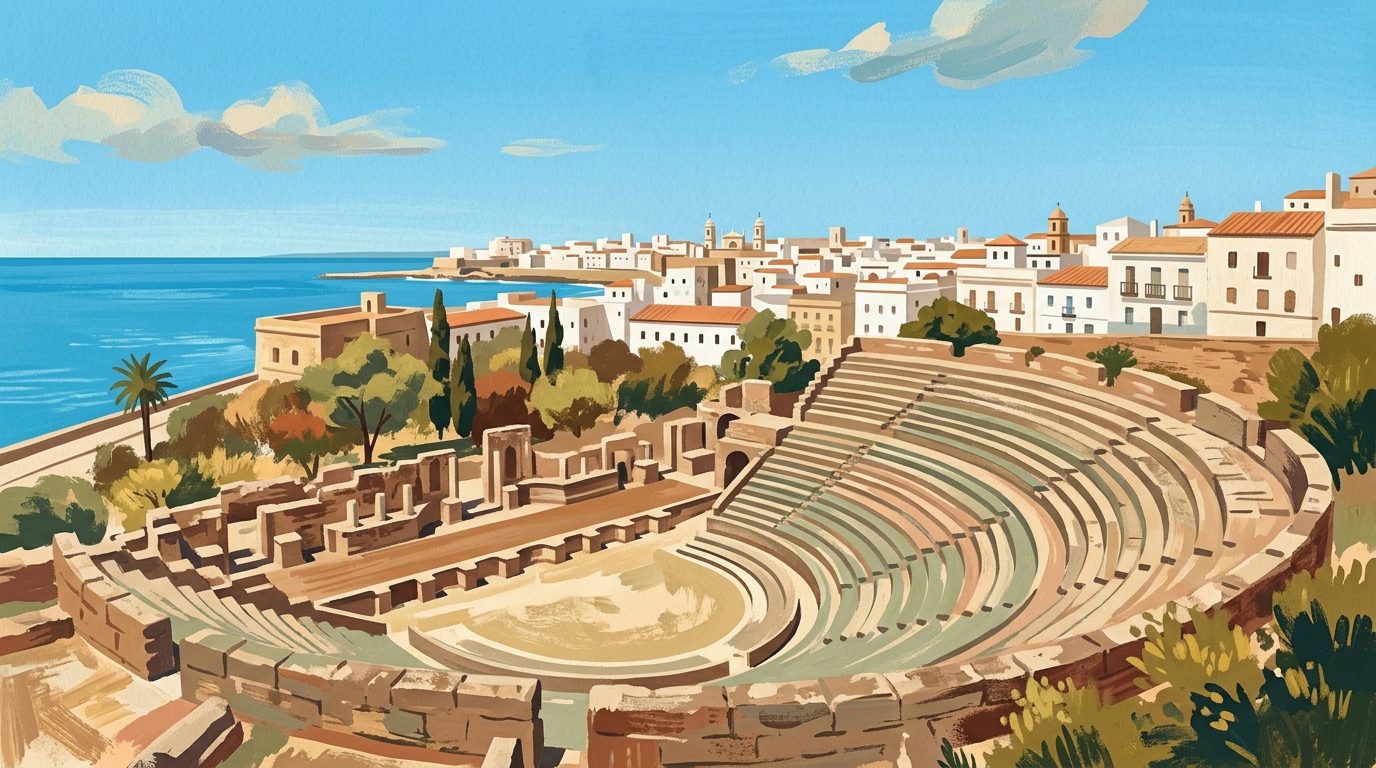
The Roman Theatre of Cádiz is one of the oldest and largest amphitheatres in the Roman world, dating back to the first century BC. Built by order of Lucius Cornelius Balbus the Younger, a personal friend of Julius Caesar, it stands as a testament to the city's ancient prominence when it was known as Gades. It remained forgotten for centuries, buried beneath the medieval El Pópulo district, until its accidental discovery during a warehouse fire in 1980. This site appeals to history enthusiasts and curious travellers who enjoy seeing how modern urban life literally sits on top of ancient civilisations. It provides a rare glimpse into the sheer scale of Roman ambition in Hispania, offering a stark contrast to the winding, narrow streets of the surrounding old town. The most striking feature of the site is the cavea, or seating area, which was carved directly into the natural slope of the ground. Visitors can walk through the original arched gallery, known as the vomitorium, which allowed spectators to reach their seats quickly and efficiently. The sheer size of the construction is impressive, as it once held over ten thousand spectators. While much of the theatre remains unexcavated beneath the houses of the El Pópulo neighbourhood, you can clearly see the horseshoe shape of the tiered seating and the remains of the orchestra area. The interpretative centre at the entrance provides essential context, using glass floors to reveal the archaeological remains below and displays that explain the sophisticated engineering techniques used by Roman builders in this coastal environment. One of the unique aspects of visiting this theatre is the experience of walking through the dark, vaulted tunnels beneath the stands. These passages remain remarkably well-preserved and give a tangible sense of the building's structural integrity. You should pay close attention to the drainage systems and the way the stone blocks were fitted together without mortar. There is a specific viewpoint from the upper reaches of the excavated section where you can look across the ancient stone tiers towards the sea and the modern cathedral domes, a vista that perfectly captures the many layers of history that define Cádiz. The theatre is located in the El Pópulo district, easily reachable on foot from the cathedral or the central town hall. Access is through a small museum building on Calle Mesón. Entry is currently free of charge, though you should check the official website for current opening times and prices as these can change. The site is usually closed on Mondays and has shorter hours on Sundays. A typical visit takes about forty-five minutes to an hour, which allows enough time to read the information panels and explore the accessible parts of the stands and tunnels. It is a compact site, making it an easy addition to a morning spent exploring the old town. The best time to visit is during the morning to avoid the heat of the afternoon sun, as the outdoor portion is quite exposed. Wear comfortable, flat shoes, as the ancient stone surfaces and the streets leading to the entrance are uneven and can be slippery when damp. If you are travelling during the peak summer months, try to arrive right when it opens to enjoy the atmosphere before the site becomes busier with tour groups.

The 1812 Constitution Monument
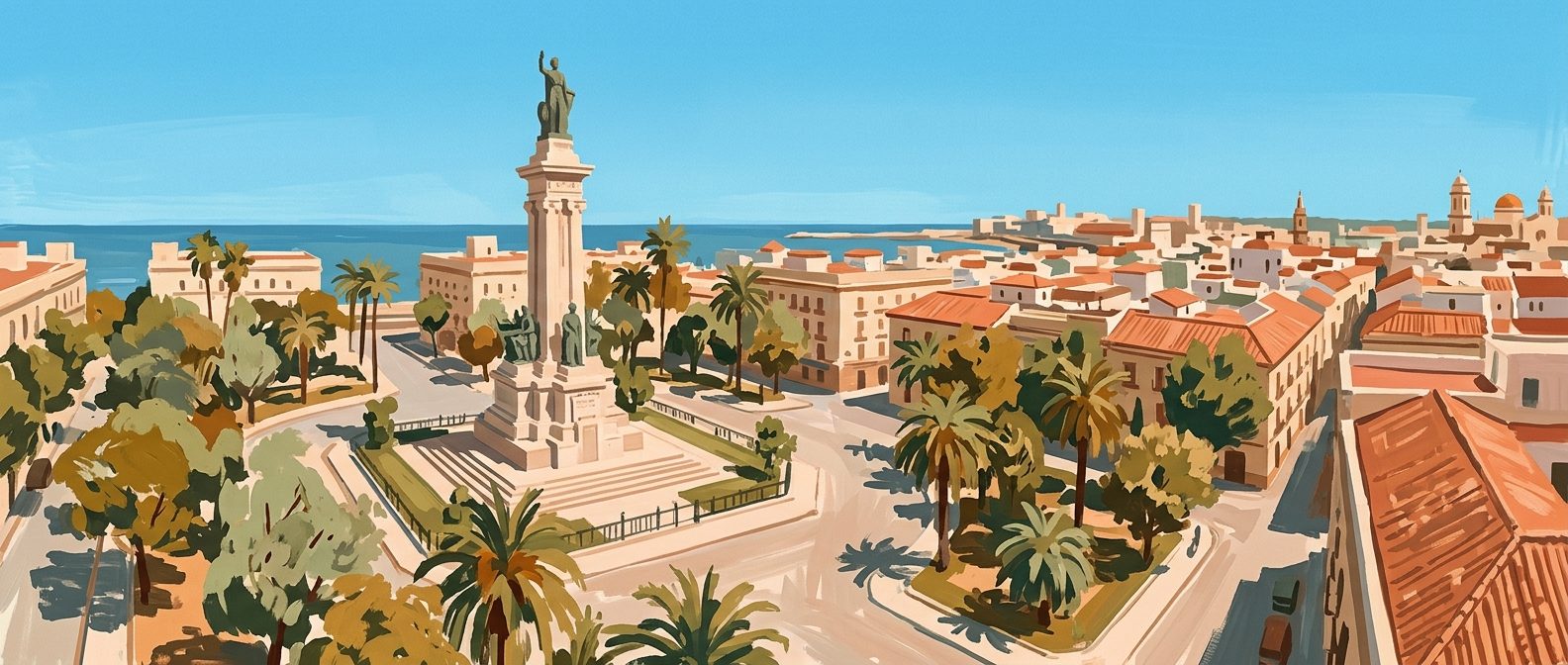
The Monument to the 1812 Constitution stands as a grand tribute to one of the most significant moments in Spanish political history. Known locally as La Pepa, the constitution was drafted in Cádiz during the Peninsular War, marking the first time the country attempted to establish a constitutional monarchy with shared sovereignty. This site is particularly well suited for visitors who enjoy exploring the roots of European democracy or those who appreciate large-scale commemorative sculpture. It occupies a prominent position in the Plaza de España, serving as a reminder of the city’s role as the last stronghold of Spanish independence during the Napoleonic siege. The sheer scale of the work reflects the immense pride the people of Cádiz feel for their liberal heritage and their pivotal role in shaping modern Spain. Designed by architect Modesto López Otero and sculptor Aniceto Marinas, the monument is a complex ensemble of stone and bronze. The central column rises high above the square, topped by figures representing the Constitution itself. At the base, you will find intricate marble reliefs that depict the proclamation of the law and the courageous defence of the city. One of the most striking elements is the bronze group representing Peace, which stands in contrast to the figures representing War on the opposite side. Take time to walk around the entire perimeter to appreciate the detailed storytelling within the stone, as each panel offers a glimpse into the social and political atmosphere of early nineteenth-century Spain. The arrangement of the figures creates a sense of movement and drama that captures the urgency of that historical era. Beyond the central pillar, look for the symbolic figures representing Agriculture and Industry, which illustrate the economic hopes of the newly formed state. An evocative detail often overlooked is the empty throne located at the centre of the monument. This represents the absent King Ferdinand VII, who was being held by the French at the time the constitution was written. The surrounding gardens provide a quiet space to contemplate these symbols of liberty and law. The integration of maritime motifs also reflects the importance of the Atlantic port to the city’s survival and prosperity during the conflict. It is a place where architecture and political philosophy meet in a physical form. Finding the monument is straightforward as it sits in the heart of the Plaza de España, just a short walk from the main port and the cruise ship terminal. If you are arriving by train or bus, the station is approximately ten minutes away on foot through the old town streets. As it is situated in a public square, there are no tickets required and it is accessible twenty-four hours a day. Most visitors find that twenty to thirty minutes is sufficient to examine the sculptures and read the inscriptions. Check the official website for current opening times and prices if you plan to visit any nearby municipal museums or galleries on the same day. The best time to visit is during the late afternoon when the low sun casts long shadows across the marble, highlighting the textures of the carvings. Seeing the monument illuminated at night provides a different perspective, as the spotlights emphasise its height and dramatic silhouette. After your visit, take a short stroll to the nearby Murallas de San Carlos for views across the bay, or enjoy a coffee in one of the traditional cafes along the square.

Torre Tavira
Torre Tavira is the highest point in the old town of Cádiz and served as the official watchtower for the port during the city's eighteenth-century trading peak. In a city where merchants built private towers to spot their returning ships, this particular structure was chosen as the watchtower because of its height and central location. It appeals to history enthusiasts interested in the maritime heritage of the Atlantic and those who appreciate panoramic views without the modern feel of a skyscraper. The experience is primarily visual and educational, making it suitable for families with older children and solo travellers who want to orient themselves before exploring the narrow streets below. It represents a time when Cádiz was the gateway to the Americas, and the tower stands as a physical reminder of the wealth and strategic importance that shaped local architecture. The principal draw is the Camera Obscura, the first of its kind installed in Spain. Inside a darkened room, an optical system of lenses and mirrors projects a live, moving image of the city onto a horizontal white screen. A guide manipulates the lens to show you the rooftops, the cathedral domes, and people walking through the squares in real time. It is a fascinating way to understand the layout of the city while hearing about its history. As you climb the stairs towards the top, you will pass two exhibition rooms. These provide context about the history of the tower and the eighteenth-century trade with the Indies. One room focuses specifically on the development of the Camera Obscura and how it works, while the other delves into the daily life of the watchmen who monitored maritime traffic. After the Camera Obscura demonstration, you emerge onto the roof terrace, which provides the highest vantage point in the old quarter. From here, the distinct architecture of Cádiz becomes clear, particularly the varied styles of the other watchtowers that still dot the skyline. You can see the yellow dome of the cathedral and the surrounding Atlantic Ocean that frames the city on all sides. The contrast between the terracotta tiles of the residential houses and the white stone of the civic buildings is particularly striking from this height. It is a useful place to identify landmarks you plan to visit later, such as the Oratory of San Felipe Neri. The tower is located on Calle Marqués del Real Tesoro, a short walk from the central market and the cathedral. It is open throughout the year, but the specific hours vary between the summer and winter seasons. Because the Camera Obscura sessions have limited capacity, it is essential to book your tickets in advance through the official website to secure a specific time slot. A typical visit lasts about forty-five minutes to an hour, including the guided session and time spent on the terrace. Check the official website for current opening times and prices, as these are subject to change according to the season. Morning visits often provide the clearest light for photography, though the late afternoon offers a softer glow across the rooftops. If you visit during the summer months, the heat can be intense, so the breeze on the roof is a welcome relief. Be aware that the climb involves 170 steps and there is no lift, so wear comfortable shoes and take your time. Photography is permitted on the terrace but restricted during the Camera Obscura session.