
attraction · Jaén
Castillo de Segura de la Sierra
Andalucía 365 · Updated 18 July 2026
Our Verdict
“A meticulously restored mountain fortress offering deep insights into the Order of Santiago and sweeping views over the Sierra de Segura, though its remote location demands a deliberate journey.”
Last verified: July 2026
A Stronghold in the Clouds
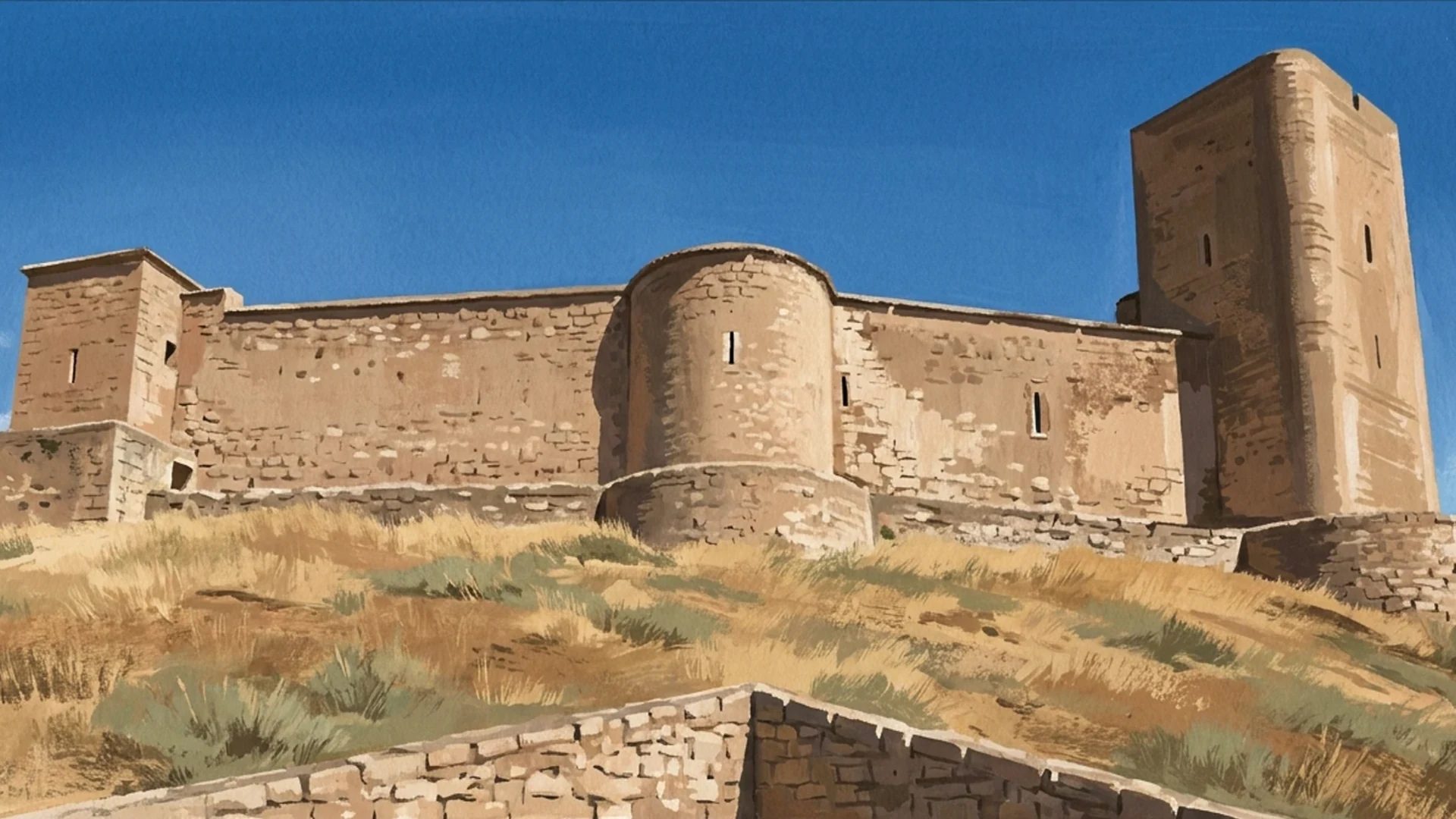
Crowning a steep crag at 1,200 metres above sea level, the Castillo de Segura de la Sierra is the highest fortress in Jaén province. Originally an Islamic stronghold, it was transformed into a formidable Christian bastion by the Order of Santiago in the 13th century. Today, it stands as a meticulously restored monument that anchors the northern reaches of the Sierras de Cazorla, Segura y Las Villas Natural Park. Visitors come to explore its pentagonal walls, the imposing Torre del Homenaje and the interpretation centre dedicated to the warrior-poet Jorge Manrique. Suited to history enthusiasts and those exploring the remote highlands, the castle requires a deliberate detour along winding mountain roads, rewarding the effort with sweeping views over one of Andalusia's most rugged landscapes.
A Frontier Fortress
The origins of the Castillo de Segura de la Sierra lie deep in the Islamic period, when the settlement of Saqura served as a vital defensive outpost in the rugged northern territories of Al-Andalus. The initial fortifications were likely established in the eighth century, but the site gained true strategic prominence under the Almohads in the 12th century. Following the Christian conquest in 1214, the fortress was handed to the Order of Santiago by the Castilian crown. Under their strict military and religious control, it became the capital of the Encomienda of Castile, evolving from a frontier garrison into a major seat of political power.
The current structure largely reflects this extensive Christian rebuilding phase from the 13th and 14th centuries, though traces of the earlier Almohad foundations and rammed earth walls remain visible in the lower masonry. During the 15th century, the castle reached its zenith as the residence of the Grand Master of the Order, Rodrigo Manrique. Its decline began in the modern era, culminating in 1810 when it was heavily damaged and set alight by occupying Napoleonic troops during the Peninsular War. The fortress lay in ruin for over a century until a major restoration project in the 1960s saved it from total collapse. Subsequent museological updates in the early 21st century have refined the visitor experience, turning the empty shell into an engaging historical site.
Inside the Walls
Access to the fortress is gained through a traditional bent entrance, a classic defensive feature inherited from Islamic military architecture, designed to force attackers to expose their unshielded flank and slow their advance. This fortified gateway leads directly into the Patio de Armas, the central parade ground where troops once trained and mustered. Today, the courtyard is dominated by a large central cistern excavated directly into the bedrock. This sophisticated water management system collected and filtered rainwater from the surrounding roofs, providing a crucial survival mechanism during prolonged sieges.
The arcades surrounding the courtyard have been reconstructed to house recreations of medieval trades, based on detailed descriptions found in the historical visitation books of the Order of Santiago. These practical displays include:
- A medieval forge demonstrating the metalworking techniques required for weaponry and tools.
- A traditional bakery highlighting the critical importance of grain storage and daily bread production.
- Provisions areas illustrating the complex logistics of sustaining a remote mountain garrison through harsh winters.
Beyond the courtyard, visitors can explore the restored chapel, which underscores the dual military and religious nature of the knights who garrisoned the fortress, and the dining hall, where the austere communal life of the order was maintained. For current access arrangements and guided tour availability, consult the official Castillo de Segura de la Sierra website before travelling.
The Keep and Jorge Manrique
The architectural centrepiece of the Castillo de Segura de la Sierra is the Torre del Homenaje, a massive, square-plan keep that dominates the upper enclosure. This was the ultimate redoubt in times of attack and the symbolic heart of the commander's authority. Its three robust floors now house a modern interpretation space dedicated to the Order of Santiago and the life of Jorge Manrique, the renowned 15th-century poet and knight who spent his formative years within these walls.
Manrique is best known for his Coplas por la muerte de su padre, an elegiac masterpiece of Spanish literature written in memory of his father, Rodrigo Manrique. The exhibits within the keep use atmospheric soundscapes, visual displays and replica artefacts to explore his literary legacy alongside the turbulent frontier politics of his era. The juxtaposition of the poet's melancholic verses with the harsh, martial reality of the fortress provides a compelling narrative thread that elevates the visit beyond a standard castle tour.
The View from the Battlements
For many visitors, the primary draw of the Castillo de Segura de la Sierra is the unparalleled panoramic vantage point it provides. Climbing the narrow stone stairs to the battlements and the open roof of the keep reveals a spectacular 360-degree perspective over the Sierras de Cazorla, Segura y Las Villas. To the east, the distinctive, bald profile of El Yelmo rises to 1,800 metres, dominating the skyline. The surrounding valleys are a patchwork of dense pine forests and the ubiquitous, regimented olive groves that define the agricultural economy of Jaén province.
Because of its extreme elevation and exposed position, the castle is highly susceptible to the elements. The wind across the battlements can be biting, particularly in winter and early spring, and weather conditions can change rapidly in the sierra. Bringing an extra windproof layer is highly advisable, even on days that feel warm in the valleys below.
Our verdict
The Castillo de Segura de la Sierra is a highly rewarding historical site that easily justifies the effort required to reach it. The restoration work has successfully balanced structural preservation with engaging interpretive displays that bring the austere reality of the medieval frontier to life. It is an essential stop for anyone exploring Segura de la Sierra or undertaking a broader driving tour like our 5 Days in Jaén itinerary.
However, the remote location is a significant trade-off that must be factored into your planning. The approach involves long stretches of winding mountain roads that demand careful driving. Furthermore, the final ascent from the village centre to the castle gates is steep and cobbled, with limited parking at the summit during peak periods. Visitors with limited mobility will find the uneven surfaces, narrow spiral staircases and steep gradients within the fortress challenging, and wheelchair access is not possible beyond the main courtyard. This is not a quick roadside attraction to tick off in passing, but a deliberate excursion into the historical heart of the Andalusian highlands.
Nearby worth your time
A few well-placed stops for extending the day without turning it into a checklist.
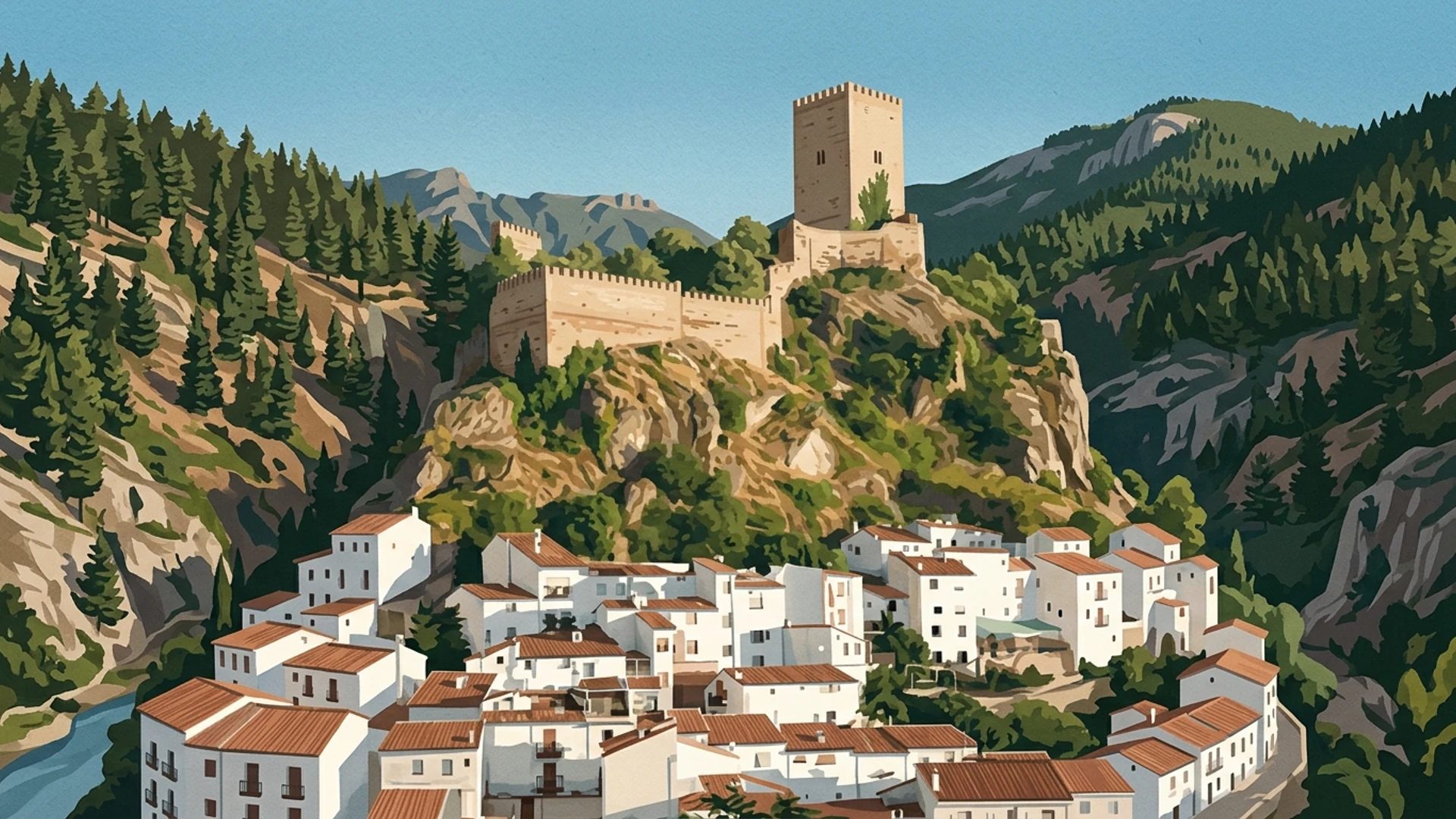
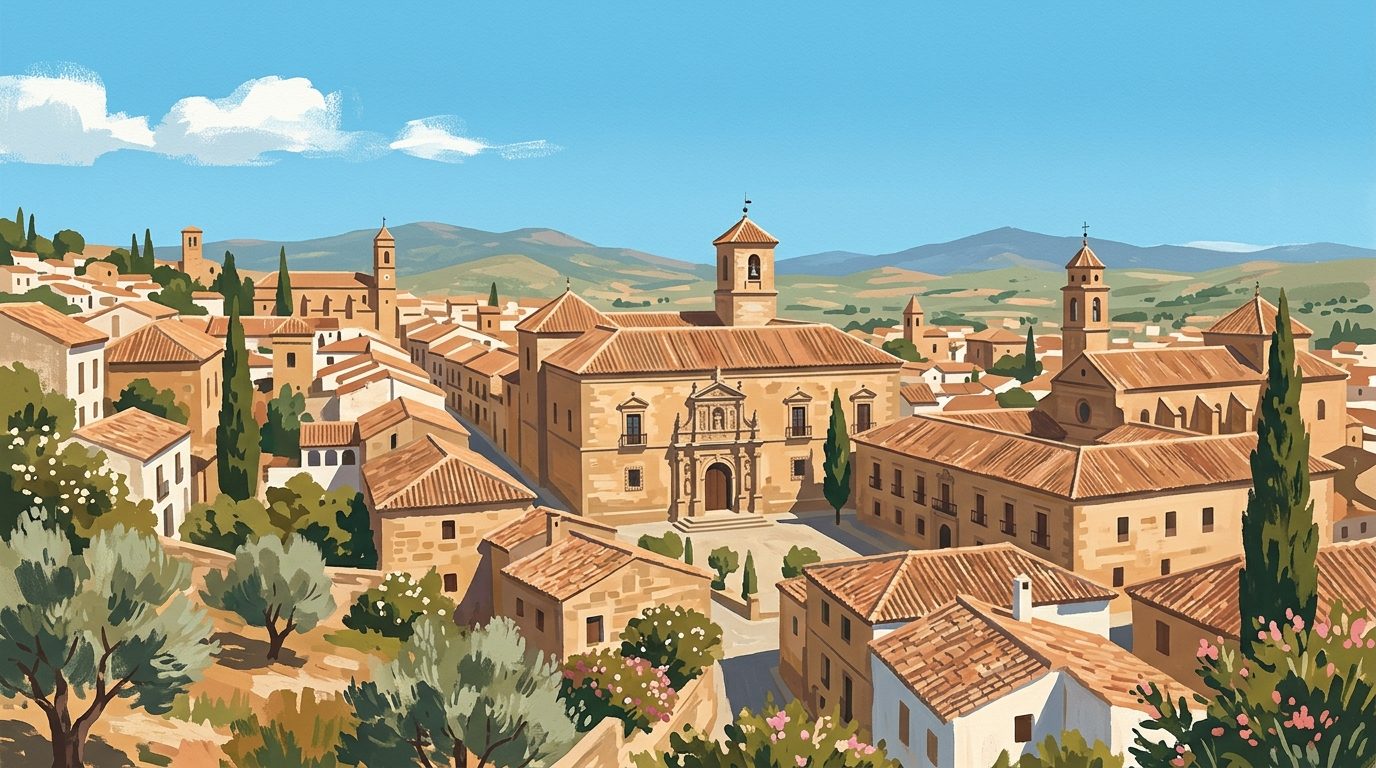
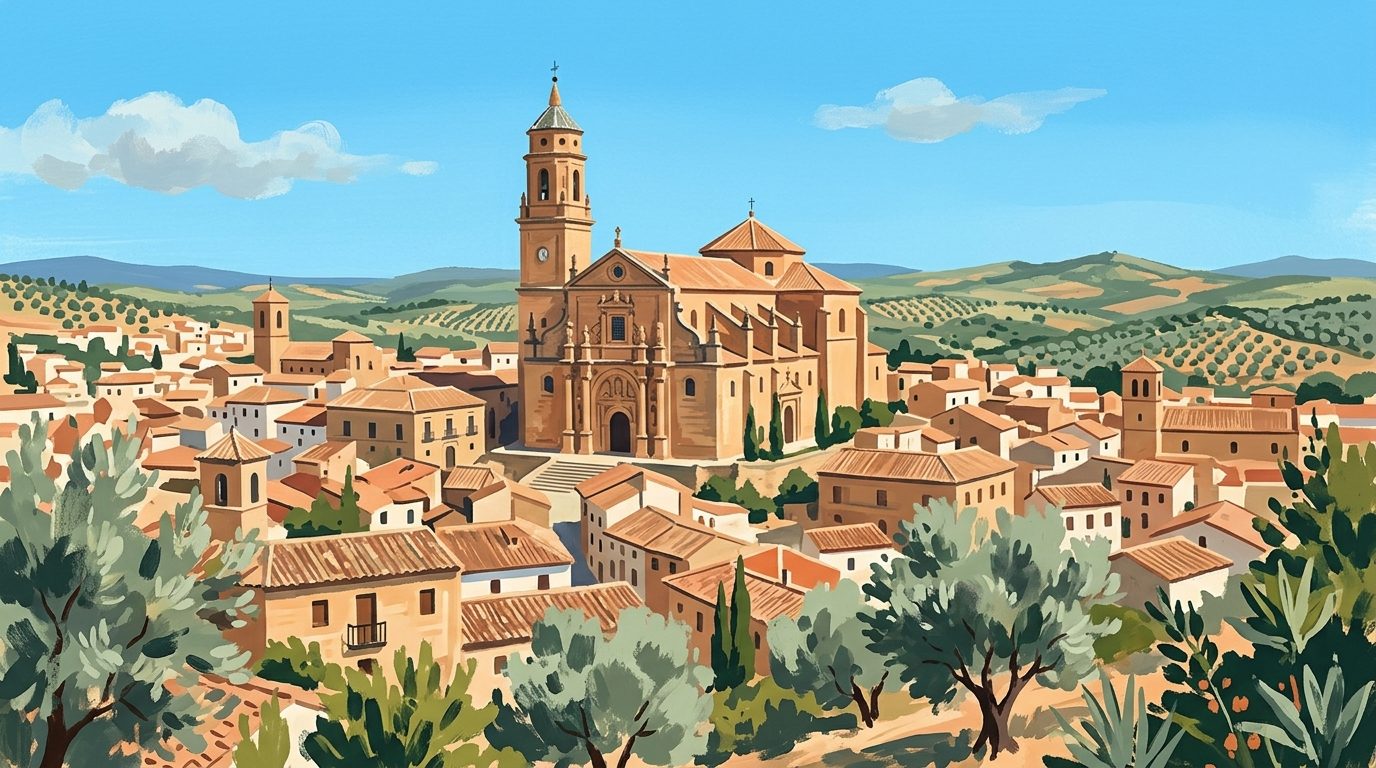
Continue through Sierra de Cazorla, Segura y Las Villas
Step back into the wider landscape with local guides, nearby places and the province overview.
Things to do · 12 min
Golf in Jaén Province: A Practical Guide to Courses, Clubs, and Holidays
Discover the reality of playing golf in Jaén. From the 9-hole course at La Garza to local societies and combining rounds with olive oil tourism.
Nature & wildlife · 7 min
Sierra de Cazorla: Spain's Largest Protected Area
Covering over 200,000 hectares of rugged limestone peaks and deep river canyons, the Sierra de Cazorla forms the green heart of the Iberian Peninsula.
Itinerary · 11 min
5 Days in Jaén: Renaissance Cities and Cazorla
A realistic five-day driving itinerary through Jaén province, balancing the monumental Renaissance architecture of Úbeda and Baeza with the rugged mountain wilderness of the Sierra de Cazorla.