
Itinerary · Jaén
5 Days in Jaén: Renaissance Cities and Cazorla
A realistic five-day driving itinerary through Jaén province, balancing the monumental Renaissance architecture of Úbeda and Baeza with the rugged mountain wilderness of the Sierra de Cazorla.
By Andalucía 365 Editorial Team · 18 July 2026 · 11 min read
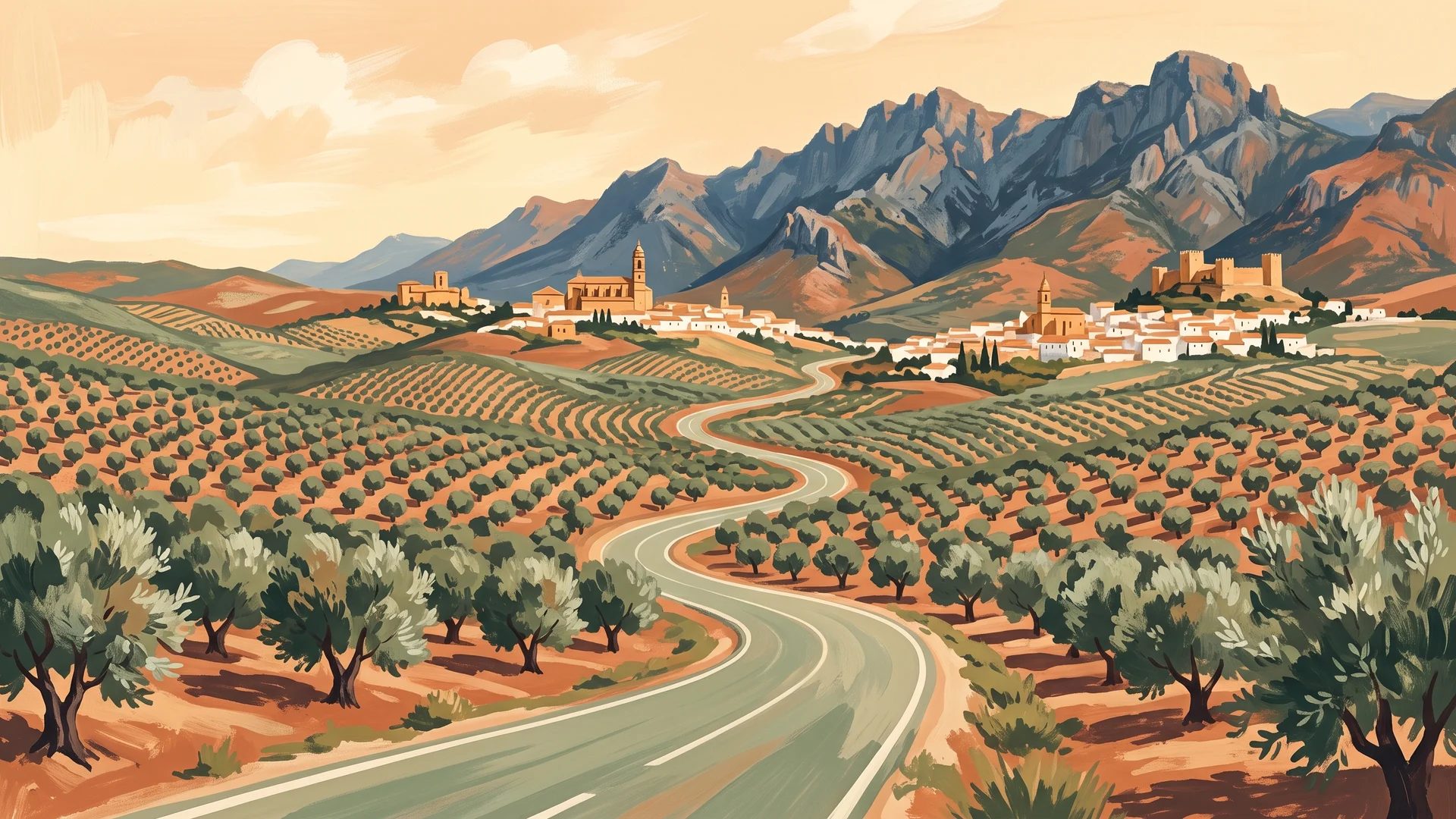
Five days in the province of Jaén requires a fundamental shift in how you travel. You are leaving the coastal crowds behind and entering a vast, rolling agricultural engine. This region was the brutal borderland between Christian and Moorish territories for centuries, leaving a legacy of defensive watchtowers and severe stone fortresses perched on nearly every dominant ridgeline. Today, that violent past has been replaced by the quiet, industrial rhythm of the olive harvest. Sixty-six million olive trees define the topography of this province. They cover the undulating hills and stop only where the sheer limestone cliffs of the high sierras become too vertical for cultivation. This specific route takes you from the provincial capital, through two fiercely competitive Renaissance cities, before forcing a steep ascent into the largest protected wilderness in Spain.
You will absolutely need a rental car. While public transport connects the major urban centres, it fails entirely when you attempt to reach rural olive mills or remote mountain trailheads. If you rely solely on public transit, you will be trapped in the urban centres, missing the critical transition into the mountain wilderness that defines this itinerary. Pacing is critical. The distances on a provincial map look deceptively short, but the mountain roads demand a slow, deliberate approach. This itinerary balances heavy historical touring with raw natural landscapes, requiring careful planning around daylight, heat, and challenging terrain.
Day 1: Jaén City and the Capital of the Olive Sea
Morning
Start your route at the absolute highest point. The Santa Catalina Castle sits on a rocky crag at an altitude of over eight hundred metres, dominating the city skyline. Driving up the steep, winding access road gives you an immediate understanding of the local geography. The fortress provided absolute defensive control over the Guadalquivir valley during the conflicts between Moorish and Christian forces. From the stone parapets, the true scale of the olive industry becomes undeniable. The trees stretch to the horizon in precise, geometric lines, fading into a hazy green ocean. The castle grounds are mostly flat and accessible, though exploring the older defensive walls requires navigating uneven stone steps. Look for the massive white cross erected on the hillside, a prominent navigation point visible from anywhere in the city below.
Lunch
Descend into the historic centre and park your vehicle. The Barrio de San Ildefonso offers a dense concentration of traditional taverns. Jaén remains one of the few Spanish cities where a substantial, free tapa arrives with every drink order. Focus your ordering on regional staples rather than international dishes. Look for pipirrana, a refreshing local emulsion of diced tomatoes, green peppers, garlic, and extra virgin olive oil, usually served with tuna or a hard-boiled egg. It is specifically designed to cut through the heavy summer heat.
Afternoon
Walk to the Plaza de Santa María. The Jaén Cathedral dominates the square. Designed primarily by the architect Andrés de Vandelvira, this monumental building served as the structural blueprint for immense colonial cathedrals across Latin America. The interior relies on perfect classical proportions and natural light rather than heavy Gothic ornamentation. Afterwards, navigate the steep, narrow streets to the Villardompardo Palace. The basement houses the Baños Árabes. These vast eleventh-century Islamic baths survived solely because later Christian administrators built their Renaissance palace directly on top of them. The subterranean brick vaults and star-shaped skylights offer a cool, silent retreat from the afternoon sun.
Evening
The streets around the cathedral cool down only after the sun drops completely behind the castle mountain. The local dining culture starts late. Join the residents on Calle Bernardo López for casual tapas, focusing on plates of local mountain cheeses and cured Iberian pork sausages heavily spiced with paprika. The steep topography of Jaén means you will constantly be walking up or down inclines, so a slow evening pace is essential.
Day 2: Úbeda and the High Renaissance
Morning
Drive forty-five minutes east on the A-316 dual carriageway. Úbeda represents the absolute peak of civil Renaissance architecture in Spain. The city was built on the immense wealth of imperial administrators who returned from Italy with radical new architectural philosophies, seeking to outdo each other in civic grandeur. Head straight to the Plaza Vázquez de Molina. This open stone square is completely surrounded by sixteenth-century palaces. The Sacra Capilla del Salvador demands immediate attention. Its massive rotunda and heavily carved classical facade glow in the morning light. The internal layout of the square is relatively flat, making the main monumental core highly accessible for wheelchair users.
Lunch
Walk slightly north to the Calle Real district, where the heavy wooden doors of historic mansions line the narrow streets. The restaurants here focus on heavy, traditional inland cooking that reflects the agricultural surroundings. Seek out andrajos, a dense, complex stew made with rabbit or hare, red peppers, and torn pieces of flatbread. Alternatively, try the local ochíos. These are soft bread rolls baked with olive oil and paprika, traditionally filled with spiced black pudding.
Afternoon
Explore the Sinagoga del Agua. Discovered entirely by accident during property renovations in 2007, this site reveals the complex pre-Renaissance layers of the city. The underground ritual baths still operate on natural water tables. Later, walk to the Barrio de los Alfareros on Calle Valencia. Úbeda possesses a deep historical tradition of green-glazed pottery. The workshops here still operate traditional wood-fired kilns and welcome visitors wanting to observe the throwing process.
Evening
The Paseo de la Constitución offers a long, shaded promenade. The town empties out entirely during the afternoon siesta and slowly rebuilds its energy as the streetlights illuminate the golden sandstone facades. Dining in this district often involves slow-roasted meats and heavy red wines sourced from nearby regional vineyards.
Day 3: Baeza and the Culture of Liquid Gold
Morning
The drive to Baeza takes just fifteen minutes. While Úbeda was built by civil administrators, Baeza was shaped by the church and the university. Start at the Plaza de Santa María. The Baeza Cathedral is smaller and structurally quieter than its counterpart in Jaén, featuring delicate Gothic remnants mixed with later classical updates. Walk down the hill to the Jabalquinto Palace. The exterior wall bristles with diamond-pointed stone carvings and elaborate, late-Gothic pinnacles. Be aware that the streets in Baeza are heavily cobbled. Visitors using wheelchairs or pushchairs will find the terrain bone-shaking and occasionally impassable without physical assistance.
Lunch
The heavy stone arches of the Paseo de la Constitución provide deep shade during the hottest part of the day. The local menus lean heavily on the surrounding agricultural output. Look for dishes featuring stewed partridge or aged sheep milk cheeses. Every table will proudly feature a bottle of early-harvest extra virgin olive oil for dipping.
Afternoon
Leave the historic centre and drive into the surrounding agricultural estates. Booking a tour at a working olive oil mill, known locally as an almazara, is absolutely essential. The modern olive industry relies on massive stainless steel centrifuges and strictly controlled temperatures, far removed from the romantic idea of stone presses. A professional tasting session will teach you how to identify the sharp, peppery, and grassy notes of a high-quality Picual oil, the dominant and fiercely protected olive variety in this province. You will learn to detect the subtle differences between early harvest oils, pressed from bright green olives in October, and the heavier, smoother oils produced later in the winter.
Evening
Return to Baeza. Walk the Paseo de las Murallas de Baeza on the southern edge of town. This pathway follows the old medieval defensive walls and offers uninterrupted views across the Guadalquivir river valley. The landscape is entirely devoted to olive cultivation, creating a uniform green carpet that fades into the distant horizon. Baeza is much quieter than Úbeda at night, offering a peaceful environment to walk among the illuminated sandstone architecture.
Day 4: Cazorla and the Mountain Gateway
Morning
Leave the agricultural plains behind and drive east towards the mountains. The transition takes about an hour and fifteen minutes. Cazorla sits in a steep limestone gorge, acting as the primary entry point to the natural park. Park your vehicle on the lower edge of town. The residential streets are extremely steep and narrow. Walk up to the Plaza de Santa María, which is uniquely built directly over a subterranean river. Above the square sits the Castillo de la Yedra, a severe stone fortress that historically monitored the violent border between Moorish and Christian territories.
Lunch
The town squares offer immediate access to hearty mountain gastronomy. The local speciality is rin-ran. This is a cold emulsion of potato, dried red peppers, local olives, and salted cod, heavily dressed in olive oil. It is historical peasant food elevated to a regional staple, originally designed to sustain farm workers through long, brutal mountain winters.
Afternoon
Drive two kilometres further up the mountain to La Iruela. The road is incredibly steep and public parking is severely limited. The ruins of the La Iruela Castle sit on a terrifyingly sheer spire of rock. Climbing to the top requires navigating uneven, unprotected stone steps, making it entirely unsuitable for anyone with mobility issues or severe vertigo. However, the panoramic views over the Guadalquivir valley justify the intense physical effort.
Evening
Settle into your mountain accommodation. The evening air here is noticeably thinner and cooler than in the olive plains below. Local restaurants begin serving heavy wild boar and venison stews as the temperature drops, signalling a total departure from the Mediterranean diet of the lowlands.
Day 5: Sierra de Cazorla and the Deep Wilderness
Morning
Enter the Sierra de Cazorla, Segura y Las Villas Natural Park. This is the largest protected green space in Spain. The A-319 mountain road is exceptionally winding. A thirty-kilometre journey can easily take an hour to navigate safely. Drive to the Torre del Vinagre visitor centre and head for the Río Borosa trailhead. This is the most famous hiking route in Jaén. The first few kilometres run along flat, highly accessible wooden boardwalks suspended above the turquoise river. Further up, the path turns into a demanding, rocky climb through the narrow Cerrada de Elías gorge.
Lunch
Commercial dining options are strictly limited inside the park boundaries. You must either pack a substantial picnic featuring local cured sausages and sheep cheese, or stop at one of the isolated roadside ventas. These rural restaurants serve heavy, unpretentious food, primarily focusing on wood-grilled meats and fried potatoes.
Afternoon
Drive north to the Tranco reservoir. This massive body of water floods a high mountain valley, creating a striking visual contrast against the dry limestone peaks. The surrounding pine forests are prime territory for spotting red deer, fallow deer, and wild boar. Wildlife in the Sierra de Cazorla is abundant, though you are highly unlikely to spot the elusive Iberian lynx in this specific sector without hiring a specialist tracking guide. The reservoir offers kayak rentals for those wanting to view the forested slopes directly from the water, providing a completely different perspective of the park topography. Keep an eye out for griffon vultures circling on the thermal updrafts above the water.
Evening
Begin the slow, winding drive back to your accommodation well before darkness falls. The mountain roads inside the natural park completely lack street lighting, and large wildlife frequently crosses the tarmac at dusk, creating serious driving hazards.
Where to stay on this route
This five-day itinerary requires changing hotels to minimise exhausting driving times. For the first night, the historic centre of Jaén city offers the most logical base. Be acutely aware that navigating a rental car through the Barrio de San Ildefonso involves impossibly narrow streets and sudden dead ends. You must book a hotel with guaranteed, on-site underground parking to avoid severe logistical headaches.
For nights two and three, choose either Úbeda or Baeza. Úbeda possesses a wider selection of boutique hotels housed inside beautifully converted sixteenth-century palaces. It also offers a much larger commercial dining scene. Baeza is smaller, highly atmospheric, and empties out significantly after dark. Both cities enforce strict pedestrian zones in their monumental centres. You will likely have to park your vehicle in municipal lots on the outskirts and walk in with your luggage.
For the final two nights, you must decide how deep into the wilderness you wish to sleep. Cazorla town offers large supermarkets, pharmacies, and a lively evening atmosphere, but requires a forty-minute drive just to reach the main natural park hiking trails. Alternatively, the village of Arroyo Frío sits deep inside the natural park boundaries. It provides immediate access to the trailheads and river walks, but you are entirely reliant on a few local restaurants and the winding mountain road for any excursions.
Practical planning
Your primary logistical hurdle on this route is the extreme heat. From June to September, the Guadalquivir valley frequently records temperatures exceeding forty degrees Celsius. Walking across the unshaded stone squares of Úbeda or Baeza at three in the afternoon is physically dangerous. You must adopt the local rhythm. Start your sightseeing at dawn, retreat indoors for a heavy lunch and a long siesta, and resume your activities after seven in the evening. If you are travelling in high summer, the mountain altitude of Cazorla provides vital relief, often dropping temperatures by ten degrees compared to the valley floor.
Getting around requires a rental car. You can easily take a direct, long-distance train from Madrid or a regional train from Seville to Jaén city. From there, you must hire a vehicle. The dual carriageway connecting Jaén to Úbeda is fast and modern. Once you enter the Sierra de Cazorla, the infrastructure changes entirely. The A-319 is a two-lane mountain pass with blind corners, sheer drops, and heavy agricultural traffic. Do not trust digital mapping applications that estimate fast arrival times in the mountains.
Accessibility varies wildly across the province. The monumental squares of Úbeda are flat and easily navigable for wheelchair users, with dropped kerbs and wide pedestrian zones. Baeza relies on aggressive cobblestones that make rolling transit highly uncomfortable. Jaén city is built on the steep side of a mountain, ensuring that almost every walk involves a severe incline or a set of stone stairs. In the natural park, always check the official visitor centres for designated accessible paths, such as the initial wooden walkways of the Río Borosa, before committing to a route. Wheelchair-accessible parking bays are strictly enforced in the towns, but rural trailheads often have loose gravel surfaces.
Last reviewed: 18 July 2026 · Editorial policy
Related guides
Where to Stay in Jaén: City, Renaissance or Cazorla
A candid decision guide to choosing your ideal base in Jaén province, from the steep Renaissance streets of Úbeda and Baeza to the remote trails of the Sierra de Cazorla.
8 min read
Wild Andalucía: A Nature and National Parks Route
A specialist ten-day circuit through the Iberian Peninsula’s most diverse ecosystems, from the Doñana wetlands to the volcanic cliffs of Cabo de Gata.
10 min read
Mountains & Villages Circuit: High Altitudes to Olive Groves
Leave the coast behind and turn your steering wheel towards the high altitudes, olive-clad valleys, and white-washed mountain settlements of inland Andalucía. This seven-to-ten-day driving circuit connects the dramatic peaks of the Sierra Nevada with the limestone crags of Cazorla and the architectural grandeur of Jaén and Córdoba.
9 min read
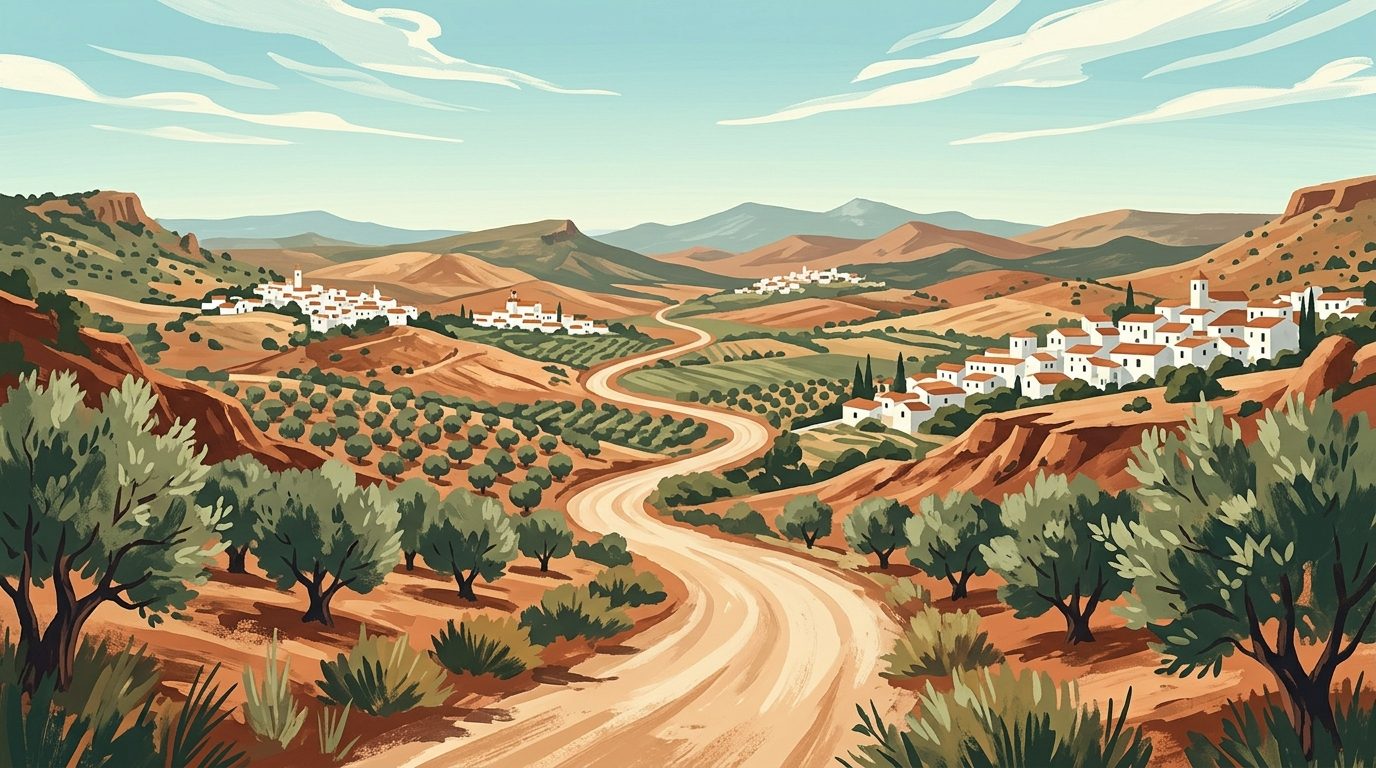
Best Weekend Breaks in Andalucía
When you live in southern Spain, the temptation is to spend every weekend repeating the same comfortable Sunday routines. These seven targeted 48-hour itineraries bypass the obvious tourist traps, giving residents and expats a genuine excuse to pack a weekend bag and drive somewhere entirely new.
11 min read
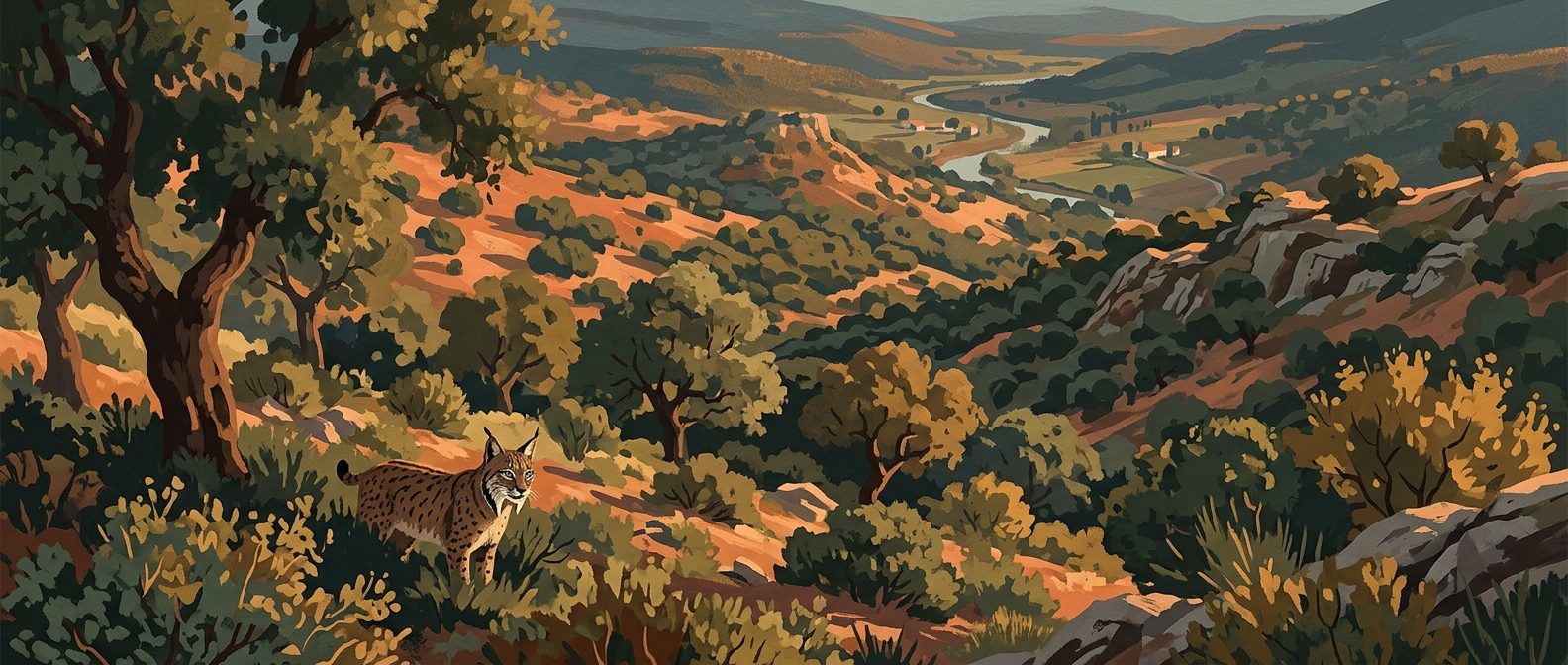
Where to See the Iberian Lynx: Andújar and Beyond
Discover the best ways to see the world's rarest cat in the Sierra de Andújar. This guide covers the best viewing spots, seasonal timing, and the diverse wildlife of Jaén's rugged Mediterranean scrubland.
6 min read
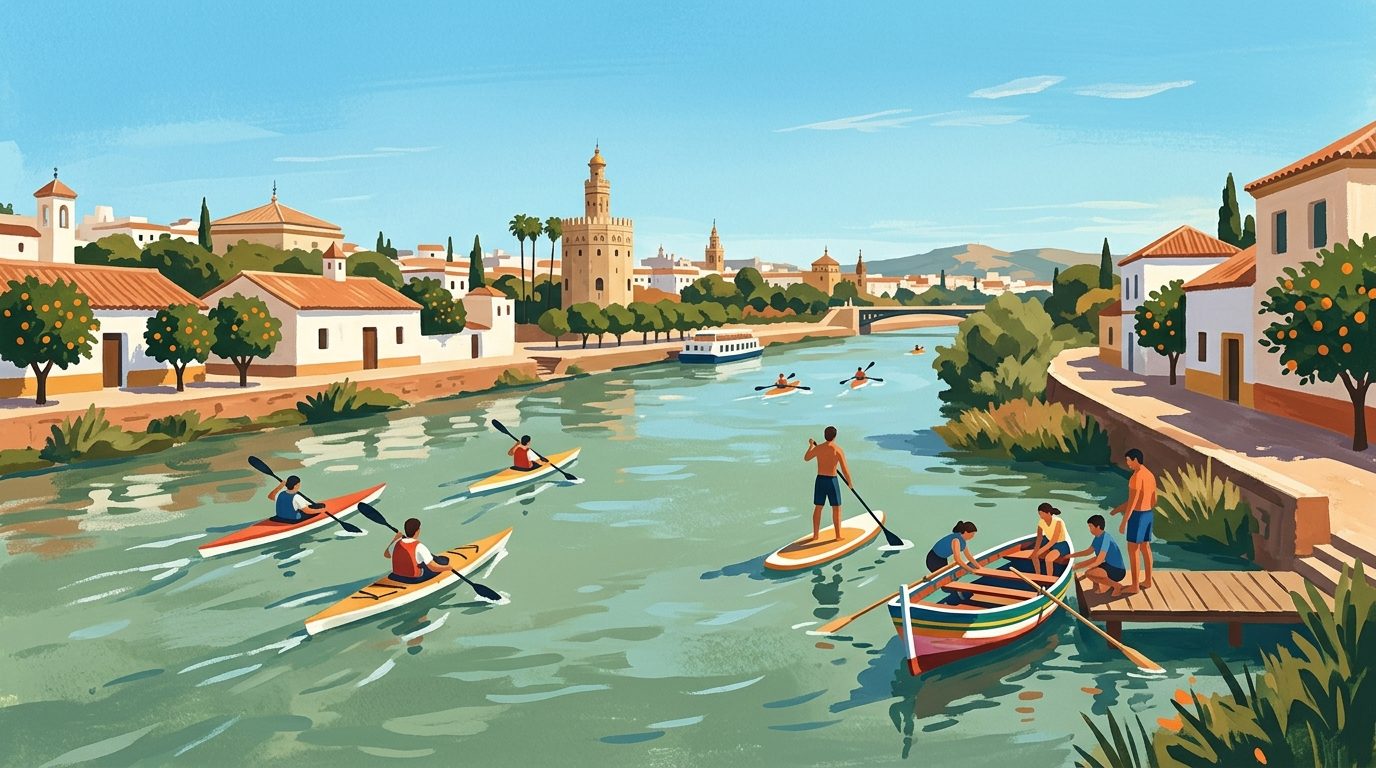
Water Sports in Sevilla: Navigating the Guadalquivir
Discover the best ways to explore Sevilla's Guadalquivir river, from sunset paddleboarding and city kayaking to professional rowing and nature tours in the marshes.
6 min read
Newsletter
More stories from Andalucía
Weekly notes, seasonal picks, and the next guides worth bookmarking.