
Practical guide
Month-by-Month Guide to Visiting Andalucía
Discover the best time to visit Andalucía with this practical month-by-month guide covering weather, local festivals, and seasonal costs.
By Dan · Updated 16 July 2026 · 9 min read
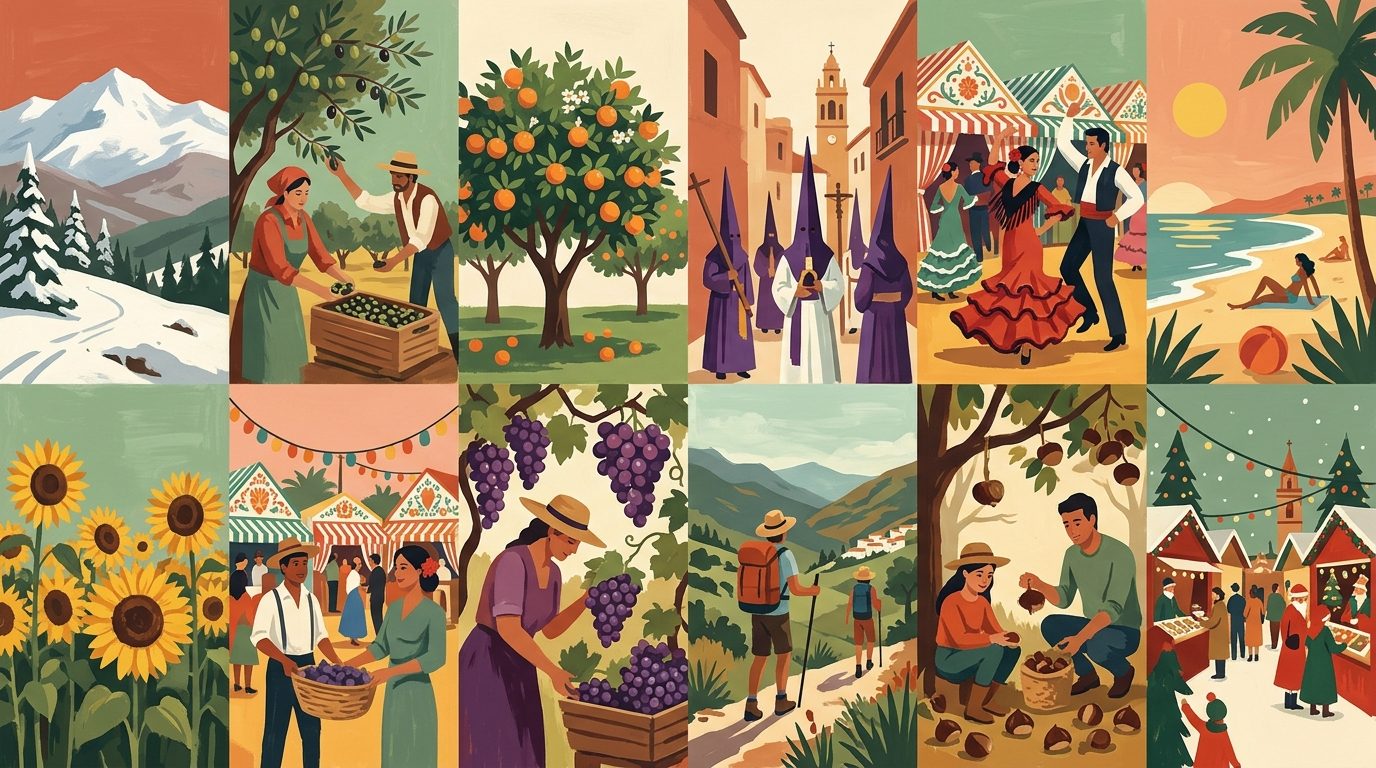
Plan your trip to southern Spain with this month-by-month breakdown of weather, local festivals, and seasonal costs across Andalucía.
The best time to visit Andalucía depends on your tolerance for heat and your interest in traditional festivals. Spring (April to June) and autumn (September to October) offer the most comfortable temperatures for sightseeing. Summer is dominated by intense heat inland and high prices on the coast, while winter provides a mild, budget-friendly alternative for city breaks and hiking.
January: Quiet Cities and Three Kings
January is the coldest month in Andalucía, but it remains mild compared to northern Europe. Daytime temperatures average 15°C to 17°C on the coast and 12°C to 15°C inland. Nights are cold, often dropping to 4°C in Granada.
- Key Event: Cabalgata de Reyes (5 January). Massive parades take place in every city and town as the Three Kings arrive to throw sweets to children.
- Crowds: This is the quietest month for tourism. Expect no queues at major monuments like the Alhambra, provided you book a few days in advance.
- Costs: Hotel rates are at their annual lowest, often 40% cheaper than in spring.
- Insider Tip: Visit the Sierra Nevada for skiing; the season is in full swing and just 30 minutes from Granada city centre.
February: Almond Blossoms and Carnival
February sees the arrival of spring-like blossoms. Weather is unpredictable with occasional heavy rain, but sunny days reach 18°C.
- Key Event: Carnaval de Cádiz. One of the world's largest carnival celebrations, featuring satirical singing groups (chirigotas) and street parties.
- Key Event: Día de Andalucía (28 February). A regional public holiday with local breakfasts (molletes with olive oil) and official ceremonies.
- Crowds: Low, except in Cádiz during the ten days of Carnival.
- Costs: Prices remain low, but Cádiz hotels will triple their rates during the festival.
March: The Start of the High Season
Nature is in full bloom. Temperatures settle around 20°C. If Easter (Semana Santa) falls in March, expect a dramatic shift in both atmosphere and pricing.
- Key Event: Semana Santa (dates vary; in 2026, this took place in late March and early April). Massive religious processions featuring large floats (pasos) and brass bands. It is a sombre but visually spectacular week.
- Crowds: Moderate, turning to extreme in Sevilla and Málaga during Holy Week.
- Costs: Prices for accommodation rise significantly towards the end of the month.
April: Fairs and Orange Blossom
April is many locals' favourite month. The scent of orange blossom (azahar) fills the streets of Sevilla and Córdoba. Expect highs of 23°C.
- Key Event: Feria de Abril (Sevilla). A week of horse parades, flamenco dress, and temporary marquees (casetas) where locals drink rebujito (sherry and lime soda).
- Crowds: Very high in Sevilla. Book months in advance.
- Costs: Peak season pricing. Sevilla hotels can be 200% more expensive than in January.
May: The Festival of Flowers
May offers the best balance of warm weather and cultural events before the summer heat becomes oppressive. Temperatures average 25°C to 27°C.
- Key Event: Los Patios de Córdoba (in 2026, this took place from 4 to 17 May). Residents open their private, flower-filled courtyards to the public for free. Check the official Andalucía tourism portal for future dates.
- Key Event: Feria del Caballo (Jerez de la Frontera). A celebration of horse culture and sherry (in 2026, this took place from 9 to 16 May).
- Crowds: High in Córdoba and Jerez.
- Insider Tip: Visit the Patios during the week to avoid the massive weekend queues.
June: The Arrival of Summer
Beach season officially begins. Temperatures reach 30°C. Inland cities start to feel the heat by midday.
- Key Event: Noche de San Juan (23 June). Coastal towns build bonfires on the beaches to celebrate the summer solstice; tradition dictates washing your face in the sea at midnight.
- Crowds: Increasing on the Costa del Sol and Costa de la Luz.
- Costs: Mid-range. Beach resorts begin to raise prices for the summer peak.
July: Peak Heat and Coastal Retreats
Inland Andalucía (Sevilla, Córdoba, Granada) frequently exceeds 40°C. Sightseeing between 13:00 and 19:00 is not recommended. Most locals head to the coast.
- Key Event: Festival de la Guitarra (Córdoba). A world-class music festival featuring international acts.
- Crowds: Massive on the beaches; very low in inland city centres during the day.
- Costs: Coastal accommodation is at a premium. Inland hotels often offer discounts to attract brave travellers.
August: The Holiday Month
August is the hottest month. Many small, family-run businesses in cities close for the entire month as owners go on holiday. Highs of 42°C are common inland.
- Key Event: Feria de Málaga. A massive city-wide party that lasts ten days, featuring day and night festivities.
- Crowds: Peak capacity on the coast. Driving and parking near beaches becomes difficult.
- Insider Tip: Stick to the coast or the mountains (Las Alpujarras) where temperatures are 10°C cooler than the valleys.
September: The Harvest Season
The intense heat breaks, though it remains warm (28°C to 30°C). This is the time for grape harvests (vendimias).
- Key Event: Fiesta de la Vendimia (Jerez). Celebrating the sherry grape harvest with grape treading and tastings.
- Crowds: Beaches become quieter as schools return in mid-September.
- Costs: Prices start to drop from mid-month onwards.
October: The Second Spring
October is ideal for hiking and exploring the white villages (pueblos blancos). Expect mild days of 23°C and the occasional rain shower.
- Key Event: Feria de San Lucas (Jaén). The last major fair of the year.
- Crowds: Manageable. It is a popular month for hikers in the Grazalema and Aracena mountain ranges.
- Costs: Moderate. Good value for money compared to the summer.
November: Olive Oil and Autumn Colours
The rainiest month in Andalucía, though "rainy" here often means short, heavy bursts followed by sun. Temperatures average 18°C.
- Key Event: The start of the olive harvest. Visit Jaén or Baena to see the mills in action and taste the first "green" oils of the season.
- Crowds: Very low. This is an excellent time for indoor attractions like the Picasso Museum in Málaga.
- Costs: Low. Great deals are available for long-term stays.
December: Christmas Lights and Markets
Andalucía takes Christmas seriously. The weather is cool but often sunny, with highs of 16°C.
- Key Event: Málaga Christmas Lights. The Calle Larios light show is famous across Spain and attracts thousands of spectators nightly.
- Key Event: Zambombas in Jerez. Traditional flamenco-style Christmas carols performed in streets and squares.
- Crowds: High in Málaga city centre; low elsewhere.
- Costs: Moderate, with slight increases around the Christmas and New Year period.
Note: Event dates and prices are subject to change. Always check the official Andalucía tourism portal or municipal websites for the specific year of your visit.
The Local Rhythm by Season
Andalucía does not move through the year in neat tourist seasons. Locals adjust the whole day around heat, school terms, harvests and family events. Understanding that rhythm helps you book better meals, avoid dead hours and choose a base that feels alive.
- Winter: City life is normal, museums are easier, and mountain villages are quieter. Locals eat later and dress for cold interiors, not just outdoor sunshine.
- Spring: Calendars fill with fairs, processions, school trips and patio visits. Book restaurants and trains earlier than you think, especially around major events in Andalucía.
- Summer: Inland towns slow down after lunch. Beach towns come alive at night, and August weekends can feel like the whole region has moved to the coast.
- Autumn: Routines restart. Hiking, food festivals, wine harvests and olive-country trips become practical again after the heat.
Two Shoulder-Season Sweet Spots
Late May and October are often the easiest months to recommend, but for different reasons. Late May gives you long evenings, warm sea air, open terraces and the last major spring events before inland heat becomes hard work. It is also when flowers, courtyards and shaded squares still look fresh rather than tired.
October is more relaxed. The sea can still be usable on sunny days, hiking is safer, and the white villages work well as road-trip bases. If you are planning a route through the white villages, October usually gives better walking weather and easier parking than August. The trade-off is a higher chance of rain, especially in western mountain areas.
January and February Are Underrated
The quiet season is not only about cheap hotels. January and February suit travellers who want normal local life, clear views, museum time and no queue pressure. Almond blossom starts to appear in parts of Málaga, Granada and Almería provinces, and city terraces still fill on sunny afternoons.
- Pack layers: Bring a warm jacket, not just a light jumper. Stone apartments and shaded streets can feel colder than the forecast suggests.
- Check opening days: Some rural restaurants, small museums and tour operators reduce hours outside peak season.
- Use the daylight: Plan walks and viewpoints for midday, then keep evenings for tapas bars, hammam visits or indoor flamenco.
- Watch Carnival dates: Cádiz and some coastal towns switch from quiet to busy very quickly around Carnival weekends.
Frequently Asked Questions
What is the hottest month in Andalucía?
August is typically the hottest month, with inland temperatures in Sevilla and Córdoba frequently reaching 40°C to 44°C. The coast remains slightly cooler due to sea breezes, averaging 30°C to 35°C.
When is the cheapest time to visit?
November, January, and February are the cheapest months. You can find high-quality hotel rooms for under €60 per night in major cities, excluding holiday periods like the Three Kings or local festivals.
Is it worth visiting in August?
Only if you plan to stay by the sea or in the high mountains. Sightseeing in cities like Sevilla or Granada is physically exhausting in August due to the heat, and many local restaurants close for their own holidays.
When are the main festivals?
Most major festivals occur in spring. Semana Santa (Holy Week) usually falls in March or April, followed by the Sevilla Fair (April or May) and the Córdoba Patios (May). These require booking accommodation at least 4 to 6 months in advance.
Summary
- Best for weather: May, June, September, and October offer sunny days without extreme heat.
- Best for budget: January and November provide the lowest rates for flights and accommodation.
- Best for culture: April and May are the peak months for traditional fairs and floral festivals.
- Avoid: August for inland sightseeing due to extreme temperatures exceeding 40°C.
Last reviewed: 21 June 2026 · Editorial policy
Related guides
Best Time to Visit Andalucía: Weather, Prices, and Festivals
Discover the best time to visit Andalucía with our practical guide to seasonal weather, price drops, and the regional festival calendar.
7 min read
Andalucía in September: Harvest Moon and Coastal Calm
September marks the transition from the intense summer heat to a more manageable warmth, as the grape harvest begins in the sherry triangle and coastal crowds begin to thin.
7 min read
Andalucía in June: Heat, Heritage, and Midsummer Magic
June in Andalucía offers reliable sunshine, lively midsummer festivals, and the perfect balance between the freshness of spring and the intense heat of high summer.
7 min read

Málaga in August: Feria Season and Peak Summer Heat
August in Málaga is defined by the high-energy celebrations of the city fair and the intense heat of the terral wind. It is a month for late nights, sea swims, and embracing the slow pace of peak summer.
6 min read
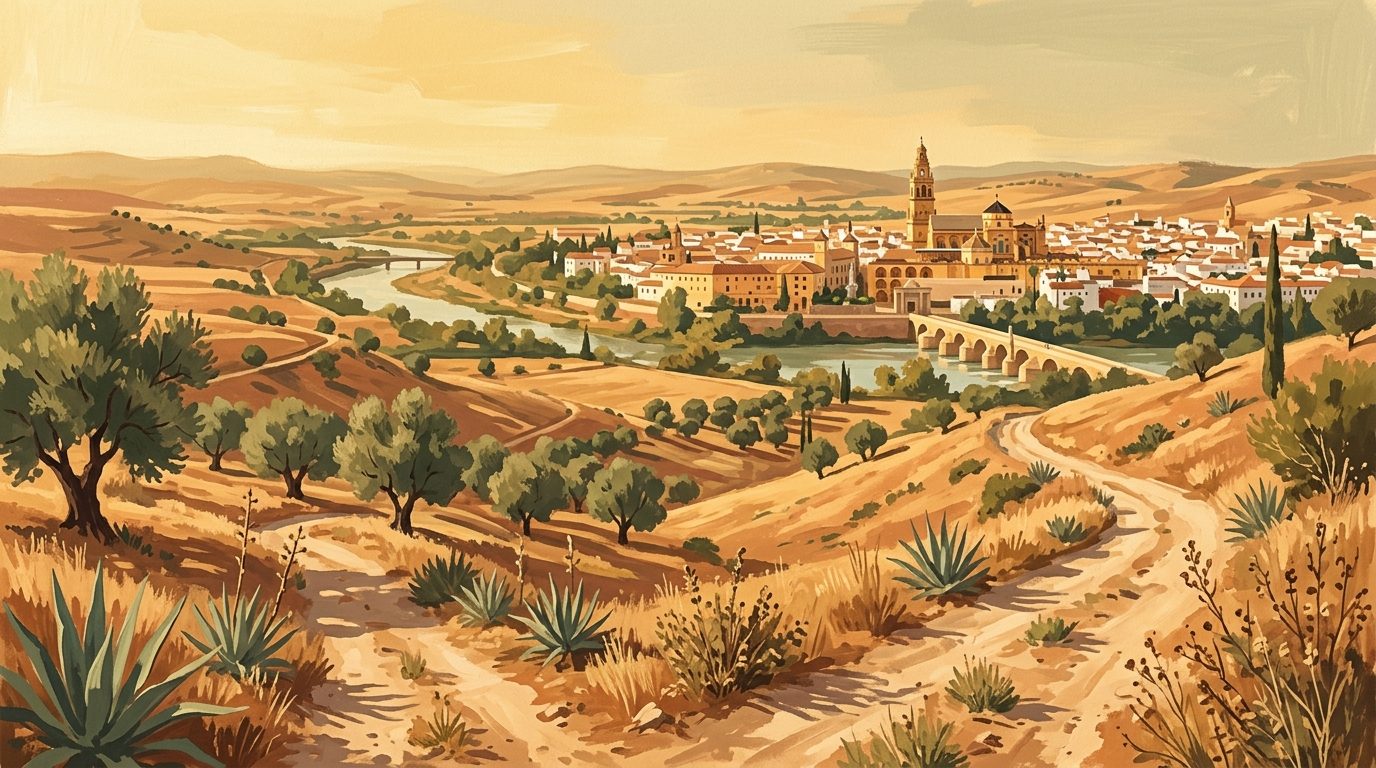
Córdoba in August: Navigating the Frying Pan of Europe
Experience the intense beauty of Córdoba in August, where the city embraces a nocturnal rhythm to escape the 44°C heat. From dawn visits to the Mezquita to starlit nights at Medina Azahara, discover how to master the Andalucían summer.
6 min read
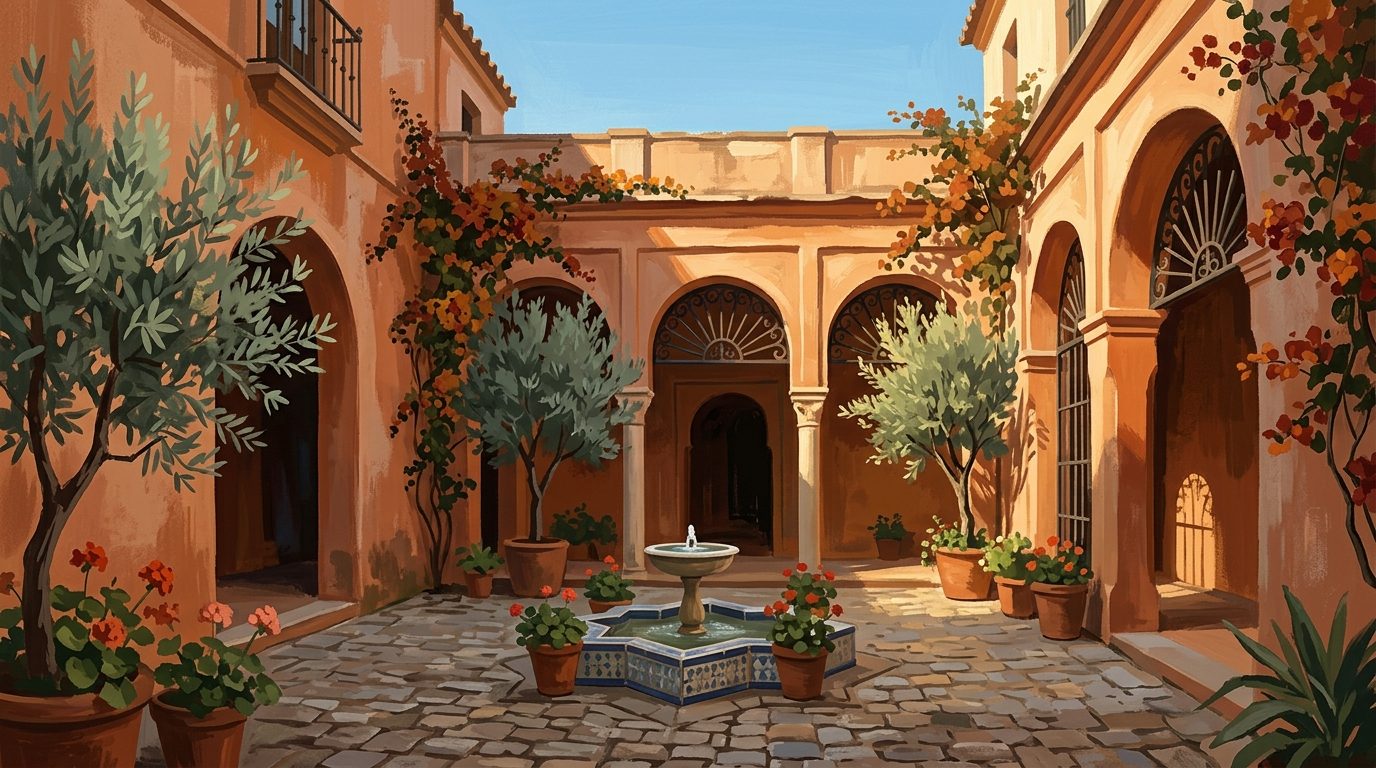
Sevilla in November: A Local Rhythm Under Soft Autumn Light
November in Sevilla province offers a cool, crisp clarity after the heat, where the scent of roasting chestnuts replaces the summer jasmine. The city transitions into a quiet, local rhythm, perfect for those who prefer art and history over crowds and queues.
7 min read
More guides

Using a VPN in Andalucía: A Practical Guide for Travellers and Residents
A comprehensive guide to using a VPN in Andalucía for security, accessing UK streaming services, and maintaining privacy on public Wi-Fi.
6 min read

Sevilla Airport (SVQ) Guide: Transport, Facilities and Tips
A practical guide to Sevilla Airport (SVQ) covering the EA bus, taxi flat rates, terminal facilities, car hire, and connecting to wider Andalucía.
9 min read
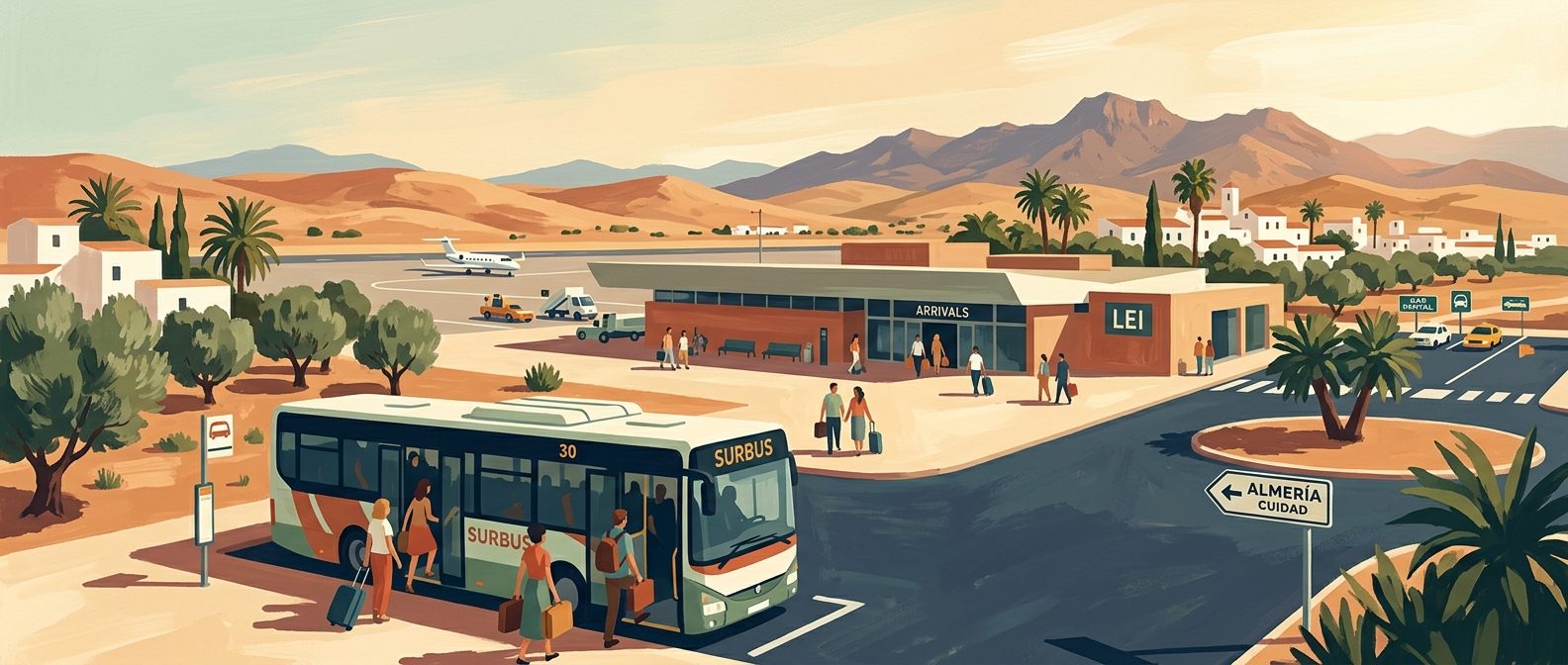
Practical Guide to Almería Airport (LEI)
A practical logistics guide to arriving at Almería Airport (LEI). Discover how to navigate terminal facilities, use the Surbus Line 30, connect to intercity buses, and avoid common transport mistakes.
7 min read
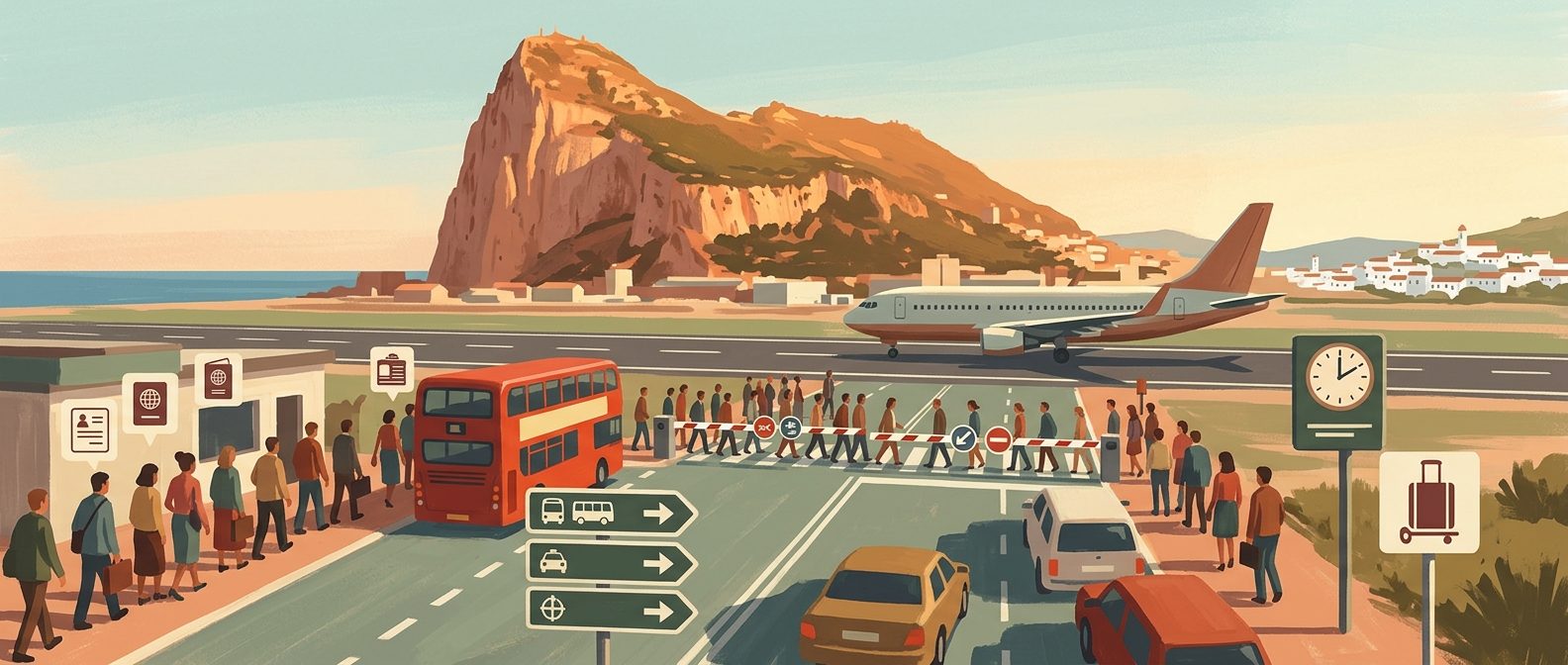
Practical Guide to Gibraltar International Airport (GIB)
A practical guide to using Gibraltar Airport (GIB) for trips into Andalucía, covering border logistics, avoiding vehicle queues, Spanish transport options, and how to handle wind diversions.
8 min read

Málaga-Costa del Sol Airport (AGP) Travel Guide
A deep practical guide to navigating Málaga-Costa del Sol Airport (AGP). Learn the realities of arrivals, transport connections, parking rules, and common mistakes.
8 min read
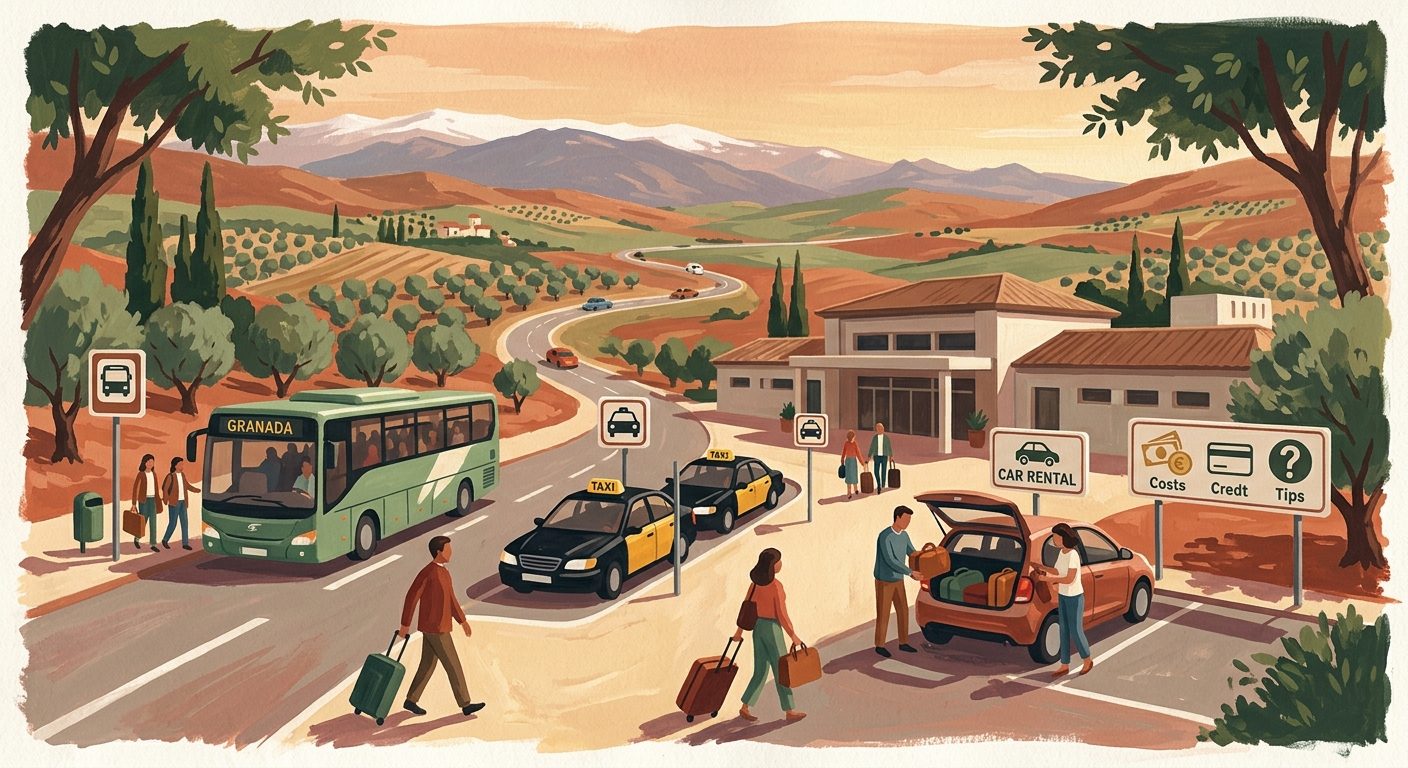
Federico García Lorca Granada-Jaén Airport Guide: Transport, Costs and Tips
A complete practical guide to Granada-Jaén Airport (GRX), covering airport buses, taxi fares, car hire friction, terminal facilities, and the step-by-step reality of arriving and departing.
7 min read
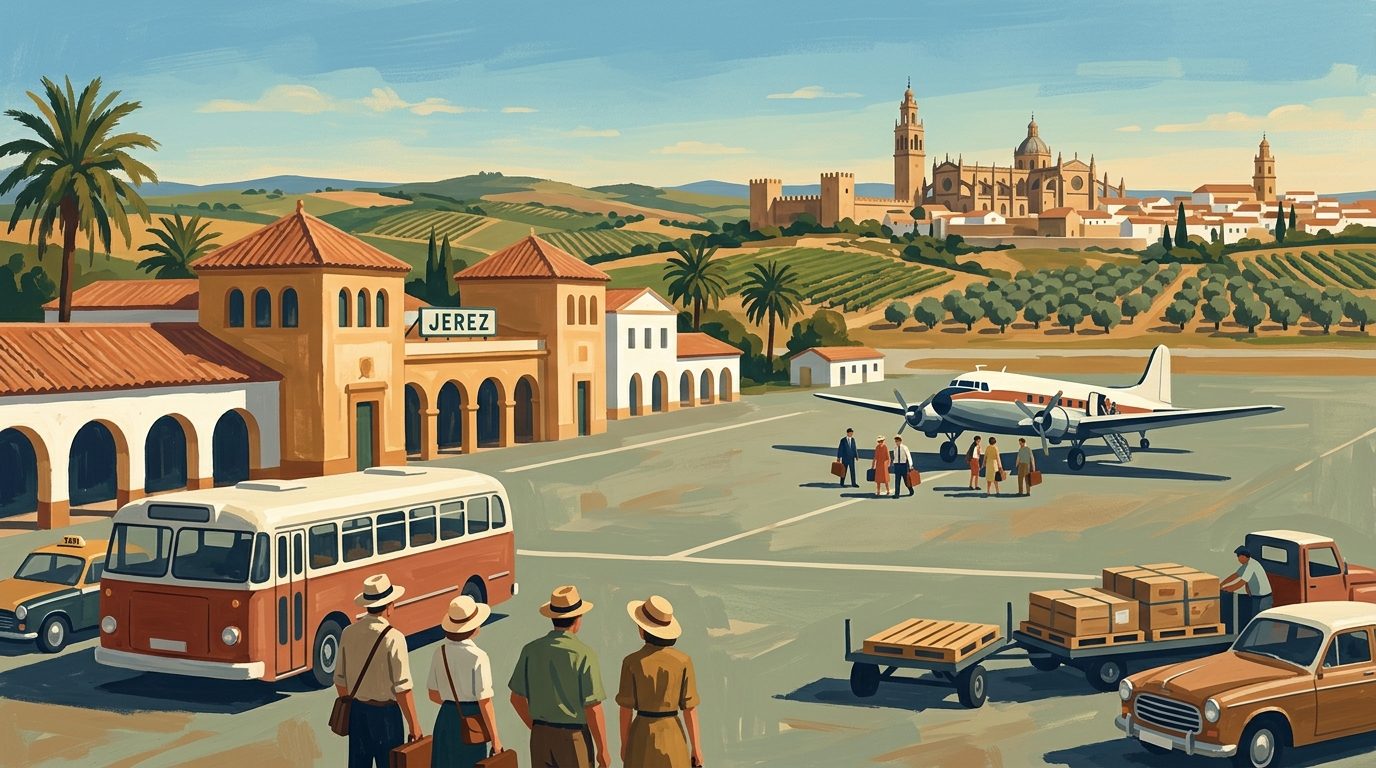
Jerez Airport (XRY): The Complete Guide to the Gateway of Cádiz
A deep-dive practical guide to using Jerez Airport (XRY). Learn the realities of onward transport to Cádiz province, car hire friction, train timetables, and how to avoid the most common arrival mistakes.
8 min read
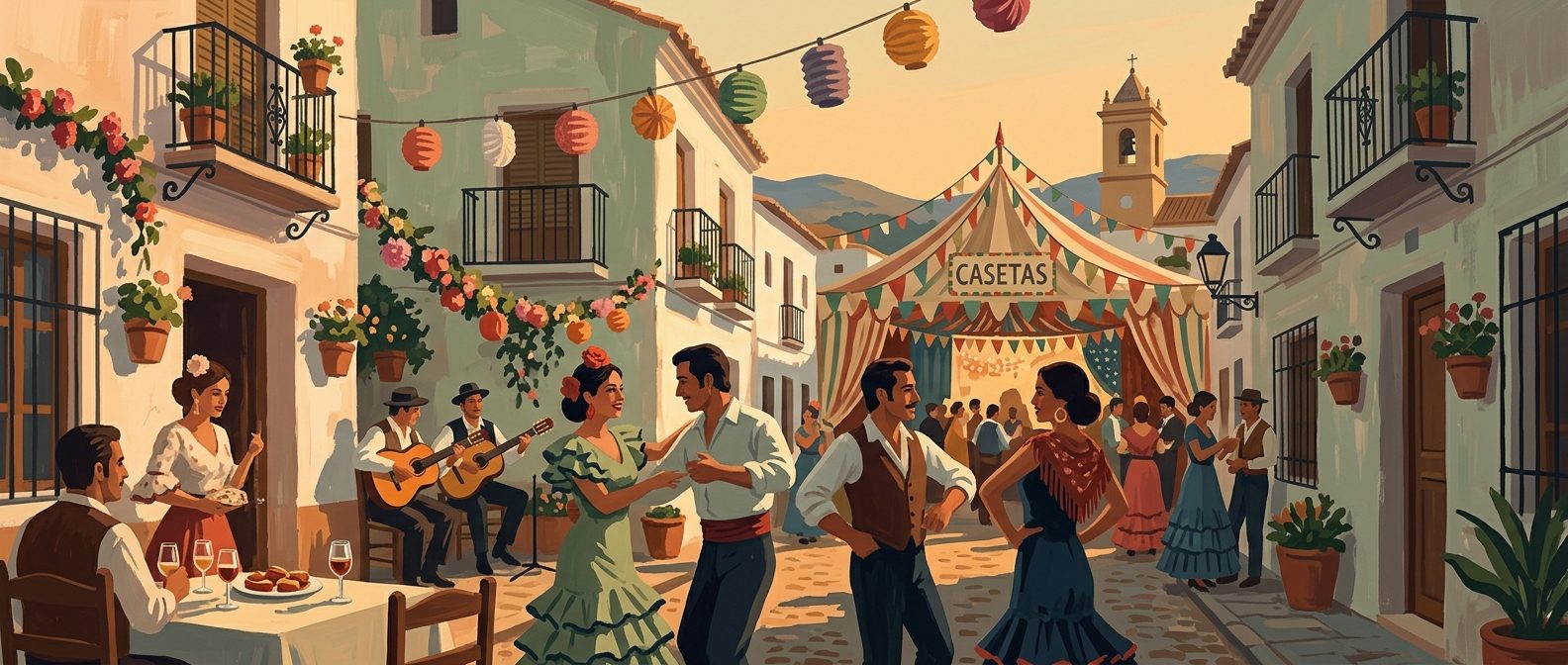
Understanding Spanish Festival Culture in Andalucía
A deep dive into Andalucían festival culture for residents and visitors. Understand Semana Santa, ferias, local holidays, etiquette, administrative friction and how to survive the local party season.
9 min read
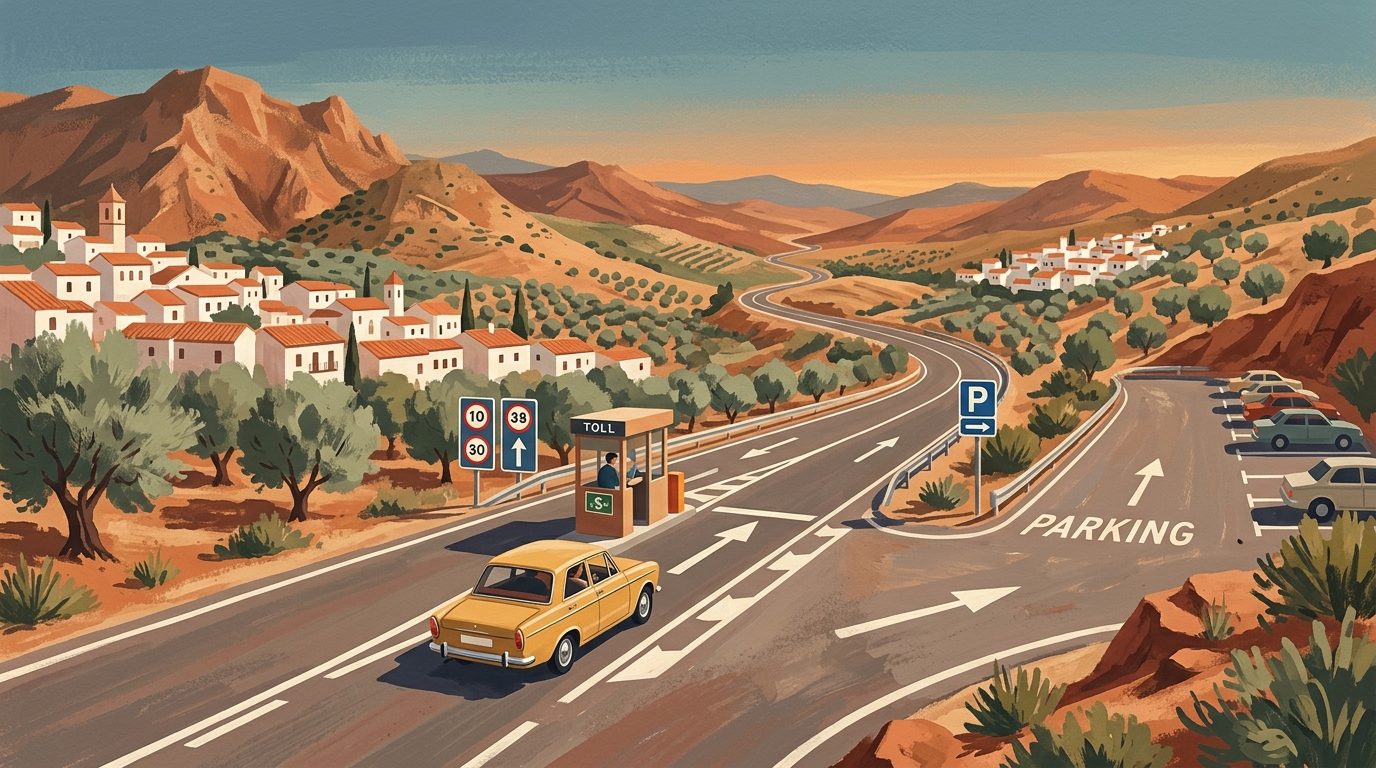
Driving in Andalucía: Rules, Tolls, and Parking Guide
A practical guide to driving in Andalucía, covering road rules, ZBE checks, AP-7 toll choices, parking, roundabouts, breakdown equipment and official sources.
9 min read
Newsletter
More stories from Andalucía
Weekly notes, seasonal picks, and the next guides worth bookmarking.