
Practical guide
Understanding Spanish Festival Culture in Andalucía
A deep dive into Andalucían festival culture for residents and visitors. Understand Semana Santa, ferias, local holidays, etiquette, administrative friction and how to survive the local party season.
By Dan · Updated 14 July 2026 · 9 min read
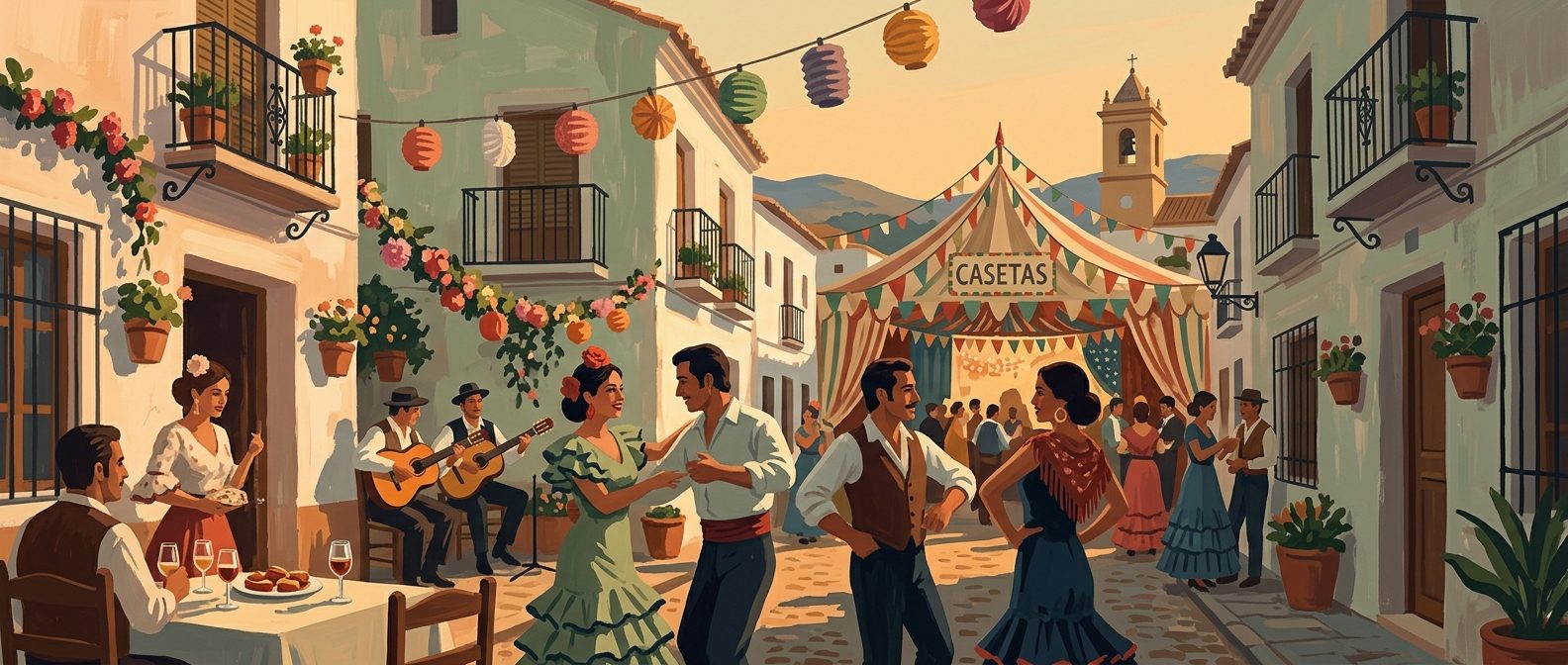
Andalucían festivals are local community events first and visitor attractions second. The safest way to enjoy them is to understand the type of celebration, check the current town-hall programme and follow the mood around you. For those relocating to the region, these events dictate the rhythm of the entire year, affecting everything from bank opening hours to your daily commute.
Festival culture varies wildly by town, brotherhood, fairground and neighbourhood. Some events are solemn and intensely religious, requiring respectful silence. Others are loud, late-night social gatherings that take over entire municipal districts. Dates, transport routes, caseta access and chair bookings change each year. If you live in or are relocating to southern Spain, understanding this calendar is essential. You will need to plan your life around these events using official town-hall publications rather than relying on outdated travel articles.
The main festival types
To integrate into Andalucían life, you must know the difference between a solemn procession and a neighbourhood party. The tone, dress code and expected behaviour change completely depending on what is being celebrated.
Semana Santa (Holy Week)
Taking place in March or April, this is a week of dramatic religious processions. Brotherhoods (hermandades) carry enormous, heavy floats (pasos) depicting biblical scenes through the streets, accompanied by marching bands and hundreds of penitents (nazarenos). The routes generally converge on a central official path (the carrera oficial) before returning to their home parishes. For residents, Semana Santa means road closures, disrupted bus routes and massive crowds in the city centre. It is a stunning cultural spectacle, but it requires serious logistical planning if you live near a major church.
Ferias (Annual Fairs)
Usually held between April and September, ferias are week-long celebrations of local culture. They take place on a dedicated fairground (recinto ferial) located slightly outside the historical centre. The grounds are filled with temporary marquees known as casetas, alongside a massive funfair (calle del infierno) for children. Days are characterised by horse parades, traditional flamenco dresses (trajes de flamenca) and sherry. Nights involve live music, dancing and socialising until dawn.
Romerías (Pilgrimages)
A romería is a Catholic pilgrimage where locals travel on foot, on horseback or in decorated carts to a rural shrine or sanctuary. The most famous is the Romería del Rocío in Almonte, which draws hundreds of thousands of people across the wetlands of Doñana. However, almost every village in Andalucía has its own smaller romería. These are highly social, dusty, rural events that blend religious devotion with countryside picnics and singing.
Carnaval
Held in February, Carnaval is most famously celebrated in Cádiz, though towns across the region participate. This is a satirical, humorous and highly political festival. Choirs and singing groups (chirigotas and comparsas) perform witty songs in the streets. The atmosphere is loud, rebellious and deeply tied to local Andalucían current affairs.
Verbenas and Cruces de Mayo
These are smaller neighbourhood street parties. In May, many towns decorate plazas with large crosses made of flowers (Cruces de Mayo), setting up temporary bars alongside them to raise money for local brotherhoods. Verbenas are similar summer block parties. They are usually very welcoming, making them one of the easiest ways for newcomers to meet their neighbours.
The reality of living through festival season
Visiting a festival is entirely different from living through one. When you relocate to southern Spain, the local fiesta calendar impacts your daily administration and your sleep schedule.
Local holidays and municipal shutdowns
Every municipality in Spain is entitled to two local public holidays (festivos locales) per year. In Andalucía, these are almost always attached to the town's feria or its patron saint's day. On these days, supermarkets, banks, schools and offices close completely. If you are trying to navigate local bureaucracy, read our Public Holidays and Fiestas in Andalucía guide to understand exactly when your town will shut down.
The Cita Previa trap
Do not attempt to complete official paperwork during your town's major festival week. Even on the days that are not official public holidays, government offices operate on skeleton staff. Getting an appointment (cita previa) for a TIE card, padrón registration or driving licence exchange is virtually impossible during a local feria. Plan your administrative tasks for the weeks before or after.
Noise and accessibility
If your apartment overlooks a popular plaza or a Semana Santa procession route, you will not sleep during festival week. The drums, brass bands and street crowds often continue until 3:00 AM. Furthermore, navigating the narrow, cobbled streets of historic centres becomes incredibly difficult when crowds gather. If you or a family member have mobility requirements, consult our Accessibility Guide to Andalucía for strategies on managing these congested periods.
Step-by-step: preparing for a local festival
If you want to participate actively, or simply survive the week without frustration, follow these practical steps.
- Check the official town-hall programme: The local council (Ayuntamiento) will publish a detailed PDF programme on their website usually one or two weeks before the event. This will list road closures, bus diversions and fireworks schedules.
- Secure your seating early: For major parades, municipalities set up tiered seating or folding chairs along the official route. You cannot just sit in an empty chair. These are booked months in advance through the local council or the federation of brotherhoods. Contact your town hall early in the year to find out the booking procedure.
- Stock your cupboards: Since local supermarkets will close on the main festival days, ensure you have enough groceries to last the long weekend.
- Plan your transport: Taxis are heavily regulated and often scarce during major events. Night buses (búhos) are usually implemented by the town hall, but you should check the exact temporary stops beforehand.
Etiquette and integration
Understanding local customs is the fastest way to feel at home in your new community. Our comprehensive guide to Etiquette and Social Customs in Andalucía covers daily life, but festivals require a specific set of rules.
- Religious respect: During Semana Santa, stop talking when a float approaches. Do not attempt to cross through the middle of a line of penitents. Stand quietly, especially when a saeta (a mournful a cappella flamenco song) is being sung from a balcony.
- Dressing for the feria: Ferias are not casual events. Locals spend significant money on tailored suits and traditional dresses. While you do not need to buy a flamenco dress, you should dress smartly. Beachwear, flip-flops and sportswear are highly frowned upon at the fairground.
- Photography: Ask before taking close-up photographs of people, particularly children in traditional dress or nazarenos during processions.
- Crowd safety: Follow police, civil protection and steward instructions immediately. If you are Travelling with Kids in Andalucía, write your phone number on their arm in permanent marker and agree on a clear meeting point, as mobile phone networks frequently crash in dense crowds.
Common mistakes that catch people out
Many newcomers make the same specific errors during their first Andalucían festival season. Avoid these common traps.
The Sevilla assumption
The most famous fair in the world is the Feria de Abril in Sevilla. However, its structure is unique. In Sevilla, the vast majority of the casetas are private, meaning you can only enter if you are invited by a member. Many foreigners assume this rule applies everywhere. It does not. At the Feria de Málaga, the Feria del Caballo in Jerez, and almost all village ferias, the casetas are completely public and free for anyone to enter.
Relying purely on bank cards
While Spain is increasingly cashless, festivals are the exception. Temporary bars at Cruces de Mayo, rural romerías, street vendors selling roasted almonds, and fairground rides often only accept cash or the local Bizum mobile payment system. Always carry small denomination Euro notes.
Misjudging the timing
If you use our Month-by-Month Guide to Visiting Andalucía, you will notice that summer festivals shift their hours to avoid the intense heat. Going to a summer feria at 4:00 PM is a mistake, as the fairground will be a ghost town baking in the sun. The crowds arrive after 9:00 PM and stay well into the early hours of the morning.
Costs and budgeting
Festivals are generally free to attend, but participating fully can become expensive. A custom-made flamenco dress can cost anywhere from 200 to over 1000 Euros, and it requires matching accessories each year. If you join a local brotherhood, you will pay an annual quota (cuota de hermano) plus extra fees to participate in the procession.
At the feria itself, expect marked-up prices. A jug of rebujito (fino sherry mixed with lemonade and ice) and a plate of cured ham will cost significantly more in a caseta than in a regular high-street bar. Fairground rides average around 4 to 6 Euros per ticket, which quickly adds up for families.
Official checks
Never rely on third-party blogs for exact dates, as the timing of Semana Santa changes with the lunar calendar, and local councils frequently move feria dates to avoid clashing with neighbouring towns. Use the official Andalucía events calendar, Sevilla city council, Málaga city council, Córdoba city council, Sevilla tourism, the Hermandad Matriz de Almonte for El Rocío, and the Junta culture ministry. For any village event, the local town hall website is your final source of truth.
Frequently Asked Questions
Do I get the day off work for my local feria?
Yes, provided the town hall has designated one of the feria days as a local public holiday (festivo local) and your employment contract is registered in that municipality. If you work remotely for a company in a different country, your time off depends entirely on your specific contract terms.
Can anyone join a religious brotherhood (hermandad)?
Yes. Brotherhoods are highly active community organisations. You usually need to be a baptised Catholic, apply formally, and pay your annual dues. Many expats join as a way to integrate deeply into local society and help with year-round charity work.
What is the traditional drink at a feria?
The standard drink is rebujito, a highly refreshing mix of dry sherry (usually Fino or Manzanilla) and a lemon-lime soda like Sprite or 7Up, served in a jug with plenty of ice. Be careful, as the sweet taste masks the high alcohol content.
Are these events safe for toddlers?
Yes, Andalucían culture is incredibly family-centric, and you will see babies in pushchairs at ferias at midnight. However, the sheer volume of the noise and the density of the crowds can be overwhelming for young children. Bring ear protection for toddlers and stick to the early evening hours.
Summary
- Match your behaviour to the event: maintain respectful silence for religious processions, and embrace the social energy at ferias and verbenas.
- Always check official town-hall programmes for exact dates, road closures and public transport diversions.
- Do not try to complete administrative paperwork or secure a cita previa during your town's major festival week.
- Dress smartly for ferias, avoiding casual beachwear entirely.
- Remember that public caseta access varies greatly between Sevilla and the rest of the region.
- Carry cash in small denominations, as many temporary bars and fairground rides do not accept foreign bank cards.
Last reviewed: 14 July 2026 · Editorial policy
Related guides
LGBTQ+ Travel Guide to Andalucía
A practical guide to safety, nightlife, legal rights and relocation logistics for LGBTQ+ travellers and residents in Andalucía.
8 min read
Andalucía in April
April brings the intoxicating scent of orange blossom and the dramatic spectacle of Semana Santa to Andalucía, offering the perfect balance of warm weather and cultural depth.
7 min read

Andalucía in May: A Guide to Spring Weather and Festivals
May is the peak of spring in Andalucía, offering the perfect balance of warm sunshine and famous cultural events like the Córdoba Patio Festival.
6 min read
The Sound of Silence: Inside Semana Santa
The drumbeat hits the sternum first, a rhythmic thud that vibrates through the marrow before the ear registers the sound. Then comes the silence: a heavy, suffocating quiet.
7 min read
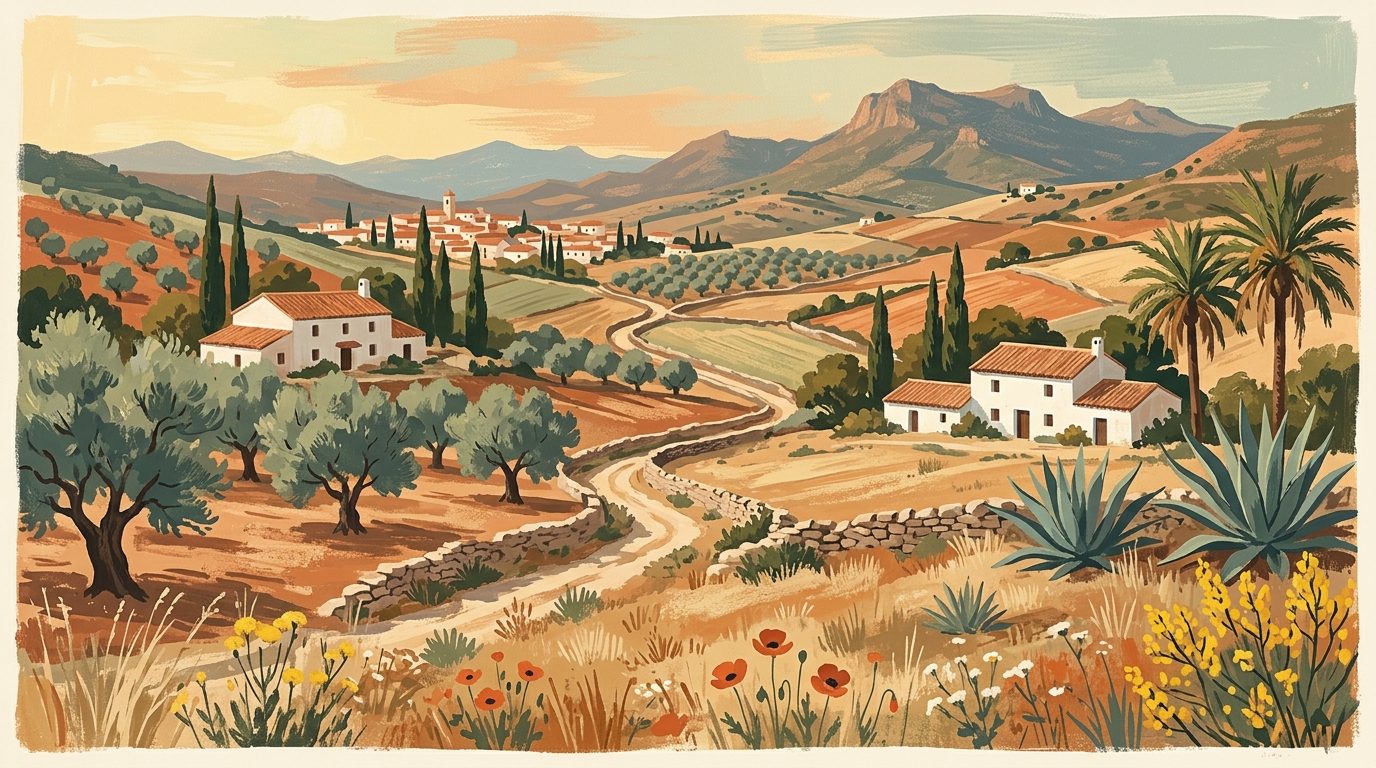
Andalucía in June: Heat, Heritage, and Midsummer Magic
June in Andalucía offers reliable sunshine, lively midsummer festivals, and the perfect balance between the freshness of spring and the intense heat of high summer.
7 min read
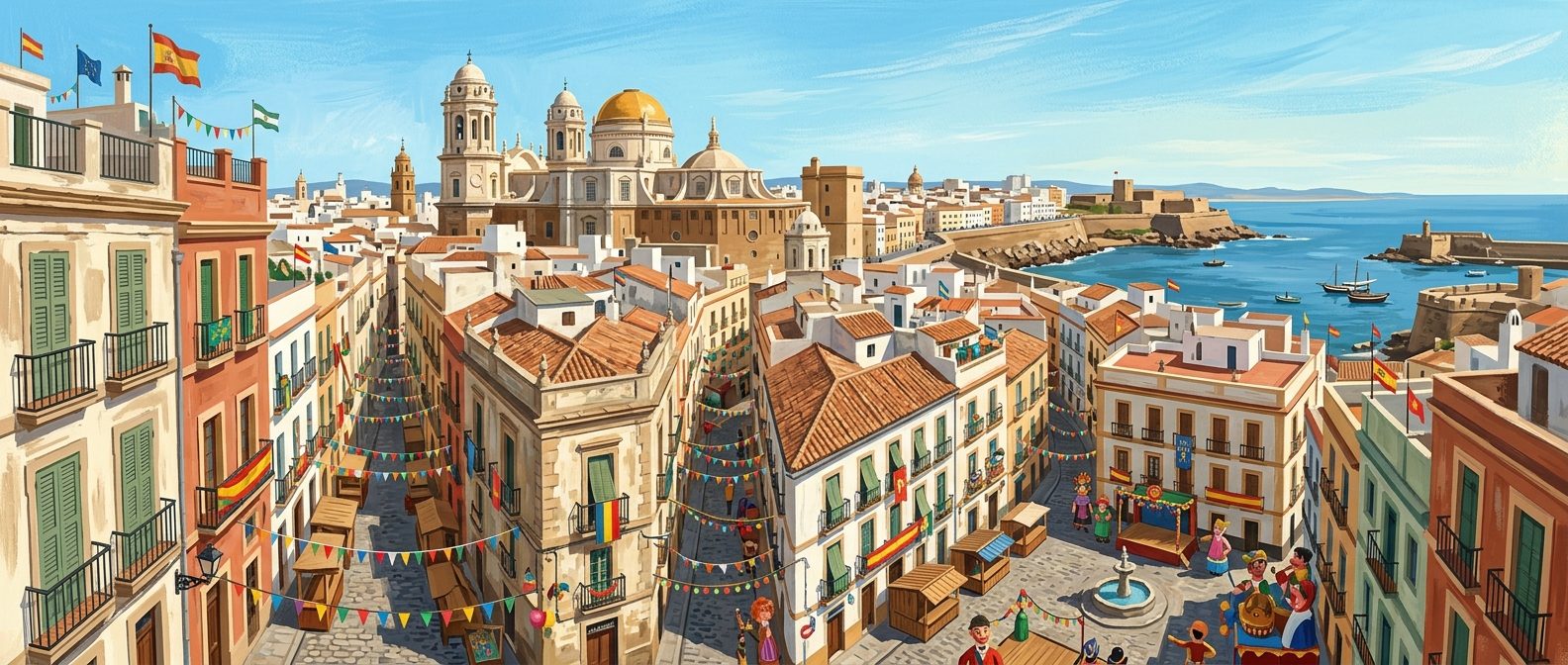
The Wit of the Atlantic: A Guide to the Cádiz Carnival and Local Traditions
Every February, the narrow alleys of Cádiz transform into an open-air theatre where biting satire and local wit take centre stage. This is a celebration that prioritises the power of the word, making it the most intellectual and hilarious festival in Spain.
6 min read
More guides
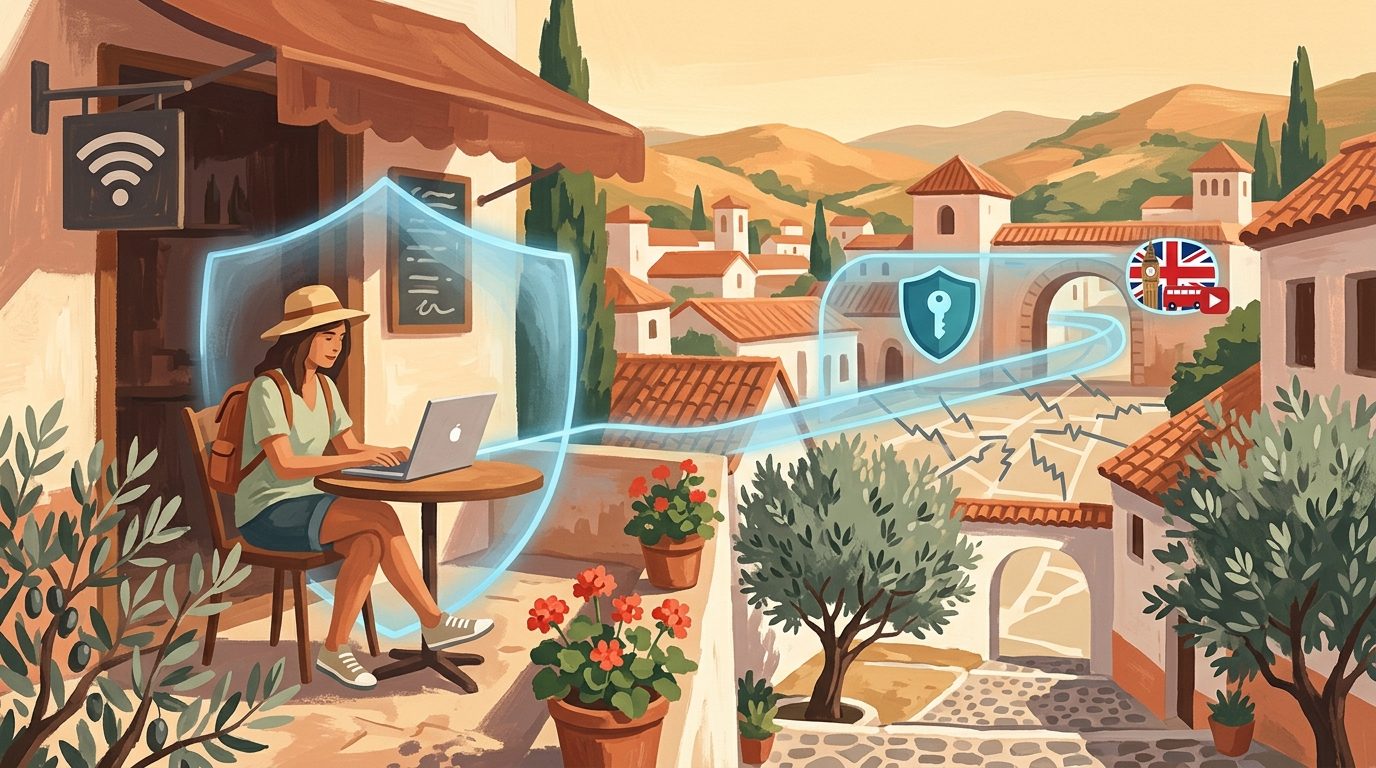
Using a VPN in Andalucía: A Practical Guide for Travellers and Residents
A comprehensive guide to using a VPN in Andalucía for security, accessing UK streaming services, and maintaining privacy on public Wi-Fi.
6 min read
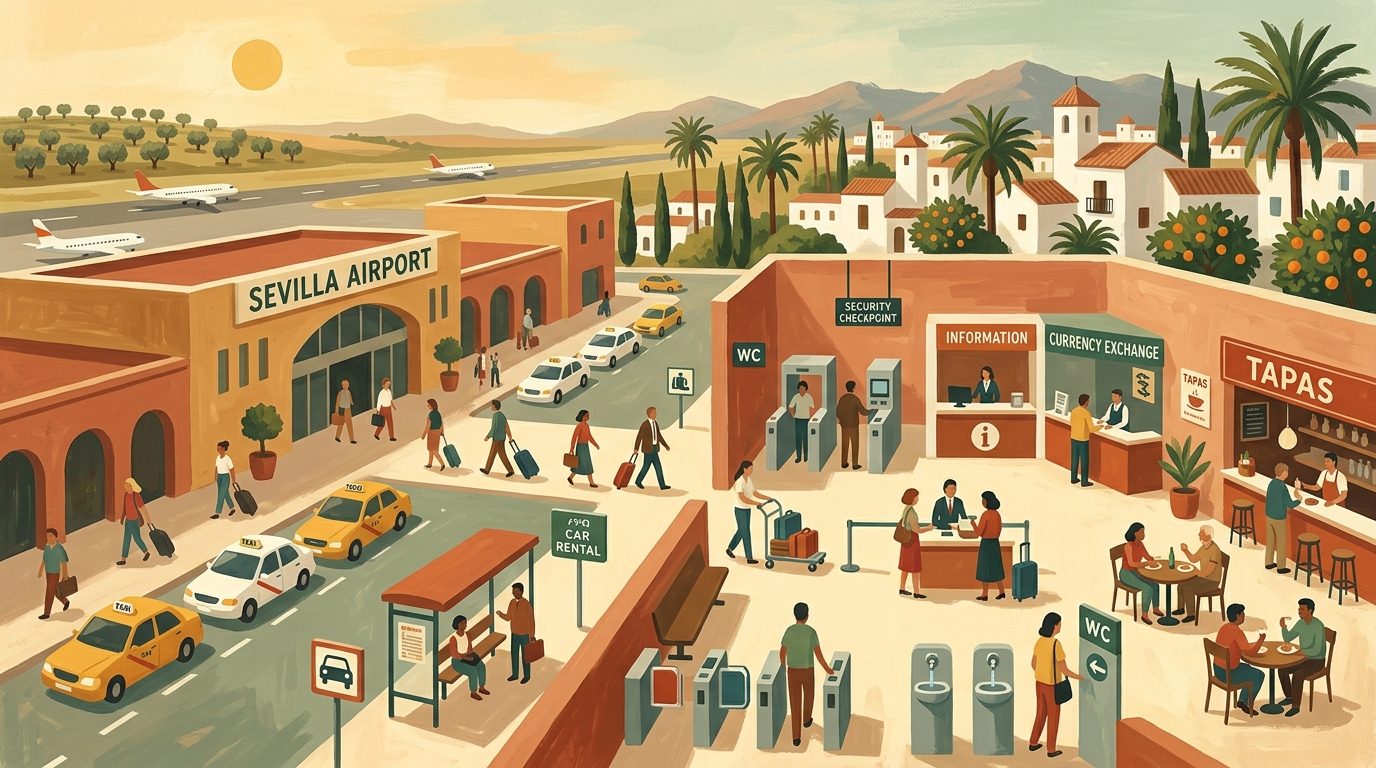
Sevilla Airport (SVQ) Guide: Transport, Facilities and Tips
A practical guide to Sevilla Airport (SVQ) covering the EA bus, taxi flat rates, terminal facilities, car hire, and connecting to wider Andalucía.
9 min read
Practical Guide to Almería Airport (LEI)
A practical logistics guide to arriving at Almería Airport (LEI). Discover how to navigate terminal facilities, use the Surbus Line 30, connect to intercity buses, and avoid common transport mistakes.
7 min read
Practical Guide to Gibraltar International Airport (GIB)
A practical guide to using Gibraltar Airport (GIB) for trips into Andalucía, covering border logistics, avoiding vehicle queues, Spanish transport options, and how to handle wind diversions.
8 min read
Málaga-Costa del Sol Airport (AGP) Travel Guide
A deep practical guide to navigating Málaga-Costa del Sol Airport (AGP). Learn the realities of arrivals, transport connections, parking rules, and common mistakes.
8 min read
Federico García Lorca Granada-Jaén Airport Guide: Transport, Costs and Tips
A complete practical guide to Granada-Jaén Airport (GRX), covering airport buses, taxi fares, car hire friction, terminal facilities, and the step-by-step reality of arriving and departing.
7 min read
Jerez Airport (XRY): The Complete Guide to the Gateway of Cádiz
A deep-dive practical guide to using Jerez Airport (XRY). Learn the realities of onward transport to Cádiz province, car hire friction, train timetables, and how to avoid the most common arrival mistakes.
8 min read
Driving in Andalucía: Rules, Tolls, and Parking Guide
A practical guide to driving in Andalucía, covering road rules, ZBE checks, AP-7 toll choices, parking, roundabouts, breakdown equipment and official sources.
9 min read
Getting to Andalucía: A Practical Transport Guide
A comprehensive practical guide to reaching Andalucía. Learn how to navigate airports, high-speed rail transfers, road tolls, and cross-strait ferries, including solutions for common travel friction points.
7 min read
Newsletter
More stories from Andalucía
Weekly notes, seasonal picks, and the next guides worth bookmarking.