
Feature · Cádiz
The Albariza English: A Two-Century Shadow in Cádiz
The British presence in Andalucía is more than a seasonal migration; it is a two-hundred-year-old layering of trade, conflict, and quiet assimilation.
By Dan · Updated 16 July 2026 · 6 min read
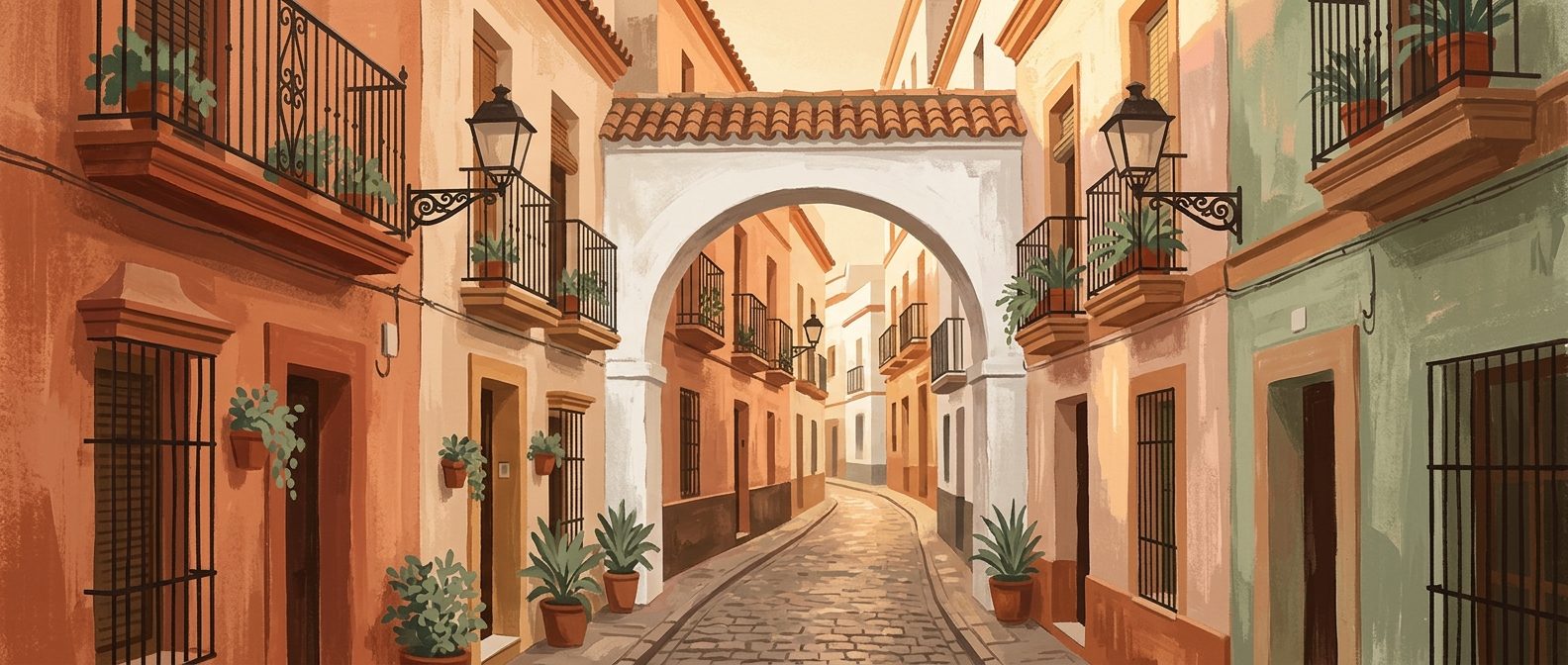
Story context
This is a narrative feature, not a breaking-news report or a legal/practical guide. It is kept on the site because it adds local texture and reading value alongside the more practical Andalucía 365 guides.
Use the links below for planning details, current access, places to stay, transport or food guidance connected with the story.
The dust of the white albariza soil clings to the wingtips of a man whose grandfather eventually forgot how to speak English. In the dim, cathedral-like silence of a Jerez bodega, the ledger books still carry names like Gordon, Garvey, and Terry, relics of a merchant empire that never truly packed its bags.
Mauricio González-Gordon leans against a stack of American oak barrels, the scent of evaporating alcohol (the angels’ share) thick enough to chew. He is the latest link in a chain that stretches back to 19th-century Britain, yet his accent carries the rhythmic lilt of a true jerezano. In this corner of the province of Cádiz, the British didn’t arrive with cheap flights and suitcases of sunscreen; they arrived with capital, ledger books, and a peculiar obsession with fortified wine. They didn’t just visit; they built the floorboards on which the modern city stands. Behind him, the high ceilings of the Tío Pepe bodega stretch upward like a Gothic nave, a reminder of a time when the City of London was fuelled by the liquid gold produced in these chalky hills.
The story of the British in Andalucía is often reduced to the sunburned stereotypes of the 1970s package holiday boom, but that is a shallow reading of a much deeper river. To understand the British presence here, one must look past the neon signs of the western coast and travel south to the 'Sherry Triangle' and the wind-battered frontier of the Campo de Gibraltar. Here, the relationship is not one of temporary escape, but of permanent entanglement. It is a story of merchant princes, mining engineers, and displaced civil servants who found, in the cork forests and vineyard slopes of Cádiz, a way of life that felt more like home than Britain ever could.
The Merchant Princes of the Sherry Triangle
In the early 1800s, Jerez de la Frontera was a town defined by its isolation and its agriculture. Then came the 'Sherry Barons'. These were younger sons of British Catholic families or ambitious Protestant merchants who saw in the unique albariza soil (a blindingly white, calcium-rich clay) the potential for global dominance. Names like Osborne, Sandeman, and Williams & Humbert (who still maintain their historic bodegas in Jerez today) became household staples in London, but in Jerez, they became the local aristocracy. They built sprawling villas with manicured gardens that looked suspiciously like Surrey manor houses, yet they spent their afternoons watching the bulls or riding in the Feria de Caballo.
Walking through the historic centre of Jerez today, the British influence is visible in the architecture: the ironwork, the sash windows, and the sheer scale of the bodegas, which were designed to mimic the grand warehouses of the Thames. These families didn't merely export wine; they imported a Victorian sensibility that fused with Andaluz tradition. They introduced polo to Spain, established the first football clubs, and created a social class that was bilingual, bicultural, and fiercely protective of their dual heritage. For these families, 'home' was a concept split between a boarding school in England and a vineyard in the scorching heat of a Cádiz July.
The Shadow of the Rock
Southward, the narrative takes a harder, more political edge. Gibraltar, that stubborn limestone tooth jutting into the Mediterranean, has acted as a catalyst for British movement into Andalucía for three centuries. For the residents of La Línea de la Concepción and San Roque, the British are not tourists; they are employers, neighbours, and sometimes, the ideological enemy. The frontier is a living organ, pulsing with the flow of thousands of workers who cross every morning to serve gin and tonics or manage hedge funds, only to return to the Spanish side for the lower rent and the social life of the plaza.
In the hills of the Alcornocales, towns like Jimena de la Frontera and Castellar have become sanctuaries for a different kind of Briton. In the 1960s and 70s, long before the 'digital nomad' entered the lexicon, these villages attracted the 'eccentric English': artists, retired colonels, and writers who sought the silence of the cork forests. They didn't want the golf courses of Marbella; they wanted the ancient stones and the slow pace of the campo. They became part of the landscape, their children growing up with names like 'Paco Smith' or 'Lola Henderson', navigating the world with a British surname and an Andaluz soul.
The Modern Exodus and the 90-Day Clock
The romanticism of the past two centuries has recently collided with the cold reality of modern bureaucracy. The departure of the United Kingdom from the European Union has rewritten the terms of this long-standing residency. For decades, the British in Cádiz existed in a comfortable grey area: neither fully Spanish nor entirely foreign. They were 'European citizens' who could spend six months in a white village and six months in the Cotswolds without a second thought. That fluidity has vanished.
The introduction of the TIE (Tarjeta de Identidad de Extranjero) and the strict 90-day limit for non-residents (within a 180-day period) has created a sense of panicked finality. In the estate agencies of Sotogrande (the ultra-exclusive enclave founded by an American but populated by the British elite) the conversation has shifted from golf handicaps to tax residency and 'golden visas'. The tension is palpable. The British who have lived here for decades, contributing to the local economy and integrating into the social fabric, now find themselves filling out forms to prove they belong in the place they call home.
This is the counter-argument to the narrative of the 'British invasion'. While the tabloid press often focuses on the coastal enclaves where Spanish is rarely heard, the reality in Cádiz is one of quiet struggle. The British presence is shrinking in some areas, as those who cannot navigate the new rules sell up and leave. The loss is not just economic; it is the erosion of a specific cultural synthesis that has existed since the first merchant ships sailed from Bristol to Cádiz. When an English family leaves a village in the Sierra de Cádiz, they take with them a piece of the bridge that has connected these two cultures for two hundred years.
A Landscape of Stained Ledger Books
The contradiction of the British in Andalucía lies in their permanence versus their perceived transience. They are often seen as people who are 'just passing through', even when their families have been here for five generations. In the English Cemetery in Málaga, or the smaller, weed-choked plots near the old mines of Huelva and the vineyards of Jerez, the headstones tell a different story. They tell of engineers who died building the railways, of merchants who died during the cholera outbreaks, and of wives who raised families in a climate that must have felt like another planet.
To be British in Andalucía is to inhabit a middle ground. You are forever the guiri, yet you find yourself defending the local culture against the homogenisation of the modern world. You are a descendant of empire, yet you live in a province that was once the staging ground for the very forces that challenged that empire. The relationship is not one of conquest, but of a long, slow, and often beautiful surrender to the rhythm of the south.
Evening falls over the Alcaidesa heath, the sun dipping behind the silhouette of Gibraltar. A group of British residents sits outside a small bar, their Spanish rapid and littered with local slang, their drinks a mix of local manzanilla and imported gin. A young boy kicks a ball against the ancient stone wall of a church, his father shouting instructions in English, his mother responding in the thick, aspirated Spanish of the Cádiz coast. The 90-day clock may be ticking for some, and the political winds may howl across the Strait, but the roots are deep. They are buried in the albariza, tangled with the vines, and written in the stained ledgers of the bodegas: a two-hundred-year-old conversation that no border guard or referendum can truly silence.
Last reviewed: 21 June 2026 · Editorial policy
Related guides
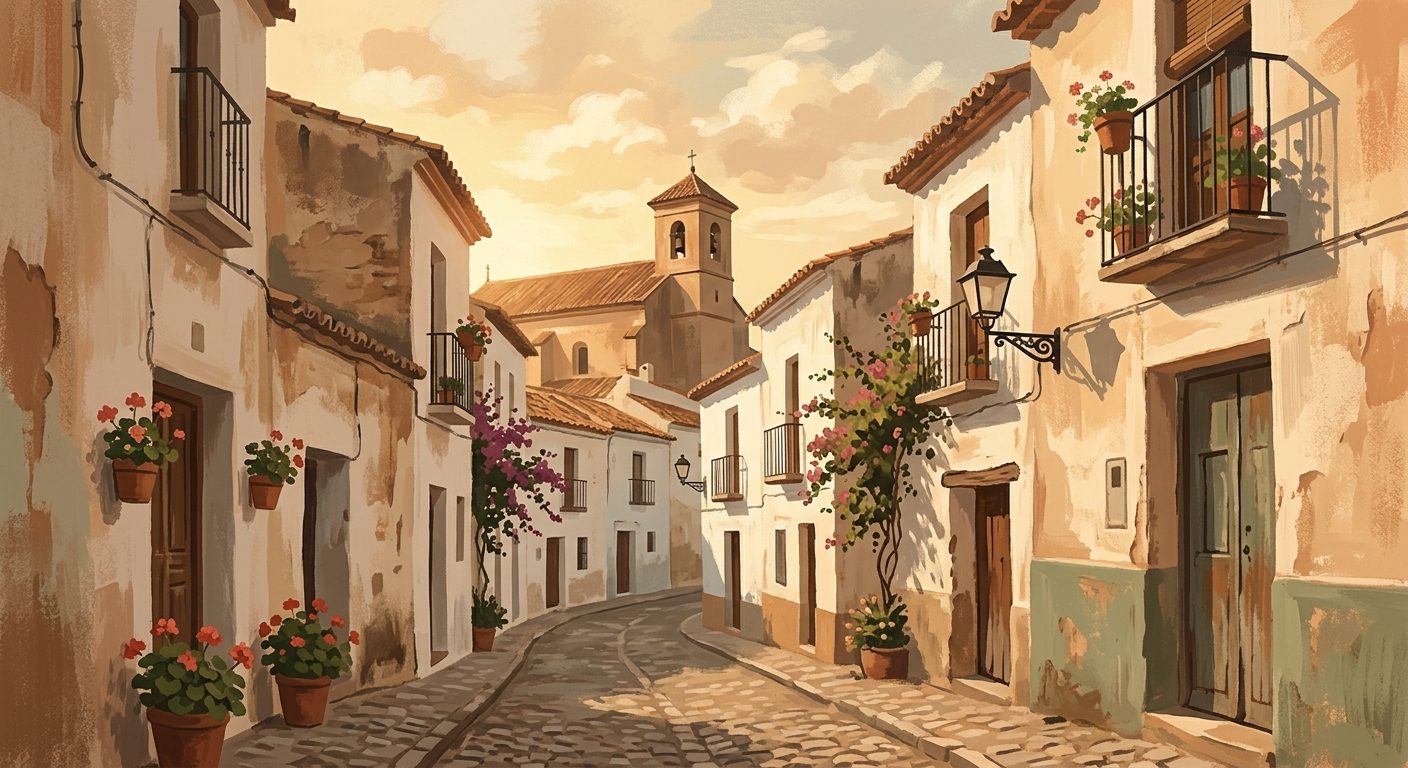
The Resurrection of the Chalk: How Sherry Escaped the Dusty Sideboard
For decades, the wines of Marco de Jerez were relegated to the back of the liquor cabinet; today, a new generation of winemakers is digging into the white earth to prove Sherry is the world's most misunderstood terroir wine.
7 min read
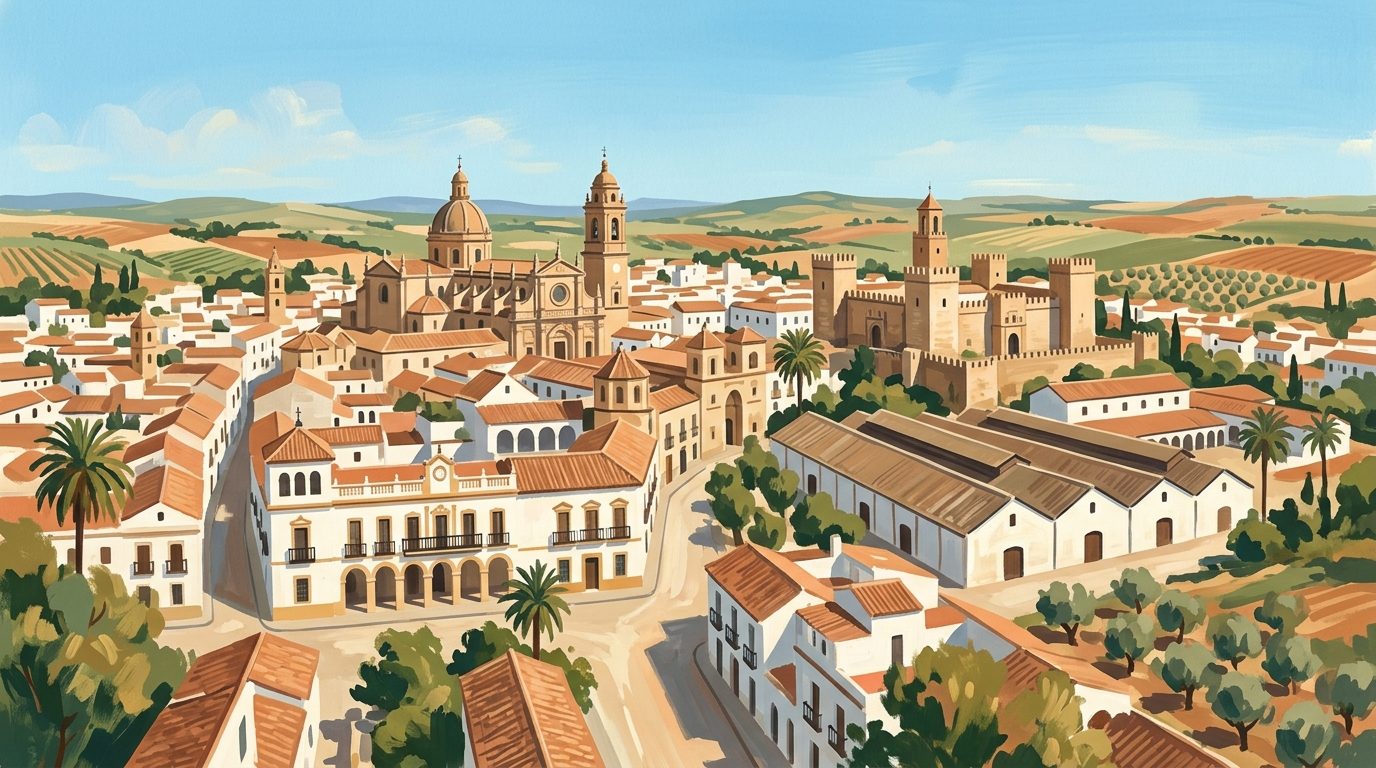
Jerez de la Frontera: A Guide to the City of Sherry and Horses
Discover the heart of the Sherry Triangle in Jerez de la Frontera, a city where aristocratic bodegas, elite equestrian schools, and authentic flamenco traditions create a unique Andalucían experience.
6 min read
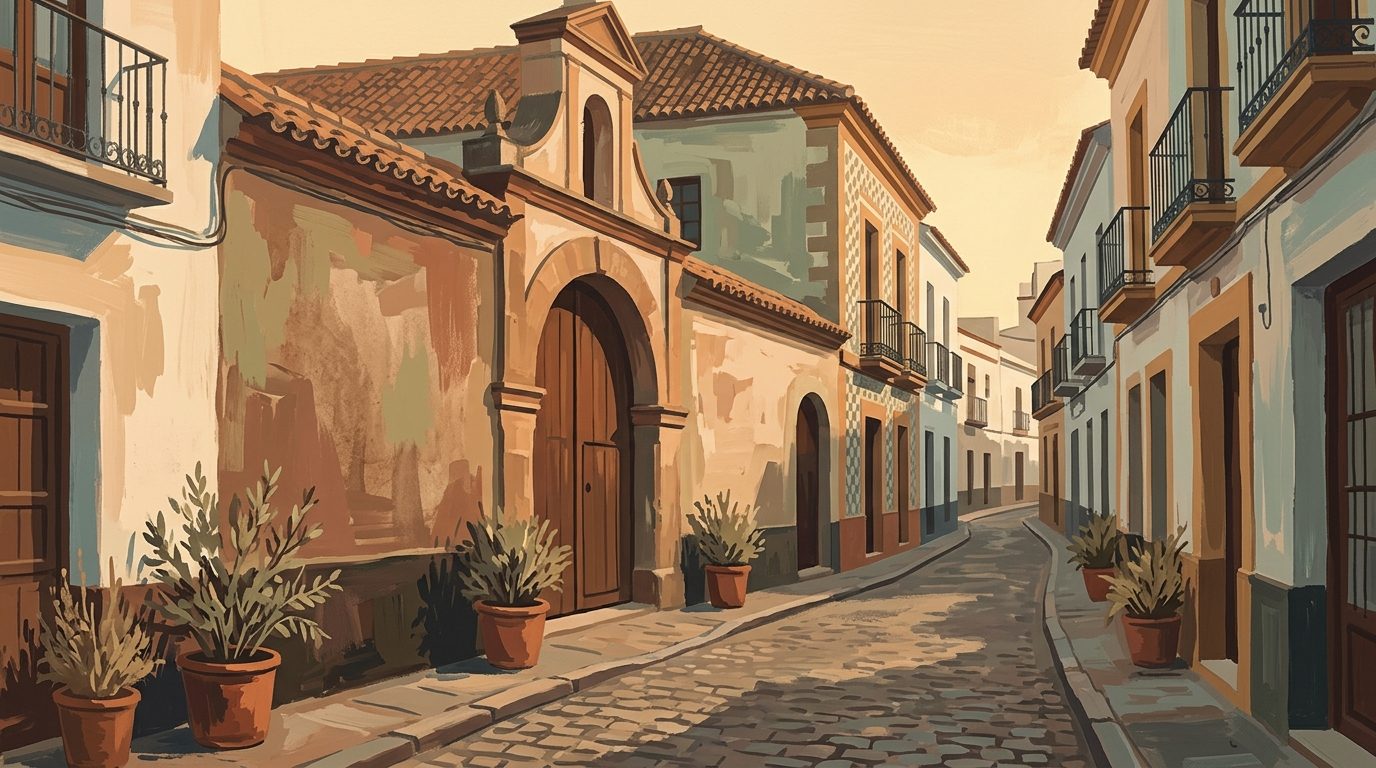
Sherry and the Bodegas: The 19th-Century Anglo-Andalucían Wine Trade
The fortified wines of Jerez reshaped western Andalucía. British merchants and local vineyard owners forged an industrial alliance that built enormous cellars and transformed global drinking habits.
7 min read
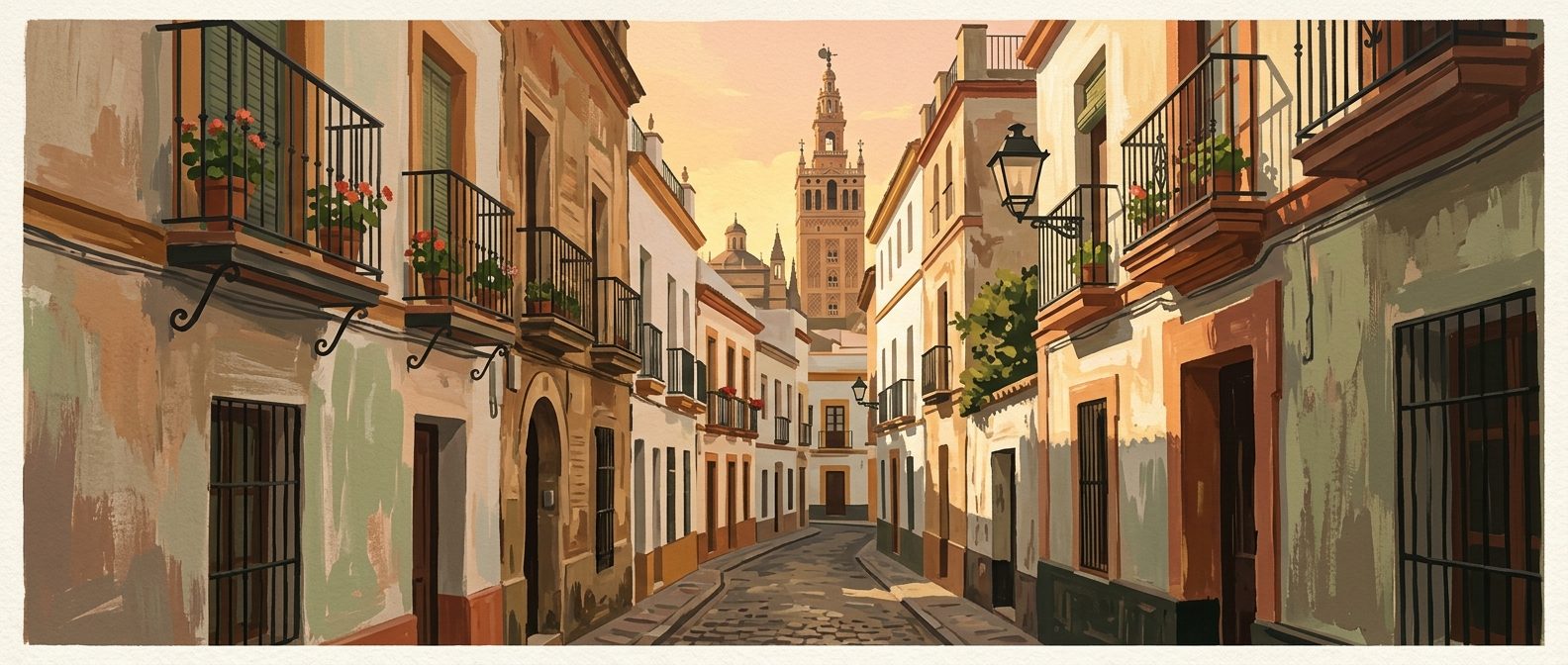
The Siege of the Real: Inside Sevilla’s Private Universe
Beyond the yellow dust of the Real, Sevilla’s great fair is a labyrinth of closed doors where the city’s true social hierarchy is revealed in the clinking of glasses.
8 min read
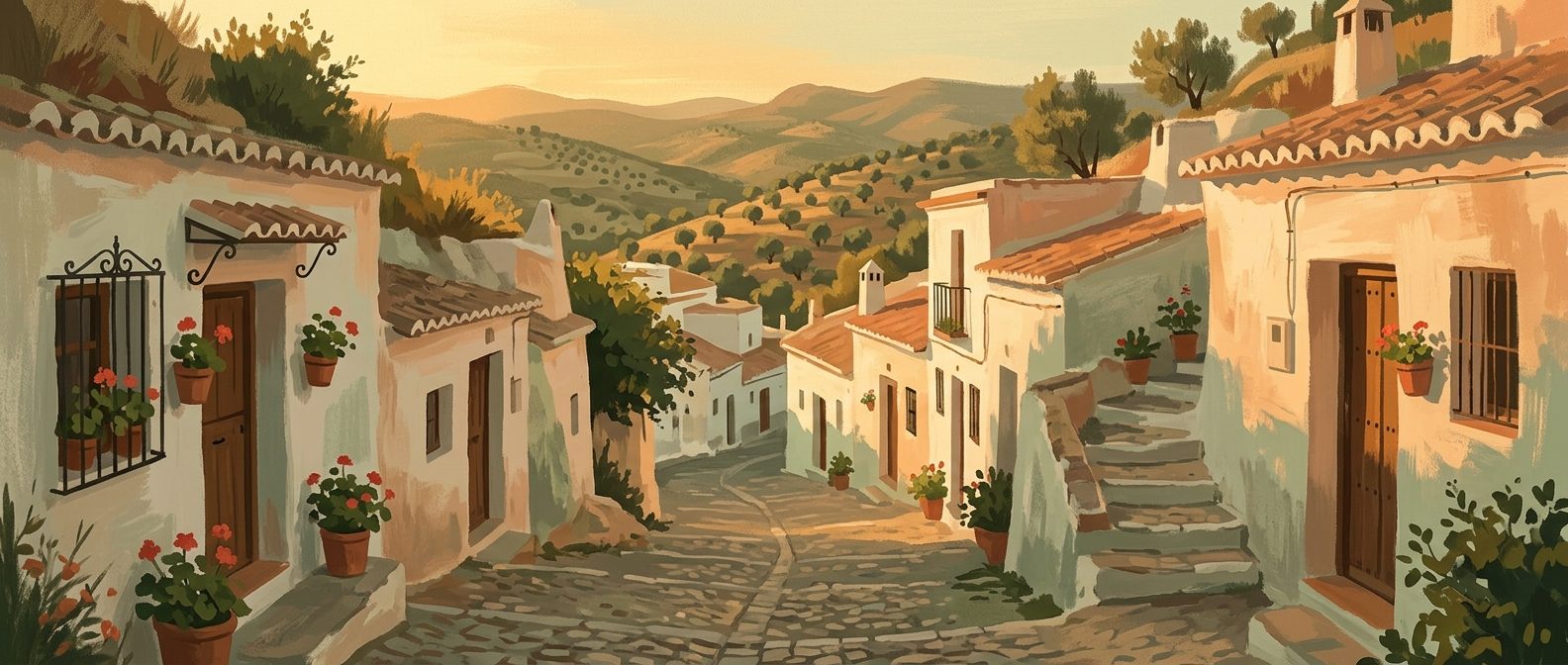
Beyond the White Caves: The Unseen Struggle of Sacromonte
The whitewash on Curro’s fingers is thick as paste, a seasonal ritual of reclaiming a home from the damp appetite of the hillside.
7 min read
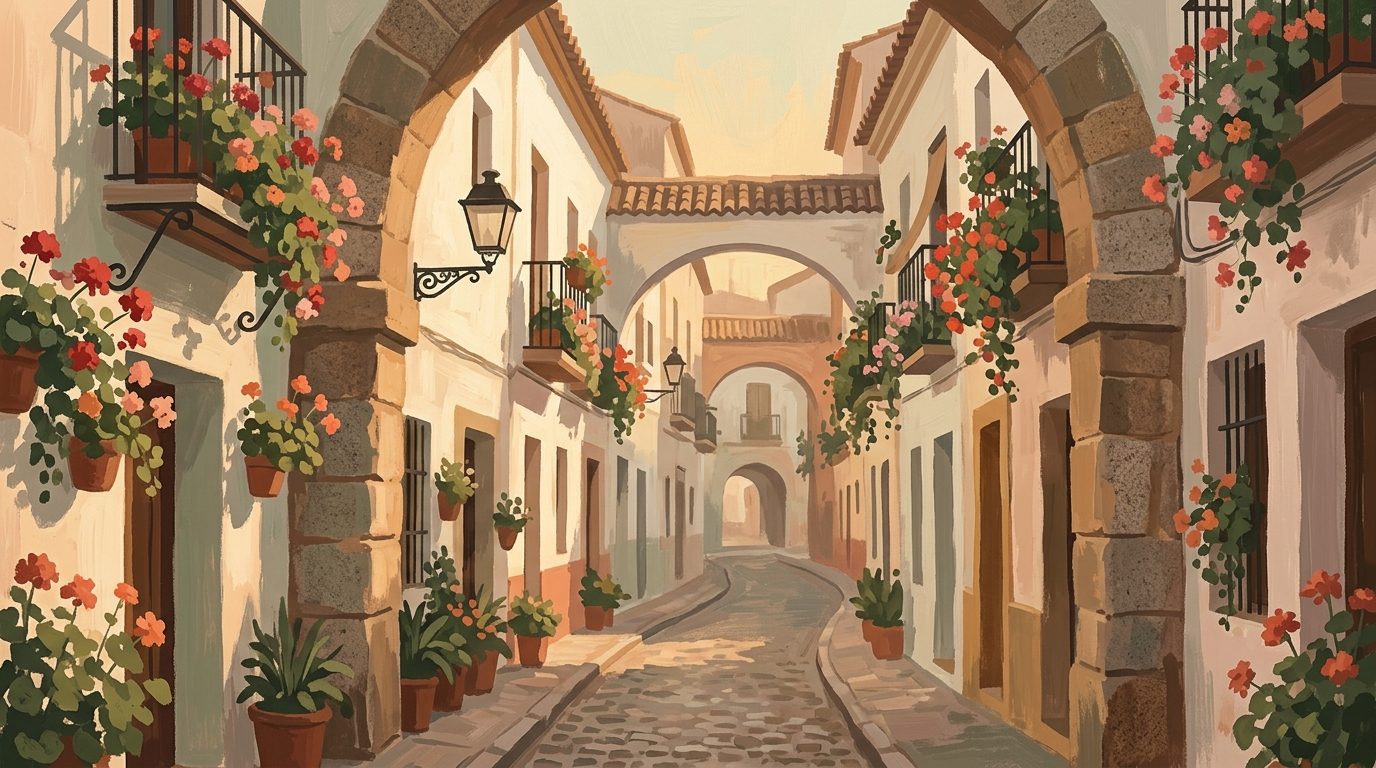
The Granite and the Geranium: The Fragile Geometry of Córdoba’s May
For two weeks in May, Córdoba’s residents throw open the doors of their private courtyards, turning a city of stone into a living, breathing laboratory of botanical obsession.
6 min read
More from Cádiz
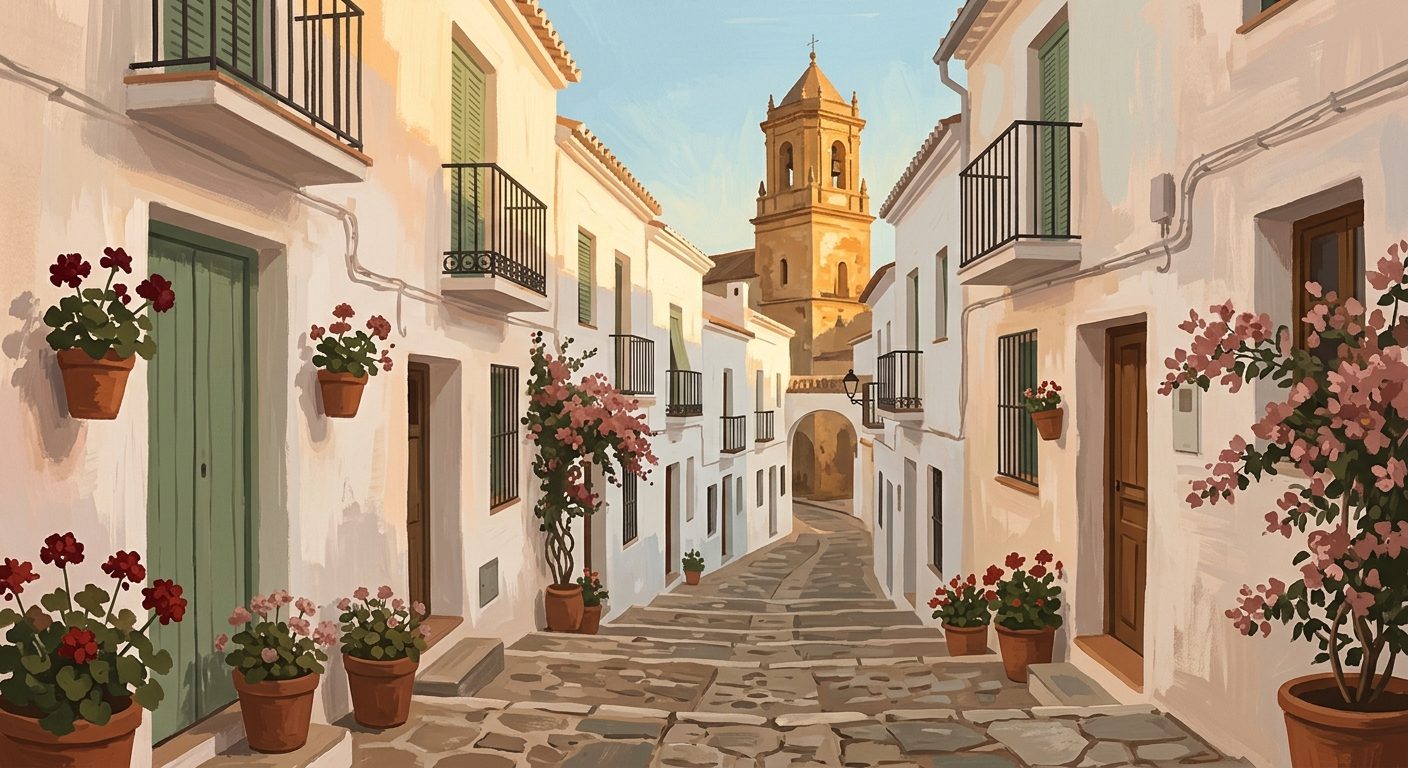
The White Villages of Andalucía: A Guide to the Pueblos Blancos
Discover the iconic white villages of Cádiz and Málaga, where lime-washed houses and narrow Moorish streets define the rugged mountain landscape of Andalucía.
6 min read
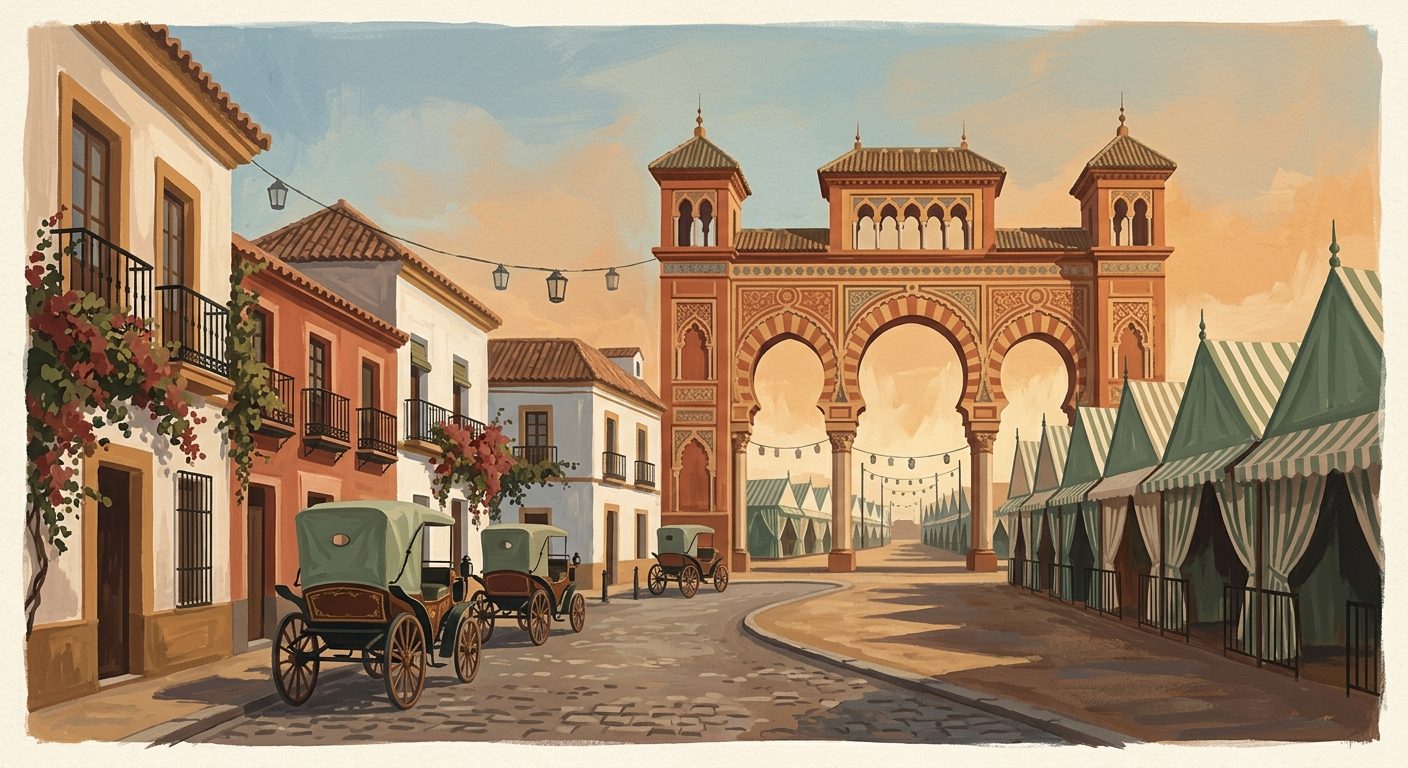
A Complete Guide to the Feria del Caballo in Jerez
The Feria del Caballo in Jerez stands apart from other spring fairs in Andalucía because its casetas are almost entirely open to the public. Here, the aristocratic tradition of the Andalucían horse meets the egalitarian spirit of the city, fuelled by endless cold glasses of fino sherry and native flamenco bulerías.
9 min read
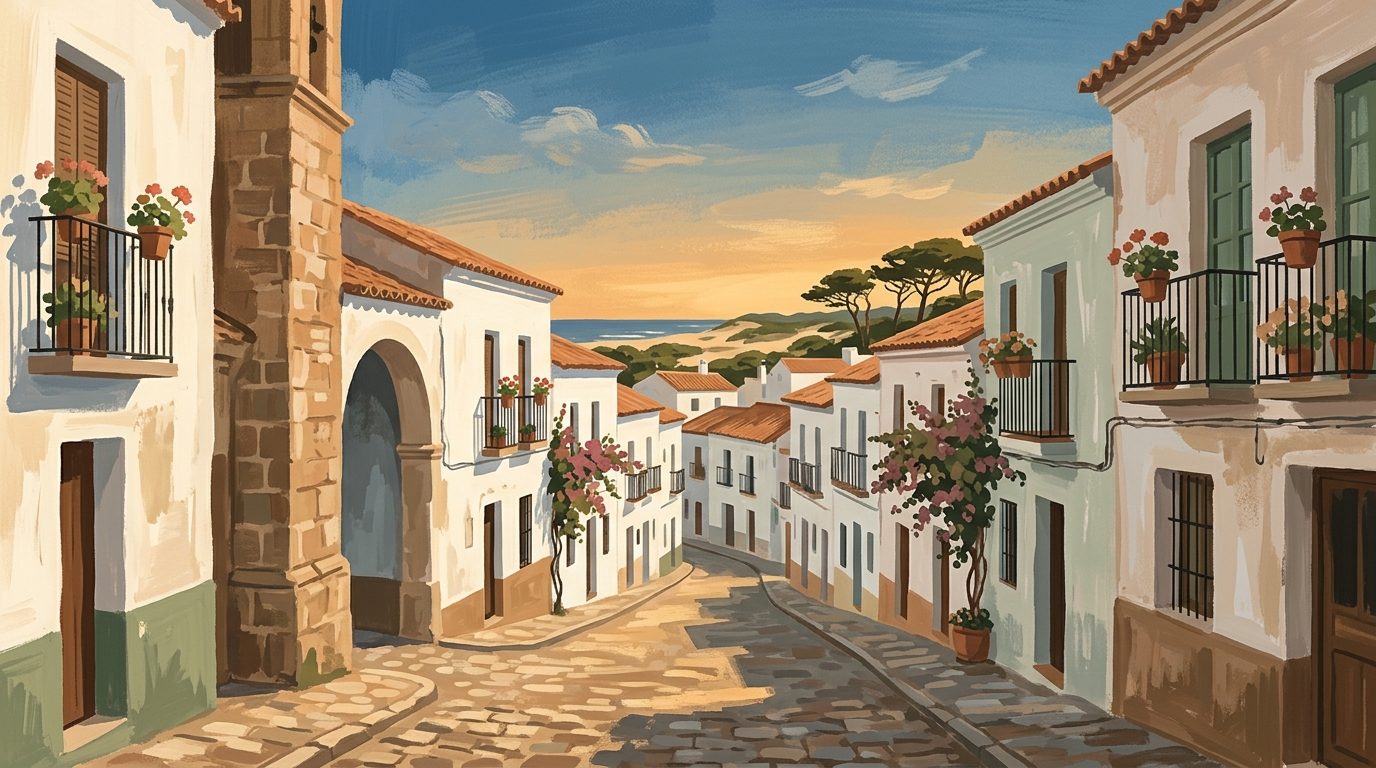
Costa de la Luz: The Complete Guide
The Costa de la Luz is an untamed stretch of Atlantic shoreline defined by wild dunes, pine forests and stiff sea breezes. Spanning the coastlines of Huelva and Cádiz, it offers a stark alternative to the concrete resorts of the Mediterranean.
9 min read
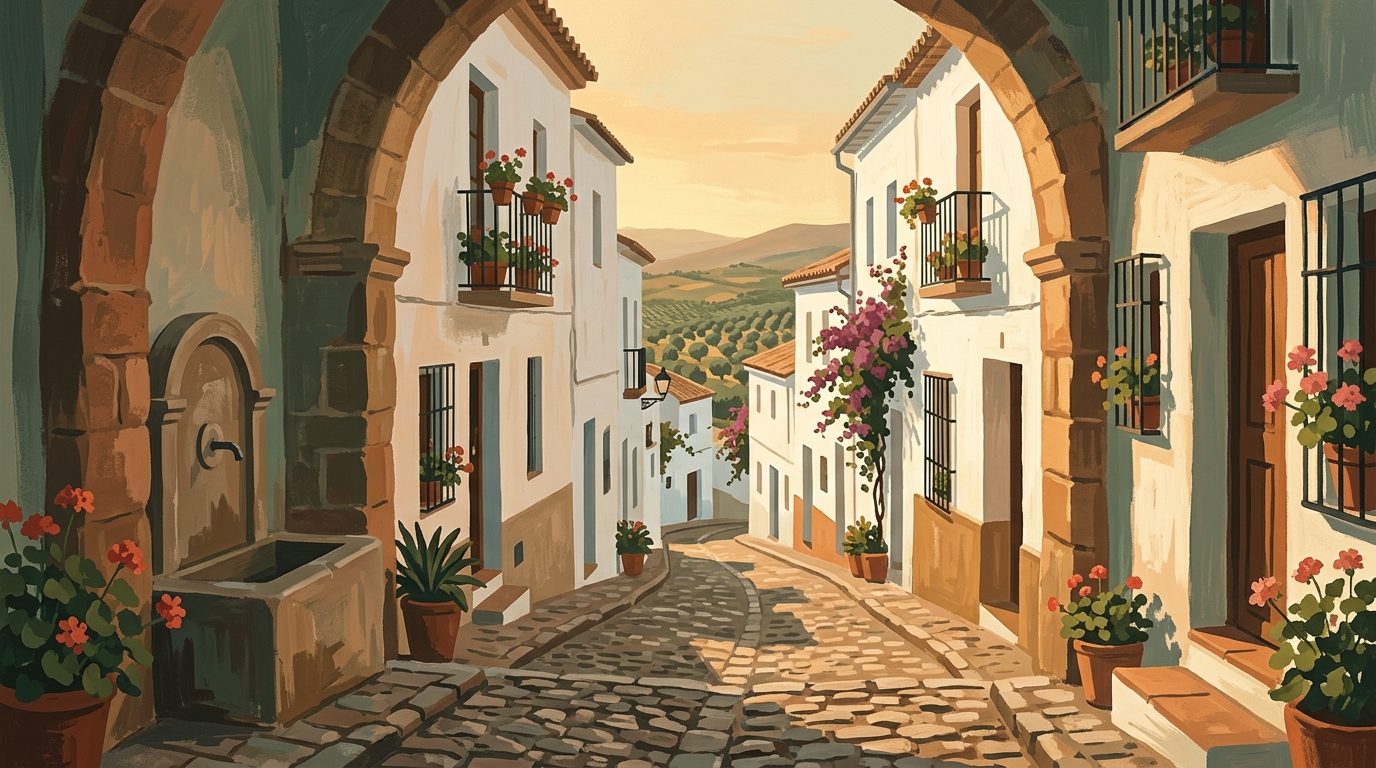
The Weight of the Water: Life at the Edge of Two Continents
Fourteen kilometres of salt water separate the northern edge of Africa from the southernmost tip of Spain, creating a corridor where geopolitical tension, ecological wonder, and human desperation collide.
7 min read
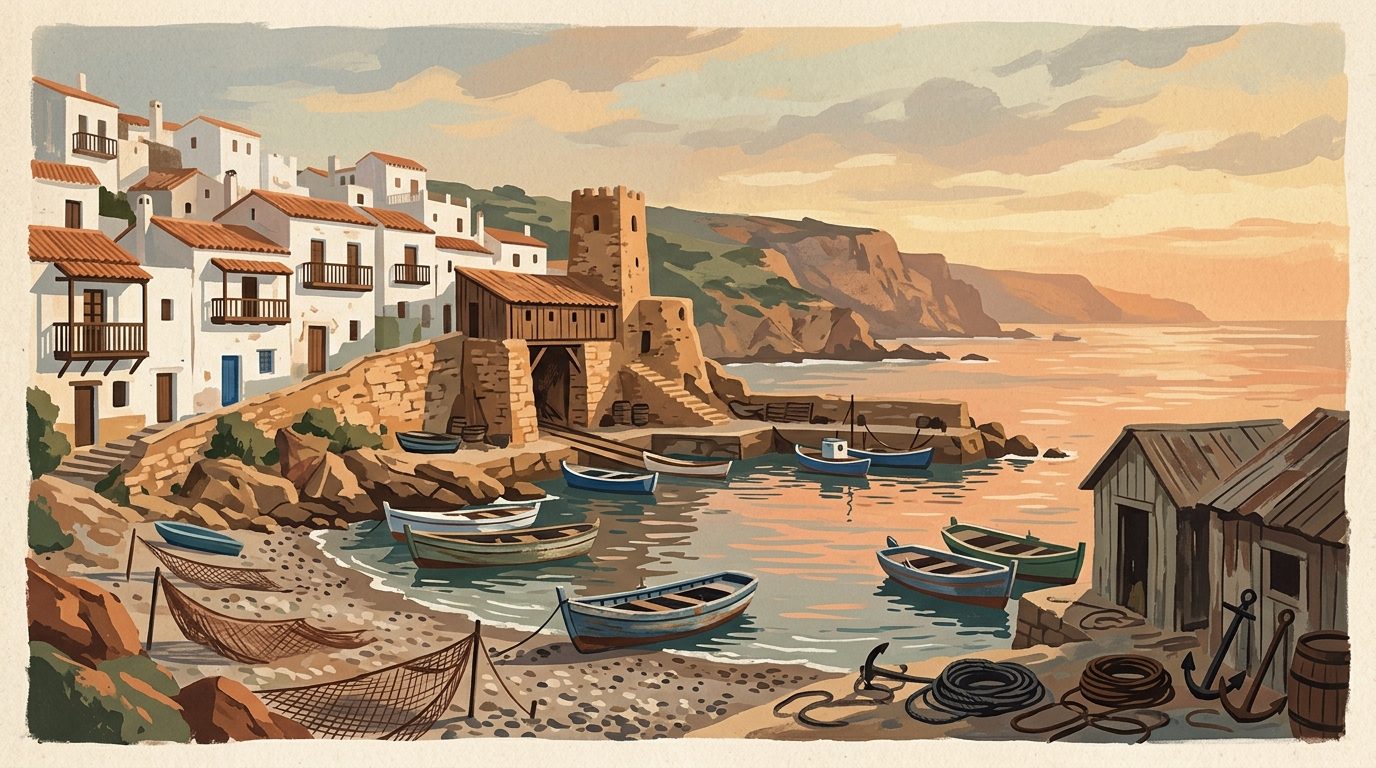
The Last Almadraba: Blood, Steel, and the Silver Ghost of Barbate
In the coastal town of Barbate, a three-thousand-year-old ritual of blood and silver continues as the bluefin tuna begin their ancient migration.
7 min read
The Weight of the Blood: How Flamenco Outlives the Stage in Jerez
In the back rooms and private social clubs of Jerez, flamenco isn't a show for tourists: it is a gritty, ancestral language passed down through bloodlines and the stubborn memory of the barrios.
7 min read
Newsletter
More stories from Andalucía
Weekly notes, seasonal picks, and the next guides worth bookmarking.