
Feature · Almería
The Ghost of the Outlaw in the Badlands of Almería
The dust in Tabernas does not merely sit on the surface; it inhabits the lungs, a fine, ochre silt that has tasted both Hollywood gunpowder and the silence of the ancient seabed.
By Dan · Updated 8 May 2026 · 6 min read
Story context
This is a narrative feature, not a breaking-news report or a legal/practical guide. It is kept on the site because it adds local texture and reading value alongside the more practical Andalucía 365 guides.
Use the links below for planning details, current access, places to stay, transport or food guidance connected with the story.
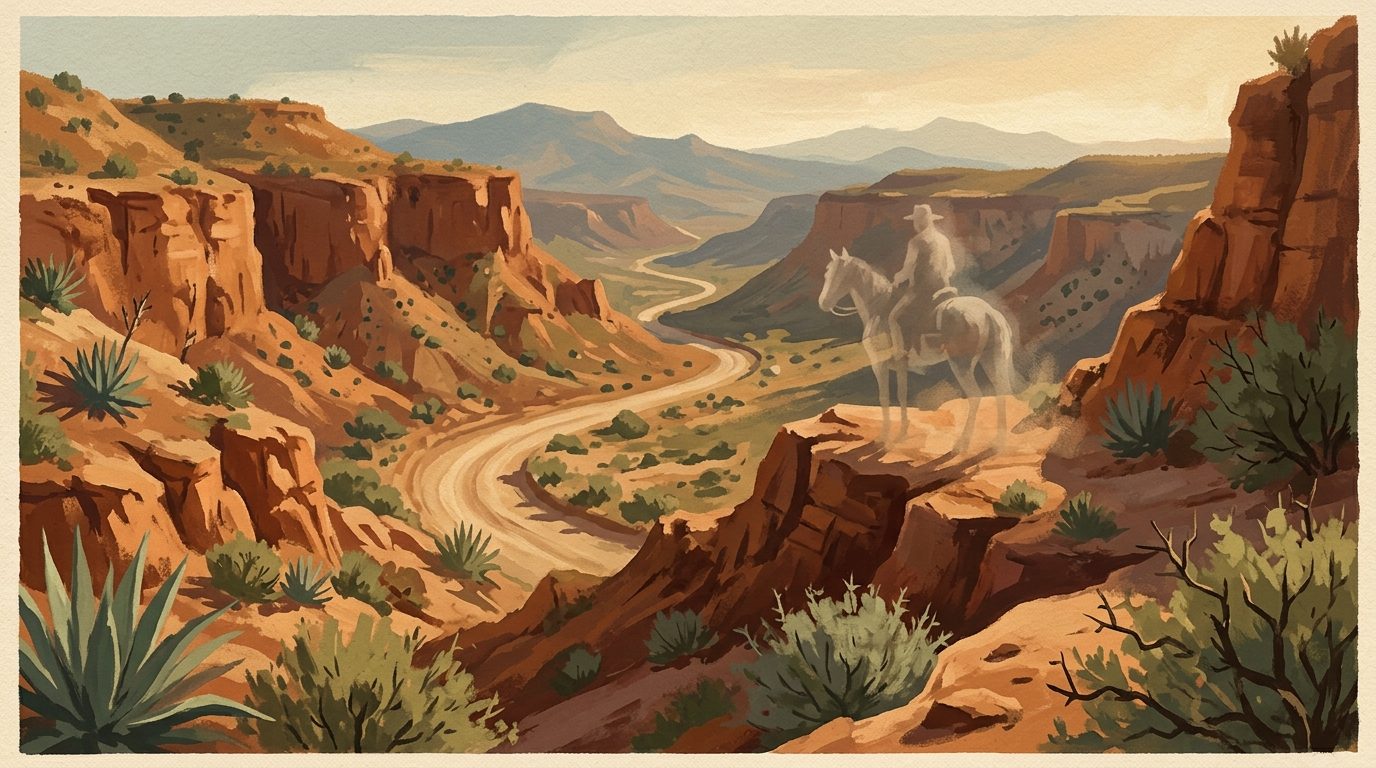
The dust in Tabernas does not merely sit on the surface; it inhabits the lungs, a fine, ochre silt that has tasted both Hollywood gunpowder and the silence of the ancient seabed. Here, the ghosts of Sergio Leone’s outlaws still draw their revolvers for the price of a tourist ticket.
Diego squeezes the grip of his Colt .45 and waits for the heat to peak. It is 2:00 PM in the Tabernas Desert, a stretch of Almería that looks less like Europe and more like a fever dream of Arizona. The sun is a white hammer, flattening the shadows against the wooden slats of the saloon. Around him, the air shimmers, distorted by the rising heat of the sand. Diego is not a cowboy, and we are not in 1870. He is a stuntman at Fort Bravo, wearing woollen trousers and leather chaps that smell of sweat and old horses, waiting for a whistle to signal the start of a bank robbery, a performance that has run regularly for decades.
When the whistle blows, the stillness breaks. Horses gallop through the main street, their hooves kicking up clouds of caliche. Gunshots (blanks, but loud enough to make the tourists flinch) crack against the canyon walls. Diego falls from a balcony, a practised, heavy thud into a pile of straw, and for a fleeting second, if you squint against the glare, the artifice vanishes. For that heartbeat, you are not in a theme park in southern Spain; you are in the lawless frontier of the American West. Then Diego stands up, brushes the yellow dirt from his knees, and asks if anyone wants a photograph for a small fee (typically around five euros, though check on the operator's website before travelling).
The Invention of the Almeriense Frontier
The story of how this parched corner of Andalucía became the definitive backdrop for the American myth is one of opportunism and light. In the early 1960s, Sergio Leone arrived in Almería with a vision and a tight budget. He found a landscape that was geologically indifferent to national borders. The Tabernas Desert, Europe’s only true desert, offered the jagged silhouettes of the Sierra de los Filabres and the Sierra Alhamilla. It offered the ramblas (dry riverbeds that looked like the trails of Texas) and a quality of light that was hard, unforgiving, and cinematically perfect.
Leone didn't just film here; he colonised the geography with his imagination. When Clint Eastwood squinted into the sun in A Fistful of Dollars, he was squinting at the Almeriense horizon. The landscape was cheap, the local extras had faces carved by the sun and poverty, and the Francoist government was more than happy to let international film crews build entire towns out of plywood and plaster. They built Fort Bravo, Oasys (then called Mini Hollywood), and Western Leone. They built them to be disposable, never expecting that sixty years later, the sets would still be standing, outlasting the very era of cinema they defined.
The Architecture of Deception
To walk through the sets today is to experience a strange kind of spatial vertigo. The proportions of the buildings are slightly off, designed to look imposing on a 35mm lens but feeling oddly intimate in the flesh. At Oasys, the saloon is cool and dark, the wood smoothed by thousands of hands. Outside, the gallows stand permanent and empty, a silhouette against the scorched hills. This isn't a preservation of history; it’s a preservation of a set of a history.
The irony is that the "West" we recognise in our collective memory, the high-contrast, dusty, brutal world of the Spaghetti Western, was largely constructed here, thousands of miles from the Mississippi. The Tabernas Desert didn't just stand in for the West; it refined it. The American Westerns of the 1940s were often lush, filmed in the green valleys of California or the red rocks of Utah. Leone and his contemporaries brought the West to Almería and made it grittier, sweatier, and more nihilistic. They found a kinship in the Spanish soil that matched the moral ambiguity of their characters.
Today, the survivors of that era are the stuntmen and the caretakers. Some of the older men in the village of Tabernas still remember being paid a few pesetas to play a Mexican revolutionary or a Union soldier. They talk about the stars (Eastwood, Bronson, Loren) not as icons, but as people who shared the same dust. There is a specific pride in Almería about this. The province has always felt somewhat isolated from the rest of Spain, cut off by mountains and a harsh climate. For a few decades, Hollywood gave it a central role on the world stage, even if it had to wear a mask to play it.
The Badlands Beneath the Paint
Beyond the false-fronted stores and the staged shootouts lies the real Tabernas, a landscape of profound and lonely beauty. If you leave the sets and hike into the badlands, the cinematic artifice falls away. The geology here is a chronicle of ancient oceans. The ground is a mosaic of gypsum, sandstone, and marl, eroded by infrequent but violent rains into deep gullies and sharp ridges. It is a fragile environment, though it looks indestructible.
There is a silence in the deep ramblas that no film soundtrack can replicate. In the spring, tiny yellow flowers bloom briefly before the heat kills them. Lizards scuttle across sun-baked rocks, and the occasional eagle circles the thermals above the Tabernas fortress. This is the landscape that existed before the cameras arrived and the one that will remain long after the last saloon door falls off its hinges. The locals call it 'El Desierto', a name that carries both a warning and a sense of belonging. They know that the desert doesn't care about the outlaws or the directors; it only cares about the wind and the rare, precious water.
The Fatigue of the Myth
There is a tension now in the air of Tabernas. The era of the great Western is over, and the film industry has largely moved on to more exotic or digitally-rendered locales. While Almería still hosts major productions (bits of Game of Thrones and Exodus: Gods and Kings were shot nearby), the Western sets rely on a dwindling form of nostalgia. The "cowboys" are getting older. The paint on the General Store is peeling, adding to the weathered atmosphere rather than signaling decay.
There is something slightly melancholic about watching a staged gunfight in a half-empty theme park. You see the effort in the actors' performances, the way they throw themselves into the dirt for the twentieth time that week. They are keeping a ghost alive. The struggle is no longer between the sheriff and the bandit; it is between the legend and the passage of time. The tourists come in air-conditioned coaches, take their selfies with the men in hats, and leave within three hours. The desert remains, indifferent to the spectacle.
Yet, the myth persists because the landscape demands it. You cannot look at those cragged mountains and not imagine a lone rider on the horizon. The Tabernas Desert is a place where the line between what is real and what is filmed has been blurred forever. The soil is Almeriense, but the spirit, for better or worse, is Western.
As the sun begins to dip behind the Sierra Alhamilla, the heat finally loses its teeth. The tourist coaches rattle back toward the coast, and the stuntmen head to the changing rooms to peel off their layers of wool and leather. At the edge of Fort Bravo, a single horse remains tethered to a rail, twitching its ears at the sound of a distant truck on the N-340. The long shadows stretch across the plaza, turning the plywood buildings into silhouettes of a town that never truly existed. In the cooling air, the smell of gunpowder lingers for a moment, then vanishes, leaving only the scent of dry earth and the vast, enduring silence of the desert night.
Last reviewed: 21 June 2026 · Editorial policy
Related guides
The Siege of the Real: Inside Sevilla’s Private Universe
Beyond the yellow dust of the Real, Sevilla’s great fair is a labyrinth of closed doors where the city’s true social hierarchy is revealed in the clinking of glasses.
8 min read
Beyond the White Caves: The Unseen Struggle of Sacromonte
The whitewash on Curro’s fingers is thick as paste, a seasonal ritual of reclaiming a home from the damp appetite of the hillside.
7 min read
The Granite and the Geranium: The Fragile Geometry of Córdoba’s May
For two weeks in May, Córdoba’s residents throw open the doors of their private courtyards, turning a city of stone into a living, breathing laboratory of botanical obsession.
6 min read
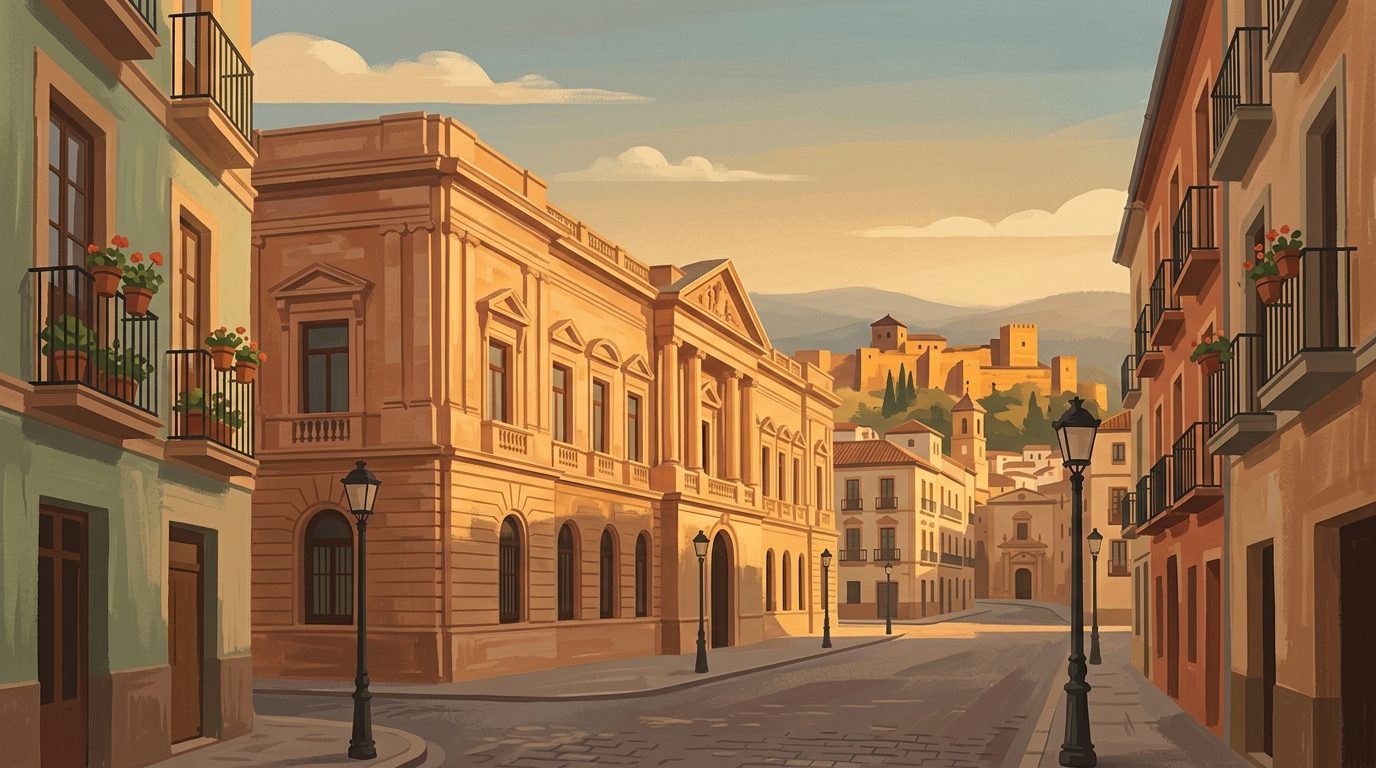
The Museum and the Metropolis: Málaga’s Radical Reinvention
Once a gritty industrial port and a mere transit hub for the Costa del Sol, Málaga has spent two decades undergoing a radical cultural transformation that has turned it into a global art capital.
7 min read
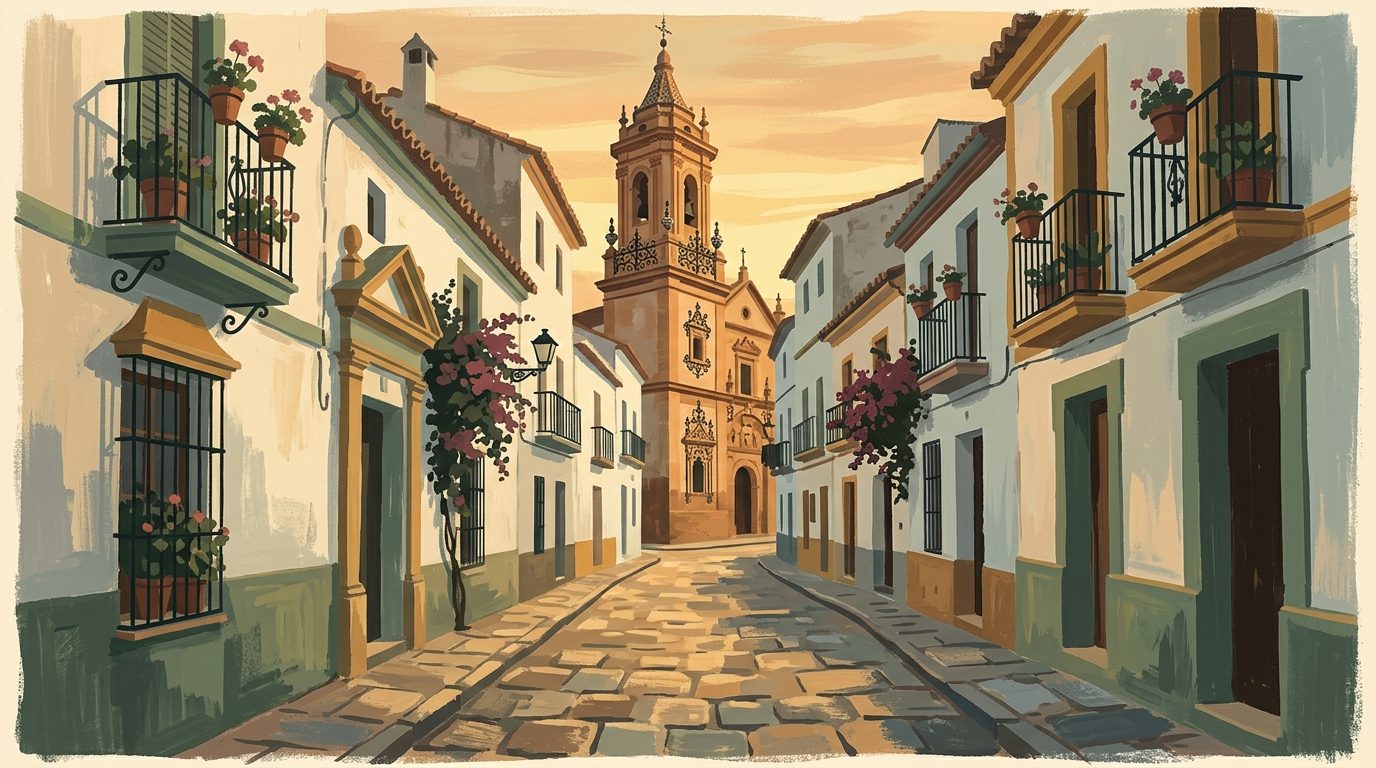
The Sound of Silence: Inside Semana Santa
The drumbeat hits the sternum first, a rhythmic thud that vibrates through the marrow before the ear registers the sound. Then comes the silence: a heavy, suffocating quiet.
7 min read
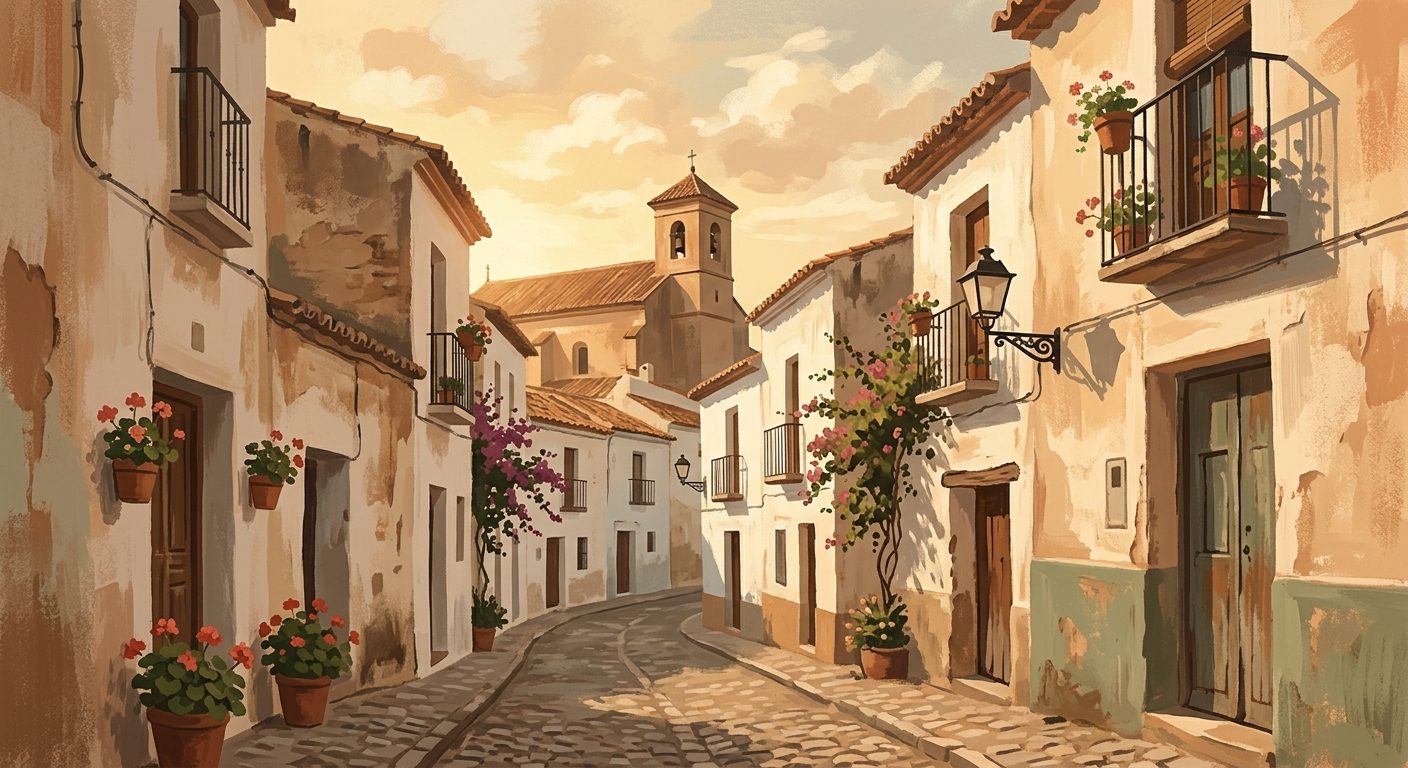
The Resurrection of the Chalk: How Sherry Escaped the Dusty Sideboard
For decades, the wines of Marco de Jerez were relegated to the back of the liquor cabinet; today, a new generation of winemakers is digging into the white earth to prove Sherry is the world's most misunderstood terroir wine.
7 min read
More from Almería
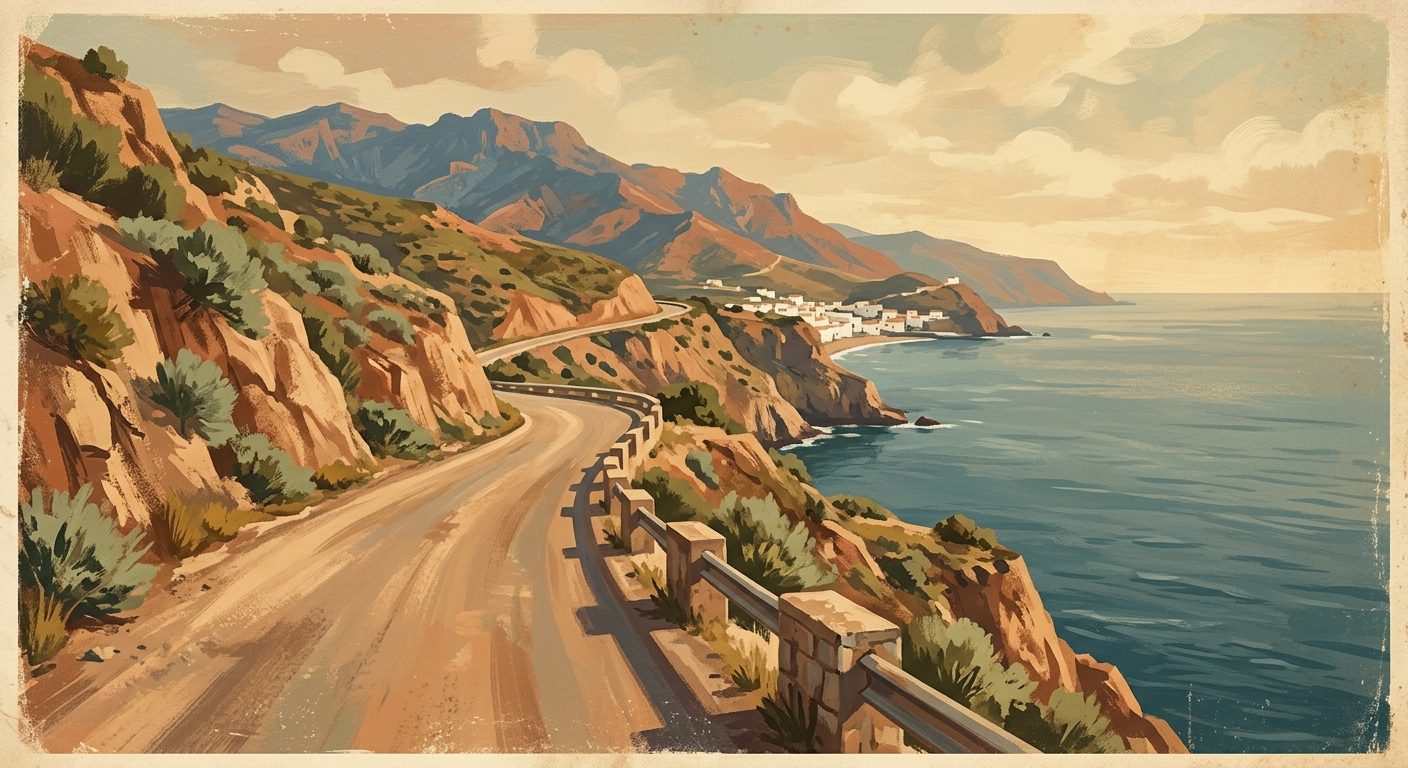
Málaga and the Carretera de Almería: The Tragedy of La Desbandá
In February 1937, tens of thousands of civilians fled Málaga along a narrow coastal road to escape advancing troops. The ensuing bombardment from sea and air created one of the deadliest civilian tragedies in modern European history.
8 min read
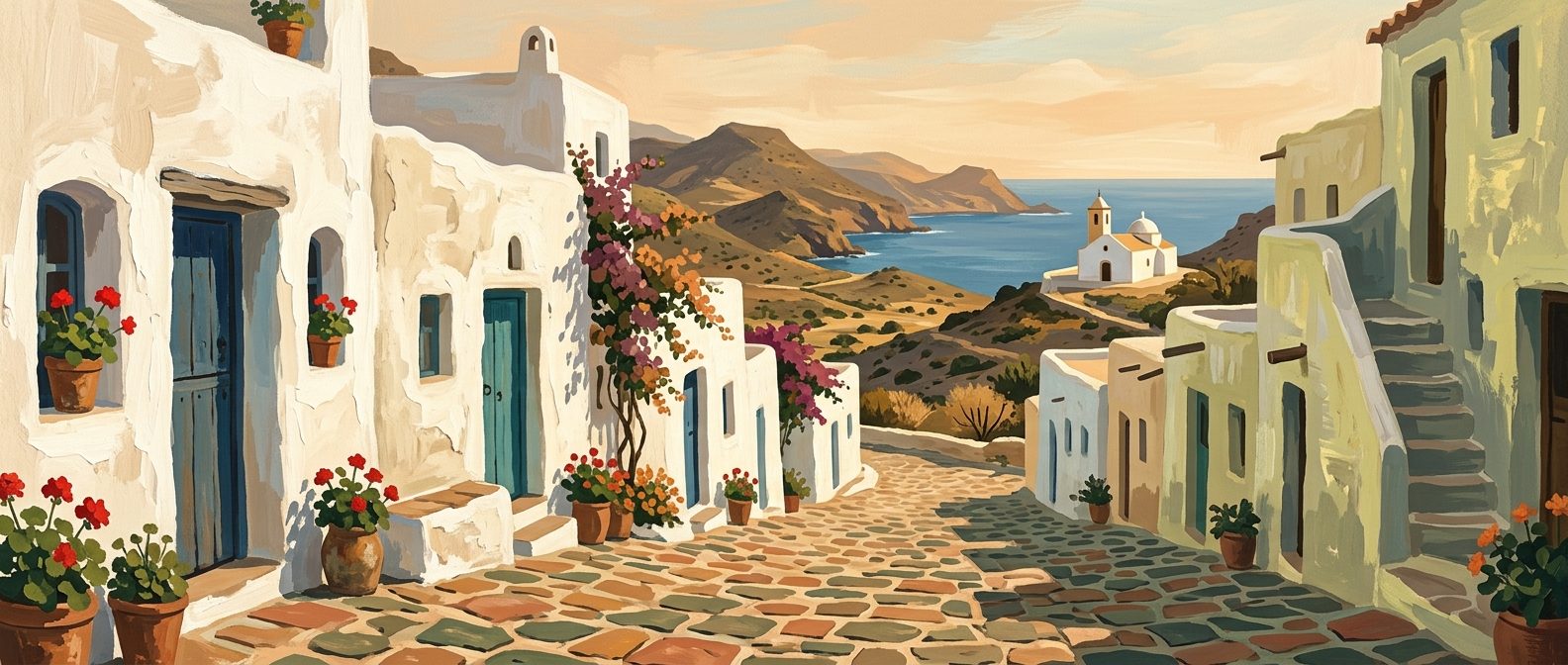
Costa de Almería: The Complete Guide
The Costa de Almería is an arid, volcanic stretch of coastline where the Mediterranean meets the desert. It is the least developed of the Andalucían costas and offers vast natural parks alongside quiet fishing villages.
9 min read
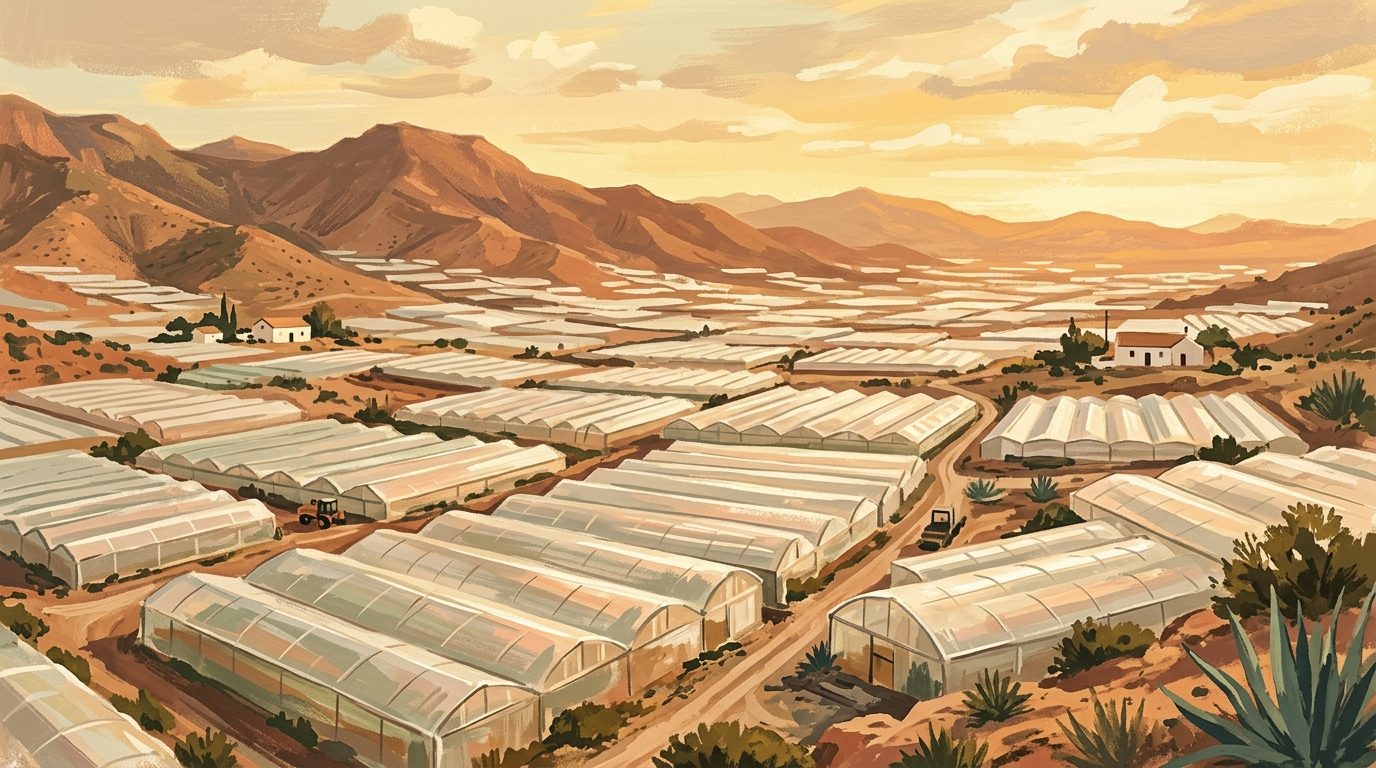
Beneath the White Canopy: Understanding Almería’s Extraordinary Sea of Plastic
A deep dive into Almería's 'Mar de Plástico', the 30,000-hectare sea of greenhouses that transformed a desert into Europe's primary winter garden.
7 min read
Newsletter
More stories from Andalucía
Weekly notes, seasonal picks, and the next guides worth bookmarking.