
Seasonal guide · Cádiz
Cádiz in January: Bright Light and Winter Waves
Cádiz in January offers a sharp Atlantic clarity, empty beaches, and the authentic start of the carnival season, ideal for budget travellers and surfers.
By Dan · Updated 7 June 2026 · 6 min read
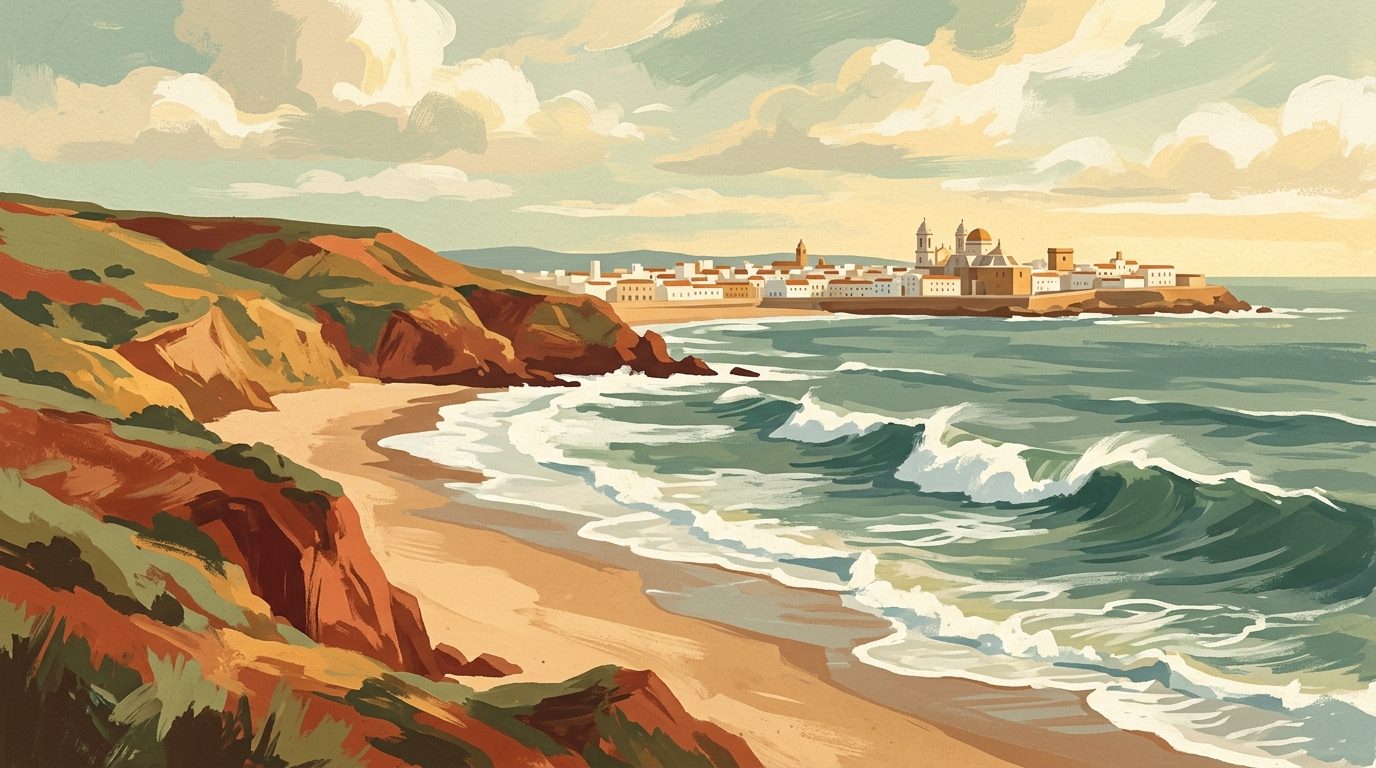
A quiet, salt-sprayed month where the Atlantic light takes on a sharp clarity and the province recovers from the festive season. It is a period defined by empty beaches, cold sherry, and the first stirrings of the world-famous carnival rehearsals.
Introduction: What to Expect
January in the province of Cádiz is a season of profound quiet and startlingly clear skies. After the family-centric celebrations of early January, the province settles into a deep exhale. This is not the scorched, sun-baked landscape of July; instead, the Atlantic coast feels raw and authentic. The light in the city of Cádiz, often described as silver, is at its most piercing this month, making it a favourite time for photographers and artists. While the rest of northern Europe remains under grey clouds, the southwestern tip of Spain frequently enjoys days of intense blue sky and crisp air.
The atmosphere is significantly more local than in the summer months. In the white towns of the interior, such as Vejer de la Frontera or Arcos de la Frontera, you will hear the echo of your own footsteps on the cobblestones. On the coast, the seasonal beach bars, or chiringuitos, are largely dismantled, leaving the vast sandy stretches of the Costa de la Luz to the seagulls and the dedicated surf community. It is a month of solitude, fresh seafood, and the beginning of the long lead-up to the city's famous carnival.
Weather
The weather in Cádiz province during January is varied and depends heavily on your proximity to the ocean or the mountains. On the coast, in cities like Cádiz, Rota, and El Puerto de Santa María, daily highs hover around 13°C to 16°C. While the sun is warm enough for a light jacket, the Atlantic wind can make it feel considerably cooler. Nights are chilly, often dropping to 8°C or 9°C, which, given the lack of central heating in many older buildings, requires warm layers and thick socks.
Inland, particularly in the Sherry Triangle and the Campiña de Jerez, temperatures are similar but lack the tempering effect of the sea, leading to colder mornings. The Sierra de Grazalema, the mountainous north-eastern part of the province, is a different world entirely. It is officially the wettest place in Spain. In January, you can expect significant rainfall here, with temperatures occasionally dipping towards freezing at night. Snow is rare but not impossible on the highest peaks like El Torreón. If you are visiting the mountains, waterproof gear and heavy woollens are essential.
Rain across the province typically comes in short, heavy bursts rather than day-long drizzles. Statistically, you can expect about six to eight rainy days throughout the month, but the sun almost always makes an appearance shortly after the clouds clear.
Events & Festivals
The most significant event in the early part of the month is the Cabalgata de los Reyes Magos (The Three Kings Parade) on the evening of 5 January. Every town in the province, from the smallest mountain village to the capital city, hosts a parade where the Three Kings throw sweets to crowds of children. It is the most important night of the year for Spanish families, surpassing Christmas Day in cultural importance. 6 January, Día de Reyes (Epiphany), is a quiet public holiday where families gather to eat Roscón de Reyes, a ring-shaped cake filled with cream.
By mid-January, the focus shifts entirely to the Carnaval de Cádiz. While the main street party happens in February, January marks the start of the Concurso Oficial de Agrupaciones Carnavalescas (COAC). This is the official competition held at the Gran Teatro Falla in Cádiz city. Groups of singers (chirigotas, comparsas, coros, and cuartetos) perform satirical and poetic songs. The city begins to hum with activity as these groups rehearse, and several 'gastronomic events' take place in the plazas to celebrate the start of the season.
Look out for the Pestiñada (where honey-glazed fritters are served) or the Erizada (the Sea Urchin Festival). These usually take place on Sundays in the second half of January (or very early February) in the Barrio de la Viña; exact dates are confirmed annually alongside the Carnival schedule. Thousands of people gather to eat fresh sea urchins and listen to the first performances of the year.
What to Do
Surfing the Atlantic Swell
January is prime time for surfers. The beaches of El Palmar and Conil de la Frontera receive consistent Atlantic swells that are often too small or flat in the summer. The water is cold (around 15°C), requiring a 4/3mm wetsuit, but the crowds are non-existent. Many surf schools remain open, offering lessons for those brave enough to face the winter waves.
Sherry Tasting in Jerez
The 'Sherry Triangle', formed by Jerez de la Frontera, Sanlúcar de Barrameda, and El Puerto de Santa María, is fully operational in January. Visiting a bodega such as González Byass or Bodegas Lustau is an excellent indoor activity for a cooler day. The lack of summer tourists means tours are smaller and more intimate. In Sanlúcar, the cold weather is the perfect excuse to sit in a tavern and enjoy Manzanilla sherry with a plate of the famous local prawns.
Whale and Bird Watching
The Strait of Gibraltar remains an active corridor for wildlife. While the peak migration of birds occurs in autumn and spring, many species over-winter in the Doñana National Park (accessible via Sanlúcar) or the Marismas del Barbate. Boat trips from Tarifa to see resident populations of pilot whales and bottlenose dolphins still run in January, though schedules are significantly reduced and highly weather-dependent. Sailings will only operate provided the Levante (easterly) or Poniente (westerly) winds are not too strong (check on the operator's website before travelling).
Hiking the White Towns
For hikers, January is arguably better than the summer months. The trails in the Parque Natural de los Alcornocales are lush and green. The ascent to the Salto del Cabrero or the walk from Grazalema to Zahara de la Sierra is manageable without the risk of heatstroke. The air is clear, offering views across the Strait to the Rif Mountains of Morocco on a fine day.
Who Should Visit
- Budget Travellers: Accommodation prices are at their lowest for the entire year, except during the very start of the month.
- Surfers: For the most consistent and powerful waves of the year.
- Culture Lovers: To experience the authentic, local build-up to the Carnaval and the traditional Kings' Day celebrations.
- Hikers: To enjoy the mountainous terrain without the oppressive heat of the southern sun.
- Solitude Seekers: For anyone who wants to walk along miles of coastline without seeing another person.
Practical Notes
Crowd levels in January are minimal. You can walk into the most popular restaurants in the city of Cádiz or Jerez without a reservation, and the narrow streets of the old towns are largely your own. However, be aware that some hotels and restaurants in purely seasonal coastal resorts like Zahara de los Atunes or Sancti Petri may close entirely until March.
Prices for flights into Jerez or Sevilla are generally very low. Car hire is also significantly cheaper than in the peak season. When booking accommodation, specifically ask if the property has heating or air conditioning with a heat pump; many traditional houses are designed to stay cool and can feel like refrigerators in January without a dedicated heat source.
Monthly Verdict
Cádiz in January is for the traveller who prefers authenticity over artifice. It is a month for long walks on windswept beaches, the smell of woodsmoke in the mountain air, and the sharp taste of fresh sea urchins. While you won't be swimming in the sea without a wetsuit, the clarity of the light and the lack of crowds make it one of the most rewarding times to explore the province's rugged coastline and historic centres.
Last reviewed: 21 June 2026 · Editorial policy
Related guides
Cádiz in February (Carnaval)
February transforms the oldest city in the West into a theatre of satire, where the Atlantic breeze carries the sound of copper whistles and witty choruses.
6 min read
Cádiz in December: Atlantic Drama and Festive Traditions
Atlantic winds meet the warm glow of festive lights, creating a unique coastal Christmas atmosphere where the air smells of roasted chestnuts and sea salt.
6 min read
Cádiz in November: Sherry, Storms, and Solitude
November reveals the raw Atlantic beauty of Cádiz, offering a quiet intimacy and low prices that the summer months simply cannot match.
6 min read
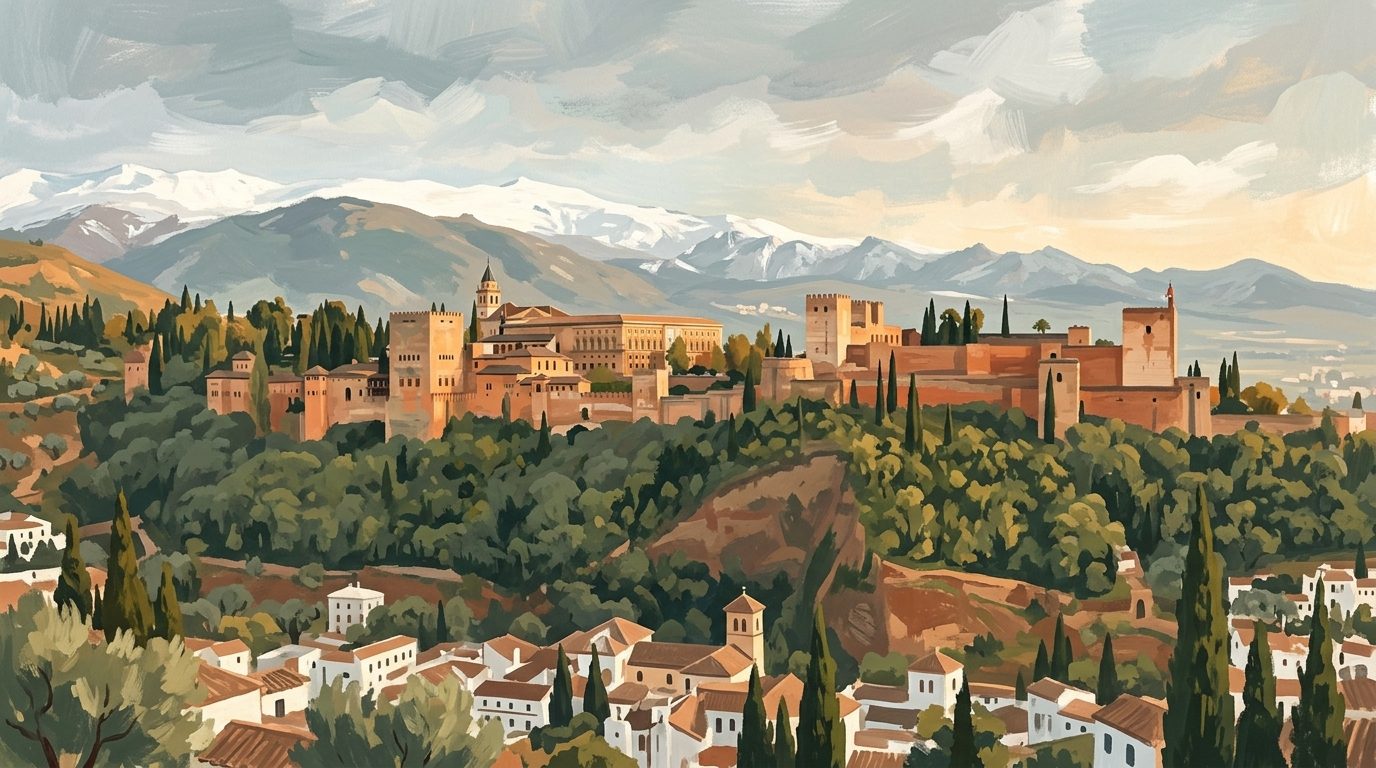
Granada in December
December in Granada province offers a sharp transition from the temperate autumn to a crisp winter, defined by snow-capped peaks and festive traditions.
6 min read
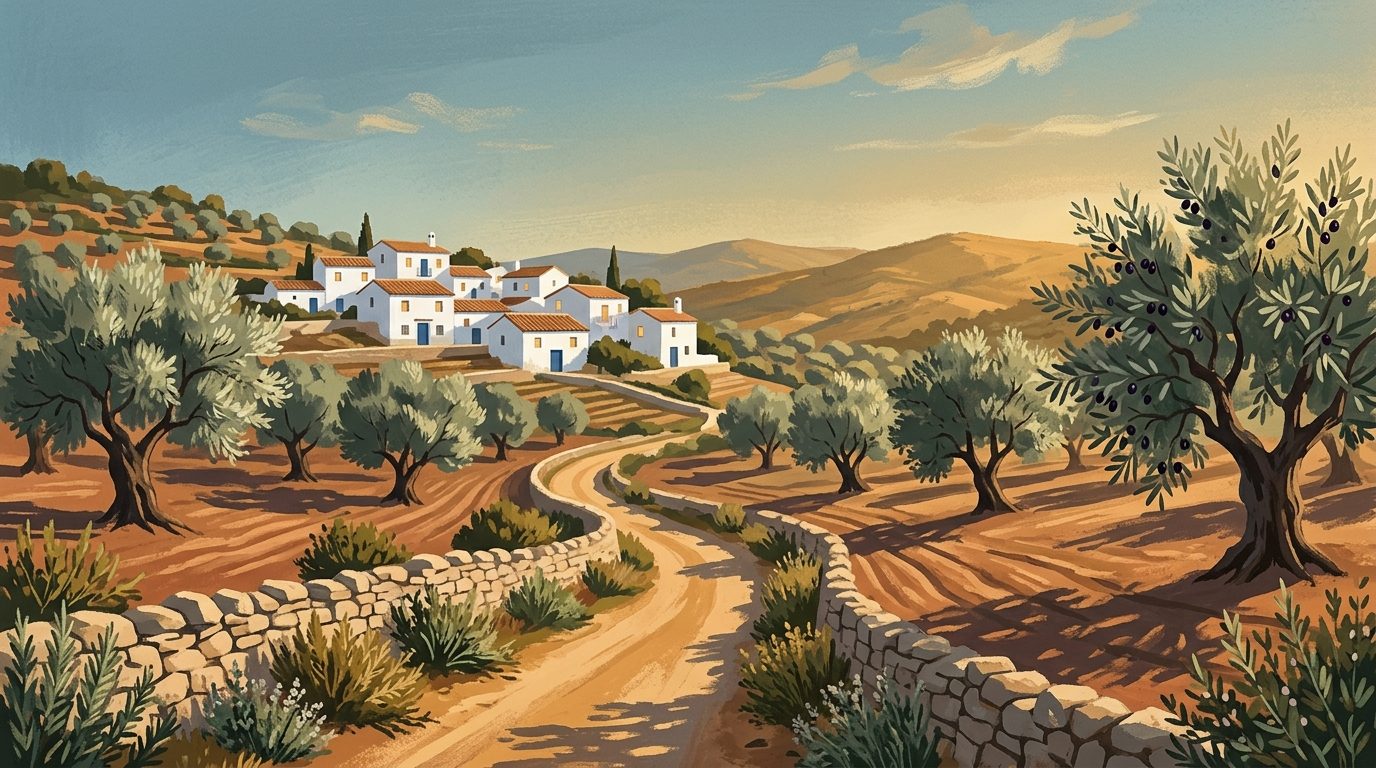
A Guide to Visiting Andalucía in December
Experience the contrast of snow-capped mountains and sun-drenched coasts. December in Andalucía offers traditional festivals, world-class light displays, and a quiet charm before the holiday rush.
6 min read
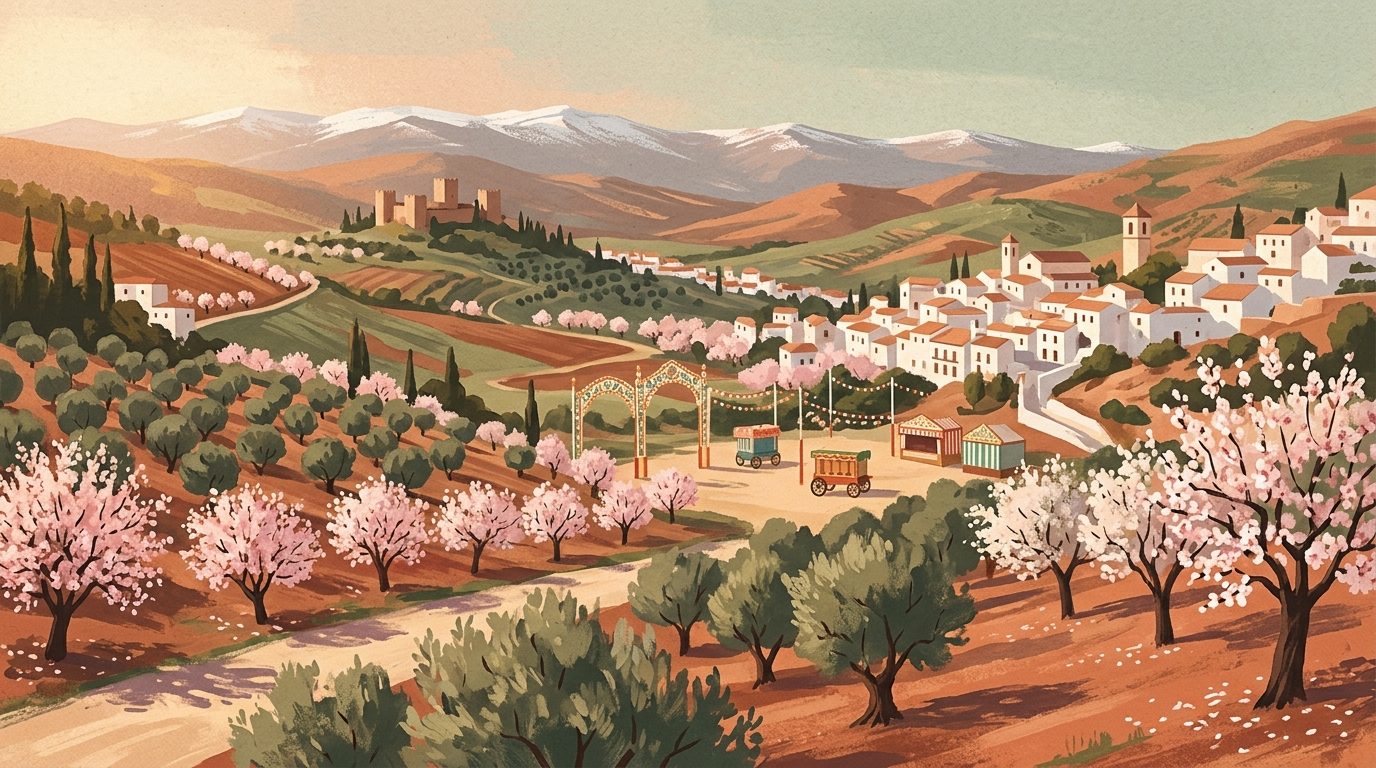
Andalucía in February: Blossoms, Carnival, and Crisp Winter Sun
February in Andalucía brings the stunning almond blossom season and the world-famous street parties of the Cádiz Carnival, all under a mild winter sun.
6 min read
More from Cádiz
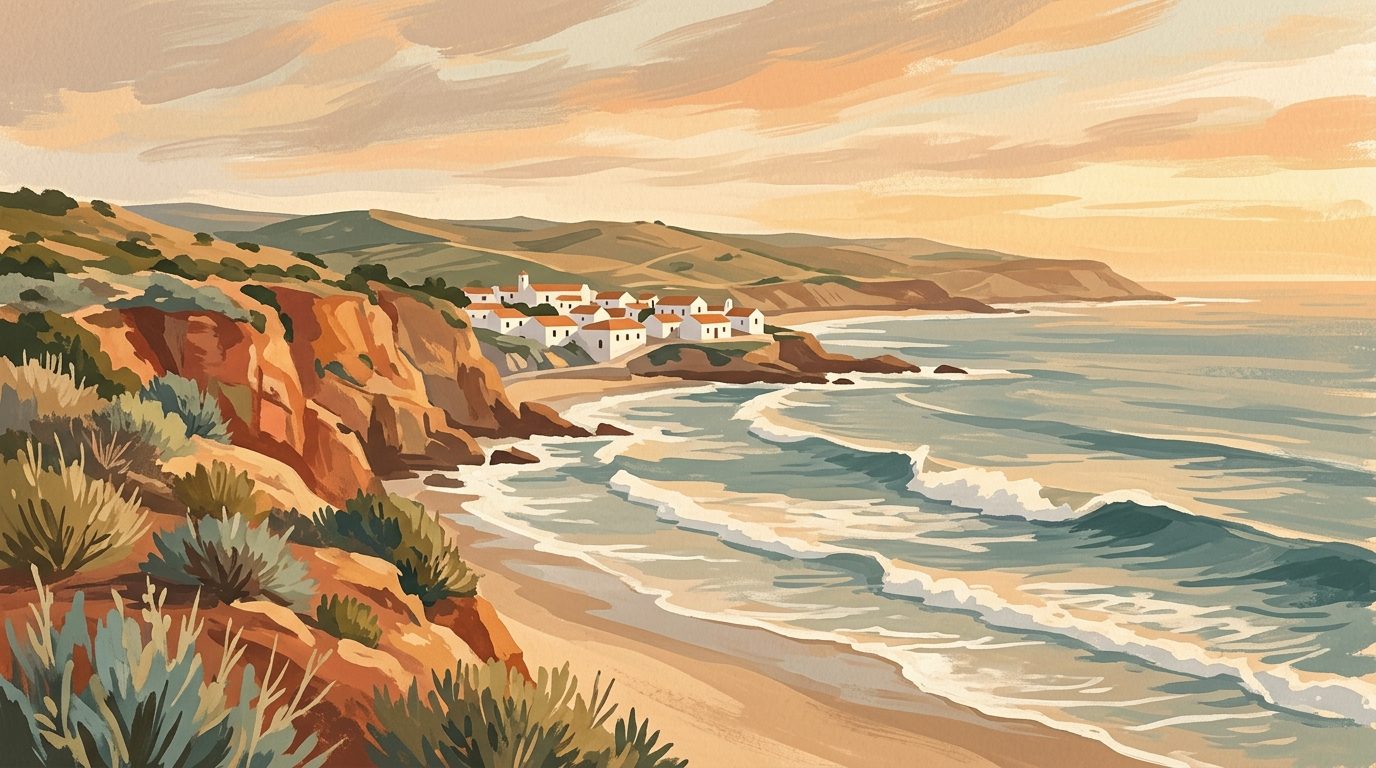
Cádiz in October: A Season of Golden Light and Atlantic Swells
October in Cádiz brings a welcome cooling of the Atlantic air and the return of the province to its locals, offering perfect conditions for hiking the Sierra and surfing the swell.
6 min read
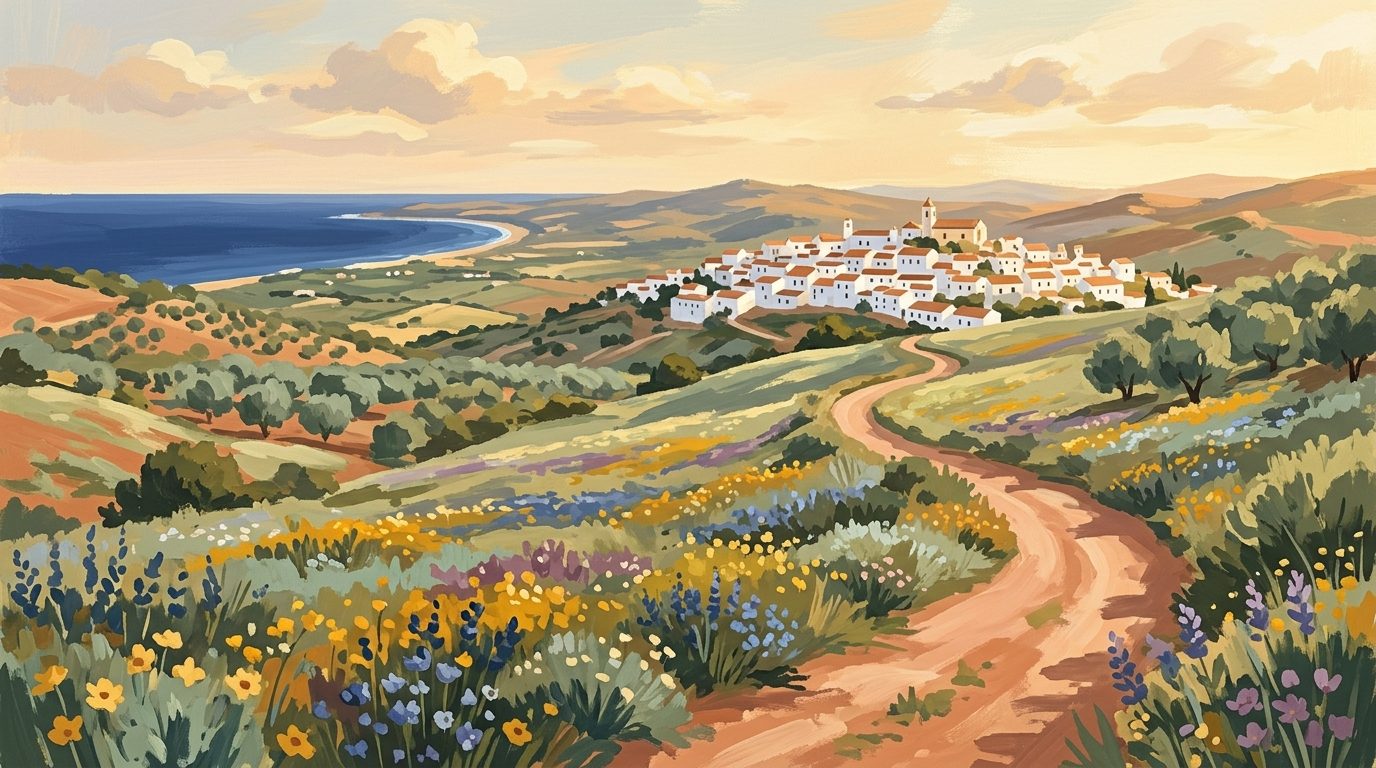
Cádiz in April: Wildflowers, White Villages, and the Atlantic Spring
Experience the Atlantic spring in Cádiz, where the Sierra de Grazalema blooms with wildflowers and the white villages host the dramatic processions of Semana Santa.
6 min read
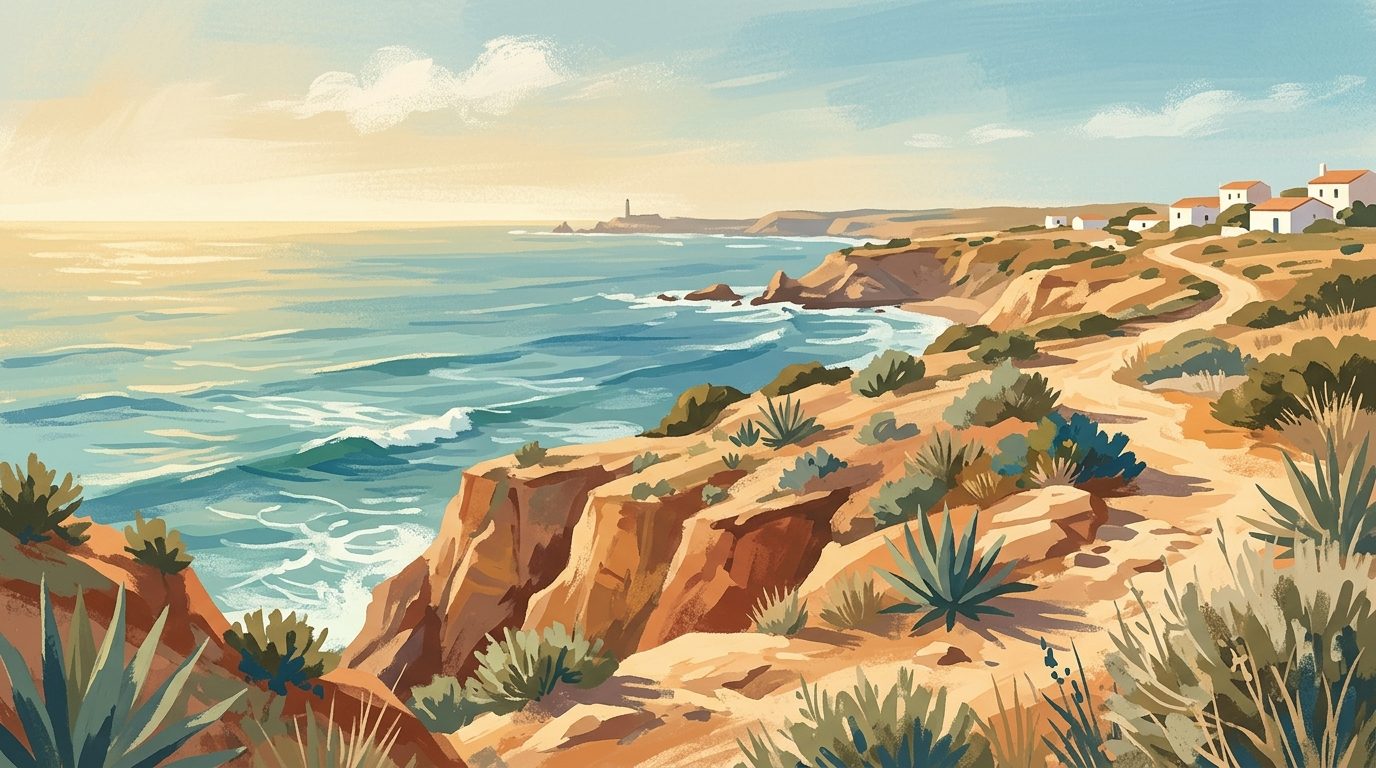
Cádiz in July: Atlantic Breezes and High Summer Energy
July brings the height of summer to Cádiz, where the Atlantic breeze provides a welcome escape from the inland heat and the province's white sands become the social heart of Spain.
6 min read
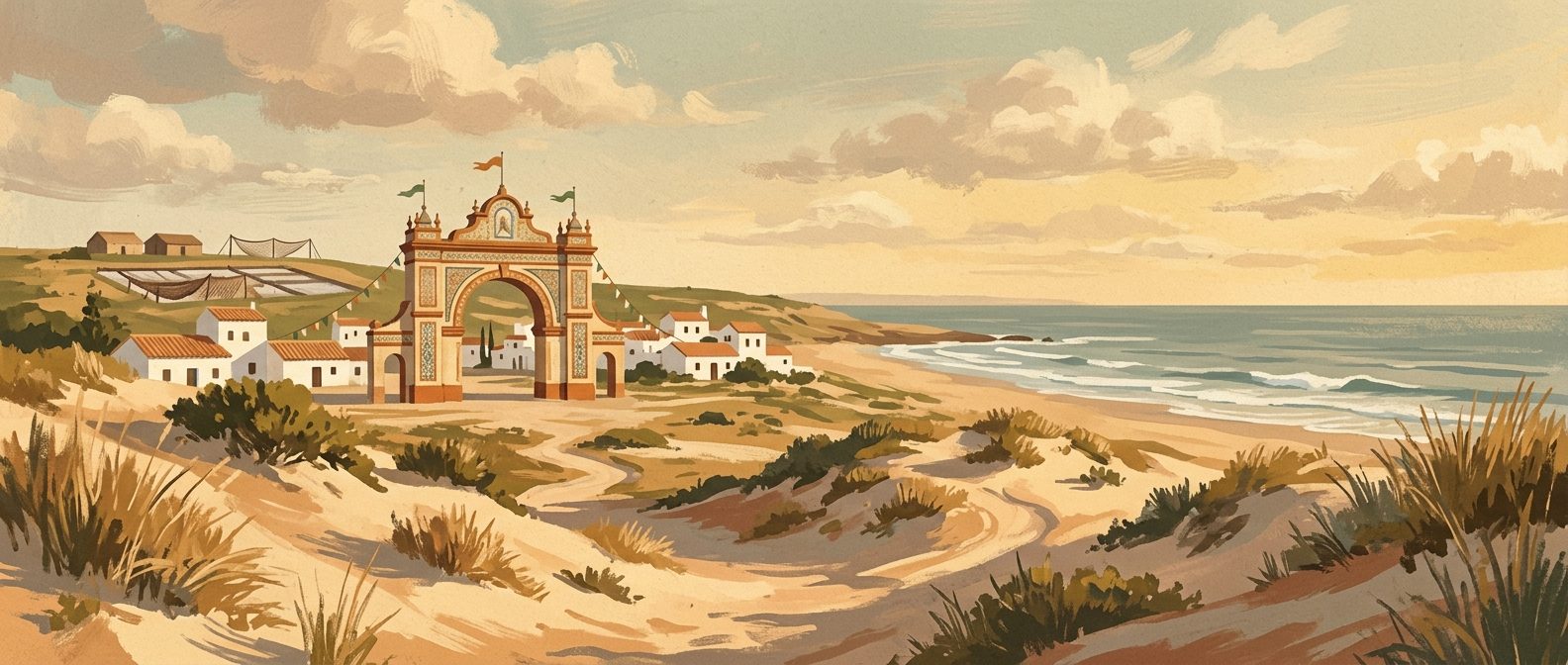
Cádiz in May: Wild Beaches, Horse Fairs, and the Atlantic Harvest
May in Cádiz offers a perfect balance of mild Atlantic breezes, the world-renowned Jerez Horse Fair, and the start of the prestigious Bluefin tuna season.
6 min read
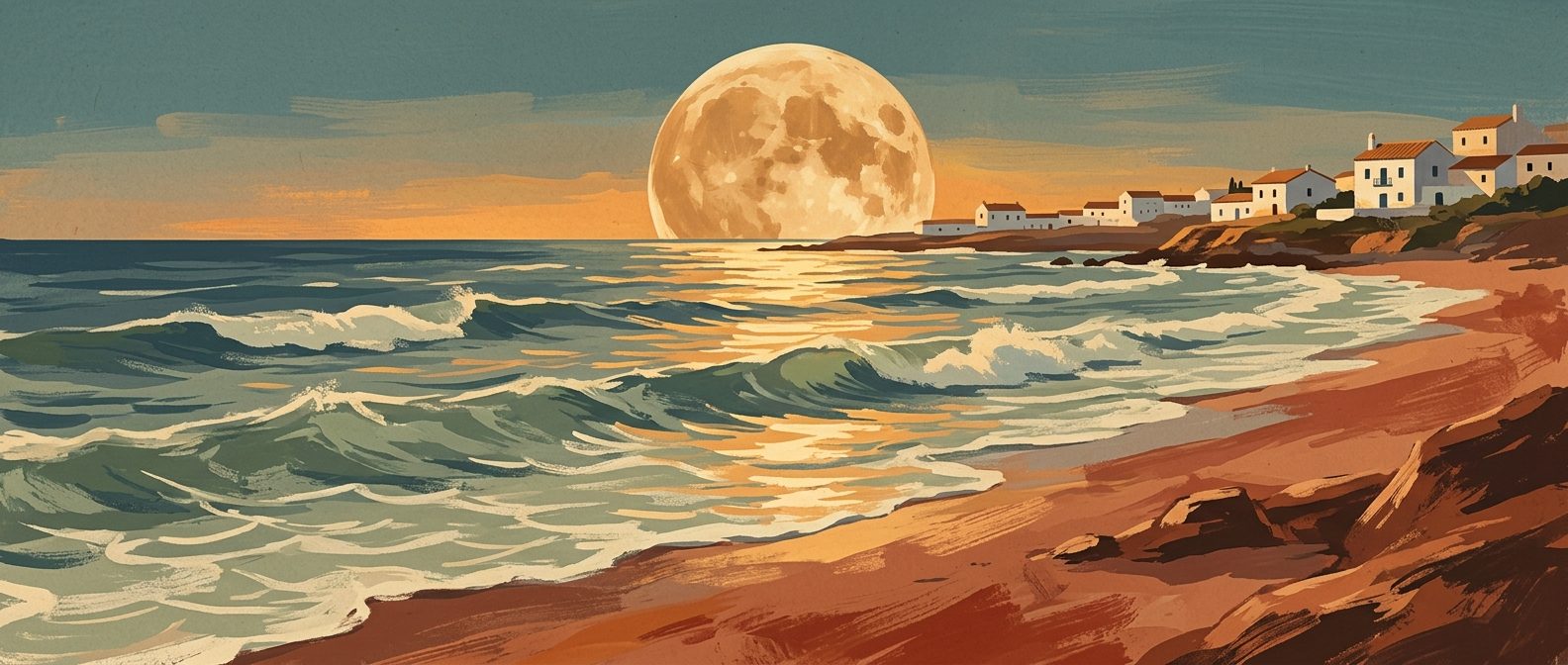
Cádiz in September: Harvest Moon and Atlantic Swells
Cádiz in September offers the perfect balance of warm Atlantic waters and the start of the sherry harvest, as the summer crowds depart and the province returns to its authentic rhythm.
6 min read
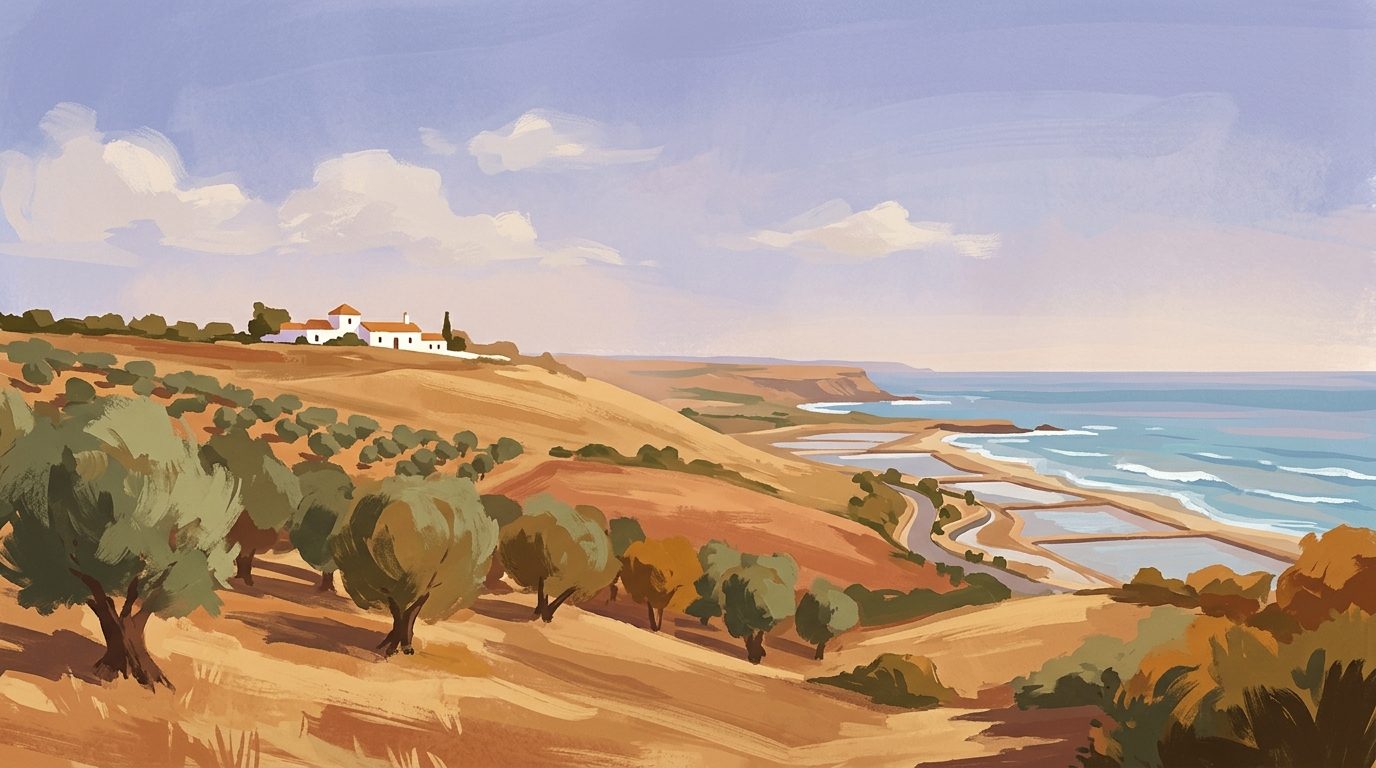
Cádiz in August: Atlantic Breezes and High Summer Rituals
Atlantic breezes offer a welcome reprieve from the stifling heat found elsewhere in southern Spain. In August, the province of Cádiz becomes the social heart of the peninsula, centred around its wide sandy shores and salt-tinged air.
6 min read
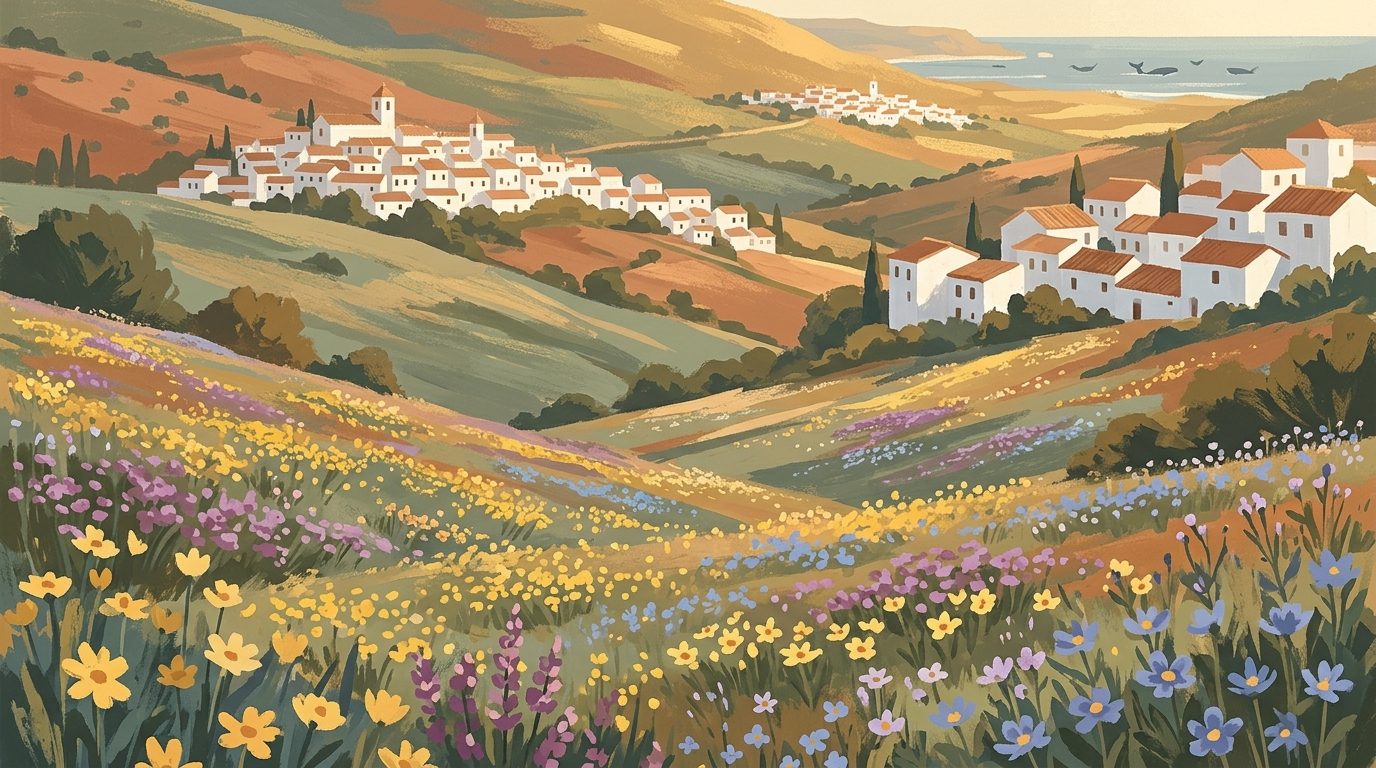
Cádiz in March: Wildflowers, Whale Watching, and White Villages
Experience the crisp Atlantic light and the first scents of orange blossom as Cádiz transitions into spring. From hiking the lush Sierra de Grazalema to whale watching in Tarifa, March offers a quiet, authentic side of the province.
6 min read
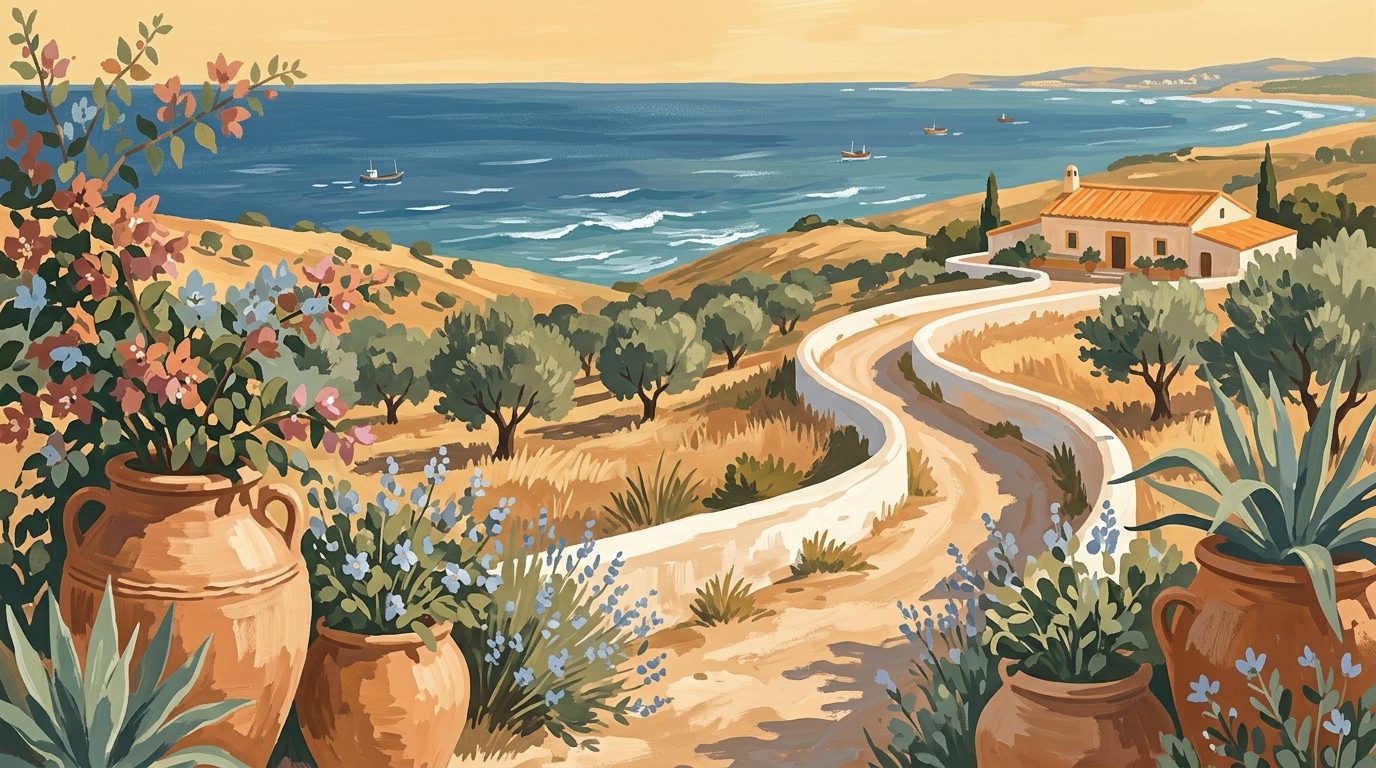
Cádiz in June: Atlantic Breezes and Midsummer Magic
June in Cádiz offers the perfect balance of warm Atlantic sunshine and refreshing coastal winds before the peak summer heat and crowds arrive in July.
6 min read
Newsletter
More stories from Andalucía
Weekly notes, seasonal picks, and the next guides worth bookmarking.