
Feature · Málaga
The Concrete Shore: A Post-Mortem of the Costa del Sol
The shadow of the Pez Espada hotel stretches longer than the memories of the men who once pulled nets from this sand. It is a coast that traded its silence for a fortune, and now spends its days trying to remember the shape of the wind.
By Dan · Updated 5 June 2026 · 7 min read
Story context
This is a narrative feature, not a breaking-news report or a legal/practical guide. It is kept on the site because it adds local texture and reading value alongside the more practical Andalucía 365 guides.
Use the links below for planning details, current access, places to stay, transport or food guidance connected with the story.
The shadow of the Pez Espada hotel stretches longer than the memories of the men who once pulled nets from this sand. It is a coast that traded its silence for a fortune, and now spends its days trying to remember the shape of the wind.
Antonio holds his cane like a harpoon, though it has been forty years since he last felt the resistance of a sardine net against his palms. He sits on a low stone wall in La Carihuela, the old fishing quarter of Torremolinos, watching a group of Dutch teenagers struggle with a plastic inflatable flamingo. Behind him, the white-washed walls of his childhood are gone, replaced by the relentless verticality of the apartment blocks that define the modern Málaga skyline. To Antonio, the sand under his feet is no longer earth; it is real estate. He remembers when this beach smelled of salt and drying scales; now, it smells of factor-thirty coconut oil and the heavy, fried scent of frozen calamari hitting boiling oil.
The story of the Costa del Sol is often told as a triumph of progress, a rags-to-riches tale of a sun-scorched province that pulled itself out of post-Civil War hunger by selling its weather. But look closer at the grain of the wood, and the narrative fractures. It is a story of a coast that got very rich very quickly and, in the process, misplaced its soul. It is a geography of appetite, where the demand for a cheap pint and a guaranteed tan collided with a government desperate for foreign currency, creating a landscape that is neither fully Spanish nor entirely European, but something else entirely: a coastal laboratory of the 20th-century dream.
The Silence Before the Storm
Before the 1959 Plan de Estabilización opened Spain’s borders to the world, the coast of Málaga was a place of austere beauty and profound isolation. In the early 1950s, Torremolinos was a cluster of three mills and a few dozen huts. Marbella was a sleepy agricultural town where the scent of orange blossoms was more common than the scent of expensive perfume. This was the era of the estraperlo, the black market, where families survived on what they could catch or grow. The road from Málaga to Algeciras was a dusty track, navigated by donkeys and the occasional rattling bus.
Change didn’t arrive with a whisper; it arrived with a Hollywood wardrobe. When Ava Gardner and Frank Sinatra began appearing in the bars of the fledgling Pez Espada hotel in the late fifties, they weren’t just visiting a beach; they were colonising a frontier. The Franco regime, realising that the sun was a more bankable resource than coal or wheat, began to incentivise the construction of the massive hotels that would soon march down the shoreline. The directive was simple: build high, build fast, and don't ask too many questions about the sewage. The vertical boom had begun.
The Age of the High-Rise
By the 1970s, the transformation was total. The British package holiday had transformed the Costa del Sol into a northern suburb of London or Manchester. Flights from Gatwick landed at the newly expanded Málaga airport, and within forty-five minutes, tourists were deposited into concrete hives like Fuengirola and Benalmádena. The 'Balcon d'Europa' in Nerja, once a quiet lookout over the Mediterranean, became a stage for the first wave of mass tourism.
The stakes were purely economic. For the local people, the boom meant jobs: bellboys, waiters, cleaners, and construction workers. Men who had spent their lives at the mercy of the sea were now at the mercy of the British palate. The chiringuito evolved from a simple reed shack selling the morning’s catch into a high-volume assembly line of paella and chips. The architectural cost was staggering. In the rush to accommodate the millions, the aesthetic of the region was sacrificed to the altar of the balcony. The white-washed simplicity of Andalucía was buried under a forest of cranes and grey cement, creating a skyline that could just as easily have been in Miami or Benidorm.
The Marbella Paradox
While Torremolinos was being packaged for the masses, Marbella took a different path, though one no less radical. Prince Alfonso von Hohenlohe’s Marbella Club turned a finery-strewn estate into a playground for the European aristocracy. This wasn't the world of the 99-pound flight; this was the world of the private yacht and the midnight gala. In the 1990s, this reached its zenith, or perhaps its nadir, under the mayoralty of Jesús Gil.
Gil was a man of gargantuan ego and questionable ethics who treated Marbella like his private kingdom. Under his watch, the town became a neon-lit temple to excess. Construction permits were handed out like confetti, and the town’s coffers were emptied in a flurry of gold leaf and marble. The 'Golden Mile' became a synonym for a specific kind of Mediterranean kitsch: grand villas guarded by high walls, where the champagne flowed even as the political scandals mounted. It was during this era that the Costa del Sol earned its reputation for 'bricks and mortar' corruption: a place where the law was as fluid as the sea.
The Hangover and the Pivot
The 2008 global financial crisis acted as a violent brake. The cranes stopped mid-swing. Half-finished skeletons of apartment blocks stood like bleached whale bones along the A-7 coastal road. It was a moment of reckoning. The coast had relied so heavily on the construction industry that when the bubble burst, the silence was deafening. The question that had been ignored for forty years finally had to be answered: What is left when the concrete stops selling?
In the last decade, a new narrative has begun to emerge. Málaga city, once merely the transit point for the beaches, has reinvented itself as a cultural powerhouse. The opening of the Picasso and Pompidou museums signalled a shift away from the 'buckets and spades' image towards something more refined. Estepona has followed suit, reclaiming its old town by covering its walls with murals and filling its streets with thousands of flower pots, a conscious effort to peel back the layers of development and find the village that was lost.
But the tension remains. The coast is a victim of its own success. The water table is under constant pressure from the hundreds of golf courses that turn the arid landscape into a lush, artificial green. The traffic on the coastal highway is a permanent reminder of a transport infrastructure that was never designed for this density. The British influence, while still the lifeblood of the economy, has created enclaves where Spanish is rarely heard: supermarkets stocked with Bisto and baked beans, where the rhythm of the siesta is replaced by the rhythm of the happy hour.
What Survives in the Salt
Yet, if you walk far enough away from the marina in Puerto Banús or the high-rises of Los Boliches, you can still find fragments of the original shore. You find it in the early morning at the Málaga fish market, where the auctioneer’s voice rattles like a machine gun. You find it in the marengo tradition, the local seafaring culture that still celebrates the Virgen del Carmen with a devotion that the tourism industry hasn't managed to commodify.
The Costa del Sol is no longer the place it was in 1950, and it can never go back. It is a palimpsest, where each era has tried to erase the one before, but the ink is too deep. It is a coast of contradictions: the most visited and the most criticised, the most developed and the most resilient. It is a place that sold its heritage to buy a future, and is now desperately trying to curate what remains of its past.
Back in La Carihuela, the sun begins its slow descent towards Gibraltar. Antonio stands up, brushes the sand from his trousers, and turns away from the sea. He doesn't look at the hotels. He looks at a small, stubborn fig tree growing out of a crack in a retaining wall near the old road. Its roots have found a way through the concrete, reaching for the damp earth buried beneath the holiday rentals. It is a small, quiet victory of the land over the map. Antonio nods to the tree, a silent acknowledgement between two survivors who remember the time before the boom, when the only thing that mattered was the wind and the weight of the nets.
Last reviewed: 21 June 2026 · Editorial policy
Related guides
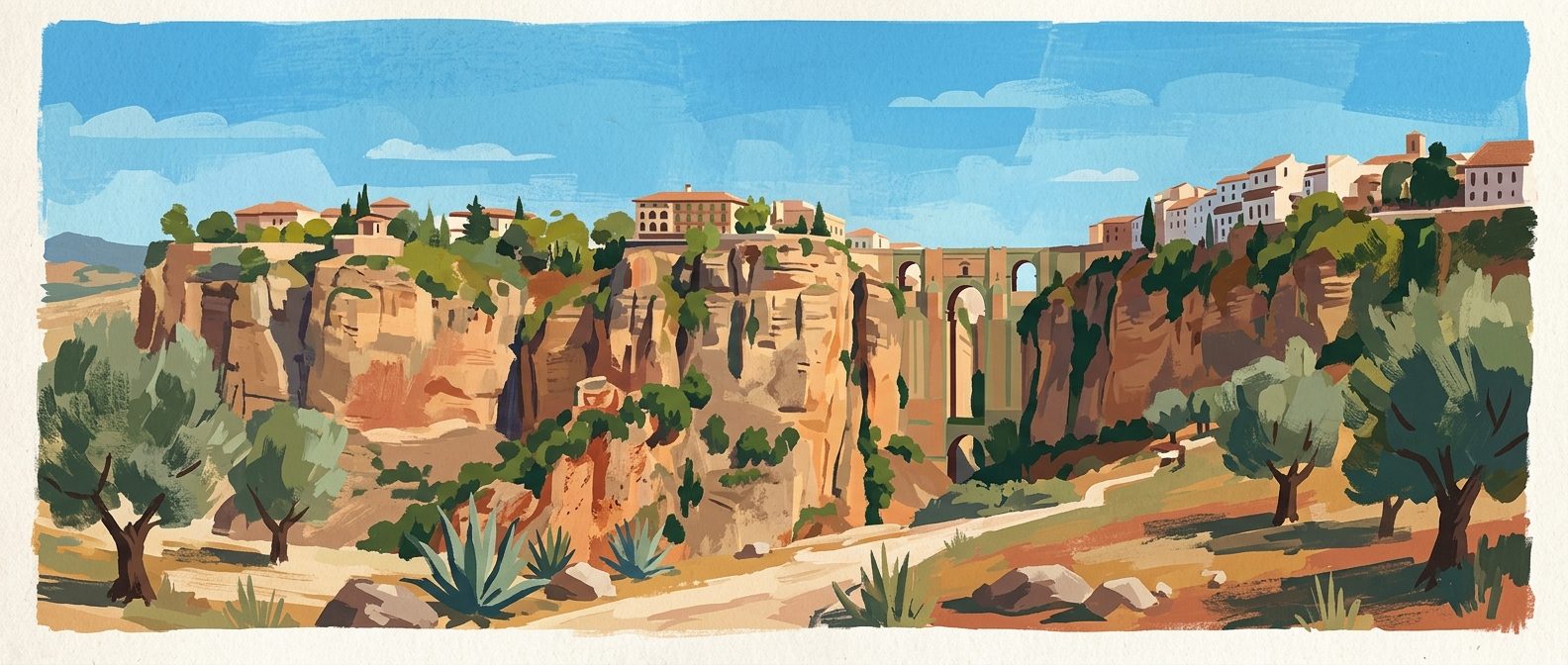
Ronda: The City Defying Gravity Above El Tajo
Ronda is a dramatic clifftop city in Málaga, split by a 120-metre-deep gorge and joined by the iconic 18th-century Puente Nuevo bridge. This guide explores its bullfighting heritage, ancient Arab baths, and the rugged landscape of the Serranía.
6 min read
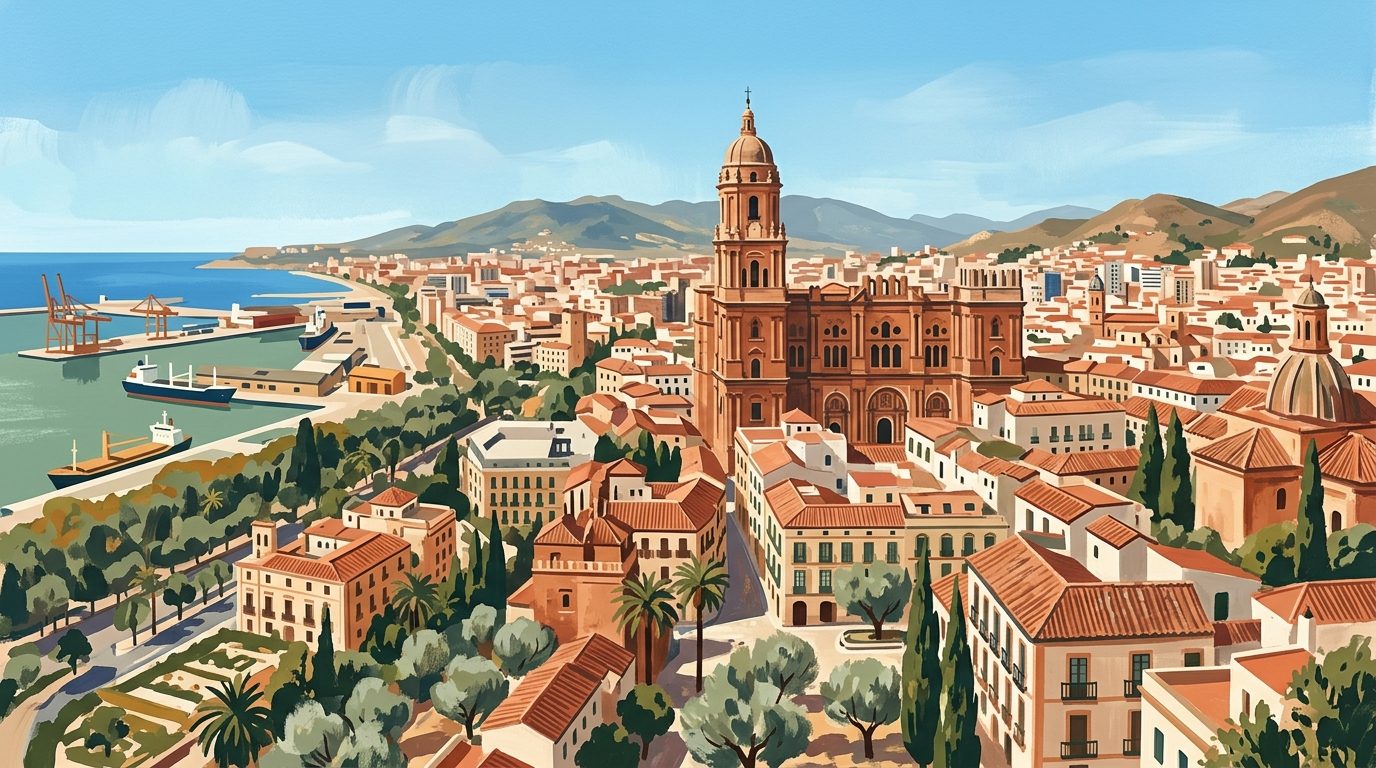
Málaga’s Grand Cathedral and the Transformed Waterfront
Discover the architectural wonder of Málaga Cathedral and the sleek, modern waterfront of Muelle Uno in this guide to the city's historic and maritime heart.
6 min read
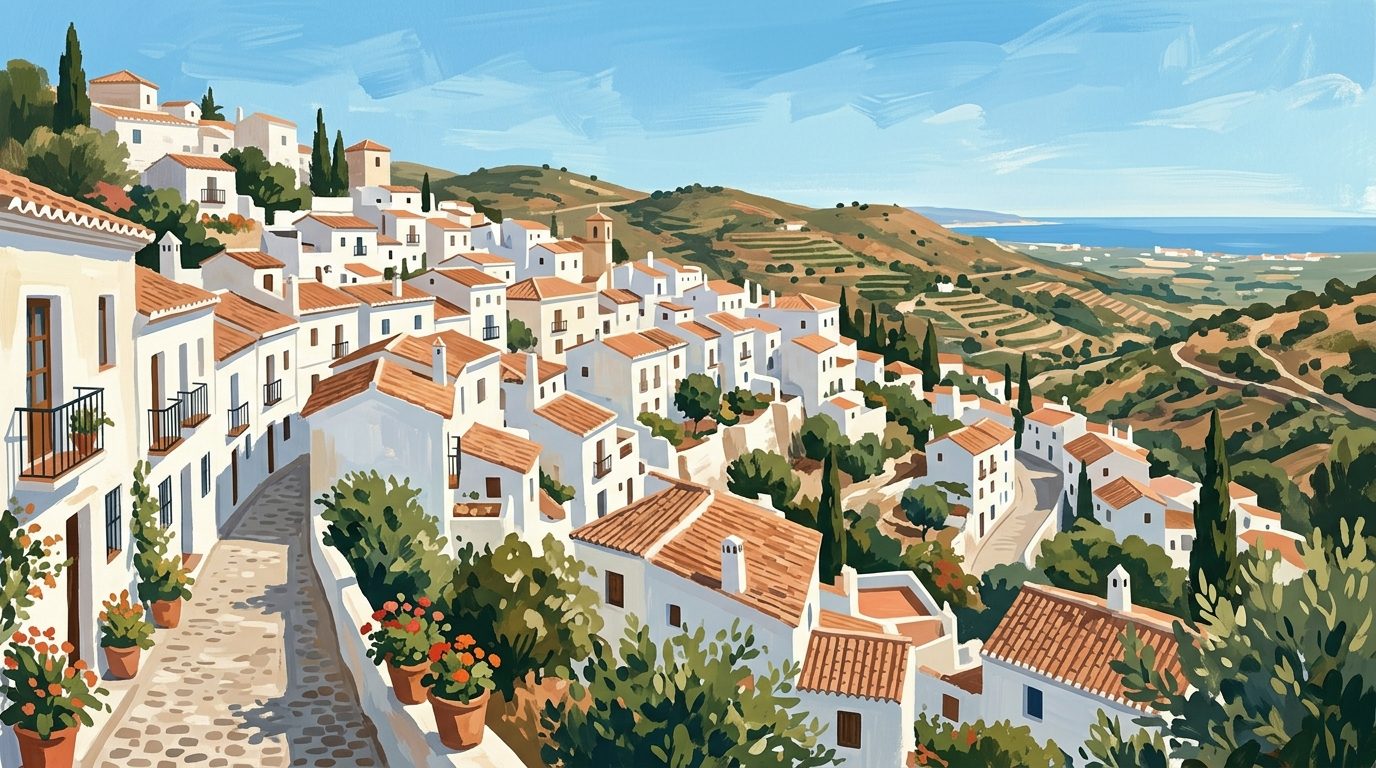
Exploring Frigiliana: The Mudéjar Heart of the Axarquía
Often cited as the most beautiful village in Spain, Frigiliana is a steep labyrinth of whitewashed houses and cobalt-blue doors overlooking the Mediterranean. Its Moorish legacy remains etched into every winding alleyway and ceramic plaque found within the historic Mudéjar quarter.
6 min read
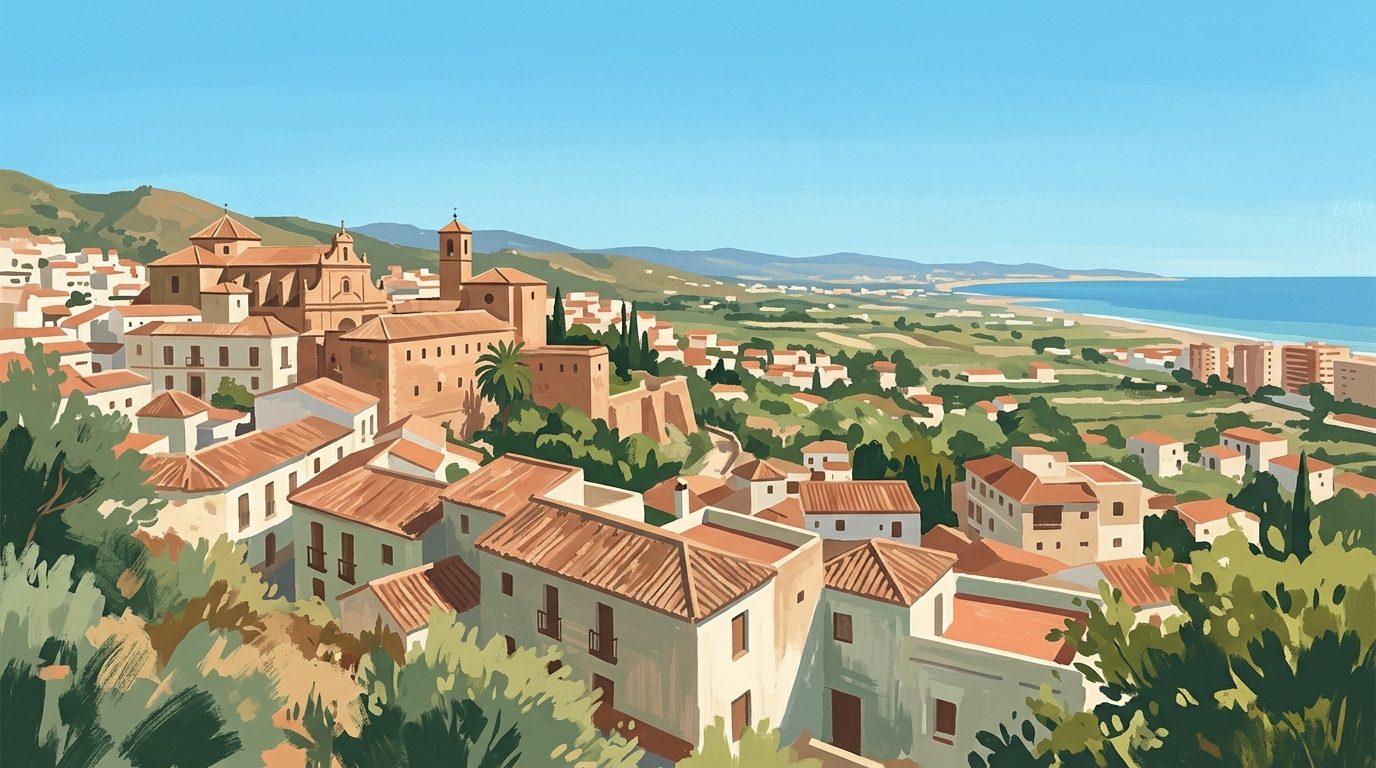
A Guide to Vélez-Málaga and Torre del Mar: History and Coast in the Axarquía
Discover the dual appeal of the Axarquía capital, from the Moorish fortress of Vélez-Málaga to the extensive Mediterranean promenade of Torre del Mar.
5 min read
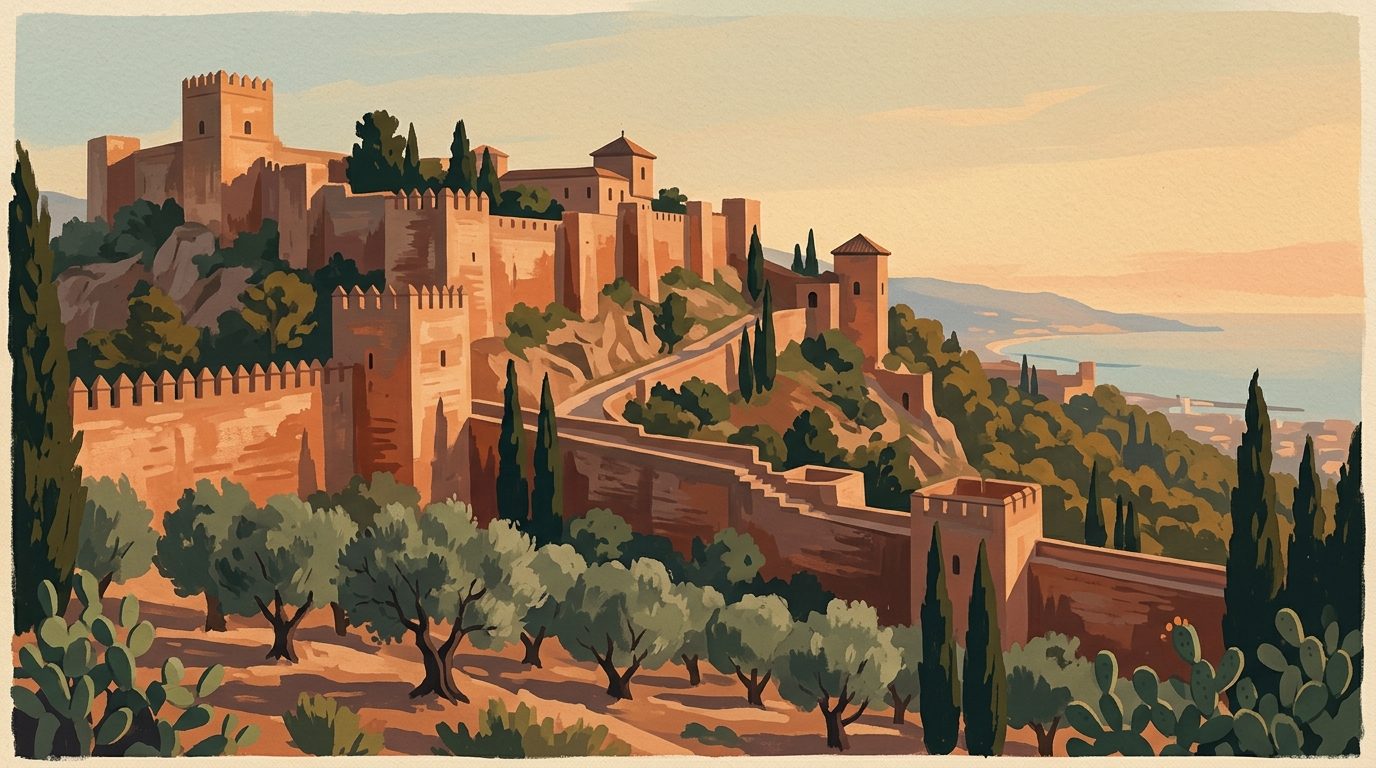
Castles and Fortresses of Andalucía
The fortresses of Andalucía are the stone guardians of a complex past, marking the ancient frontiers between empires and offering some of the most spectacular views in the southern peninsula.
6 min read
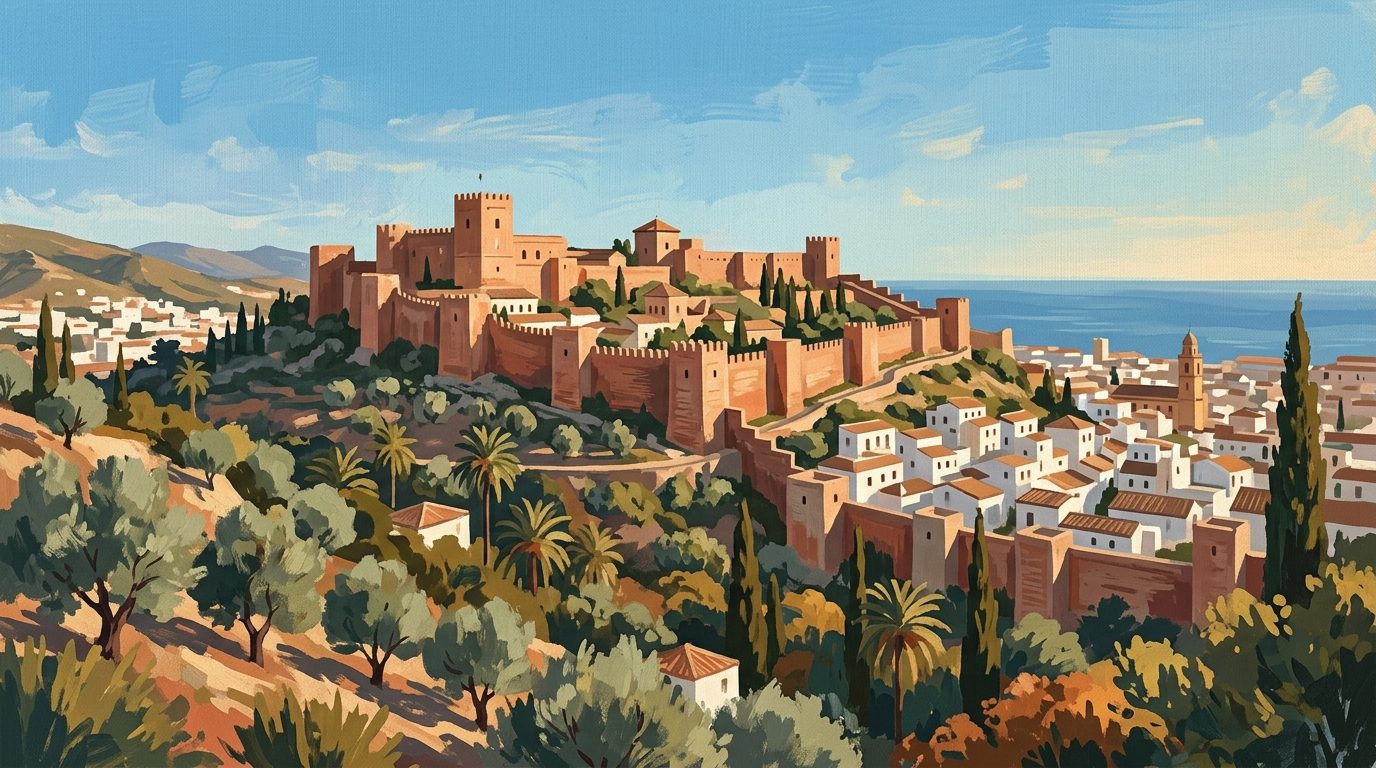
A Guide to the Alcazaba de Almería: Spain’s Coastal Citadel
Discover the Alcazaba de Almería, Spain's largest Moorish fortress. Explore its three enclosures, stunning gardens, and the filming locations for Game of Thrones.
6 min read
More from Málaga
The Definitive Guide to Feria de Málaga
Unlike famously private celebrations elsewhere, the Feria de Málaga is built on absolute inclusion. Virtually every marquee at the fairground opens its doors to anyone wanting to celebrate.
9 min read
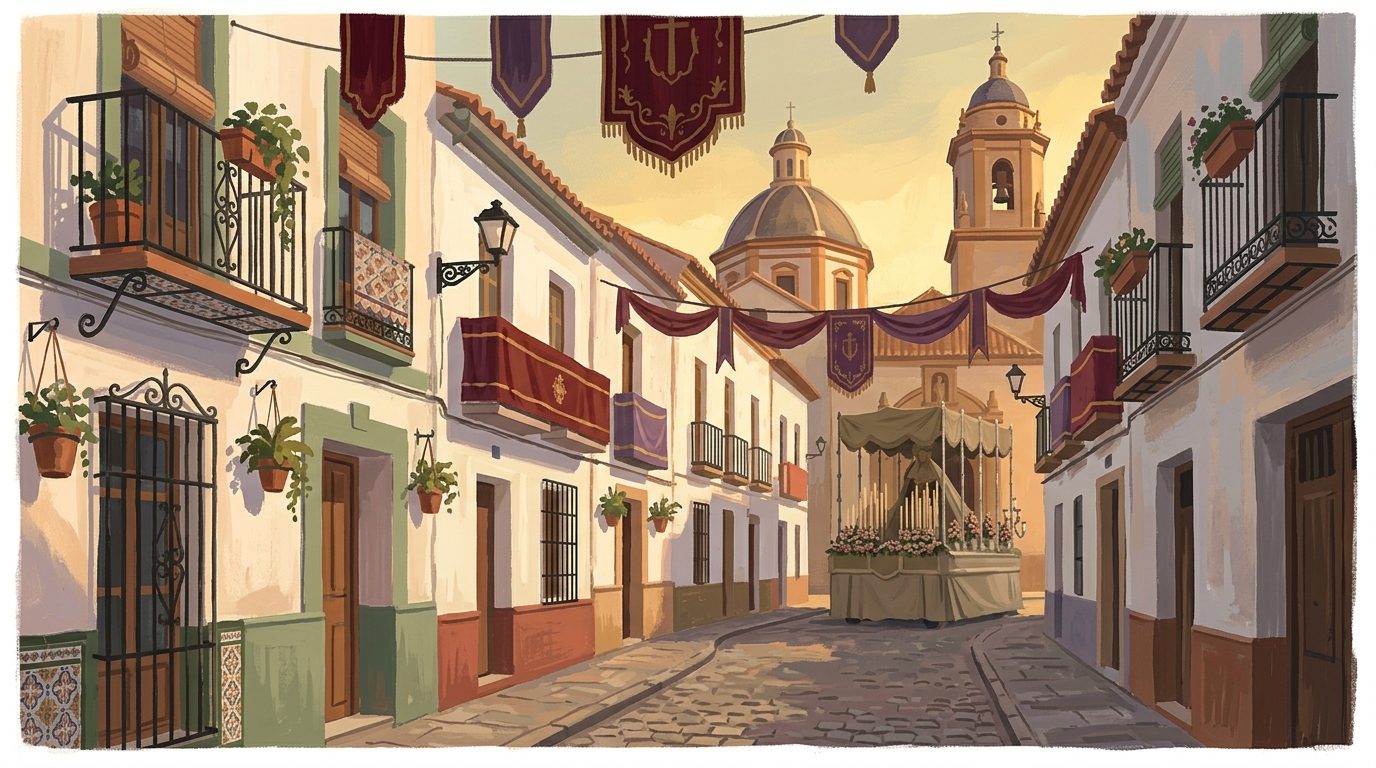
Semana Santa in Malaga: The Complete Guide
Experience the immense tronos, military anthems and communal spirit that define Holy Week in Malaga.
9 min read
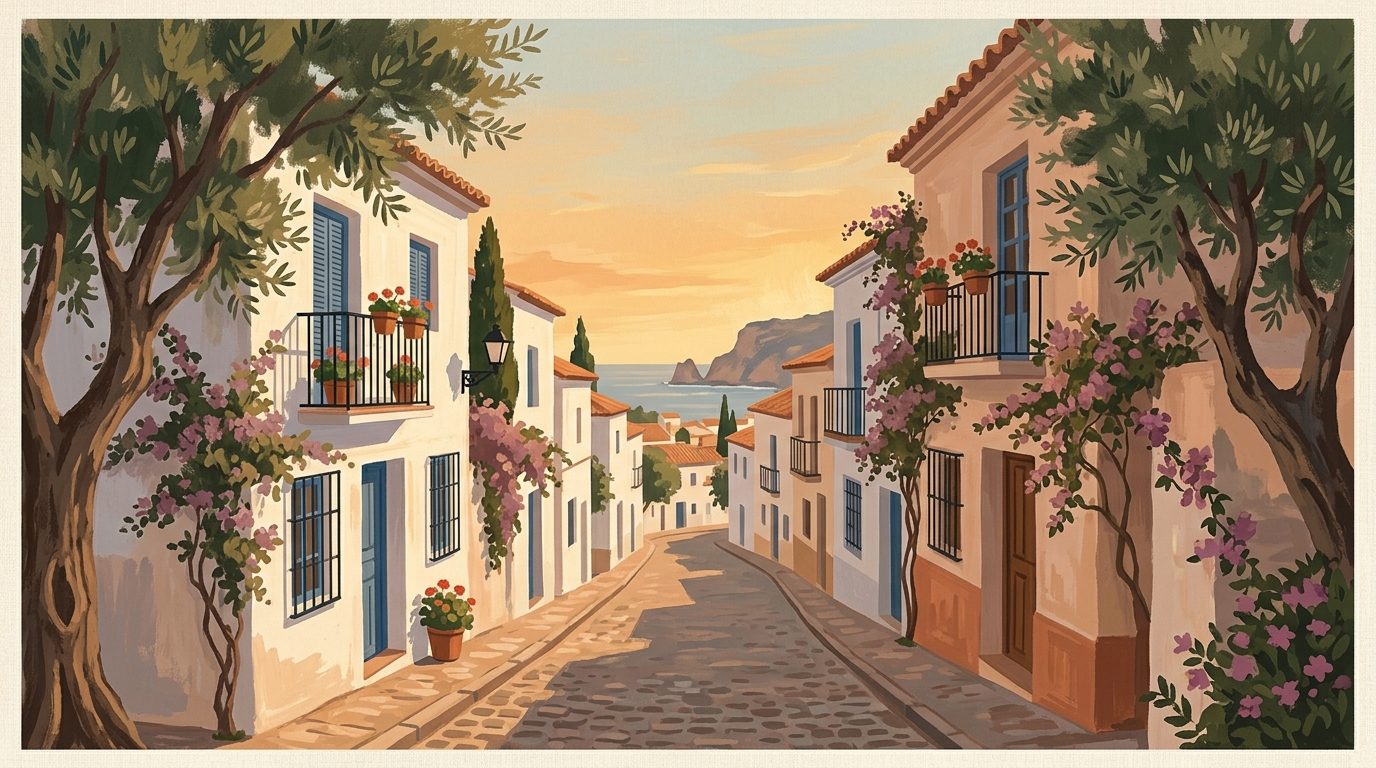
The Complete Guide to the Costa del Sol
Spanning 150 kilometres of Mediterranean shoreline, the Costa del Sol is the most developed coastal strip in Spain. Discover where to find quiet coves, excellent seafood and the right resort for your style of travel.
9 min read
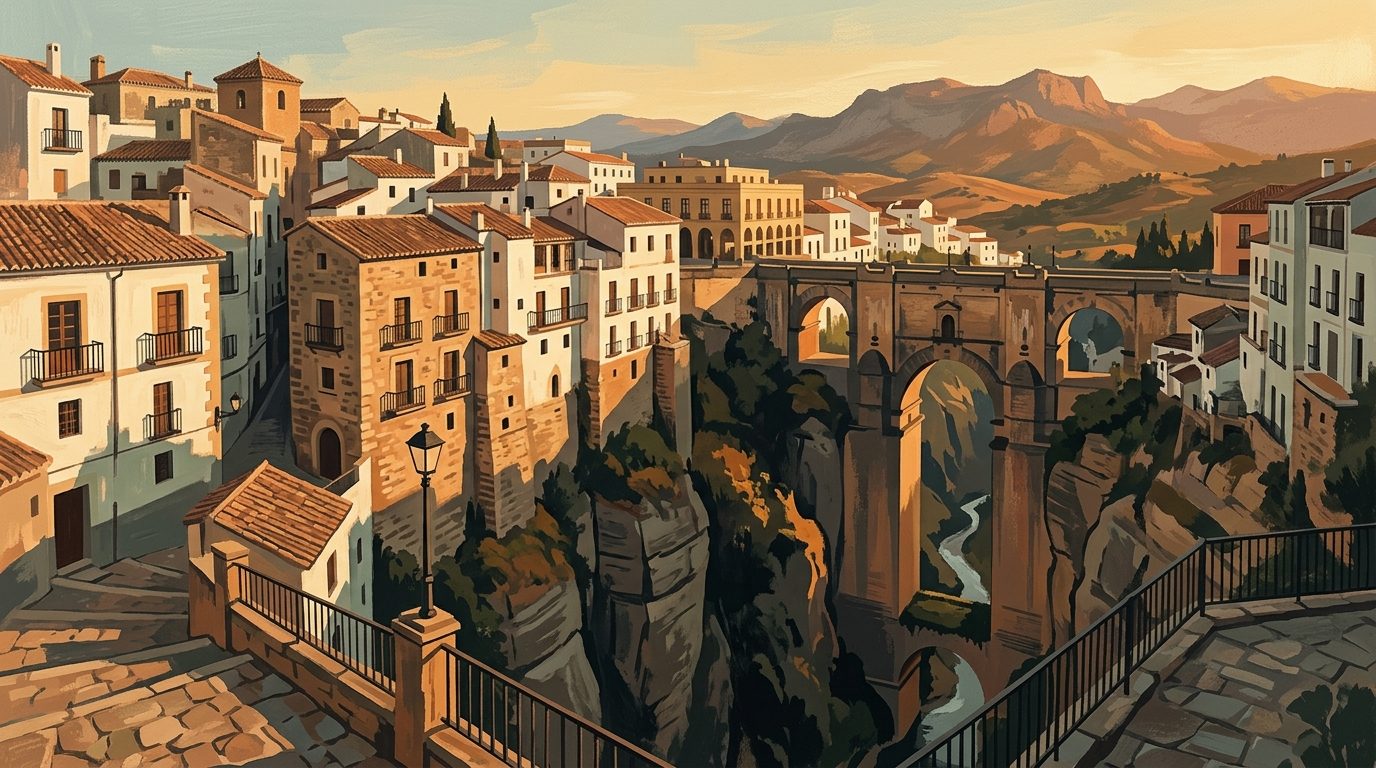
The Vertical City: Watching the Shadows Lengthen in Ronda
Beyond the crowded lip of the Tajo gorge, Ronda reveals itself as a city of quiet alcoves, blood-stained history, and a gravity that pulls at the soul.
7 min read
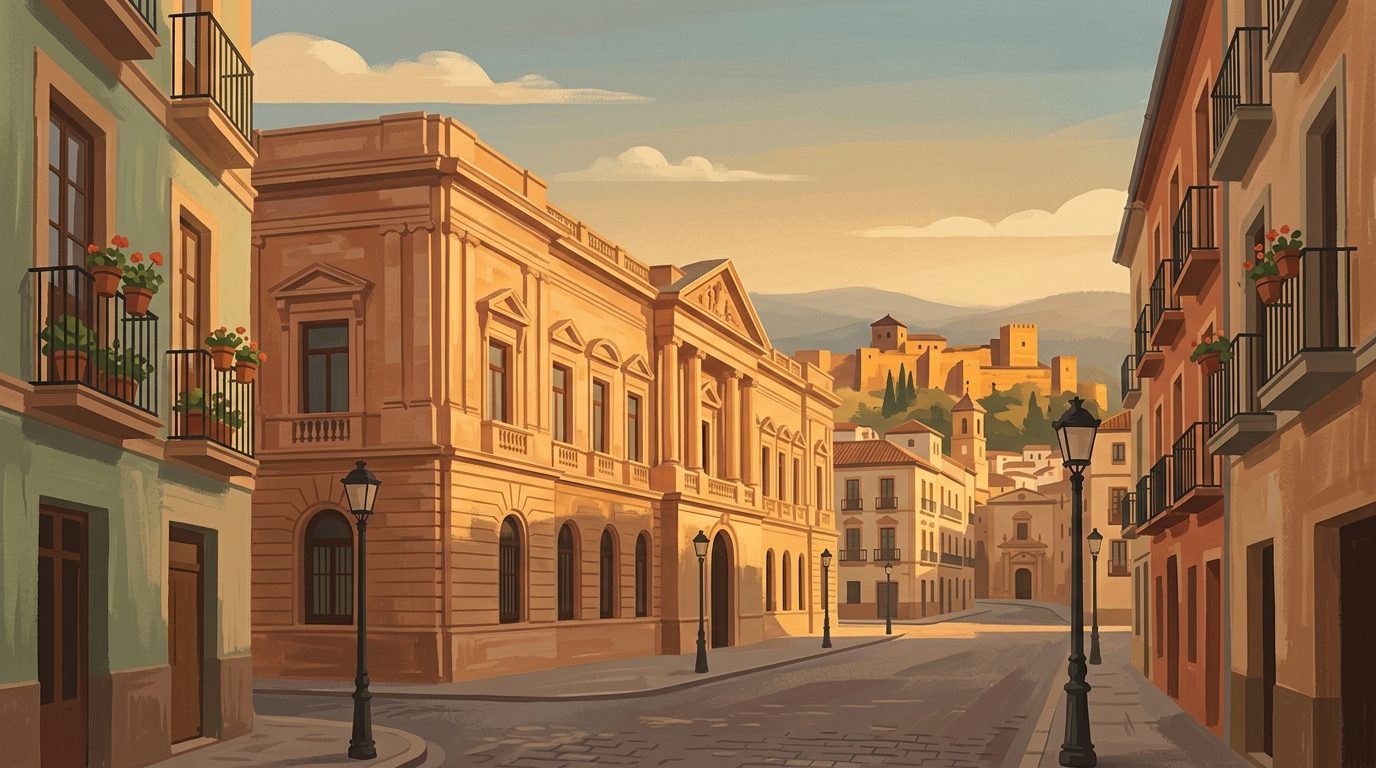
The Museum and the Metropolis: Málaga’s Radical Reinvention
Once a gritty industrial port and a mere transit hub for the Costa del Sol, Málaga has spent two decades undergoing a radical cultural transformation that has turned it into a global art capital.
7 min read
Newsletter
More stories from Andalucía
Weekly notes, seasonal picks, and the next guides worth bookmarking.