
Feature
The Ghost in the Garden: Searching for the Al-Andalus Within
Eight centuries of Al-Andalus did not vanish in 1492; they simply moved indoors, into the kitchens, and onto the tip of the tongue.
By Dan · Updated 7 June 2026 · 7 min read
Story context
This is a narrative feature, not a breaking-news report or a legal/practical guide. It is kept on the site because it adds local texture and reading value alongside the more practical Andalucía 365 guides.
Use the links below for planning details, current access, places to stay, transport or food guidance connected with the story.
Paco stands knee-deep in a narrow stone channel, his boots slick with the moss of centuries. He is seventy-four, with skin the colour of cured tobacco and hands that look like they have been carved from olive wood. In his right hand, he holds a rusted iron hoe; with his left, he signals to a neighbour high up the terrace. With a grunt and a shove of earth, Paco diverts a stream of mountain meltwater into a side-gate. This is the acequia, a gravity-fed irrigation system designed by North African engineers a thousand years ago, and Paco is the acequiero, the keeper of the waters. He does not think of himself as a historian, nor does he consider his morning rounds an act of archaeological preservation. To him, the water is just the water. But as he calculates the minutes of flow allocated to each farmer’s plot (a system of rights and timings virtually unchanged since the Nasrid dynasty), he is performing an act of living history that the Spanish state tried to bury five centuries ago.
The air here in the high Alpujarra smells of damp slate and wild thyme. It is a sharp, vertical world where the mountains of the Sierra Nevada collide with the Mediterranean sky. Below us, the white villages cling to the slopes like patches of unthawed snow. This landscape is often described in terms of its Christian conquest, its Catholic kings, and its Baroque cathedrals, but the skeleton of the place is indisputably Islamic. When the Catholic Monarchs, Isabella and Ferdinand, entered Granada in 1492, they intended to overwrite the landscape. They built churches over mosques and palaces over gardens. Yet, you cannot easily overwrite the way a mountain sheds its water, nor the way a farmer speaks to his land. The legacy of Al-Andalus is not found in the gift shops selling cheap brass lamps; it is found in Paco’s hoe, in the dirt beneath his fingernails, and in the very vowels he uses to call out to the valley.
The Architecture of the Void
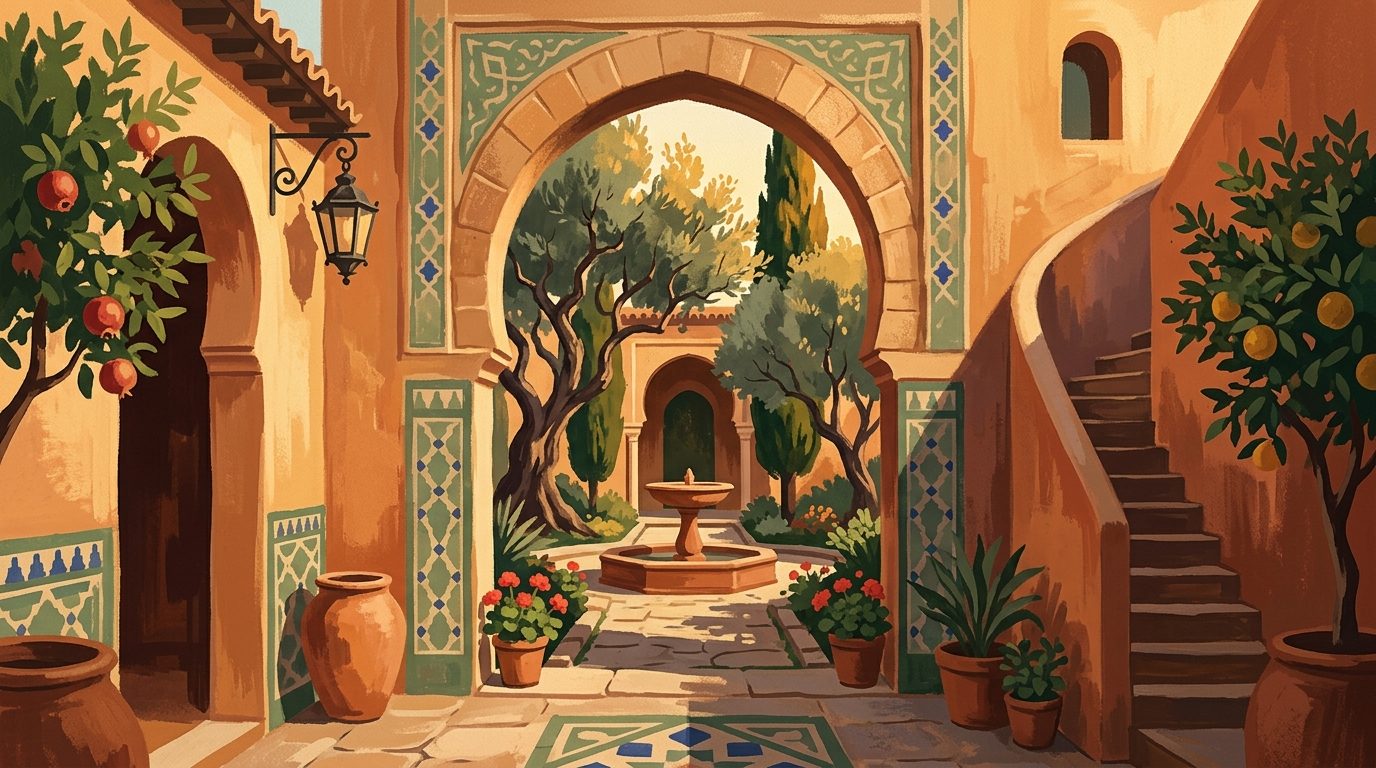
In the West, we are taught to build outwards, to project power through facades and grand entrances that face the street. The Islamic legacy in Andalucía suggests the opposite: the architecture of the interior. Walk through the narrow, winding alleys of Córdoba’s Judería or Sevilla’s Santa Cruz, and you are presented with a series of whitewashed walls, high and impenetrable. There is a deliberate lack of vanity in these streets. The beauty is kept for the family, for the private realm. It is only when a door is left slightly ajar (the zaguán) that you catch a glimpse of the patio. This is the heart of the Andaluz home, a direct descendant of the Roman villa filtered through the aesthetic of the Maghreb. It is a sanctuary of shade, greenery, and, invariably, the trickle of a fountain.
This obsession with the internal void is not merely a stylistic choice; it is a philosophy of living. The patio acts as a natural air conditioner, drawing hot air up and out while the water and plants cool the lower levels. It is a rejection of the harsh sun that bakes the Andalucían plains for five months of the year. Modern architects often arrive here and attempt to build with glass and steel, only to find their inhabitants retreating behind shutters, defeated by the glare. The Moorish builders understood the light; they knew that to live in this climate, one must curate shadow. They used geometry not just for decoration, but as a map of the infinite. In the tiling, the azulejos, that adorns even the humblest tapas bar, the repeating patterns of eight-pointed stars and interlacing lines represent a world without end, a visual reminder that man’s life is a small part of a larger, mathematical order.
The Language of the Kitchen
To speak Spanish in the south is to speak a ghost language. Every time an Andaluz mother looks at the sky and sighs, "Ojalá," she is not just saying "I hope so." She is reciting a corruption of the Arabic inshā’Allāh: and should God will it. The language is littered with these remnants. Nearly four thousand words in the Spanish dictionary have Arabic roots, and in the south, they are concentrated in the tactile world: aceite (oil), arroz (rice), azúcar (sugar), berenjena (aubergine), naranja (orange). These aren't just words; they are the ingredients of the regional identity. Before the arrival of the Umayyad caliphate, the Iberian diet was a relatively dour affair of wheat, vines, and olives. The Moors brought the revolution of the orchard.
In a small bakery in the town of Medina Sidonia, the air is heavy with the scent of toasted almonds and honey. Here they make alfajores, a cylinder of spice and nut-paste that could be transported to a souk in Tetouan without raising a single eyebrow. The recipe uses cinnamon, cloves, and aniseed, flavours that define the Andalucían palate. This is the irony of the Spanish nationalist project: for centuries, the authorities tried to purge the country of its "Eastern" influences, yet they could never bring themselves to give up the sweets. The nuns in the convents of Sevilla and Granada became the unlikely guardians of this Islamic confectionery, spending their lives perfecting almond-based treats that originated in the kitchens of Damascus and Baghdad. They preserved the flavours of the people they were meant to convert.
The Friction of Identity
However, this legacy is not always embraced with a smile. There is a tension in Andalucía, a lingering discomfort with the fact that the region’s most "Spanish" traits are precisely those that are most "Moorish." In recent years, as political discourse in Spain has shifted toward a more rigid, right-wing nationalism, the narrative of the Reconquista has been polished and put back on the shelf. There is an effort to frame the Islamic period as a mere "occupation," an eight-hundred-year parenthesis that was eventually closed to allow the "true" Spain to emerge. This view requires a monumental level of selective amnesia. It ignores the fact that by the time the kingdom of Granada fell, the people living there were not foreign invaders; they were Spaniards whose families had lived on that soil for twenty generations.
This friction manifests in the Moros y Cristianos festivals that take place across the south. Ostensibly, they celebrate the Christian victory, with locals dressing up in elaborate costumes to re-enact battles. In many towns, an effigy of a Moorish leader is still ceremoniously toppled or burned. Yet, look closer at the participants. The "Moorish" side often has the more beautiful costumes, the more complex music, and the most enthusiastic volunteers. There is a subconscious pull toward the loser of history, a recognition that the "other" being defeated is, in fact, an ancestor. In Almuñécar, I once watched a man play the part of a defeated sultan with such soulful conviction that the crowd fell silent, the triumphalist script momentarily forgotten in the face of a shared, inherited grief.
The Garden of Earthly Delights
The cost of this historical tension is a certain schizophrenia in the Andaluz soul. The region is fiercely Catholic, its Holy Week processions a masterclass in Baroque suffering and penitence. Yet, the moment the procession ends, the people retreat to their patios, eat their almond sweets, and navigate their acequia-fed gardens. They live in a Roman-Gothic-Catholic superstructure built upon a North African foundation. To acknowledge one without the other is to misread the map of the heart. The identity of the south is not a pure stream; it is a river that has picked up the silt of every bank it has touched.
Even the flamenco that wails from the radios in the back of taxis carries the DNA of the Islamic world. That specific, microtonal vocalisation, the quejío, bears a striking resemblance to the Adhan, the call to prayer. While musicologists debate the exact origins, the emotional frequency is the same: it is the sound of longing, of a desert people trying to find their way home in a land of mountains. It is a music that refuses to be resolved, much like the history of the region itself.
The sun begins to drop behind the ridge of the Alpujarra, turning the white walls of the villages to a pale violet. Paco has finished his work for the day. He closes the last sluice gate with a rhythmic thud and wipes his hands on his trousers. The water continues its journey, invisible now in the deepening shadows, flowing through the stone veins of the mountain. It will reach the orange groves by dusk and the almond trees by midnight. Paco doesn't look back; he simply heads toward the village, his silhouette merging with the ancient terraces. In the silence that follows, the only sound is the persistent, rhythmic pulse of the water: the heartbeat of a civilisation that never truly left, whispering through the pipes of a world that thinks it has moved on.
Further Reading
For more information on the intricate water systems of the Alpujarra and Andalusí architecture, explore these resources:
- UNESCO World Heritage Centre: Alhambra, Generalife and Albayzín, Granada
- Official Andalucía Tourism: The Andalusí Legacy
Last reviewed: 21 June 2026 · Editorial policy
Related guides
Baelo Claudia and the Garum Trade
On the windswept sands of the Cádiz coast, a complete Roman city was built entirely around the seasonal migration of bluefin tuna. This coastal settlement produced the empire's most prized condiment, shipping millions of amphorae to Rome.
8 min read
Exploring the Caliphate Capital: A Deep Dive into Córdoba
Discover the layers of the former Caliphate capital, from the mesmerising arches of the Mezquita to the hidden floral courtyards of the Judería.
8 min read
The Reconquista in Andalucía
The centuries-long Christian conquest of southern Iberia redefined the physical and cultural landscape of the peninsula. How did the military campaigns of the northern kingdoms dismantle the Islamic territories of Al-Andalus and forge the modern region of Andalucía?
7 min read
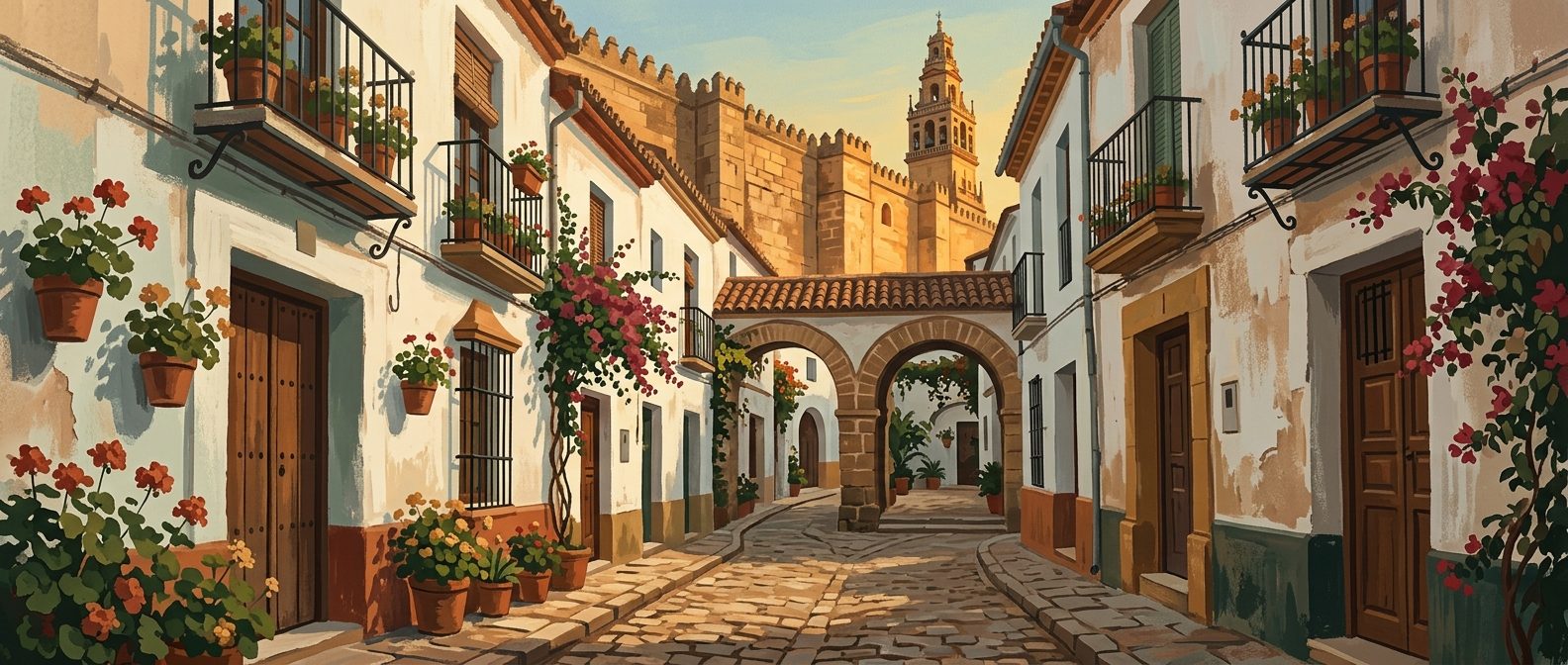
Corduba and Roman Baetica
Discover the political and intellectual might of Corduba, the wealthy administrative capital of Roman Baetica and the birthplace of the philosopher Seneca.
7 min read
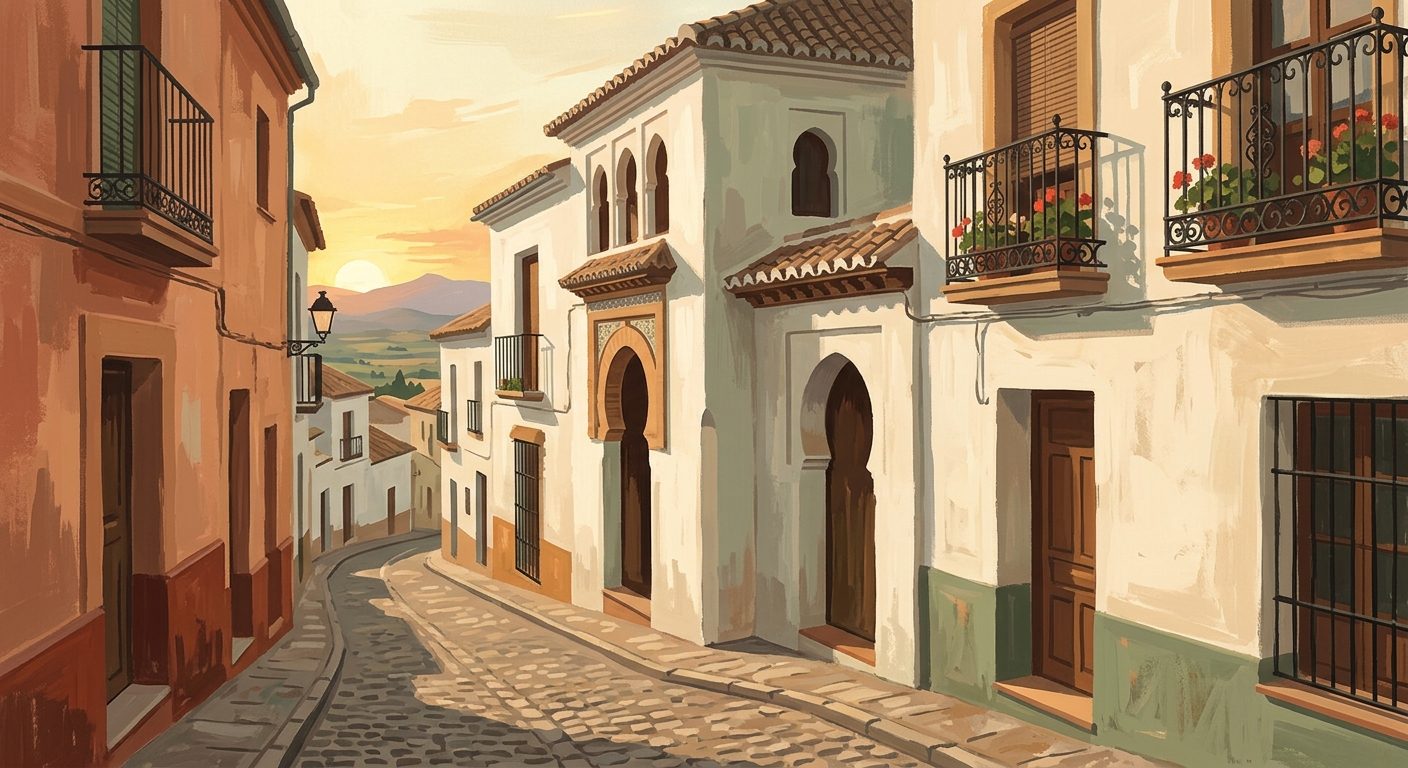
Al-Andalus: Eight Centuries of Moorish Rule in Andalucía
For nearly eight hundred years, Islamic civilisation flourished on the Iberian Peninsula. How did a distant province of the Umayyad empire become a beacon of science, art, and poetry in medieval Europe?
8 min read
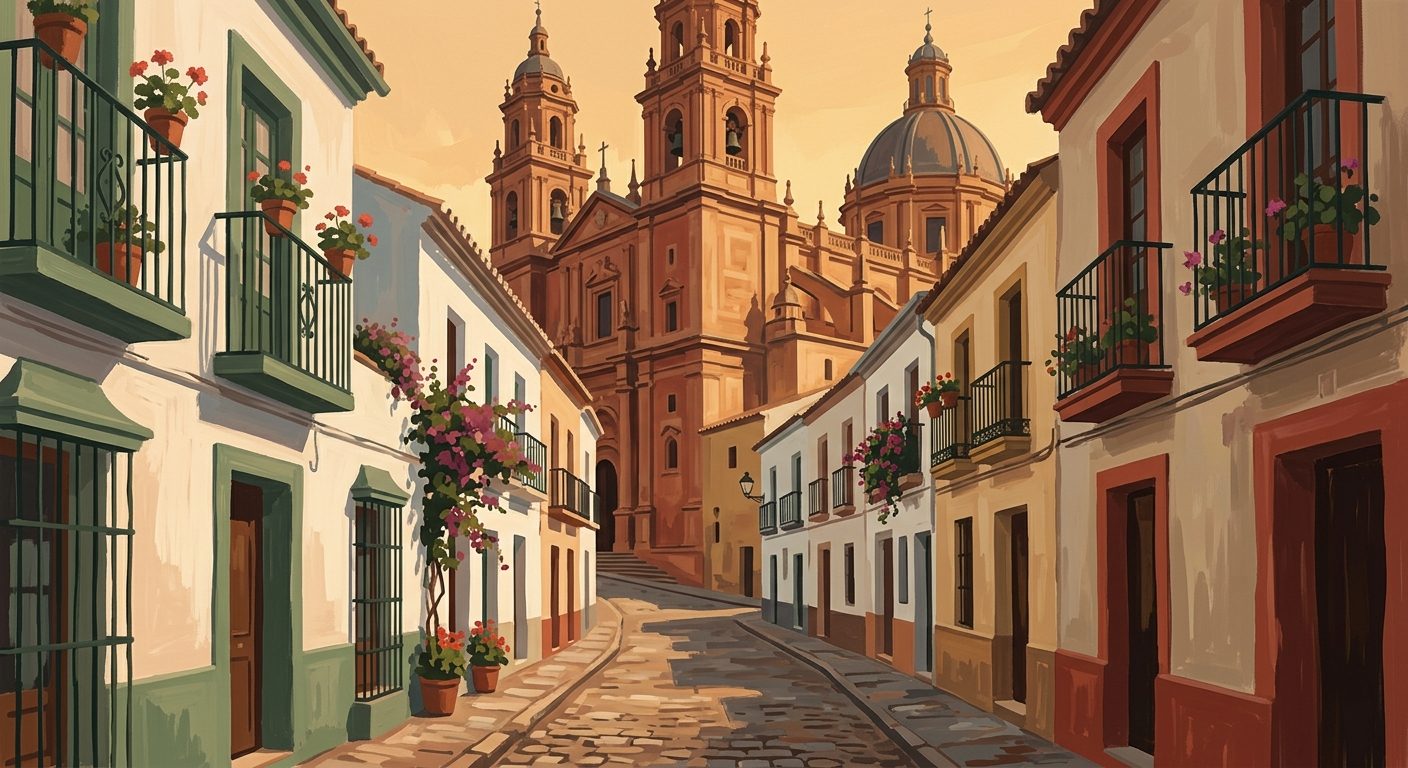
Cathedrals and Great Churches of Andalucía
A guide to the monumental religious architecture of Southern Spain, from the vast Gothic nave of Sevilla to the Renaissance masterworks of Jaén and Granada.
6 min read
More guides
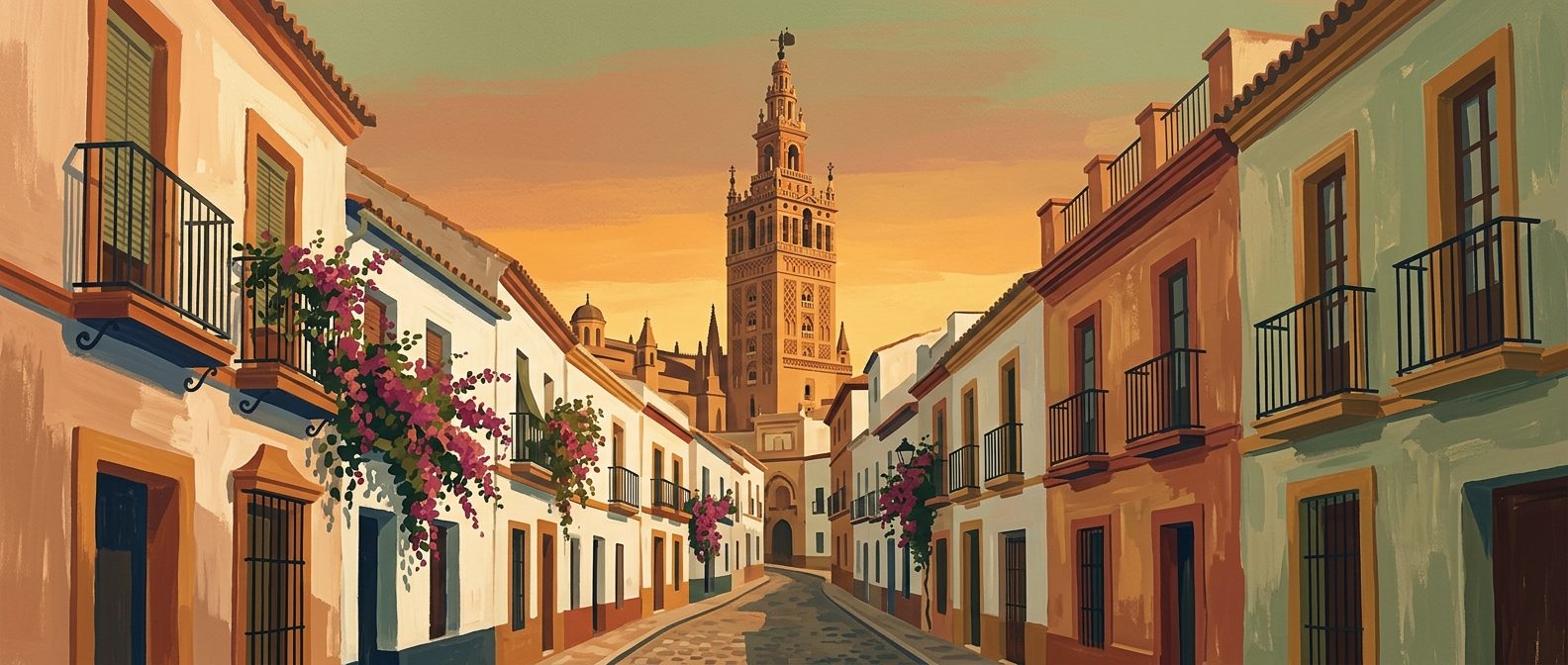
UNESCO World Heritage Sites in Andalucía
A curated guide to the cultural and natural sites in Andalucía recognised by UNESCO for their universal value. These landmarks offer a profound insight into the diverse civilisations of the region.
6 min read
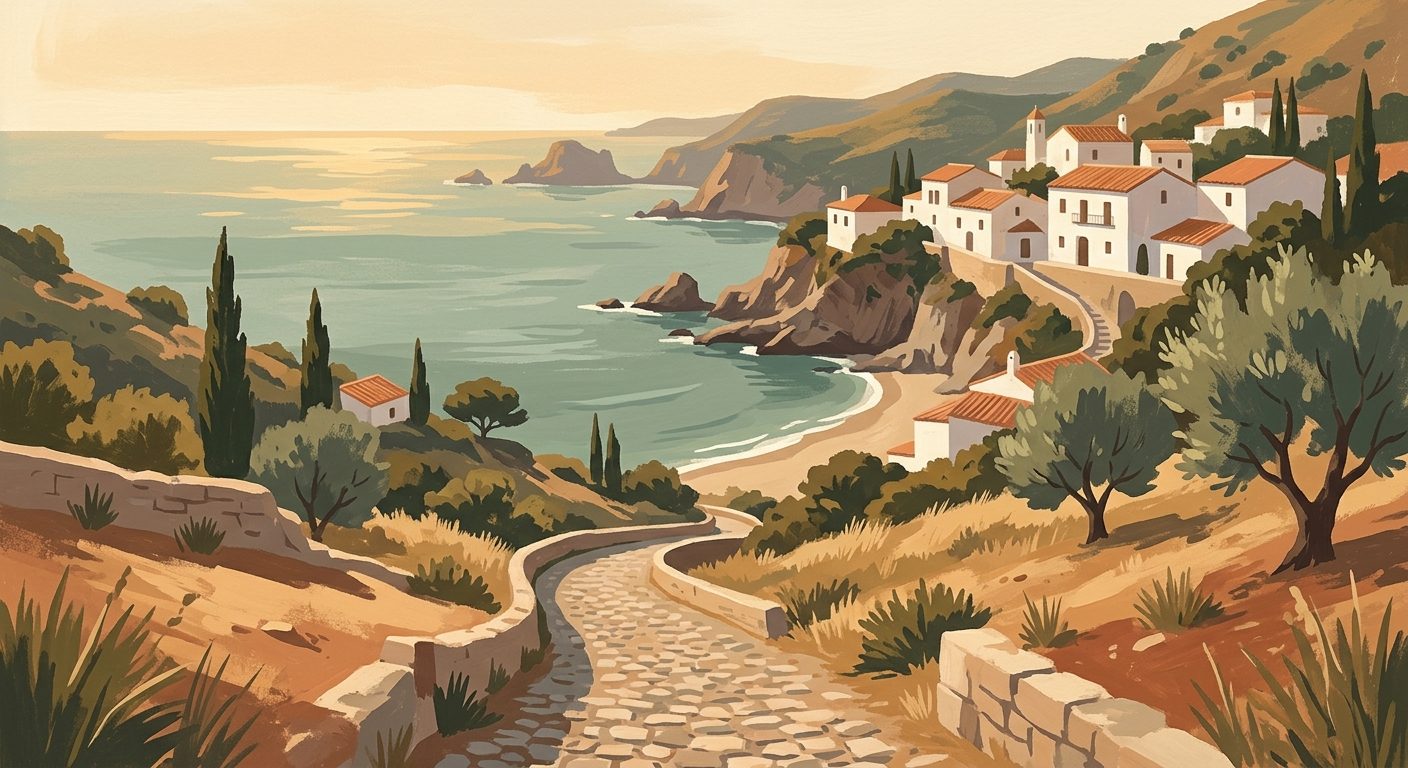
The Best Beaches in Andalucía
From the Atlantic dunes of Huelva to the volcanic coves of Almería, the coastline of southern Spain offers an unparalleled variety of maritime landscapes.
6 min read
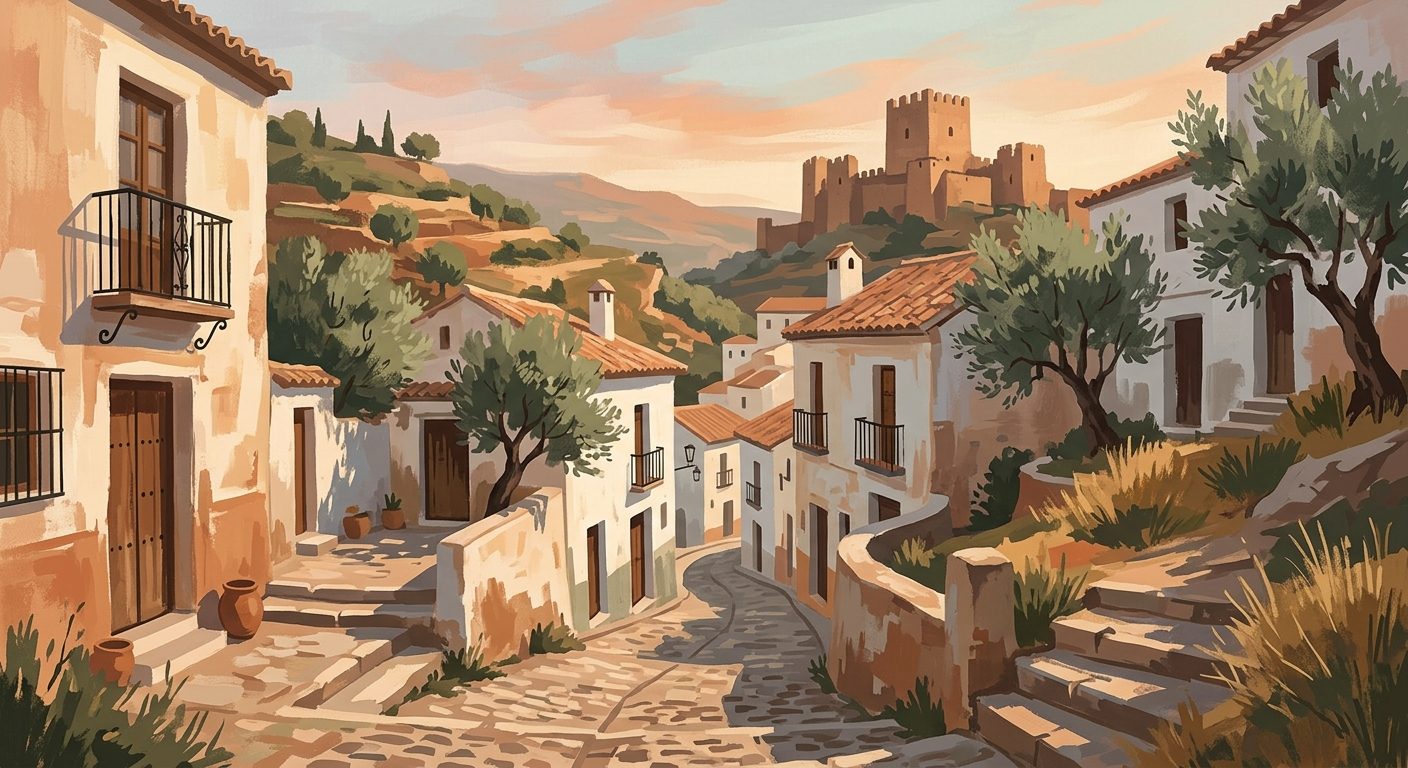
Phoenicians and Tartessians in Andalucía
Around three thousand years ago, eastern Mediterranean merchants arrived on the Iberian coast seeking silver and copper. Their arrival sparked a cultural collision that transformed local chiefdoms into the legendary civilisation of Tartessos.
6 min read
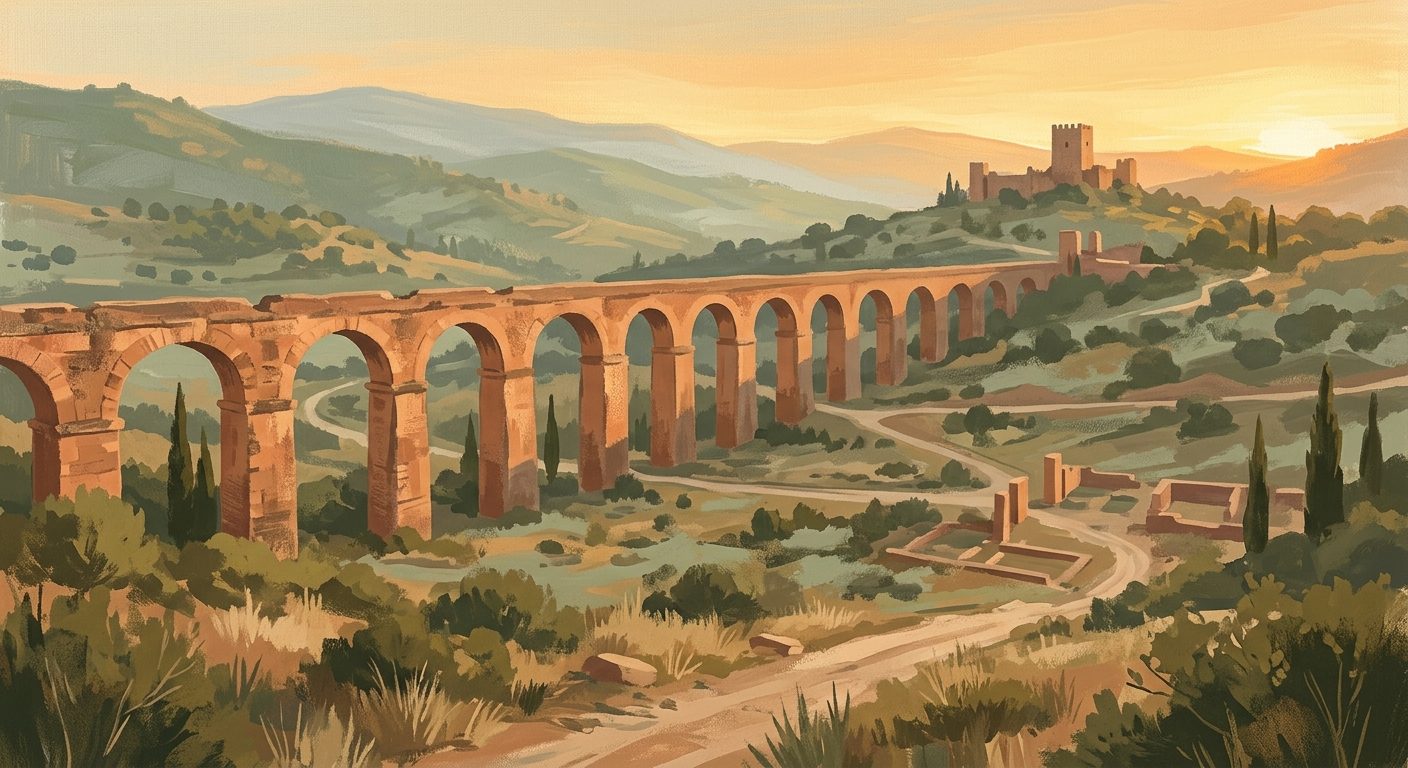
Roman Andalucía: Ruins and Archaeological Sites
Discover the monumental legacy of the Roman province of Baetica, from grand amphitheatres in the Guadalquivir valley to maritime cities on the Atlantic coast.
7 min read
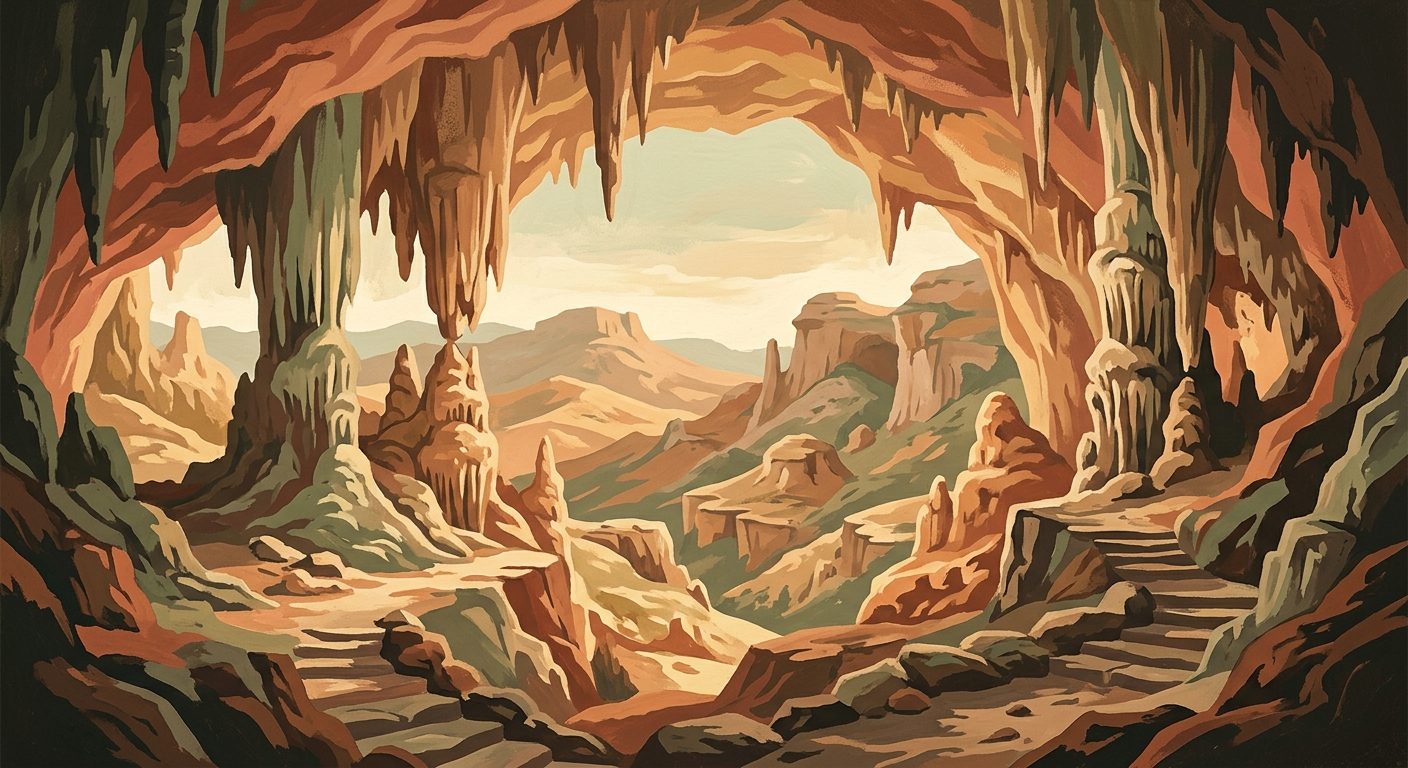
Geological Wonders: Caves and Karst Landscapes of Andalucía
Discover the subterranean wonders and prehistoric secrets preserved within the limestone massifs and gypsum deposits of southern Spain.
6 min read
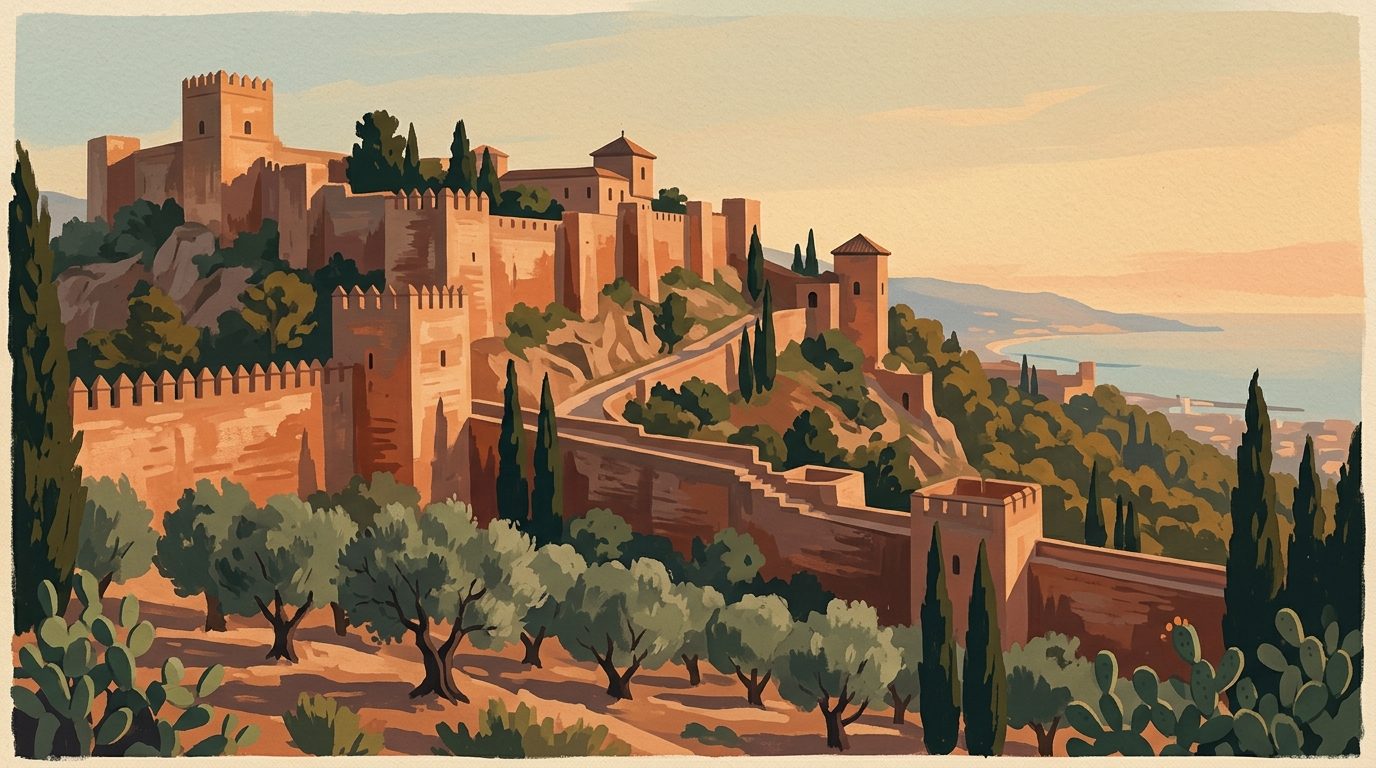
Castles and Fortresses of Andalucía
The fortresses of Andalucía are the stone guardians of a complex past, marking the ancient frontiers between empires and offering some of the most spectacular views in the southern peninsula.
6 min read
The Iberians in Andalucía: Warlords, Sculptors and the Dawn of Iron
Who were the sophisticated, iron-working peoples who controlled southern Spain before the Roman conquest? Their fortified hill towns and striking stone sculptures reveal a formidable culture caught between ancient local traditions and Mediterranean ambition.
6 min read
UNESCO Geoparks and Natural Wonders of Andalucía
Discover the geological heritage of Southern Spain through its UNESCO-designated geoparks and natural wonders. Explore the tectonic history and diverse ecosystems of Almería, Granada, and Cádiz.
6 min read
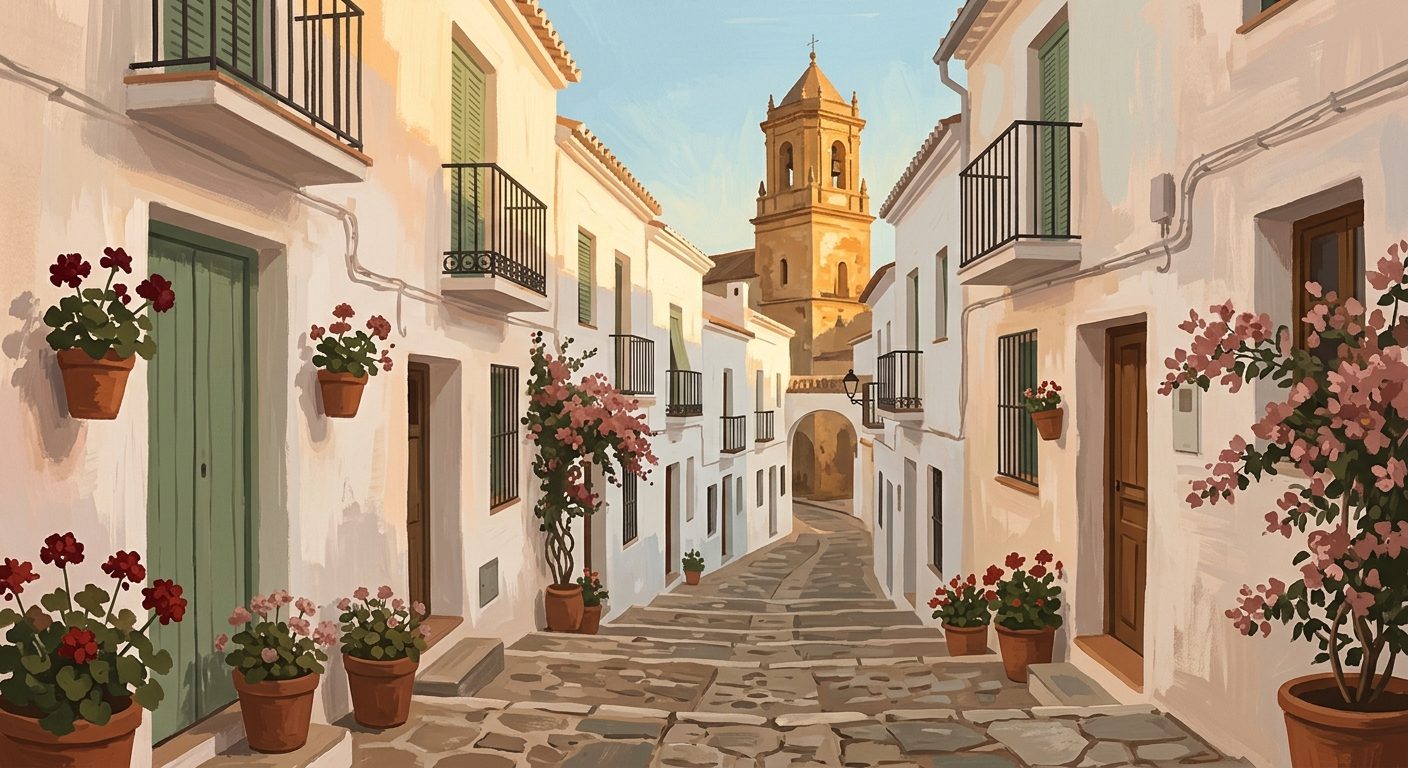
The White Villages of Andalucía: A Guide to the Pueblos Blancos
Discover the iconic white villages of Cádiz and Málaga, where lime-washed houses and narrow Moorish streets define the rugged mountain landscape of Andalucía.
6 min read
Newsletter
More stories from Andalucía
Weekly notes, seasonal picks, and the next guides worth bookmarking.