
Feature · Jaén
Ghost of the Rockrose: The Long Walk Back for the Iberian Lynx
A ghost in the rockrose, the Iberian lynx has returned from a historical precipice to reclaim the granite slopes of Jaén.
By Dan · Updated 16 July 2026 · 7 min read
Story context
This is a narrative feature, not a breaking-news report or a legal/practical guide. It is kept on the site because it adds local texture and reading value alongside the more practical Andalucía 365 guides.
Use the links below for planning details, current access, places to stay, transport or food guidance connected with the story.
In 2002, the Iberian lynx was a ghost story whispered in the Sierra Morena, a species reduced to ninety-four scattered souls shivering on the brink of permanent silence. Today, it is a tawny streak of defiance, moving through the Mediterranean scrub with the quiet confidence of a king who has reclaimed his throne.
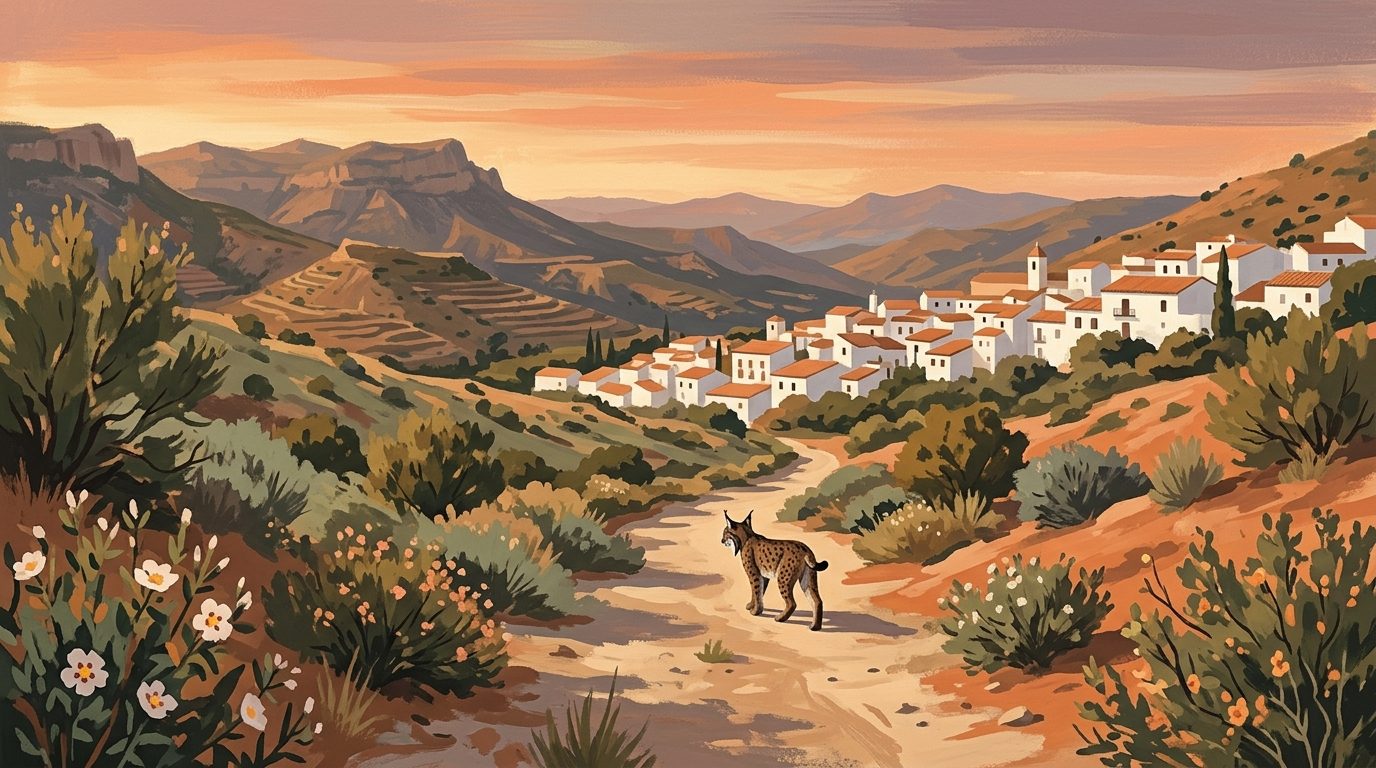
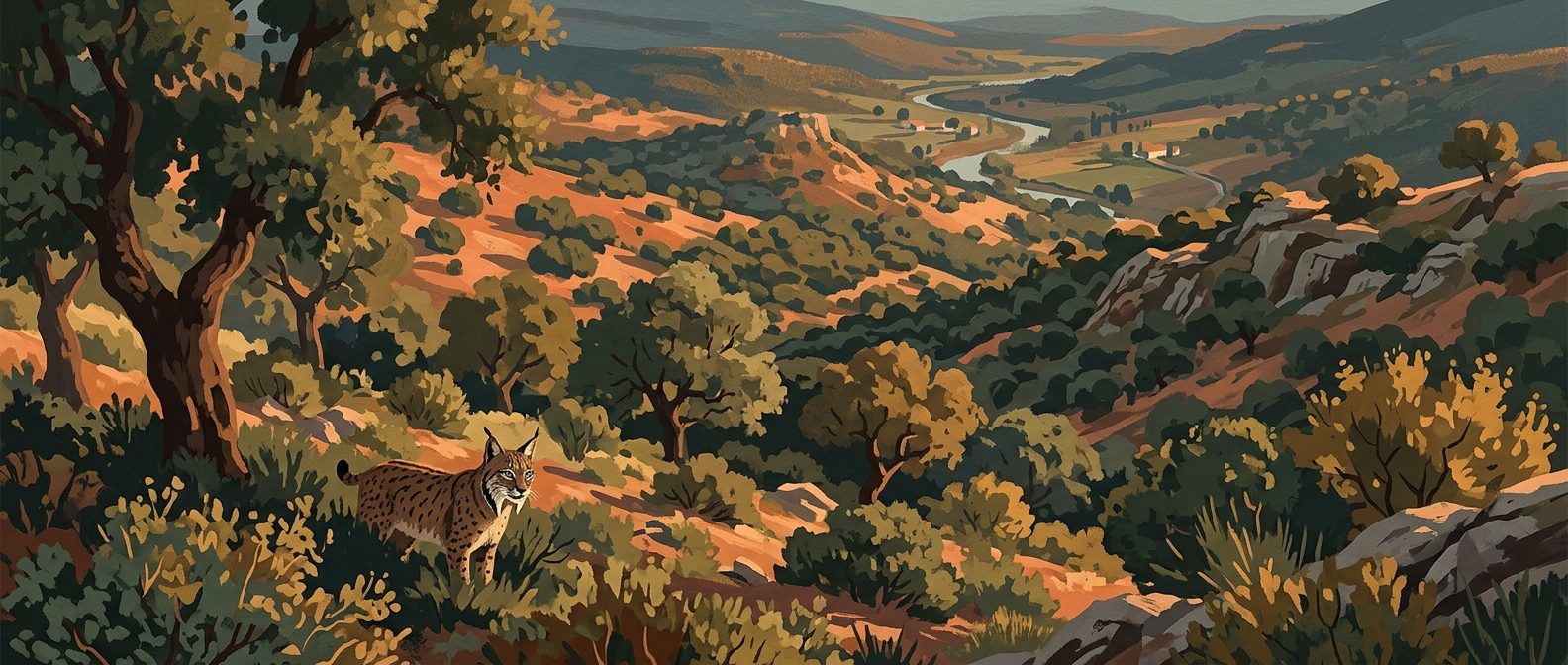
Mateo leans against the cold metal of his Land Rover, his breath misting in the pre-dawn air of the Sierra de Andújar. It is five in the morning in the province of Jaén, and the world is a monochrome of deep greys and charcoal shadows. The smell of jara, the sticky rockrose, is thick and resinous, a scent that clings to your clothes and defines the landscape of the Sierra Morena. Mateo has spent twenty years tracking the Lynx pardinus, and he knows that silence is not empty; it is a language. He listens for the frantic chatter of an azure-winged magpie or the sharp, staccato bark of a startled deer. These are the heralds of the cat.
We sit in a landscape of rounded granite boulders, monsters of stone that look like they were dropped from the sky by a bored deity. This is the heart of the lynx’s last stand. In the early 2000s, this patch of Jaén and a smaller enclave in Doñana were the only places on earth where you could find the most endangered feline in existence. There were more tigers in captivity in Texas than there were Iberian lynx in the wild. The census of 2002 was a death warrant: 94 individuals. The species was a heartbeat away from becoming the first cat to go extinct since the Smilodon ten thousand years ago. Following a historic recovery effort, its status was officially downgraded from 'Endangered' to 'Vulnerable' by the IUCN in 2024.
Mateo raises his binoculars as the first shard of orange light cuts through the mist. "They are not just animals," he says, his voice low so as not to disturb the valley. "They are the spirit of the mountain. When we lost the lynx, the mountain felt hollow. Now, you can feel the weight of them again."
The Precipice and the Plan
The collapse of the Iberian lynx population was a slow-motion car crash that spanned the twentieth century. It was a failure of ecology and a triumph of human interference. The lynx is a specialist, an evolutionary masterpiece designed for one primary purpose: hunting the European rabbit. When myxomatosis and later Rabbit Haemorrhagic Disease (RHD) tore through the peninsula, the lynx’s larder vanished. Compounded by habitat fragmentation and a decades-long policy that viewed predators as vermin to be eradicated, the cat simply faded away.
The recovery did not happen by accident. It began with a radical, desperate intervention. Scientists and conservationists in Andalucía launched the LIFE Lynx-Connect projects, a multi-million euro effort that combined captive breeding with massive habitat restoration. In centres like La Olivilla in Santa Elena, Jaén, and El Acebuche in Huelva, humans became surrogate parents. They raised kittens in isolation, using puppets to feed them so they wouldn't associate people with food, and teaching them to hunt live prey in fenced enclosures.
But breeding cats in cages was the easy part. The real challenge lay in the dirt and the people of Jaén. To save the lynx, the regional government had to convince the people of the Sierra Morena that a predator was worth more alive than dead. They had to rebuild the rabbit populations from scratch, creating artificial warrens and seeding the landscape with the very prey that had been decimated by disease. It was an exercise in rebuilding an entire ecosystem from the bottom up.
The Architect of the Scrub
To understand the lynx, you must understand the rabbit. The Oryctolagus cuniculus is the silent architect of the Mediterranean forest. Without the rabbit, the scrub grows too thick, the soil loses its nutrients, and the lynx starves. In the valley below us, the Encinarejo dam reflects the growing light. Here, the restoration efforts focused on creating a mosaic of landscapes: open clearings where rabbits can graze and dense thickets where the lynx can hide.
The success in Jaén has been staggering. The latest census suggests the population across Spain and Portugal has surged past 2,000 individuals. The Sierra de Andújar is no longer a terminal ward; it is a nursery. The cats have expanded their territory, moving beyond the protected parks and into the olive groves and private estates. This expansion has brought them into contact with the people who manage the land.
In the past, a lynx on a private hunting estate was a nuisance, a competitor for partridge and rabbit. Today, the mindset has shifted. Many landowners in Jaén now view the presence of a lynx as a badge of honour. They sign collaboration agreements, allowing conservationists to monitor the cats on their property. Some have even turned to ecotourism, realising that a single lynx, spotted by a group of photographers from London or Berlin, can bring in more revenue than a dozen trophy stags.
The Friction of Progress
However, the recovery is not a fairy tale. The return of the cat has brought new tensions. As the population grows, young males are forced to wander further afield to find their own territories, a process known as dispersal. This often leads them across the lethal grey ribbons of the A-4 motorway and the regional roads that cut through the province. Roadkill remains the leading cause of non-natural death for the lynx. Despite the construction of expensive ecoducts and underpasses, the speed of modern life remains a constant threat to a species that evolved for the slow rhythm of the woods.
There is also the matter of genetics. Because the population was squeezed through such a narrow bottleneck in 2002, the survivors were closely related. The spectre of inbreeding hangs over the recovery. Scientists are forced to play matchmaker, moving individuals between the Andújar and Doñana populations to ensure the gene pool remains healthy. It is a managed wildness, a nature that requires a constant human hand to stay upright.
Moreover, the heavy reliance on the rabbit remains a vulnerability. A new strain of RHD could pull the rug out from under the recovery at any moment. The lynx is a specialist in an era that rewards generalists. It is a finely tuned instrument in a world that is becoming increasingly loud and chaotic. Some argue that the resources spent on a single charismatic species could have been better used for broader environmental protections, but the lynx is the "umbrella species." By saving the cat, we have saved the cork oaks, the eagles, the insects, and the very soil of the Sierra Morena.
A Shadow in the Jaras
Back on the granite ridge, Mateo suddenly stiffens. He points a gloved finger toward a cluster of holm oaks near the riverbed. At first, I see nothing but the play of shadows and the silver-green leaves. Then, a shape detaches itself from the darkness. It is a female, her coat a mosaic of black spots on a buff background, her facial ruff giving her an expression of ancient, weary wisdom. She does not look at us. She moves with a fluid, liquid grace, her short tail twitching. She is the embodiment of the Mediterranean silence.
She pauses at the edge of a clearing, the black tassels on her ears twitching as she scans for movement. In this moment, the statistics and the political debates about land use feel distant and trivial. There is only the presence of a predator that was supposed to be gone, a ghost that decided to stay. She slips into a patch of rockrose, the branches closing behind her without a sound. The mountain feels heavy again, full of the weight of a life that refused to vanish. We sit in the cold for a long time after she is gone, watching the sun climb over the peaks of Jaén, knowing that the scrub is no longer empty.
The miracle of the Iberian lynx is not just that it survived, but that we chose to let it. In the quiet of the Sierra de Andújar, the cat is no longer a symbol of what we have lost, but a living, breathing shows what we are capable of saving when we finally decide that the wild is worth the trouble.
Last reviewed: 21 June 2026 · Editorial policy
Related guides
Where to See the Iberian Lynx: Andújar and Beyond
Discover the best ways to see the world's rarest cat in the Sierra de Andújar. This guide covers the best viewing spots, seasonal timing, and the diverse wildlife of Jaén's rugged Mediterranean scrubland.
6 min read
Where to Find Andalucía’s Most Remarkable Wildlife
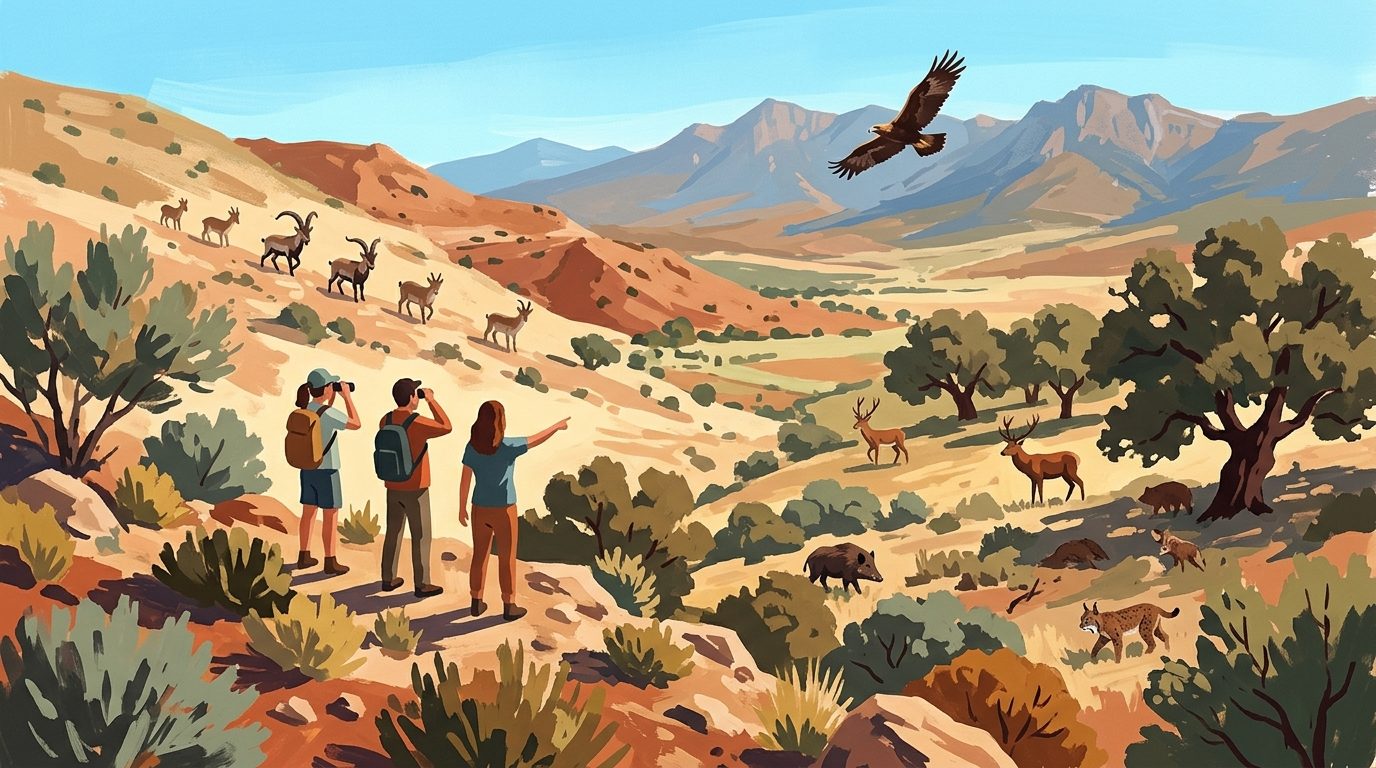
Discover the best spots in Andalucía to see rare species like the Iberian lynx, migratory whales in the Strait of Gibraltar, and pink flamingos in natural lagoons.
6 min read
Odiel Marshes: Huelva's Overlooked Wetland
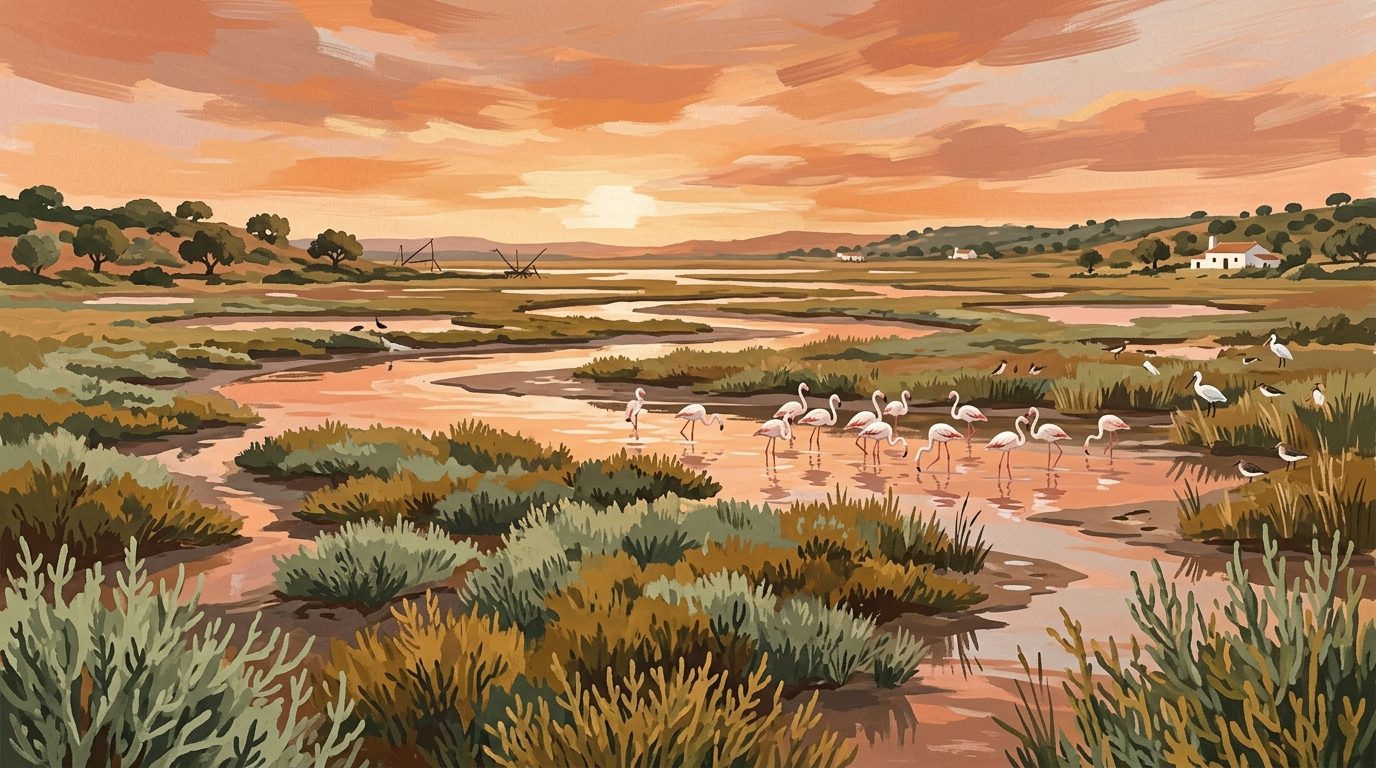
Discover the Marismas del Odiel, a tidal powerhouse in Huelva that hosts Europe's largest spoonbill colony and a spectacular array of flamingos and ospreys.
7 min read
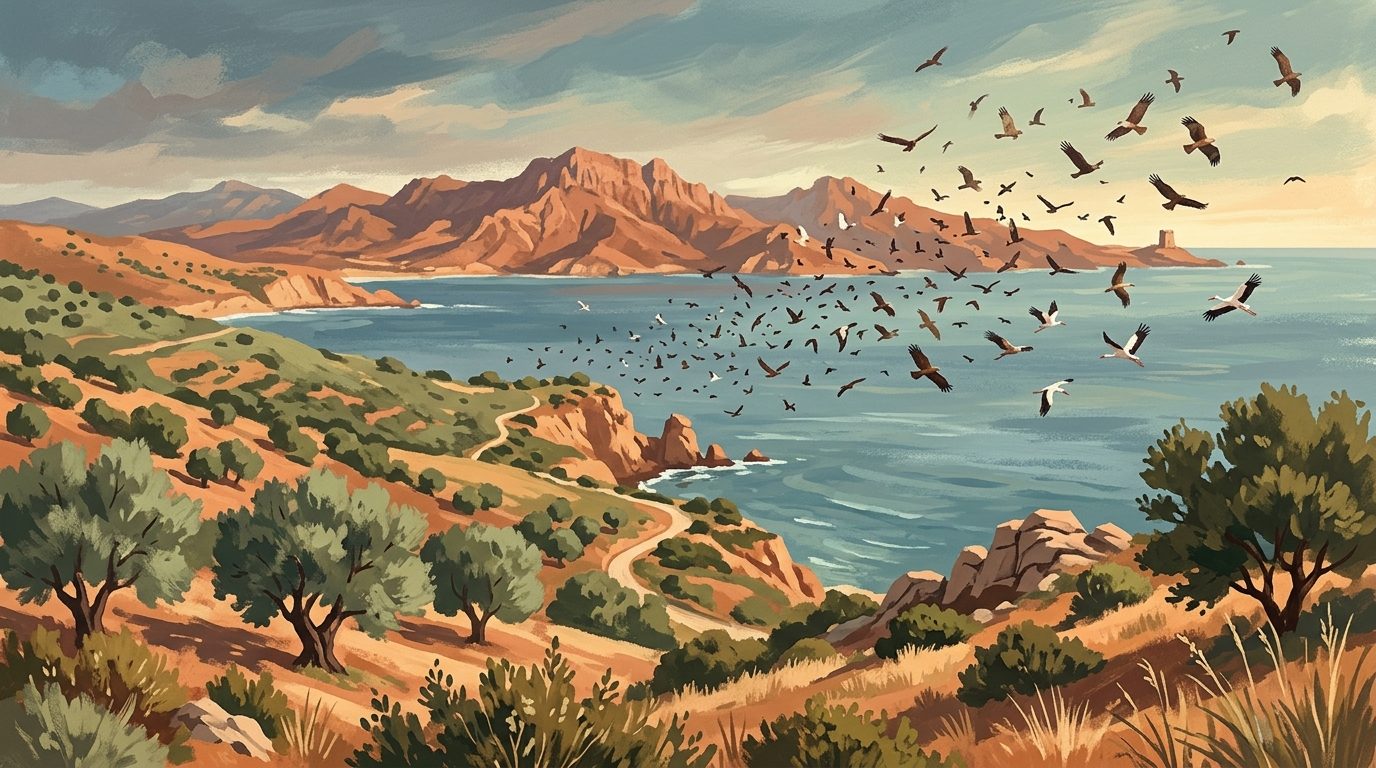
The Gibraltar Strait: Europe's Greatest Bird Migration
Discover the biological funnel where millions of raptors and storks cross between Europe and Africa, creating one of the world's most significant wildlife spectacles.
7 min read
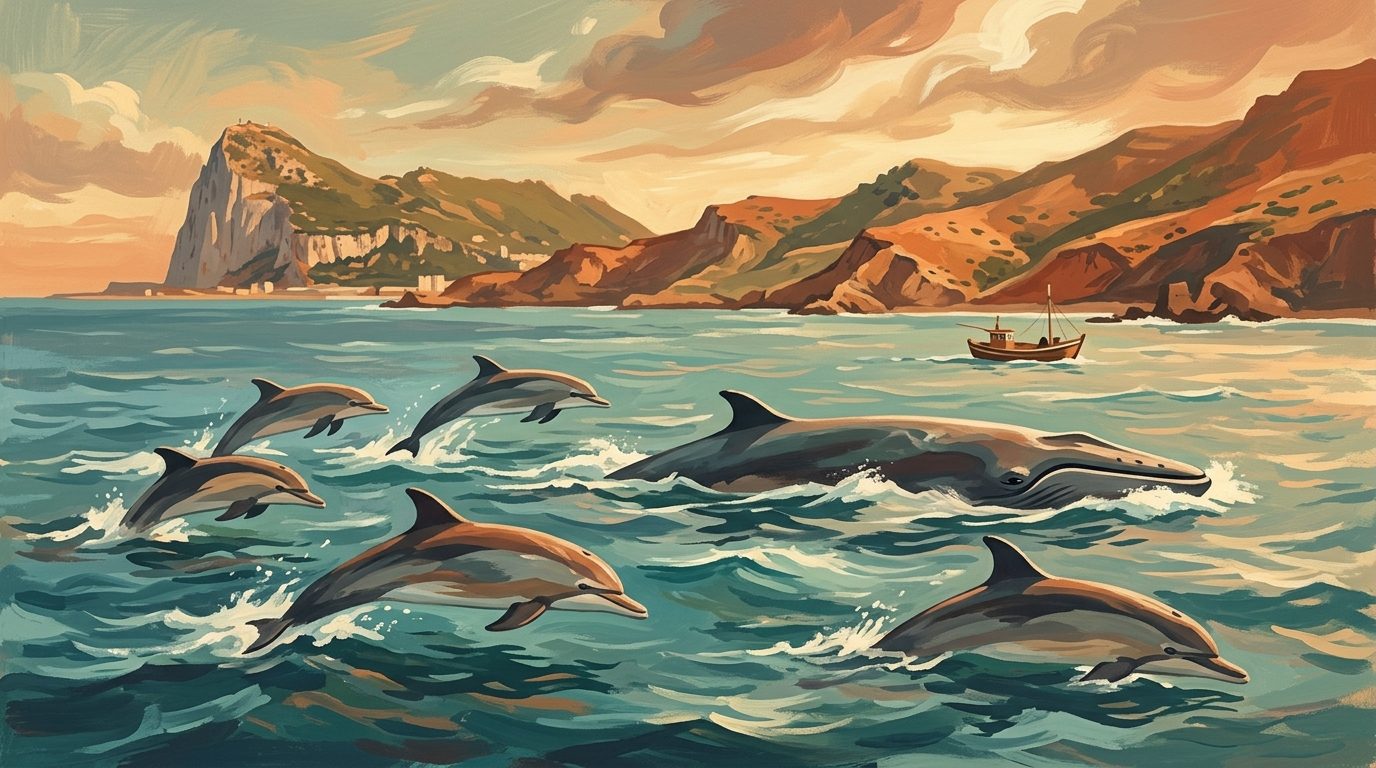
Whale and Dolphin Watching in the Strait of Gibraltar
The Strait of Gibraltar is a premier marine sanctuary where Atlantic and Mediterranean waters meet, offering reliable sightings of orcas, sperm whales, and several dolphin species.
7 min read
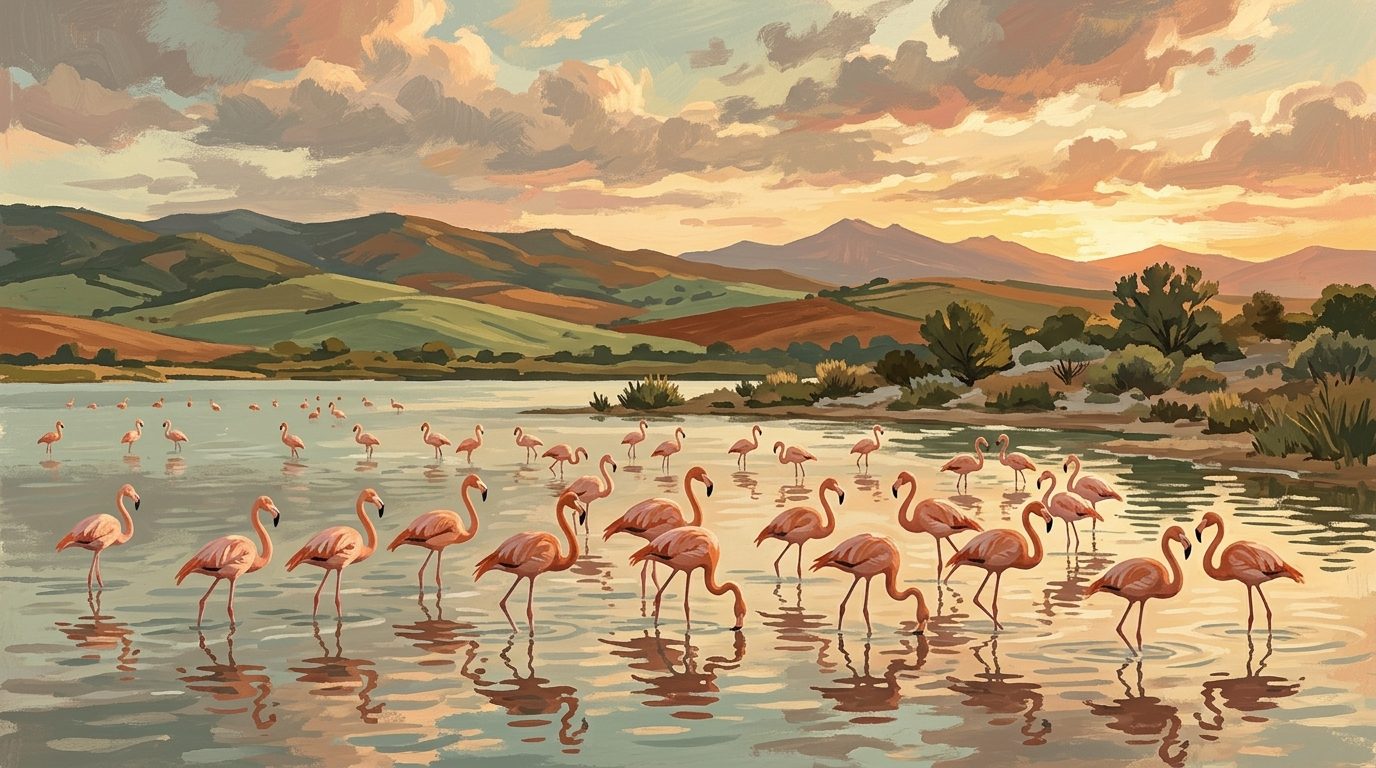
Fuente de Piedra: Andalucía's Flamingo Lake
Discover the vital breeding grounds of the Greater Flamingo at the Laguna de Fuente de Piedra, a hypersaline wetland in the heart of Málaga province.
7 min read
More from Jaén
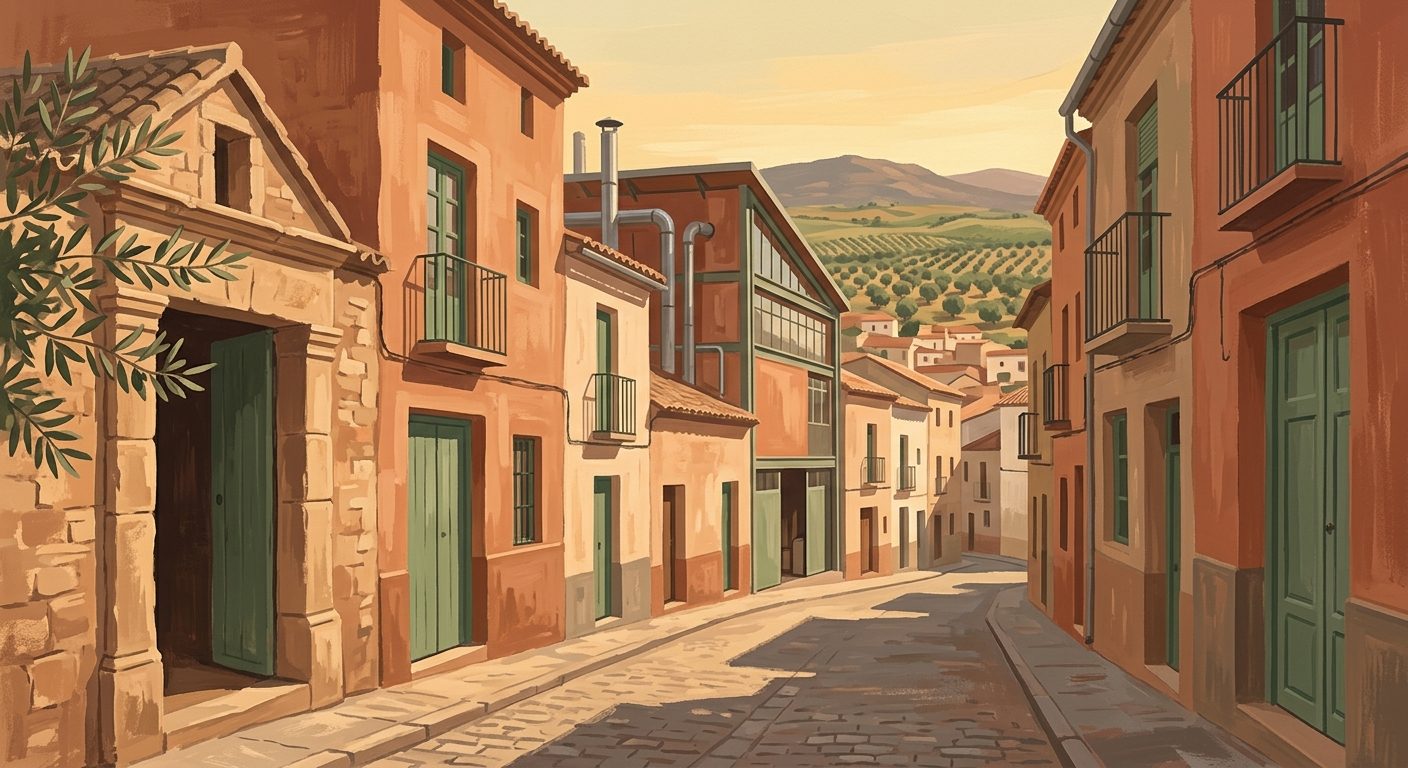
Olive Oil and Industrial Modernisation in Jaén
Discover how 19th-century steam power, hydraulic presses and the rise of agrarian cooperatives transformed the olive groves of Jaén into a modern industrial powerhouse.
7 min read
The Weight of the Green Gold: A Season of Siege in the Groves of Jaén
In the hills of Jaén, the air in November carries the scent of crushed leaves and the industrial thrum of sixty-six million trees being shaken into submission.
8 min read
Newsletter
More stories from Andalucía
Weekly notes, seasonal picks, and the next guides worth bookmarking.