
Feature
The White Wall Paradox: What It Actually Costs to Live in a Pueblo Blanco
Beyond the postcard-perfect façades of Andalucía's white villages lies a reality of vertical commutes, damp stone walls, and a community that sees everything.
By Dan · Updated 14 July 2026 · 7 min read
How to read this story
This is an opinionated narrative essay about the trade-offs behind pueblo blanco life, not a property-buying checklist. It deliberately balances the postcard image of white villages with the less visible realities of steep streets, damp old houses, limited services, local bureaucracy and seasonal tourism pressure.
For practical planning, pair it with the Pueblos Blancos guide before choosing a base. Use official tourism and Junta links for current visitor information, healthcare context and public-service details, especially if you are weighing a long stay rather than a day trip.
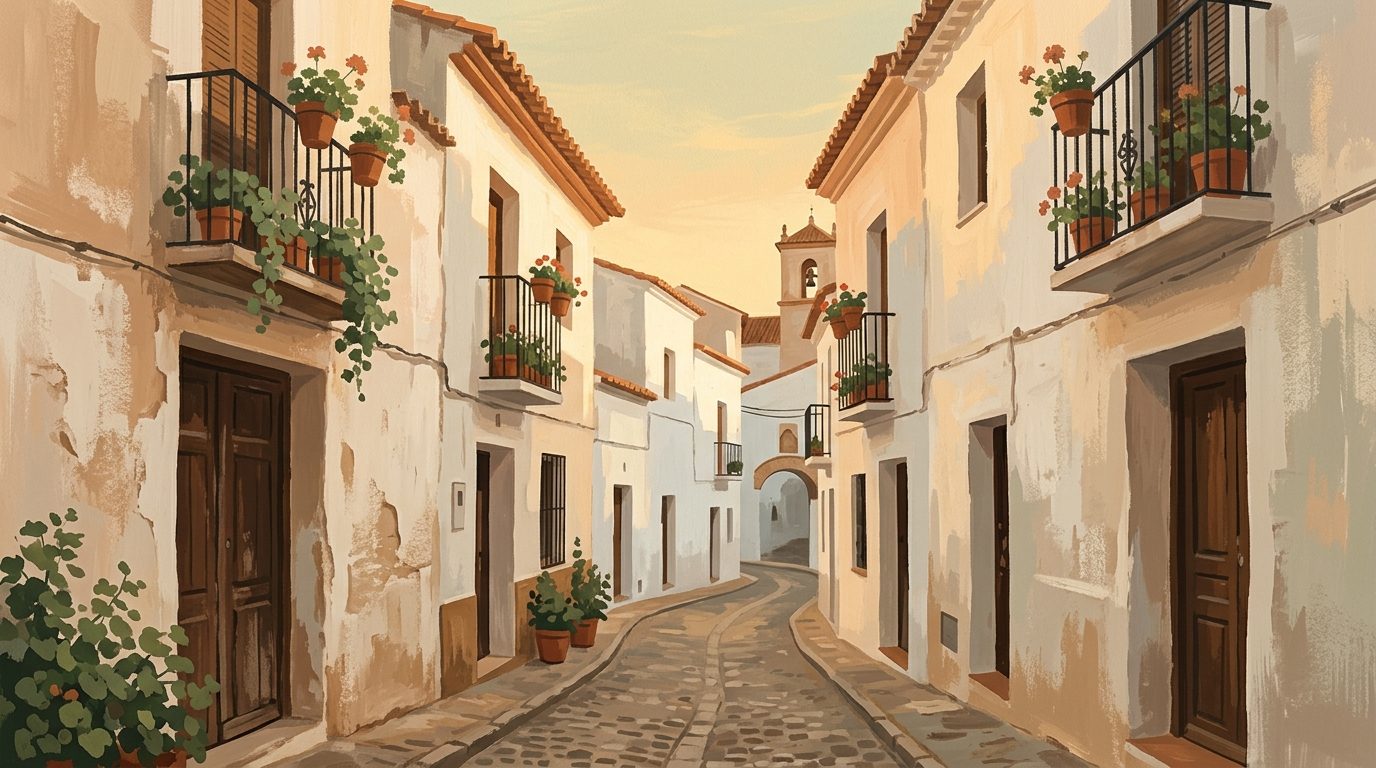
From the valley floor, the village is a chalk smudge against the limestone crag, a vision of Andalucían purity. Up close, it is the smell of burnt clutch plates on a 1-in-4 gradient and the relentless, rhythmic thud of a neighbour’s television through three feet of stone.
Paco is sixty-four, with hands the colour of cured mahogany and a knees-first gait that suggests a lifetime of negotiating forty-degree inclines. Every Tuesday, his truck rattles into the plaza of Montejaque, a clattering symphony of orange butane cylinders that echoes off the limewashed walls like gunfire. To the tourists sipping overpriced café solos in the square, Paco is a rustic cameo, a postcard brought to life. To those of us who live behind these white walls, he is the only thing standing between us and a cold shower in a house that smells perpetually of woodsmoke and damp limestone.
I watched him heave a 12.5kg canister onto his shoulder today, his breath misting in the sharp mountain air. He didn’t look at the view: the jagged teeth of the Sierra de Grazalema biting into a cobalt sky. He looked at the cobbles, wary of the slick moss that grows in the shadows where the sun never reaches. This is the first truth of the pueblo blanco: it is a vertical world, a place where gravity is a constant adversary and the beauty of the architecture is directly proportional to the difficulty of modern existence.
The Architecture of Defence
To understand why these villages exist is to understand the history of fear. These are not decorative settlements; they are defensive huddles. Built during the centuries of the Reconquista, they cling to the high ground, their streets a labyrinth designed to confuse invaders. The houses are fused together, sharing walls and secrets, creating a honeycomb of cooling shade for the summer and a trap for the humidity of winter.
The white wash, the cal, that defines the region’s identity was originally a functional necessity rather than an aesthetic choice. It is an antiseptic, a way to keep the plague at bay and the sun’s ferocity reflected. But the estate agents rarely mention that the lime is a living thing. It flakes. It yellows. It requires a seasonal ritual of reapplying the paste, a Sisyphean task that leaves your fingernails white and your shoulders aching. In the pueblo blanco, you do not just own a house; you enter into a long-term, high-maintenance relationship with a pile of ancient rocks that wants to return to the earth.
The Estate Agent vs. The Grey Morning
The dream usually begins in an office in Marbella or London, looking at photographs of a roof terrace with views of the Mediterranean. The brochure speaks of 'tranquillity' and 'slow living'. It does not mention the licencia de obra. In the province of Málaga, and even more so in Cádiz, the regional government’s attitude toward renovation under the Ley de Patrimonio Histórico de Andalucía is a dizzying mix of Kafkaesque bureaucracy and sudden, arbitrary enforcement.
I know a couple from Leeds who bought a ruin in Gaucín. They spent two years living in a caravan because the Ayuntamiento decided the specific shade of wood they used for their window frames was an affront to the village’s heritage. In a pueblo blanco, your house is public property in the eyes of the village elders and the town hall. You are merely the temporary custodian, the person responsible for paying the IBI tax while the mayor decides if you’re allowed to install a modern toilet.
Then there is the damp. In the height of August, the three-foot-thick walls are a blessing, keeping the interior at a constant, cave-like cool. But in January, when the Atlantic rains sweep across the Atlantic and collide with the mountains, these walls become sponges. They pull the moisture from the ground, a phenomenon the locals call humedad por capilaridad. You will learn to love the dehumidifier. You will learn that 'indoor-outdoor living' means that your leather boots will grow a fine coat of green fur if left in the cupboard for a week. The reality of the white village is a constant battle against the elements that the postcards airbrush away.
The Watchful Eyes of the Calle
Living here requires a fundamental surrender of privacy. In a city, you are anonymous. In a village like Zahara de la Sierra or Olvera, you are a data point in a communal ledger. The abuelas sit on their low plastic chairs in the doorways, their eyes tracking every movement. They know when you go to the pharmacy, what you bought at the carnicería, and exactly how many bottles of wine were in your recycling bin on Monday morning.
This is the 'community' people say they want, but the reality is more complex. It is a safety net, yes. If you don't emerge for two days, someone will knock on your door. But it is also a social panopticon. You are judged on your ability to greet everyone with the correct '¡Buenas!' and your willingness to participate in the endless cycle of processions and feast days. If you do not join the Romería, you are not simply staying home; you are making a political statement. You are either del pueblo (of the village) or you are a guiri. There is very little middle ground, even after a decade of residence.
The Cost of Isolation
The most profound tension in these villages is the slow erosion of infrastructure. As the young move to the cities, such as Sevilla, Málaga, and Madrid, to find work that doesn't involve olives or goats, the villages are hollowing out. The primary school in one village I know has seen its enrolment drop by half in five years. The local consultorio, run by the Servicio Andaluz de Salud (SAS), often operates on reduced hours in smaller municipalities. If you have a heart attack on a Sunday night, the ambulance can be significantly delayed, arriving from hubs like Ronda or Arcos de la Frontera (always check emergency response provisions and clinic hours via the official SAS 'Busca tu centro' portal before relocating).
This isolation creates a strange, beautiful, and often frustrating time-warp. The rhythm of life is dictated by the seasons and the church calendar, not the needs of a globalised economy. This is wonderful until you need a specific spare part for a washing machine or a reliable high-speed internet connection to join a Zoom call. The 'slow life' isn't a lifestyle choice here; it's a structural reality. Things take as long as they take. The plumber will come 'in the afternoon', a phrase that encompasses any time between 2:00 PM today and 8:00 PM next Tuesday.
The Tourist Ghost Town
There is a darker side to the aesthetic perfection of the pueblos blancos. Some, like Frigiliana, have become victims of their own beauty. In the summer months, the streets are a river of day-trippers. The local shops that used to sell hardware and animal feed now sell mass-produced ceramics and synthetic flamenco aprons. When the sun goes down and the buses leave, the silence is not the peaceful quiet of a working village, but the hollow stillness of a museum.
The locals are being priced out by holiday rentals. The very houses that Paco used to deliver gas to are now equipped with smart locks and key boxes, occupied for three days at a time by people who will never learn the baker’s name. This creates a friction, a quiet resentment that simmers beneath the surface of Andalucían hospitality. You see it in the graffiti on the outskirts of the more popular towns: 'Tu paraíso, mi miseria' (your paradise, my misery).
To live here successfully, you must accept that you are an intruder in a fragile ecosystem. You must be willing to pay the 'foreigner tax': not just in money, but in patience and humility. You have to learn that the old man blocking the road with his mule has more right to be there than you do in your Audi. You have to understand that the village does not exist for your enjoyment; it exists to survive.
Last night, a storm rolled in from the west. The wind howled through the narrow gaps between the houses, a sound like a flute played by a giant. The power went out, as it often does when the rain is heavy. I sat in the dark with a single candle, watching the lightning illuminate the church tower in brief, violent flashes of white. In that moment, the village felt like a ship at sea, isolated and defiant against the dark bulk of the mountains.
In the morning, the air was scrubbed clean, and the wet cobbles shone like silver. I saw a goat wander down the middle of the Calle Nueva, heading toward the trough at the end of the street. It stopped to nibble on a stray geranium, its bell tinkling softly in the silence. It was a scene of impossible, cinematic perfection. But then I looked down and saw the damp patch on my living room wall had grown another six inches, a Rorschach blot of saltpetre and stone. I took a deep breath, tasted the scent of wet earth and diesel, and went to find the bucket of lime. This is the truth of it: the beauty doesn't make the life easier, it just makes the hardship feel like it has a purpose.
Last reviewed: 14 July 2026 · Editorial policy
Related guides
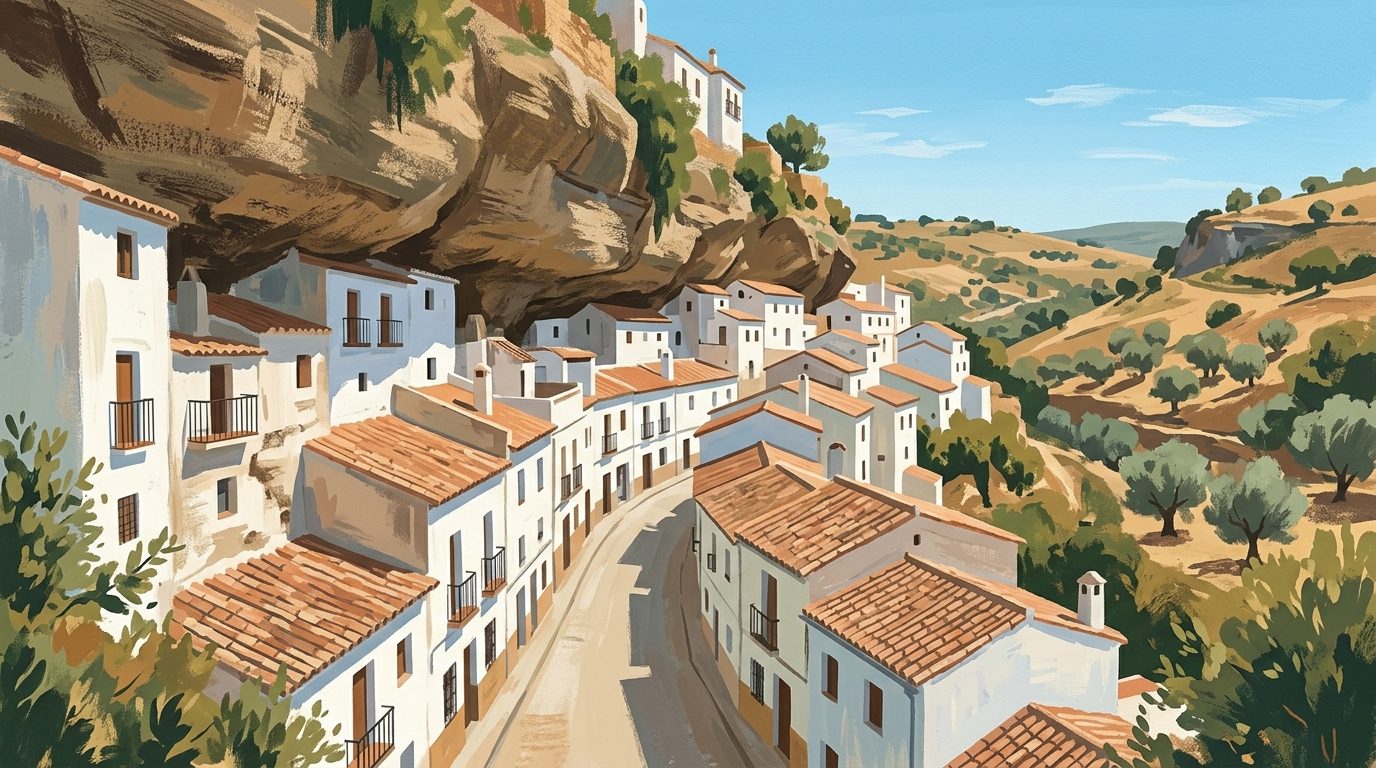
Setenil de las Bodegas: A Guide to the Village Built Under the Rocks
Setenil de las Bodegas turns the traditional concept of a mountain village upside down, with its houses carved directly into the limestone cliffs of the Trejo river gorge.
6 min read
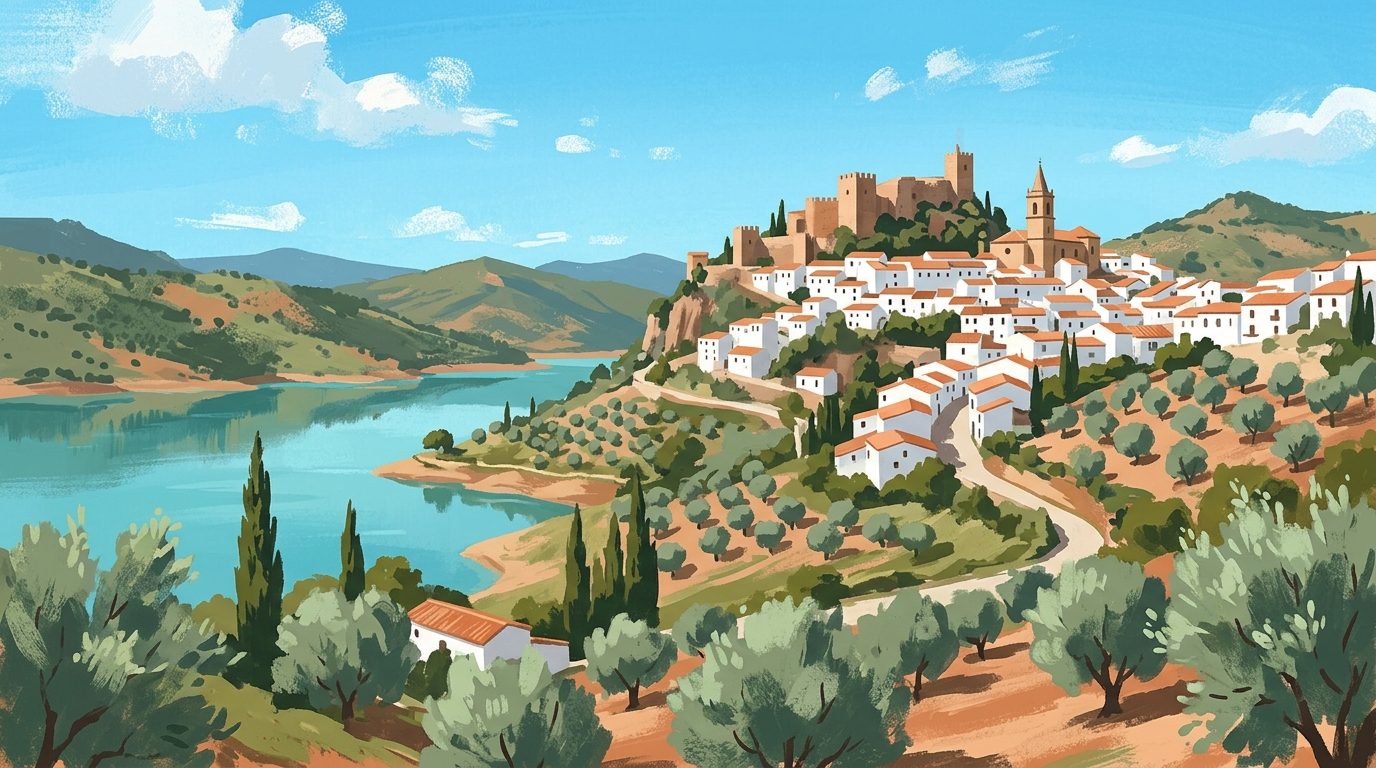
Exploring Zahara de la Sierra: A Guide to Cádiz's Lakeside Hilltop Village
Perched on a craggy peak overlooking a turquoise reservoir, Zahara de la Sierra is one of the most visually striking villages in the Sierra de Grazalema. This former Moorish stronghold offers a blend of medieval architecture and a unique freshwater beach.
6 min read
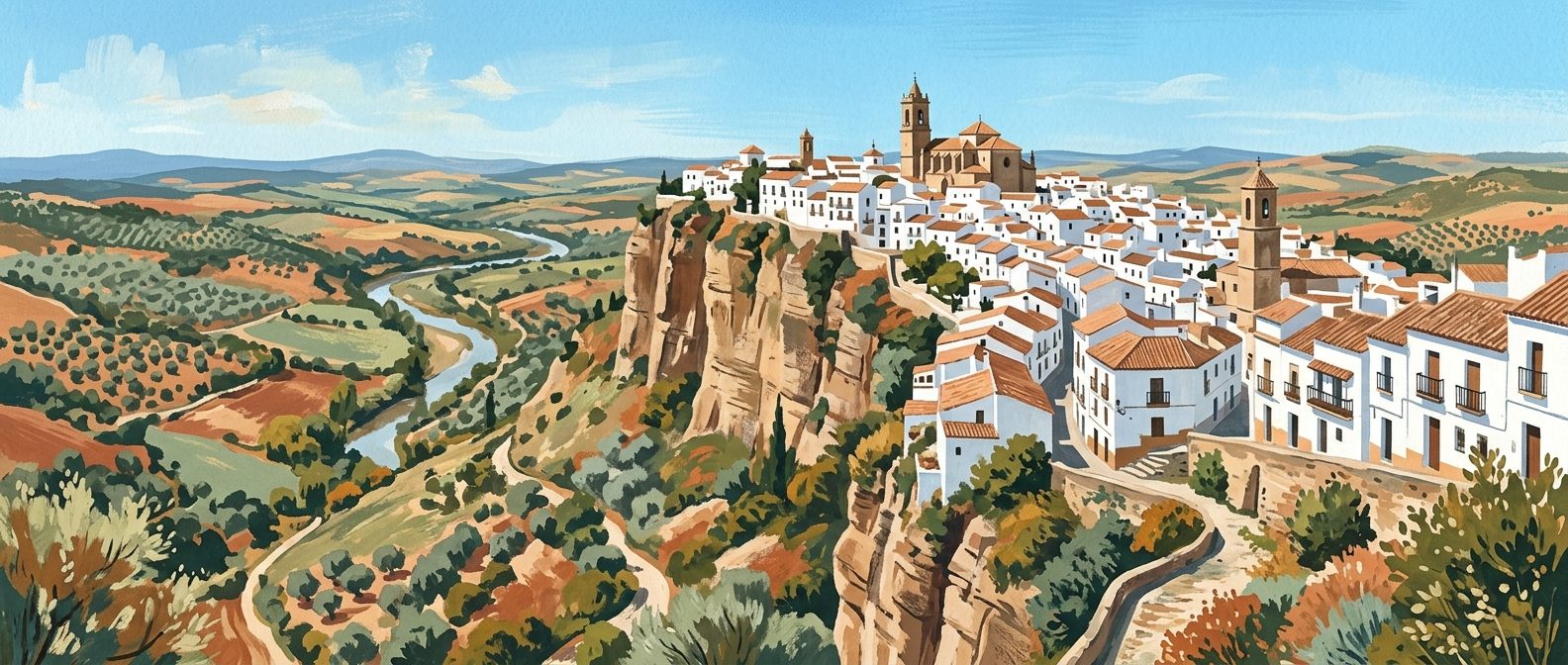
Exploring Arcos de la Frontera: The Gateway to the White Villages
Perched on a sheer limestone ridge, Arcos de la Frontera provides a dramatic introduction to the White Villages of Cádiz, where narrow streets end in vertical drops.
5 min read
The Ghost in the Garden: Searching for the Al-Andalus Within
Eight centuries of Al-Andalus did not vanish in 1492; they simply moved indoors, into the kitchens, and onto the tip of the tongue.
7 min read
Corduba and Roman Baetica
Discover the political and intellectual might of Corduba, the wealthy administrative capital of Roman Baetica and the birthplace of the philosopher Seneca.
7 min read
A Guide to the Wines and Sherries of Andalucía
Discover the bone-dry finos of Jerez and the bold high-altitude reds of Ronda in our comprehensive guide to Andalucían wine culture.
6 min read
More guides
UNESCO World Heritage Sites in Andalucía
A curated guide to the cultural and natural sites in Andalucía recognised by UNESCO for their universal value. These landmarks offer a profound insight into the diverse civilisations of the region.
6 min read
The Best Beaches in Andalucía
From the Atlantic dunes of Huelva to the volcanic coves of Almería, the coastline of southern Spain offers an unparalleled variety of maritime landscapes.
6 min read
Phoenicians and Tartessians in Andalucía
Around three thousand years ago, eastern Mediterranean merchants arrived on the Iberian coast seeking silver and copper. Their arrival sparked a cultural collision that transformed local chiefdoms into the legendary civilisation of Tartessos.
6 min read
Roman Andalucía: Ruins and Archaeological Sites
Discover the monumental legacy of the Roman province of Baetica, from grand amphitheatres in the Guadalquivir valley to maritime cities on the Atlantic coast.
7 min read
Geological Wonders: Caves and Karst Landscapes of Andalucía
Discover the subterranean wonders and prehistoric secrets preserved within the limestone massifs and gypsum deposits of southern Spain.
6 min read
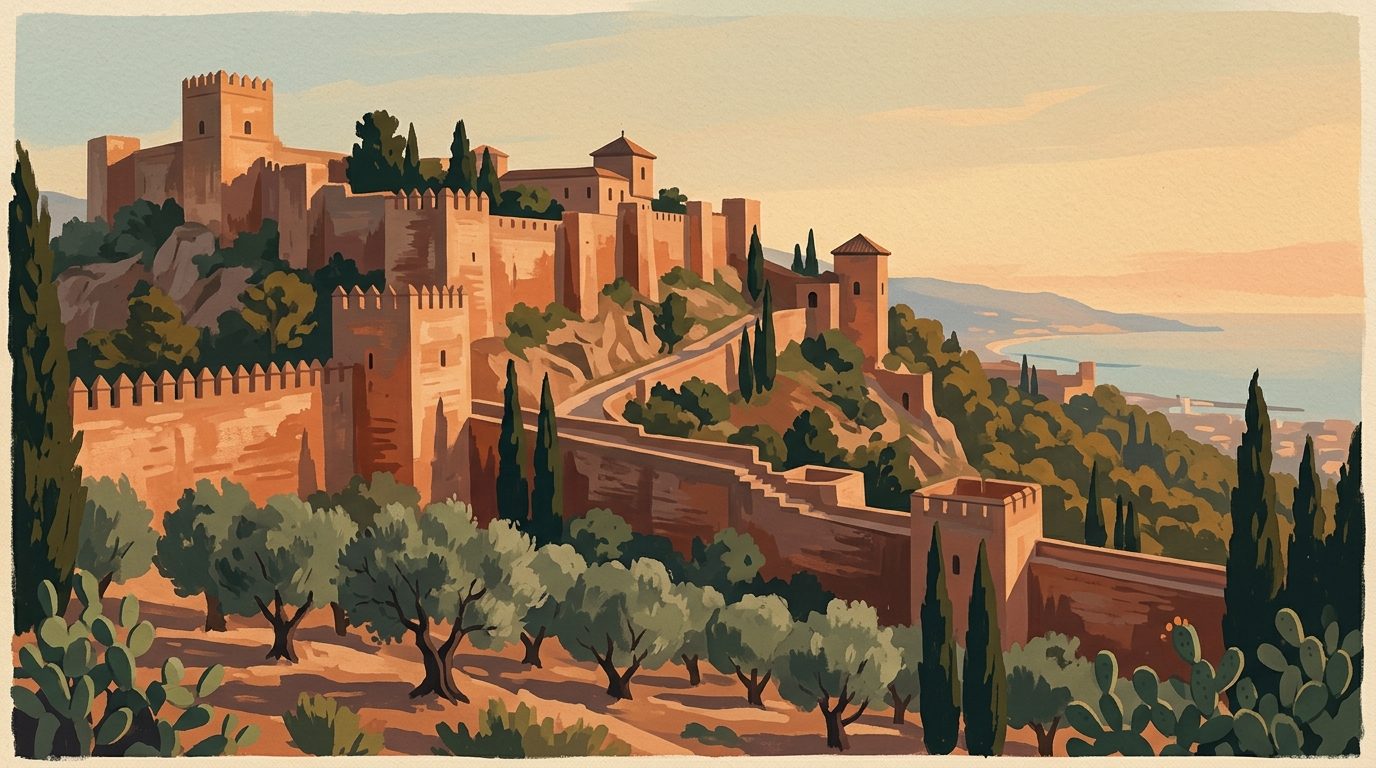
Castles and Fortresses of Andalucía
The fortresses of Andalucía are the stone guardians of a complex past, marking the ancient frontiers between empires and offering some of the most spectacular views in the southern peninsula.
6 min read
The Iberians in Andalucía: Warlords, Sculptors and the Dawn of Iron
Who were the sophisticated, iron-working peoples who controlled southern Spain before the Roman conquest? Their fortified hill towns and striking stone sculptures reveal a formidable culture caught between ancient local traditions and Mediterranean ambition.
6 min read
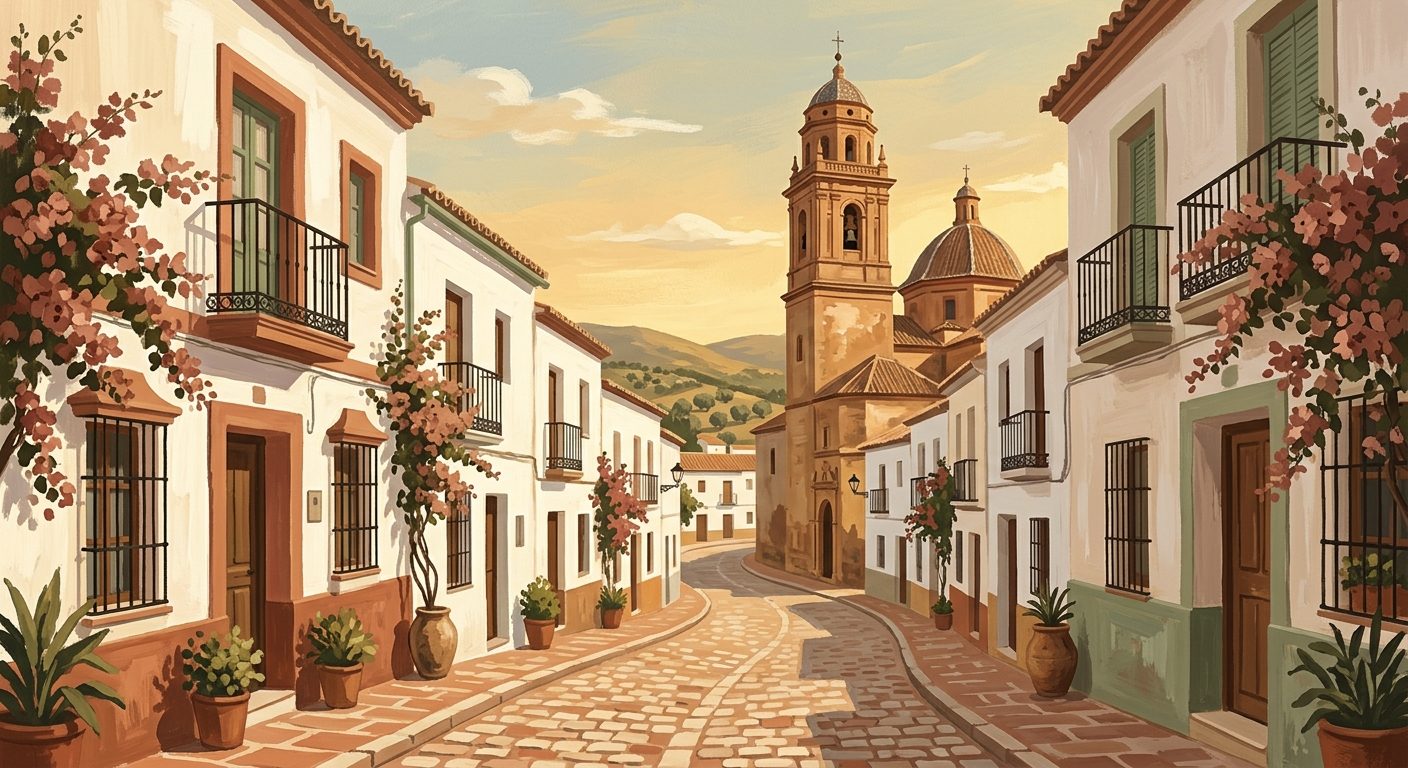
UNESCO Geoparks and Natural Wonders of Andalucía
Discover the geological heritage of Southern Spain through its UNESCO-designated geoparks and natural wonders. Explore the tectonic history and diverse ecosystems of Almería, Granada, and Cádiz.
6 min read
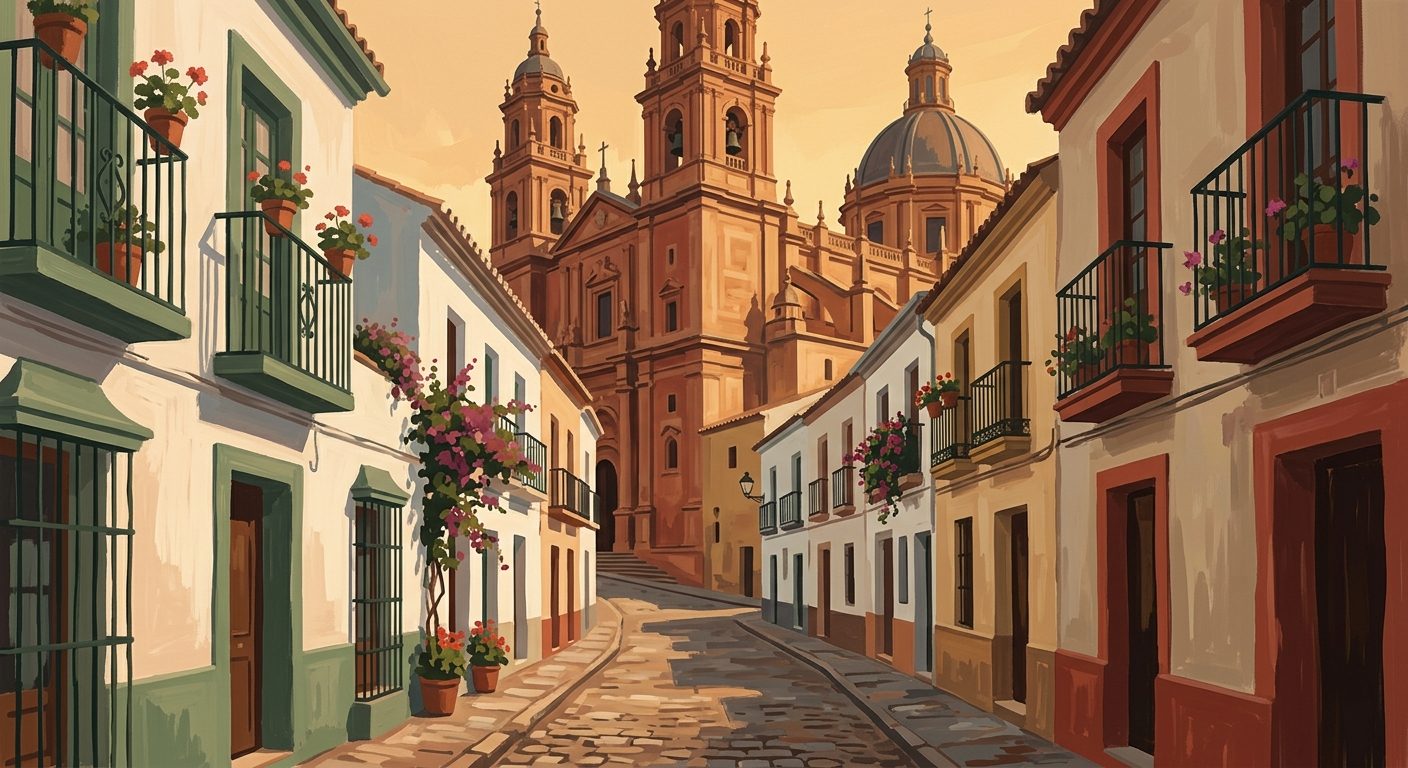
Cathedrals and Great Churches of Andalucía
A guide to the monumental religious architecture of Southern Spain, from the vast Gothic nave of Sevilla to the Renaissance masterworks of Jaén and Granada.
6 min read
Newsletter
More stories from Andalucía
Weekly notes, seasonal picks, and the next guides worth bookmarking.