
Feature · Jaén
The Weight of the Green Gold: A Season of Siege in the Groves of Jaén
In the hills of Jaén, the air in November carries the scent of crushed leaves and the industrial thrum of sixty-six million trees being shaken into submission.
By Dan · Updated 16 July 2026 · 8 min read
Story context
This is a reportage-style feature about the pressure and rhythm of the Jaén olive harvest. The named farm and mill scenes are narrative framing for a wider provincial reality: early harvest timing, cooperative logistics, labour pressure, drought risk and the economic weight of Picual oil.
Use the linked Jaén and olive-oil guides for practical travel planning. Use the official tourism, Diputación and PDO links for current producer routes, institutional context and quality-label references before visiting mills or making claims about harvest timing.
In the hills of Jaén, the air in November carries the scent of crushed grass and the metallic thrum of sixty-six million trees being shaken into submission. This is not a handsome tradition; it is an industrial siege where every minute counts against the turning of the weather.
Manuel doesn’t look at the sky with the romanticism of a poet. He looks at it with the suspicion of a man who owes the bank forty thousand euros. It is six-thirty in the morning on the outskirts of Úbeda, and the frost is still a thin, brittle skin over the red clay soil. Manuel stands by his white Citroën van, blowing into his cupped hands, waiting for the rest of his crew to arrive. Around him, the horizon is invisible, swallowed by an endless grid of silver-green leaves that stretch in every direction until they collide with the blue-grey mass of the Sierra Mágina.
By seven, the silence of the countryside is murdered. The first vibradora, a petrol-powered claw attached to a harness, coughs into life with a violent, bone-rattling roar. Manuel’s nephew, Javi, straps the machine to his chest. He approaches a Picual tree, its branches heavy with fruit that has just begun to turn from bright apple-green to a bruised purple. He hooks the claw to a secondary branch and pulls the trigger. The tree doesn’t just shake; it convulses. Within seconds, a hailstorm of olives clatters against the fluorescent green nets spread across the ground. It is a frantic, percussive sound, like heavy rain on a tin roof.
This is the rhythm of Jaén in November. For three weeks, the province, the world’s largest producer of olive oil, suspends its normal life. Schools have fewer pupils, the local bars open at four in the morning, and the air is thick with the smell of diesel and vegetable water. There is no room for sentimentality here. In Jaén, the olive is not a garnish; it is the single, crushing gravity around which all life orbits.
The Sea of Olives
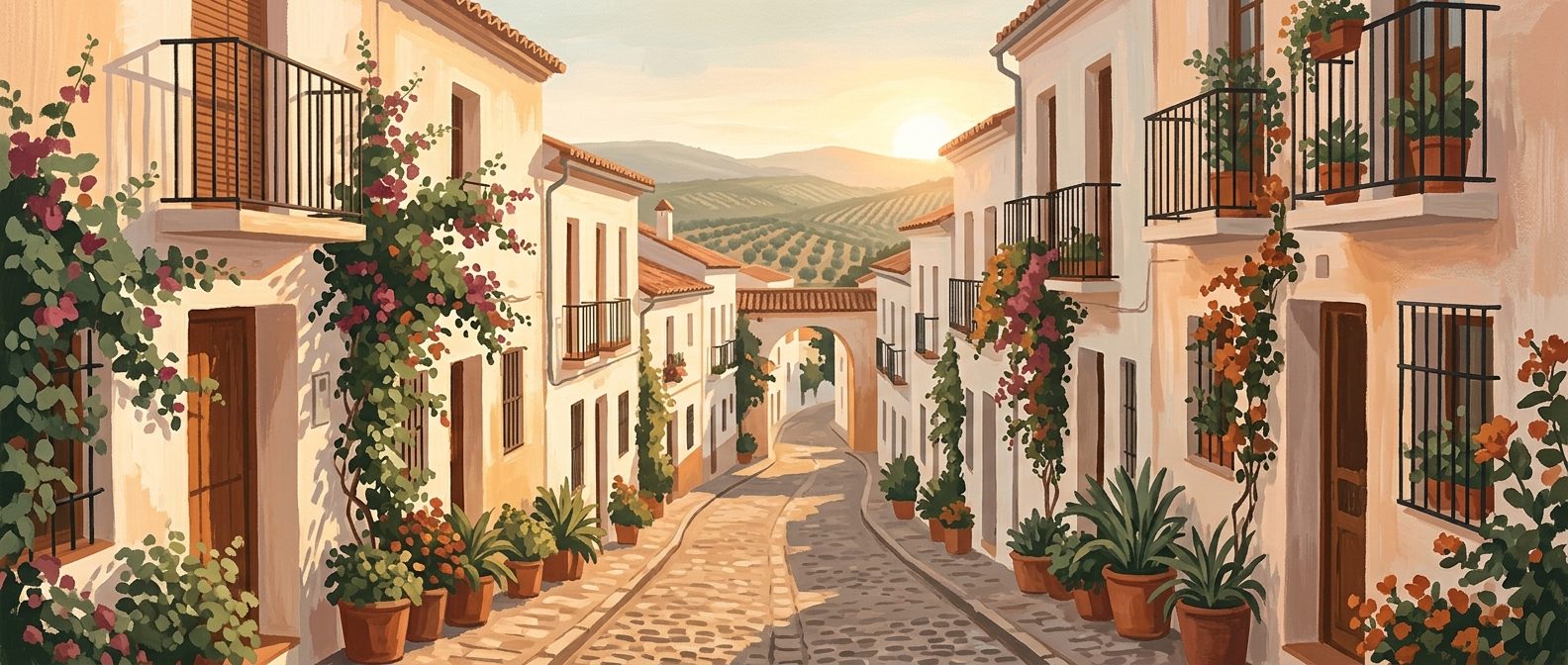
To understand Jaén, you must understand the scale of its monoculture. It is often called the 'Sea of Olives,' a phrase that feels like an understatement when you stand on the ramparts of a castle in Baena or Segura de la Sierra. The trees do not stop at the horizon. They climb the steepest slopes and carpet the deepest valleys. This landscape is a construct of centuries, a biological factory designed by the Romans, refined by the Moors, and industrialised by the modern Spaniard. There are more trees here than in many small countries, and in a good year, this single province produces more oil than the entirety of Italy.
History here is measured in harvests. The older men in the village squares still talk about the años de hambre, the years of hunger, when the harvest failed and the province starved. Today, the stakes are different but no less precarious. The economics of the olive have shifted. It is no longer enough to simply produce oil; you must produce 'Liquid Gold.' The focus has moved from quantity to the cosecha temprana, the early harvest. In the past, farmers waited until January when the olives were black and fatty, yielding more oil per kilo. Now, the prestige and the profit lie in the green fruit of early November, which produces less oil but possesses a pungent, peppery intensity that wins awards in New York and Tokyo.
But the early harvest is a race. The window for peak flavour is narrow: a matter of days. If the rain comes, the machines cannot enter the groves. If the temperature spikes, the fruit ferments on the tree. Manuel watches the thermometer on his dashboard as if it were a ticking bomb. "Every hour the olive stays in the sun after it’s picked," he says, tossing a handful of fruit into a crate, "is an hour the quality dies. We pick in the morning, we mill in the afternoon. Anything else is just grease for frying.”
The Geometry of the Mill
By four in the afternoon, the focus shifts from the groves to the almazaras, the mills. Outside the cooperative in Villacarrillo, a queue of tractors stretches nearly a mile down the road. The drivers sit in their cabs, smoking or scrolling through their phones, while the trailers behind them overflow with tonnes of fruit. The air here is different; it is heavy, humid, and smells of almonds and wet earth.
Inside, the process is a marvel of stainless steel and centrifugal force. The olives are washed, leafed, and crushed into a thick, violet-green paste. This paste is then spun at high speeds to separate the water, the solids, and the oil. There is no heat used; 'cold pressed' is the industry standard for anything carrying the Extra Virgin label. The oil that emerges from the final spout is a startling, neon green. It looks less like a food product and more like something that should be powering a futuristic engine.
The manager of the mill, a woman named Elena with a degree in agronomy and a clipboard that never leaves her hand, tastes the oil from the morning’s first batch. She doesn't use bread. She pours a small amount into a blue glass, warms it in her palm, and sips with a loud, aerating slurp. "Picual is aggressive," she explains, her throat catching slightly on the peppery finish. "It should taste like tomato stalks and green wood. It should make you cough. If it doesn't make you cough, it’s not Picual.”
The mill operates twenty-four hours a day during the peak of November. The workers move with a weary, mechanical precision, their clothes permanently stained with the dark juices of the fruit. In the office, the talk is of prices in Madrid and the volume of exports to China. The romance of the harvest is for the tourists; for Elena and the farmers, this is a logistics operation that determines whether the local economy will breathe or suffocate for the next twelve months.
The Human Cost of the Harvest
Beneath the industrial efficiency and the award-winning oils, there is a mounting tension. The harvest in Jaén has always relied on an army of labour, but the faces of that army are changing. As the younger generation of Spaniards moves to the cities, seeking work that doesn't involve twelve-hour days in the freezing mud, the vacuum is filled by migrant workers. In towns like Martos and Alcalá la Real, the squares are filled with men from Senegal, Mali, and Morocco, waiting for a day’s wages.
The work is brutal. Despite the mechanisation (the vibrating claws and the tractor-mounted 'umbrellas' that catch the fruit), there is still a need for 'the sticks.' Men walk behind the machines, manually beating the outer branches to dislodge the stubborn fruit that the vibrators missed. By midday, your shoulders burn. By the end of the week, your hands have forgotten how to close properly. The pay is strictly regulated by the convenio, the provincial labour agreement, but the cost of living in the villages during the harvest spikes, and many workers sleep in makeshift accommodation or crowded hostels.
There is also the ghost of the climate. Recent years, particularly the period leading into 2026, have seen some of the driest conditions in recorded history for the Guadalquivir basin. During the peak of the recent drought, some reservoirs dropped to as low as ten percent capacity. "The tree is smart," Manuel says, pointing to a shrivelled branch. "If it doesn't have water, it drops the fruit to save itself. It doesn't care about my mortgage. It just wants to survive until the next rain.”
This struggle between the global demand for a luxury product and the harsh reality of a drying landscape creates a sense of frantic urgency. The province is caught in a cycle of modernisation (more efficient machines, better genetics, and more precise milling) to compensate for a climate that is becoming increasingly hostile. The 'Green Gold' is harder to find, and harder to keep.
The First Pour
As the sun begins to dip behind the mountains, casting long, bruised shadows across the groves, the noise finally begins to subside. The tractors make their final runs, and the crews head back to the villages. In a small bar in the centre of Úbeda, Manuel sits at a zinc counter. He is covered in a fine dust of red clay and olive residue. His hands are stained a deep, indelible black from the tannins in the leaves.
The barman places a plate of toasted bread in front of him and a small, unlabelled bottle of oil. This is the aceite nuevo, the first press of the season, bottled only hours ago at the cooperative. Manuel pours a generous pool of the liquid onto the bread. It is so green it looks artificial, a vivid contrast against the white crumb of the loaf. He takes a bite, chews slowly, and for a moment, the tension in his face relaxes. The bitterness hits first, followed by a burst of fresh herbs, and then the characteristic burn at the back of the throat.
He nods to the barman, a silent acknowledgement of a job begun, if not yet finished. Outside, the temperature is dropping toward zero, and the millions of trees are still, waiting for the dawn and the return of the machines. The harvest is a siege, a physical trial, and a financial gamble. But in this one quiet moment, before the bone-deep fatigue sets in, the oil justifies everything. It is the taste of the land itself, extracted with violence and smoothed into something approaching perfection.
Last reviewed: 21 June 2026 · Editorial policy
Related guides
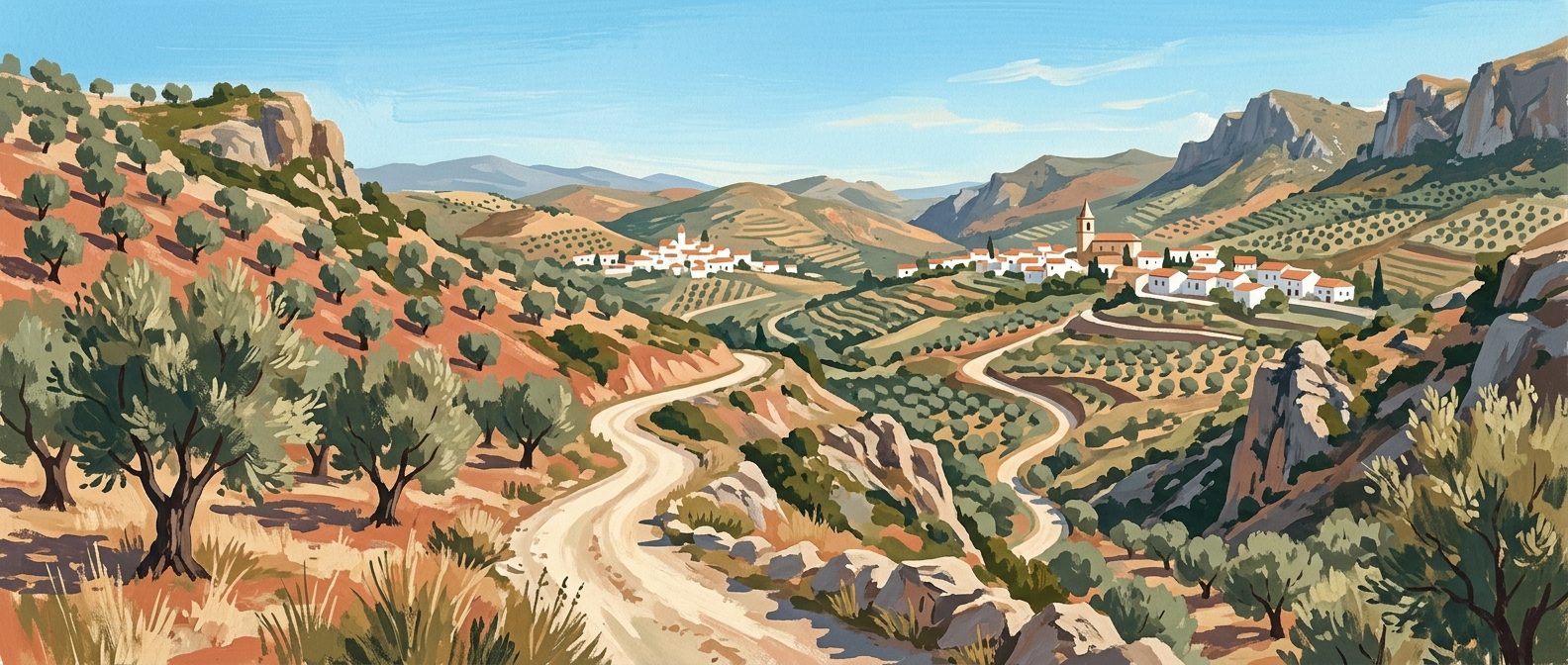
The Ultimate Andalucían Olive Oil Route: Jaén and the Subbética
Driving through Jaén means navigating a landscape defined by sixty-six million olive trees marching in perfect geometric lines to the horizon. This route decodes the complex, fiercely competitive world of Andalucían liquid gold, from traditional family presses to high-altitude mountain harvests.
8 min read
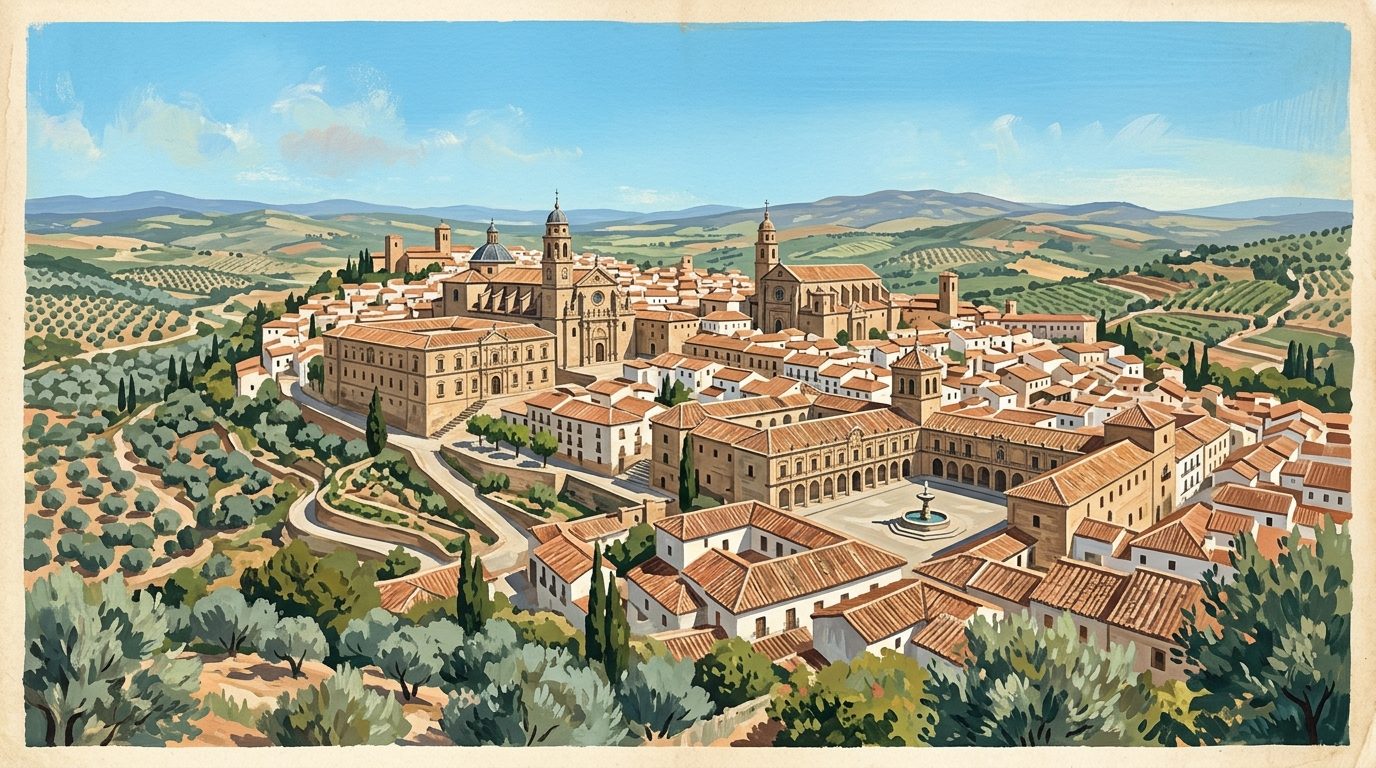
Exploring Baeza: The Golden Heart of the Spanish Renaissance
Standing among the quiet plazas of Baeza, you feel the weight of the Spanish Renaissance in every golden stone. This compact town, overlooking the vast olive orchards of Jaén, offers a preserved glimpse into sixteenth-century power and piety.
6 min read
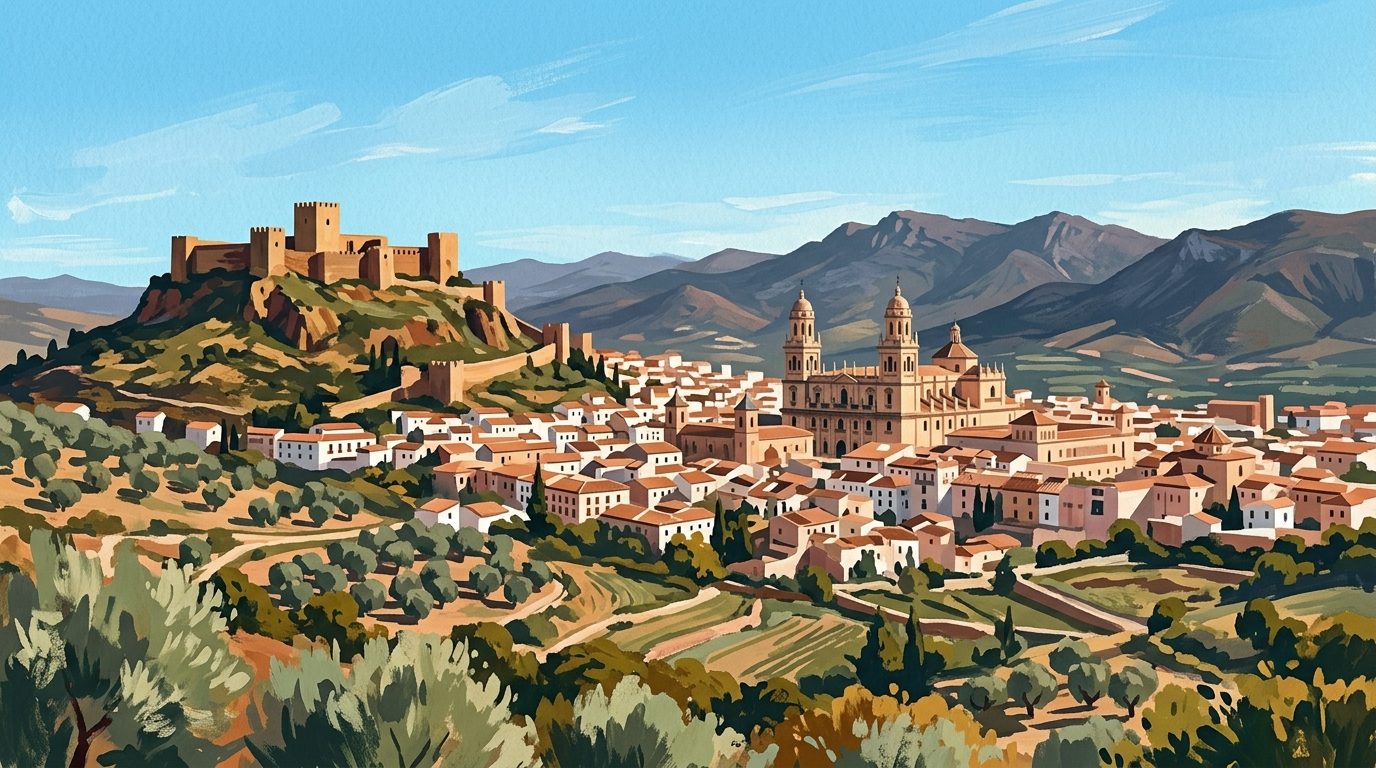
Beyond the Olive Groves: A Guide to the Renaissance Soul of Jaén City
Often bypassed for its flashier neighbours, Jaén City rewards those who stop with some of the finest Renaissance architecture in Spain and a culinary scene anchored by the world's best olive oil.
8 min read
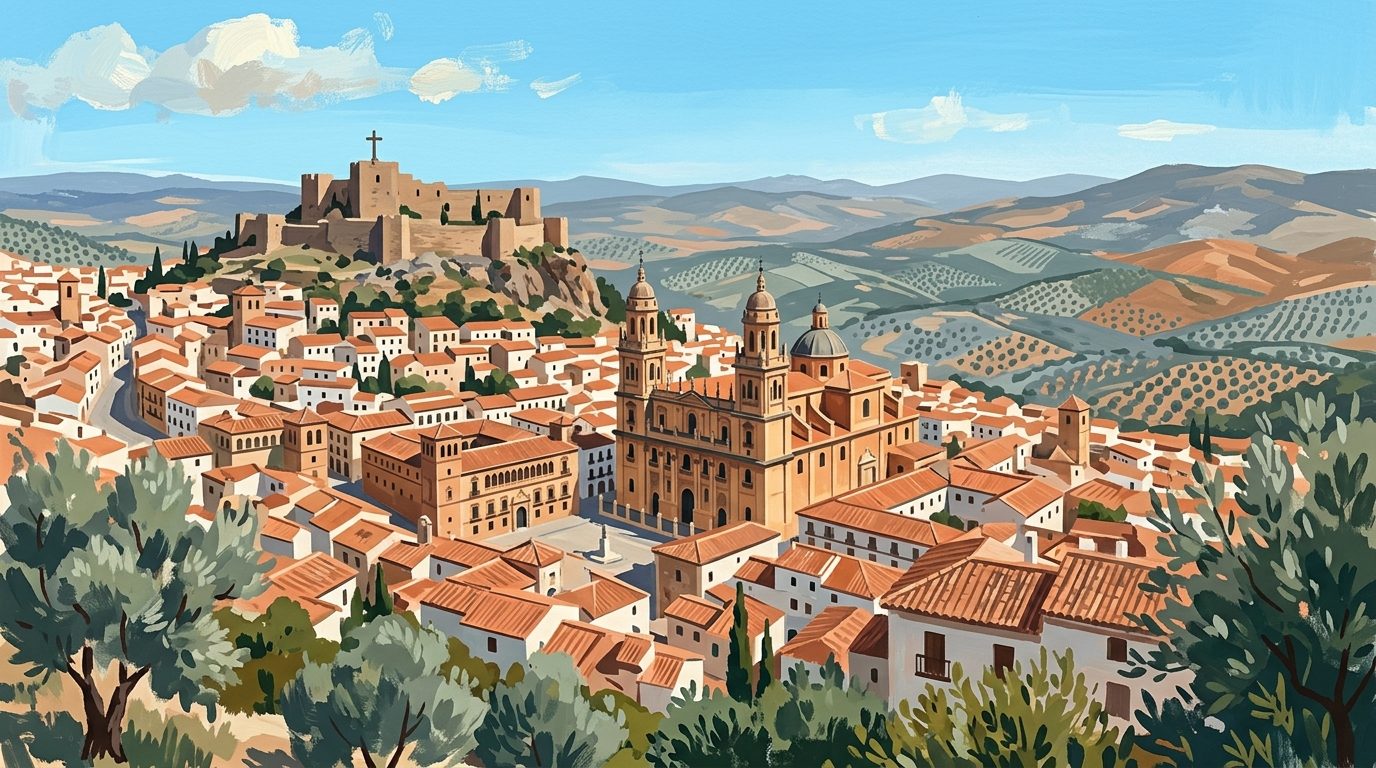
A Tale of Two Cities: The Golden Stone of Úbeda and Baeza
Beyond the endless olive groves of Jaén lie Úbeda and Baeza, two cities that define the Spanish Renaissance with their golden sandstone and quiet nobility.
7 min read
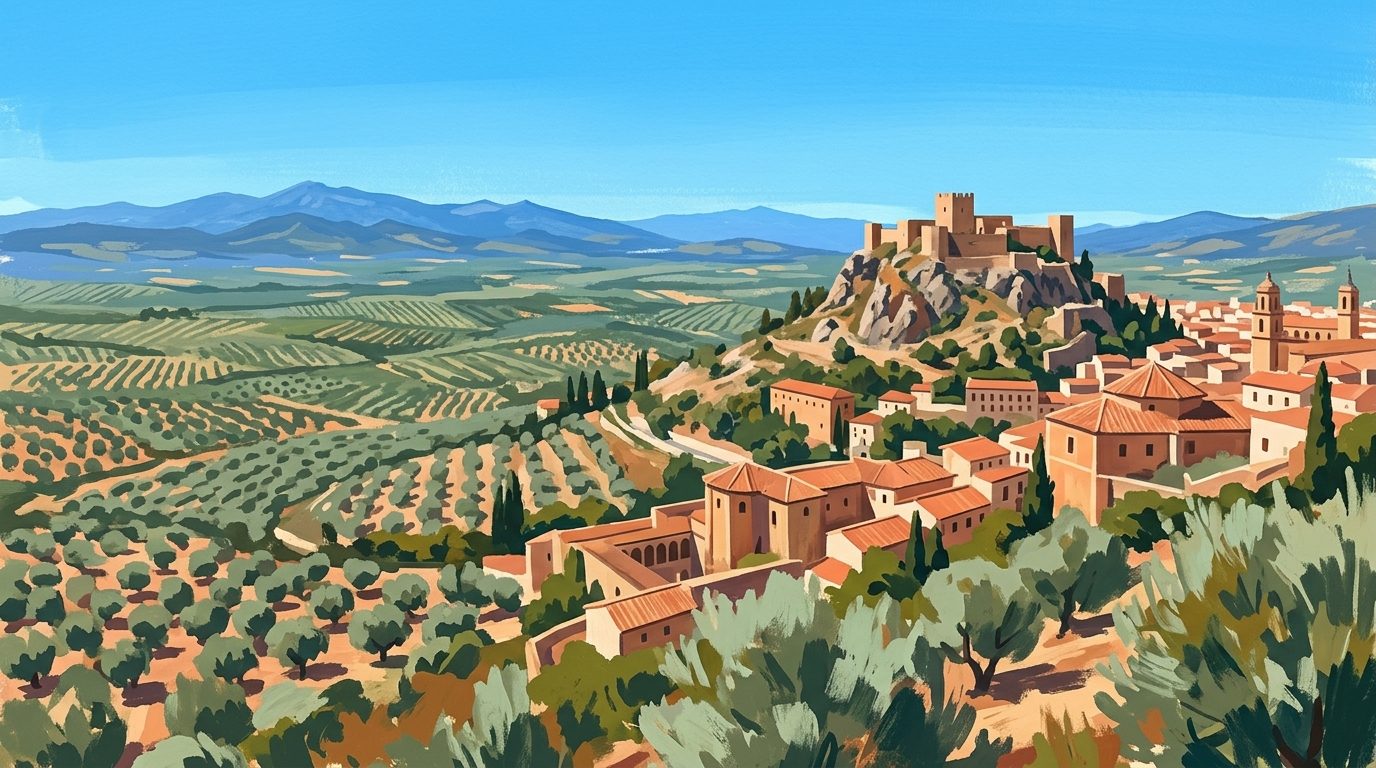
Beyond the Olive Groves: An Insider’s Guide to Jaén Province
Discover Andalucía's quiet frontier, where endless oceans of olive groves give way to masterfully carved Renaissance cities and some of the wildest mountain terrain in southern Spain.
9 min read
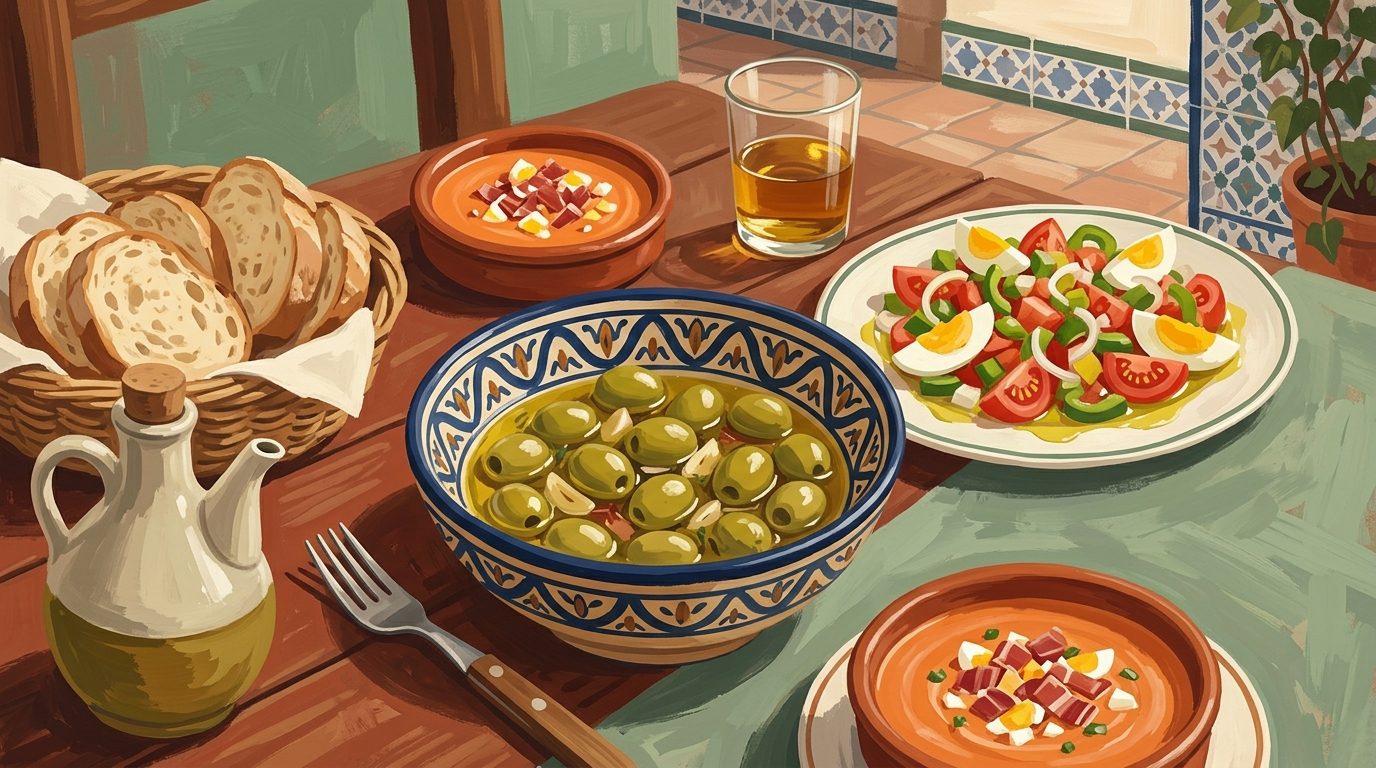
The Best Places to Eat in Jaén: A Guide to the World Capital of Olive Oil
Jaén remains one of the few places in Spain where the tradition of the free tapa is still treated with reverence. It is a city defined by its golden olive oil and a stubborn commitment to honest, seasonal cooking.
6 min read
More from Jaén
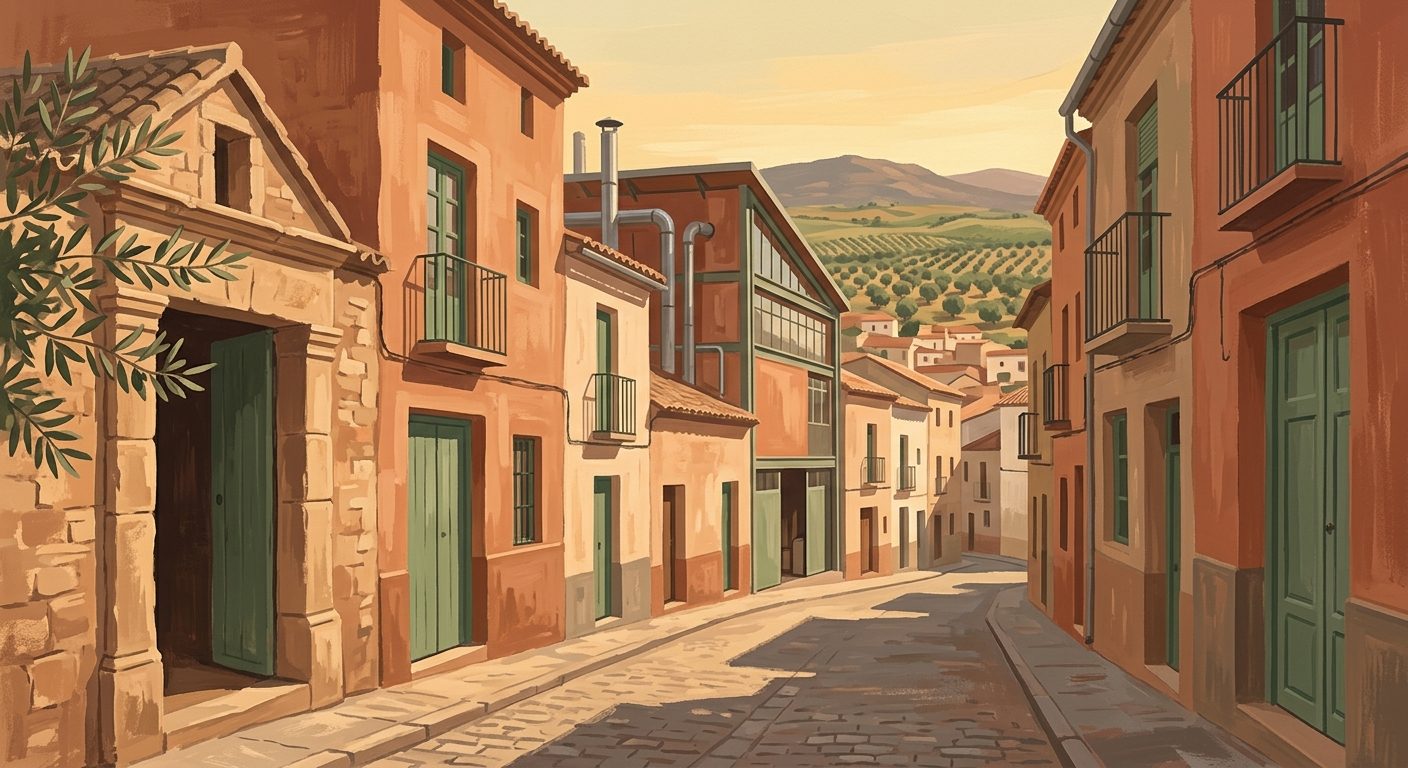
Olive Oil and Industrial Modernisation in Jaén
Discover how 19th-century steam power, hydraulic presses and the rise of agrarian cooperatives transformed the olive groves of Jaén into a modern industrial powerhouse.
7 min read
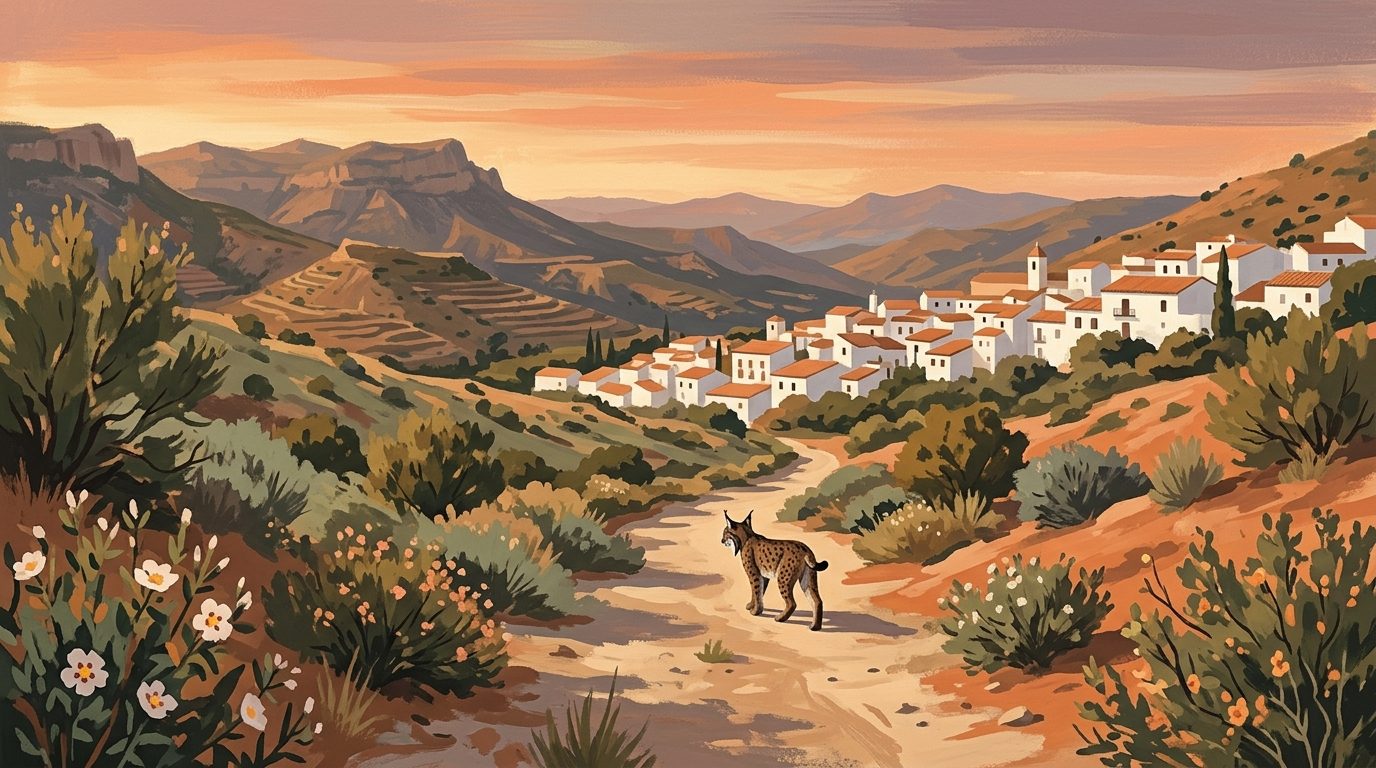
Ghost of the Rockrose: The Long Walk Back for the Iberian Lynx
A ghost in the rockrose, the Iberian lynx has returned from a historical precipice to reclaim the granite slopes of Jaén.
7 min read
Newsletter
More stories from Andalucía
Weekly notes, seasonal picks, and the next guides worth bookmarking.