
Feature · Granada
The Resistance of the Plate: Why Granada Refuses to Sell Its Soul
In a world of monetised moments and rising margins, Granada holds fast to a radical social contract: the gift of a plate with every glass.
By Dan · Updated 7 June 2026 · 7 min read
Story context
This is an essay about Granada’s free-tapa culture and affordability pressure, not a live cost-of-living index. Prices, rents, employment and student numbers change, so treat the scenes as cultural framing rather than current financial advice.
Use the Granada, money and tapas guides for planning. Use the university, city, INE and housing-data links when you need current figures behind claims about students, local services, population, rents or affordability.
In Granada, the laws of thermodynamics seem to pause at the threshold of a tavern: you order a glass of beer, and the universe provides a plate of hot food for nothing. This is not a promotional gimmick, but a social contract signed in grease and olive oil.
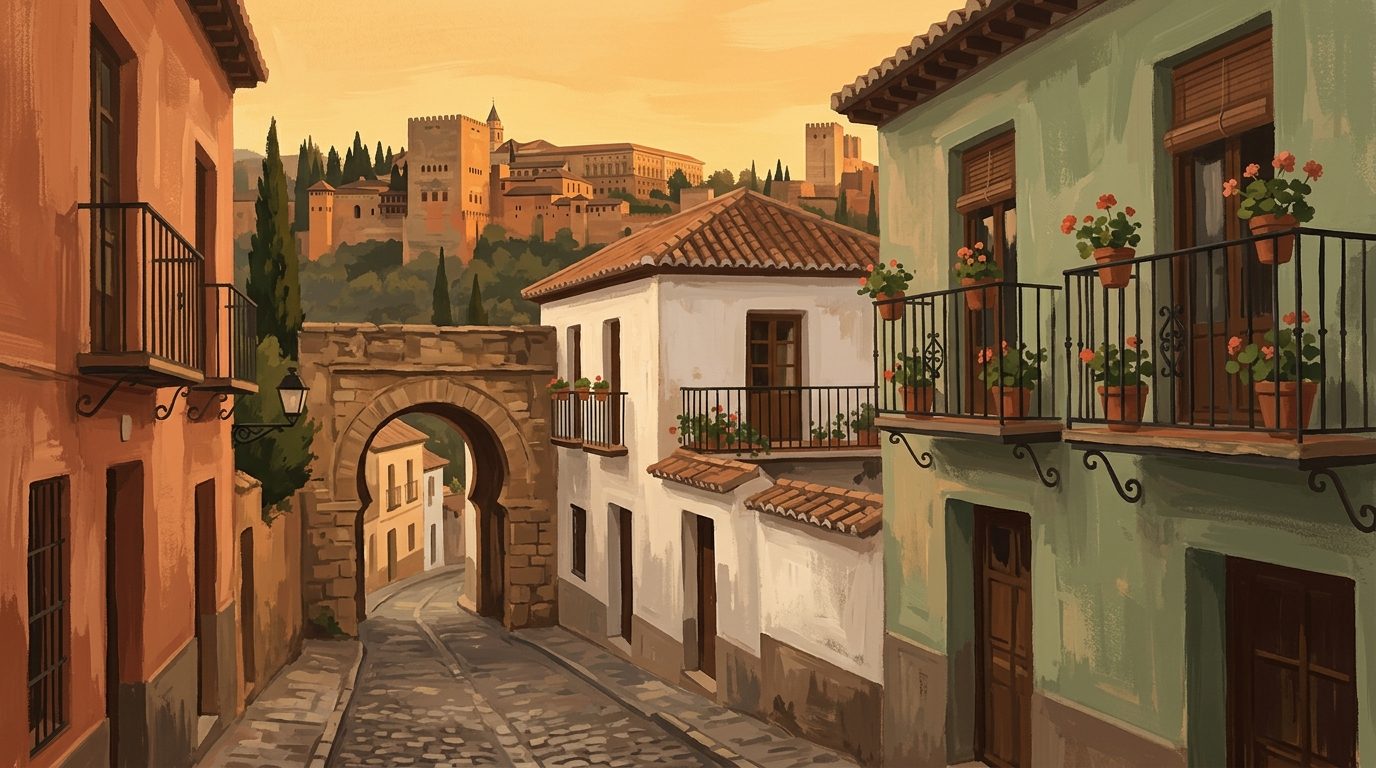
Paco does not look at the glass as he pours. He watches the door, his eyes tracking the evening rush with the clinical precision of an air traffic controller. The Alhambra sits high above us, a red-stone silhouette against the purple bruise of a Sierra Nevada sunset, but Paco’s world is exactly four square metres behind a zinc counter on Calle Elvira. He pulls a handle, settles the foam on a Alhambra Especial, and before the glass even touches the coaster, he slides a plate of carne con tomate across the bar. The pork is tender, swimming in a sauce that has been reducing since midday. The price? Usually between two euros fifty and three euros. The food? Free.
In almost any other European city, this transaction would be impossible. In London, that sum might buy you the smell of a sourdough crust; in Paris, perhaps a glass of tap water served with a sneer. Even in Sevilla or Málaga, the ‘free tapa’ is a dying breed, replaced by the more profitable ración or the upscale gastro-bar concept. But Granada remains an anomaly. It is a city that has tethered its identity to the radical idea that hospitality should not be itemised. To understand why this tradition persists is to understand the soul of a place that remains stubbornly, beautifully, almost aggressively affordable.
The Student Republic
The survival of the free tapa is not merely an act of generosity; it is a mathematical necessity dictated by the demographics of the street. Granada is a city of roughly 230,000 people, and nearly 80,000 of them are students at the Universidad de Granada. This is one of the oldest and largest universities in Spain, and its influence is the gravity that keeps the city’s prices grounded. When a third of your population survives on parental stipends and Erasmus grants, you cannot price a beer at six euros without triggering a localised economic collapse.
Walking through the Realejo district, the old Jewish quarter, you see this demographic reality in the flesh. Groups of twenty-somethings huddle around barrels, dissecting the merits of Lorca or the failures of the Spanish healthcare system over plates of patatas a lo pobre. For these residents, the bar is not a luxury; it is the living room. Most students live in cramped, unheated flats where the winter chill from the mountains seeps through the single-pane glass. The tavern offers warmth, light, and a meal for the price of a drink. If the bars stopped giving away food, the city’s social fabric would fray within a week.
This creates a fierce competition. Every bar on Calle Navas or Plaza Nueva is locked in a cold war of portions. If Bar A serves a small slice of tortilla, Bar B must serve a mountain of fried aubergine with cane honey. The consumer is the victor in this escalation. It has created a culture where ‘going for a drink’ is synonymous with ‘having dinner,’ a shift that keeps the streets full and the economy moving, even when the national indicators suggest it shouldn't.
The Ghost of the Albaicín
Across the Darro river, the Albaicín climbs the hillside in a labyrinth of whitewashed stone and jasmine. This is the city’s oldest heart, a Moorish relic where the streets are too narrow for cars and the logic of the modern world feels distant. Here, the struggle to keep Granada ‘free’ takes on a different tone. It isn't just about the price of a beer; it’s about the right to exist in your own neighbourhood.
I meet Maria, who has lived in the Albaicín for sixty-four years, near the Plaza Larga. She points to a doorway where a keypad lock glows blue in the twilight. "That was a bakery," she says. "Then it was a flat for a family. Now it is a 'boutique experience' for people who stay two nights and never learn how to say hello to their neighbours." The pressure of tourism is the primary threat to Granada’s affordability. As landlords realise they can make more in a weekend from a tourist than in a month from a local student, the edges of the city begin to harden.
Yet, the Albaicín resists. There is a fierce localism here. You see it in the community gardens and the way the local associations fight to prevent the conversion of historic cármenes into hotels. The people here understand that once the locals are priced out, the culture that tourists come to see (the authentic, gritty, unpolished Granada) will evaporate. They are fighting to keep the neighbourhood more than just a backdrop for photographs. For Maria, the free tapa is a symbol of that resistance. "If you pay for the food, you are a customer," she tells me, sipping a small glass of white wine. "If the food is given, you are a guest. There is a difference.”
The Economics of the Gift
Economists have long studied the Granada model. How can a business survive by giving away its product? The answer lies in the margins of the liquid. A barrel of beer is relatively cheap; the labour and the ingredients for a mass-produced tapa are managed through volume and simplicity. By offering the food for free, the bar ensures that the patron stays for a second, third, or fourth drink. It is a high-volume, low-margin game that requires constant footfall.
But there is also a psychological element at play. In Granada, there is a concept known as malafollá. It is difficult to translate: a sort of dry, grumpy wit or a refusal to be overly subservient. It is the antithesis of the polished, corporate service found in larger cities. This malafollá acts as a shield against the 'Disneyfication' of the city. The waiters aren't there to flatter you; they are there to serve you. This lack of pretension keeps the overheads low. There are no fancy uniforms, no printed menus with artisanal descriptions. There is just the chalk on the board and the plate on the counter.
This culture creates a barrier to entry for luxury brands. A high-end cocktail bar charging fifteen euros for a drink struggles to survive in a city where the person next door is giving away fried calamari with every glass of vermouth. The tradition dictates the market, forcing even the newer establishments to play by the old rules. It is a rare instance where tradition has successfully dictated terms to modern capitalism.
The Cost of Staying Cheap
However, this resistance comes with a price. Granada has some of the highest unemployment rates in Spain. The reliance on the service industry and the university means the economy is fragile. When the pandemic hit and the bars closed, the city didn't just go quiet; it went hungry. The very thing that makes Granada affordable (its low wages and low costs) also makes it difficult for young Granadinos to build wealth or stay in the city after graduation.
There is a tension between the desire to preserve the city’s accessible soul and the need for economic modernisation. Many fear that Granada is becoming a museum or a dormitory. The rise of digital nomads, attracted by the very affordability I am praising, is a double-edged sword. They bring money, but they also bring the globalised prices that have hollowed out Lisbon and Barcelona. The question hanging over the Plaza Bib-Rambla is how long this equilibrium can last. Can a city remain a bargain in a world that is being sold off piece by piece?
The pressure is visible in the subtle shifts. Some bars have started offering a 'premium' tapa for a small surcharge. Others have shrunk the plates. The fight for Granada is happening in these tiny increments, across thousands of counters every single night.
As the night deepens, I find myself in a small cavern of a bar tucked behind the Cathedral. The air is thick with the scent of fried garlic and tobacco smoke drifting in from the street. An old man in a frayed suit plays a guitar in the corner, not for tips, but seemingly for himself. He stops to take a sip of his beer, and the barman, without a word, replaces his empty plate of olives with a small heap of jamón. No money changes hands. No words are spoken. It is a silent acknowledgement of belonging.
Granada remains free, or almost free, not because it lacks ambition, but because it values the collective over the individual. It understands that a city is not just a collection of assets to be leveraged, but a series of relationships to be maintained. As long as Paco and his peers continue to slide those plates across the zinc counters, the city’s heart will keep beating. It is a fragile, greasy, wonderful defiance.
I finish my drink and lay a few coins on the counter. Outside, the air is cold and smells of snow. The Alhambra remains perched on its rock, eternal and expensive, but down here in the shadows of the narrow streets, the best things still come as a gift, earned simply by showing up and asking for a glass.
Last reviewed: 21 June 2026 · Editorial policy
Related guides
Beyond the White Caves: The Unseen Struggle of Sacromonte
The whitewash on Curro’s fingers is thick as paste, a seasonal ritual of reclaiming a home from the damp appetite of the hillside.
7 min read
Semana Santa in Granada: A Complete Visitor Guide
Semana Santa in Granada swaps broad avenues for narrow Moorish streets and steep hillsides. Watching an illuminated wooden float emerge from the grounds of the Alhambra or ascend into the caves of Sacromonte offers a profound emotional experience that feels intimately tied to the landscape itself.
8 min read
The Weight of the Blood: How Flamenco Outlives the Stage in Jerez
In the back rooms and private social clubs of Jerez, flamenco isn't a show for tourists: it is a gritty, ancestral language passed down through bloodlines and the stubborn memory of the barrios.
7 min read
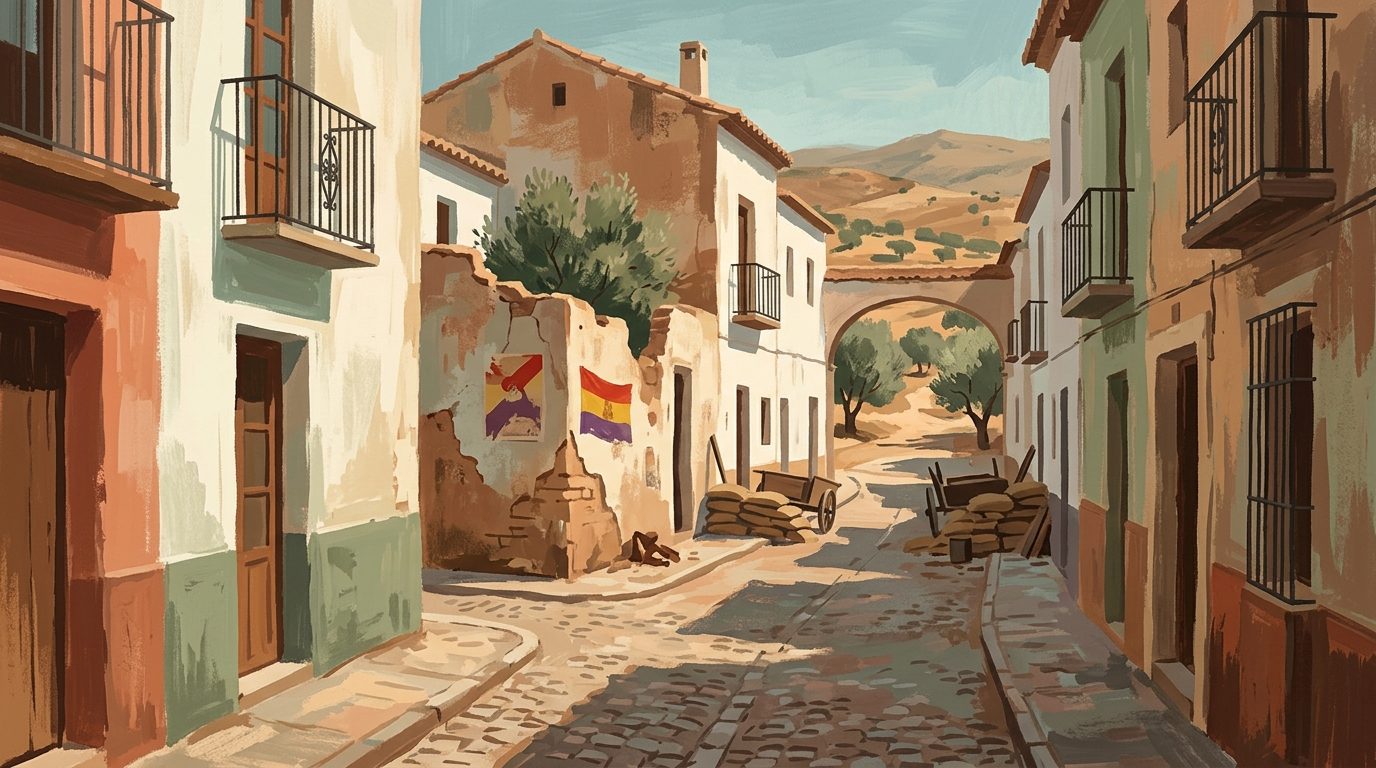
The Spanish Civil War in Andalucía
The Spanish Civil War fractured Andalucía into violently opposed zones of control, turning streets and olive groves into battlegrounds that altered the region forever. The physical remnants and deep emotional scars of those three years remain firmly inscribed upon the landscape and memory of the south.
7 min read
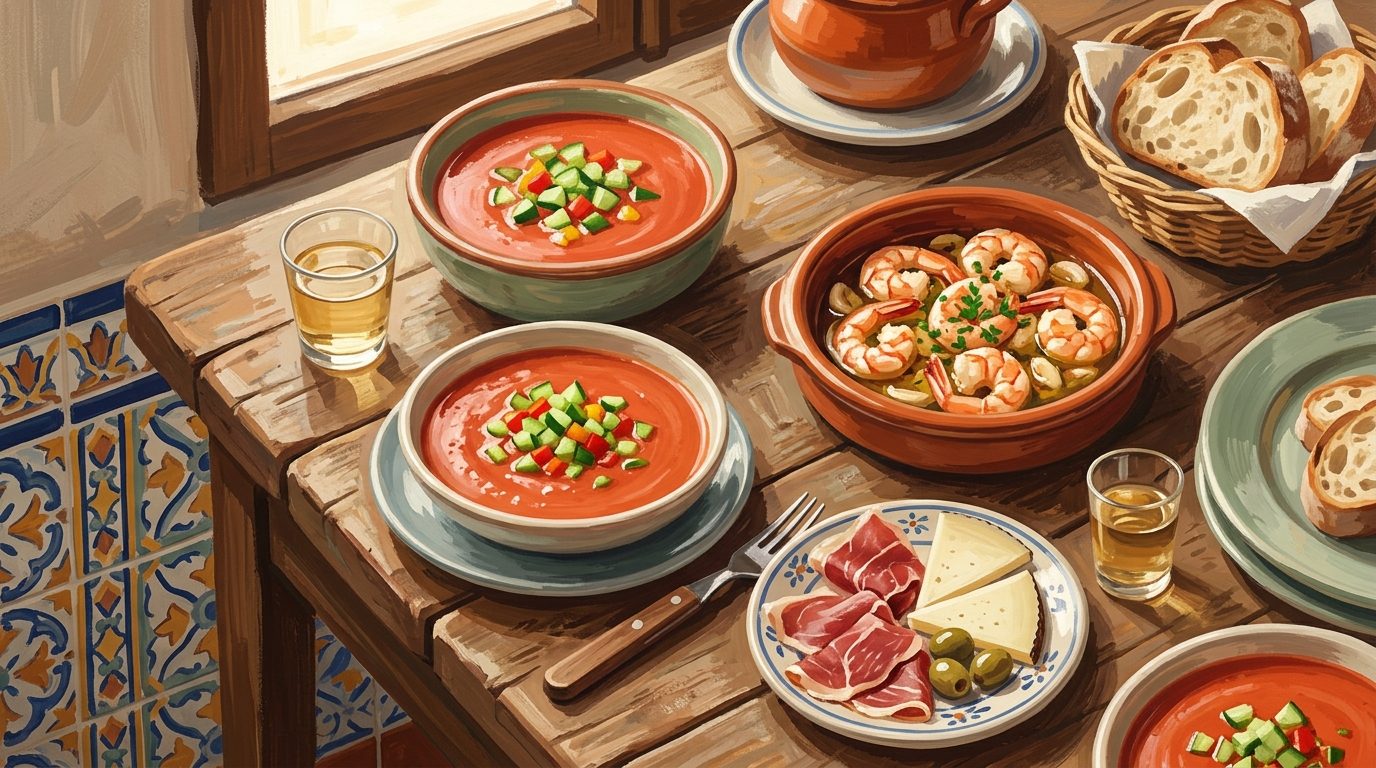
The Art of the Tapeo: A Local Guide to Tapas Culture in Andalucía
Discover the unwritten rules of the Andalucían tapeo, from the legendary free tapas of Granada to the historic tabernas of Sevilla.
6 min read
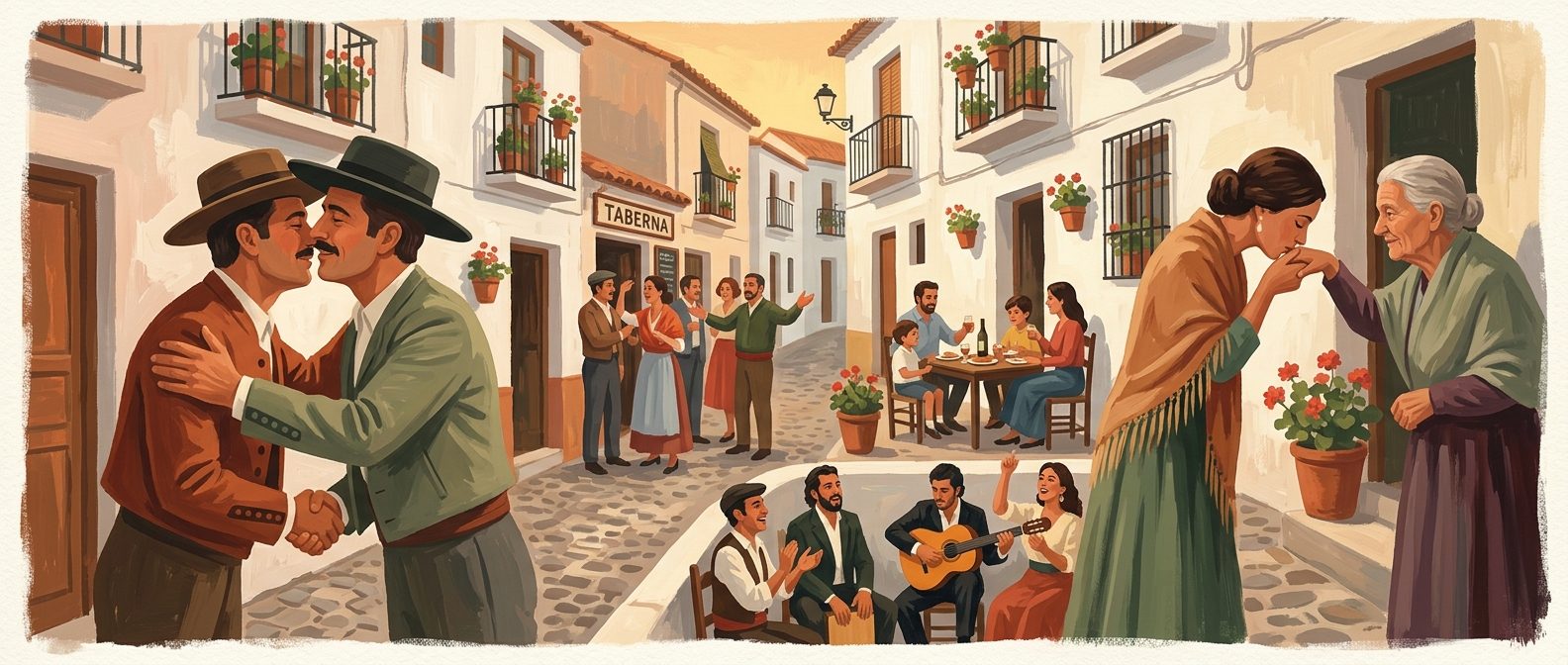
Etiquette and Social Customs in Andalucía
A practical guide to navigating social interactions, dining habits, and local traditions in Southern Spain to ensure a respectful and seamless visit.
9 min read
More from Granada
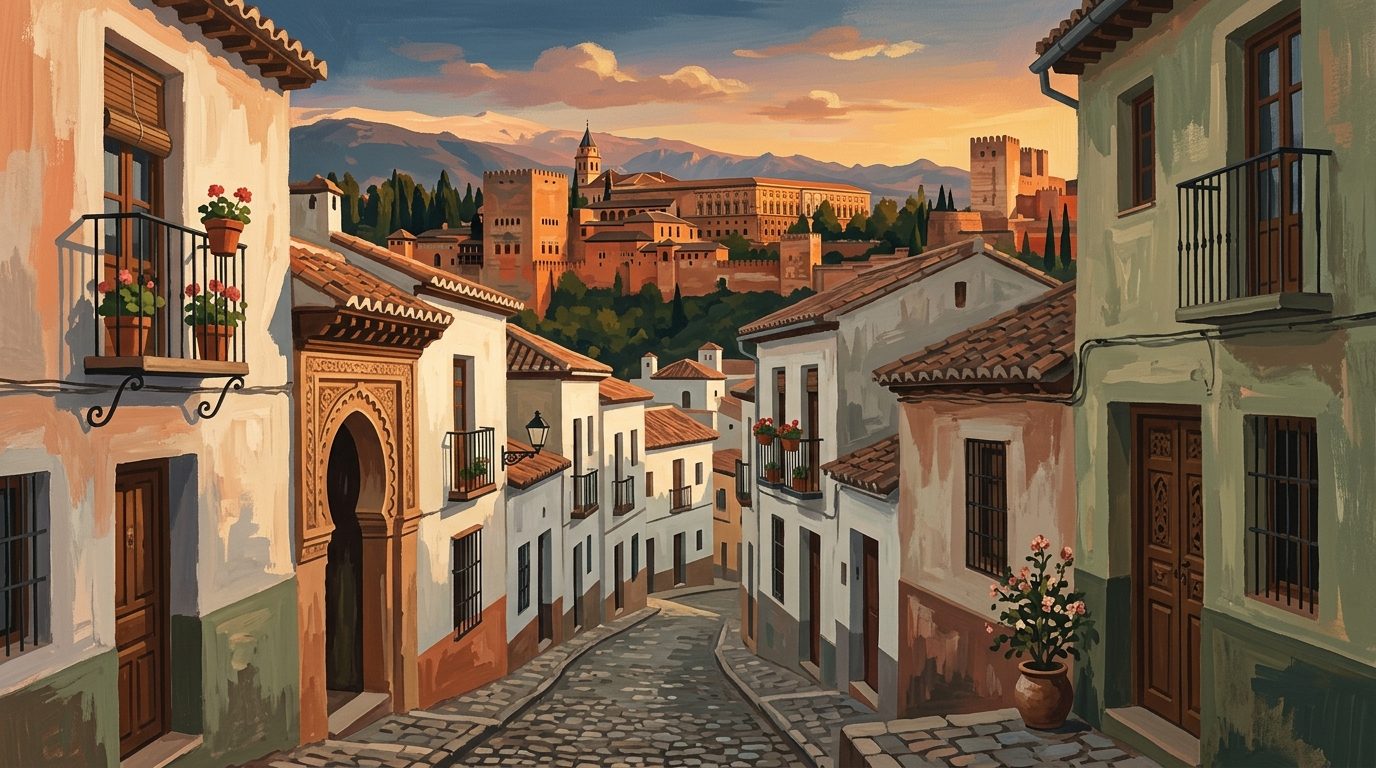
Nasrid Granada: The Last Islamic Kingdom of Iberia
Discover how the Nasrid dynasty forged a pragmatic mountain emirate that survived for over two centuries, creating the Alhambra and leaving a lasting architectural legacy.
8 min read
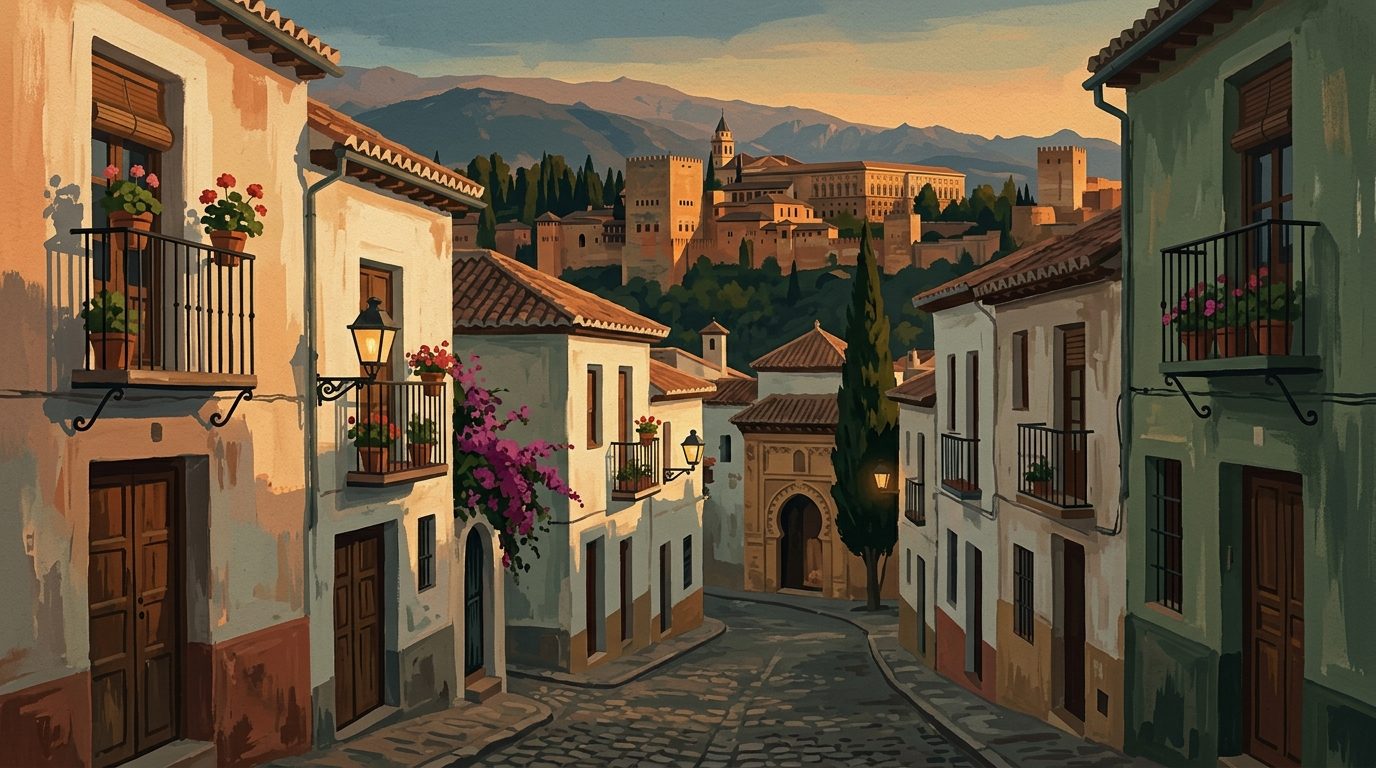
Lorca and the Repression in Granada
The assassination of Spain's most celebrated poet was just one part of a systematic campaign of terror. Today, the ravines of Víznar and Alfacar hold the stories of thousands whose voices were silenced.
7 min read
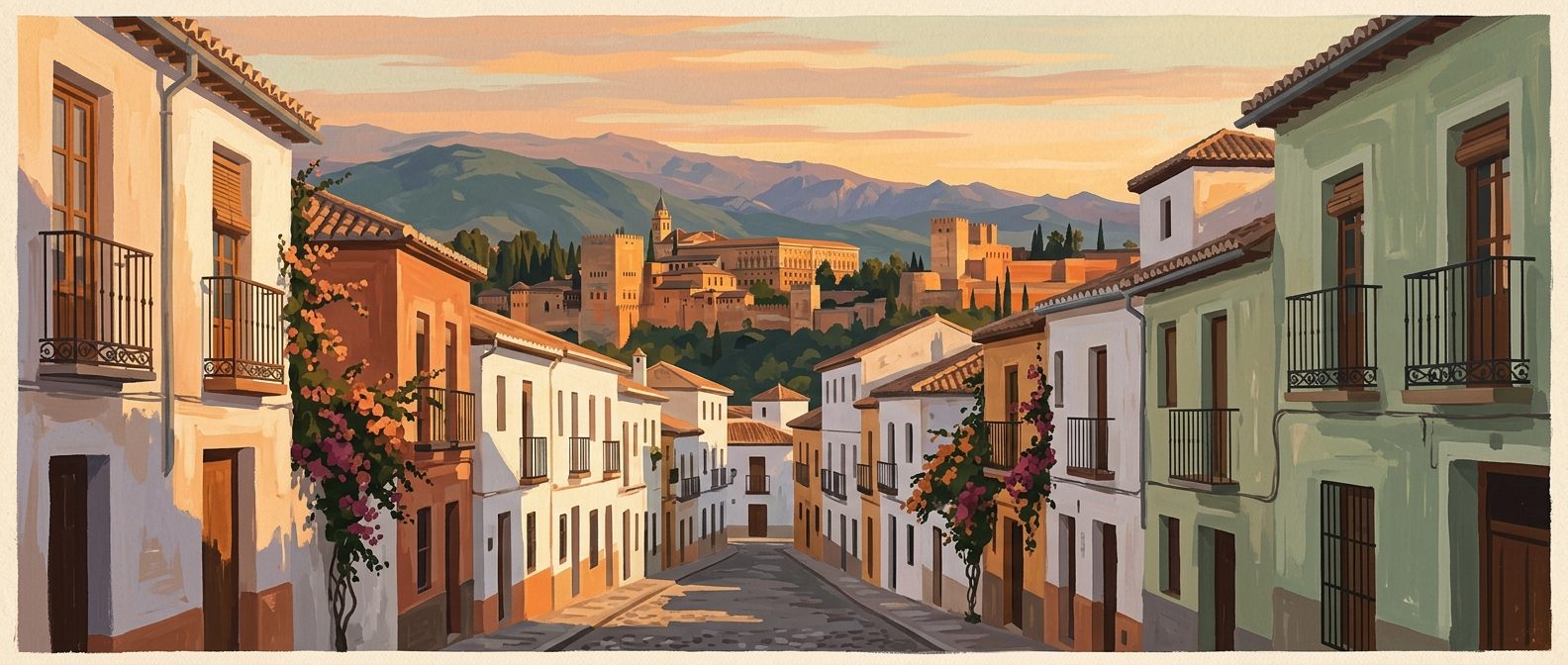
The Frontier of Granada: Life and War on the Edge of Al-Andalus
For over two centuries, the borderland separating the Christian Crown of Castile from the Nasrid Emirate of Granada was defined by watchful towers and sudden raids. Yet this military frontier was equally a zone of profound cultural exchange, where merchants, captives and diplomats negotiated daily survival in a divided land.
7 min read
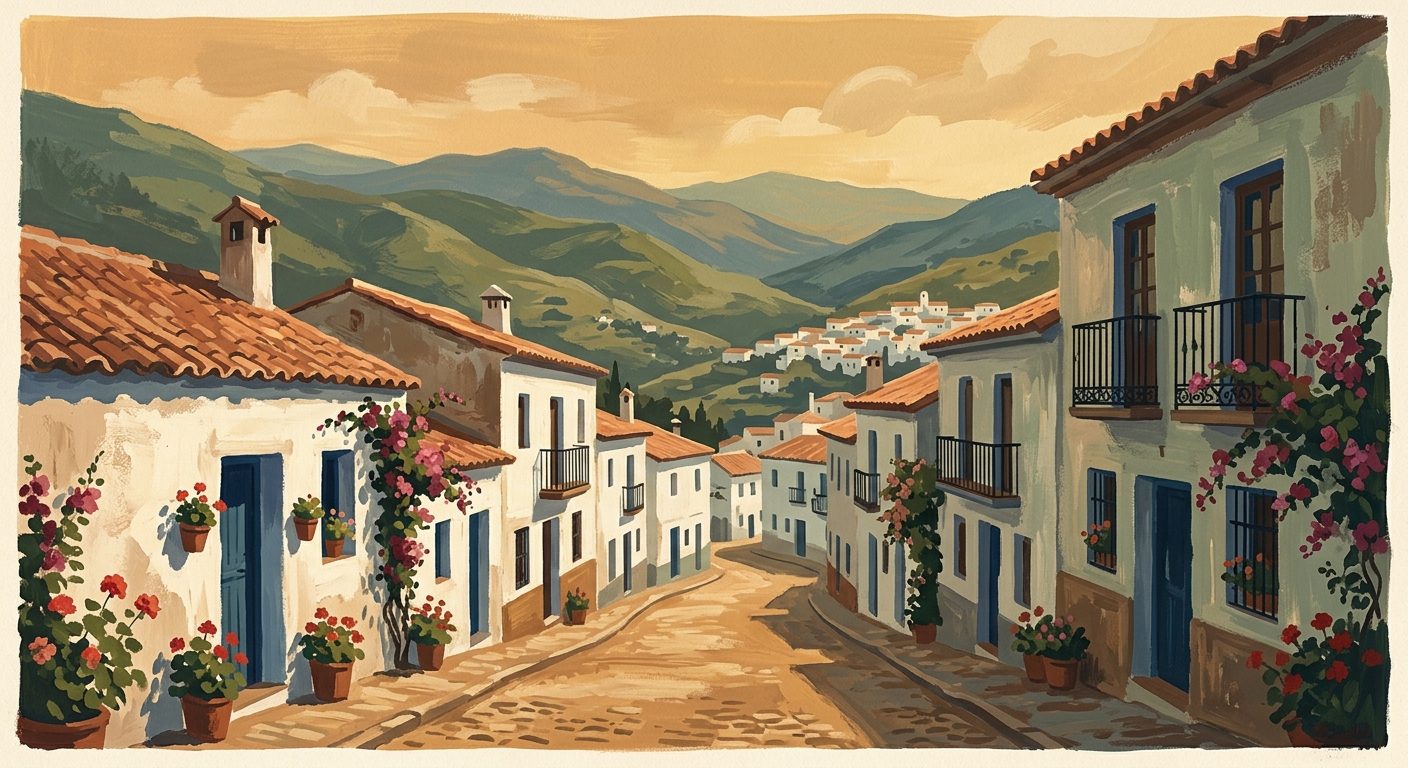
The Morisco Revolt of the Alpujarras
The Morisco Revolt of 1568 transformed the mountainous terrain of the Alpujarras into the theatre of a brutal war. Driven to rebellion by laws erasing their culture, the descendants of Granada's Muslim population fought a desperate campaign against the Spanish Crown.
8 min read
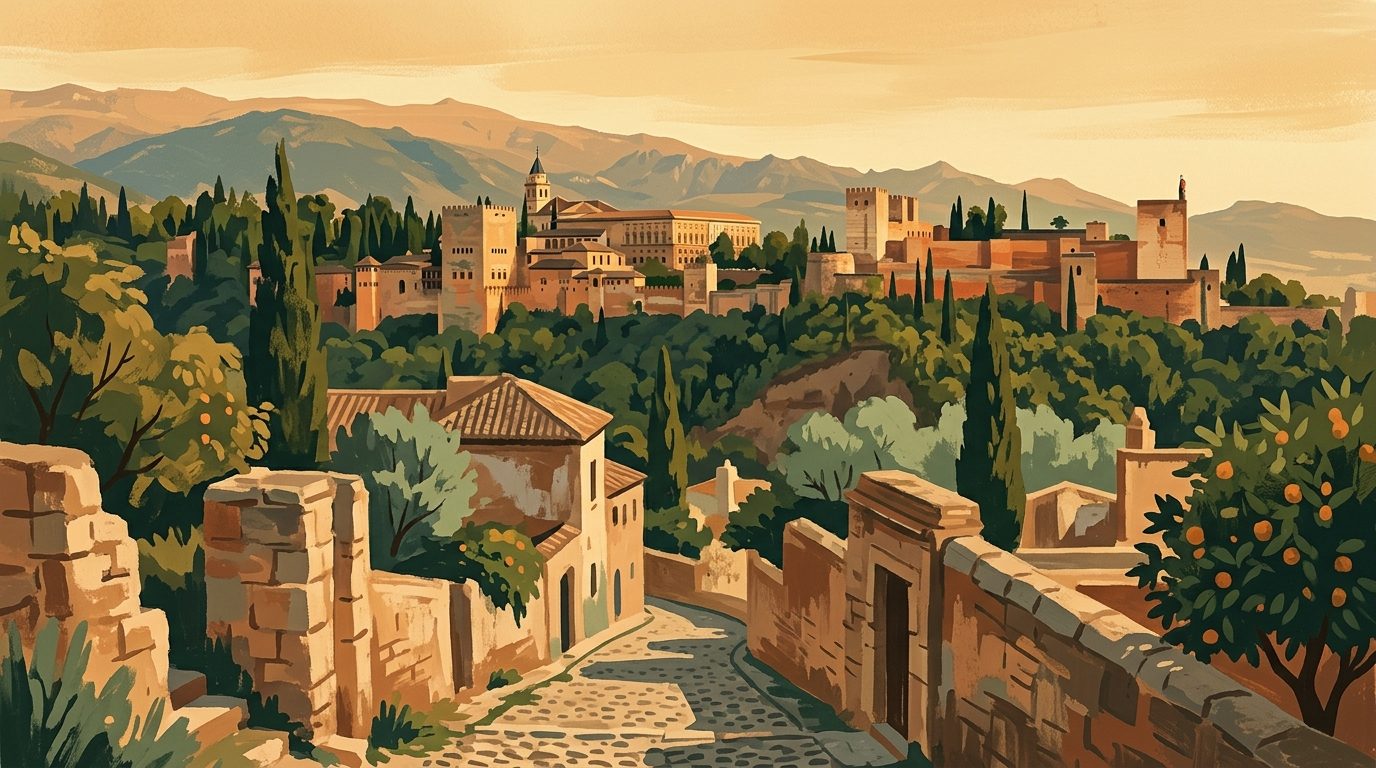
The Fall of Granada, 1492
On the second of January 1492, the keys to the Alhambra were handed over to Ferdinand and Isabella, bringing a close to almost eight centuries of Muslim rule in the Iberian Peninsula. The capitulation of Granada reshaped the political and religious landscape of Europe forever, ending a long war of attrition.
8 min read
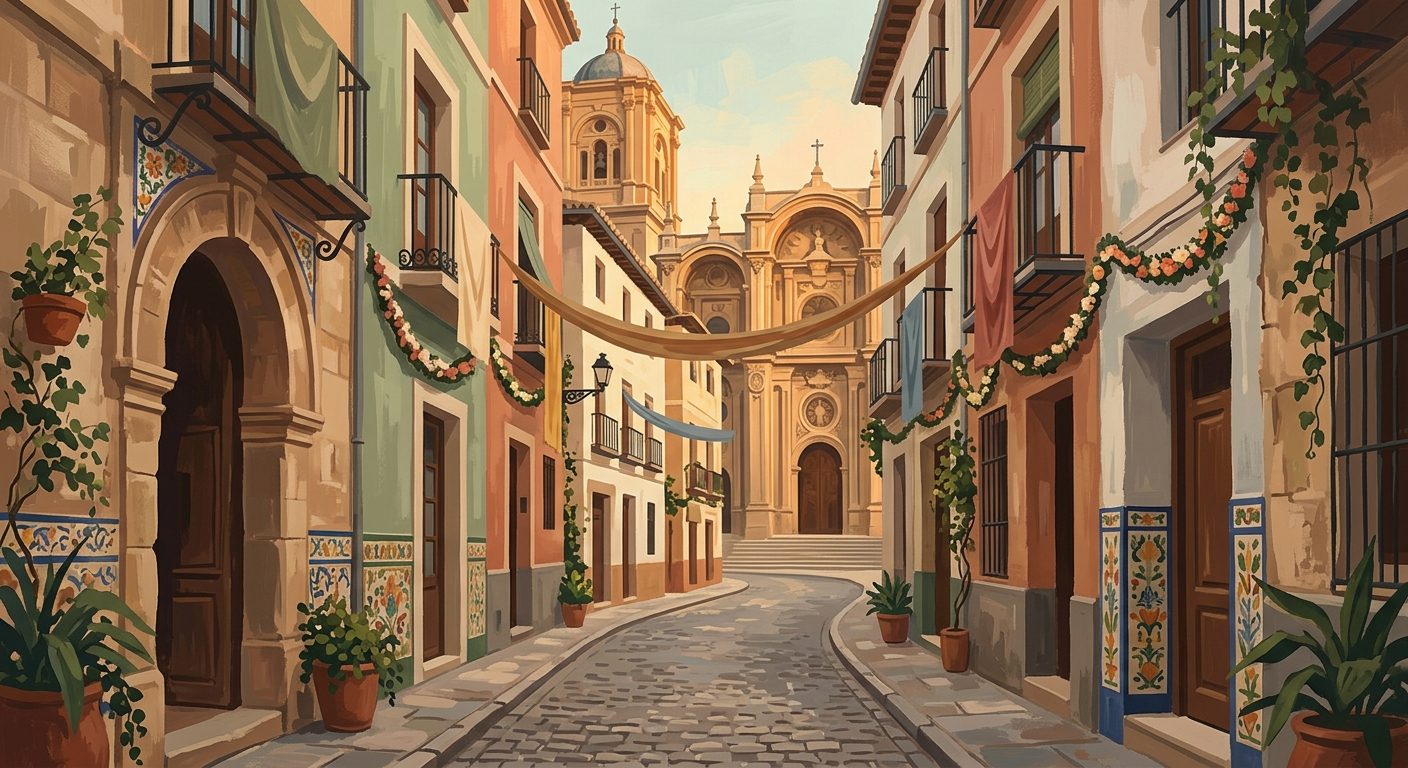
Corpus Christi in Granada: The Definitive Guide
In Granada, Corpus Christi is far more than a solemn religious observance. It is the city's largest annual festival, combining the scent of fresh rosemary crushed underfoot during the sacred Thursday procession with the unapologetic joy of the week-long public feria in Almanjáyar.
10 min read
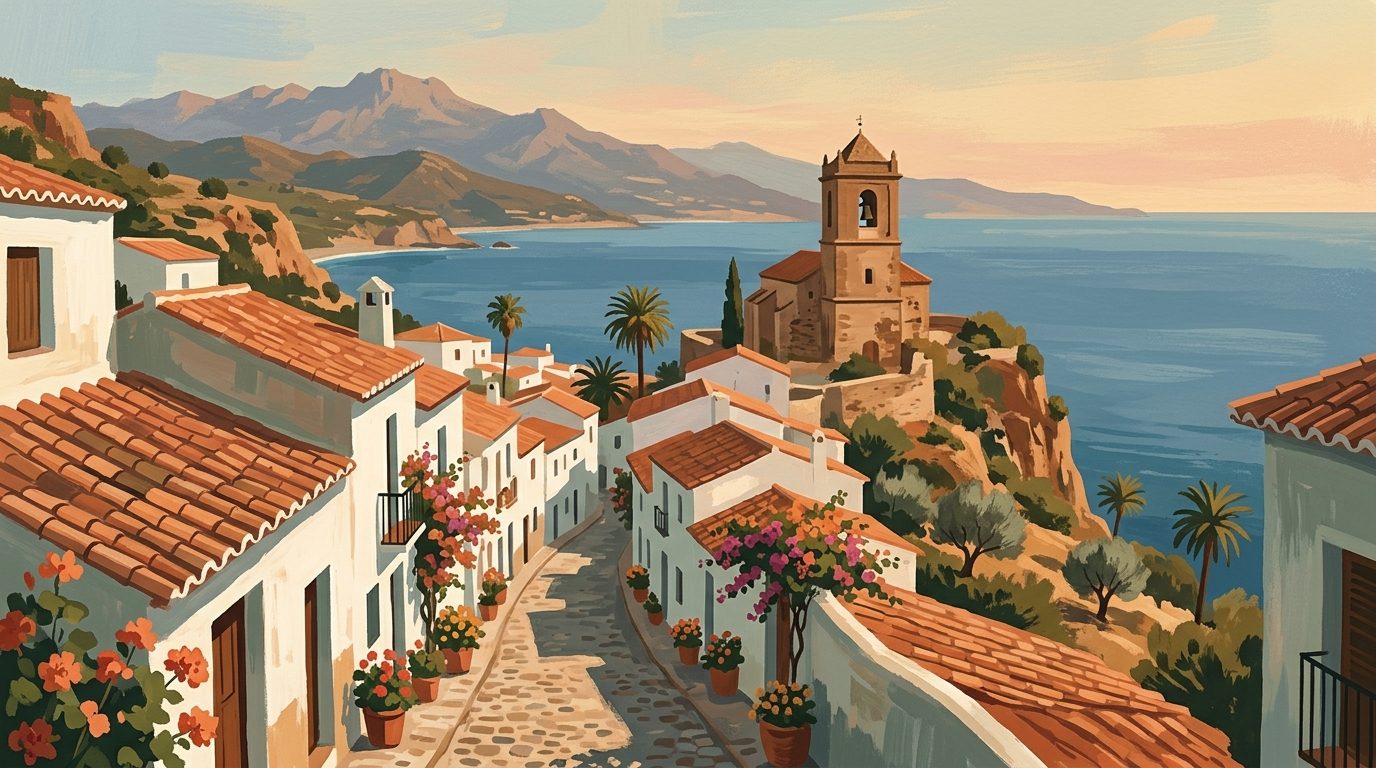
Costa Tropical: The Complete Guide to Granada's Subtropical Coast
Wedged between the foothills of the Sierra Nevada and the Mediterranean Sea, the Costa Tropical is defined by dramatic cliffs, sheltered pebble coves and a unique subtropical microclimate. It offers a quieter, more agricultural alternative to its heavily developed neighbours.
9 min read
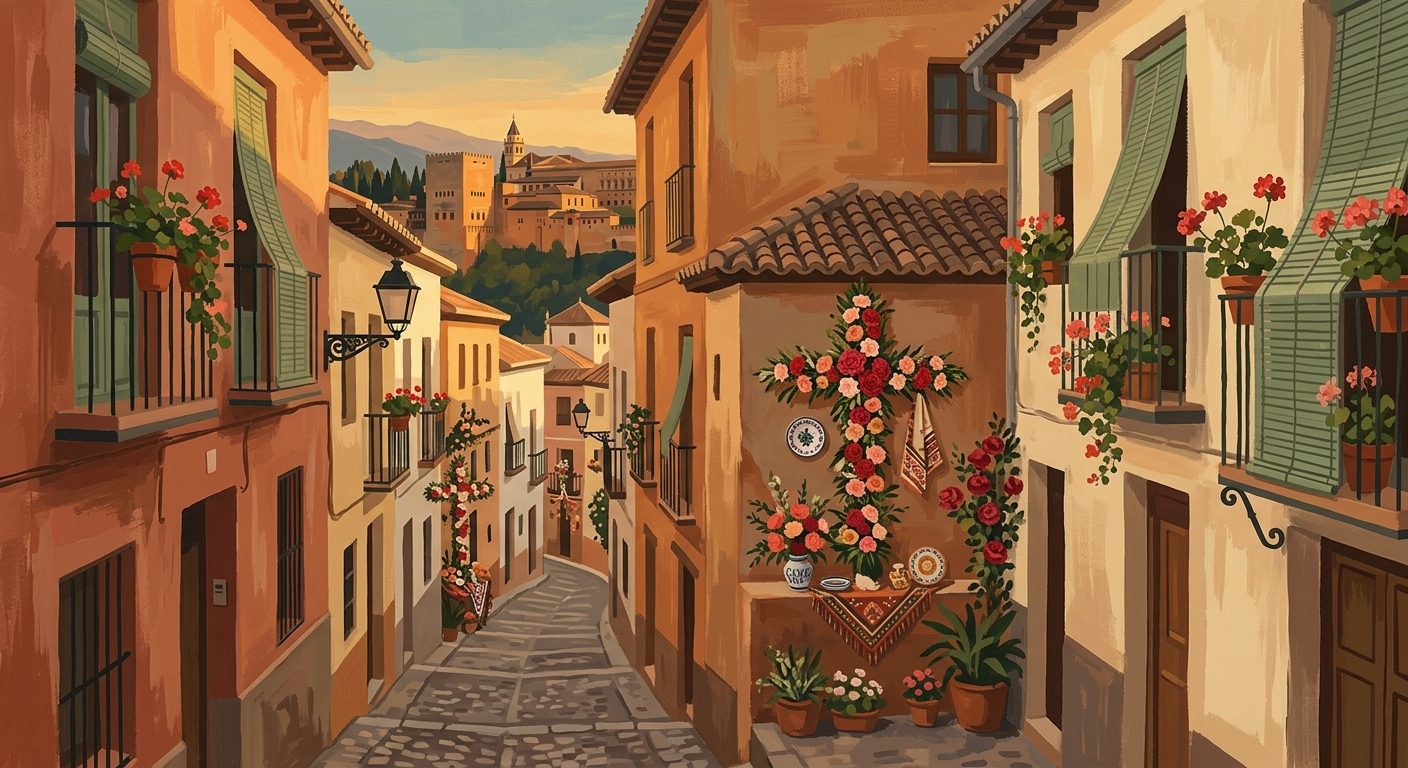
Cruces de Mayo in Granada: A Complete Guide
Discover how Granada transforms during the Cruces de Mayo festival. We detail where to find the most spectacular floral crosses, the local traditions to observe, and how to navigate the celebrations.
9 min read
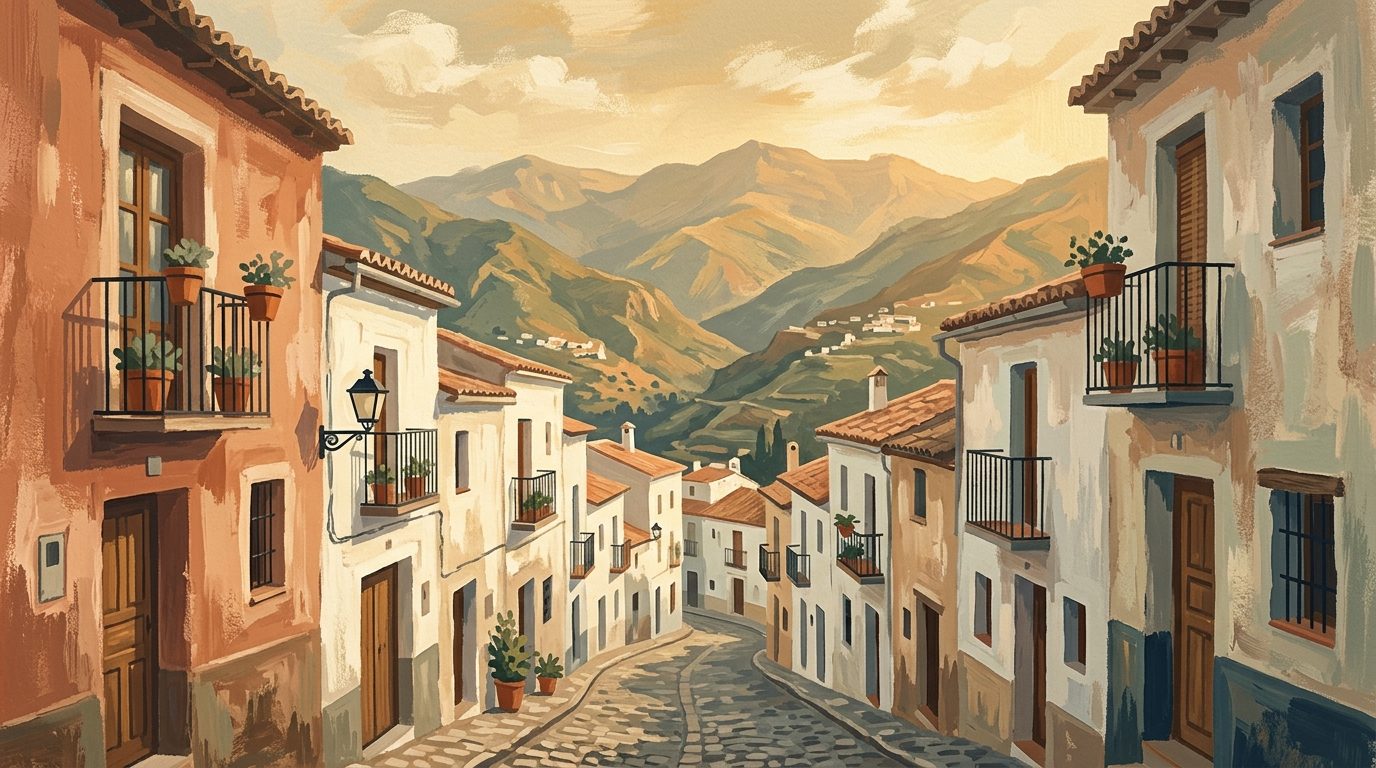
The High Defiance of the Alpujarras
In the shadows of the Sierra Nevada, the sound of water running through ancient stone channels is the heartbeat of a landscape that refused to die. While the rest of Spain’s interior surrenders to silence, these high-altitude villages are learning the language of return.
8 min read
Newsletter
More stories from Andalucía
Weekly notes, seasonal picks, and the next guides worth bookmarking.