
Seasonal guide · Almería
Almería in January: Desert Solitude and Winter Sun
January in Almería offers the sunniest winter skies in Europe, with crisp desert air, empty volcanic beaches, and the lowest prices of the year.
By Dan · Updated 26 May 2026 · 7 min read
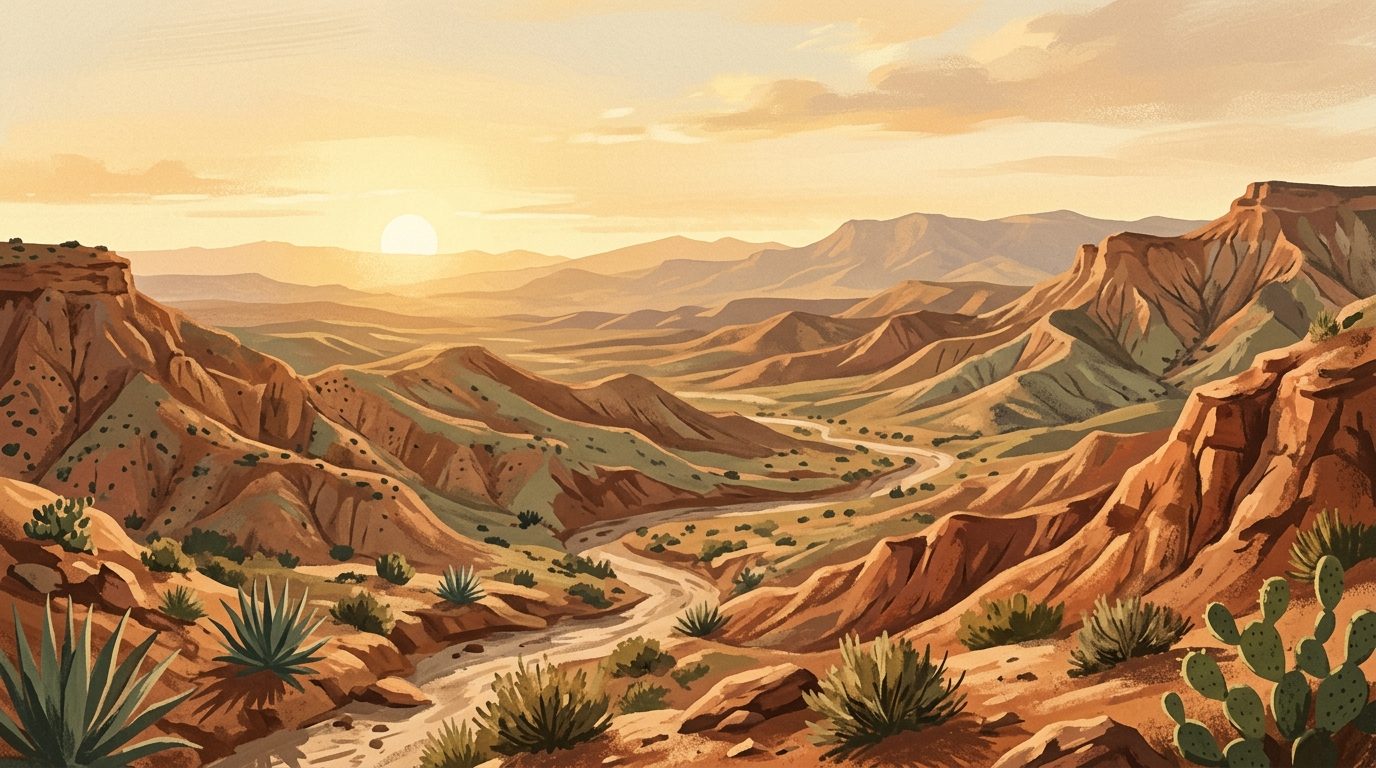
While the rest of Europe shivers under leaden skies, Almería provides a stark, sun-drenched landscape where the desert meets a calm Mediterranean sea. It is a month for long walks on deserted volcanic beaches and exploring the arid interior without the punishing heat of the summer months.
January in Almería province is a study in clarity. As the driest region in Europe, this corner of south-eastern Spain sheds the hazy humidity of the summer to reveal sharp horizons and an intensity of light that has attracted filmmakers and painters for decades. While the rest of Andalucía might be contending with Atlantic storms, Almería often remains under a dome of high pressure, resulting in more than 300 days of sunshine a year. In January, this means bright, crisp days where a light jacket is often discarded by midday, only to be reclaimed as soon as the sun dips behind the Sierra Alhamilla.
The atmosphere this month is one of profound stillness. The summer crowds that descend upon the beach resorts of Roquetas de Mar and Aguadulce have long since vanished, leaving the province to its residents and a handful of discerning northern Europeans. It is a time when the natural landscape takes centre stage. The volcanic cliffs of the Cabo de Gata-Níjar Natural Park appear more dramatic against the deep blue of a winter sky, and the silence of the Tabernas Desert is broken only by the call of a bird or the wind whistling through a dry canyon. It is an honest time to visit; the tourist veneer is stripped away, revealing the resilient and rugged character of a province shaped by wind, salt, and sun.
Weather: A Dry Heat and Sharp Cold
Weather in Almería during January is characterised by its reliability, though visitors must prepare for significant temperature swings between day and night. Along the coast, in Almería city and the Cabo de Gata, daytime temperatures typically reach a pleasant 16°C to 18°C. In direct sunlight, it can feel significantly warmer, often reaching 20°C, making it comfortable for outdoor dining and light hiking. However, as soon as the sun sets, the temperature drops rapidly to around 8°C or 9°C.
The inland areas, particularly the Tabernas Desert and the mountains of Los Vélez to the north, experience a much harsher continental climate. In the desert, daytime temperatures might mirror the coast, but night-time lows can hover just above freezing. In the Sierra de los Filabres or the Alpujarra Almeriense, frost is common, and you may see snow on the highest peaks of the Sierra Nevada to the west. Rainfall is minimal, averaging only 20mm for the entire month, usually falling in short, sharp bursts. To dress for Almería in January, layers are essential. Natural fibres like wool or a lightweight down jacket are necessary for the mornings and evenings, while cotton t-shirts are often sufficient for the peak afternoon sun.
Events & Festivals
January begins with the most important date in the Spanish festive calendar: the Cabalgata de los Reyes Magos (Three Kings Parade) on the evening of 5 January. In Almería city, the parade is a grand affair where Melchior, Caspar, and Balthazar arrive, often by boat at the port, before processing through the streets on elaborate floats, throwing tonnes of sweets to children. On 6 January, families gather for a traditional lunch and the eating of the Roscón de Reyes, a ring-shaped cake topped with candied fruits.
Earlier in the month, on 2 January, the city celebrates the Día de la Toma (Day of the Conquest), marking the surrender of the city to the Catholic Monarchs in 1489. This involves a civic procession and the waving of the historical banner from the balcony of the Ayuntamiento (City Hall). Mid-month brings the Lumbre de San Antón (Bonfires of Saint Anthony) around 16 and 17 January (check local town hall schedules as celebrations may shift to the nearest weekend). In various villages across the province, particularly in the interior, large bonfires are lit to bless animals. It is common for locals to gather around these fires to roast chorizo, sardines, and local meats, creating a communal atmosphere that warms the chilly winter air.
What to Do
The primary draw of Almería in January is the Cabo de Gata-Níjar Natural Park. In July, the heat can make hiking here dangerous; in January, it is perfect. You can walk the coastal path from San José to the beaches of Playa de los Genoveses and Playa de Mónsul in total peace. These beaches, famous for their appearance in films like Indiana Jones and the Last Crusade, are often completely empty, allowing you to appreciate the strange, basaltic rock formations and shifting dunes without distraction.
Birdwatchers should head to the Salinas de Cabo de Gata. These saltwater lagoons are a vital stopover for migratory birds. In January, you can observe large colonies of Greater Flamingos, as well as various species of waders and gulls. The light at sunset over the salt pans, with the mountains reflected in the still water, is spectacular.
In the Tabernas Desert, the cooler temperatures make it the ideal time for horse riding or 4x4 tours through the ramblas (dry riverbeds). While Western-themed parks like Oasys MiniHollywood typically remain open on weekends during the winter (check on the operator's website before travelling, as they occasionally close for filming or maintenance), the real joy is found in the silence of the desert itself. For those interested in botany, the end of January often sees the first appearance of almond blossoms in the higher elevations near Lúcar and Oria, painting the hillsides in pale pinks and whites.
The city of Almería itself is best explored in the winter light. The Alcazaba, a massive Moorish fortress, offers views across the city to the sea. Climbing its walls in January is a comfortable experience compared to the sweltering heat of August. Afterwards, retreat to the city’s bars to sample the local cuisine. Almería is famous for its tapas culture where, unlike much of Spain, you still choose your free tapa with every drink. In January, look for Migas, a dish made of flour or breadcrumbs fried with garlic and served with green peppers, fried fish, and grapes: a traditional winter staple.
Who Should Visit
- Hikers: The mild temperatures and lack of rain make this the best month for coastal trails and desert treks.
- Photographers: The low winter sun and clear atmosphere provide exceptional conditions for capturing the stark landscapes.
- Budget Travellers: January is the low season; hotel prices are at their lowest and flights to Almería or nearby Murcia are often very cheap.
- Solitude Seekers: Those looking to escape the noise of modern life will find the empty beaches and quiet mountain villages of the Alpujarra Almeriense deeply restorative.
- Culture Lovers: Without the summer heat, exploring the archaeological sites and the cathedral-fortress in the city is much more pleasant.
Practical Notes
Crowd levels in Almería during January are minimal. You will rarely need to book a table at a restaurant, and the major sights will be largely empty. However, this also means that in smaller coastal villages like Las Negras or Agua Amarga, some businesses and seasonal restaurants may close for a winter break. It is wise to check opening times in advance if you have a specific venue in mind.
Prices for accommodation are significantly reduced compared to the spring and summer. A high-quality hotel in the city centre or a rural house (casa rural) in the interior can often be found for half the price of a peak-season booking. If you are staying in a rural property, ensure it has adequate heating, as traditional stone houses can become very cold at night. When driving, be aware that while the roads are empty and well-maintained, the interior mountain roads can occasionally experience ice in the early morning hours.
Monthly Verdict
Almería in January is an underrated choice for those who value natural beauty and quietude over nightlife and heat. It offers the most reliable winter sun in continental Europe, providing a much-needed vitamin D boost in a landscape that feels otherworldly. While the nights require a heavy coat, the days are a gift of bright light and mild air, perfect for active exploration of one of Spain’s most distinctive provinces.
Last reviewed: 21 June 2026 · Editorial policy
Related guides
Almería in February: A Prelude to Spring in Europe’s Only Desert
February transforms Almería into a landscape of white almond blossoms and early wildflowers, offering the mildest winter climate in mainland Europe.
6 min read
Almería in March: Wildflowers, Desert Trails, and Quiet Coasts
Experience a rare window where the Tabernas desert blooms and the Cabo de Gata coast is peaceful. March offers Almería at its most temperate, affordable, and green.
6 min read
Málaga in January: Quiet Shores and Crisp Mountain Air
Discover Málaga in January, a month of crisp blue skies, 17°C coastal afternoons, and the quietest streets of the year.
6 min read
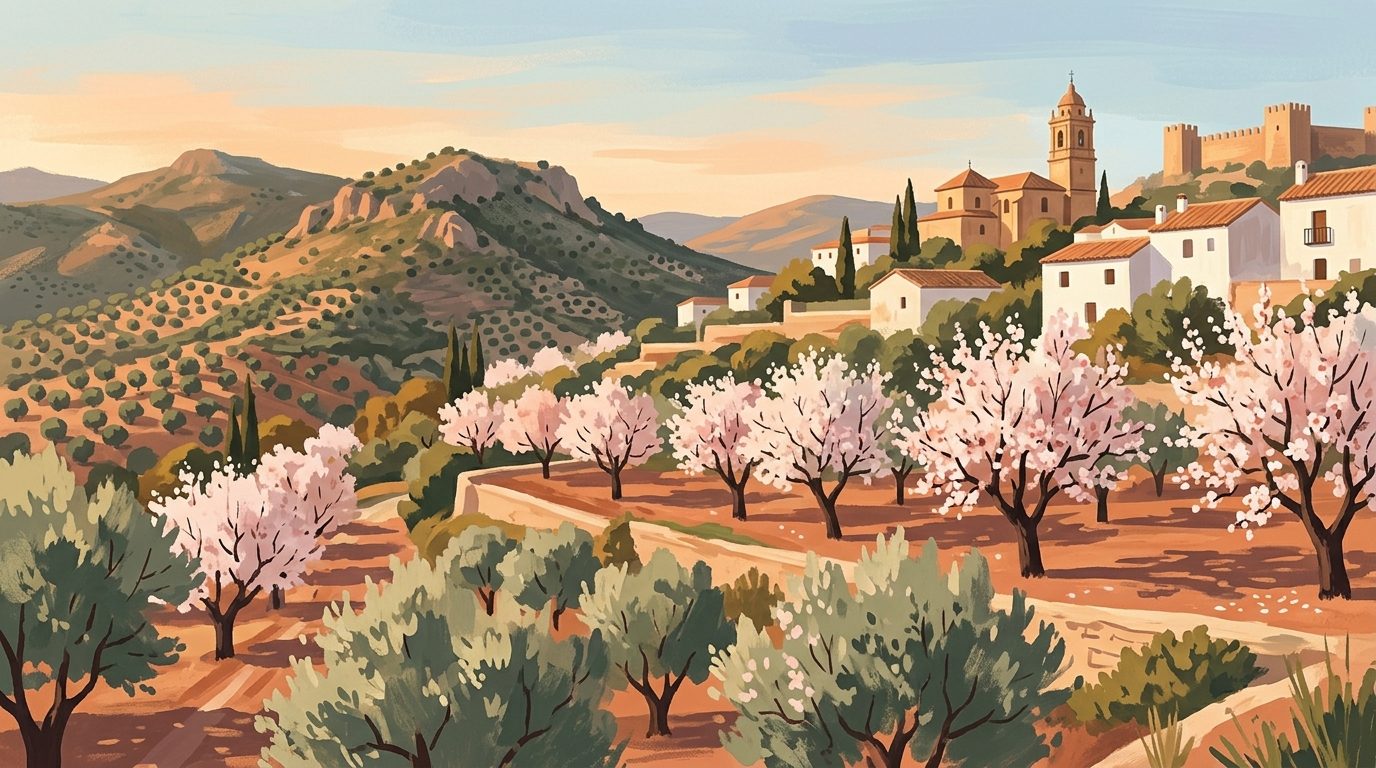
Jaén in February: Almond Blossom and Renaissance Silence
Experience the quiet beauty of Jaén in February, from the almond blossom in the foothills to the crisp, crowd-free Renaissance streets of Úbeda and Baeza (UNESCO World Heritage sites).
6 min read
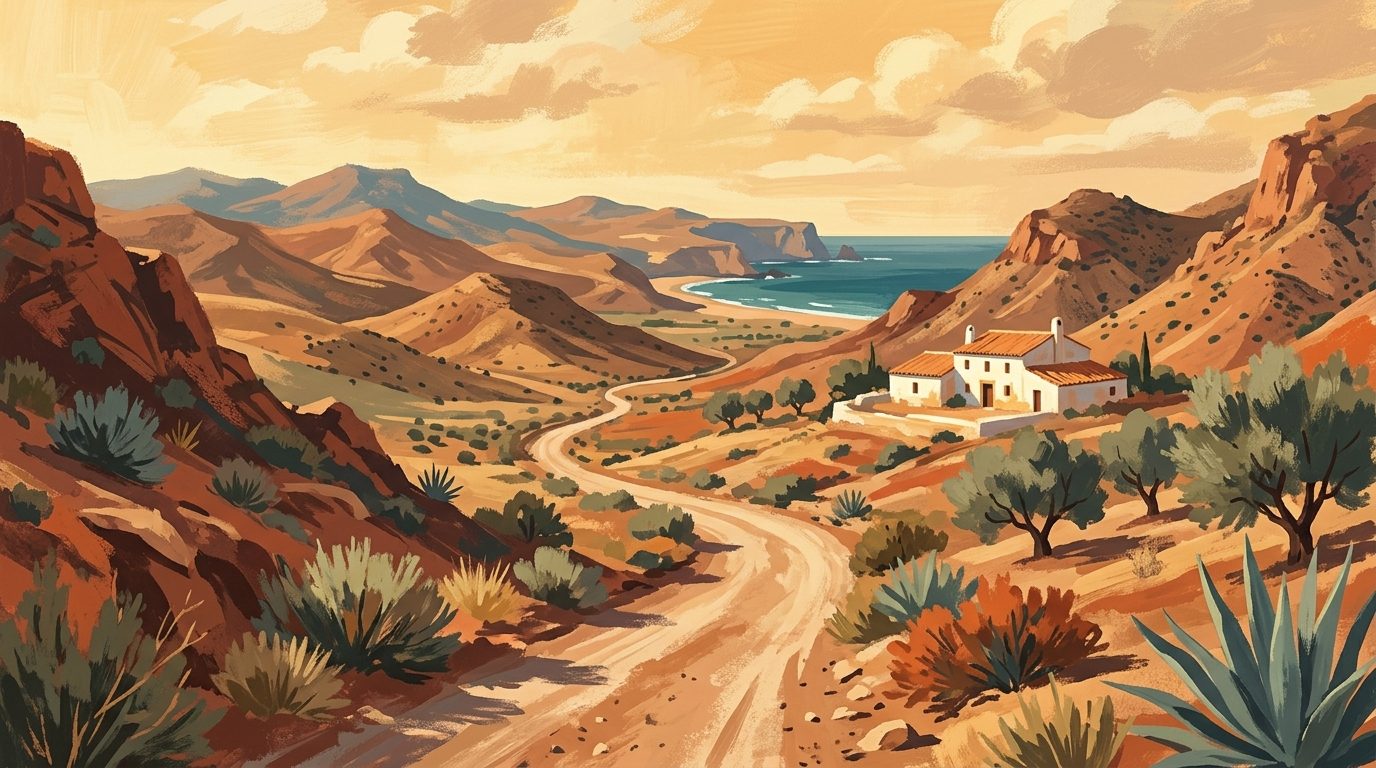
Almería in October: Desert Hikes and Coastal Solitude
October in Almería brings a soft, golden light and a gentle 23°C warmth, making it the perfect month for desert hiking, birdwatching, and enjoying the secluded beaches of Cabo de Gata.
6 min read
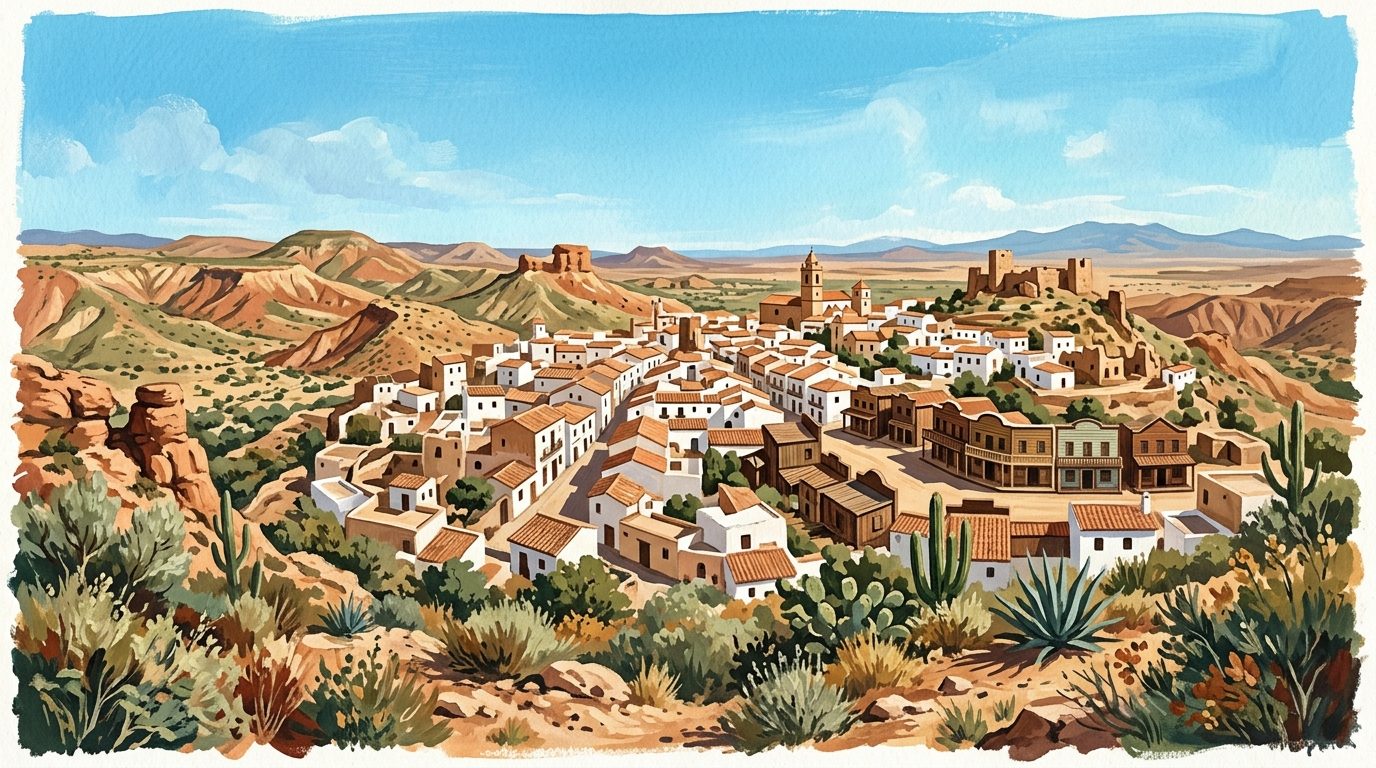
Exploring Tabernas: The Cinematic Badlands of Almería
Discover the rugged beauty of the Tabernas Desert, Europe's only true desert and the historic filming location for legendary spaghetti westerns.
6 min read
More from Almería
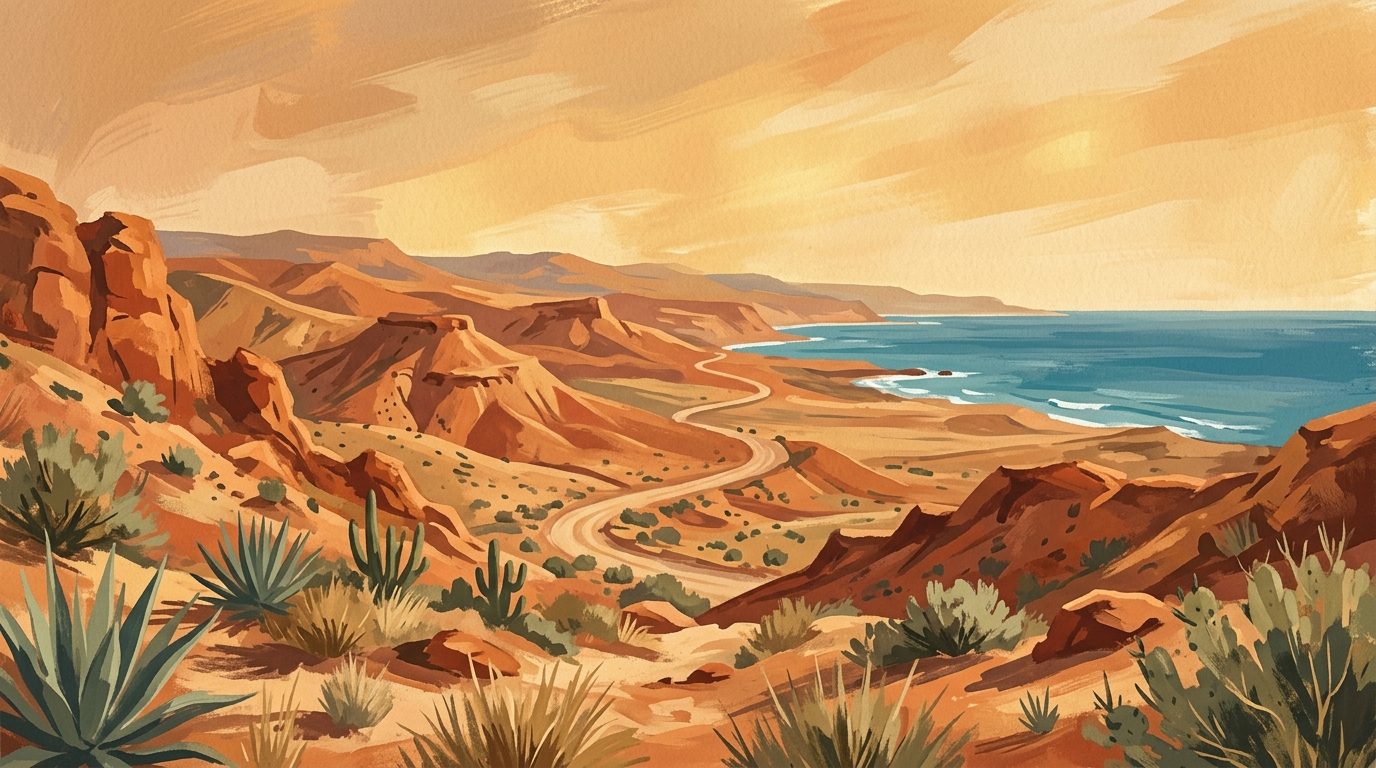
Almería in August: Desert Heat and Coastal Cool
August in Almería is defined by the stark beauty of the desert and the refreshing sanctuary of the Mediterranean coast. It is a month for slow movements, late nights, and embracing the true spirit of the Spanish summer.
6 min read
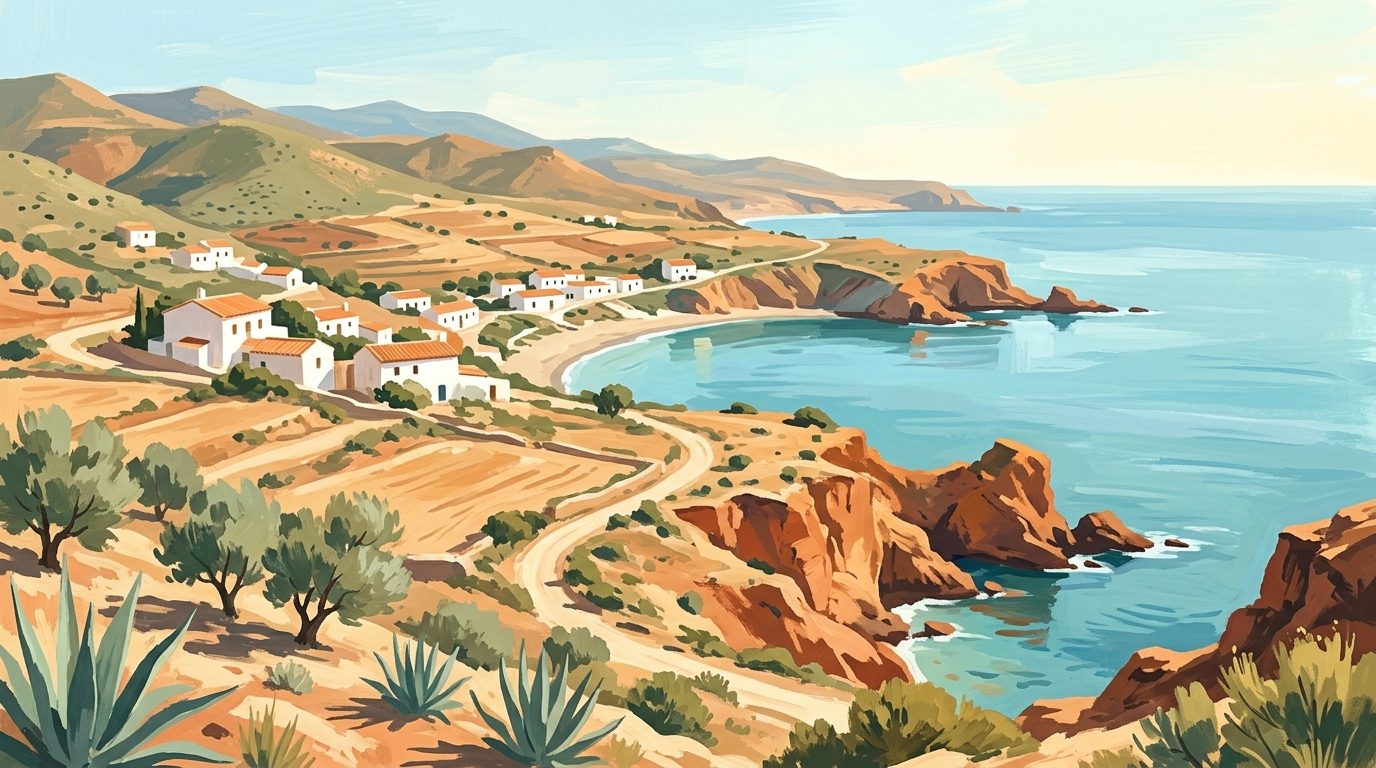
Almería in June: Coastal Clarity and Desert Life
Experience the Mediterranean at its most transparent and the Tabernas desert before the peak summer heat takes hold.
6 min read
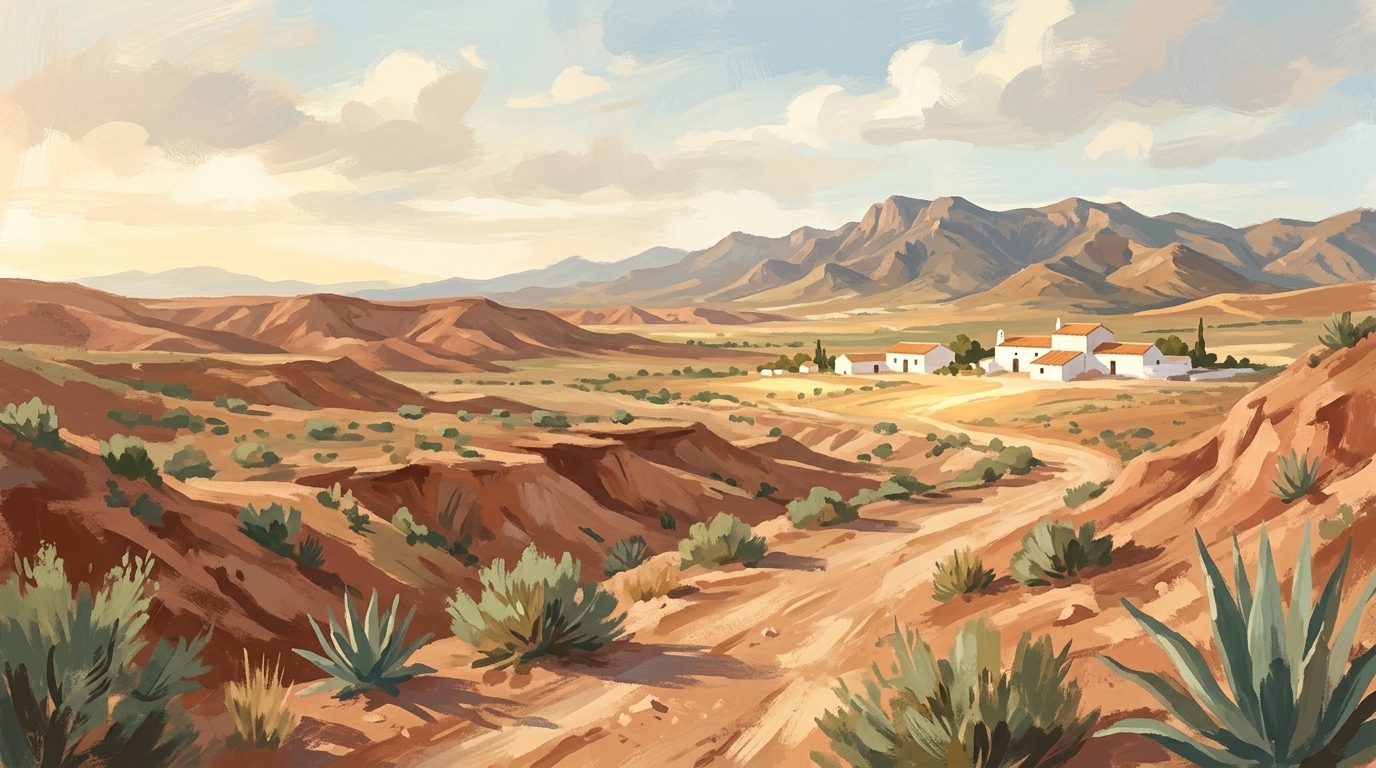
Almería in December: Winter Sunshine and Desert Light
Almería in December offers the mildest winter in mainland Europe, featuring sharp desert light, quiet volcanic beaches, and unique local Christmas traditions.
7 min read
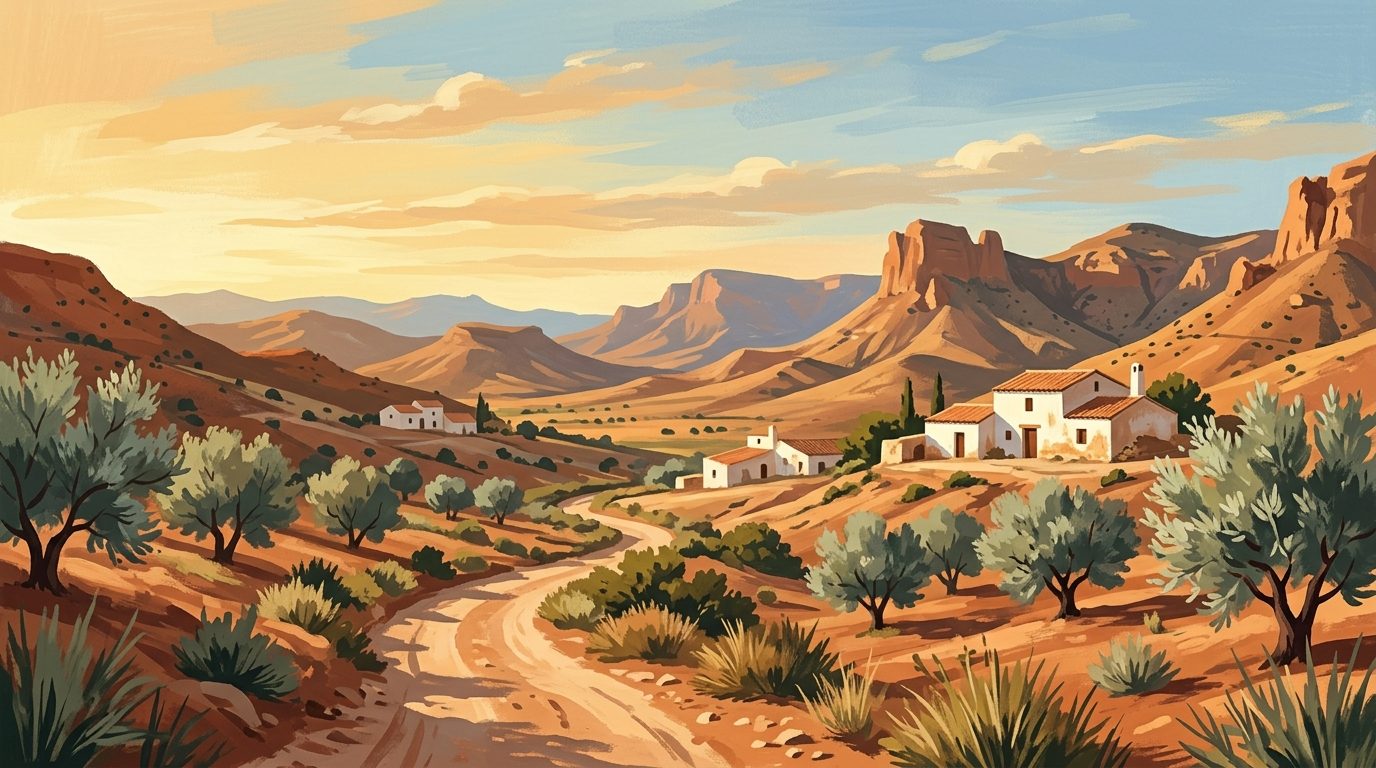
Almería in November: Silence and Sunlight in Europe's Desert
November in Almería is a period of profound stillness, where the intense summer light softens into a golden clarity over the volcanic cliffs of Cabo de Gata.
6 min read
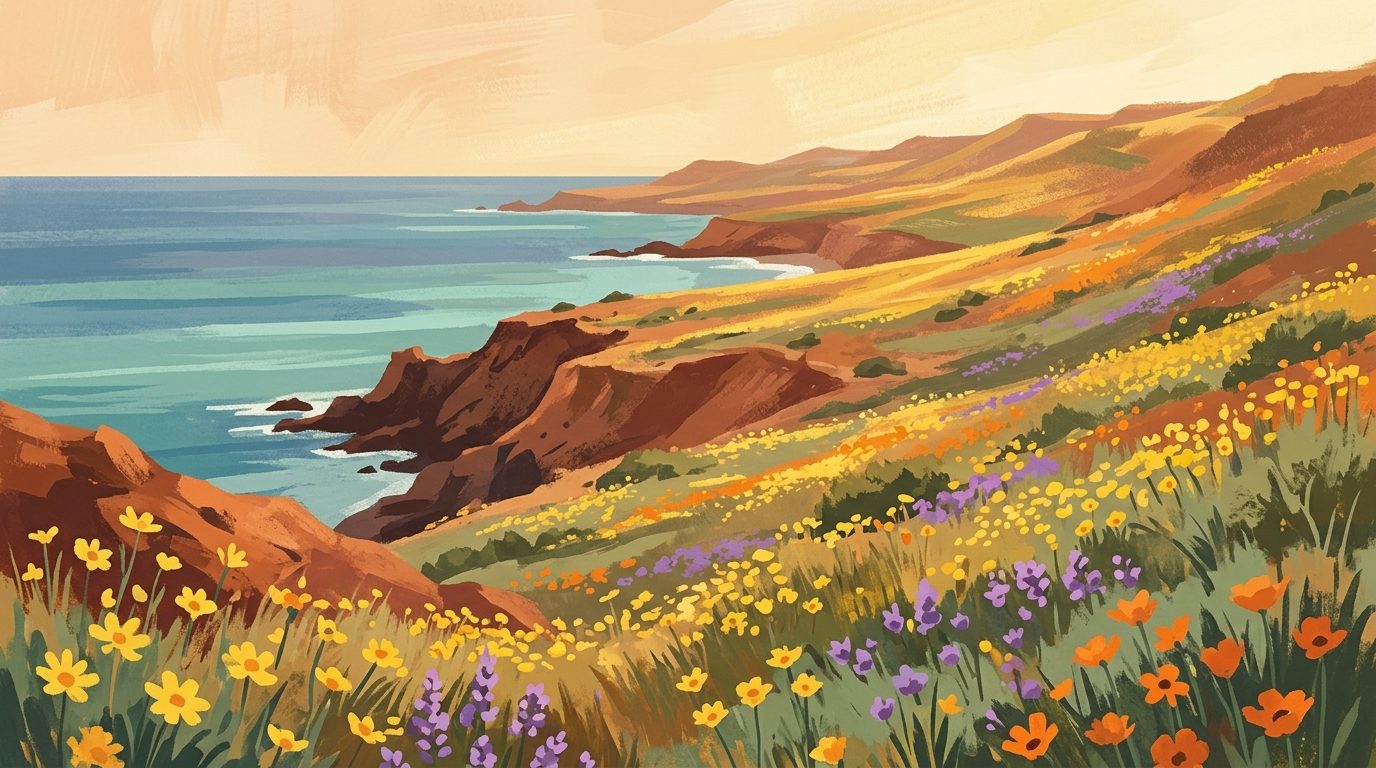
Almería in April: Wildflowers, Volcanic Shores, and Desert Spring
April in Almería offers a brief window where the arid landscapes turn surprisingly green and the Mediterranean remains quiet enough for solitary exploration.
7 min read
Almería in May: Desert Blooms and Pre-Summer Solitude
Experience Almería in May, where the Tabernas desert blooms and the Cabo de Gata coastline offers quiet beaches and perfect hiking weather before the summer heat.
6 min read
Almería in September: The Season of Clarity and Warm Seas
September in Almería offers the year's warmest sea temperatures, crystal-clear water for snorkelling, and a welcome return to tranquillity as the summer crowds depart.
6 min read
Almería in July: A Guide to Spain's Volcanic Summer Coast
Discover the rugged beauty of Almería in July, where volcanic beaches and desert landscapes meet the clearest waters in the Mediterranean.
7 min read
Newsletter
More stories from Andalucía
Weekly notes, seasonal picks, and the next guides worth bookmarking.