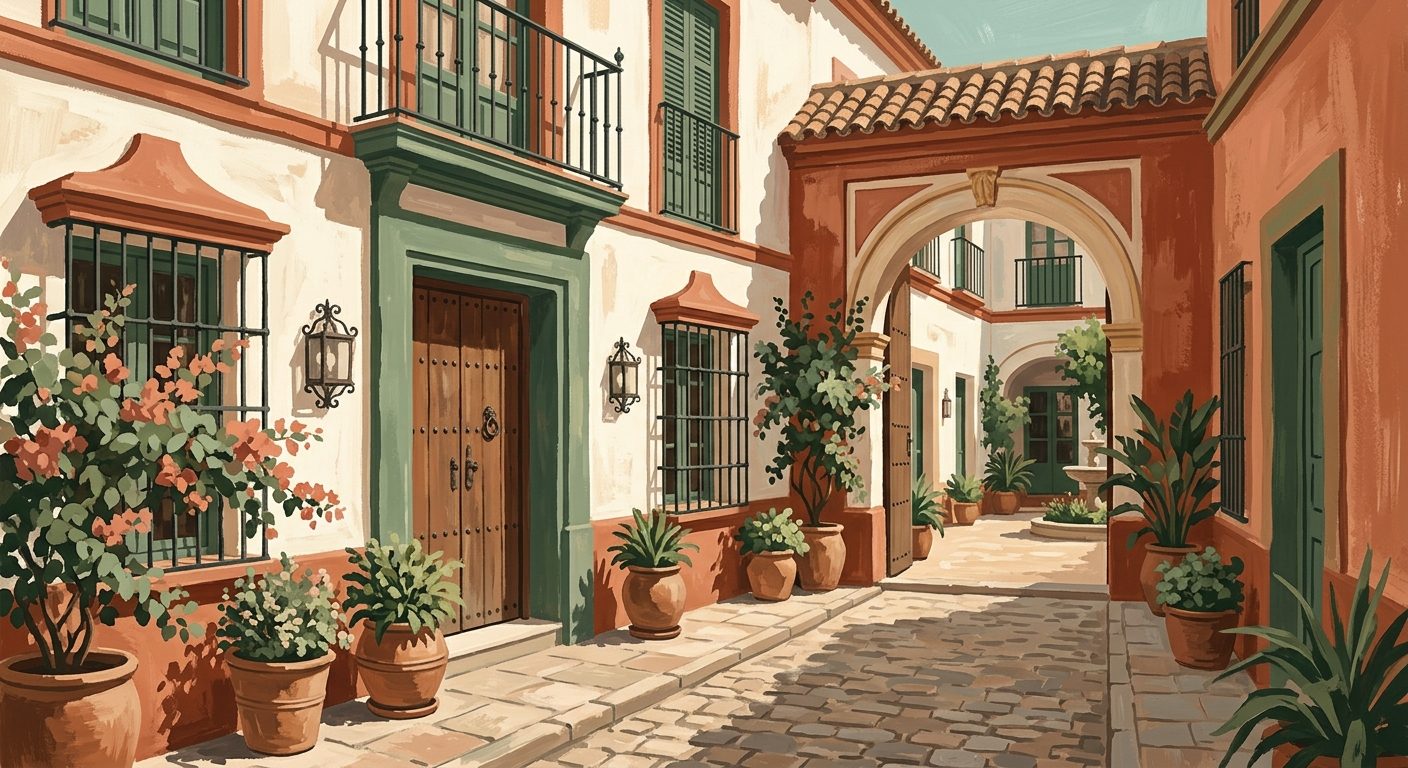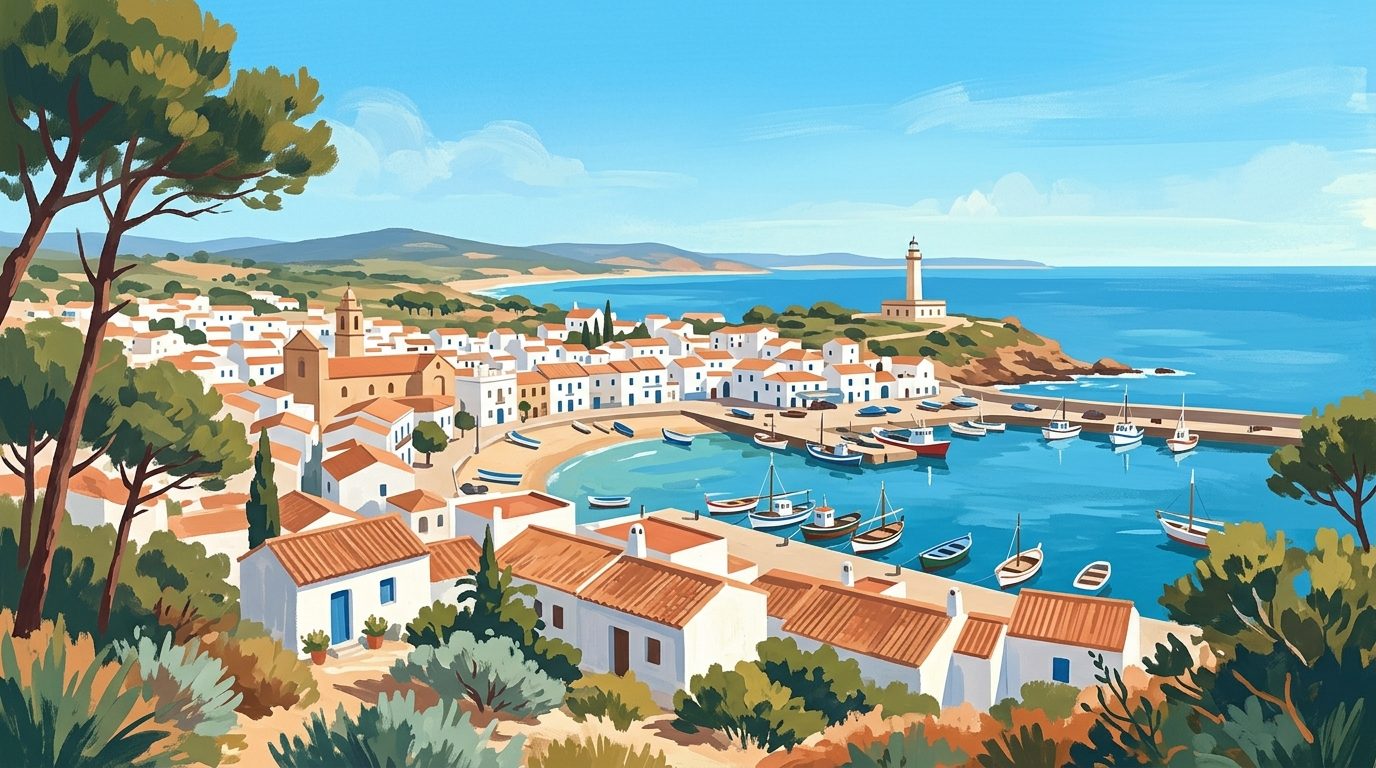
Barbate and Los Caños de Meca offer a stark contrast between a hard-working fishing port and a bohemian coastal retreat shaped by Atlantic winds. This stretch of the Costa de la Luz remains defined by the annual tuna harvest and the historic silhouette of the Trafalgar lighthouse.
Barbate and Los Caños de Meca sit on a rugged stretch of the Cádiz coastline where the Atlantic Ocean meets the sandstone cliffs of the Parque Natural de la Breña. While separated by only a few miles of pine forest, these two locations offer entirely different atmospheres. Barbate is a functional, authentic town built on the back of the ancient almadraba tuna fishing industry. It feels grounded and industrious, away from the typical tourist trail.
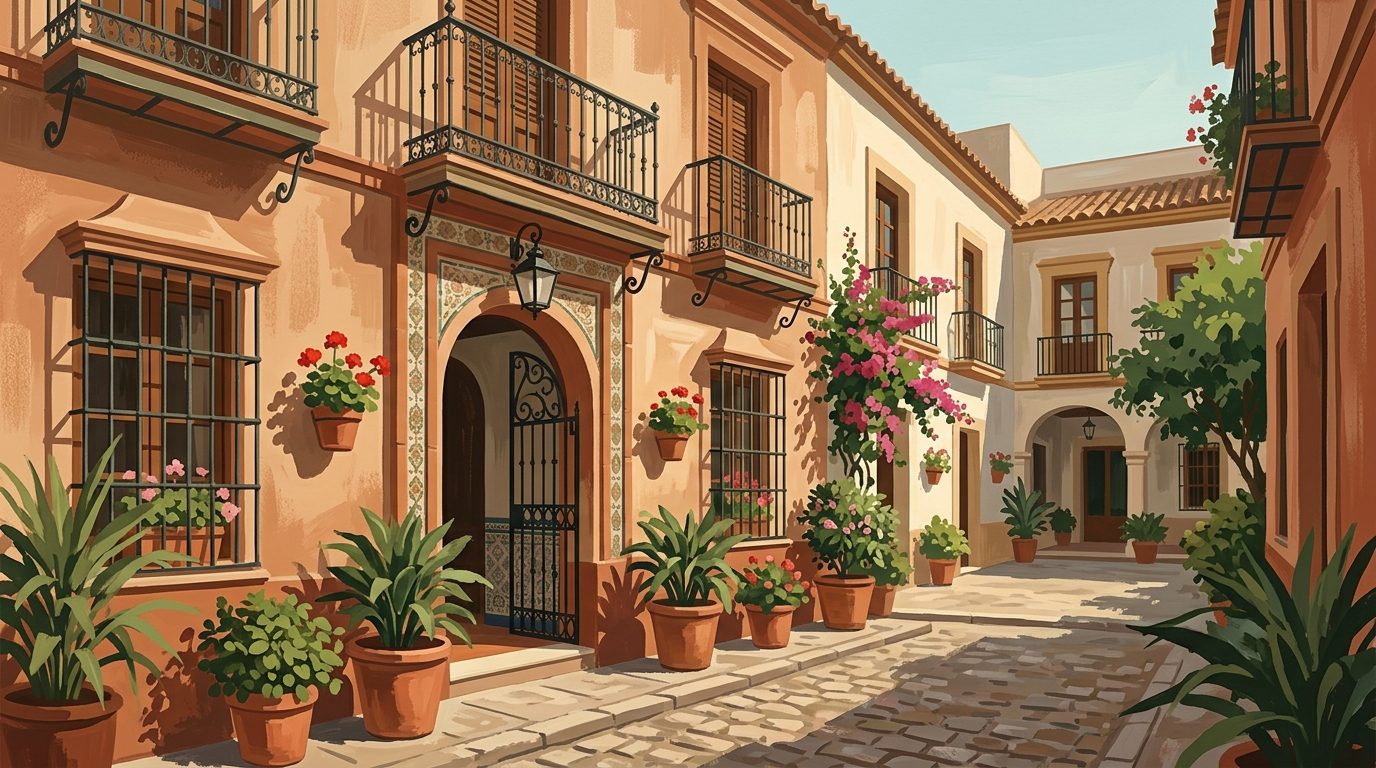
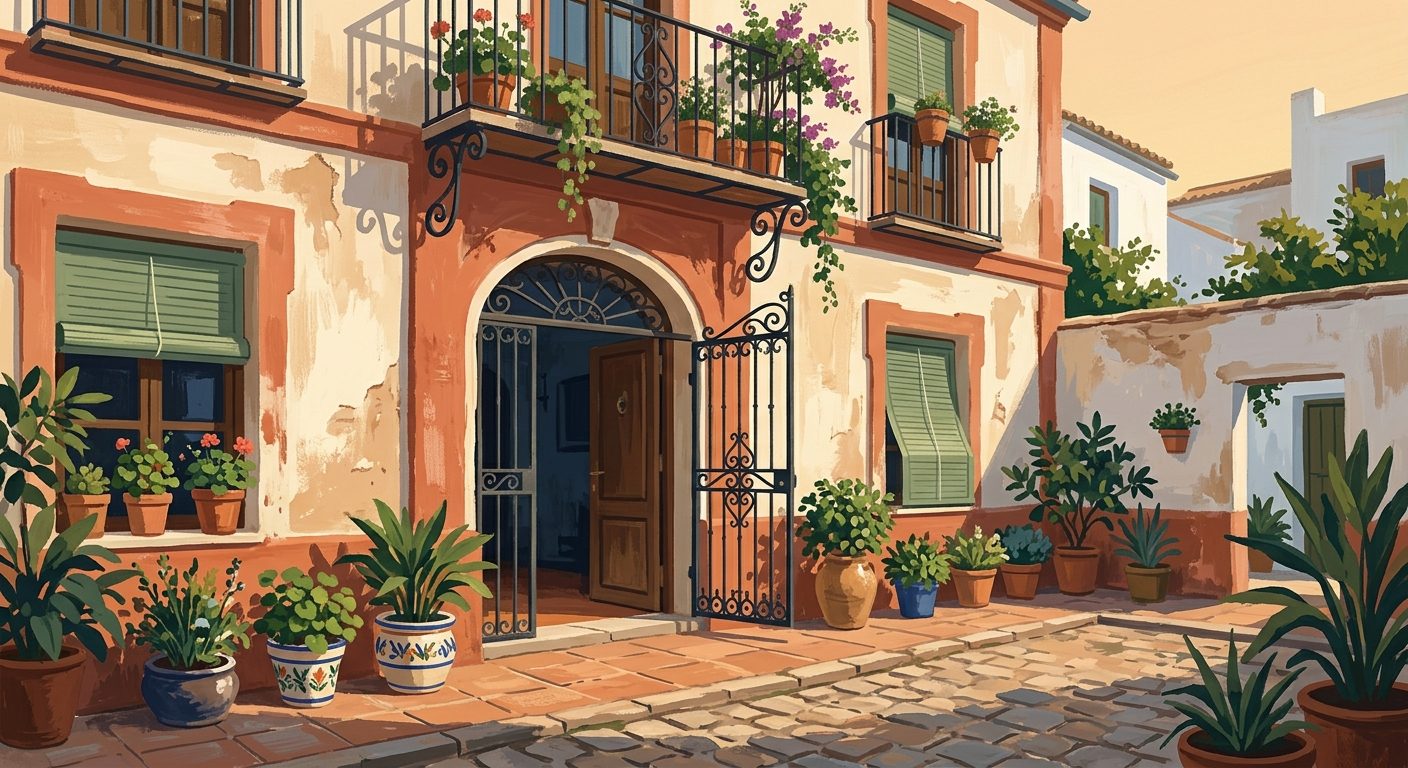
In contrast, Los Caños de Meca is a collection of white-washed buildings and sandy lanes that has served as a sanctuary for surfers, artists and those seeking a slower pace of life since the 1960s. The entire area is dominated by the Cape of Trafalgar, a site of immense historical weight and natural beauty. Come for the seafood, cliff-top walks or surf-washed beaches, and this corner of Andalucía feels raw, salt-crusted and rooted in its maritime life.
What to See & Do
The Historic Cape: Trafalgar and the 1805 Legacy
Cabo de Trafalgar is arguably the most famous headland in European naval history. It was just offshore here that Admiral Lord Nelson defeated the combined French and Spanish fleets in 1805, securing British naval supremacy for a century but losing his life in the process. Today, the 1860s lighthouse stands on a rocky tombolo, connected to the mainland by a narrow isthmus of sand and dunes.
Visitors can walk the paved road up to the base of the lighthouse to look out over the shifting sands and treacherous reefs. On a clear day, the coast of Africa is visible across the Strait. The area around the lighthouse contains the archaeological remains of a Roman fish-salting factory and a 9th-century Muslim watchtower, the Torre de Trafalgar. The atmosphere at sunset is particularly powerful, though the winds here can be fierce, earning the area its reputation for wild, untamed beauty.
The Art of the Almadraba: Barbate’s Tuna Culture
Barbate is the undisputed capital of Atún Rojo (Bluefin Tuna). The almadraba is a 3,000-year-old Phoenician method of setting a labyrinth of nets to catch tuna as they migrate toward the Mediterranean. This seasonal harvest, occurring between April and June, dictates the rhythm of the town.
To understand this heritage, visit the Museo del Atún (La Chanca) located in the industrial estate on the edge of town. The museum offers guided tours that explain the history of the catch and include a live ronqueo demonstration, the traditional, highly skilled art of butchering a tuna into its various cuts. The name ronqueo comes from the snoring sound the knife makes against the fish's spine. Tours usually end with a tasting of salted and preserved tuna products like mojama (dried tuna loin), often referred to as the ham of the sea.
Natural Wonders: The Cliffs of La Breña
Connecting Barbate and Los Caños de Meca is the Parque Natural de la Breña y Marismas del Barbate. This is one of Andalucía’s smallest natural parks, yet it encompasses five distinct ecosystems: marine, cliff, pine forest, marshes and dunes. The highlight is the Sendero del Acantilado, a well-marked trail that follows the edge of the cliffs.
At their highest point, the cliffs drop 100 metres vertically into the Atlantic. Halfway along the path, you will find the Torre del Tajo, a 16th-century watchtower built to warn against Berber pirate raids. The view from this vantage point captures the vastness of the ocean and the white arc of Barbate’s Playa de Hierbabuena below. The forest itself is a dense canopy of stone pines, planted centuries ago to stabilise the shifting coastal dunes.
Coastal Retreats: The Beaches and Freshwater Springs
The beaches here are varied. Barbate’s Playa del Carmen is an urban beach with a wide promenade and numerous seafood restaurants. For something more secluded, Playa de la Hierbabuena sits on the western edge of the port, backed by the cliffs of the natural park. It is a favoured spot for those wanting to escape the crowds.
In Los Caños de Meca, the beaches take on a more bohemian character. Playa de los Caños is famous for the freshwater springs (the 'caños') that seep out of the cliff faces. At low tide, you can walk along the rocks to find small coves where the water drips down into natural basins. Further west lies Playa de Marisucia, which offers shallow, clear water perfect for bathing, provided the Levante wind is not blowing too strongly.
Practical Information
Getting There
Barbate is roughly 45 minutes by car from Cádiz city and 75 minutes from Jerez. Take the A-48 motorway and exit at Vejer de la Frontera, following the A-2233 toward Barbate. Los Caños de Meca is a further 15-minute drive from Barbate along the same coastal road.
Public transport is managed by the Transportes Generales Comes bus company. During the summer months, there are direct services from Cádiz and Sevilla to Barbate and Los Caños, though schedules can be limited in the winter. A local bus connects Barbate to Los Caños de Meca and the nearby hilltop village of Vejer, with tickets costing between €1.70 and €2.20 (check on the operator's website before travelling).
Parking
In Barbate, parking is generally straightforward near the port or the Playa del Carmen promenade. However, Los Caños de Meca is notoriously difficult for parking, especially between July and August. Most street parking is restricted, and visitors are advised to use the private paid car parks near the entrance to the village or along the road to Zahora, which typically charge around €5 to €10 for the day.
Opening Times & Prices
- Museo del Atún (La Chanca): Open daily from 09:15 to 14:45 and 16:00 to 20:00 (Sundays morning only). Entry is approximately €8 per person, which includes the guided tour and a tasting session. Pre-booking is essential during the summer season and throughout the May Almadraba period (check on the operator's website for current details before travelling).
- Cabo de Trafalgar: The site is open 24 hours a day and there is no entry fee to walk to the lighthouse. Note that the interior of the lighthouse is not open to the public.
- Parque Natural de la Breña: Access to the park and its trails is free. The visitor centre is located in Barbate and provides maps and information on the flora and fauna.
Where to Eat Nearby
For any food lover, El Campero in Barbate is a pilgrimage site. It is widely considered one of the best restaurants in Spain for tuna. They serve every imaginable part of the fish, from the fatty ventresca (belly) to the morrillo (neck). If you cannot secure a table in the main dining room (reservations often fill weeks in advance during May), their tapas bar offers a more casual way to sample the same high-quality produce. In Los Caños de Meca, La Breña offers a more refined dining experience with views of the ocean, focusing on fresh local catches and seasonal vegetables from the nearby huertas of Conil.
Where to Stay
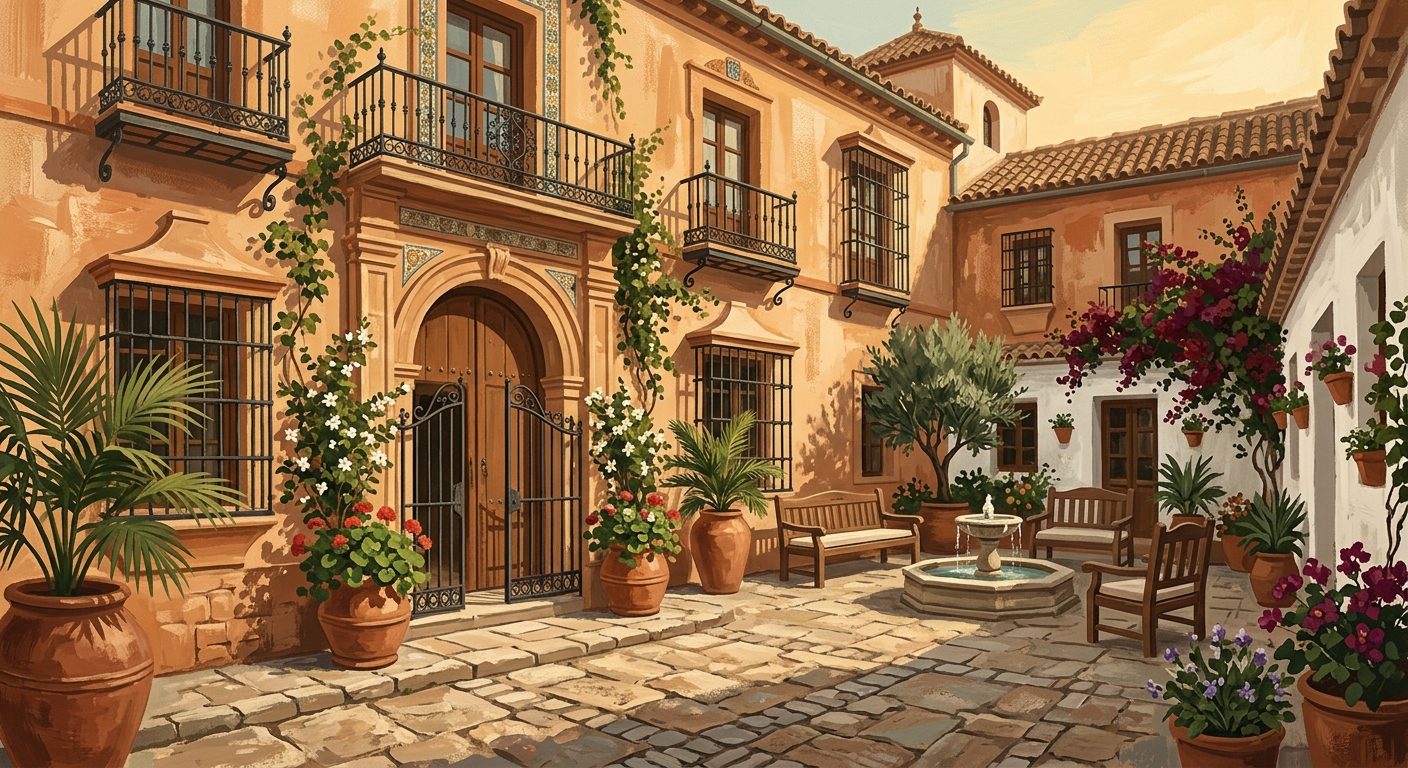
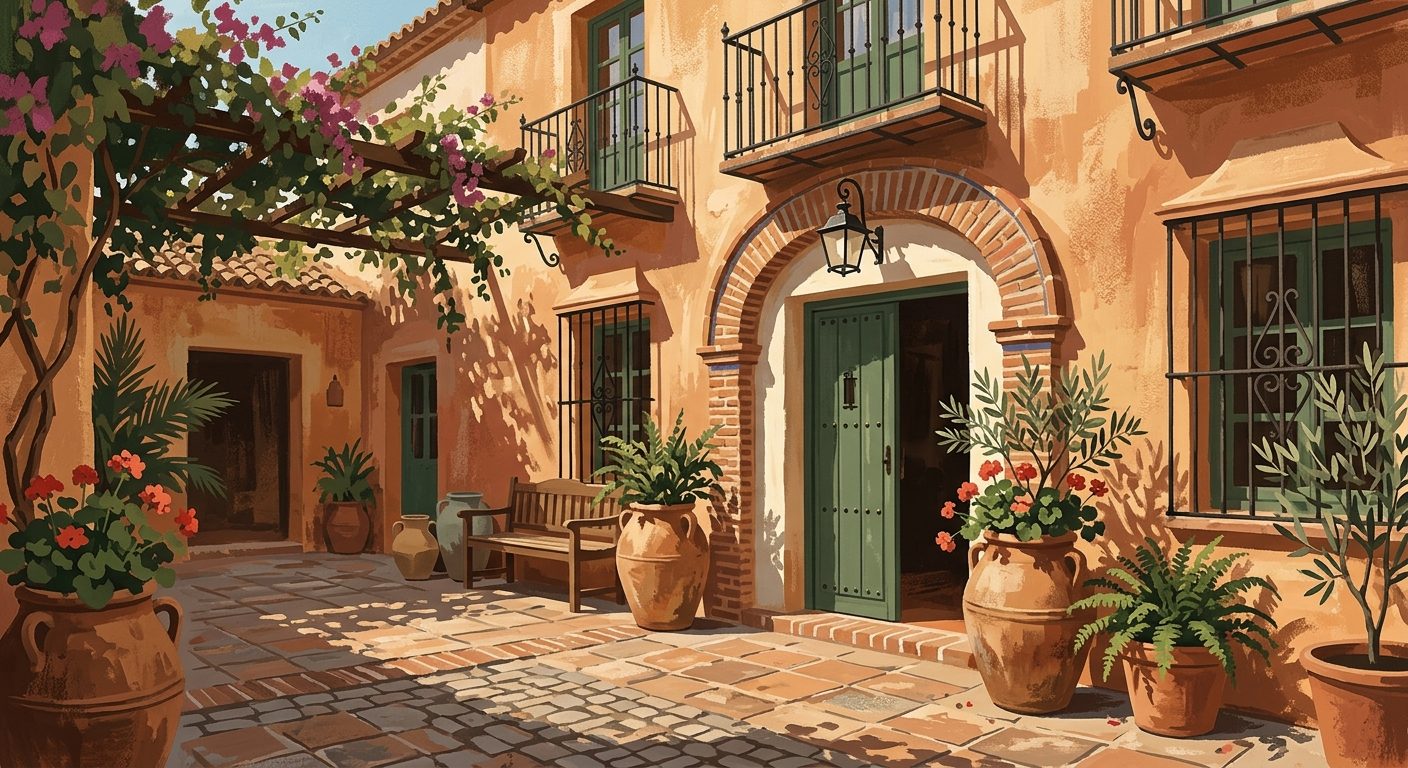
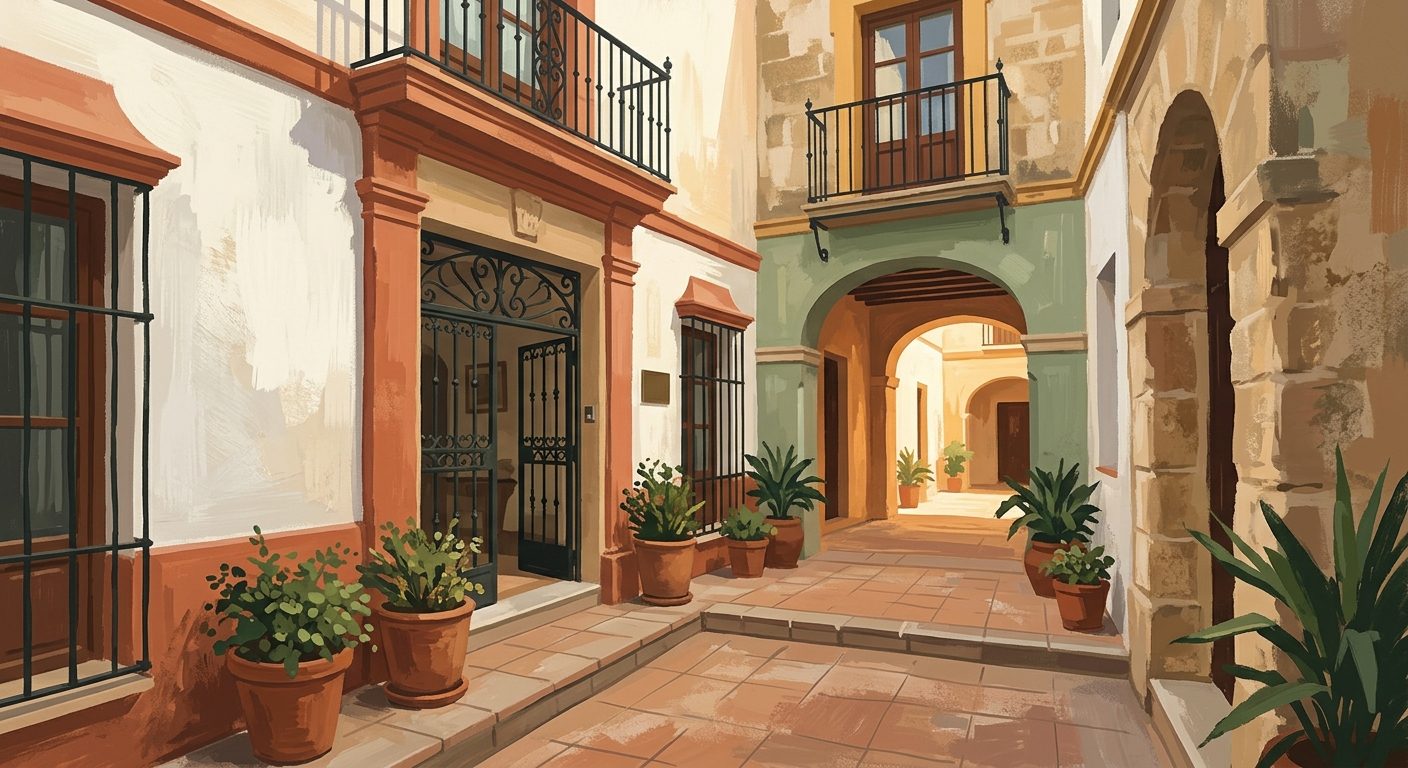
For a stay that reflects the bohemian spirit of the area, Hotel Madreselva in Los Caños de Meca is an excellent choice. This small, boutique hotel features white-washed walls, terracotta tiles and a tranquil courtyard with a swimming pool, located just a short walk from the beach. In Barbate, Hotel Adiafa offers modern, comfortable rooms situated directly on the seafront promenade, making it a convenient base for exploring both the town's fish markets and the neighbouring natural park.