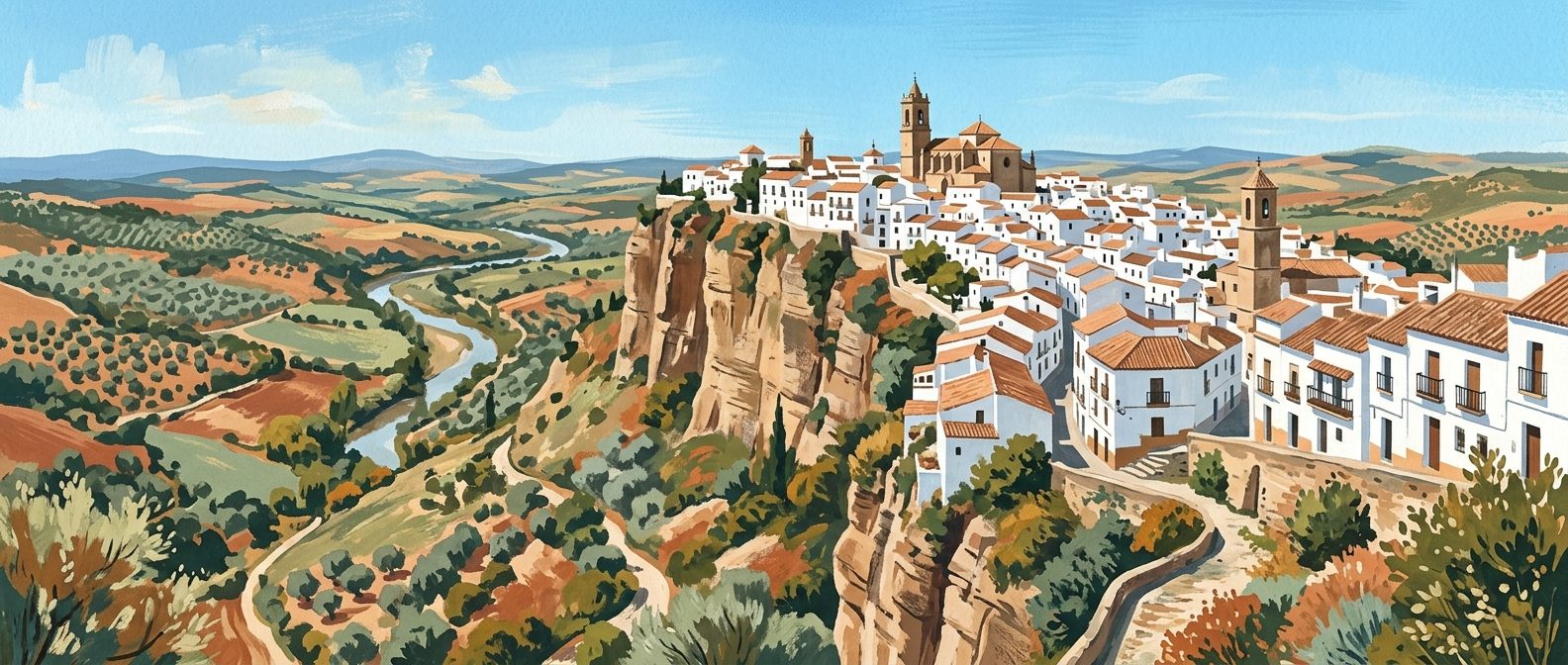
Perched precariously on a sheer limestone ridge, Arcos de la Frontera serves as the dramatic western entrance to the White Villages of Cádiz. Its labyrinthine streets lead to sudden, striking drops over the Guadalete valley.
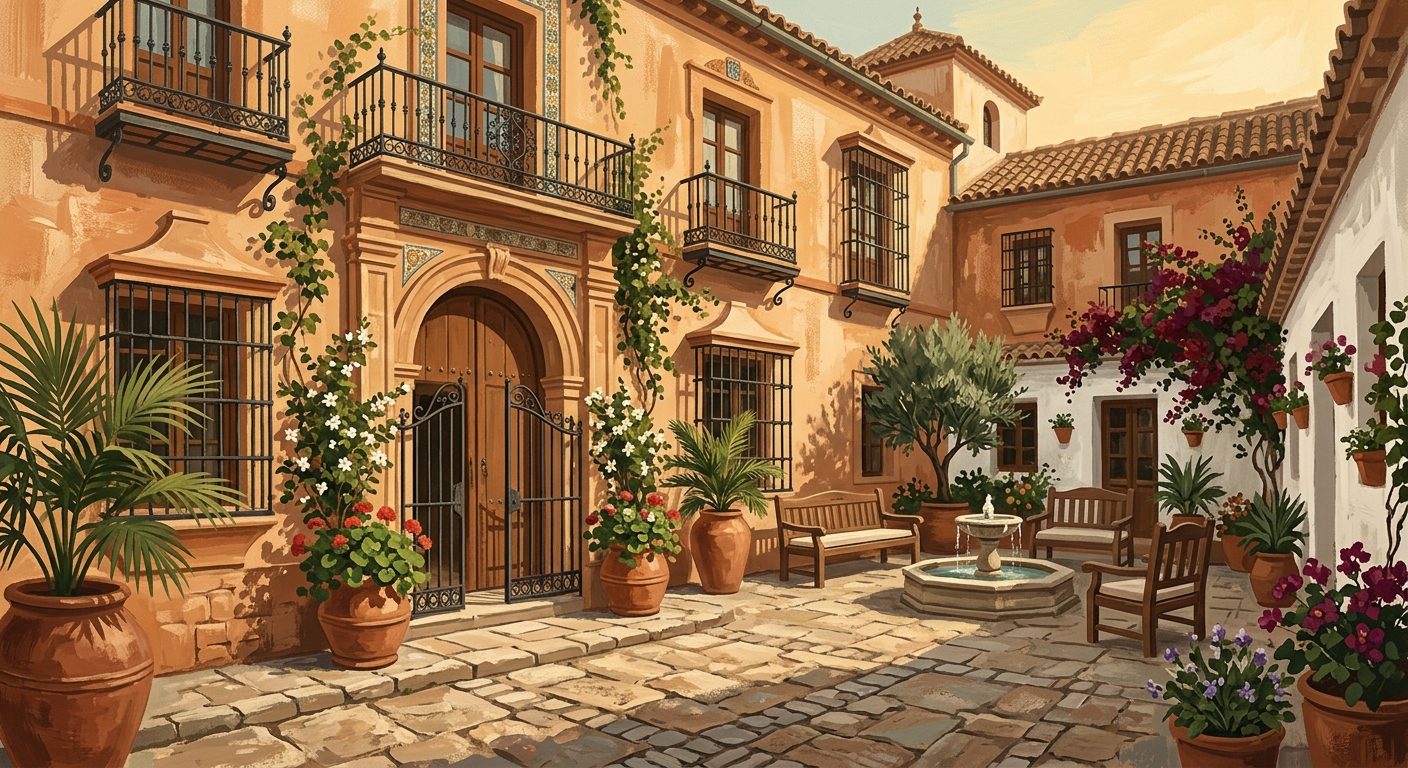
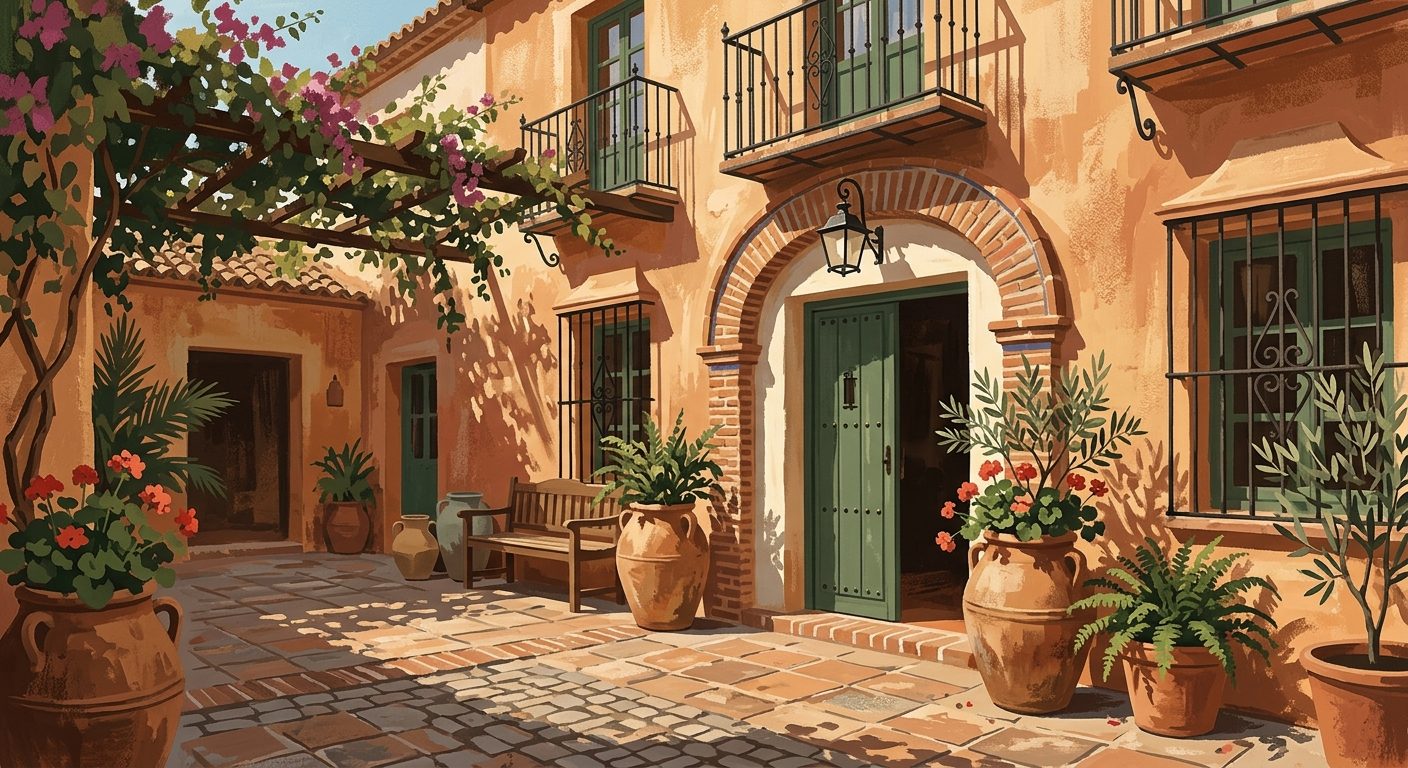
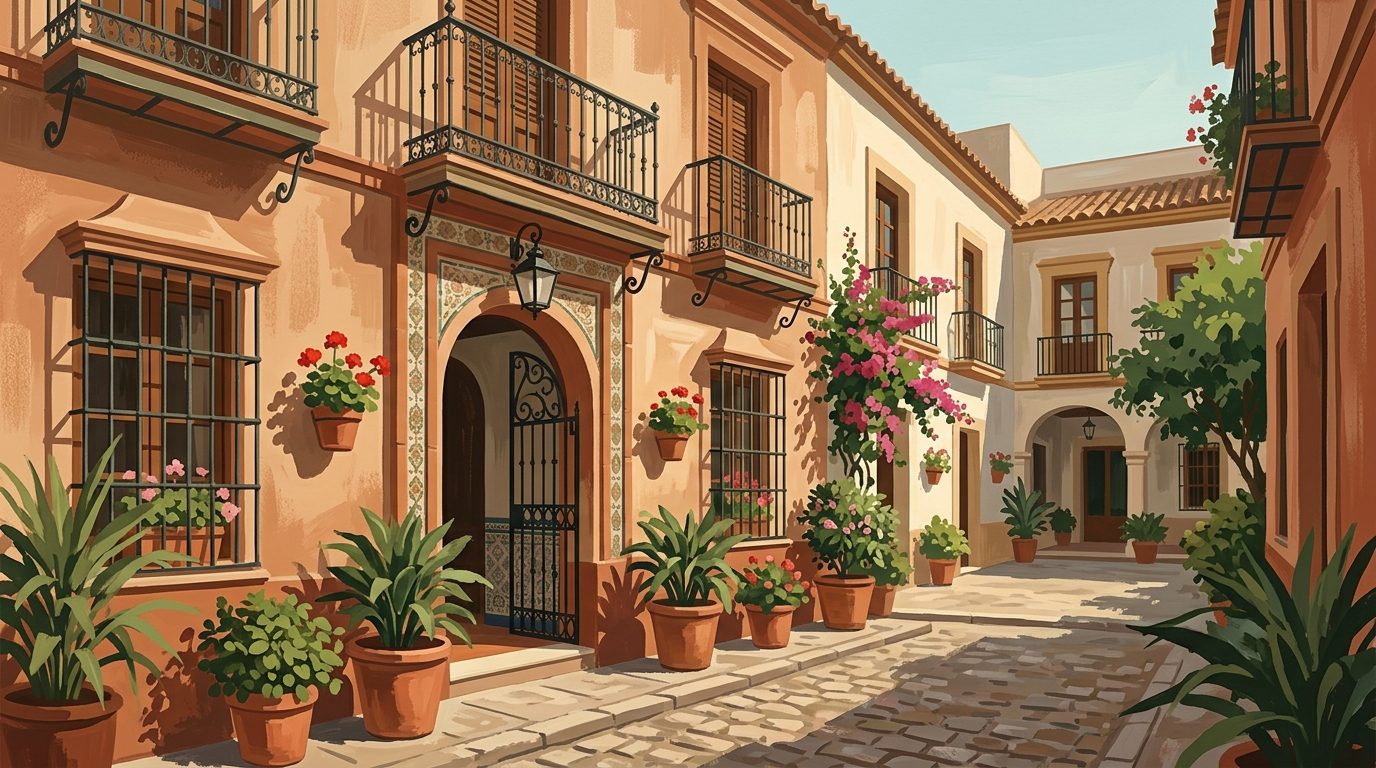
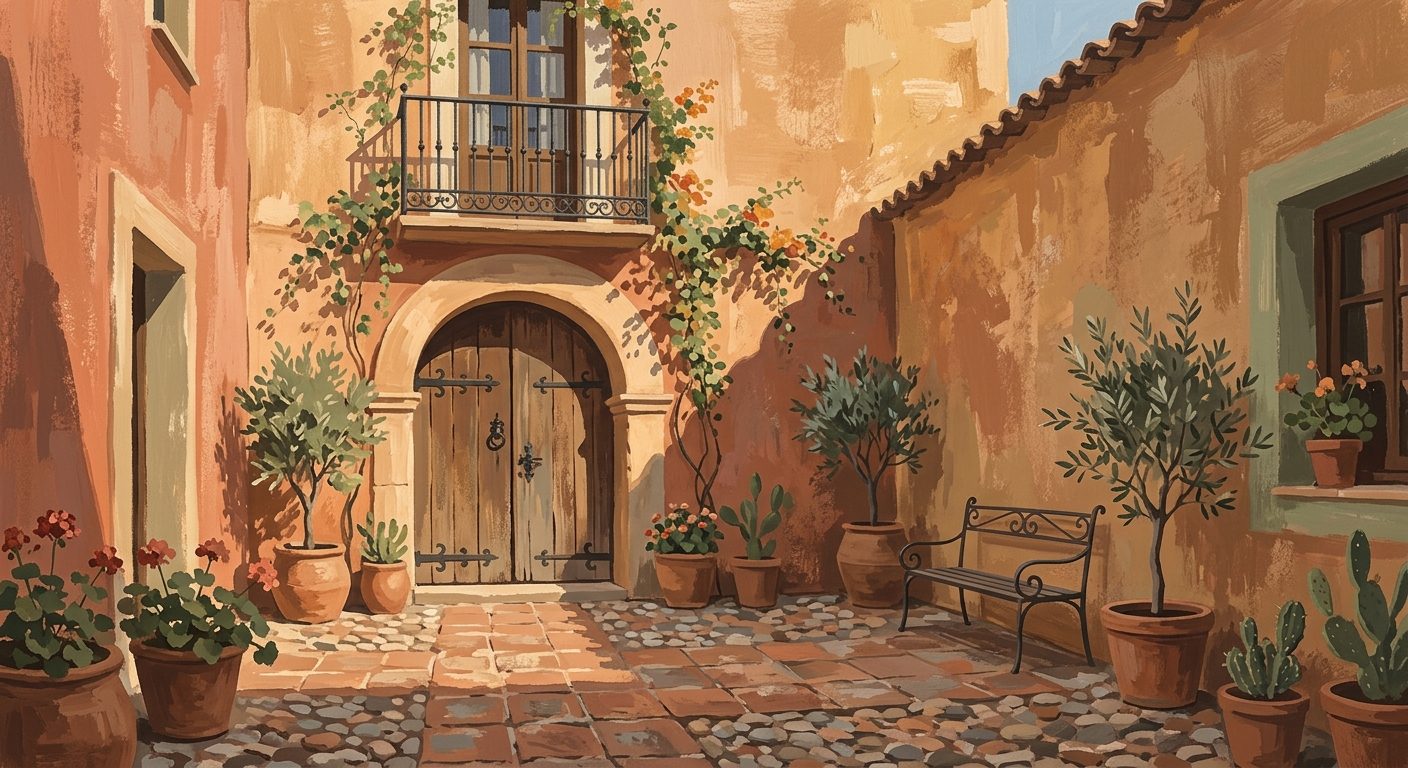
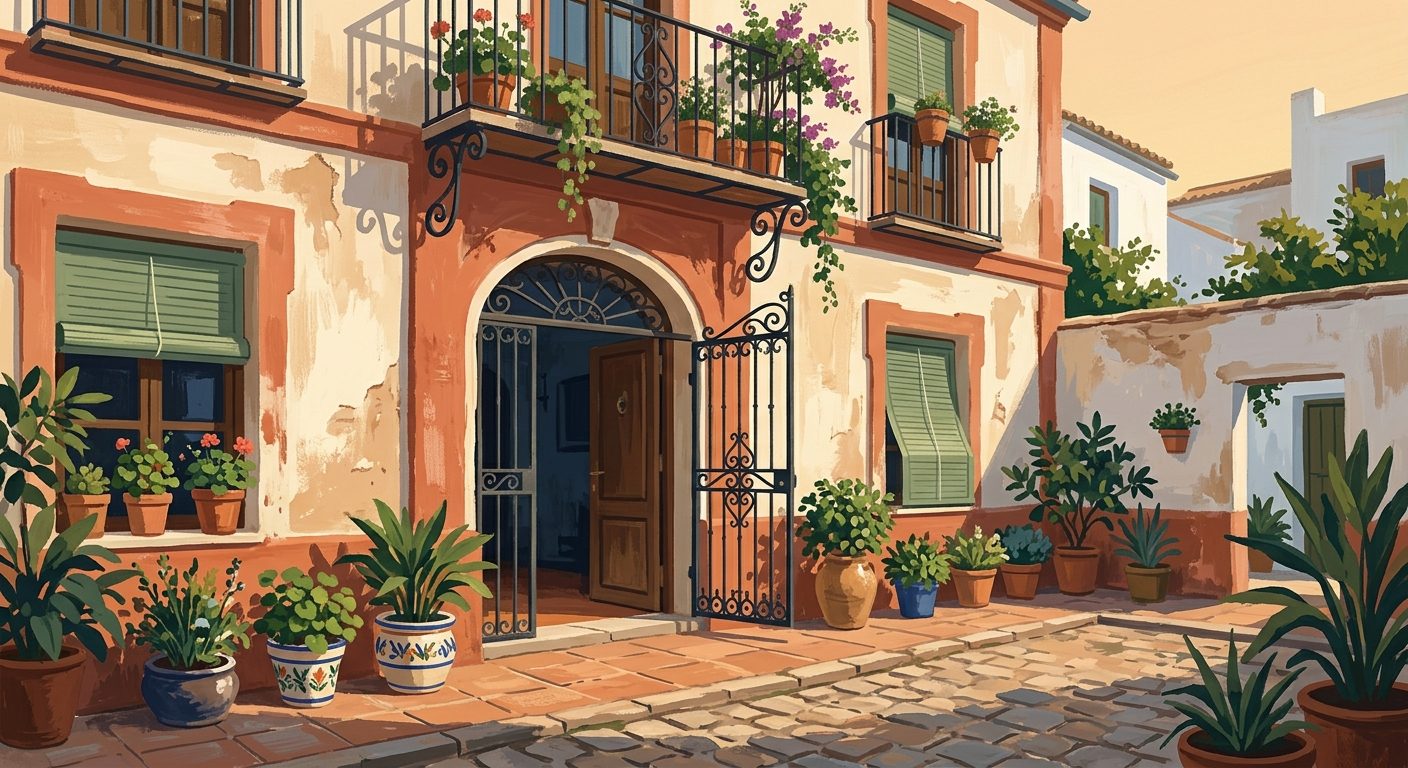
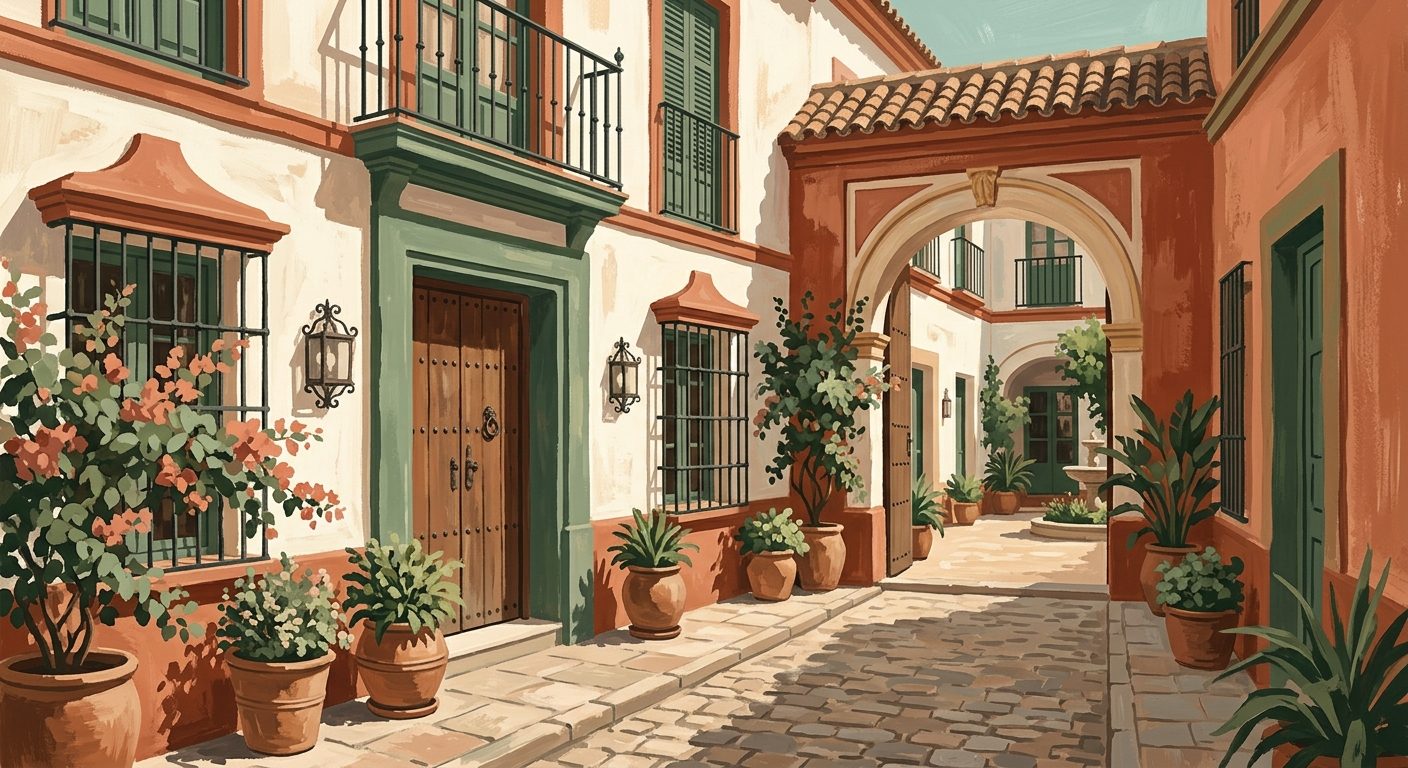
Arcos de la Frontera is often the first stop for travellers heading into the Sierra de Cádiz. It is defined by its location; the old town occupies a narrow ridge of sandstone rock that terminates in a vertical cliff known as La Peña. From the approach road, the whitewashed houses appear to be cascading down the hillside, but once you enter the narrow alleys of the casco antiguo, the scale changes. The streets are so narrow in places that you can touch the walls on both sides, a design intended to provide shade during the intense heat of the Andalucían summer. This is a place where the landscape dictates the architecture, and every turn reveals a new perspective of the rolling olive groves and the river winding far below.
The town is divided into the 'lower town' (Barrio Bajo) and the 'old town' (Casco Antiguo). While the lower town is functional and residential, the upper town is where the historical weight of the village resides. Historically, Arcos was a strategic stronghold, first for the Romans and later for the Moors, before falling to Christian forces in the 13th century. The suffix "de la Frontera" refers to its position on the frontier between Christian and Muslim territories during the Reconquista.
What to See & Do
Plaza del Cabildo and the Balcón de la Peña
The heart of the upper town is the Plaza del Cabildo. It is an unusual square because one side is completely open, acting as a terrace that looks out over the 150-metre drop to the valley floor. Known as the Balcón de la Peña, this viewpoint offers panoramas of the Guadalete River and the surrounding countryside. On clear days, you can see the distant peaks of the Sierra de Grazalema. The square is framed by some of the most important buildings in the village: the Parador, the Town Hall, and the Basílica de Santa María.
Basílica de Santa María de la Asunción
Dominating the Plaza del Cabildo, this church is a complex architectural puzzle. Built on the site of an old mosque, its construction spanned several centuries, resulting in a blend of Gothic, Renaissance, and Baroque styles. The exterior is particularly striking for its Plateresque doorway and the unfinished bell tower. Inside, the choir stalls are an exceptional example of Baroque woodcarving, and the high altar features an intricate retablo. The church has been declared a National Monument and is considered the most important temple in the province after the cathedral in Cádiz.
Iglesia de San Pedro
Located at the very edge of the cliff on the opposite side of the old town, the 16th-century Iglesia de San Pedro is equally impressive. It is famous for its massive tower, which dominates the village skyline. The interior contains a fine collection of paintings and a spectacular gilded altarpiece. If you have the energy, the climb up the tower provides the highest vantage point in the village, offering a 360-degree view that includes the castle walls and the labyrinth of tiled roofs that make up the town centre.
Callejón de las Monjas
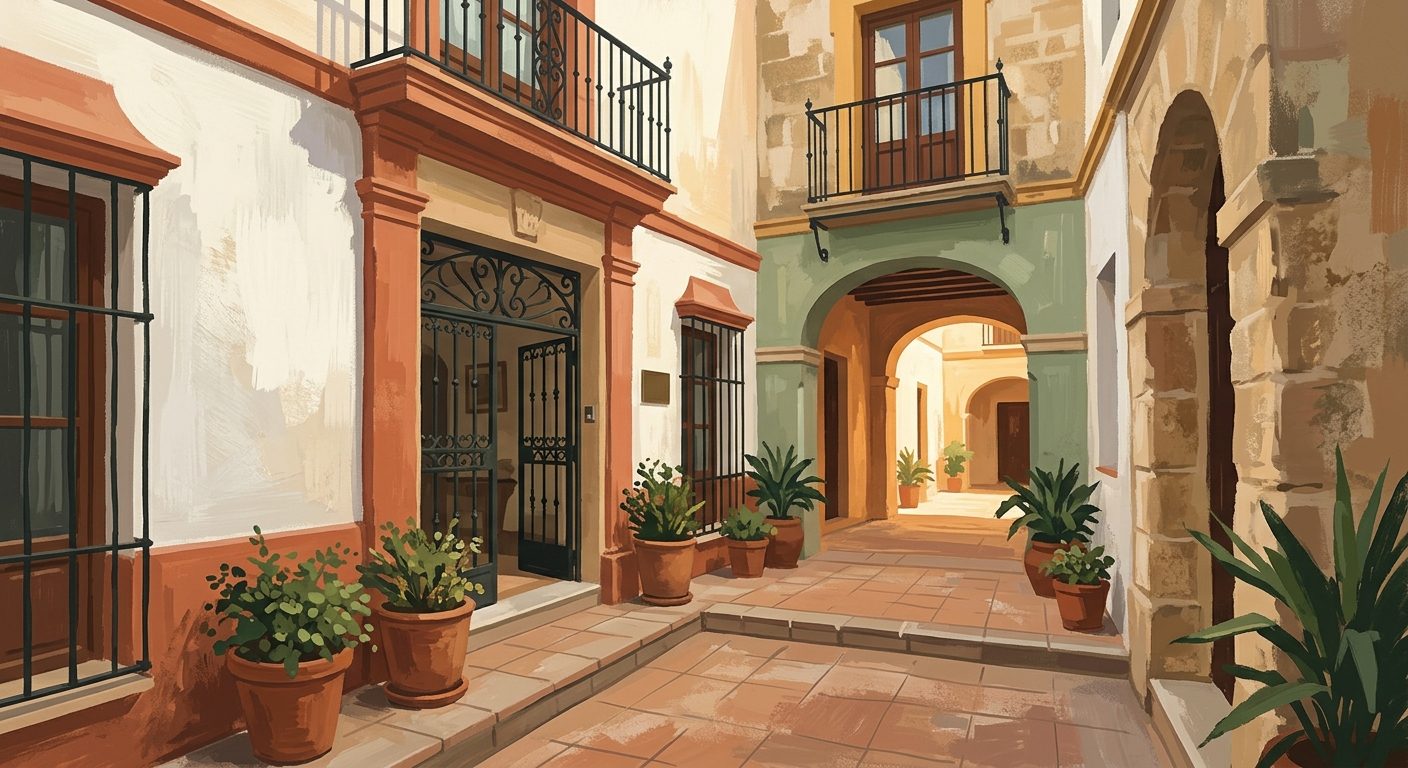
Walking through the old town, you will encounter the Callejón de las Monjas. This narrow street is famous for the stone flying buttresses that arch overhead, connecting the Convento de la Encarnación with the Basílica de Santa María. It is one of the most photographed spots in Arcos and perfectly illustrates the medieval layout of the town, where space was at a premium and buildings were often structurally interdependent.
Practical Information
Opening Times:
Most monuments in Arcos switch between summer (May to September) and winter (October to April) hours. The Basílica de Santa María is generally open Monday to Friday from 10:00 to 19:00 (May to September); check the official site for holy day closures. It is also open Saturdays from 10:00 to 14:00. However, Saturday afternoon hours are subject to closure for religious ceremonies; visitors in July should be particularly aware of wedding service interruptions. The Iglesia de San Pedro typically opens Monday to Saturday from 10:00 to 14:00 and 16:00 to 19:00. Please check current seasonal schedules on the official Arcos de la Frontera tourism portal before travelling.
Ticket Prices:
Entry to the Basílica de Santa María is approximately €5, which usually includes an audio guide. Entry to the Iglesia de San Pedro is €3. Access to the main viewpoints and the Plaza del Cabildo is free. (Please check on the official tourism portal before travelling to confirm current prices).
How to Get There:
Arcos is well-connected by road. From Jerez de la Frontera, take the A-382 (approx. 30 minutes). From Sevilla, the drive takes about an hour and fifteen minutes via the AP-4 and A-382. Regular buses run from the Cádiz and Jerez bus stations, though a car is recommended if you plan to explore the other White Villages.
Parking:
Driving into the old town is highly discouraged due to the incredibly narrow streets and restricted access for non-residents. The best place to park is the underground car park at Plaza de España in the lower town. From there, it is a steep but rewarding 10-minute walk up to the historical centre. Alternatively, a small shuttle bus runs from the lower town to the Plaza del Cabildo.
Where to Eat Nearby
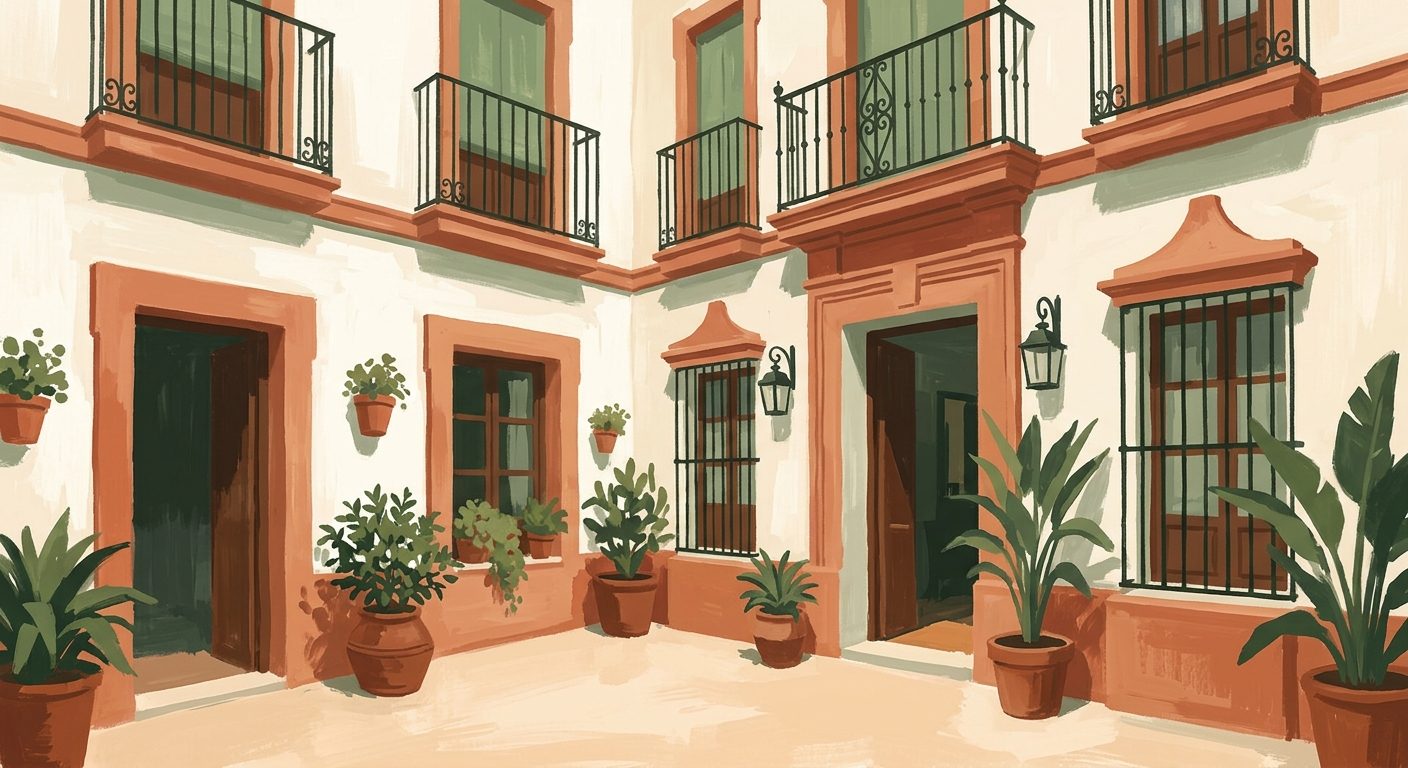
For a contemporary take on traditional Cádiz mountain cuisine, Restaurante Aljibe (located on Calle Cuesta de Belén) is an excellent choice. Situated in a refurbished building with a charming courtyard, they serve dishes like Retinto beef and local artichokes. If you prefer a more traditional setting, Taberna Jóvenes Flamencos on Calle Dean Espinosa offers a classic atmosphere with walls adorned with local memorabilia. Their tapas, particularly the carrillada (braised pork cheek) and the local cheeses from the Sierra, are highly regarded. For a coffee or a glass of sherry with a view, the terrace at the Parador de Arcos is hard to beat.
Where to Stay
The Parador de Arcos de la Frontera is the most sought-after accommodation, housed in a former magistrate's palace on the cliff edge. It offers traditional Andalucían decor and unparalleled views from its terrace. For a more intimate boutique experience, Hotel La Casa de las Bóvedas is a restored 18th-century mansion featuring original vaulted ceilings and a peaceful central courtyard. Both options put you within steps of the village's main historical sites and the dramatic cliff-top walks.