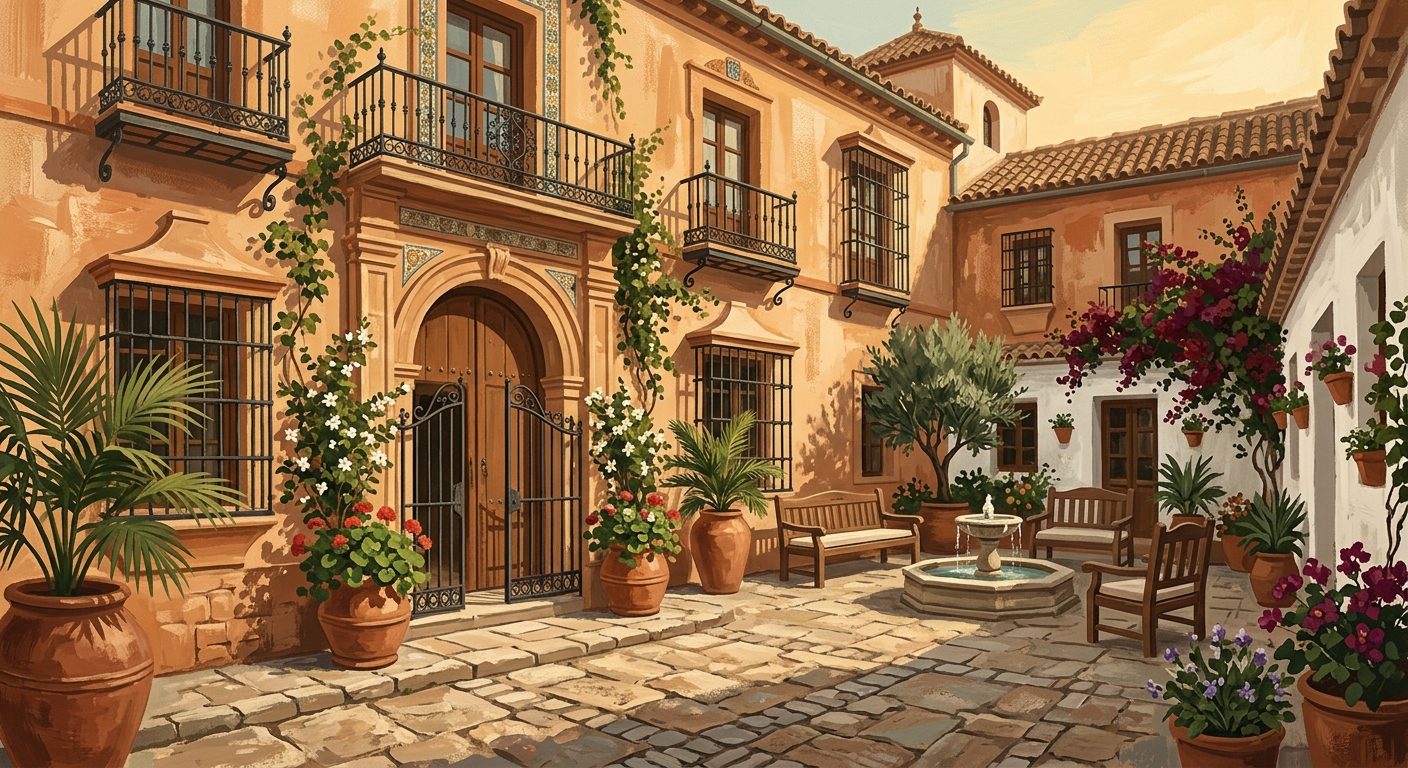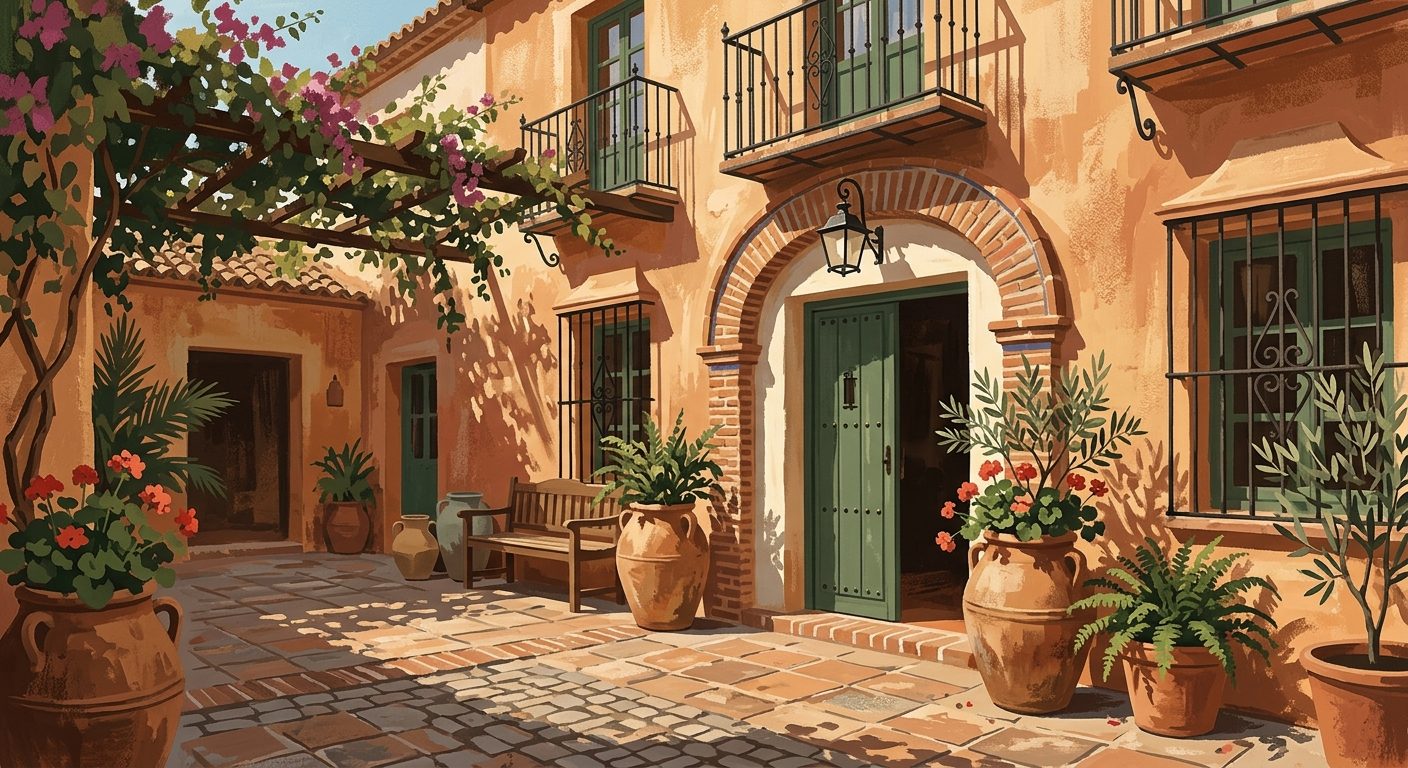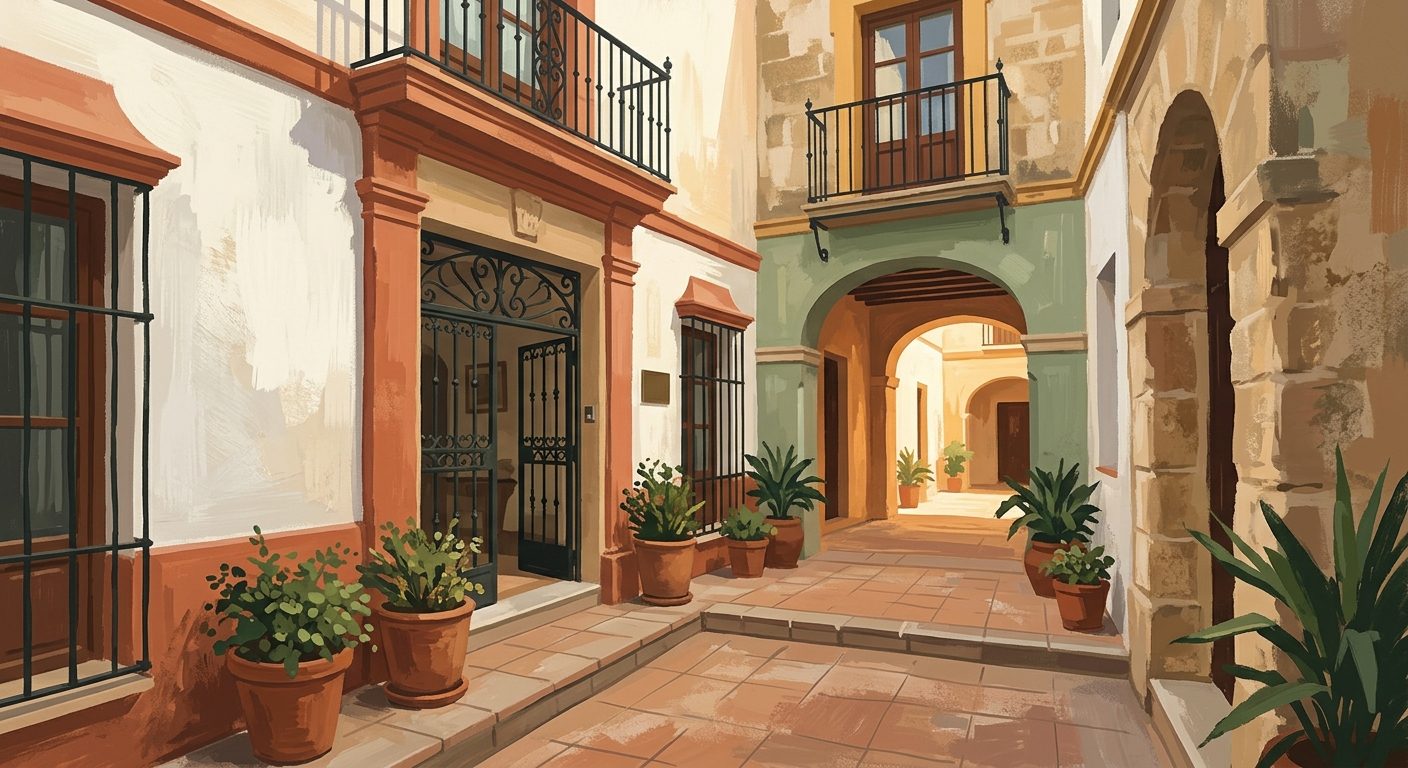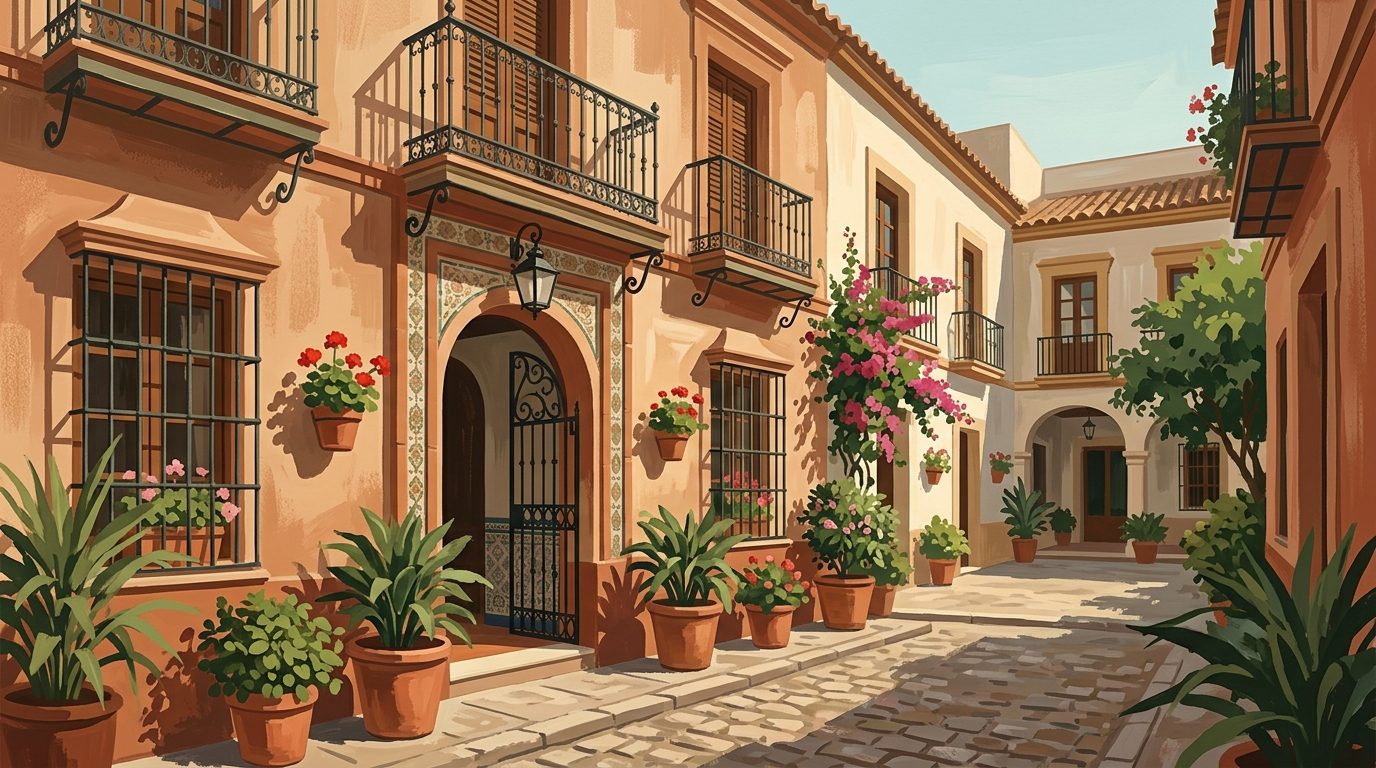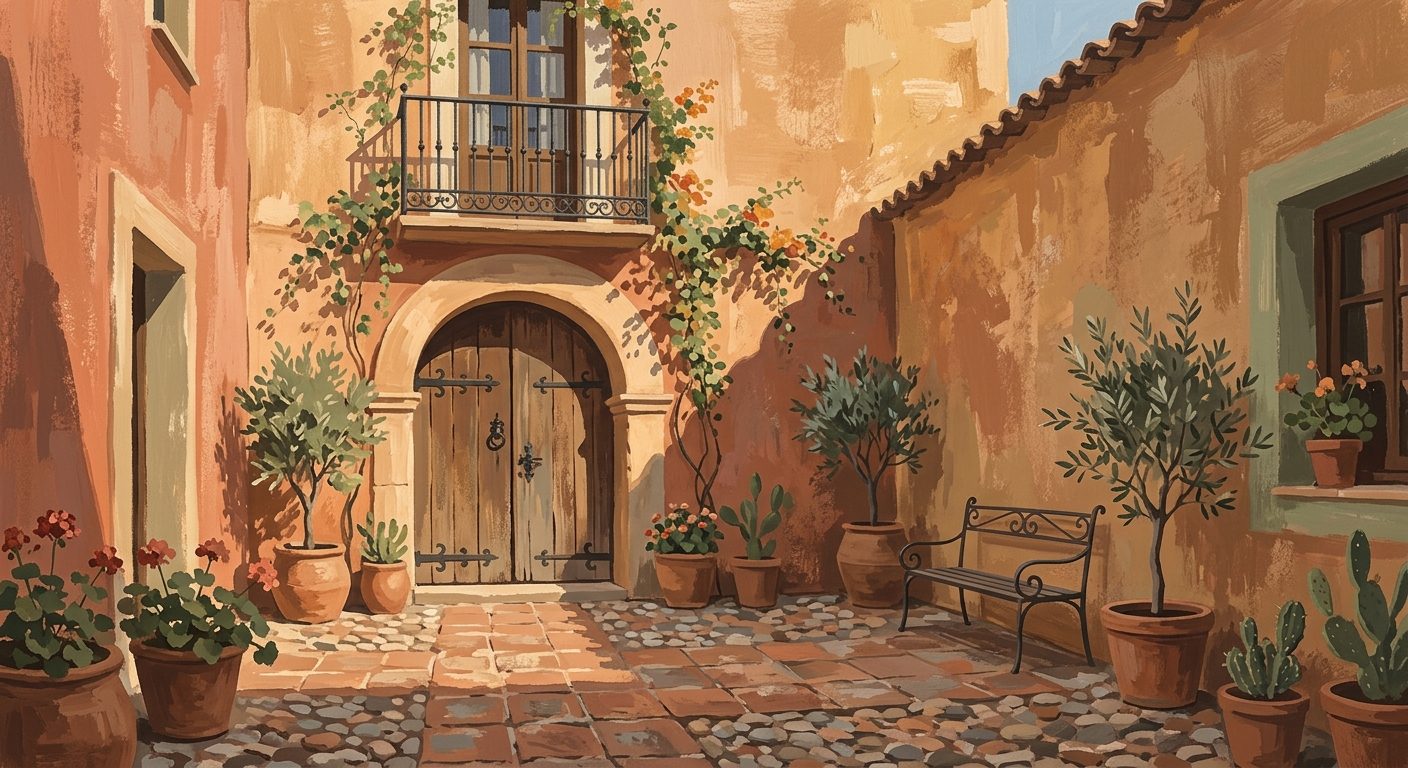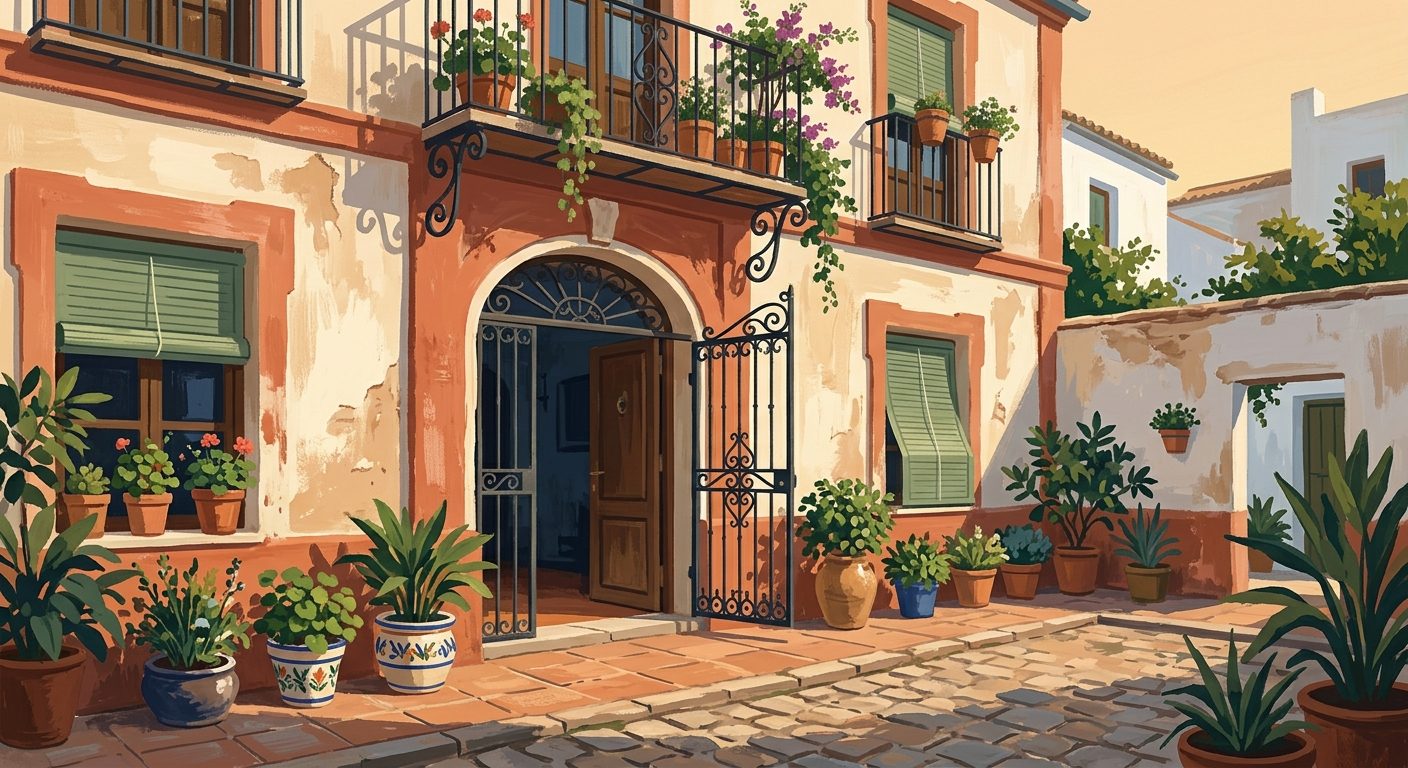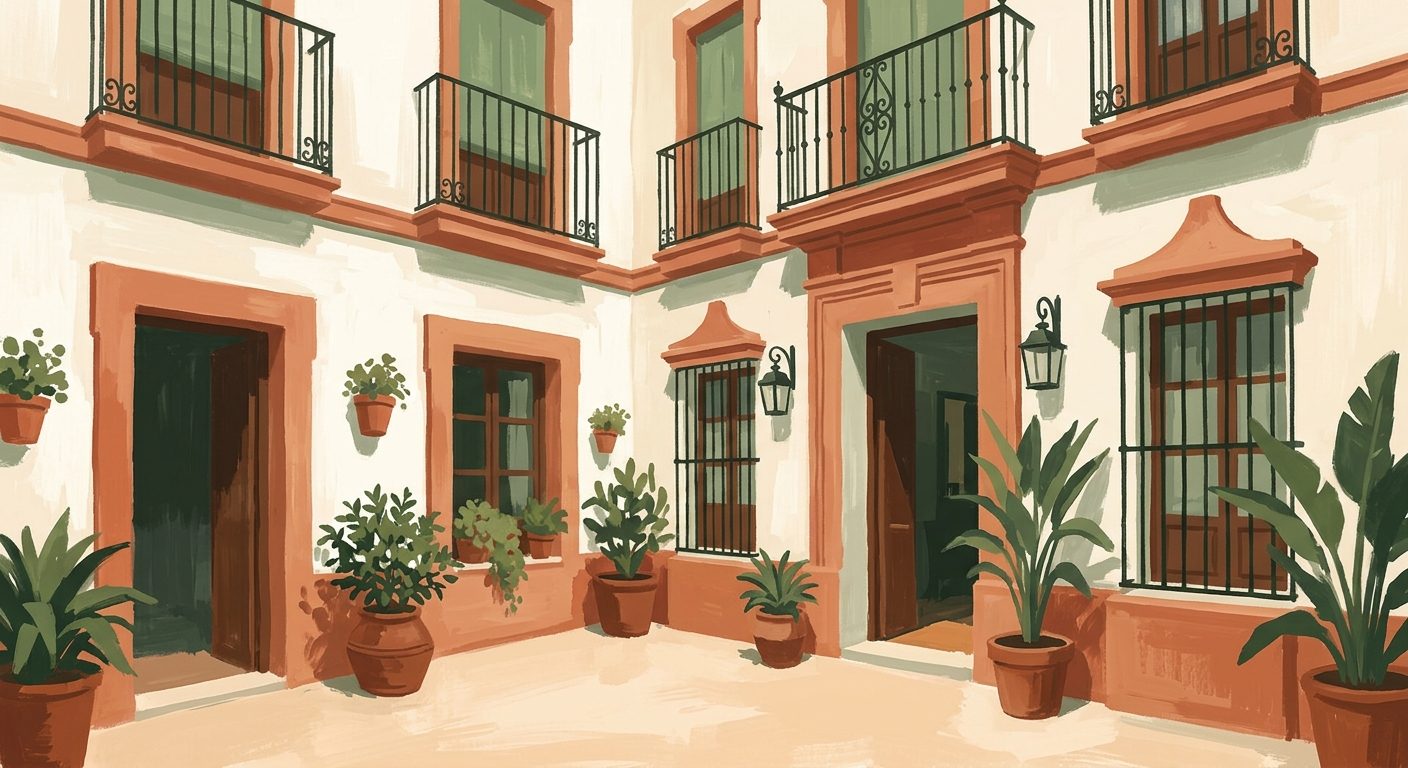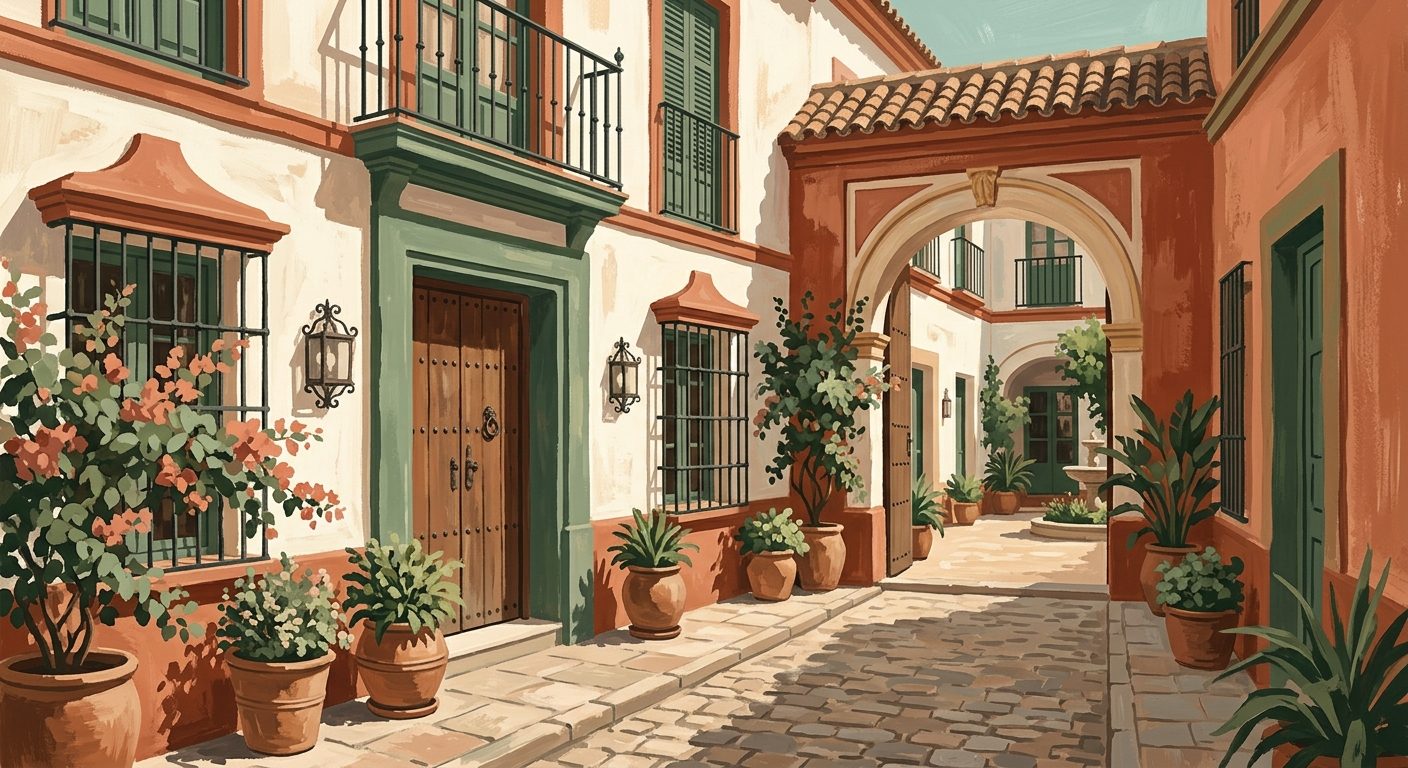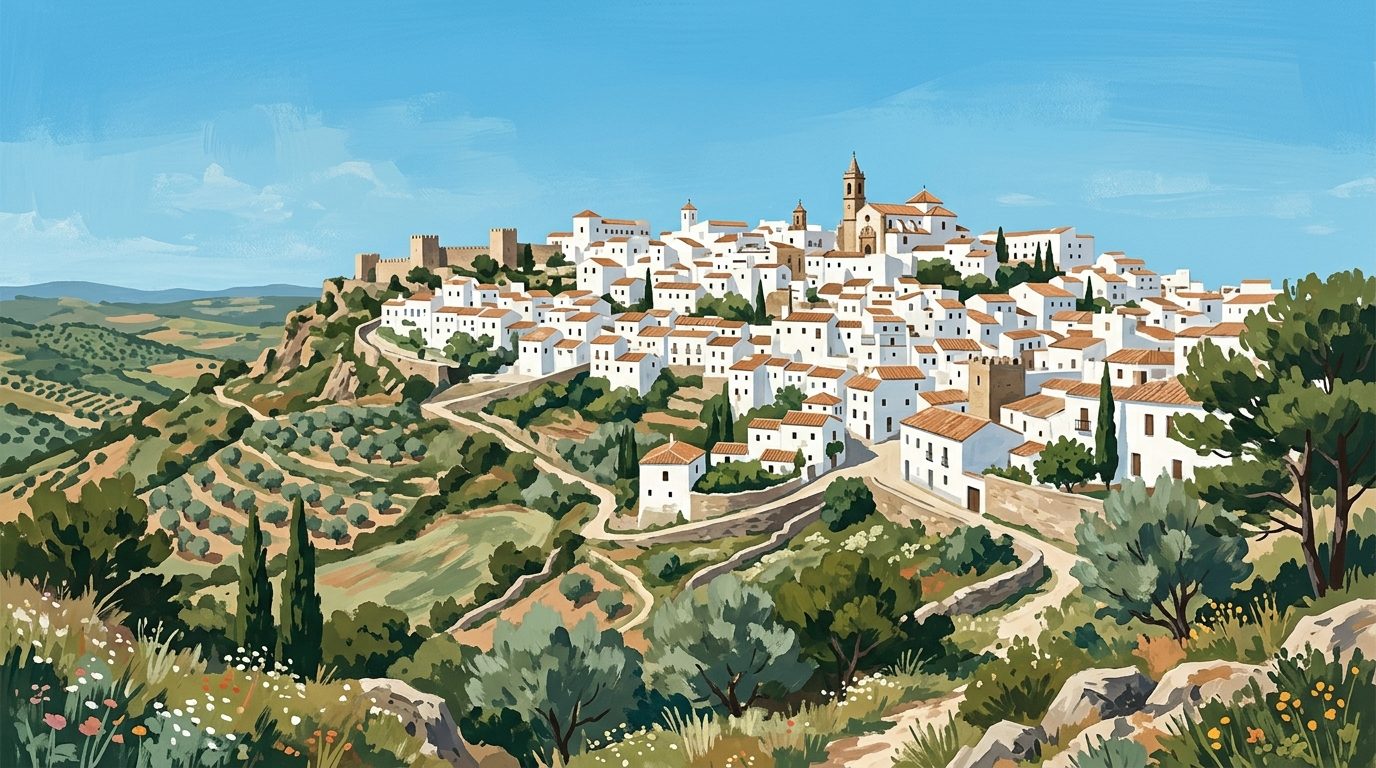
High above the Atlantic coast, Vejer de la Frontera stands as a labyrinth of whitewashed walls and narrow alleys that still echo its Moorish past. It is a place where traditional Andalucían culture meets a sophisticated modern culinary scene, all framed by views of the Strait of Gibraltar.
Vejer de la Frontera is often cited as the most striking of the Pueblos Blancos, and for good reason. Perched on a limestone spur 190 metres above sea level, it overlooks the rolling plains of La Janda and the nearby Atlantic shoreline of El Palmar. While many white villages are tucked into the folds of the Sierra de Grazalema, Vejer stands solitary and exposed to the Atlantic breezes, a position that has made it a strategic stronghold for millennia. Its history is etched into the stone, from the Carthaginian foundations to the five centuries of Moorish rule that defined its urban layout.
Today, Vejer manages a delicate balance. It remains a working agricultural town where elders gather in the squares, yet it has become a magnet for chefs, artists, and travellers who appreciate its preserved architecture and slow pace of life. Walking through the gates of the old town feels like stepping into a different century, where the scent of orange blossom mixes with grilled Retinto beef and the distant hum of wind turbines on the horizon provides a modern contrast to the medieval skyline.
What to See and Do
The Plaza de España
Locals call it the Plaza de los Pescaítos (Plaza of the Little Fish), and it is widely considered one of the most attractive squares in Spain. Surrounded by towering palm trees and white-fronted houses, the centrepiece is a magnificent fountain decorated with traditional Sevillian tiles depicting colourful frogs and fish. This is the social heart of Vejer. During the heat of the afternoon, the ceramic benches offer a cool place to rest, while the surrounding town hall and restaurants provide a constant backdrop of local life. It is the ideal starting point for any exploration of the old quarter.
The Walled Enclosure and City Gates
The medieval walls of Vejer are remarkably well-preserved, encircling the highest part of the town. You can walk along sections of these ramparts to get a sense of the town's former defensive power. There are four original gates still standing: the Arco de la Segur, the Arco de Sancho IV, the Arco de la Villa, and the Arco de Puerta Cerrada. Each gate leads into a maze of steep, winding streets. The Arco de la Segur is particularly impressive, built during the reign of the Catholic Monarchs, and leads directly toward the parish church and the castle.
Castillo de Vejer
Located at the highest point of the village, the 10th-century castle was built on the foundations of an earlier Visigothic fortress. Much of what stands today is a mix of Moorish and Christian architecture. Entering through the horseshoe arch, you find a central courtyard (patio) that opens up to the battlements. From here, the views are spectacular, stretching across the rooftops toward the coast of Africa on a clear day. Unlike the grand alcázares of Sevilla or Granada, this is a smaller, more intimate fortification that feels deeply connected to the village.
The Legend of the Cobijada
As you wander through the streets, you will notice statues of women draped in heavy black cloaks that cover everything but one eye. This is the Cobijada, the traditional dress of Vejer. Although it bears a resemblance to Islamic dress, it is actually a Castilian style that persisted in Vejer long after the Reconquista. It was banned in the 1930s for security reasons but has since become a symbol of the town's identity. You can learn more about this tradition at the Museo de Costumbres y Tradiciones, housed in the former Convent of the Conceptionists.
The Windmills of Santa Inés
On the ridge known as San Miguel, just outside the main town centre, stand several restored flour windmills. Because Vejer is so exposed to the Atlantic winds, these mills were essential for the local economy for centuries. The most famous is the Molino de San Francisco. You can often go inside to see the original grinding mechanisms and understand how the levante and poniente winds were harnessed to produce flour for the region. The walk to the mills offers an excellent perspective of the village's verticality.
Practical Information
Opening Times and Tickets
The Castillo de Vejer is typically open Monday to Saturday from 10:30 to 14:00 and 16:30 to 19:00, with reduced hours on Sundays. Entry is usually free or costs a nominal fee of around €2. The Museo de Costumbres y Tradiciones (Convent of the Conceptionists) opens Tuesday to Sunday, 10:30 to 14:00 and 17:00 to 20:00, with an entry fee of €3. (Check the official Vejer tourism portal for current opening hours and prices before travelling).
The Iglesia Divino Salvador, built on the site of an old mosque, is open for visits during non-service hours, generally 11:00 to 13:00 and 17:00 to 19:00. A small donation (usually €1 to €2) is expected for entry.
Getting There and Parking
Vejer is located just off the A-48 motorway. If driving from Cádiz (50 minutes) or Jerez (1 hour), follow the signs for Algeciras. Driving into the town centre is highly discouraged as the streets are exceptionally narrow and often restricted to residents. Park in the large free car park at the entrance of the town (La Corredera) or the multi-storey car park near the health centre (Centro de Salud). From there, it is a short, albeit steep, walk into the historic centre.
Public transport is available via the Comes bus company, with regular services from Cádiz city and Sevilla (check on the operator's website for live schedules before travelling). The bus stop is located at the bottom of the hill, requiring a 15-minute uphill walk or a short taxi ride to reach the Plaza de España.
Where to Eat Nearby
Vejer is a culinary destination in its own right. El Jardín del Califa is the most famous spot, located in a restored 16th-century building in the Plaza de España. It serves North African and Middle Eastern cuisine in a palm-filled courtyard; booking weeks in advance is essential. For those seeking the local Retinto beef, La Castillería in the nearby hamlet of Santa Lucía (a 10-minute drive) is widely regarded as one of the best steakhouses in Andalucía (note: typically open March to October). Back in the village, Corredera 55 offers Mediterranean dishes with excellent views over the valley, focusing on local seasonal vegetables and fresh fish from Barbate.
Where to Stay
For a traditional experience, Hotel La Casa del Califa offers rooms decorated with Moroccan antiques and interconnected by secret tunnels and courtyards. For a more contemporary feel, Hotel V... is a boutique hotel that provides a rooftop terrace with some of the best views in the village. If you prefer a rural setting, several fincas and cortijos in the surrounding countryside offer a quiet retreat while remaining within a short drive of the village centre.