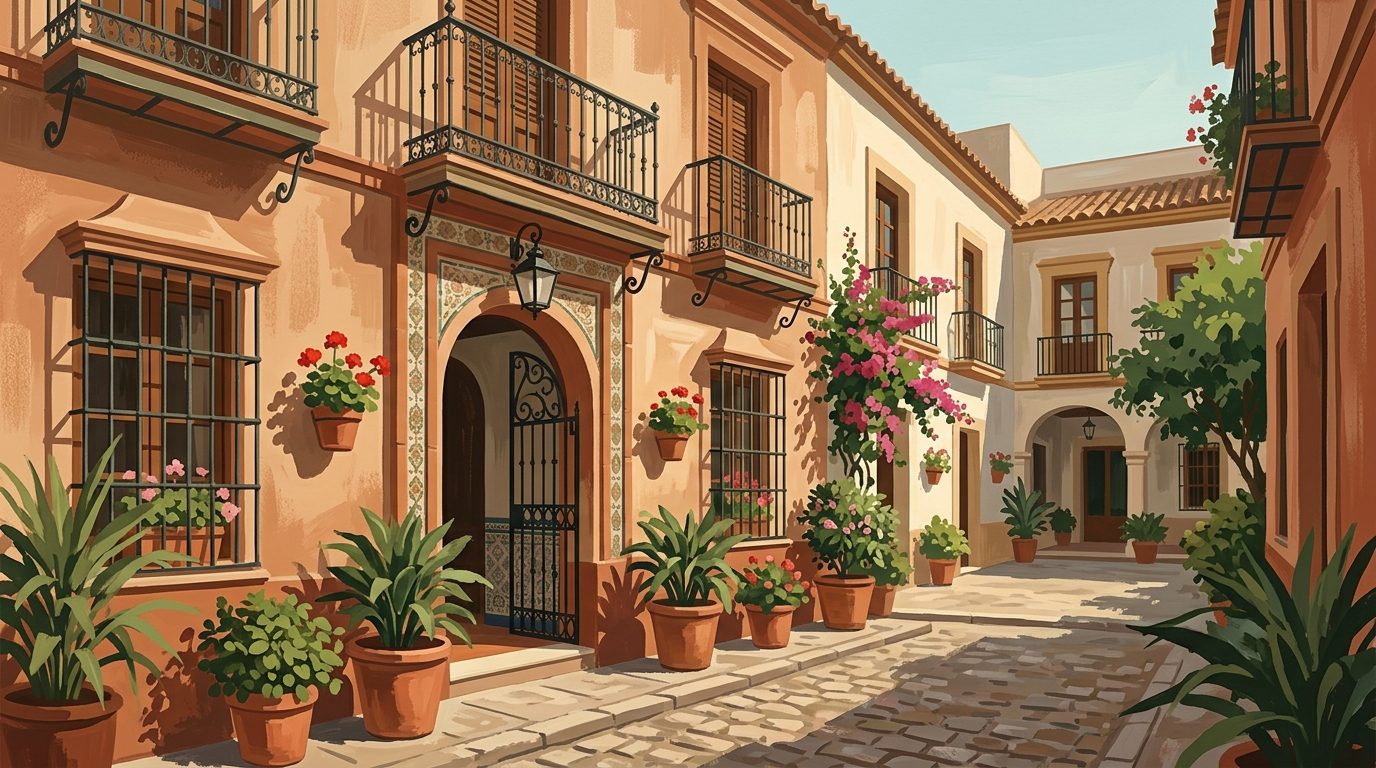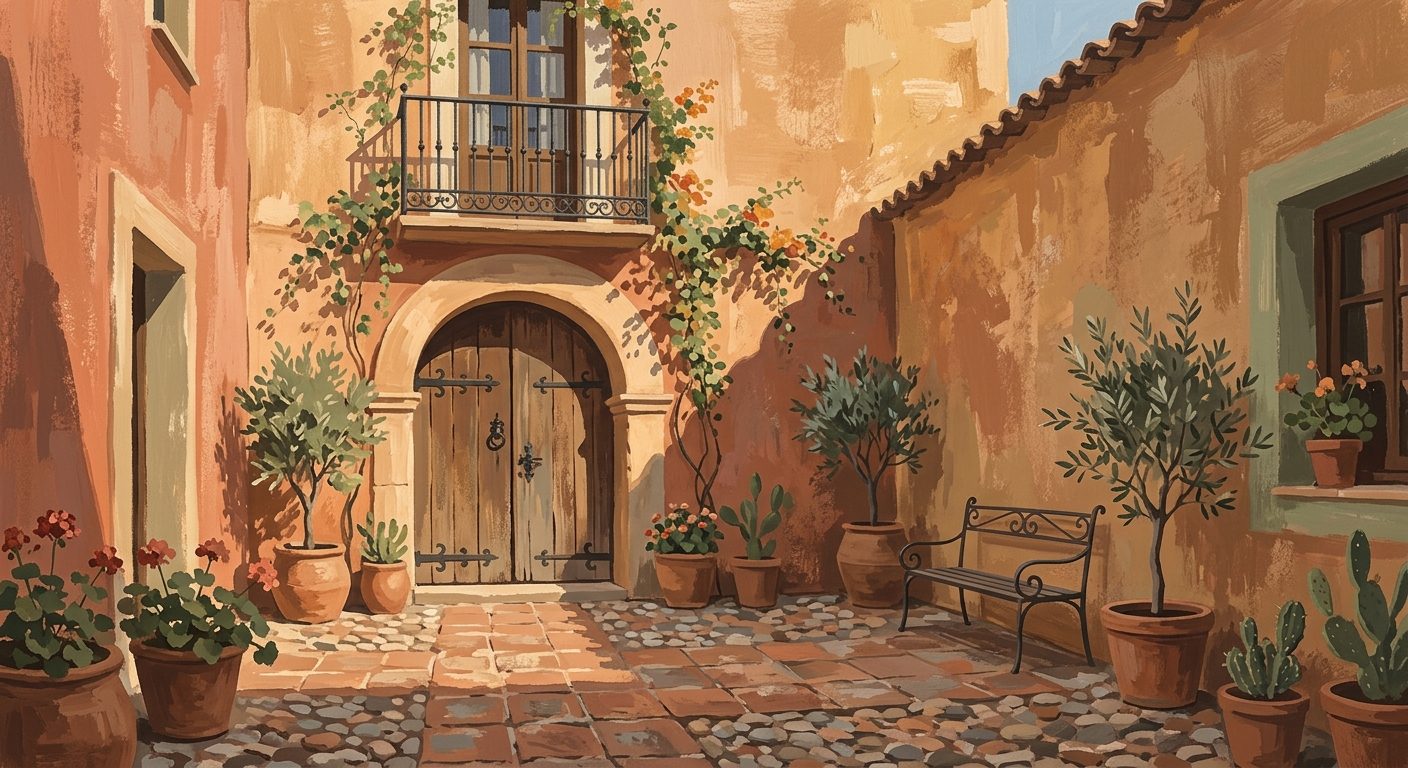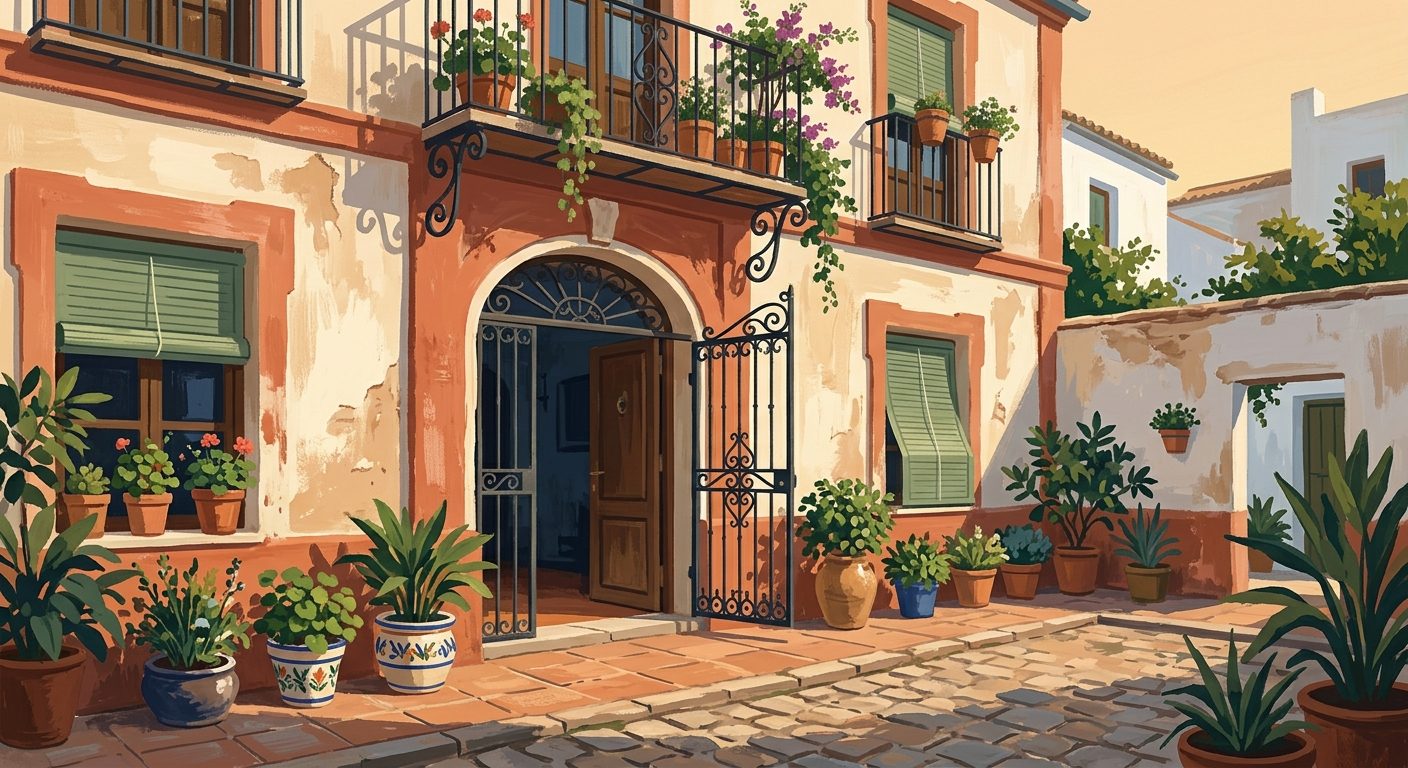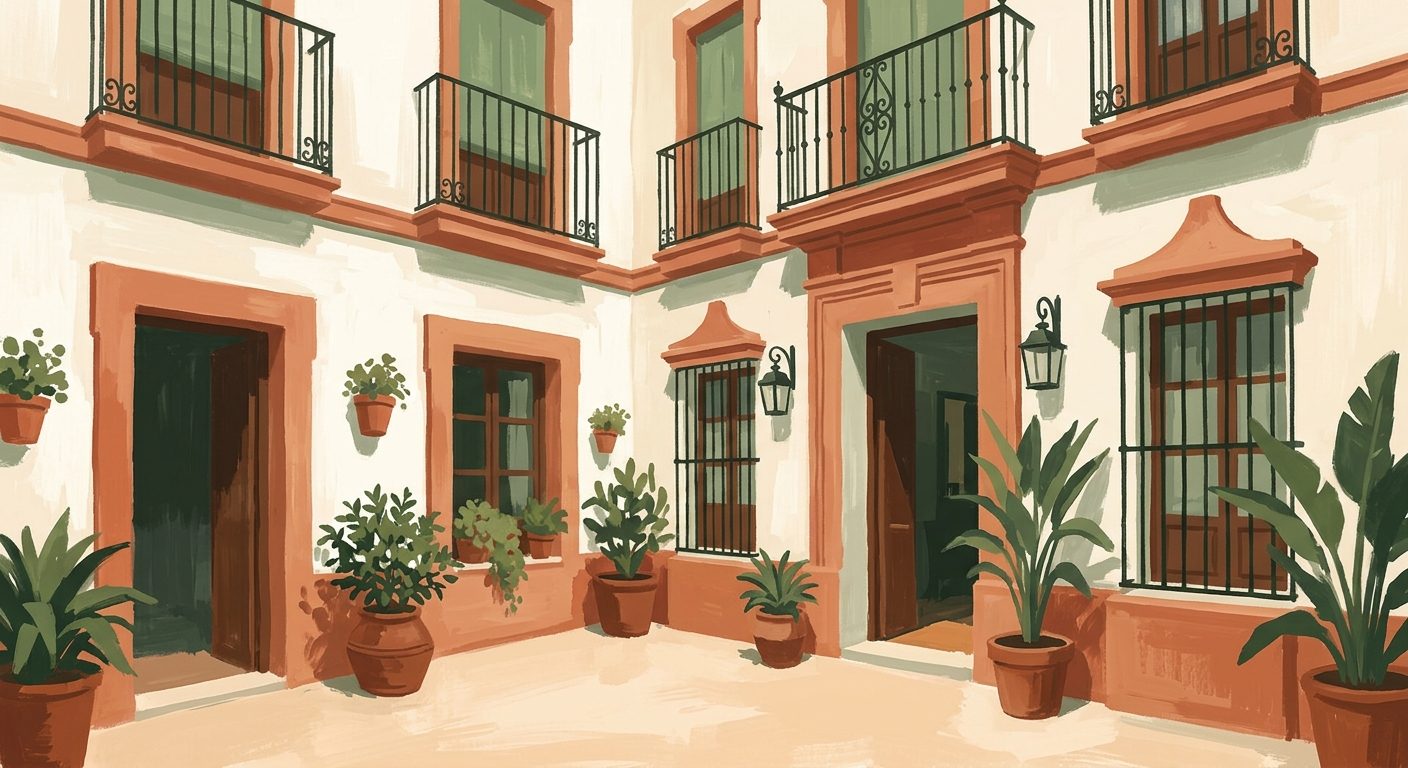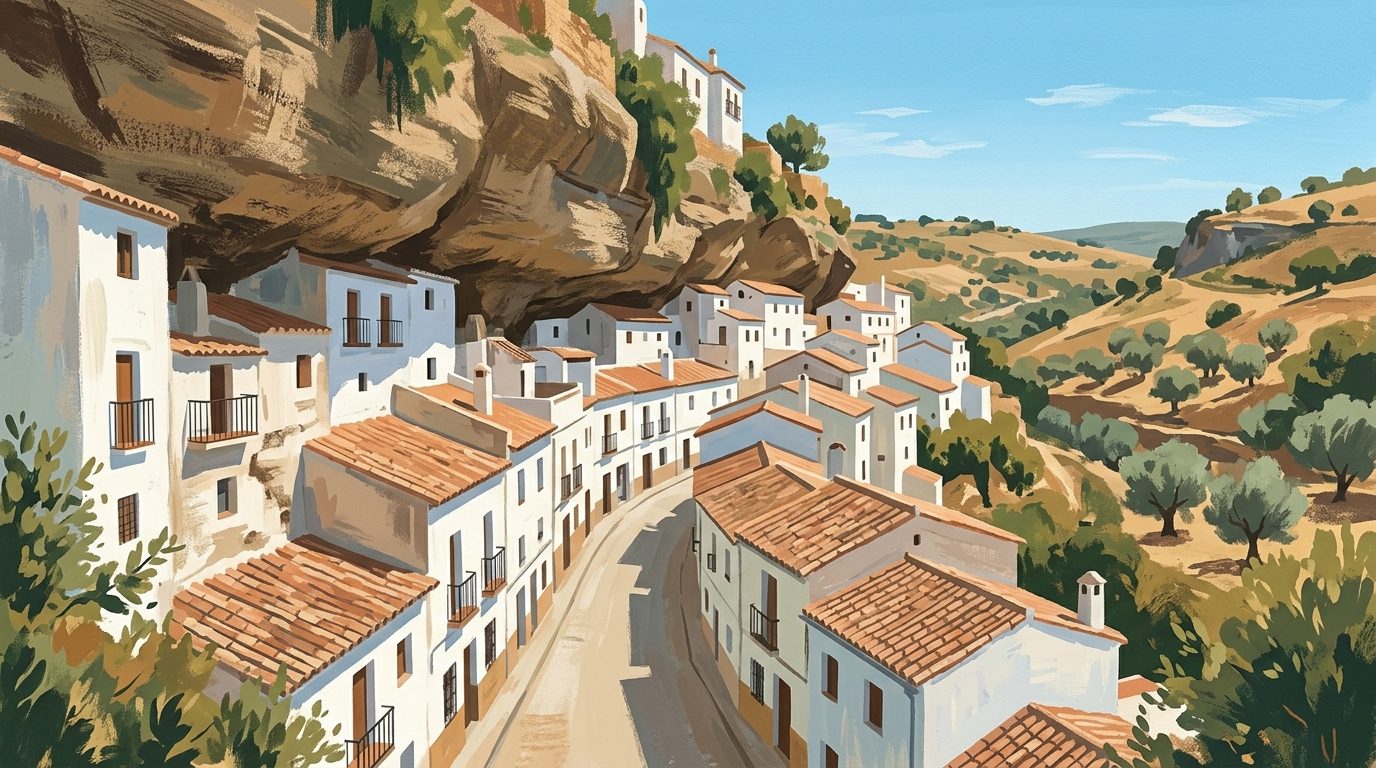
Setenil de las Bodegas turns the traditional concept of a mountain village upside down, with its streets carved directly into the limestone cliffs of the Trejo river gorge. It offers a rare opportunity to walk beneath millions of tonnes of overhanging rock that serve as the natural roofs for homes, shops and cafes.
Setenil de las Bodegas is perhaps the most architecturally distinct of Cádiz’s Pueblos Blancos. While most white villages in the region were constructed on high defensive ridges to survey the surrounding countryside, Setenil was built into the deep canyon eroded by the River Trejo. This location was not chosen for the views, but for the thermal properties of the rock itself. By using the natural overhanging cliffs as ceilings and walls, the residents created dwellings that remain naturally cool during the scorching Andalucían summers and retain warmth throughout the winter.
The name Setenil has deep historical roots, stemming from the Latin septem nihil, meaning "seven times nothing." This refers to the seven failed sieges by Christian forces before they finally took the village from the Moors in 1484. The second part of its name, "de las Bodegas," refers to the extensive vineyards that once covered the surrounding hills before the phylloxera plague of the 19th century decimated the local wine industry. Today, olive groves have largely replaced the vines, but the name remains a tribute to its agricultural past.
What to See & Do
The Streets of Sun and Shadow
The layout of Setenil is defined by two primary streets that sit on opposite sides of the river: Calle Cuevas del Sol (Caves of the Sun) and Calle Cuevas de la Sombra (Caves of the Shadow). Calle Cuevas del Sol is the most photographed spot in town. Facing south, it receives sunlight throughout the day, and the houses here are tucked neatly under a massive shelf of rock. It is the social heart of the village, lined with terrace bars where you can sit with a drink while looking up at the geological ceiling above you.
Cross the small bridge to reach Calle Cuevas de la Sombra. Here, the rock overhang is so complete that the street is entirely enclosed, forming a natural tunnel that rarely sees the sun. This street is significantly cooler and features several local artisan shops selling honey, leather goods, and the famous olive oil of the Sierra de Cádiz. Walking here provides a sense of the immense weight of the cliffs, as the whitewashed facades of the buildings appear to be supporting the mountain itself.
The Medieval Castle and Torre del Homenaje
Standing at the highest point of the village are the remains of the 12th-century Almohad fortress. While much of the original castle was destroyed during the Reconquista, the Torre del Homenaje (Keep) has been restored and is open to the public. Climbing to the top of the tower provides a panoramic perspective of the village’s unusual urban planning, showing how the houses cling to the contours of the gorge.
Nearby, you will find the Iglesia de Nuestra Señora de la Encarnación. Built in the 15th and 16th centuries over the site of the former mosque, the church is an interesting mix of Mudéjar and Gothic styles. It serves as a reminder of the village’s transition from Islamic rule to the Christian era.
Calle Herrería and Romantic Corners
Calle Herrería is one of the oldest and most atmospheric paths in Setenil. It is incredibly narrow and steep, winding its way down toward the river. This street features the famous "Besame en este rincón" (Kiss me in this corner) plaque, which has become a popular spot for visitors. For a small fee, often just one or two euros, some residents occasionally open their private cave homes to visitors, allowing you to see how the natural rock is integrated into modern kitchens and bedrooms.
Mirador del Carmen
To capture the best wide-angle view of Setenil, climb the steps to the Mirador del Carmen. Located next to the small Hermitage of San Benito, this viewpoint offers a clear sightline of the various levels of the village. You can see how the houses are stacked on top of one another, with the roof of one dwelling often serving as the terrace or foundation for the next. It is the best place to appreciate the sheer scale of the limestone cliffs that define life here.
Practical Information
Opening Times & Prices:
The village itself is an open-air museum and free to wander at any time. The Torre del Homenaje is generally open from 10:00 to 18:00 (with slight variations by season) and entry costs approximately €3. The local tourist office is situated on Calle Cuevas del Sol (No. 2) and provides paper maps which are useful given that GPS signals can be temperamental beneath the rock overhangs.
How to Get There:
Setenil de las Bodegas is located 18 kilometres (about 25 minutes) from Ronda. If you are driving from Málaga or Sevilla, the journey takes roughly 1 hour and 45 minutes. There is a bus service operated by Autocares Sierra de las Nieves (Damas group) that connects Ronda and Setenil multiple times a day (journey time 40 minutes, approx €2), though services are significantly reduced on weekends. The train station for Setenil is located 6 kilometres outside the village, so a car or bus is the preferred method of arrival.
Parking:
Driving into the centre of Setenil is strongly discouraged. The streets are exceptionally narrow and often end in dead-end tunnels. The best option is the Parking Los Caños, a multi-storey car park located on the edge of the village. It costs roughly €1.50 per hour or €8 for a full day. From here, it is a short, flat walk into the main cave-house area. Alternatively, limited free street parking can be found along Calle San Sebastián at the top of the village.
Where to Eat Nearby
For a traditional experience, Bar Frasquito on Calle Cuevas del Sol is excellent for tapas. Their croquetas and local chorizo are highly regarded. If you prefer a full meal, La Tasca offers tables situated deep within a cave interior; ensure you try the sopa cortijera, a hearty local soup made with bread, poached eggs, and wild asparagus. For a slightly more refined setting, Restaurante Casa Palmero in the Plaza de Andalucía serves fantastic oxtail stew and migas (fried breadcrumbs with garlic and peppers). Most establishments use local organic olive oil produced in the village cooperatives.
Where to Stay
To truly understand the village, stay overnight in a renovated cave house. Casa Cueva El Arrabal and Apartamentos Avanel offer the experience of sleeping under the natural rock with modern comforts. If you prefer a traditional hotel, Hotel Villa de Setenil is located in the centre and provides comfortable rooms with easy access to the main streets. For those who want a pool and more space, Hotel Tugasa El Almendral sits just on the outskirts of the village.