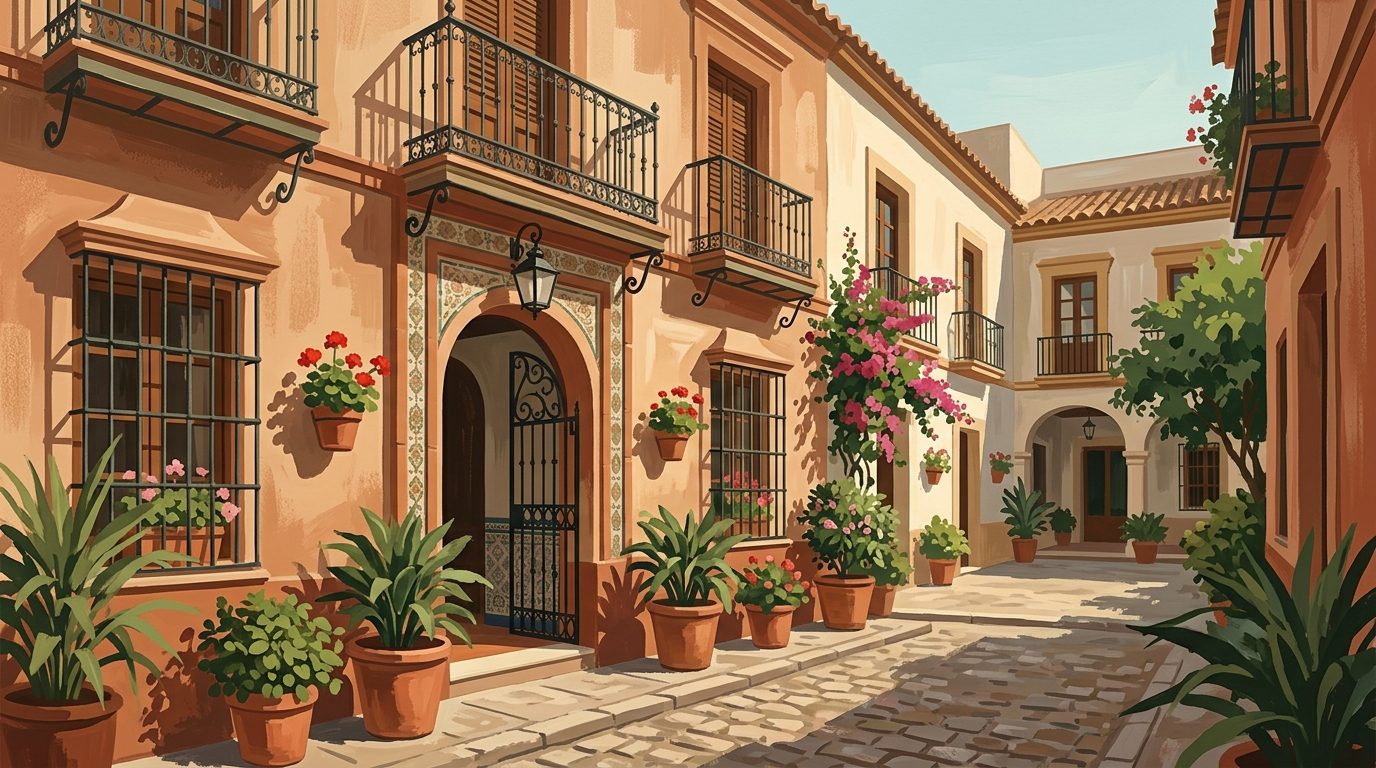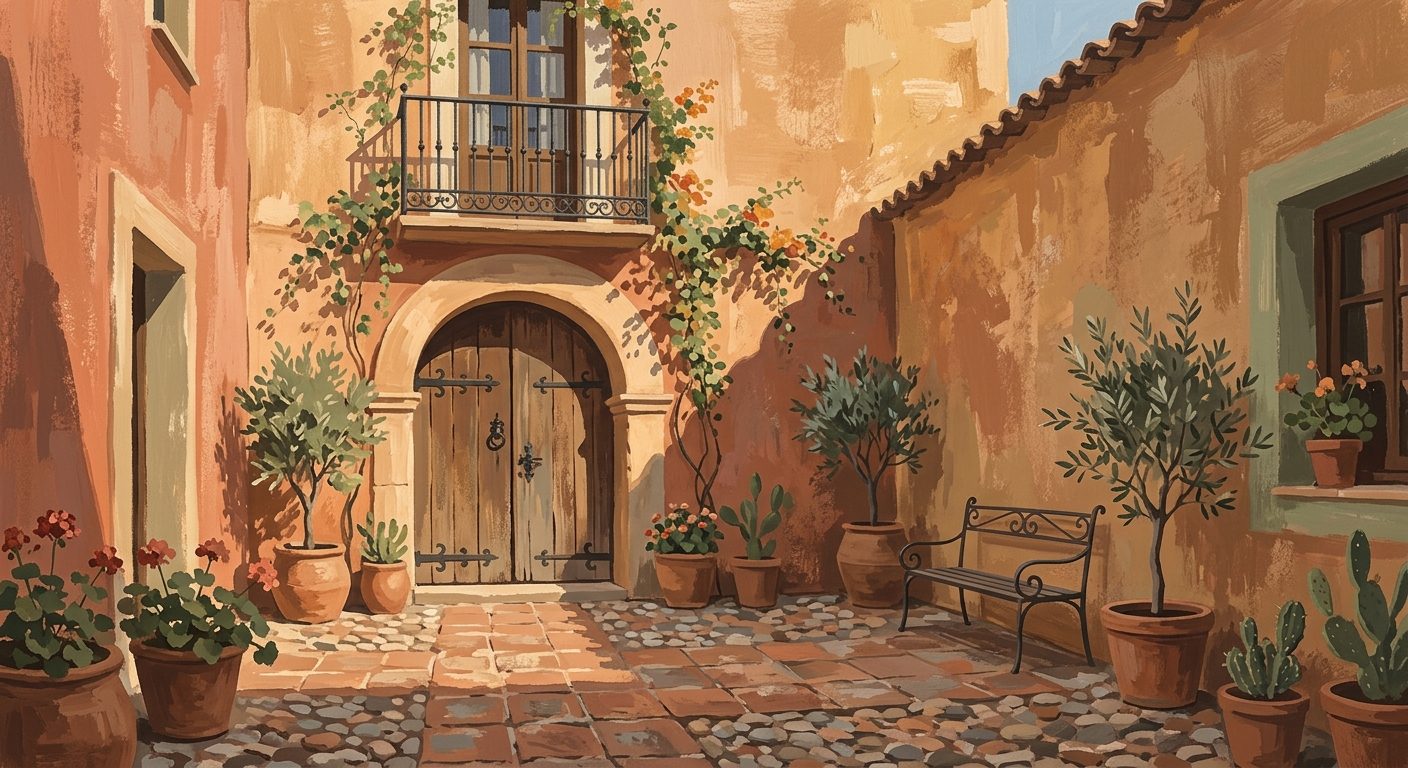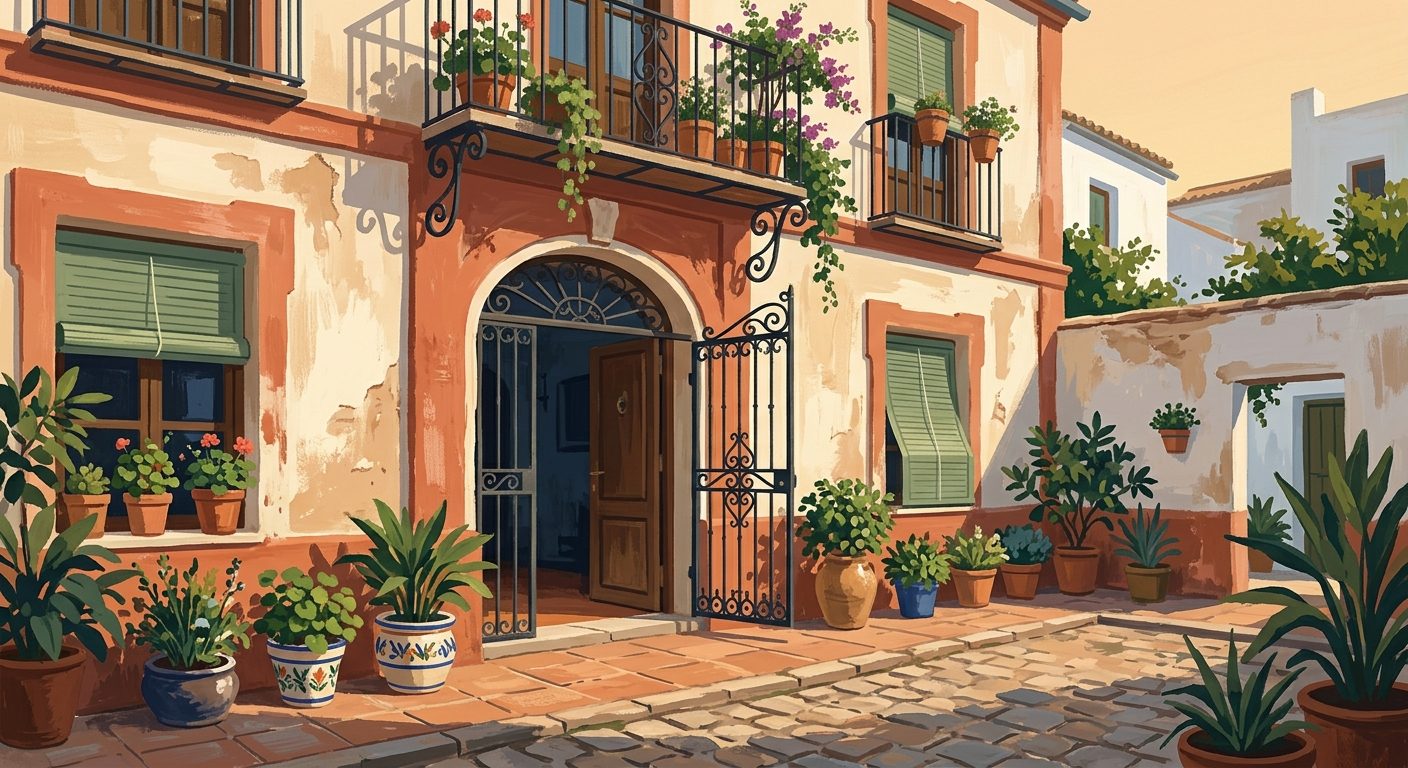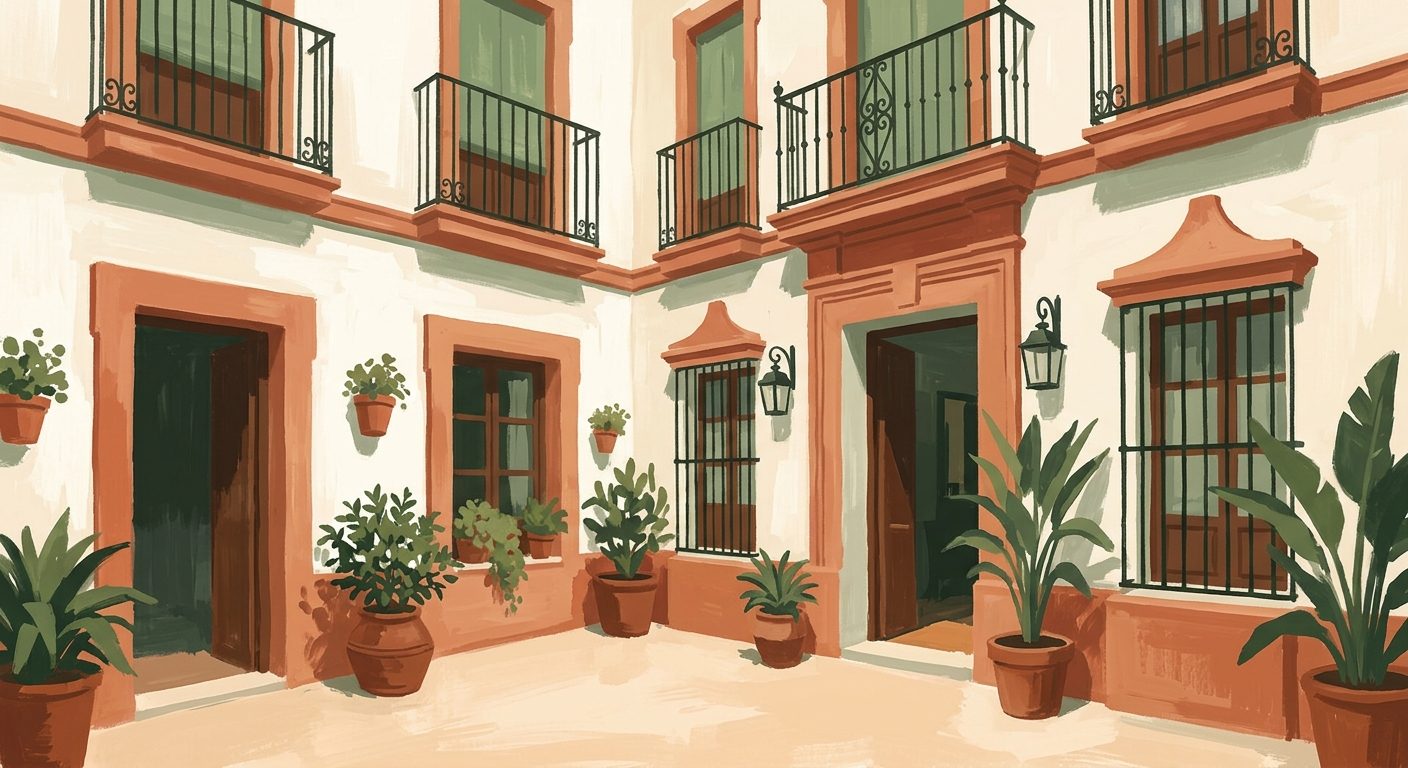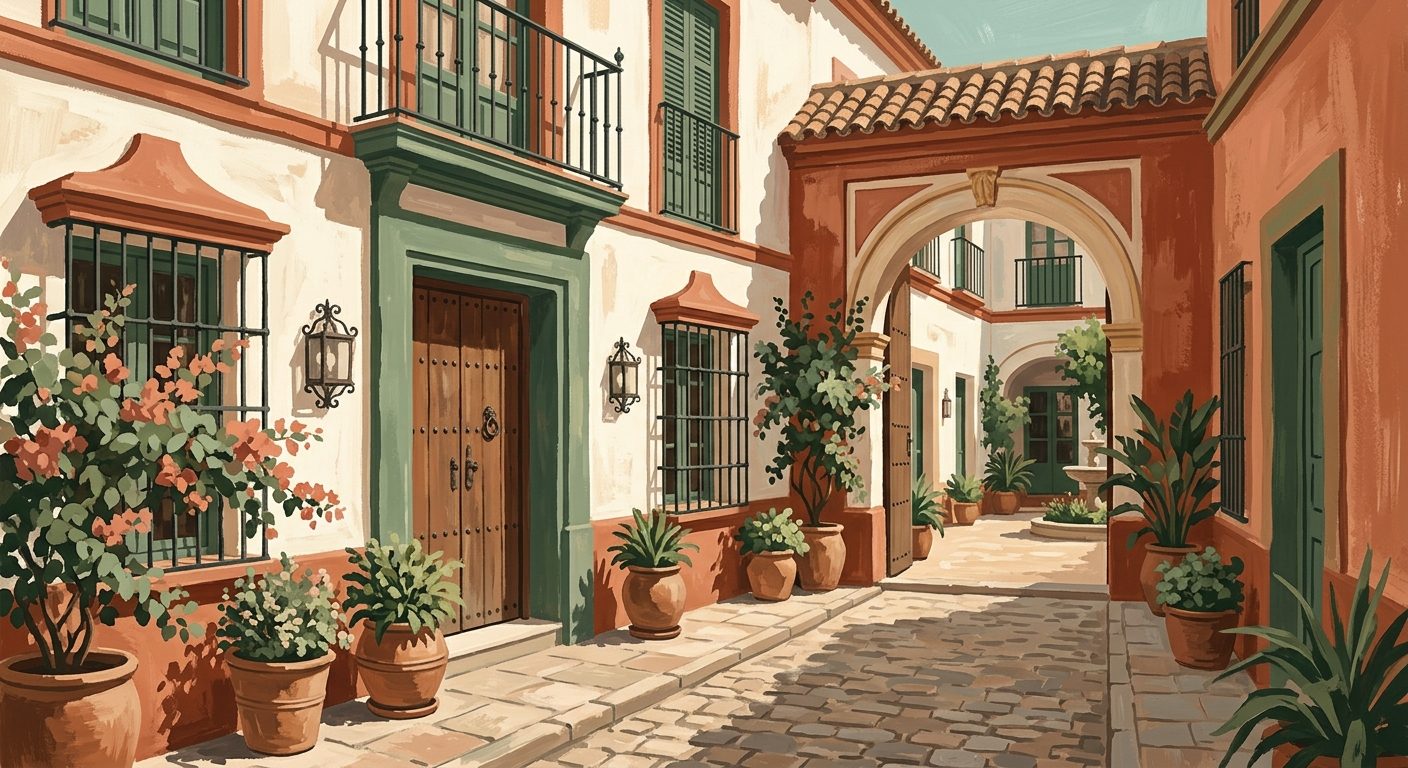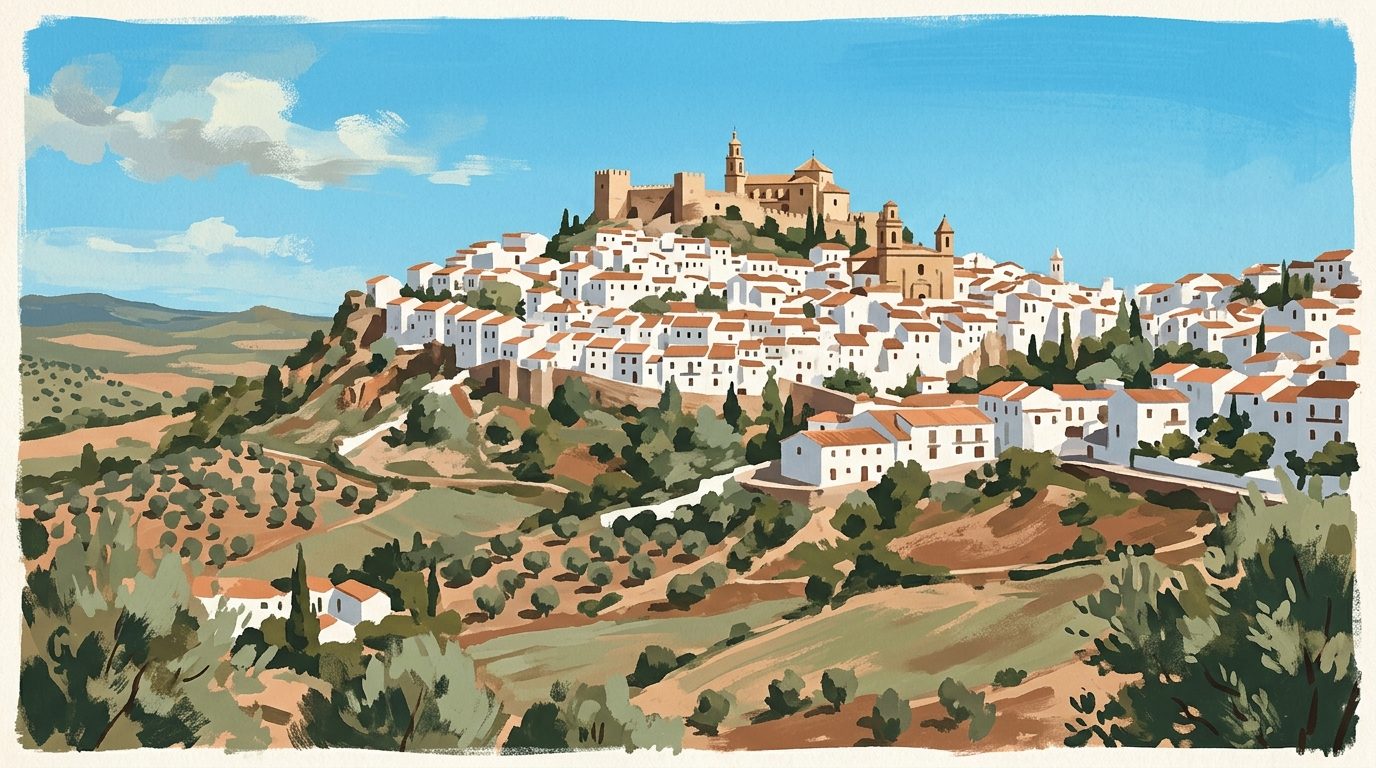
Olvera presents perhaps the most striking profile in all of Cádiz, with its giant neoclassical church and Moorish castle standing side-by-side on a sheer rocky outcrop. It is a town that demands to be photographed long before you step foot in its winding, white-washed streets.
Approaching Olvera by car is one of the great experiences of travelling through the Pueblos Blancos. As you crest the hills of the Sierra de Cádiz, the town appears suddenly, a vertical stack of white houses topped by two massive monuments that seem to touch the sky. This spectacular layout earned Olvera the title of Capital of Rural Tourism in 2021, and it remains one of the most authentic stops on the famous white village route. Unlike some of its more famous neighbours, Olvera retains the atmosphere of a working agricultural town, where the rhythm of life is still dictated by the olive harvest and the afternoon siesta.
The town sits at an altitude of 643 metres, surrounded by a sea of silver-green olive trees that produce some of the finest oil in Andalucía. Its layout is a classic example of a frontier town, with the oldest district, the Barrio de la Villa, twisting around the base of the rock in a defensive maze of narrow alleys. You can olvera offers a sense of space and grandeur that is hard to find elsewhere in the province if you are here to tackle the 36-kilometre Vía Verde on a bicycle or to climb the ramparts of the 12th-century fortress.
What to See & Do in Olvera
The Castillo Árabe (Moorish Castle)
Built at the end of the 12th century, this fortress was an essential link in the defensive chain of the Nasrid Kingdom of Granada. Because of its height, it served as a signal station, using light and smoke to communicate with other towers across the frontier. Today, visitors can climb the steep, narrow steps to the Torre del Homenaje (Keep). The effort is rewarded with a 360-degree view that stretches across the provinces of Cádiz, Sevilla, and Málaga. From the ramparts, you can look directly down into the patios of the town and see the vast expanse of the olive groves that give the town its name.
Parroquia de Nuestra Señora de la Encarnación
Standing on the same plateau as the castle, this church is surprisingly grand for a town of this size. Construction began in the late 18th century, commissioned by the Dukes of Osuna, but it wasn't completed until 1843. The style is strictly neoclassical, with clean lines and two symmetrical towers that dominate the skyline. Inside, the space is vast and airy, featuring an abundance of Italian marble and a high altar dedicated to the town’s patron saint. The terrace in front of the church, the Plaza de la Iglesia, is the best place to sit and appreciate the scale of the building while looking out over the roofs of the town.
The Vía Verde de la Sierra
One of the most popular outdoor activities in Andalucía starts right at the foot of the hill. The Vía Verde de la Sierra is a 36-kilometre walking and cycling path that follows the route of a railway line that was never finished. It runs from Olvera to Puerto Serrano, passing through 30 tunnels and across four massive viaducts. The path is almost entirely flat and traffic-free, making it perfect for families. About 15 kilometres from Olvera, you will pass the Peñón de Zaframagón, which houses one of the largest colonies of griffon vultures in Europe. There is an observatory here where you can watch the birds via live cameras mounted on the cliffs.
Santuario de los Remedios
Located roughly two kilometres outside the town centre, this 18th-century sanctuary is a place of deep local devotion. It houses the image of Nuestra Señora de los Remedios, and the site is the focal point of the Lunes de Quasimodo, the oldest pilgrimage in the province of Cádiz. The sanctuary is a peaceful spot with a shaded patio and a small shop where you can buy local crafts and religious items. It provides an excellent perspective of Olvera from across the valley, showing the town in its entirety against the backdrop of the mountains.
Practical Information
For the most up-to-date schedules, it is always worth checking the official Olvera Tourism portal before travelling.
Opening Times & Tickets:
- The Castle and Museum (La Cilla): Usually open Tuesday to Sunday. Winter hours are typically 10:30 to 14:00 and 16:00 to 18:00. In summer, the evening session is extended from 16:00 to 20:30. Entry is €2, which includes access to the local history museum.
- The Church: Generally open during the same hours as the castle, though it may close for services. Entry is approximately €2.
- Vía Verde: Access is free and open 24 hours. Bike rentals are available at the Old Railway Station (Estación de Olvera) for around €12 to €15 per day for a standard mountain bike.
How to Get There:
Driving is the most convenient way to reach Olvera. It is roughly 1 hour 20 minutes from Sevilla and 1 hour 45 minutes from Málaga. If you are using public transport, the Damas (Interbus) bus company operates several daily services from Sevilla (Estación de Autobuses Plaza de Armas) and Málaga. The journey takes about 2 to 2.5 hours depending on the route.
Parking:
The old centre of Olvera is very steep and narrow; driving into the upper Barrio de la Villa is not recommended for visitors. There is ample free parking along Calle Bellavista, near the Jardin de la Victoria. From here, it is a pleasant 10-minute walk uphill to the main monuments. Alternatively, there is an underground car park near the Plaza de Andalucía in the lower part of town.
Where to Eat Nearby
Olvera is a fantastic place to sample the local olive oil, which carries the Sierra de Cádiz Denominación de Origen. For a modern take on local flavours, La Tarara Neotaberna in Plaza de Andalucía is highly recommended. It has received recognition from the Michelin Guide for its creative plates that use local ingredients like Almadraba tuna and retinto beef. If you prefer something more traditional, El Bodegón on Calle Llana offers a classic Andalucían menu in a room filled with local character; try the solomillo (pork sirloin) or the local asparagus when in season. For a quick coffee or a simple tapa with a view of the daily bustle, Bar La Plaza right next to the town hall is a reliable choice.
Where to Stay
For those looking to stay overnight, No. 31 Olvera is a beautifully restored boutique townhouse that offers a stylish, high-end experience in the heart of the old town. If you prefer something more traditional, Hotel Tugasa Sierra y Cal is a well-regarded hotel that provides comfortable rooms and a swimming pool, which is a significant bonus during the hot summer months. For a more rustic experience, the Estación de Olvera at the start of the Vía Verde offers rooms in the converted railway station buildings, perfect for early-rising cyclists.