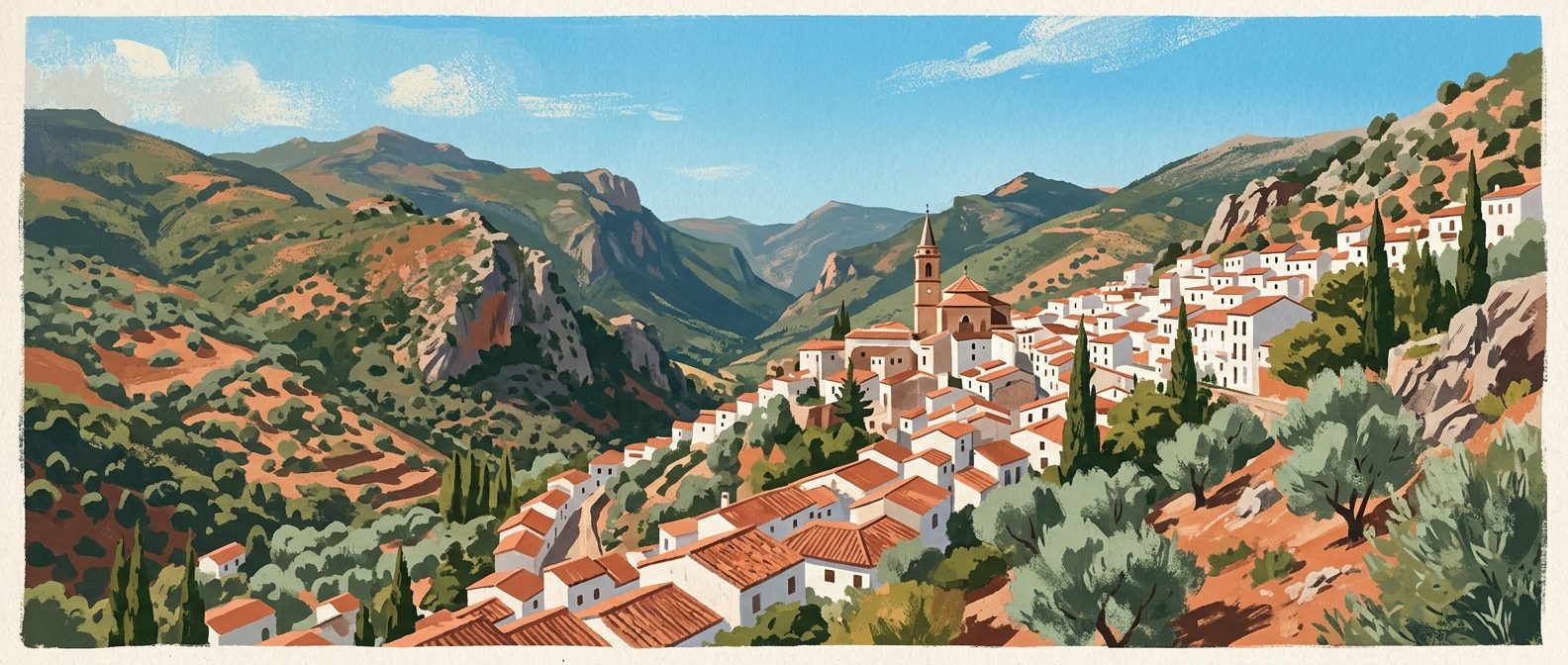
Ubrique sits at the meeting point of two natural parks, defined by its sheer limestone cliffs and its global reputation as the manufacturing heart of luxury leather. While the white-walled streets follow the typical mountain pattern, the town's industrial heritage sets it apart from its quieter neighbours.
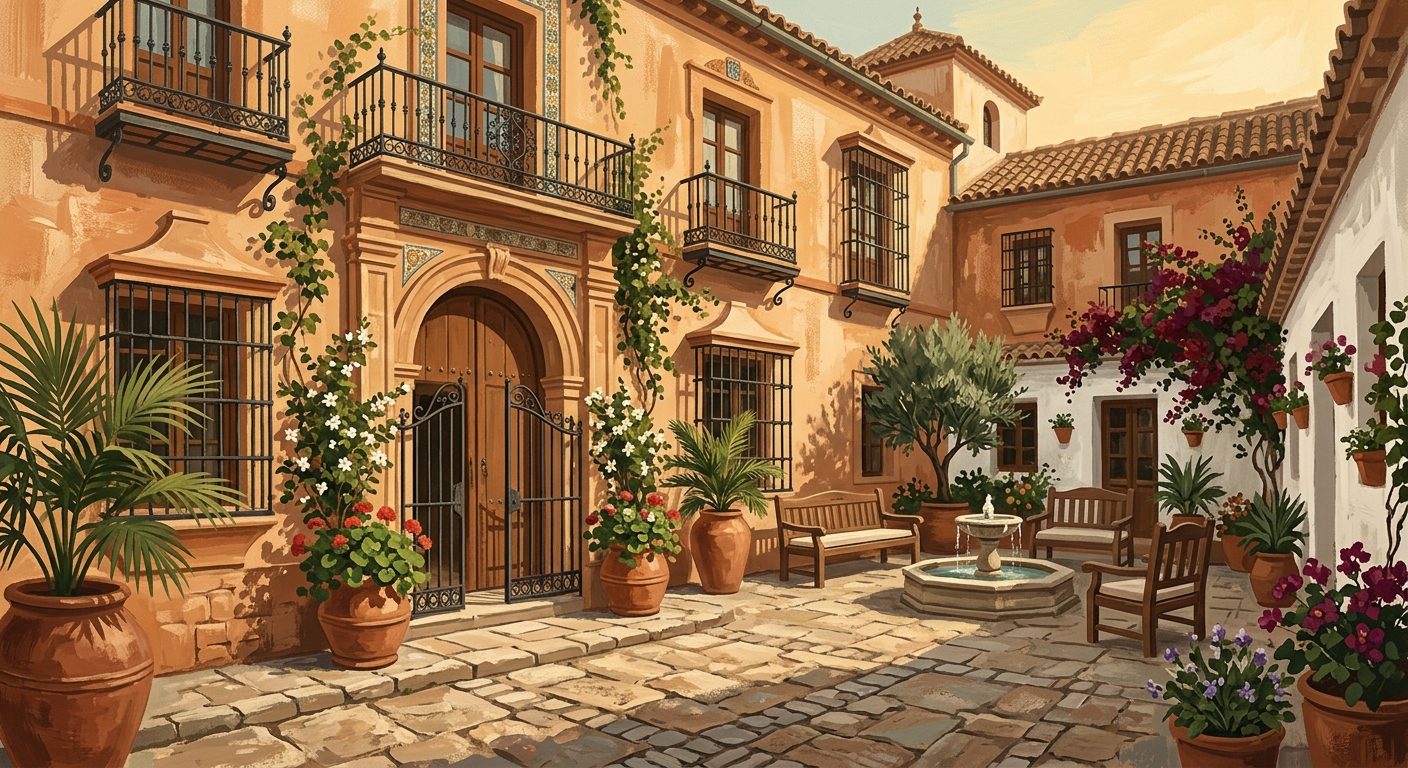
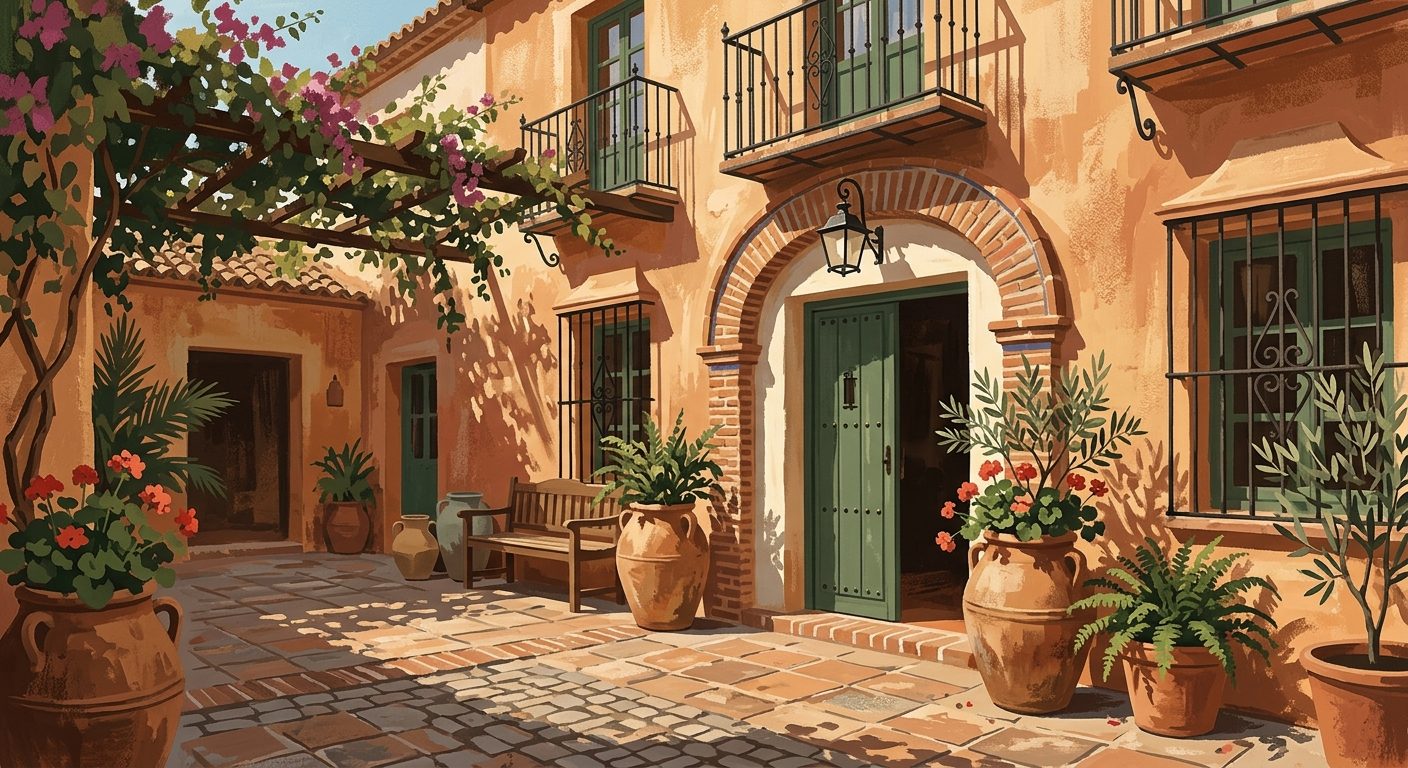
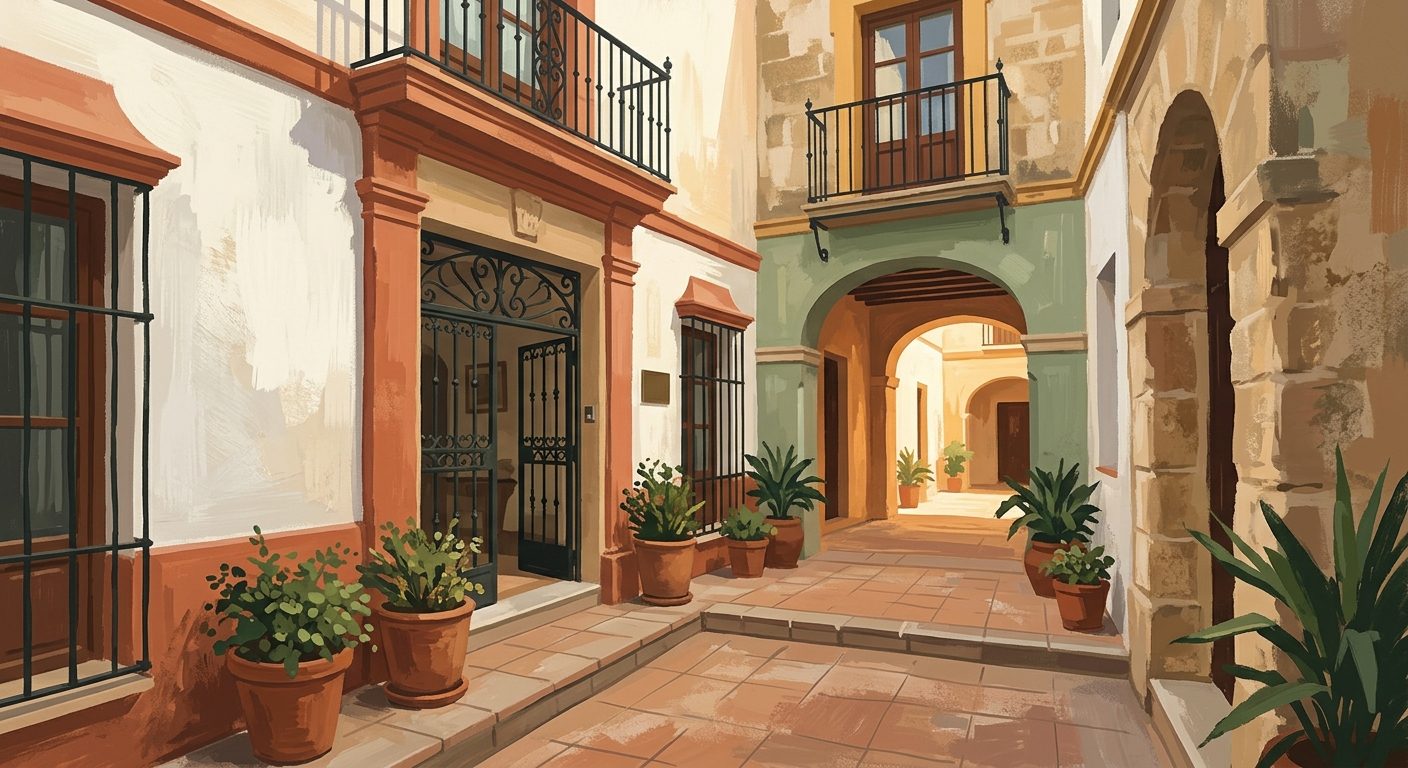
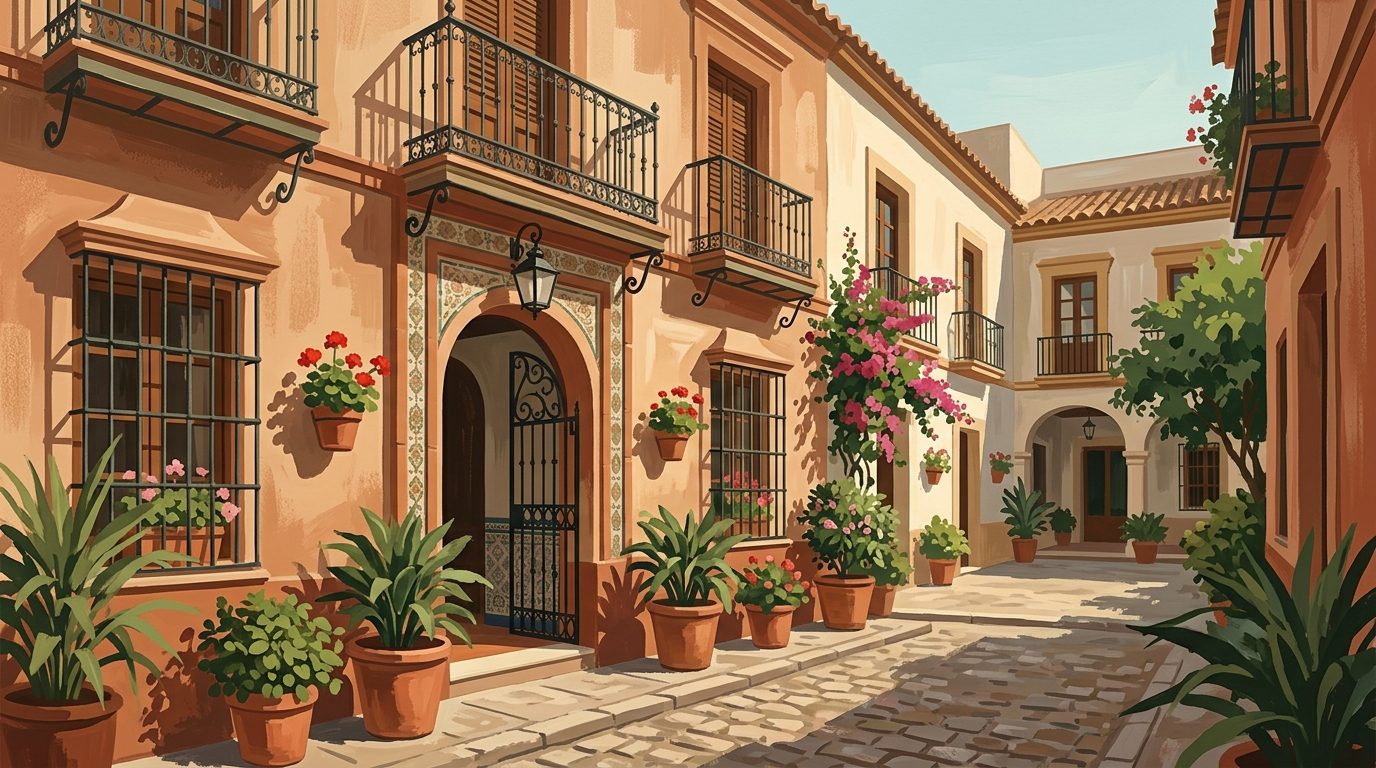
Ubrique is a place of curious contradictions. On the surface, it fits the classic image of an Andalucían white village, with lime-washed houses clinging to the base of the Cruz del Tajo and the Sierra de la Silla. Yet, as you walk through its streets, the air carries the distinct, earthy scent of cured hide, and the sound of industrial sewing machines often drifts from open windows. This is the leather-working capital of Spain, a town where traditional craftsmanship meets the exacting standards of the world’s most famous luxury fashion houses.
Positioned at the gateway between the Sierra de Grazalema and Los Alcornocales natural parks, Ubrique serves as a practical base for hikers and a fascinating destination for those interested in industrial heritage. It lacks the self-conscious prettiness of some of its neighbours, but in its place, it offers an authentic, working-class energy and a history that stretches back to the Roman Empire. If you come to climb the surrounding peaks, experience the unique 'Crujía de Gamones' festival in early May, or buy a handmade leather wallet, Ubrique provides a look into a side of Cádiz province that is as industrious as it is scenic.
What to See & Do
The Museo de la Piel (Leather Museum)
Housed in the 17th-century Convento de Capuchinos, the Museo de la Piel is the best place to understand why leather is the lifeblood of this town. The building itself is an architectural highlight, featuring a quiet cloister and thick stone walls that keep the interior cool in the height of summer. Inside, the exhibition tracks the evolution of the industry from 18th-century tanning techniques to the modern day.
One of the most interesting items on display is the "preciso," a small leather pouch traditionally used by local men to carry tobacco, flint, and tinder. You will also see heavy iron machines used for embossing and cutting, alongside intricate pieces created for international brands. The museum doesn't just display objects; it preserves the terminology of the trade, explaining the roles of the "petaquero" (wallet maker) and the meticulous hand-stitching techniques that have kept global brands coming back to this remote corner of Andalucía for decades.
The Roman City of Ocuri
Perched on the Salto de la Mora hill, about a kilometre above the modern town, the archaeological site of Ocuri is one of the most significant Roman remains in the province. Its strategic location allowed the Romans to control the mountain passes, and today it provides visitors with sweeping views across the valley. The site was first investigated in the late 18th century by a local farmer, Juan Vegazo, who was so inspired by the excavations at Pompeii that he used his own funds to uncover the ruins on his land.
The standout feature is the Mausoleum, a funerary monument that is remarkably well-preserved. Inside, you can see the niches where urns once sat. The site also includes remains of the old forum, thermal baths, and a cyclopean wall that predates the Roman occupation. Visiting Ocuri is a quiet, atmospheric experience, far removed from the more crowded archaeological sites on the coast.
The Old Town (Casco Antiguo)
The highest part of Ubrique is its oldest, where the streets narrow and become increasingly steep as they move towards the rock face. This area is home to the Ermita de San Antonio, a simple 17th-century chapel with a distinctive bell tower that serves as the town’s iconic landmark. The surrounding Plaza de la Verdura is a small, sloping square where you can sit and watch the pace of daily life. Look out for the Fuente de los Nueve Caños, a public fountain fed by mountain springs, which has served the local population for centuries.
Hiking the Calzada Romana
For those who prefer to explore on foot, the Calzada Romana (Roman Road) is a classic route. This paved path once connected Ocuri with other mountain settlements. The most popular section leads from Ubrique up to the neighbouring village of Benaocaz. It is a steady, uphill climb of about 4 kilometres, but the stone paving remains largely intact, and the views of the surrounding limestone crags are spectacular. It is a linear walk, so you can either return the same way or catch a local bus back down to Ubrique.
Practical Information
Opening Times & Prices
- Museo de la Piel: Open Tuesday to Saturday from 10:00 to 14:00 and 16:00 to 18:00 (winter) or 16:00 to 19:00 (summer). Sundays 10:00 to 14:00. Closed Mondays. Entry is approximately €3 (check on the operator's website before travelling).
- Ocuri Archaeological Site: Visits are strictly by guided tour only. Tours usually run Tuesday to Sunday at 10:00 or 11:00 (plus afternoon slots in high season). It is essential to book in advance via the official website (yacimientodeocuri.com) or by calling the tourist office. Entry is €3 for adults (check on the operator's website before travelling).
Getting There
Ubrique is well-connected by road, though the mountain routes can be winding. From Jerez de la Frontera, take the A-382 and then the A-373. The drive takes around an hour. From Sevilla, the journey is approximately 1 hour and 45 minutes via the A-375 through Montellano.
Public transport is managed by the Damas bus company. There are regular daily services from Cádiz and Sevilla, though weekend schedules are more limited. The bus station is located at the lower end of the town, near the main leather shops.
Parking
Driving into the upper old town is not recommended as the streets are extremely narrow and often end in stairs. Use the large car parks at the bottom of the town. The Plaza de las Palmeras offers convenient parking, or you can find space near the fairgrounds (Recinto Ferial) on the edge of the town centre.
Where to Eat Nearby
Restaurante El Laurel (Avenida Dr. Solís Pascual) is a favourite for locals and visitors alike. Located on the main thoroughfare, it specialises in grilled meats and creative tapas that use local ingredients like Payoyo cheese and mountain venison. The atmosphere is professional yet relaxed, and the portions are generous.
Bar Torre del Oro (Avenida de España) offers a more casual experience. This is a classic tapas bar known for its efficient service and traditional recipes. It is an excellent spot for breakfast or a quick lunch of "carne en salsa" (meat in sauce) or fresh local seafood delivered from the coast.
Where to Stay
Hotel Ocurris is the most convenient choice for staying in the heart of town. It offers clean, modern rooms and a central location that makes it easy to explore the leather shops and the old town on foot. For a more rural experience, there are several self-catering villas and cottages (casas rurales) in the hills surrounding the town, providing a quiet base with access to the hiking trails of the Sierra de Grazalema.