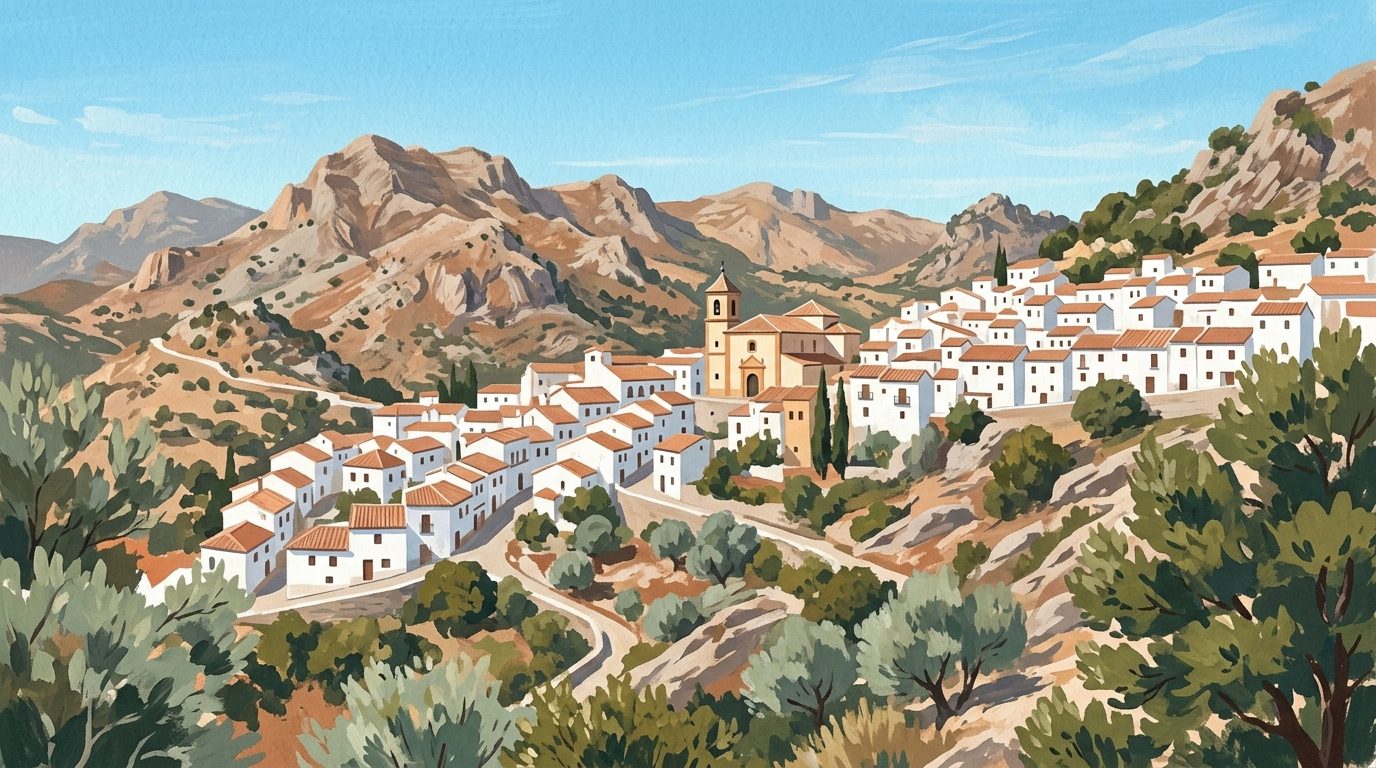
Grazalema holds the surprising title of the wettest place in Spain, a status that feeds the lush greenery and limestone peaks of its surrounding natural park. This high-altitude village serves as a base for hikers and those interested in traditional Spanish craftsmanship.
Sitting at over 800 metres above sea level, Grazalema is one of the highest and most rugged of the white villages in the province of Cádiz. Unlike the sun-scorched plains of the Guadalquivir valley, this village is defined by its relationship with the clouds. The unique microclimate, created by Atlantic winds hitting the first major mountain range of the interior, makes this the rainiest spot in the Iberian Peninsula. This abundance of water has shaped the landscape into a fertile, green expanse of limestone crags and ancient forests that feel distinct from the typical image of arid southern Spain.
The village itself is a collection of steep, narrow streets and squares where life revolves around the Plaza de España. It serves as the gateway to the Sierra de Grazalema Natural Park, a UNESCO Biosphere Reserve. Visitors come here for two primary reasons: to explore the challenging mountain trails and to see the survival of a unique textile industry that once clothed the Spanish army. For visitors navigating the rocky paths of the Pinsapar forest or sampling the intense flavour of the local Payoyo cheese, Grazalema offers a rugged, authentic experience of Andalucían mountain life.
What to See & Do
The Traditional Blanket Factory (Mantas de Grazalema)
Grazalema was once a powerhouse of the Spanish textile industry, known throughout the country for its high-quality wool. Today, only one factory remains: Mantas de Grazalema. This workshop and museum hybrid is the oldest of its kind in Spain, still using traditional methods to process the wool of the Merino sheep. A visit here allows you to see the 19th-century machinery in action, transforming raw wool into heavy, durable blankets and scarves. The shop attached to the factory provides a chance to purchase authentic local crafts that have remained virtually unchanged for centuries.
Hiking the Pinsapar Forest
The Sierra de Grazalema is home to one of the last remaining forests of the Spanish Fir, or Abies pinsapo. This rare conifer survived the last ice age and only exists in small pockets of southern Spain and northern Morocco. The Pinsapar trail is the most iconic hike in the region, leading you through a dense, primeval forest that feels more like northern Europe than the Mediterranean. The path begins at Las Canteras, climbs to the pass of Las Cumbres, and descends through the heart of the fir forest. Because of the fragile nature of the ecosystem, access is restricted, and you must obtain a permit before setting off.
Exploring the Village Squares and Churches
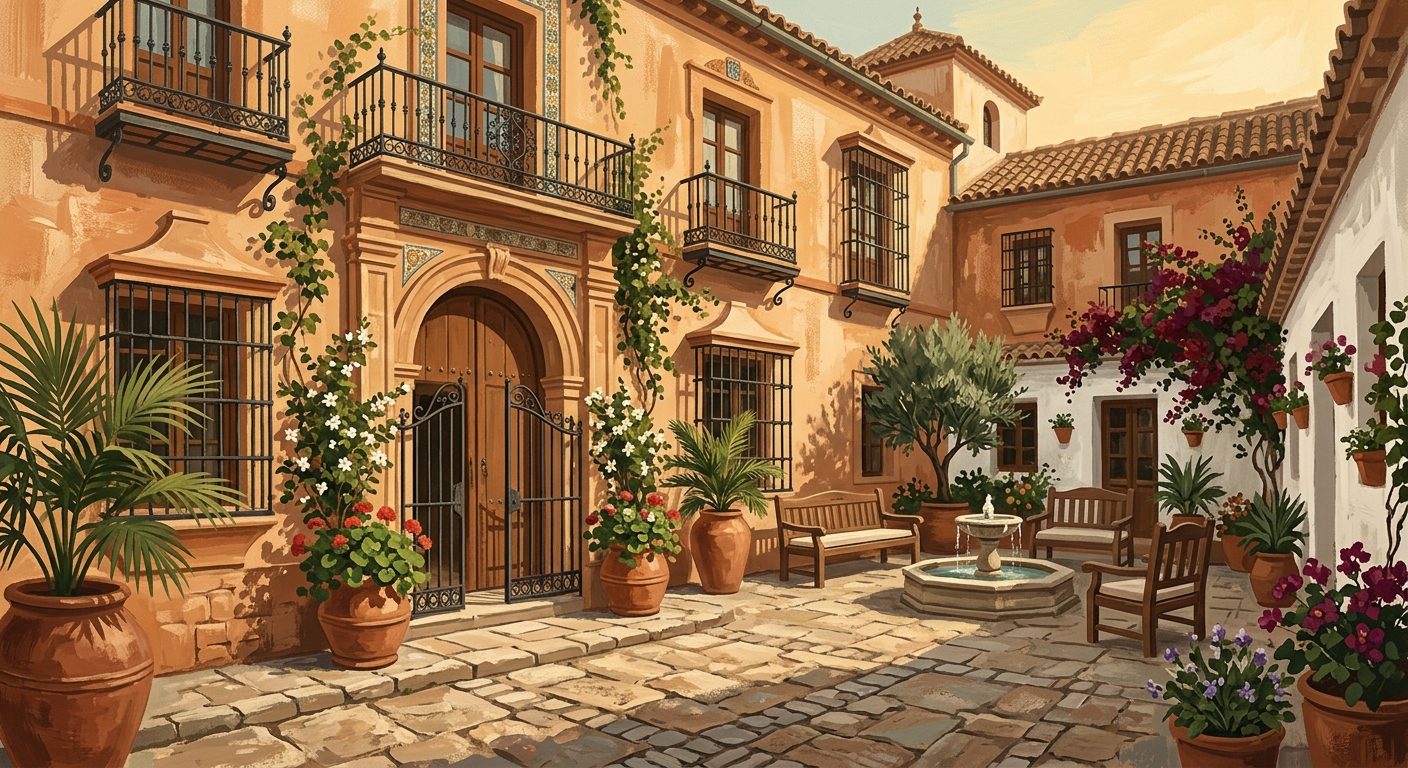
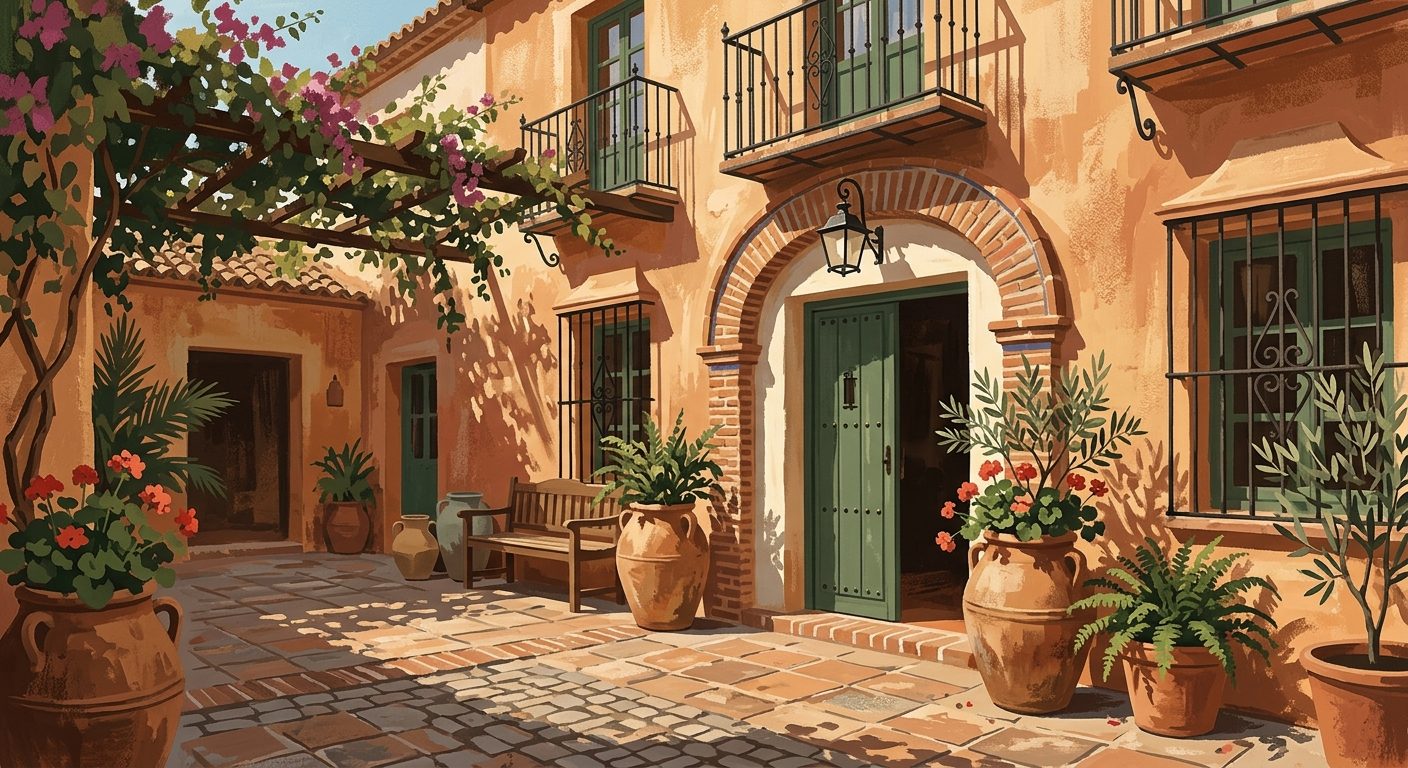
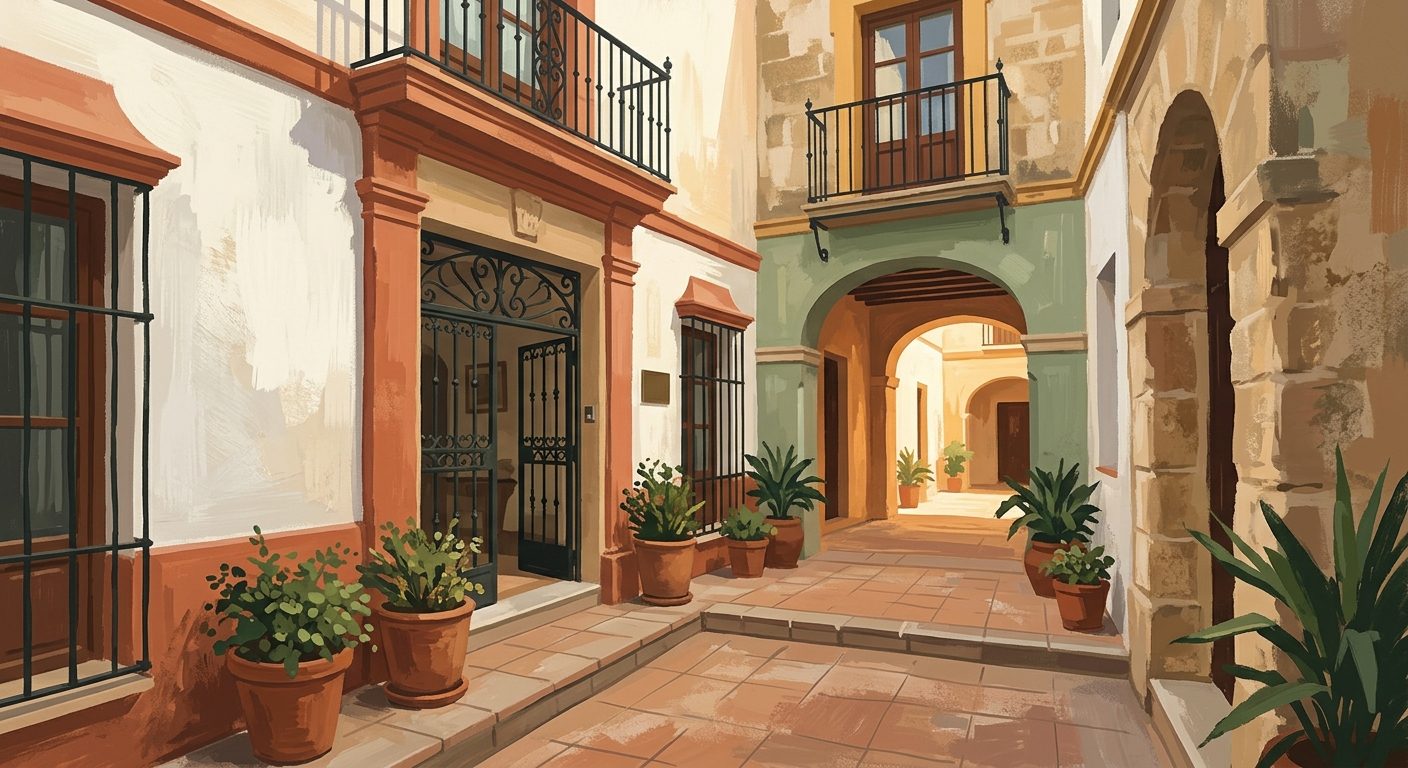
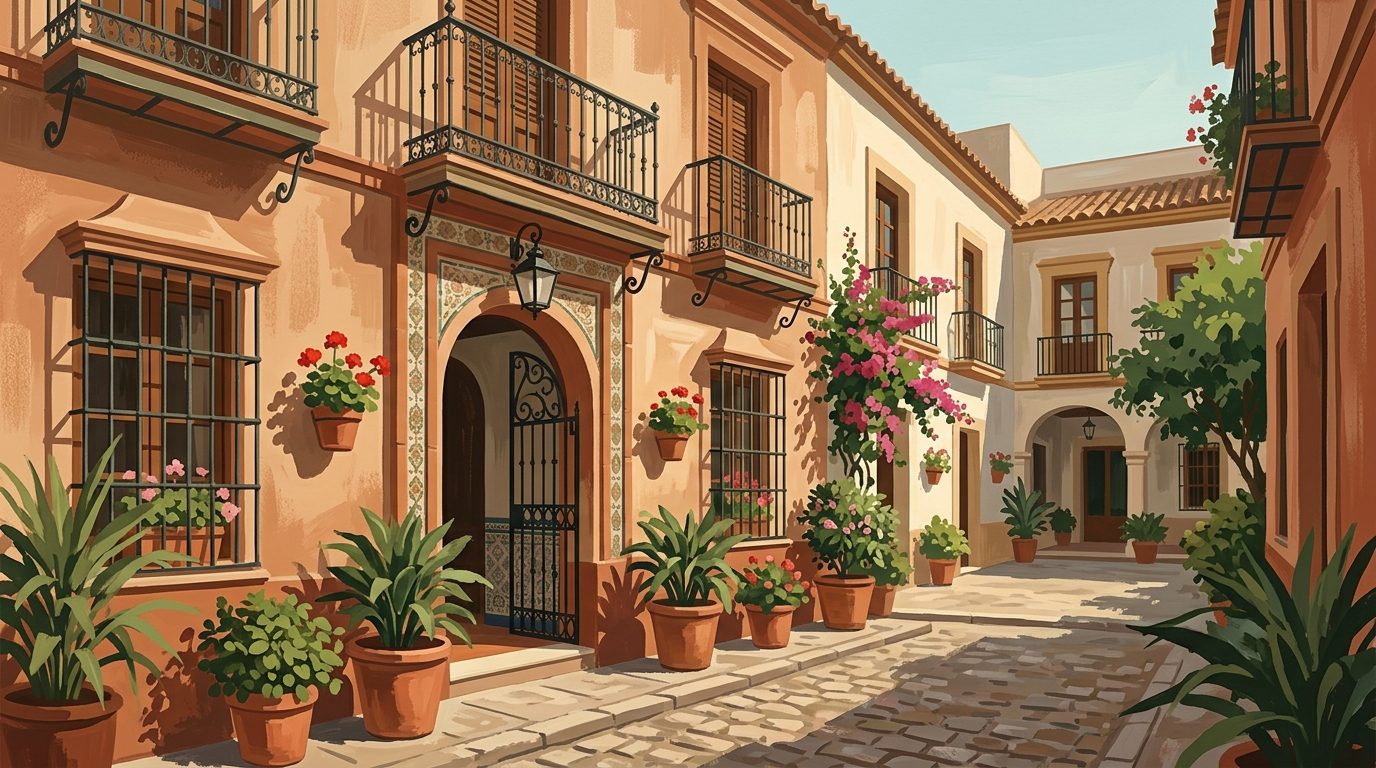
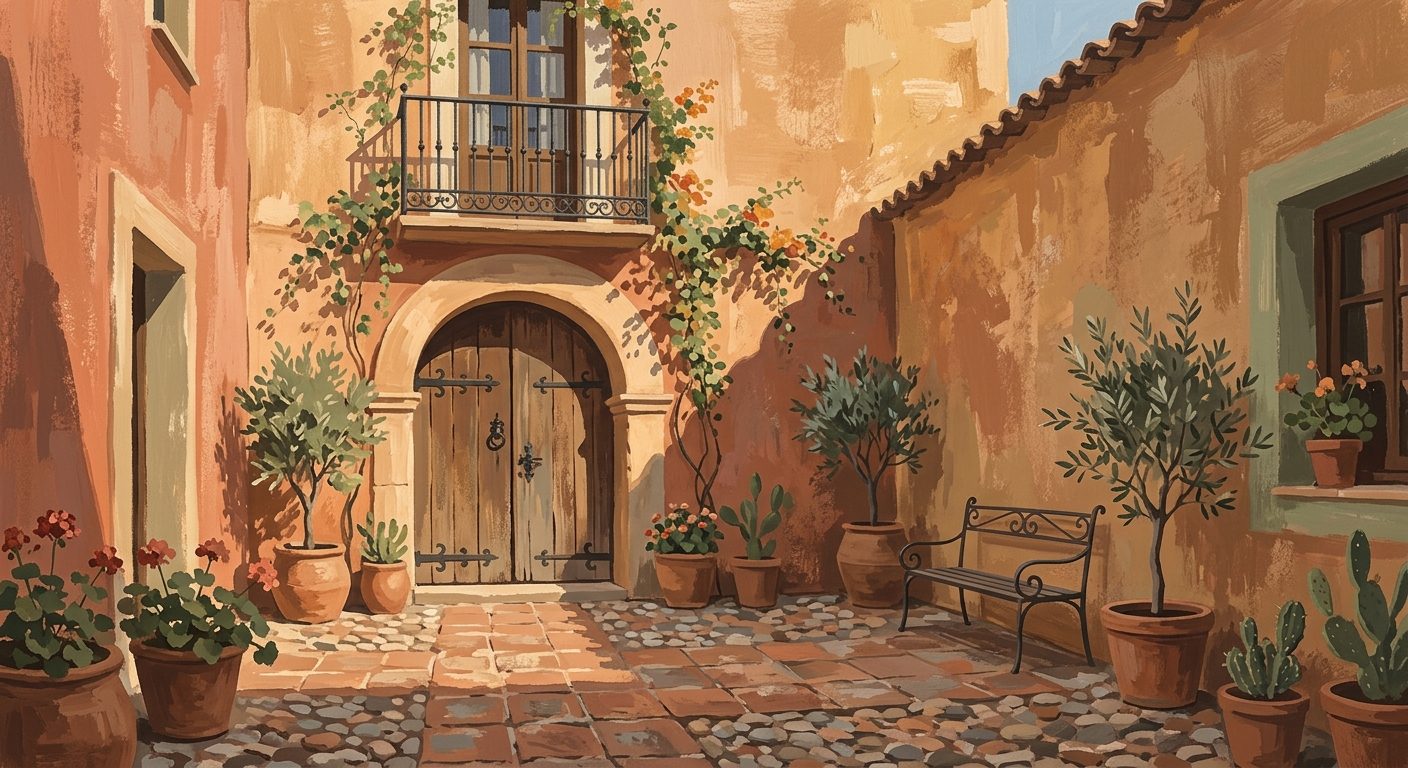
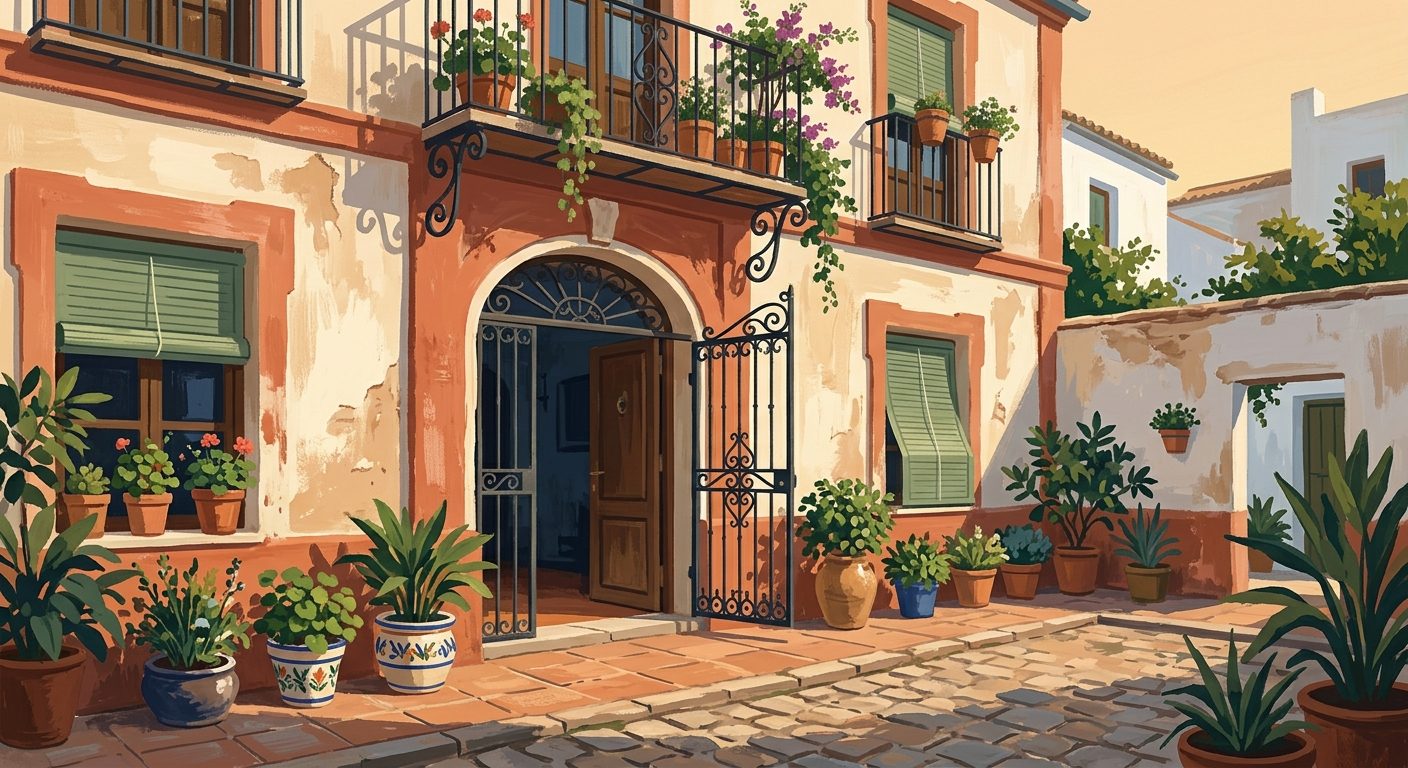
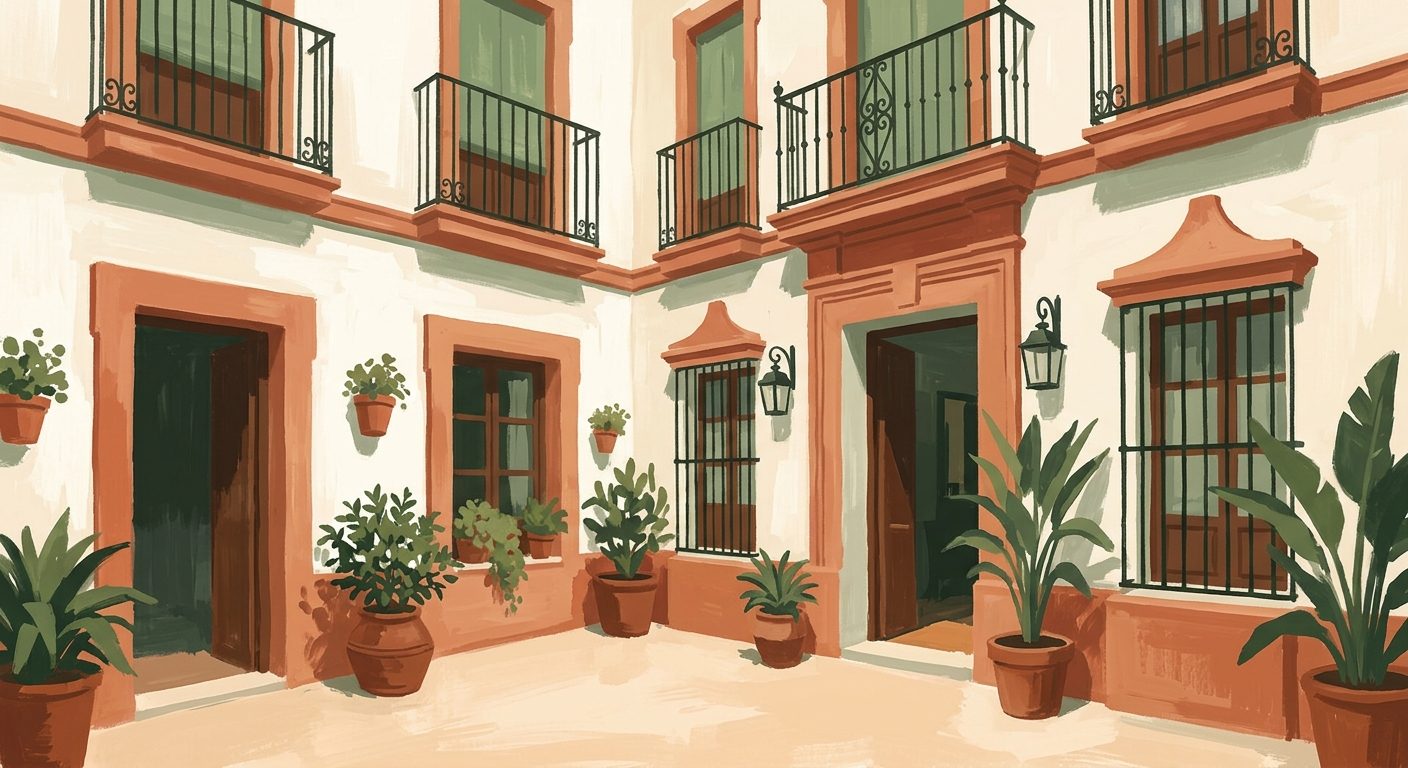
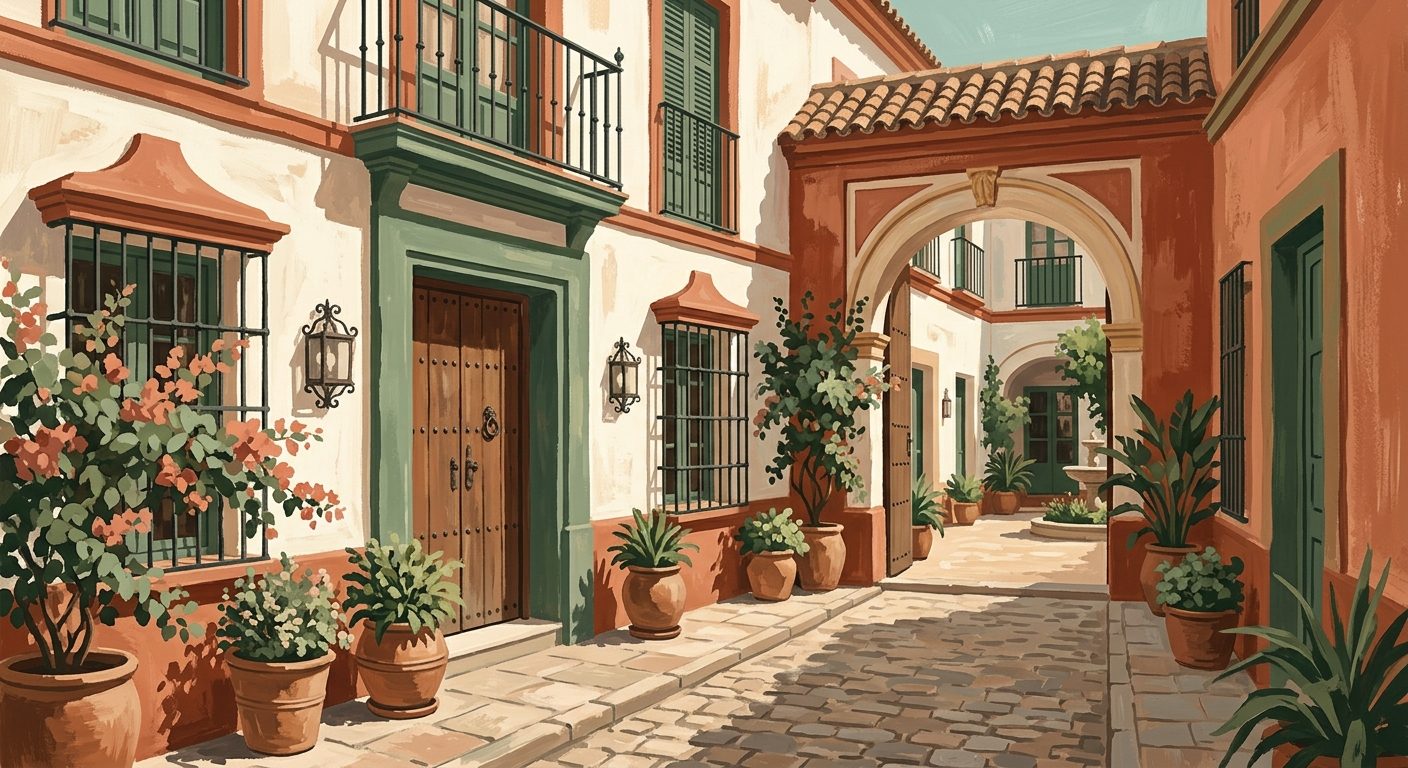
The heart of the village is the Plaza de España, framed by the 18th-century Church of the Aurora. The square is a focal point for local life, where residents gather at outdoor tables for coffee or a glass of local wine. Walking up from the plaza leads you to the Church of San Juan, built on the site of a former mosque, and the Church of San José, which contains 17th-century frescoes. The architecture is strictly regulated; every house is whitewashed, with brown tiled roofs and black ironwork, maintaining a visual consistency that has disappeared in more developed parts of the coast.
The Garganta Verde
For those seeking more dramatic scenery, the Garganta Verde (Green Throat) is a spectacular canyon carved by the Arroyo del Pinar. The descent into the canyon is steep and requires a good level of fitness, but the reward is the sight of vertical walls rising 400 metres above you and a massive colony of Griffon vultures nesting in the cliffs. At the bottom lies the Cueva de la Ermita, a natural cavern with stalactites and stalagmites. Like the Pinsapar hike, this route requires a permit from the Natural Park office.
Practical Information
Permits and Visitor Centres
The Sierra de Grazalema Natural Park Visitor Centre is located at the entrance to the village (Plaza de los Asomaderos). This is the most important stop for hikers. You must apply for permits here for the Pinsapar and Garganta Verde trails, as numbers are strictly limited each day. During the summer months (from June 1st to October 15th), many trails are closed due to fire risk, though the Pinsapar can often be visited with a registered guide during this period. The centre is generally open from 09:00 to 14:00, with afternoon hours varying by season.
Getting There and Parking
Public transport to Grazalema is limited. There are daily buses from Ronda (approx. 45 minutes) and Sevilla, but they are infrequent. The best way to reach the village is by car. From Ronda, take the A-374 and then the A-372. If coming from the west (Arcos de la Frontera), follow the A-372 through El Bosque.
Parking inside the village is extremely difficult due to the narrow streets. The best option is the large public car park at El Tajo/Los Asomaderos, located right at the village entrance. It is free and provides immediate access to the visitor centre and the main square.
Entry Fees
- Mantas de Grazalema Factory & Museum: Entry to the museum and factory viewing area is free during standard shop hours (Monday to Friday, 08:00 to 13:30 and 15:00 to 18:30).
- Natural Park Permits: These are free of charge but must be booked in advance via email (cvelbosque@reservatuvisita.es), through the official Junta de Andalucía Ventana del Visitante portal, or at the visitor centre.
Where to Eat Nearby
Restaurante El Simancón is a local institution that focuses on the heavy, mountain cuisine of the Sierra. Their speciality is grilled Iberian pork (Secreto or Presa) and slow-cooked lamb. They are also well-regarded for their selection of Payoyo cheese, a prize-winning local variety made from the milk of Payoya goats and Merina Grazalemeña sheep. Expect to pay around €25 to €35 per person for a full meal.
Casa de las Piedras offers a more rustic setting within a traditional house. It is an excellent place to try Sopa de Grazalema, a hearty soup made with bread, broth, egg, and mint, traditionally eaten by shepherds. For a lighter option, La Maroma near the main square serves modern takes on local tapas, including venison and wild boar dishes, highlighting the region's hunting heritage.
Where to Stay
Hotel Fuerte Grazalema is located a few kilometres outside the village centre. It provides a more resort-style experience with a swimming pool and incredible views across the valley, making it ideal for those who want to be surrounded by nature. Within the village, Villa Turística de Grazalema offers small, individual villas that feel like a traditional neighbourhood. For a more intimate stay, look for rural apartments (casas rurales) near the Plaza de España which offer authentic wooden beams and stone fireplaces.