
Food & drink
Jamón Ibérico: The Ultimate Guide to Andalucía’s Cured Gold
Discover the art of Jamón Ibérico, from the acorn-fed pastures of Jabugo to the high-altitude curing rooms of Trevélez. Learn how to decode the colour-coded labels and where to find the finest hand-carved plates in Andalucía.
By Dan · Updated 7 June 2026 · 6 min read
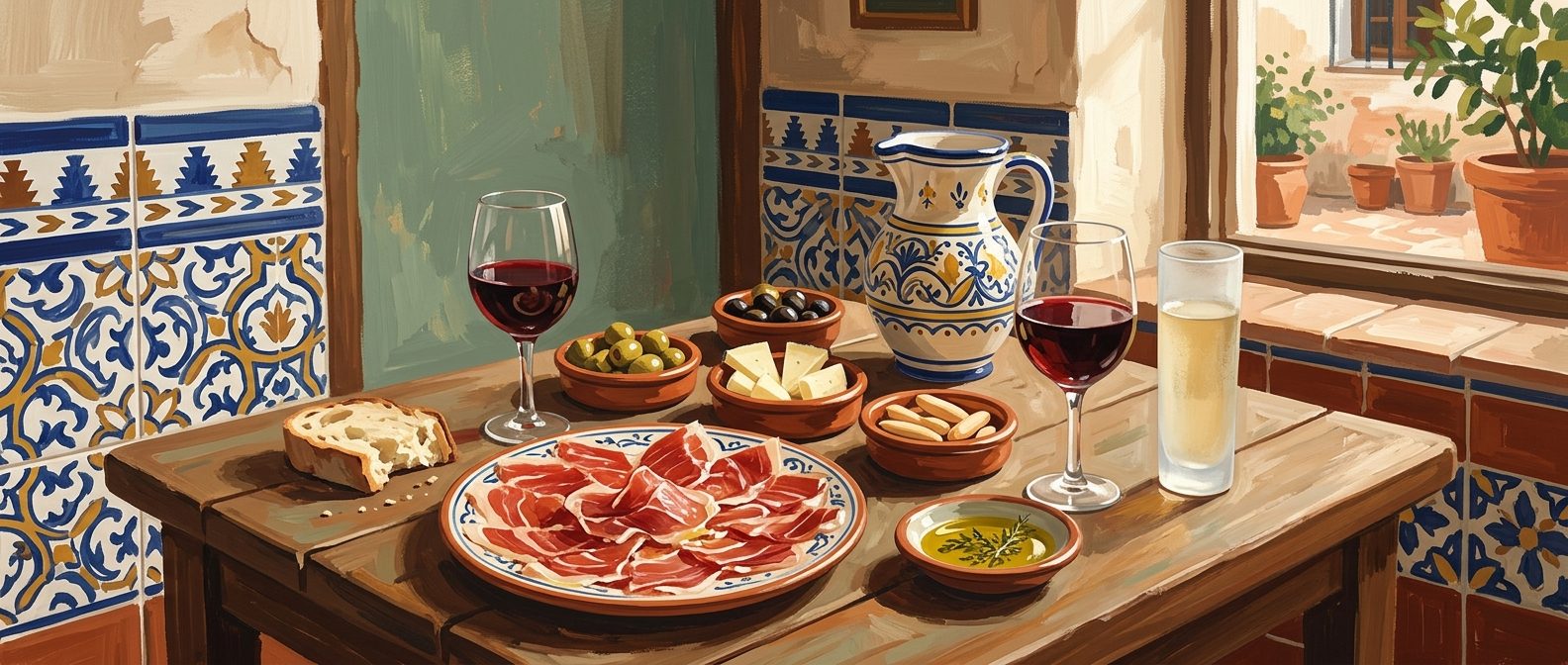
To understand the soul of an Andalucían kitchen, one must first respect the curved blade of the ham knife and the patient years of curing that define the region's most prized export. Jamón Ibérico is less a mere ingredient and more a cultural cornerstone, ranging from everyday snacks to the exquisite, acorn-fed delicacies of the Sierra de Huelva.
Walk into any traditional bar from Almería to Huelva and the first thing you will notice, well before the smell of fried fish or the clink of sherry glasses, is the sight of mahogany-coloured hind legs hanging from the rafters. This is Jamón Ibérico, a product so deeply woven into the fabric of southern Spain that it dictates the rhythm of the seasons and the health of the local economy. For the uninitiated, the rows of hanging pork can seem overwhelming, and the price variations between twenty euros and eight hundred euros for a single leg can be baffling.
In Andalucía, ham is not just a tapa; it is an obsession. The region produces some of the finest cured meats in the world, specifically within the oak-studded pastures known as the dehesa. Here, the cerdo ibérico (Iberian pig), a descendant of the Mediterranean wild boar, roams free. Understanding what makes a particular plate of ham special requires looking beyond the label and into the geography, the diet of the pig, and the skill of the maestro cortador (master carver).
The Colour-Coded Hierarchy: Bellota vs Cebo
Since 2014, Spain has enforced a strict labelling system to prevent fraud and help consumers understand exactly what they are buying. These are represented by plastic tags, known as bridas, wrapped around the ankle of the ham. If you are buying a whole leg or a packet in a charcutería (delicatessen), look for these colours:
- Black Label (Pata Negra): This is the gold standard. It signifies 100% Ibérico de Bellota. The pig is pure-bred Ibérico and has spent its final months (the montanera) roaming the dehesa eating exclusively bellotas (acorns) and wild grass.
- Red Label: Also Bellota quality, meaning the pig ate acorns on the open range, but it is a cross-breed, usually 75% or 50% Ibérico mixed with the Duroc breed.
- Green Label (Cebo de Campo): These pigs are free-range and may eat some acorns, but their diet is supplemented with high-quality grain and cereal.
- White Label (Cebo): These are farm-raised pigs fed exclusively on grain. While still superior to standard supermarket ham, it lacks the complex oleic acid profile of the acorn-fed varieties.
The difference in flavour is stark. A black-label ham features fat that literally melts at room temperature because the acorns provide a chemical composition similar to olive oil. It is savoury, nutty, and possesses a long, evolving finish on the palate. (€€€)
The Battle of the Regions: Jabugo vs Trevélez
Two names dominate the Andalucían ham conversation, yet they represent entirely different products. Jabugo, a small village in the Sierra de Aracena in Huelva, is synonymous with the highest tier of Jamón Ibérico. The microclimate here, cool nights and humid days, is perfect for the slow, natural curing process. Producers like Cinco Jotas and Consorcio de Jabugo have turned this into a world-class industry. When people speak of the best ham in the world, they are usually talking about a DOP (Denominación de Origen Protegida) Jabugo.
On the other side of the region, tucked away in the high peaks of the Sierra Nevada, lies Trevélez. This village is famous for Jamón de Trevélez, but there is a crucial distinction: this is typically Jamón Serrano, not Ibérico. It comes from white pigs (Landrace or Large White). However, because of the extreme altitude and clean mountain air, these hams require no artificial additives or nitrates for curing: only sea salt and time. It is a sweeter, milder ham, and for many locals in Granada, it is the daily preference over its richer, heavier Ibérico cousin. (€€)
The Art of the Cut: Why Machine-Slicing is a Sin
You will rarely see a high-end Jamón Ibérico put through a mechanical deli slicer. The friction of the blade creates heat, which melts the delicate fats and alters the flavour profile. Instead, the ham is placed in a jamonero (a sturdy wooden stand) and carved by hand using a cuchillo jamonero, a long, thin, flexible knife.
A maestro cortador aims for lonchas (slices) that are nearly translucent and small enough to be eaten in a single bite. Each part of the leg offers a different texture: the maza is the largest, juiciest section, while the contramaza is firmer and more cured. The babilla is leaner, and the meat closest to the bone, often hacked into small cubes called tacos, provides an intense explosion of salt and umami.
Tasting Notes and Factory Visits
When tasting a top-tier Ibérico, look for the small white dots of tyrosine crystals (often confused with salt). These amino acid deposits are distinct from the 'tears' or 'sweat' of the ham (the oleic acid melting at room temperature). They are not a defect; they are a sign of a long, natural curing process (often three to four years) and indicate that the ham has aged perfectly. The aroma should be intense and slightly toasted.
For those who want to see the process firsthand, a trip to the Sierra de Aracena is essential. Jamones Eíriz in Corteconcepción offers wonderful tours where you can walk through the dehesa to see the pigs under the cork trees before visiting the bodegas (cellars) where thousands of hams hang in various stages of maturity. It is a sensory experience that justifies the premium price tag. (€€)
Ordering Like a Local
When you sit down at a bar, don't just ask for "ham." If you want the good stuff, ask specifically for Jamón Ibérico de Bellota. You can order a ración (a full plate), a media ración (half plate), or sometimes a tapa (a small saucer), though the best ham is usually reserved for larger plates.
It is traditionally served with picos or regañás, small, crunchy breadsticks or crackers that cleanse the palate without distracting from the meat. Do not ask for butter or mustard; the ham is the star. If you are in a traditional spot, your ham might be served on a warm plate to ensure the fat reaches that critical melting point where the flavours truly unlock.
Where to Find the Best
Sevilla
Las Teresas
Located at Calle Santa Teresa, 2, in the Santa Cruz quarter, this bar is a shrine to the pig. The ceiling is thick with hanging hams, and the waiters carve with surgical precision. It is the perfect place to compare different grades of Ibérico with a glass of chilled manzanilla sherry. (€€)
Casa Moreno
Located at Calle Gamazo, 7, behind a tiny grocery storefront, lies one of the city's most authentic back-room bars. Their montaditos (small sandwiches) featuring Ibérico products are legendary. Ask for whatever is freshly carved that morning. (€)
Huelva & The Sierra
Mesón Sánchez de la Campa (Jabugo)
If you make the pilgrimage to the town of Jabugo itself, this is the place to eat (check their website for the exact address before travelling). It is a no-frills establishment where the quality of the meat is beyond reproach. Their pluma ibérica (a specific cut of fresh loin) is also exceptional if you want a break from the cured variety. (€€)
Arrieros (Linares de la Sierra)
Located at Calle Arrieros, 2, this restaurant celebrates the entire Ibérico pig. While their cured ham is stellar, they specialise in creative dishes using every part of the animal, situated in one of the most beautiful white villages in the region. (€€€)
Granada
La Mimbre
Situated at Paseo del Generalife, 18, right at the foot of the Alhambra walls, this spot serves excellent Alpujarran hams. It is an ideal place to sample the air-cured Trevélez style while enjoying the shade of the trees. (€€)
Los Manueles
Located at Reyes Católicos, 61, this Granada institution has been serving a range of hams from the nearby mountains since 1917. Their habas con jamón (broad beans with ham) is a classic local dish that showcases how the fat of the ham seasons the entire plate. (€€)
Last reviewed: 21 June 2026 · Editorial policy
Related guides
The Art of the Tapeo: A Local Guide to Tapas Culture in Andalucía
Discover the unwritten rules of the Andalucían tapeo, from the legendary free tapas of Granada to the historic tabernas of Sevilla.
6 min read
A Guide to the Wines and Sherries of Andalucía
Discover the bone-dry finos of Jerez and the bold high-altitude reds of Ronda in our comprehensive guide to Andalucían wine culture.
6 min read
Etiquette and Social Customs in Andalucía
A practical guide to navigating social interactions, dining habits, and local traditions in Southern Spain to ensure a respectful and seamless visit.
9 min read
The Ghost in the Garden: Searching for the Al-Andalus Within
Eight centuries of Al-Andalus did not vanish in 1492; they simply moved indoors, into the kitchens, and onto the tip of the tongue.
7 min read
Traditional Andalucían Pestiños Recipe
Crispy, honey-glazed, and scented with aniseed, pestiños are the essential taste of Easter in Andalucía. These golden fritters reflect centuries of tradition, combining simple pantry staples into a sophisticated, sticky treat.
4 min read
Authentic Sopa de Picadillo: A Comforting Andalucían Classic
A soul-warming chicken and mint soup from Andalucía, traditionally served with finely diced jamón and hard-boiled eggs for a comforting, protein-rich meal.
3 min read
More guides
Beyond the Caña: The Rise of Craft Beer and Botanical Gin in Andalucía
Discover the artisanal side of Southern Spain, from the microbreweries of Málaga's Soho district to the sophisticated gin-tonic culture of Sevilla and Granada.
6 min read
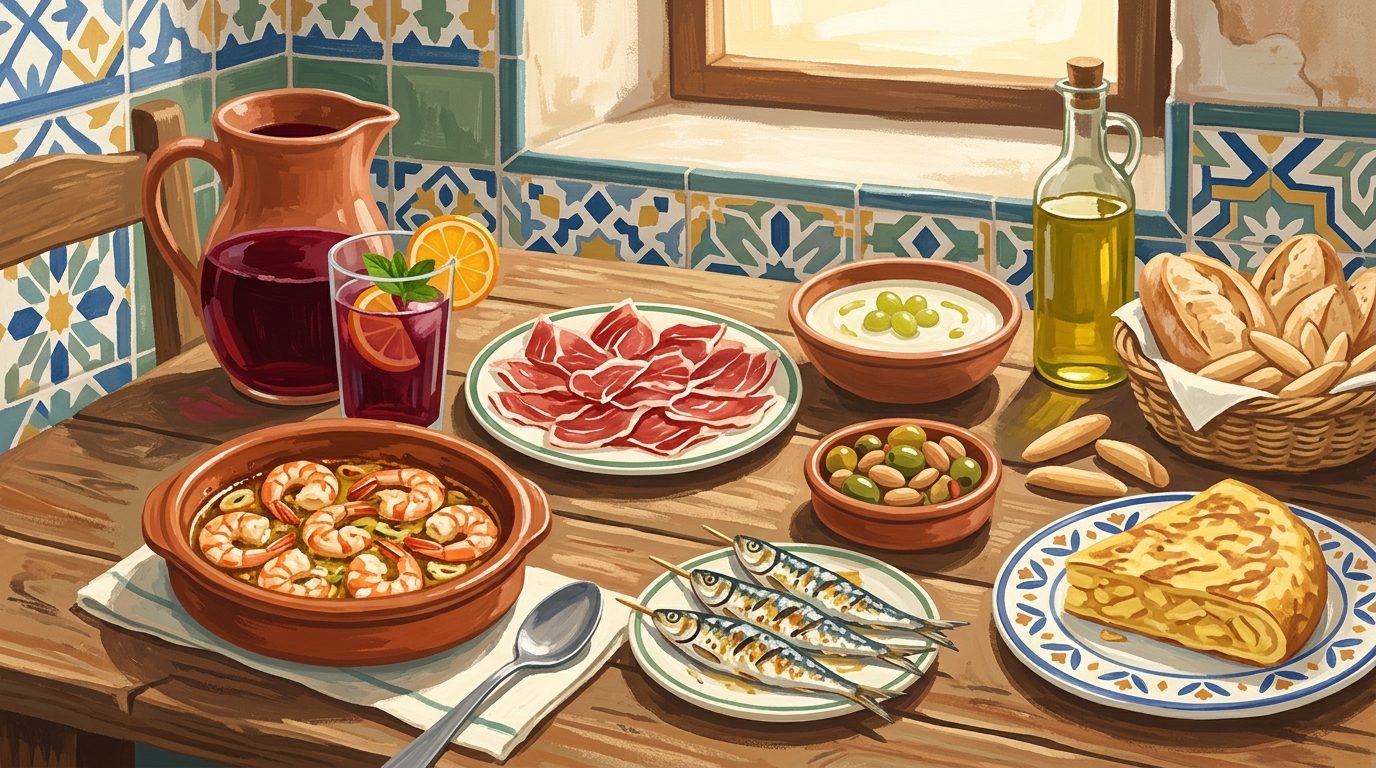
Where to Eat in Nerja: A Food Lover’s Guide to the Axarquía Coast
From wood-fired paella on the sands of Burriana to the crowded tapas bars of the old quarter, Nerja offers an authentic taste of the Málaga coastline.
6 min read
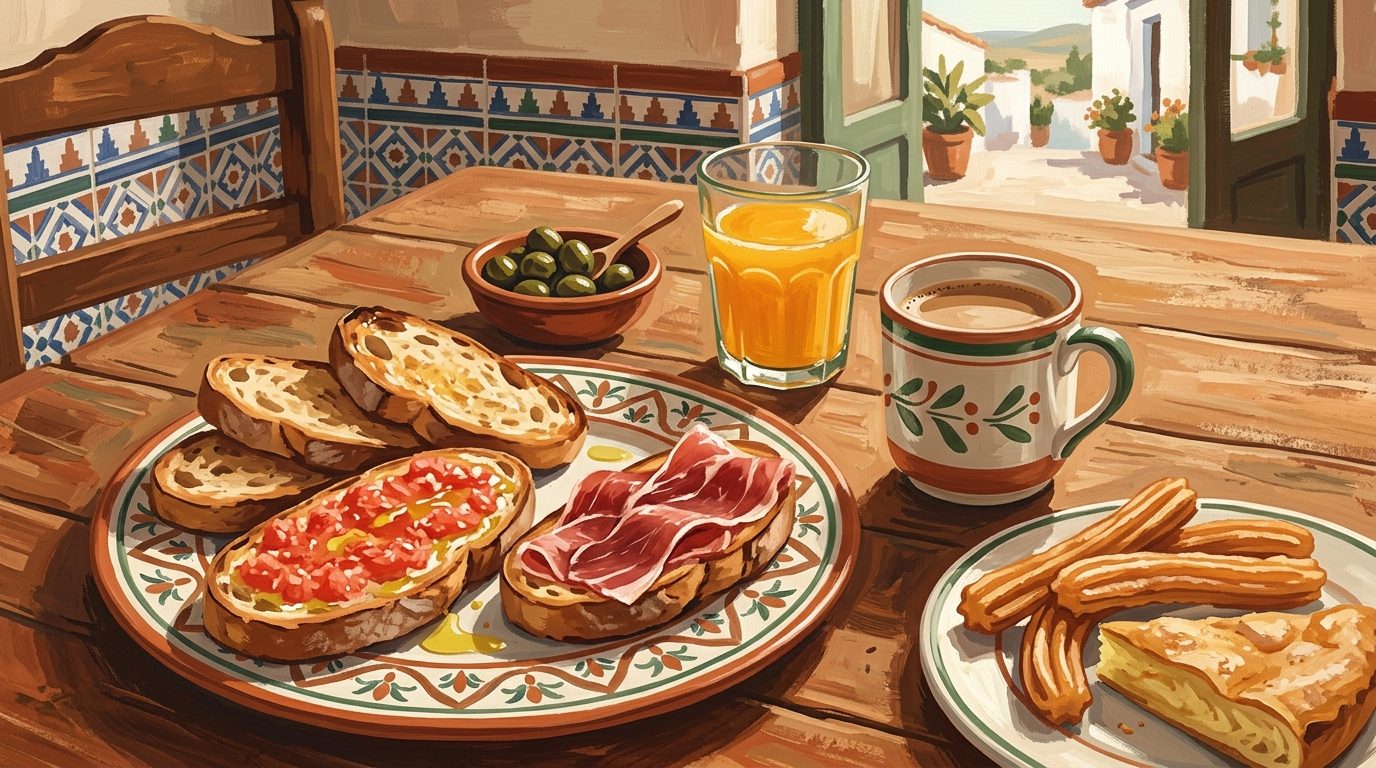
The Art of the Andalucían Breakfast and Merienda
To understand the soul of Andalucía, one must sit at a crowded bar at 10:00 am and wait for the scent of toasted bread and olive oil. It is a daily ritual that prioritises the simple pleasure of a slow morning over the rush of the working day.
6 min read
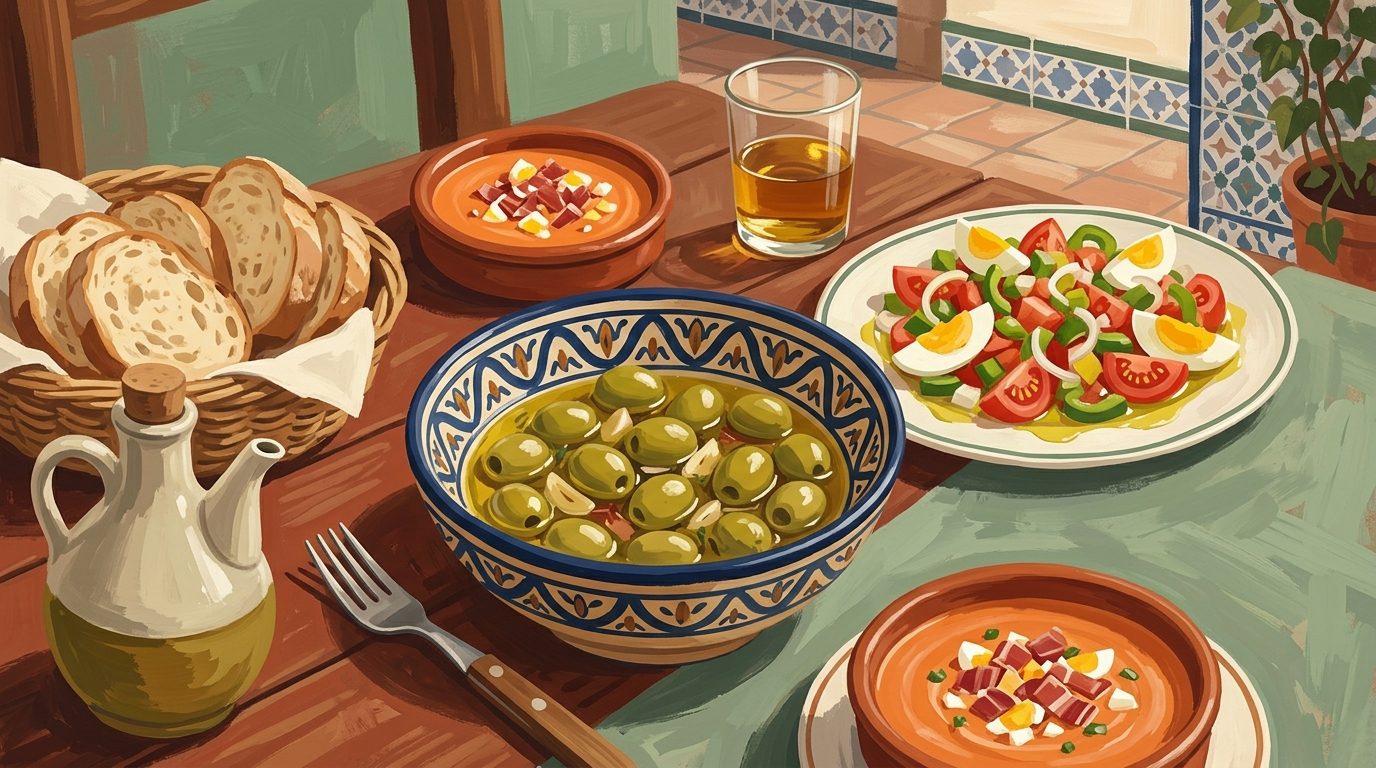
The Best Places to Eat in Jaén: A Guide to the World Capital of Olive Oil
Jaén remains one of the few places in Spain where the tradition of the free tapa is still treated with reverence. It is a city defined by its golden olive oil and a stubborn commitment to honest, seasonal cooking.
6 min read
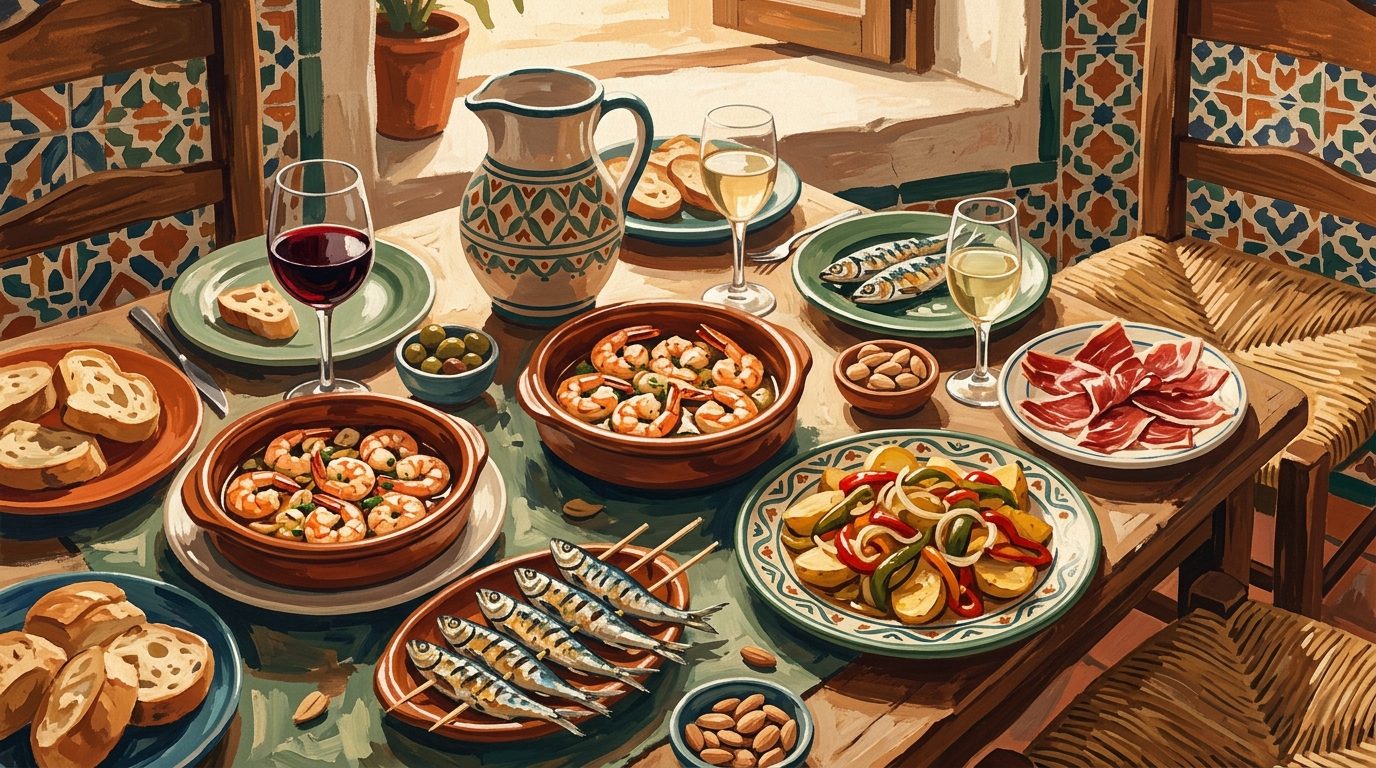
A Guide to Eating in Almería: Tapas, Seafood, and Desert Traditions
Discover the unique food culture of Almería, from the tradition of free-choice tapas to the legendary 'cherigan' toast and the freshest red prawns in the Mediterranean.
7 min read
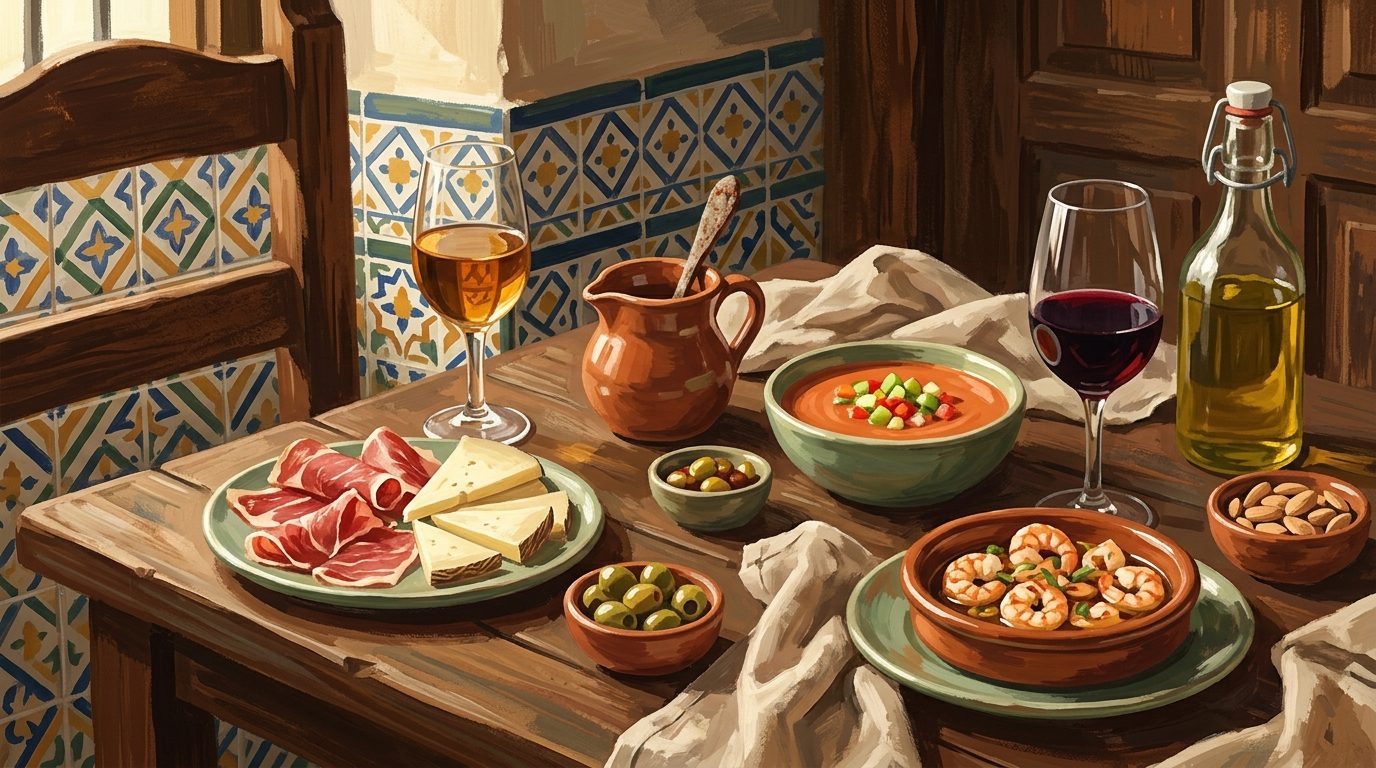
A Calendar of Flavour: The Best Food Festivals in Andalucía
From the smoky beach fires of Málaga to the prestigious ham auctions in Huelva, Andalucía’s food festivals offer a seat at the table of the region’s most authentic traditions.
7 min read
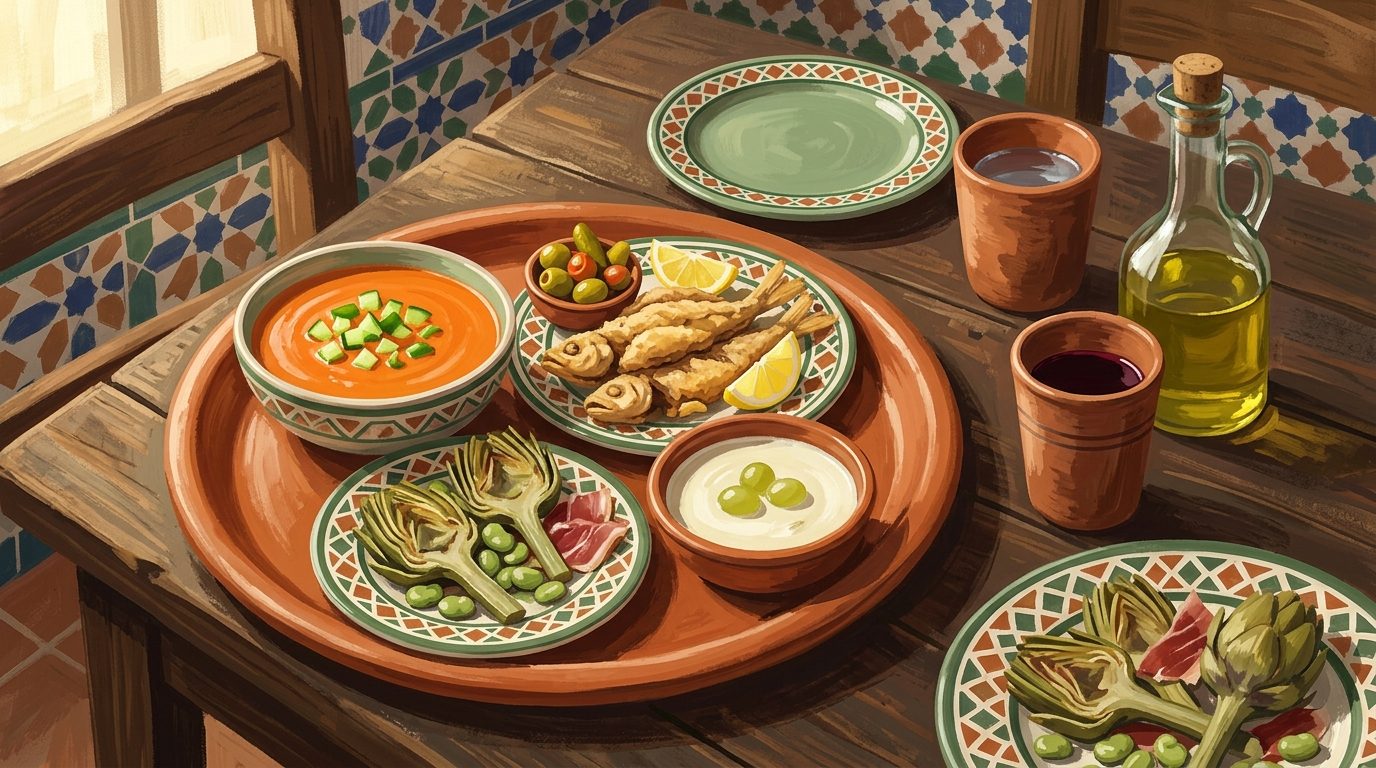
A Guide to Seasonal Eating in Andalucía
Discover the culinary calendar of Andalucía, from the sun-drenched tropical fruits of Granada to the smoky chestnut festivals of the Sierra mountains.
6 min read
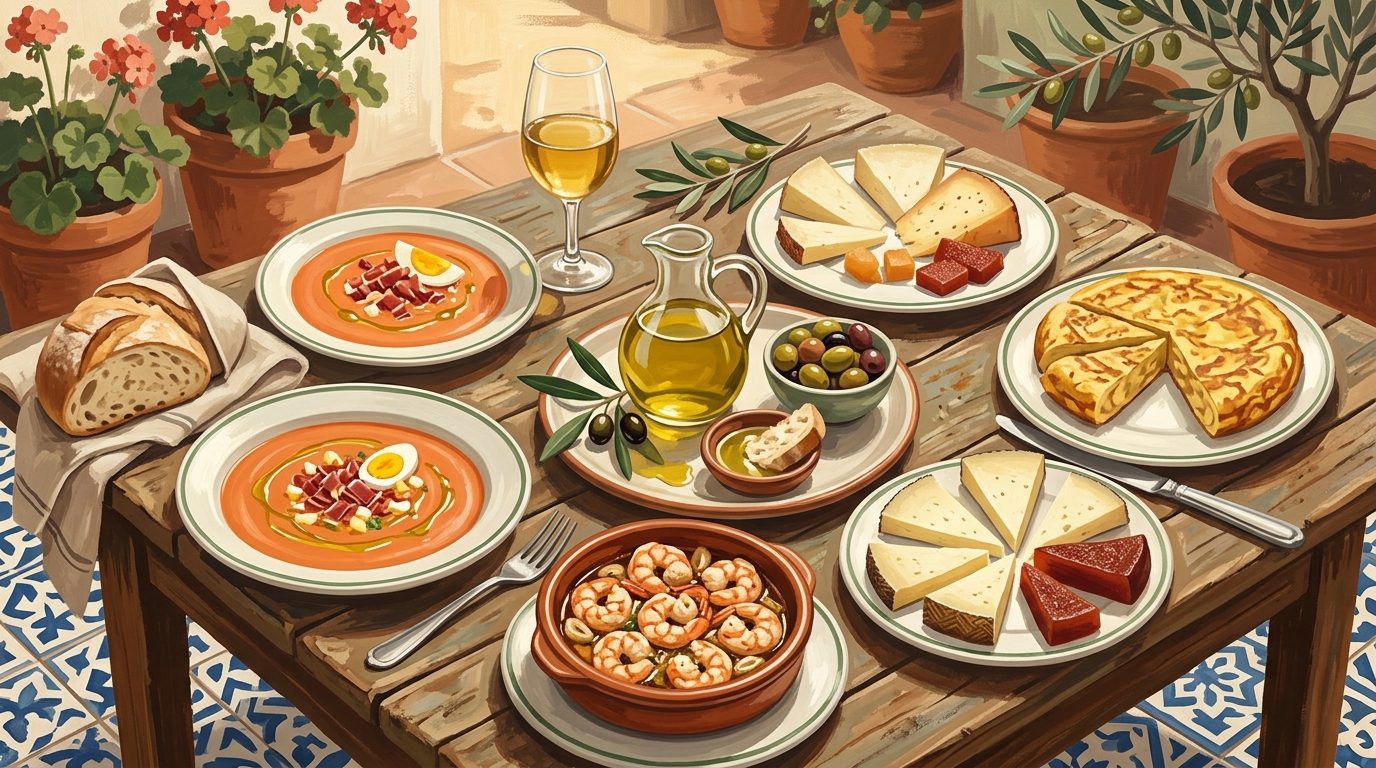
The Liquid Gold of Andalucía: A Deep Dive into the World’s Best Olive Oil
Discover the secrets of Andalucía's liquid gold, from the vast groves of Jaén to the art of the perfect breakfast tostada. This guide covers varieties, harvest secrets, and the best mills to visit.
6 min read
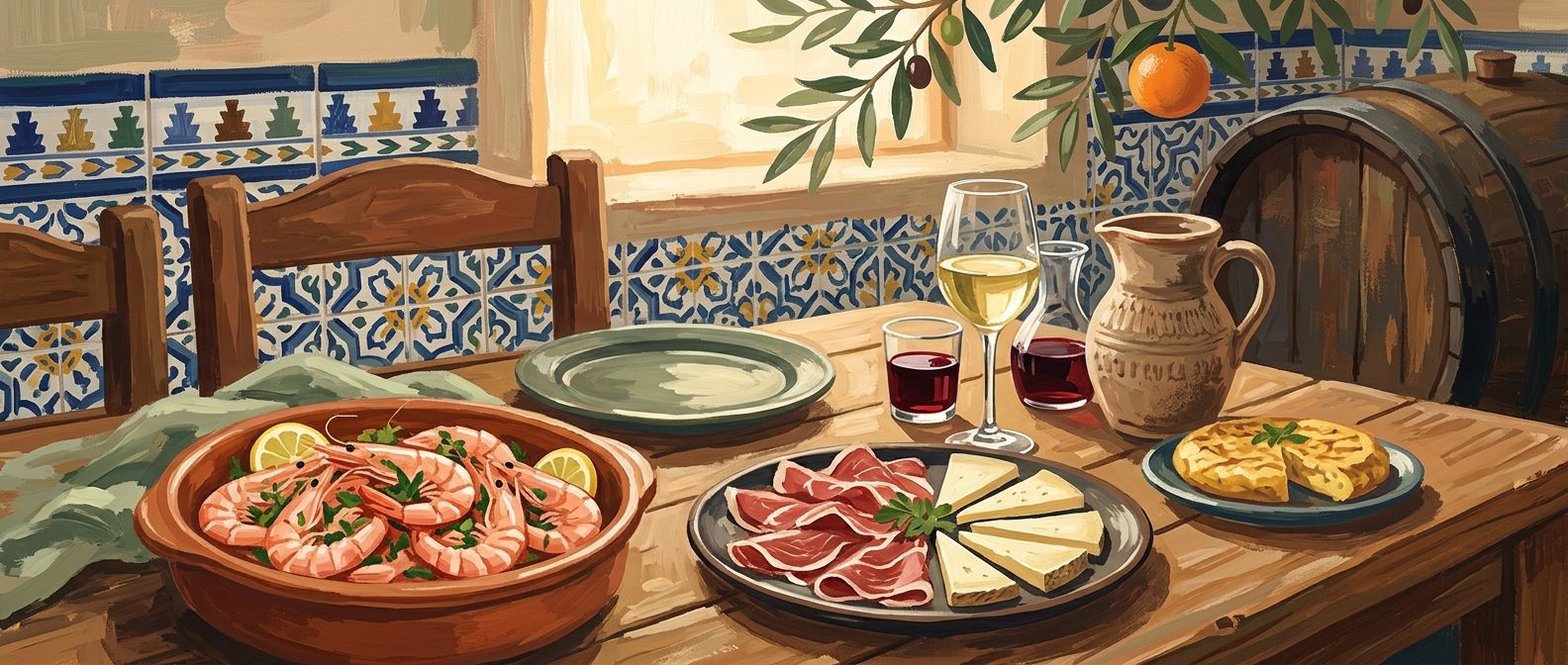
Where to Eat in Huelva: From Atlantic Prawns to the Heights of Jabugo
Discover the culinary secrets of Spain's southwestern corner, where the Atlantic's finest white prawns meet the world's best acorn-fed ham.
6 min read
Newsletter
More stories from Andalucía
Weekly notes, seasonal picks, and the next guides worth bookmarking.