
Food & drink
The Liquid Gold of Andalucía: A Deep Dive into the World’s Best Olive Oil
Discover the secrets of Andalucía's liquid gold, from the vast groves of Jaén to the art of the perfect breakfast tostada. This guide covers varieties, harvest secrets, and the best mills to visit.
By Dan · Updated 8 May 2026 · 6 min read
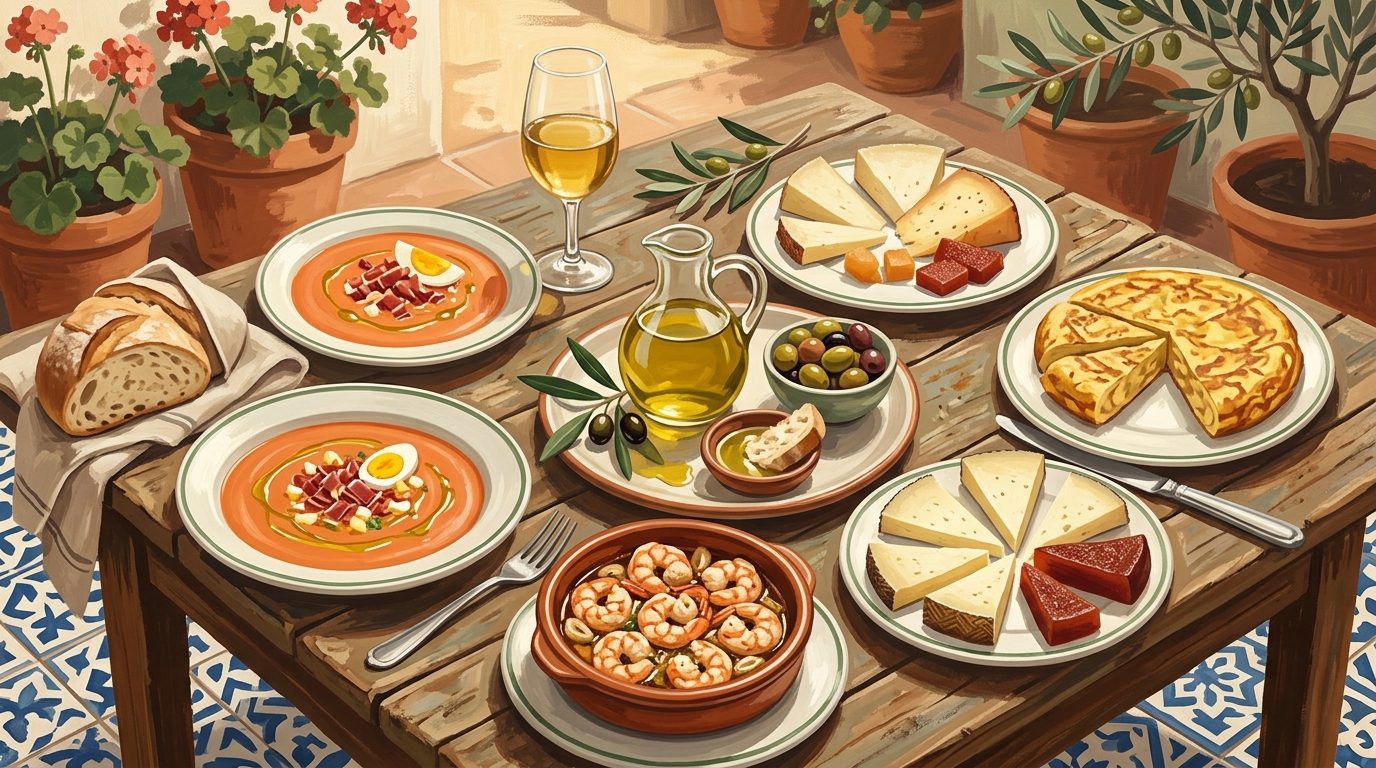
To understand the soul of the Andalucían landscape, one must look to the silver-green leaves of the olive tree, a plant that has defined this region for millennia. This guide navigates the world of liquid gold, from the vast groves of Jaén to the specific ritual of the perfect morning tostada.
In Andalucía, olive oil is not merely an ingredient; it is a cultural pillar, an economic engine, and a daily necessity. When you drive through the provinces of Jaén, Córdoba, or Granada, you are greeted by the mar de olivos (sea of olives), an undulating landscape of millions of trees stretching to the horizon. This region is the largest producer of olive oil on the planet, accounting for roughly 40% of the world's supply and about 80% of Spain’s total output. For the food-loving traveller, understanding olive oil is the key to unlocking the true flavours of the south.
Walking into a local supermarket or a specialist tienda gourmet (gourmet shop) can be overwhelming. You will see rows of green and golden bottles, labels mentioning specific harvest dates, and various protected designations. However, once you learn to distinguish a peppery Picual from a buttery Arbequina, your appreciation for Andalucían cuisine will reach a new level. This is a world of Aceite de Oliva Virgen Extra (Extra Virgin Olive Oil, or EVOO), where the juice of the olive is extracted solely by mechanical means, ensuring the purest expression of the fruit. Forget the bland, refined oils found on supermarket shelves back home; here, the oil is a seasonal product that should be celebrated like a fine wine.
Jaén: The Global Epicentre
If you want to see where the magic happens, you must head to the province of Jaén. This single province produces more olive oil than the entirety of Italy. The sheer scale is staggering, yet within this industrial powerhouse, there is a fierce commitment to quality. The towns of Úbeda and Baeza serve as the cultural hearts of this region, surrounded by trees that have stood for centuries.
The dominant variety here is the Picual. Known for its high stability and high polyphenol count (the antioxidants that make olive oil a superfood), Picual is the backbone of the industry. When you taste a high-quality, early-harvest Picual, you get an intense hit of tomato vine, green grass, and a characteristic peppery finish at the back of the throat. It is robust, assertive, and capable of standing up to strong flavours.
Understanding the Varieties: Picual vs Hojiblanca
While Jaén belongs to the Picual, other provinces offer distinct flavour profiles based on different olive varieties. Understanding these is essential for knowing which oil to use for finishing a soup or frying boquerones (anchovies).
- Picual: As mentioned, this is the heavyweight. It is bitter and spicy, making it perfect for drizzling over salmorejo (a thick, cold tomato and bread soup) or grilled meats. It has a high smoke point, so it is also excellent for cooking.
- Hojiblanca: Primarily found in Córdoba and Málaga, this variety is named for the white underside of its leaves. It is more versatile and less aggressive than Picual. You will notice notes of fresh herbs, artichoke, and a slightly almond-like sweetness. It is the gold standard for a simple tostada (toast).
- Arbequina: Though originally from Catalonia, it is widely planted in Andalucía. These tiny olives produce a very fruity, buttery oil with almost no bitterness. It often tastes of green apple or banana. It is ideal for baking or dressing delicate salads and white fish.
The Harvest: From Tree to Mill
The recolección (harvest) is the most important time of the year in the Andalucían countryside. Traditionally, this took place in late December and January when the olives were fully ripe and black. However, a revolution in quality has shifted the focus to the cosecha temprana (early harvest) in October and early November.
Early harvest olives are still green. They yield much less oil, but the quality is vastly superior: more aromatic, more intense, and packed with health benefits. If you visit an almazara (olive mill) during this window, the smell in the air is intoxicating: freshly cut grass and green fruit. Watching the olives being cleaned, crushed, and spun in the centrifuge to separate the oil is a fascinating process. Most modern mills now use cold extraction, ensuring the temperature never rises above 27°C to preserve the volatile aromas.
Visiting an Almazara
Oletourism is a growing trend in Andalucía, and many mills now offer sophisticated tours and tastings. A visit usually includes a walk through the groves to see the trees, a tour of the production facility, and a guided cata (tasting). During a tasting, you are taught to warm the glass in your hand to release the aromas and then "slurp" the oil to aerate it across your palate. It is an eye-opening experience that dispels the myth that all olive oil tastes the same.
Buying Tips: How to Spot the Good Stuff
When shopping for oil to take home, follow these professional tips to ensure you are getting a premium product:
- Look for Dark Glass: Light and heat are the enemies of olive oil. Never buy high-end EVOO in a clear plastic bottle; it should be in dark glass or a tin to protect it from oxidation.
- Check the Harvest Date: Unlike wine, olive oil does not improve with age. You want the freshest oil possible. Look for the current year’s harvest on the label.
- DOP Seals: Look for the Denominación de Origen Protegida (DOP) seal. Regions like Sierra Mágina, Priego de Córdoba, and Estepa have strict regulations on quality and origin.
- Price as an Indicator: Good EVOO is expensive to produce. If a bottle is priced similarly to standard supermarket oils (often under €12 to €15 per litre depending on the season), it is likely a mass-produced blend rather than a high-character artisanal oil. Expect to pay €15 to €30 for a 500ml bottle of top-tier early harvest oil (€€).
Ordering Like a Local
To eat like a local, you must master the art of the desayuno andaluz (Andalucían breakfast). Go into any local bar and order a tostada con aceite y tomate. The waiter will bring you toasted bread and, usually, a small bowl of grated tomato and a bottle of oil.
Crucially, do not expect a dipping bowl. You drizzle the oil generously over the bread first, then add the tomato and a pinch of salt. In better establishments, they will offer you a choice of oils: ask for the frutado (fruity) if you want something smooth or the intenso if you want that peppery kick. If you see a bottle on the table with no label, don't be afraid; often, these are oils from the owner's family grove, and they are frequently some of the best you will taste.
Where to Find the Best
Jaén: The Gold Standard
For the ultimate olive oil experience, visit Castillo de Canena. They are world-renowned for their innovation, producing oils infused with harissa or oak smoke, alongside their award-winning Family Reserve Picual. Another standout is Oro Bailén, whose early harvest oils consistently win international competitions. You can find these in specialized shops in Úbeda and Baeza.
Córdoba: Priego de Córdoba
The town of Priego de Córdoba sits within a DOP that produces some of the most awarded oils in the world. Look for Venta del Barón, a complex blend of Hojiblanca and Picudo that is incredibly balanced. Knolive is another producer from this area that consistently ranks at the top of the World's Best Olive Oils list.
Málaga: Finca la Torre
Located near Antequera, Finca la Torre is a leader in organic and biodynamic olive oil production. Their Hojiblanca is legendary, often described as having a perfect balance of bitterness and spice with notes of tomato leaf and green almond. Their mill is a model of modern sustainable production and offers excellent tours.
Last reviewed: 21 June 2026 · Editorial policy
Related guides
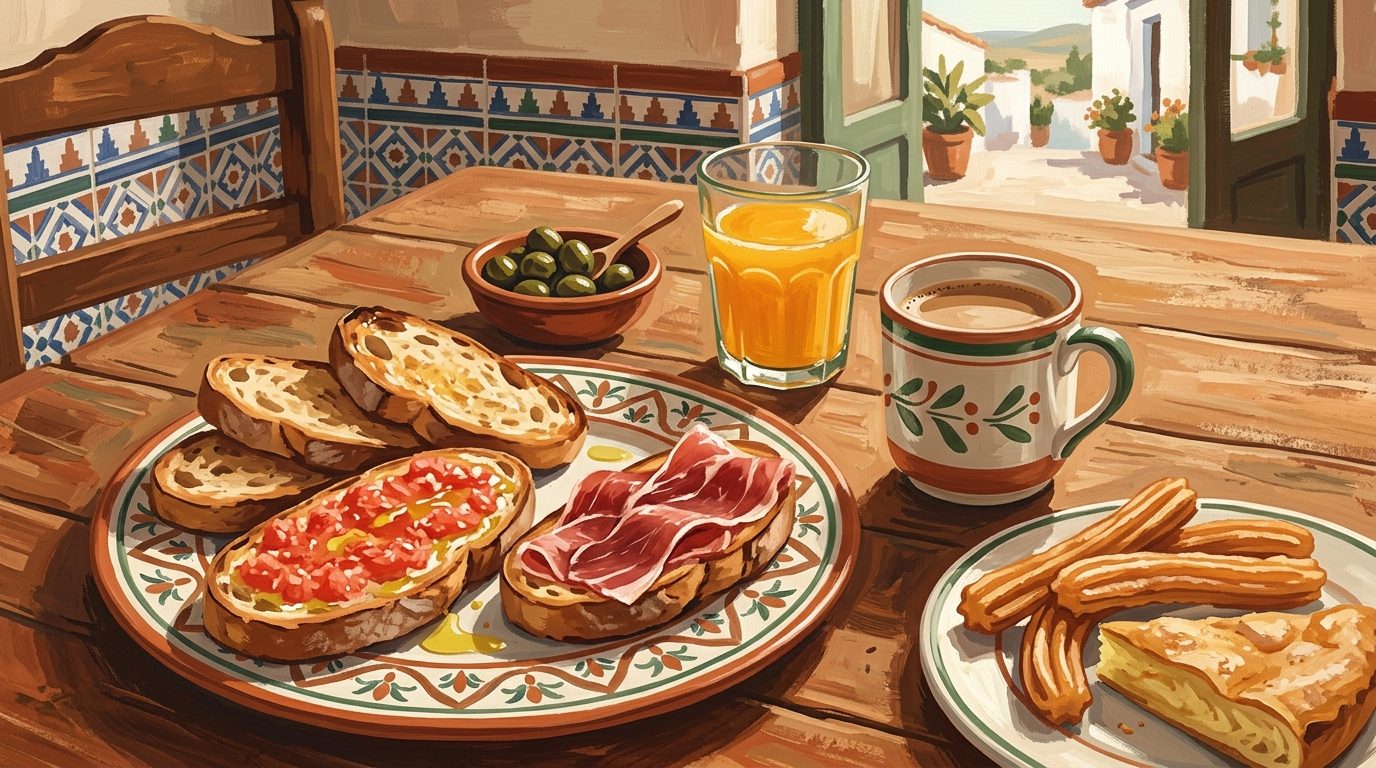
The Art of the Andalucían Breakfast and Merienda
To understand the soul of Andalucía, one must sit at a crowded bar at 10:00 am and wait for the scent of toasted bread and olive oil. It is a daily ritual that prioritises the simple pleasure of a slow morning over the rush of the working day.
6 min read
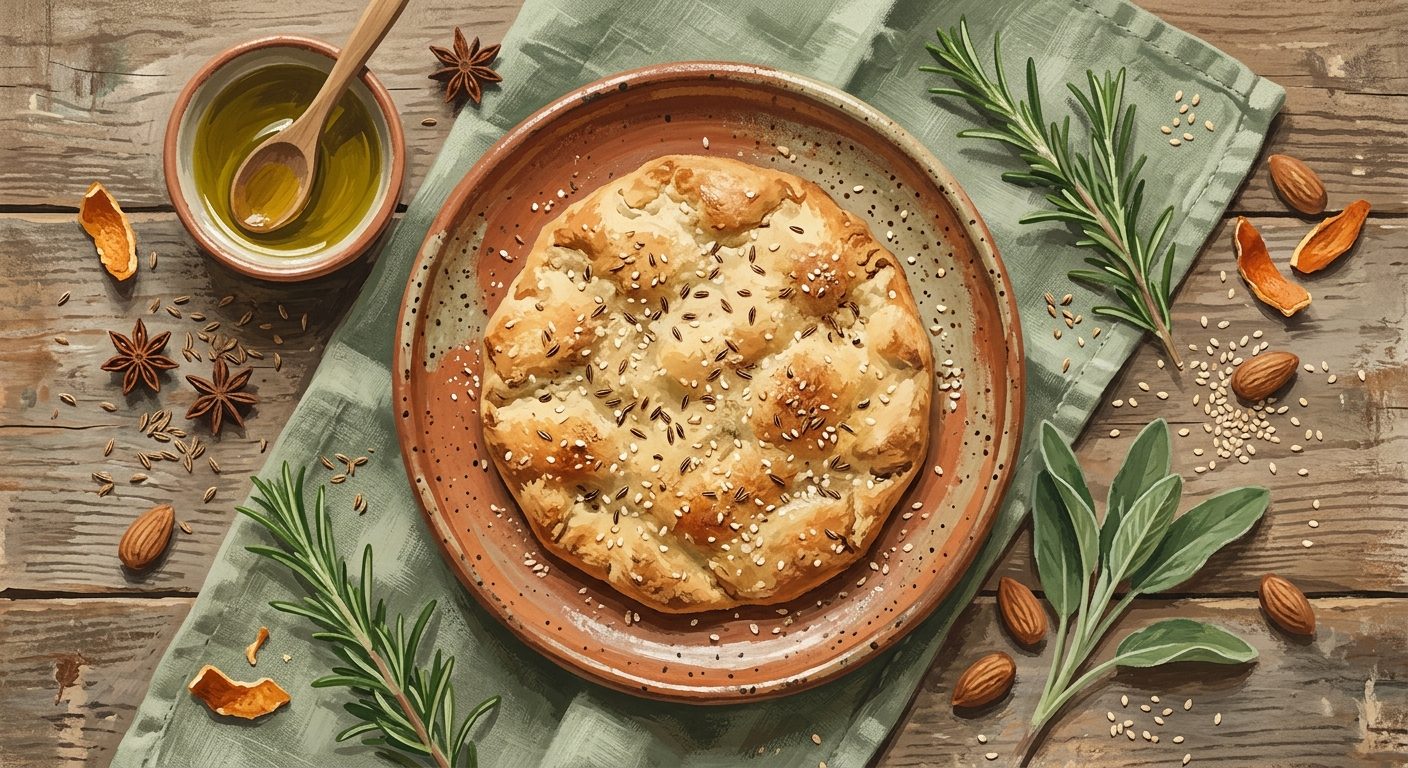
Authentic Tortas de Aceite: The Andalucían Olive Oil Biscuit
Discover the secret to making Tortas de Aceite, the iconic crisp olive oil biscuits of Sevilla. These aromatic treats are perfect with coffee or a glass of sherry.
4 min read
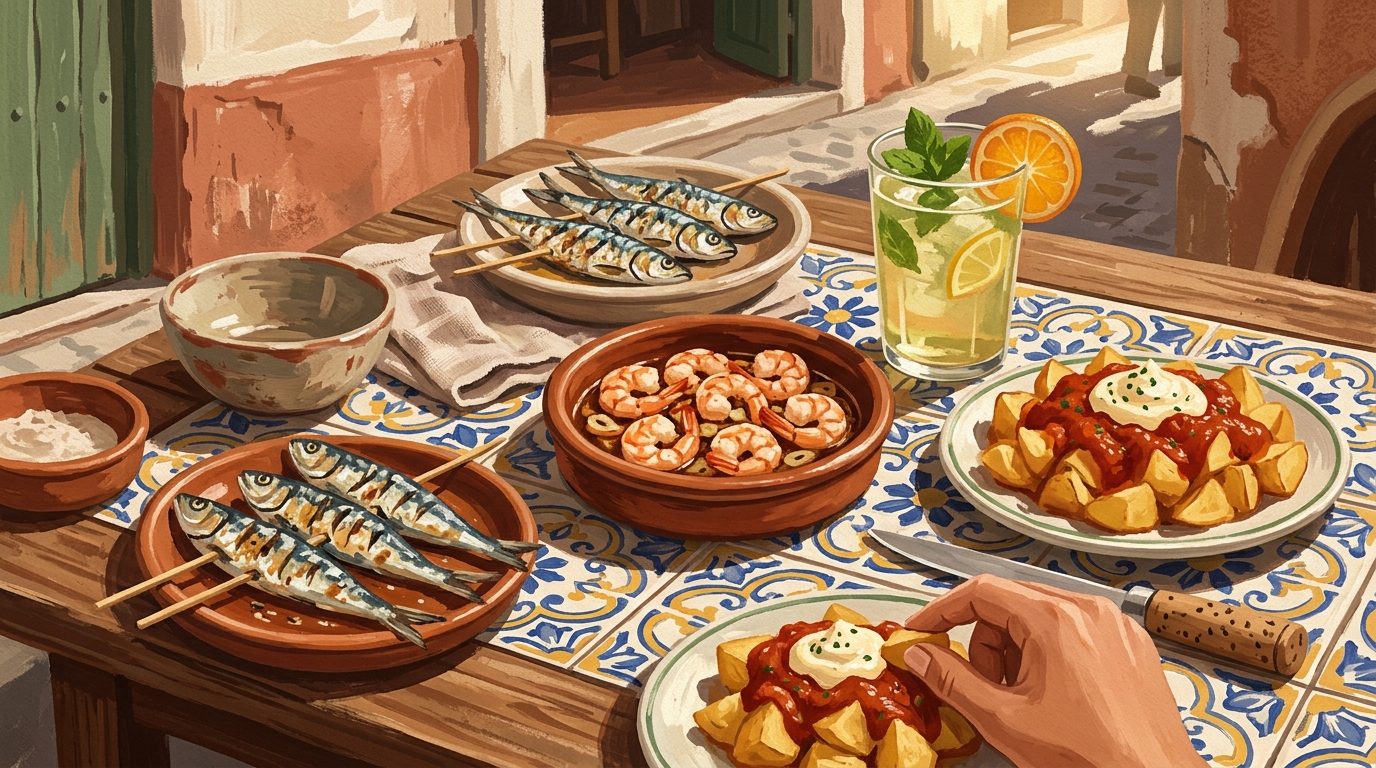
Beyond the Tapas Bar: A Guide to Andalucían Street Food
Discover the authentic taste of the south, from the salt-crusted sardine skewers of Málaga to the morning ritual of churros in Sevilla. This guide avoids the tourist traps to highlight where locals truly eat on the move.
6 min read
A Calendar of Flavour: The Best Food Festivals in Andalucía
From the smoky beach fires of Málaga to the prestigious ham auctions in Huelva, Andalucía’s food festivals offer a seat at the table of the region’s most authentic traditions.
7 min read
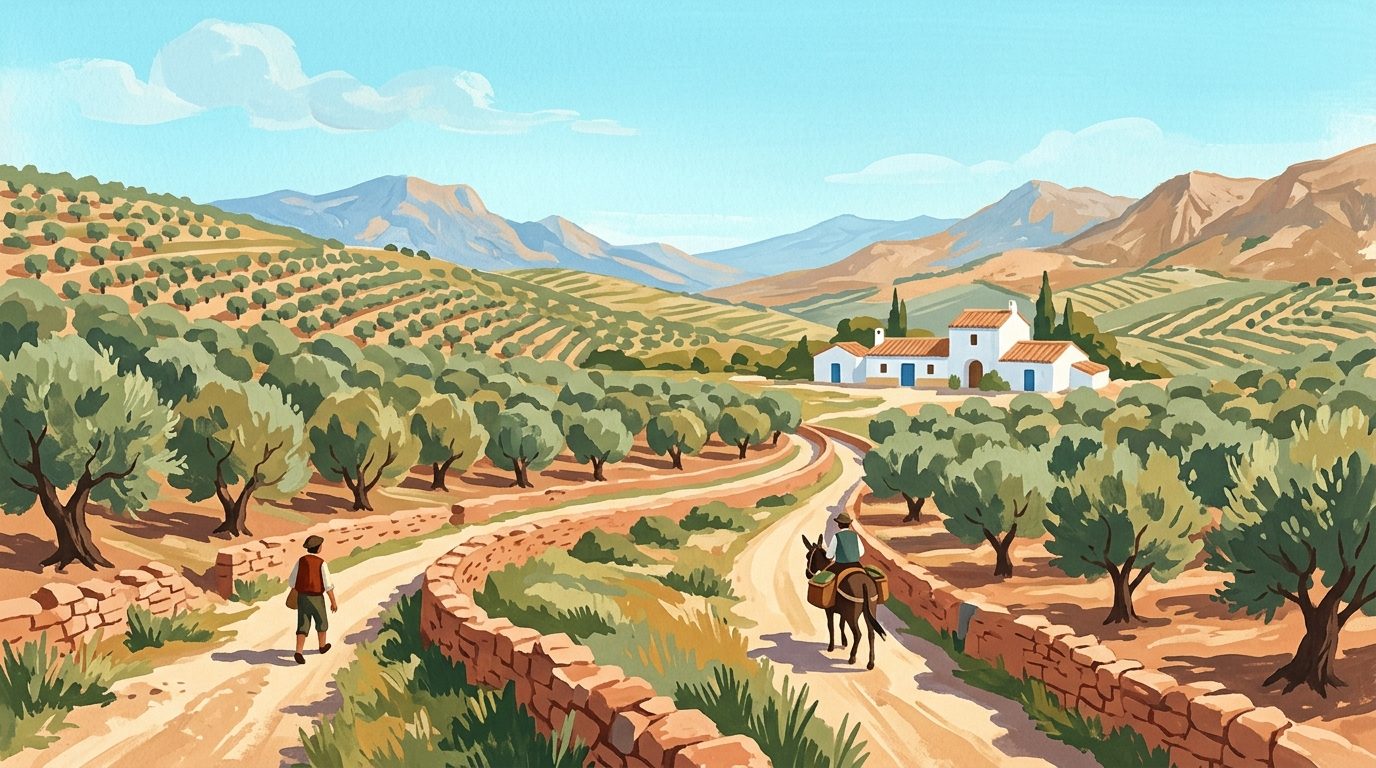
Discovering Liquid Gold: A Journey Along Andalucía's Olive Oil Routes
Embark on a golden journey through Andalucía's sun-drenched olive groves, exploring the ancient routes of liquid gold and discovering the region's unparalleled Extra Virgin Olive Oil heritage. Taste, learn, and immerse yourself in the heart of Spain's olive oil production.
7 min read
A Gastronomic Guide to Andalucía: From Sherry Bodegas to Olive Groves
Discover the authentic flavours of Southern Spain, from the sherry bodegas of Jerez to the ancient olive groves of Jaén and the world-renowned ham of Jabugo.
6 min read
More guides
Beyond the Caña: The Rise of Craft Beer and Botanical Gin in Andalucía
Discover the artisanal side of Southern Spain, from the microbreweries of Málaga's Soho district to the sophisticated gin-tonic culture of Sevilla and Granada.
6 min read
Where to Eat in Nerja: A Food Lover’s Guide to the Axarquía Coast
From wood-fired paella on the sands of Burriana to the crowded tapas bars of the old quarter, Nerja offers an authentic taste of the Málaga coastline.
6 min read
The Best Places to Eat in Jaén: A Guide to the World Capital of Olive Oil
Jaén remains one of the few places in Spain where the tradition of the free tapa is still treated with reverence. It is a city defined by its golden olive oil and a stubborn commitment to honest, seasonal cooking.
6 min read
Jamón Ibérico: The Ultimate Guide to Andalucía’s Cured Gold
Discover the art of Jamón Ibérico, from the acorn-fed pastures of Jabugo to the high-altitude curing rooms of Trevélez. Learn how to decode the colour-coded labels and where to find the finest hand-carved plates in Andalucía.
6 min read
A Guide to Eating in Almería: Tapas, Seafood, and Desert Traditions
Discover the unique food culture of Almería, from the tradition of free-choice tapas to the legendary 'cherigan' toast and the freshest red prawns in the Mediterranean.
7 min read
A Guide to Seasonal Eating in Andalucía
Discover the culinary calendar of Andalucía, from the sun-drenched tropical fruits of Granada to the smoky chestnut festivals of the Sierra mountains.
6 min read
Where to Eat in Huelva: From Atlantic Prawns to the Heights of Jabugo
Discover the culinary secrets of Spain's southwestern corner, where the Atlantic's finest white prawns meet the world's best acorn-fed ham.
6 min read
A Guide to Eating and Drinking in Ronda
Ronda’s culinary identity is built on rugged mountain ingredients, world-class red wines and the slow-braised richness of rabo de toro. From refined cliffside terraces to sawdust-floored tapas bars, here is where to find the town’s authentic flavours.
7 min read
Coffee Culture in Andalucía: From Málaga's Nubes to Sevilla's Speciality Roasts
A deep dive into the unique rituals, specific terminology, and the best third-wave roasters across the eight provinces of Southern Spain.
7 min read
Newsletter
More stories from Andalucía
Weekly notes, seasonal picks, and the next guides worth bookmarking.