
Feature · Málaga
The Definitive Guide to Feria de Málaga
Unlike famously private celebrations elsewhere, the Feria de Málaga is built on absolute inclusion. Virtually every marquee at the fairground opens its doors to anyone wanting to celebrate.
By Dan · Updated 16 July 2026 · 9 min read
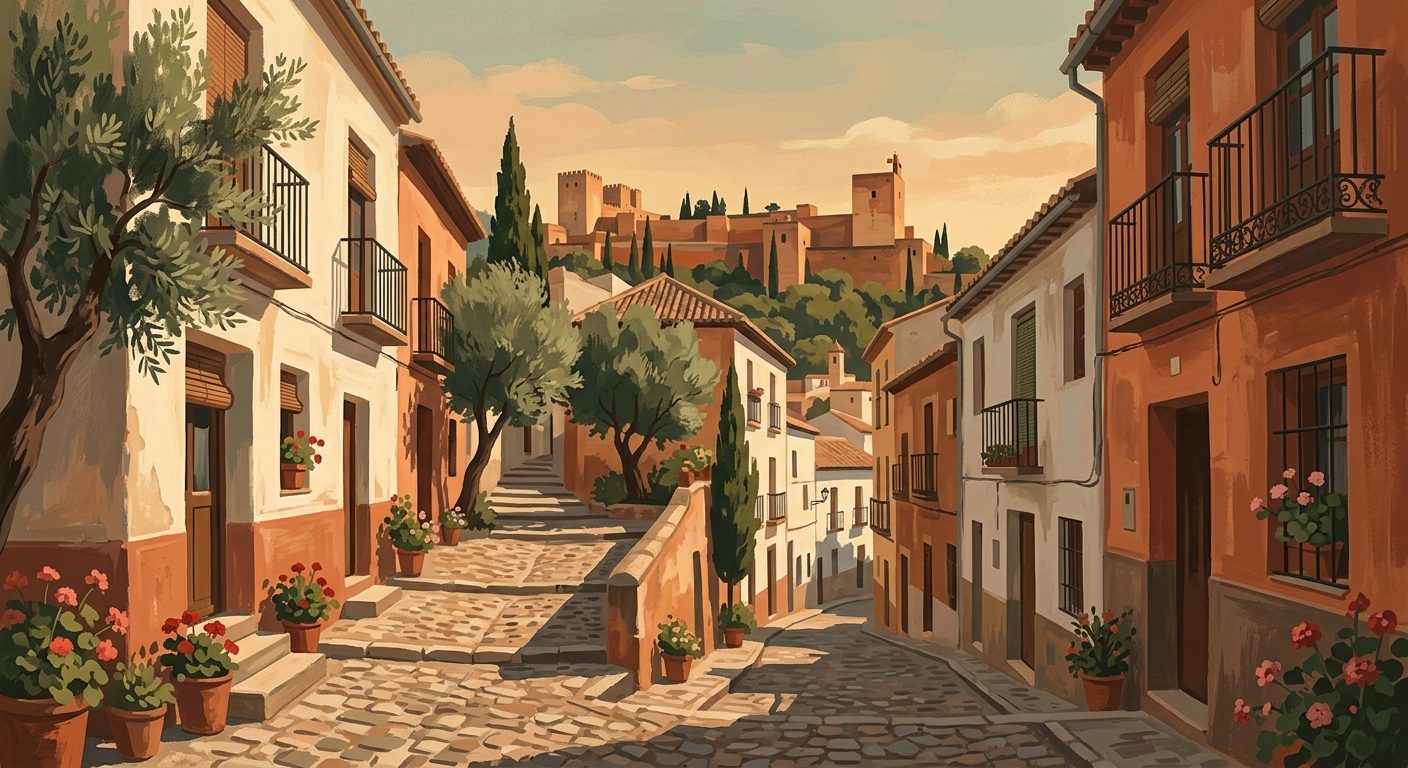
Unlike famously private celebrations elsewhere, the Feria de Málaga is built on absolute inclusion. Virtually every marquee at the fairground opens its doors to anyone willing to dance sevillanas, clap along to a traditional panda de verdiales, or share a chilled bottle of local sweet wine.
In mid-August, the capital of the Costa del Sol transforms for an eight-day street party that splits the city into two distinct camps. While many Andalucían cities host their annual fairs in designated grounds on the outskirts, Málaga stages a spectacular dual event. The daytime fair takes over the historic centre, while the nighttime fair illuminates a massive custom-built precinct on the edge of the city.
The origins of this festival lie in the incorporation of Málaga into the Crown of Castile by the Catholic Monarchs on the 19th of August 1487. To commemorate this event, the city council established an annual celebration that has evolved over five centuries into the modern Feria de Málaga. Today, the event has shed most of its solemn historical weight, replacing it with an overwhelmingly egalitarian spirit. You do not need an invitation or a membership to join the party here. The city actively invites everyone to participate, regardless of whether you come as a lifelong Malagueño or a first-time visitor.
Understanding this open-door policy is crucial for visitors. There are no private clubs dictating who gets to eat, drink, and dance. The defining feature of the Málaga fair is its accessibility, making it arguably the most welcoming major festival in southern Spain. The challenge for visitors is not gaining entry, but rather pacing themselves to survive a marathon of high summer heat, relentless music, and an ocean of sweet local wine.
What to expect
Prepare for an overwhelming sensory experience. The Feria de Málaga is loud, hot, and visually spectacular. The city centre is decorated from top to bottom. Calle Larios, the main pedestrian thoroughfare, is covered by massive white awnings to provide shade, while thousands of paper lanterns and green and purple flags line the streets above your head. The air smells intensely of fried fish, sweet wine, and biznagas, the traditional Málaga floral arrangements made of jasmine blossoms painstakingly inserted into dried thistle stems.
The atmosphere is intensely social and entirely unpretentious. During the day, the historic centre becomes a wall-to-wall crowd of people dancing, singing, and drinking in the streets. You will see multiple generations of families celebrating together, from toddlers in miniature flamenco dresses to grandparents clapping out complex rhythms. Music is everywhere, echoing off the marble pavements and narrow alleyways.
As evening falls, the mood shifts. The city centre quietens down as street cleaners move in, and the crowd migrates to the Real de la Feria at Cortijo de Torres. This massive fairground is a city unto itself, complete with wide avenues named after famous local figures, hundreds of large marquees known as casetas, and a sprawling amusement park with rides that light up the night sky. The sheer scale is staggering, and the energy does not dissipate until the sun comes up the following morning.
When it happens
The Feria always takes place in mid-August, structured around the historical anniversary on the 19th of August. For 2026, the festival will take place from the night of Friday 14 August through to Saturday 22 August. Check the official Málaga City Council portal for real-time schedule updates before travelling.
The inaugural Friday begins just before midnight at the Malagueta beach. A prominent figure delivers the pregón, the official opening speech, followed by a spectacular fireworks display over the Mediterranean Sea. Hundreds of thousands of people gather on the sand and the port to watch the sky light up, marking the official start of the celebrations.
Saturday morning brings a touch of tradition with the Romería. A procession of horses, carriages, and pilgrims sets off from the city centre up the hill to the Santuario de la Victoria, carrying the city flag. Following this ceremonial opening, the twin engines of the daytime fair in the centre and the nighttime fair at Cortijo de Torres roar into life, operating simultaneously for the rest of the week.
The action and the processions
Unlike Semana Santa, the Feria de Málaga is not about solemn religious processions. Instead, the action revolves around music, dance, and communal gathering. In the historic centre during the daytime fair, the focal point is the panda de verdiales. These are groups of traditional musicians playing an ancient, rhythmic style of local folk music using lutes, guitars, violins, and small cymbals. The musicians wear spectacular hats decorated with mirrors, flowers, and dozens of colourful ribbons. You will find them performing spontaneously in Plaza de la Constitución, Plaza del Obispo, and along Calle Larios.
At the Real de la Feria in Cortijo de Torres, the action is centred inside the casetas. In Seville, you might wander past rows of closed, private tents. In Málaga, unlike in Seville, virtually all casetas are open to the public and free to enter. These are large, permanent-feeling structures with bars, kitchens, and dance floors. Many are run by local brotherhoods, neighbourhood associations, social clubs, or local businesses. During the early evening, the casetas are filled with people eating tapas and dancing sevillanas. As the night progresses past midnight, many of the youth-oriented casetas transform into massive nightclubs playing modern reggaeton and pop, while the more traditional casetas stick to live rumba and flamenco.
The fairground also hosts an official municipal auditorium where free concerts are held nightly, featuring major national pop and flamenco artists. Meanwhile, the Calle del Infierno, the amusement park section, provides endless entertainment with towering Ferris wheels, roller coasters, and traditional fairground games.
Where to watch and where to be
If you want to experience the daytime fair, you must be in the historic centre between midday and six in the evening. Calle Larios is the visual heart of the event, offering the best photo opportunities beneath the awnings and lanterns. However, it gets exceptionally crowded. If you want a slightly more relaxed daytime experience, head to Plaza de Uncibay, Plaza de las Flores, or Plaza de la Merced, where local bars set up outdoor bars and stages for live music.
To watch the opening fireworks on the first Friday, secure a spot early. The Malagueta beach is the classic viewing point, but sitting on the elevated pathways of the Palmeral de las Sorpresas in the port offers an excellent, less sandy vantage point. Gibralfaro castle offers a panoramic view from above, but access is usually restricted just before the display begins.
For the nighttime fair at Cortijo de Torres, there is no single place to stand. The strategy is to wander the illuminated avenues. The fairground is loosely divided into different zones. The family area features traditional music and sit-down dining, while the youth area is essentially a row of high-decibel outdoor clubs. Finding a traditional caseta, ordering a drink, and watching the locals dance is the best way to spend your evening. There are no paid seating areas here; you simply walk in, find a spot at a barrel table, and enjoy the atmosphere.
What to wear and cultural sensitivities
During the Feria, thousands of Andalucían women wear the traje de flamenca, the traditional fitted dress with ruffles, paired with a large flower worn high on the head. Men often wear a simple short jacket and cordobés hat, though many opt for smart summer wear. As a visitor, there is no expectation for you to wear traditional dress. In fact, wearing a cheap, costume-quality flamenco dress from a tourist shop is generally viewed poorly. Opt for smart, comfortable summer clothing. Linen shirts, light dresses, and highly comfortable walking shoes are essential.
There is one absolute rule you must obey: do not wear beachwear in the city. Despite the heat and the proximity to the sea, walking around the historic centre in a bikini top, swimming trunks, or bare-chested is considered highly disrespectful. The local police actively issue significant on-the-spot fines for this behaviour.
Pacing is another crucial cultural point. While the locals consume vast quantities of alcohol, public drunkenness and aggressive behaviour are rare and completely unacceptable. The Spanish approach is to drink slowly over many hours, always accompanied by food. Follow their lead, drink plenty of water, and respect the performers. If a group is dancing sevillanas in a caseta, give them space and do not interrupt their performance for a photograph.
Where to eat and drink
The undisputed king of the Feria de Málaga is Cartojal. This sweet, pale wine is served ice-cold from distinctive pink bottles with pink plastic cups. You will see it everywhere. It is heavily alcoholic and very sweet, so proceed with caution. The other staple is rebujito, a refreshing mix of fino or manzanilla sherry topped with lemonade and ice.
Food during the daytime fair is best enjoyed at established local bars. El Pimpi, the city's most famous bodega, becomes a focal point of the celebrations, serving exceptional jamón ibérico and local cheeses. Antigua Casa de Guardia on the Alameda Principal offers a traditional standing-room-only experience where local vermouth and sherry are poured directly from wooden barrels, and your tab is chalked onto the bar counter. Los Mellizos is the premier choice for fried seafood, a staple of the local diet.
At the nighttime fairground, eating inside the casetas is part of the experience. Look for casetas run by the cofradías, the religious brotherhoods. They often serve the most authentic and reasonably priced food to raise funds for their Easter processions. Order plates of boquerones fritos (fried anchovies), berenjenas con miel (fried aubergines with cane honey), pinchitos (spiced pork skewers), and thick slices of tortilla de patatas.
Where to stay and booking advice
Accommodation for the Feria de Málaga is highly competitive. You must book your hotel or apartment at least six to nine months in advance. Where you stay depends entirely on your tolerance for noise and your daily schedule.
Staying right in the historic centre, particularly on or near Calle Larios, means stepping directly out of your door into the party. However, it also means unrelenting noise. The daytime fair features booming music until early evening, followed almost immediately by the roar of heavy street-cleaning machinery and pressure washers.
For a more balanced trip, the Soho neighbourhood offers an excellent compromise. It is a five-minute walk from the central daytime action, but sits just outside the official party zone, allowing for a quiet night's sleep. La Malagueta is another excellent option, offering proximity to the beach for morning recovery and easy walking access to the centre. If your priority is the nighttime fair, consider staying in the Teatinos district. It is a university area located close to the Cortijo de Torres fairground, meaning you can easily walk back to your bed in the early hours without fighting for a taxi.
Practical notes
Navigating the city during the fair requires a bit of planning. The historic centre is completely pedestrianised, and many surrounding roads are closed to private traffic. Do not attempt to hire a car if you are staying in the city centre.
The public transport system, however, is excellent. The local EMT bus network operates a special 24-hour service during the fair. Line F is the dedicated fairground route, running continuously between the historic centre (Alameda Principal) and the main gates of Cortijo de Torres (check the official EMT website for exact schedules, which are usually published in late July).
Alternatively, the Cercanías local train is a fantastic option for reaching the nighttime fair. The C1 line stops at Victoria Kent station, which is just a short, well-lit walk from the fairground entrance. Taxis are plentiful but the queues at the official ranks outside Cortijo de Torres can stretch for over an hour at peak departure times, usually between four and six in the morning.
Finally, respect the August heat. Daytime temperatures regularly exceed thirty-five degrees Celsius. Seek the shade of the awnings, wear sunscreen, use a traditional paper fan, and alternate every alcoholic drink with a glass of water. Pacing yourself is the ultimate secret to enjoying the longest, loudest, and most welcoming party in Andalucía.
Last reviewed: 21 June 2026 · Editorial policy
Related guides
The Resurrection of the Chalk: How Sherry Escaped the Dusty Sideboard
For decades, the wines of Marco de Jerez were relegated to the back of the liquor cabinet; today, a new generation of winemakers is digging into the white earth to prove Sherry is the world's most misunderstood terroir wine.
7 min read
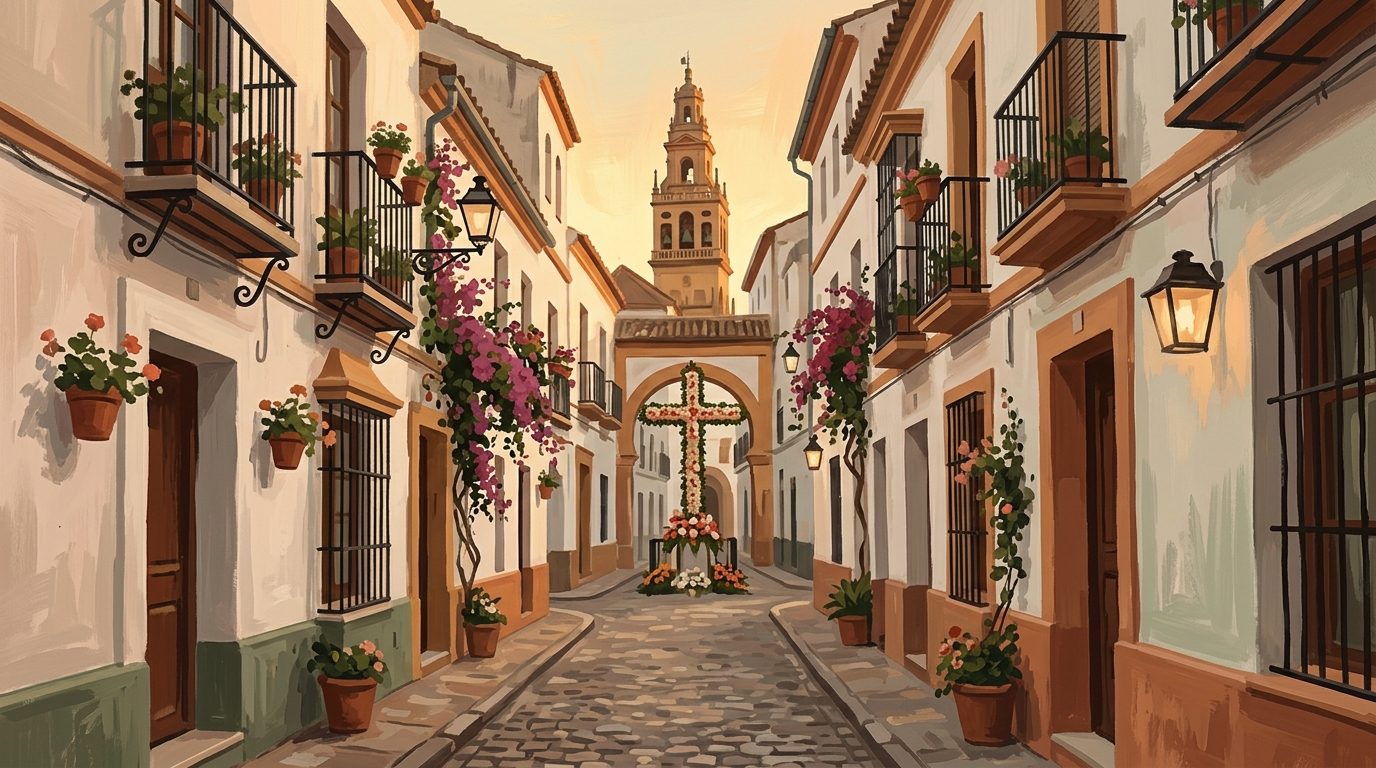
A Guide to the Cruces de Mayo Festival in Córdoba
Discover how Córdoba transforms its historic plazas into flower-draped street parties to celebrate the Cruces de Mayo festival.
8 min read
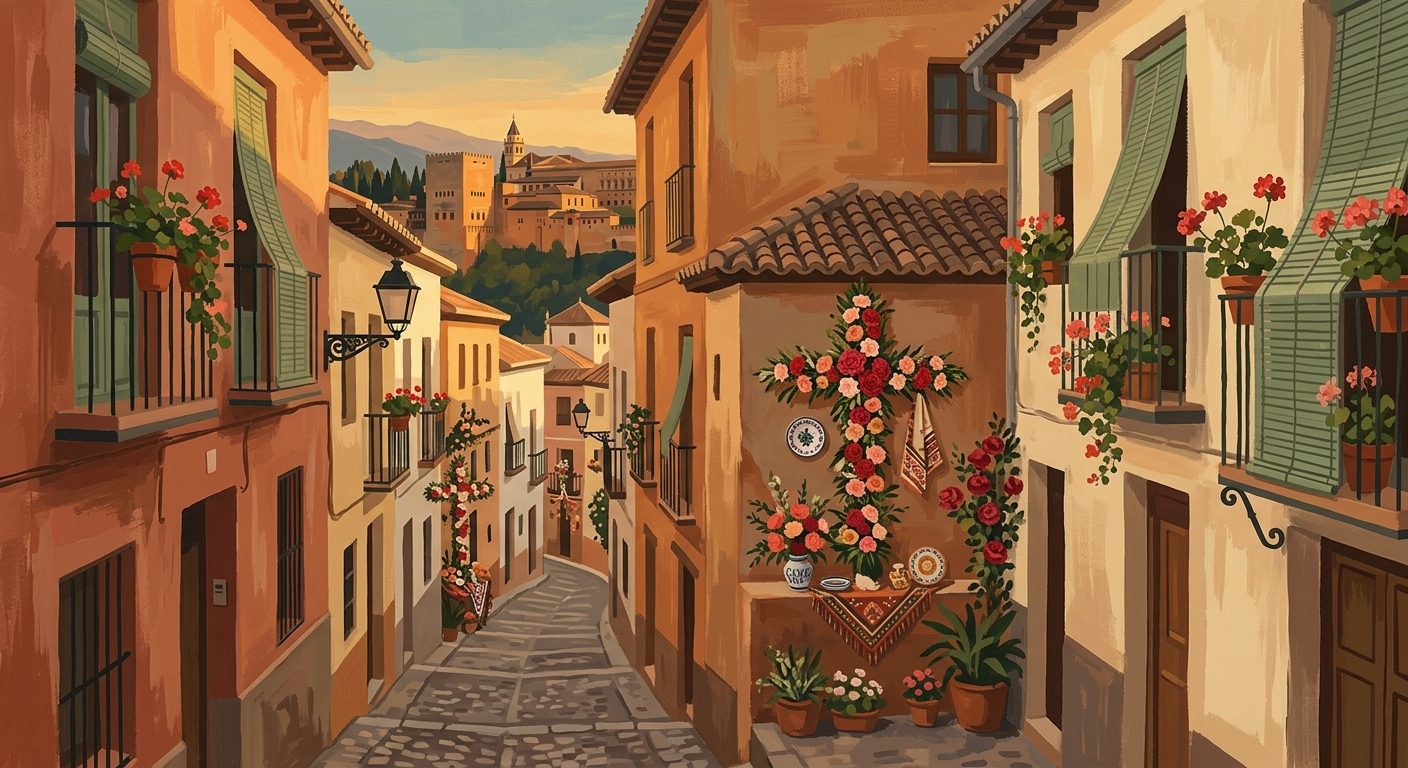
Cruces de Mayo in Granada: A Complete Guide
Discover how Granada transforms during the Cruces de Mayo festival. We detail where to find the most spectacular floral crosses, the local traditions to observe, and how to navigate the celebrations.
9 min read
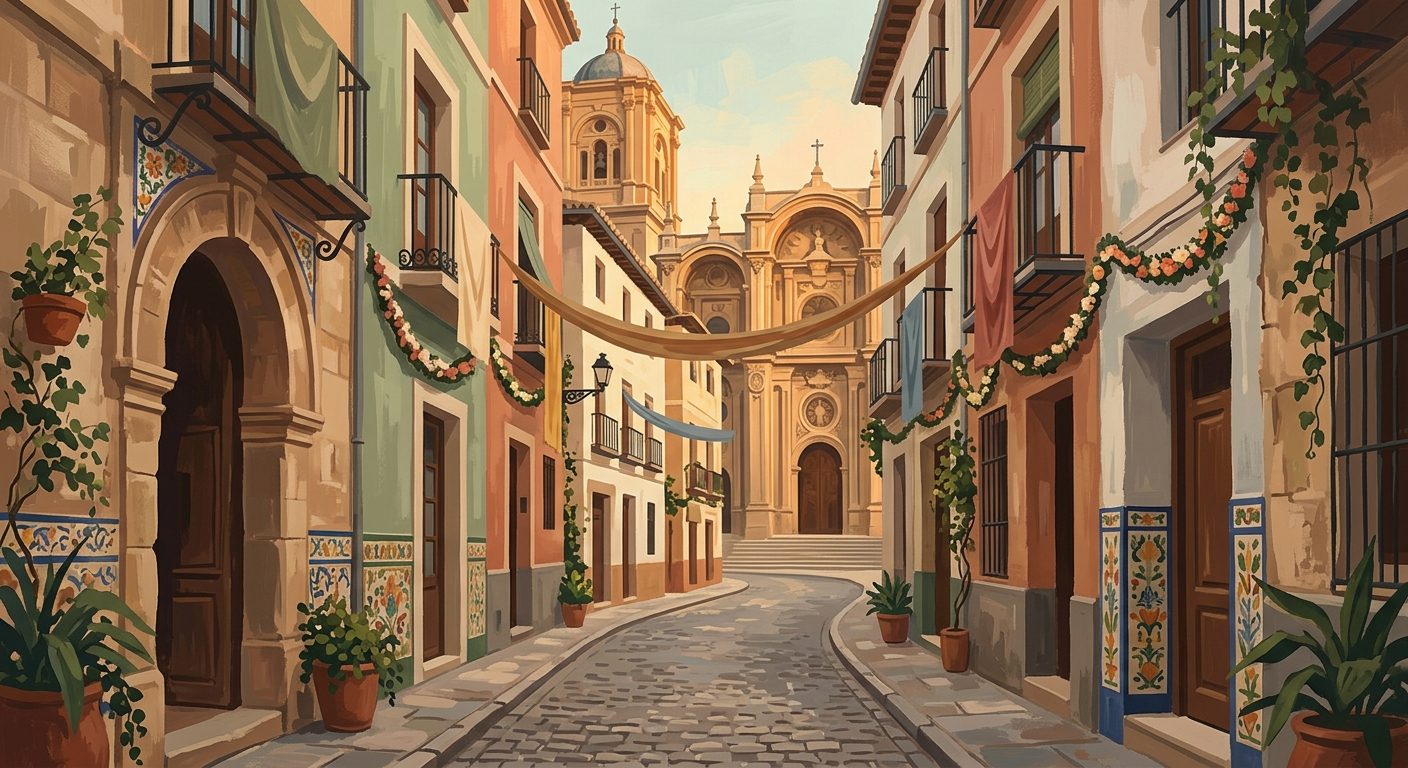
Corpus Christi in Granada: The Definitive Guide
In Granada, Corpus Christi is far more than a solemn religious observance. It is the city's largest annual festival, combining the scent of fresh rosemary crushed underfoot during the sacred Thursday procession with the unapologetic joy of the week-long public feria in Almanjáyar.
10 min read
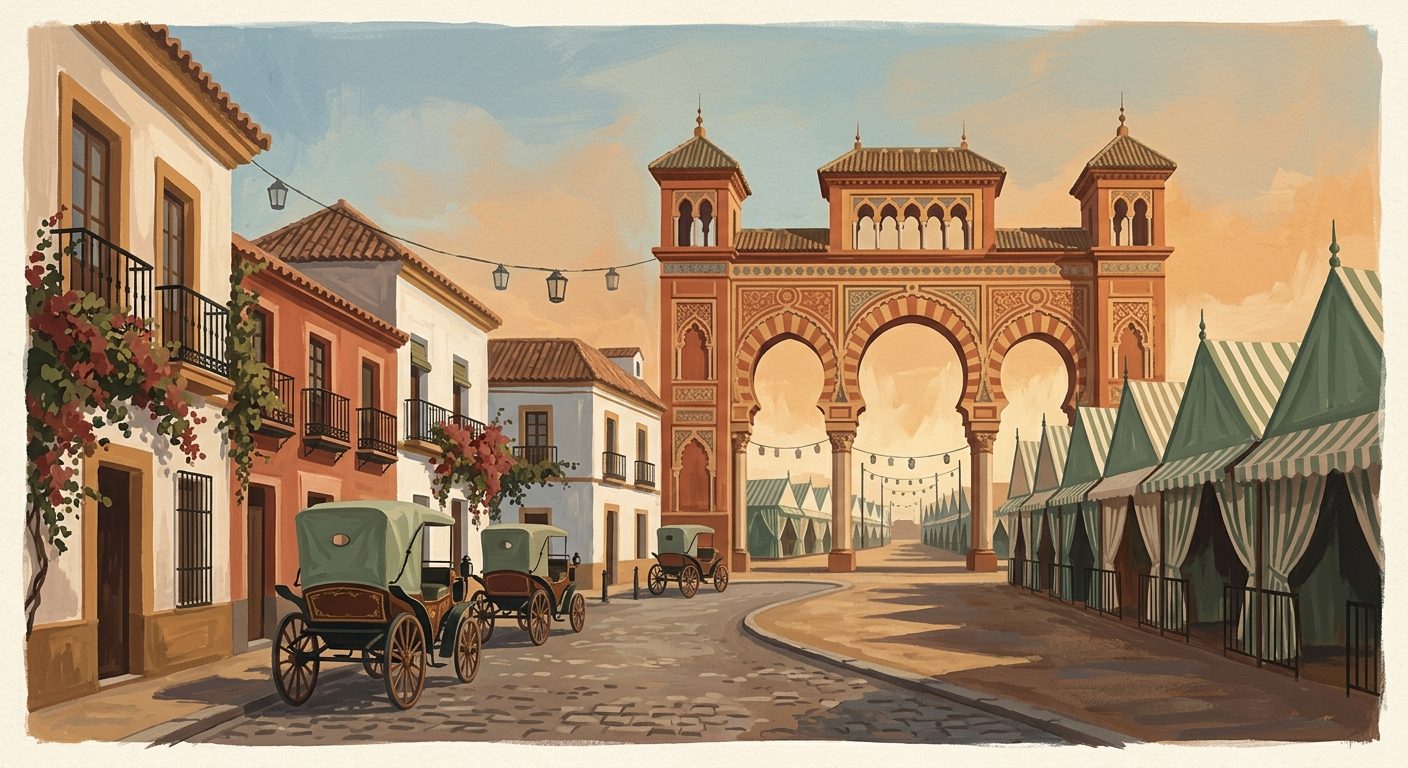
A Complete Guide to the Feria del Caballo in Jerez
The Feria del Caballo in Jerez stands apart from other spring fairs in Andalucía because its casetas are almost entirely open to the public. Here, the aristocratic tradition of the Andalucían horse meets the egalitarian spirit of the city, fuelled by endless cold glasses of fino sherry and native flamenco bulerías.
9 min read
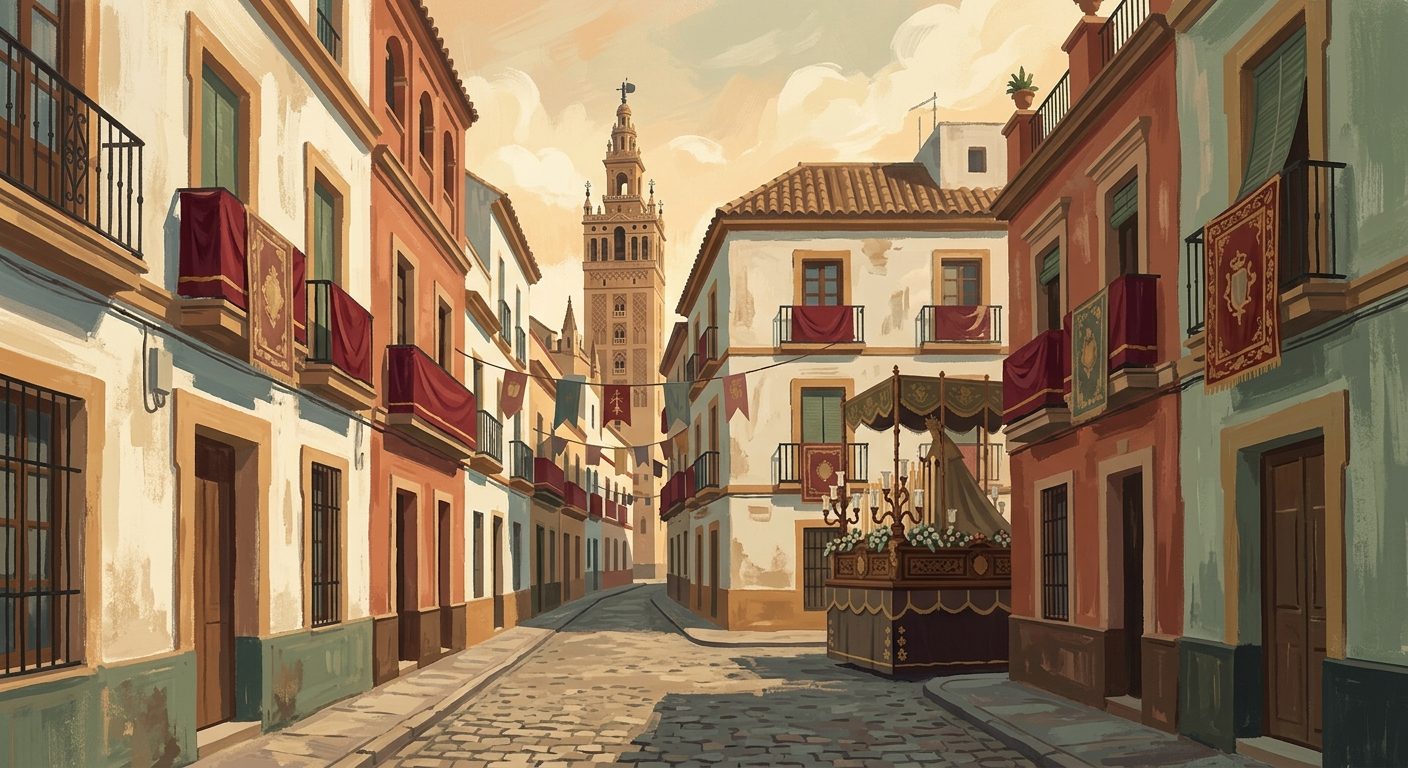
Semana Santa in Sevilla: A First-Timer's Guide
Semana Santa in Sevilla is an intense expression of faith, art and civic identity. Unlike other cities, the spectacular wooden floats are carried from below by hidden costaleros, moving to the slow beat of mourning marches or absolute silence.
8 min read
More from Málaga
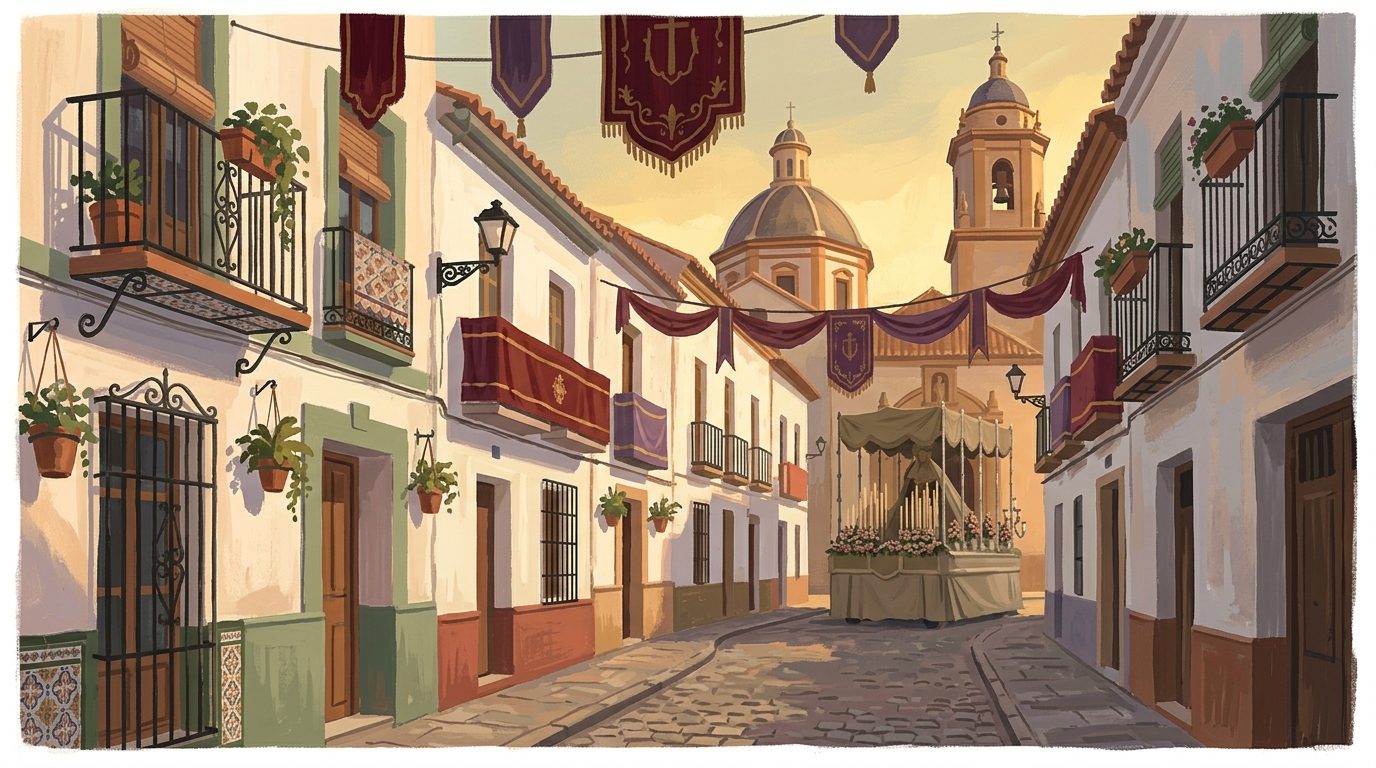
Semana Santa in Malaga: The Complete Guide
Experience the immense tronos, military anthems and communal spirit that define Holy Week in Malaga.
9 min read
The Complete Guide to the Costa del Sol
Spanning 150 kilometres of Mediterranean shoreline, the Costa del Sol is the most developed coastal strip in Spain. Discover where to find quiet coves, excellent seafood and the right resort for your style of travel.
9 min read
The Concrete Shore: A Post-Mortem of the Costa del Sol
The shadow of the Pez Espada hotel stretches longer than the memories of the men who once pulled nets from this sand. It is a coast that traded its silence for a fortune, and now spends its days trying to remember the shape of the wind.
7 min read
The Vertical City: Watching the Shadows Lengthen in Ronda
Beyond the crowded lip of the Tajo gorge, Ronda reveals itself as a city of quiet alcoves, blood-stained history, and a gravity that pulls at the soul.
7 min read
The Museum and the Metropolis: Málaga’s Radical Reinvention
Once a gritty industrial port and a mere transit hub for the Costa del Sol, Málaga has spent two decades undergoing a radical cultural transformation that has turned it into a global art capital.
7 min read
Newsletter
More stories from Andalucía
Weekly notes, seasonal picks, and the next guides worth bookmarking.