
Feature · Granada
Cruces de Mayo in Granada: A Complete Guide
Discover how Granada transforms during the Cruces de Mayo festival. We detail where to find the most spectacular floral crosses, the local traditions to observe, and how to navigate the celebrations.
By Dan · Updated 12 May 2026 · 9 min read
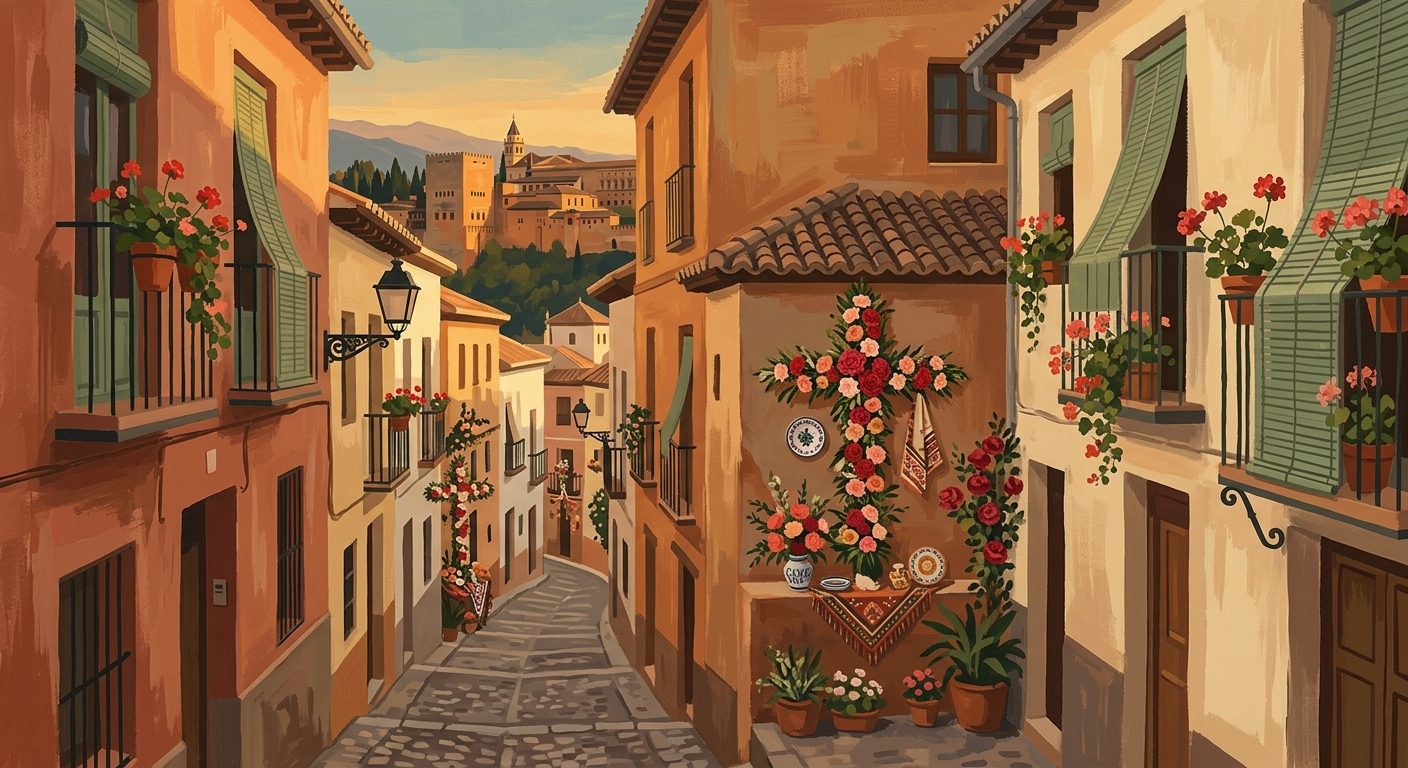
While other cities celebrate the arrival of May with quiet floral displays, Granada treats the Day of the Cross as a citywide street party. The scent of red carnations competes with fried broad beans, and the sound of flamenco guitar echoes from the Albaicín down to the Realejo.
Spring in Andalucía brings a succession of festivals, and Granada marks the season with the Cruces de Mayo. On the third of May, the city undergoes a remarkable transformation. Local neighbourhood associations, religious brotherhoods, and schools construct towering crosses entirely from fresh flowers, relying heavily on deep red carnations. These installations are not solemn religious markers. Instead, they serve as focal points for a massive, joyous celebration of spring.
The aesthetic of the festival is fiercely local. The base of each cross is decorated with traditional Granada crafts, including blue and green Fajalauza ceramics, intricate Taracea wooden inlay, and antique copper pots. You will also notice a very specific local tradition at the foot of almost every altar. The builders place a golden apple, known locally as a "pero", pierced with an open pair of scissors. In the local dialect, "pero" also means "but" or "objection". The scissors are placed there to metaphorically cut away any "peros" or criticisms that jealous onlookers might have about the decoration.
This festival highlights the contrast between the monumental, historic architecture of Granada and the temporary, colourful nature of the floral altars. It is a highly welcoming event where the usually reserved Granadinos take to the streets, setting up outdoor bars, eating local spring produce, and dancing in the public squares until late at night.
What to expect
The atmosphere during Cruces de Mayo is loud, crowded, and overwhelmingly cheerful. From midday until late in the evening, the streets echo with flamenco music, the clapping of hands, and the clatter of castanets. Unlike the dark solemnity of Semana Santa, this festival is purely about light and celebration.
The city council organises a formal competition, dividing the crosses into distinct categories such as streets and squares, enclosed courtyards, shop windows, and schools. Because there are official prizes at stake, the builders take immense pride in their creations, working late into the night on the second of May to ensure every carnation is perfectly placed.
Around the major crosses, you will find temporary outdoor bars, known locally as barras. The mood around these bars is convivial and highly social. Groups of friends and extended families gather to eat tapas, drink sherry, and dance. Expect thick crowds, especially in the historic centre and the narrow streets of the Albaicín. The air is heavy with the scent of fried fish, sweet wine, and fresh spring flowers. While the daytime is heavily family-oriented, the evening takes on a more energetic, party-like atmosphere as the younger crowds take over the main plazas.
When it happens
The Día de la Cruz officially falls on the third of May (for 2027, this will be a Monday, with celebrations likely starting over the preceding weekend). However, the exact schedule of the public festivities depends heavily on the calendar year. If the third of May falls on a Tuesday or Wednesday, the celebrations are usually strictly confined to that single day, perhaps extending slightly into the preceding evening.
If the date falls near a weekend, the city council frequently extends the festival to cover two or three days, turning it into a long weekend of street parties. The crosses are typically fully assembled and judged by midday on the main festival day. The barras open around midday and remain busy until midnight. The peak hours are from two o'clock to five o'clock in the afternoon for lunch, and from eight o'clock onwards for evening drinks.
It is always wise to check the official programme released by the Ayuntamiento de Granada a few weeks prior to your visit. The rules regarding outdoor music permits and bar opening hours are strictly regulated by the city and can change slightly from year to year to accommodate local residents.
The action
Unlike other Andalucían spring festivals, there are no formal marching processions during Cruces de Mayo. The action is entirely stationary, revolving around the dozens of crosses scattered across the various neighbourhoods. The primary activity for locals and visitors alike is walking from cross to cross, a social practice known as "ir de cruces". Each floral installation functions as a small, self-contained street party.
The design of the crosses follows strict traditional guidelines. The cross itself must be perfectly proportioned and tightly packed with thousands of flowers. The stepped altar beneath it is meticulously arranged with the aforementioned ceramics and draped with beautifully embroidered Manila shawls.
Music and dance are the central elements of the action. While you might hear some modern Spanish pop from the bars later in the night, the daytime soundtrack is overwhelmingly traditional. Sevillanas, the folk dance ubiquitous at Andalucían fairs, dominate the squares. Women and young girls wear traditional flamenco dresses, known as trajes de gitana, and spontaneous dancing breaks out constantly. If you stand near a popular cross for more than ten minutes, you are guaranteed to see impromptu, joyful performances by locals of all ages.
Where to watch and where to be
To experience the festival properly, you need to visit several different neighbourhoods, as each gives the crosses a different character. In the historic commercial centre, Plaza del Carmen houses the official city council cross. This installation is always massive, technically perfect, and draws large crowds. Plaza Bib-Rambla is another major focal point, usually featuring a large floral display and plenty of open space for dancing.
For a more atmospheric and romantic experience, you must head up the hill to the Albaicín. The crosses here are built in smaller, asymmetrical plazas like Plaza Larga or right next to the Mirador de San Nicolás. The visual contrast of the bright red carnations against the whitewashed walls of the old Moorish quarter is striking. The barras here are often run by local religious brotherhoods, such as the Hermandad de la Aurora, to raise funds for their Easter activities.
The Realejo, the old Jewish quarter, is another excellent area to explore. The Campo del Príncipe, a large square at the foot of the Alhambra hill, hosts one of the most popular crosses in the city. The accompanying barra, often organised by the Santa Cena brotherhood, is legendary for its lively atmosphere. Finally, look out for the "patios" category of crosses. These are built inside private courtyards or historic buildings, such as the Corrala de Santiago, offering a quieter, more intimate viewing experience away from the noise of the streets.
What to wear and cultural sensitivities
Many local women and children wear the traditional flamenco dress, complete with elaborate earrings and large flowers pinned high in their hair. Men occasionally wear the short jacket and wide-brimmed hat of the traditional "traje de corto", though the vast majority opt for smart-casual attire. As a visitor, there is absolutely no expectation for you to wear traditional dress. In fact, wearing cheap, souvenir-shop flamenco gear is generally frowned upon. Smart trousers, neat jeans, or a summer dress are perfectly acceptable. Comfortable walking shoes are essential, as you will be covering a lot of ground, often on steep, cobbled streets.
Culturally, the most important rule is to respect the crosses. These are expensive, painstakingly crafted works of art created by local volunteers. Never touch the flowers, the ceramics, or the antique decorations. When photographing locals, especially children dancing in traditional dress, always ask for permission or look for a nod of approval from the parents first.
Finally, while alcohol flows freely at the outdoor barras, public drunkenness is not culturally acceptable. The Spanish drink steadily throughout the day but always aim to remain sociable, upright, and dignified. Anti-social behaviour or bringing your own alcohol from a supermarket to drink in the street is strictly banned and heavily policed.
Where to eat and drink
Food during Cruces de Mayo is informal, seasonal, and deeply tied to the local agriculture of the Vega de Granada. The most traditional snack to eat while standing by the crosses is "habas con salaíllas". These are fresh, raw broad beans served in their pods alongside a salty, olive-oil flatbread. You will see locals shelling the beans and eating them with a cold beer or a glass of dry sherry. Another local speciality to look out for is the "tortilla de Sacromonte", a unique local omelette traditionally made with sweetbreads, peas, and peppers.
The most authentic way to eat during the festival is simply to graze at the barras set up next to the crosses. The money spent here supports local community initiatives and religious charities. They serve straightforward, hearty tapas like cured ham, local cheeses, fried fish, and small grilled pork sandwiches. The drink of choice is often a cold Alhambra beer, "fino" dry sherry, or "rebujito", which is sherry mixed with lemonade and ice to make it lighter for daytime drinking.
If you prefer a sit-down meal away from the plastic tables of the plazas, standard traditional tapas bars are open but extremely busy. Bodegas Castañeda on Calle Almireceros offers fantastic cold meats and traditional wines, while the seafood-focused Los Diamantes on Calle Navas is an institution. However, you should expect a long, noisy wait for a table at any established restaurant during the festival.
Where to stay and booking advice
Accommodation in Granada during early May is under high pressure. The weather is usually perfect, and the combination of the festival and general spring cultural tourism means that hotels and apartments fill up very quickly. You should aim to book your room at least four to six months in advance to secure a good location.
The Realejo neighbourhood is an excellent base for visitors. It places you within easy walking distance of both the Alhambra and the city centre, and it has a strong local community that builds excellent crosses. Staying in the very centre, around Plaza Nueva or the Cathedral, is highly convenient but can be extremely noisy, as the street parties continue late into the night.
The Albaicín offers beautiful, historic accommodation, often in traditional "cármenes" which are houses featuring private walled gardens. However, the steep, cobbled inclines and the lack of direct taxi access to many streets make it less suitable for those with mobility issues or heavy luggage.
Practical notes
Granada is a walking city, and this is never more true than during Cruces de Mayo. Many streets in the centre and the Albaicín are completely closed to traffic to accommodate the crosses and the wandering crowds. The local red minibuses that service the hills frequently alter their routes or face significant delays due to the pedestrian congestion. Taxis are useful for getting from the train station to the edges of the historic centre, but you will almost certainly need to complete the last leg of your journey on foot.
The weather in May is typically warm and sunny during the day, often reaching the mid-twenties Celsius. However, Granada sits at the foot of the snow-capped Sierra Nevada mountains, and the temperature drops sharply as soon as the sun goes down. Bring layers, including a light jacket or jumper, if you plan to stay out for the evening festivities.
Finally, keep an eye on your belongings in dense crowds around the most popular plazas. While Granada is a very safe city, the sheer volume of distracted people taking photographs makes the festival an attractive environment for opportunist pickpockets.
Last reviewed: 21 June 2026 · Editorial policy
Related guides
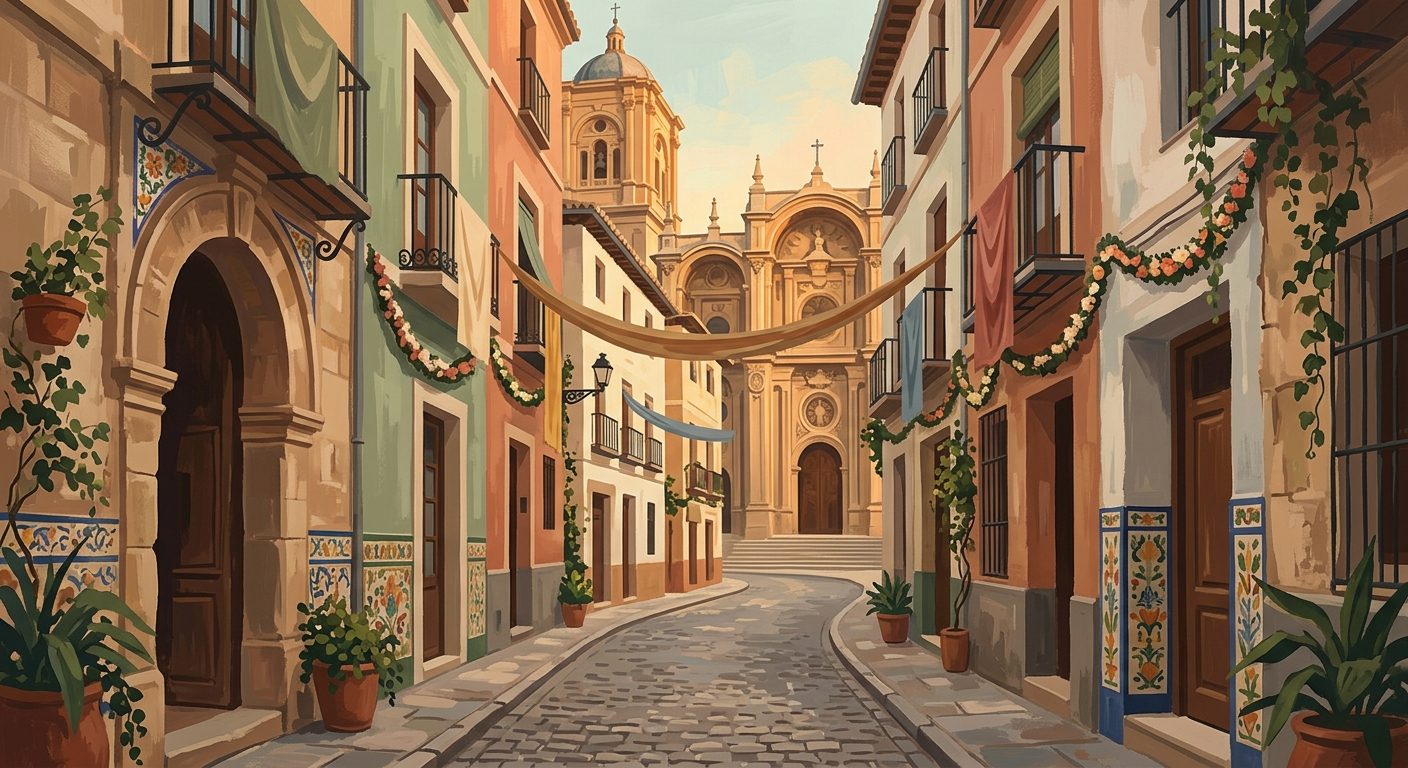
Corpus Christi in Granada: The Definitive Guide
In Granada, Corpus Christi is far more than a solemn religious observance. It is the city's largest annual festival, combining the scent of fresh rosemary crushed underfoot during the sacred Thursday procession with the unapologetic joy of the week-long public feria in Almanjáyar.
10 min read
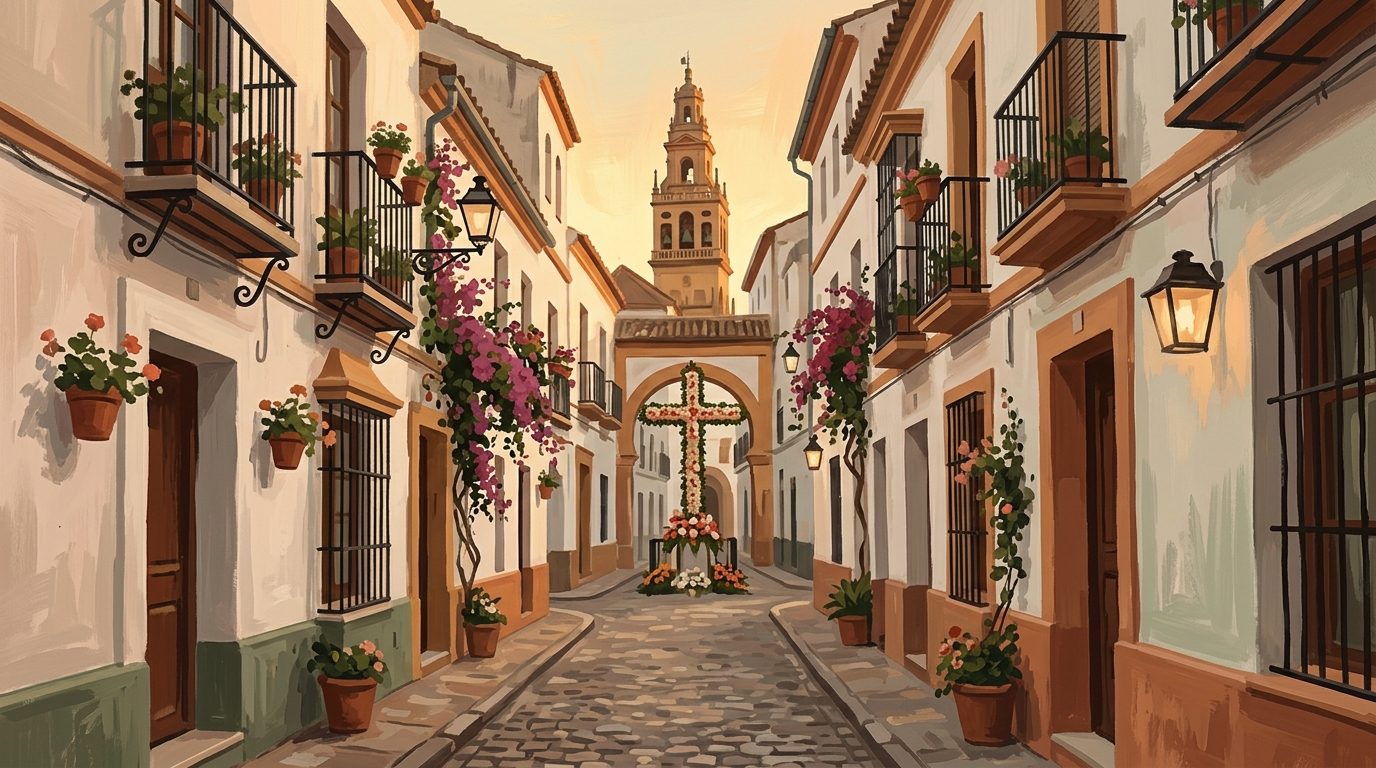
A Guide to the Cruces de Mayo Festival in Córdoba
Discover how Córdoba transforms its historic plazas into flower-draped street parties to celebrate the Cruces de Mayo festival.
8 min read
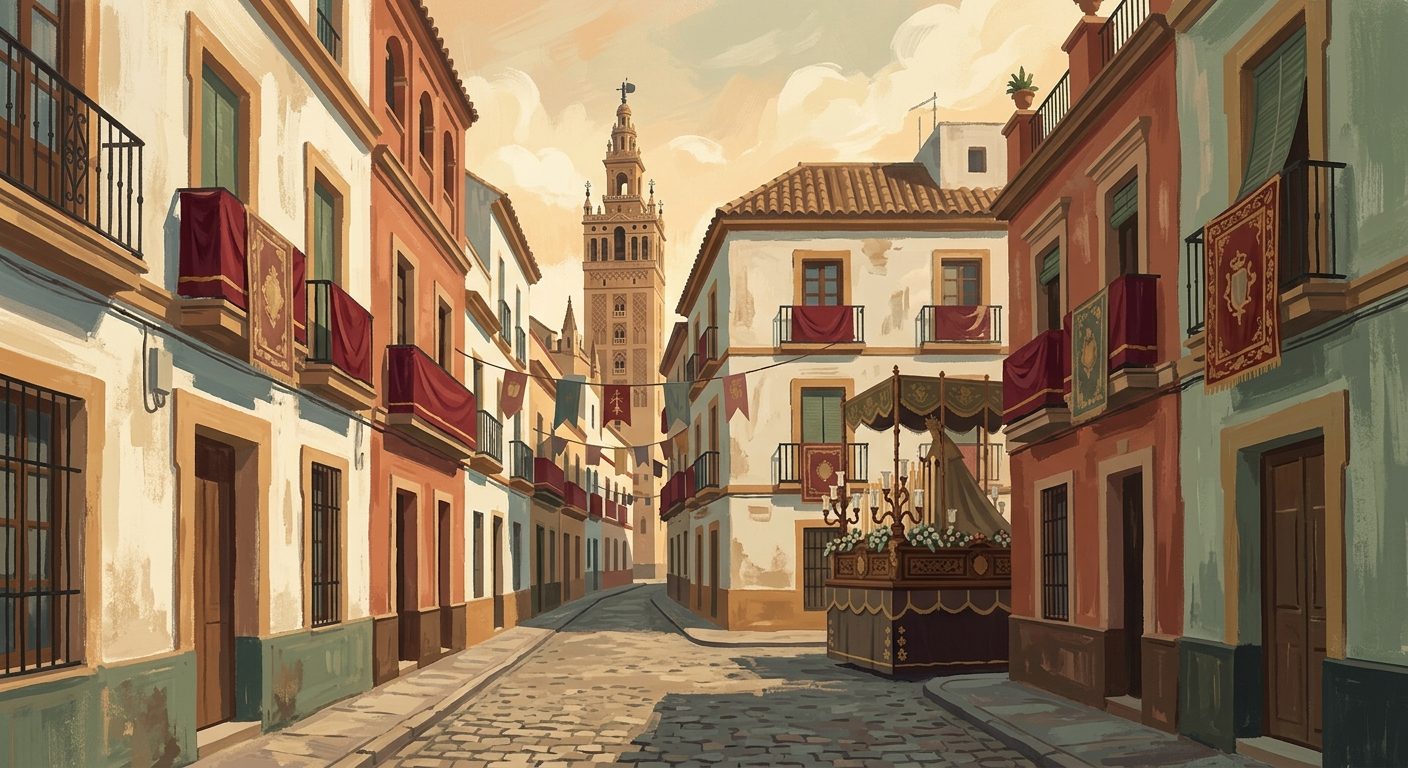
Semana Santa in Sevilla: A First-Timer's Guide
Semana Santa in Sevilla is an intense expression of faith, art and civic identity. Unlike other cities, the spectacular wooden floats are carried from below by hidden costaleros, moving to the slow beat of mourning marches or absolute silence.
8 min read
Semana Santa in Córdoba: The Definitive Guide
During Semana Santa in Córdoba, the air smells of orange blossom and incense as penitential floats pass beneath the candy-striped arches of the Mezquita.
8 min read
The Definitive Guide to Feria de Málaga
Unlike famously private celebrations elsewhere, the Feria de Málaga is built on absolute inclusion. Virtually every marquee at the fairground opens its doors to anyone wanting to celebrate.
9 min read
Semana Santa Guide: Decoding Andalucía's Most Intense Week
Holy Week in Andalucía is a profound sensory experience of heavy incense, brass bands, and thousands of shuffling feet. This guide decodes the intricate schedules, unwritten rules, and distinct regional styles of Spain’s most intense cultural phenomenon.
9 min read
More from Granada
Nasrid Granada: The Last Islamic Kingdom of Iberia
Discover how the Nasrid dynasty forged a pragmatic mountain emirate that survived for over two centuries, creating the Alhambra and leaving a lasting architectural legacy.
8 min read
Lorca and the Repression in Granada
The assassination of Spain's most celebrated poet was just one part of a systematic campaign of terror. Today, the ravines of Víznar and Alfacar hold the stories of thousands whose voices were silenced.
7 min read
The Frontier of Granada: Life and War on the Edge of Al-Andalus
For over two centuries, the borderland separating the Christian Crown of Castile from the Nasrid Emirate of Granada was defined by watchful towers and sudden raids. Yet this military frontier was equally a zone of profound cultural exchange, where merchants, captives and diplomats negotiated daily survival in a divided land.
7 min read
The Morisco Revolt of the Alpujarras
The Morisco Revolt of 1568 transformed the mountainous terrain of the Alpujarras into the theatre of a brutal war. Driven to rebellion by laws erasing their culture, the descendants of Granada's Muslim population fought a desperate campaign against the Spanish Crown.
8 min read
The Fall of Granada, 1492
On the second of January 1492, the keys to the Alhambra were handed over to Ferdinand and Isabella, bringing a close to almost eight centuries of Muslim rule in the Iberian Peninsula. The capitulation of Granada reshaped the political and religious landscape of Europe forever, ending a long war of attrition.
8 min read
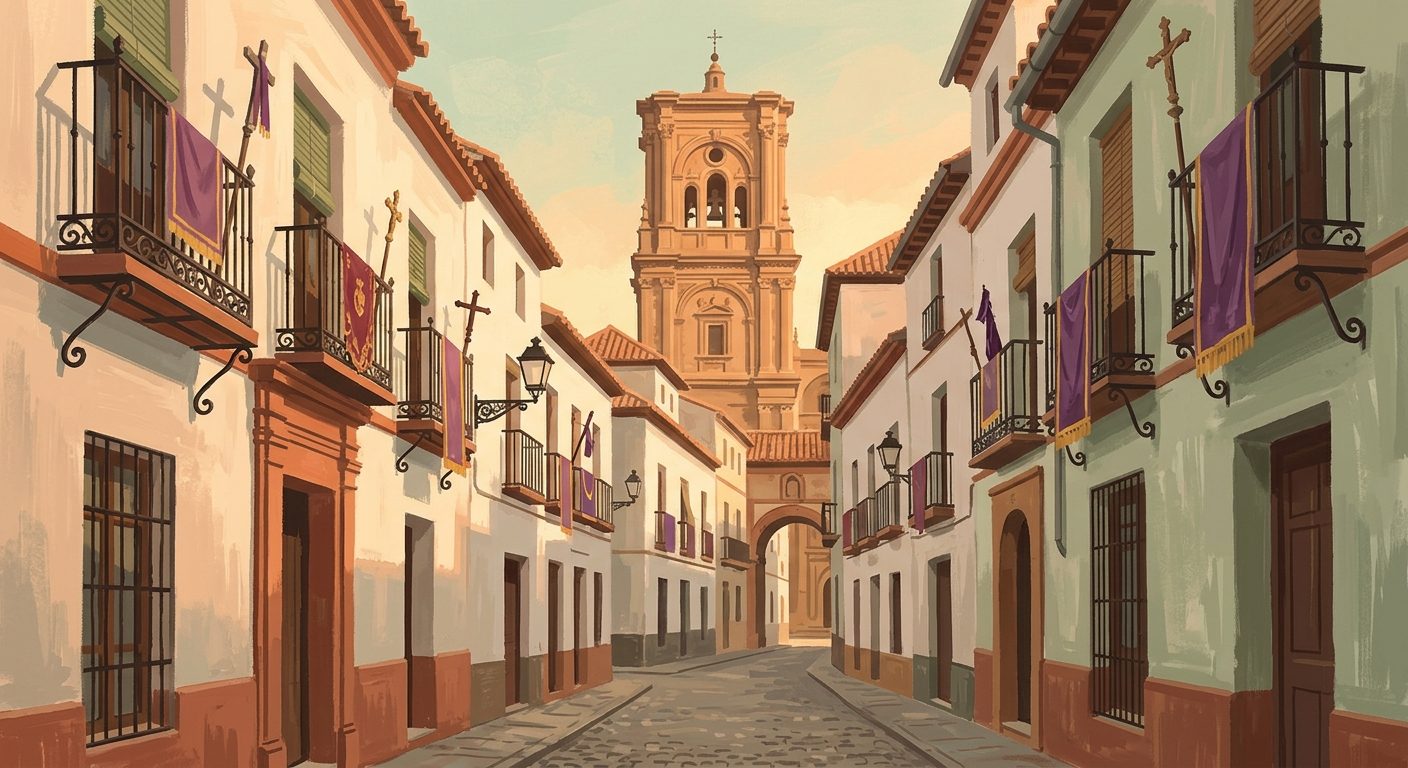
Semana Santa in Granada: A Complete Visitor Guide
Semana Santa in Granada swaps broad avenues for narrow Moorish streets and steep hillsides. Watching an illuminated wooden float emerge from the grounds of the Alhambra or ascend into the caves of Sacromonte offers a profound emotional experience that feels intimately tied to the landscape itself.
8 min read
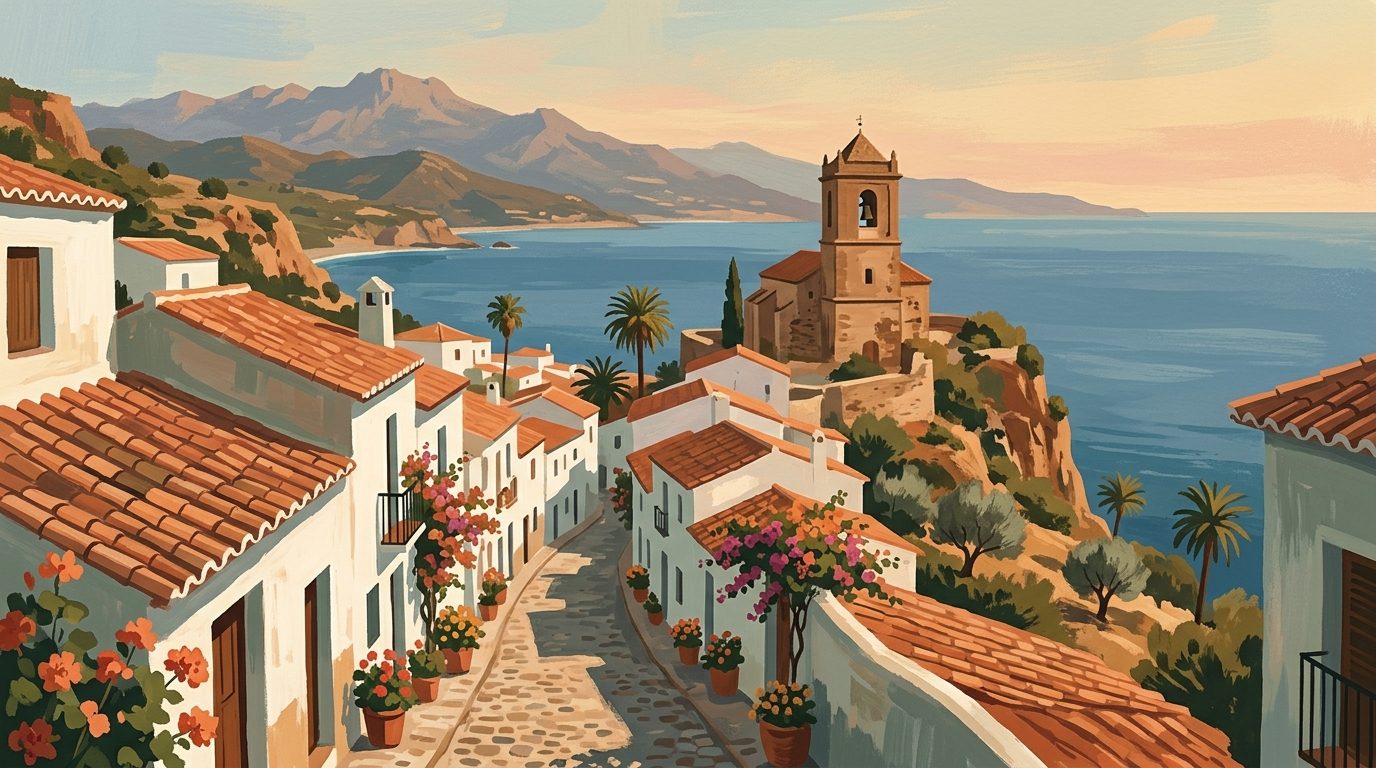
Costa Tropical: The Complete Guide to Granada's Subtropical Coast
Wedged between the foothills of the Sierra Nevada and the Mediterranean Sea, the Costa Tropical is defined by dramatic cliffs, sheltered pebble coves and a unique subtropical microclimate. It offers a quieter, more agricultural alternative to its heavily developed neighbours.
9 min read
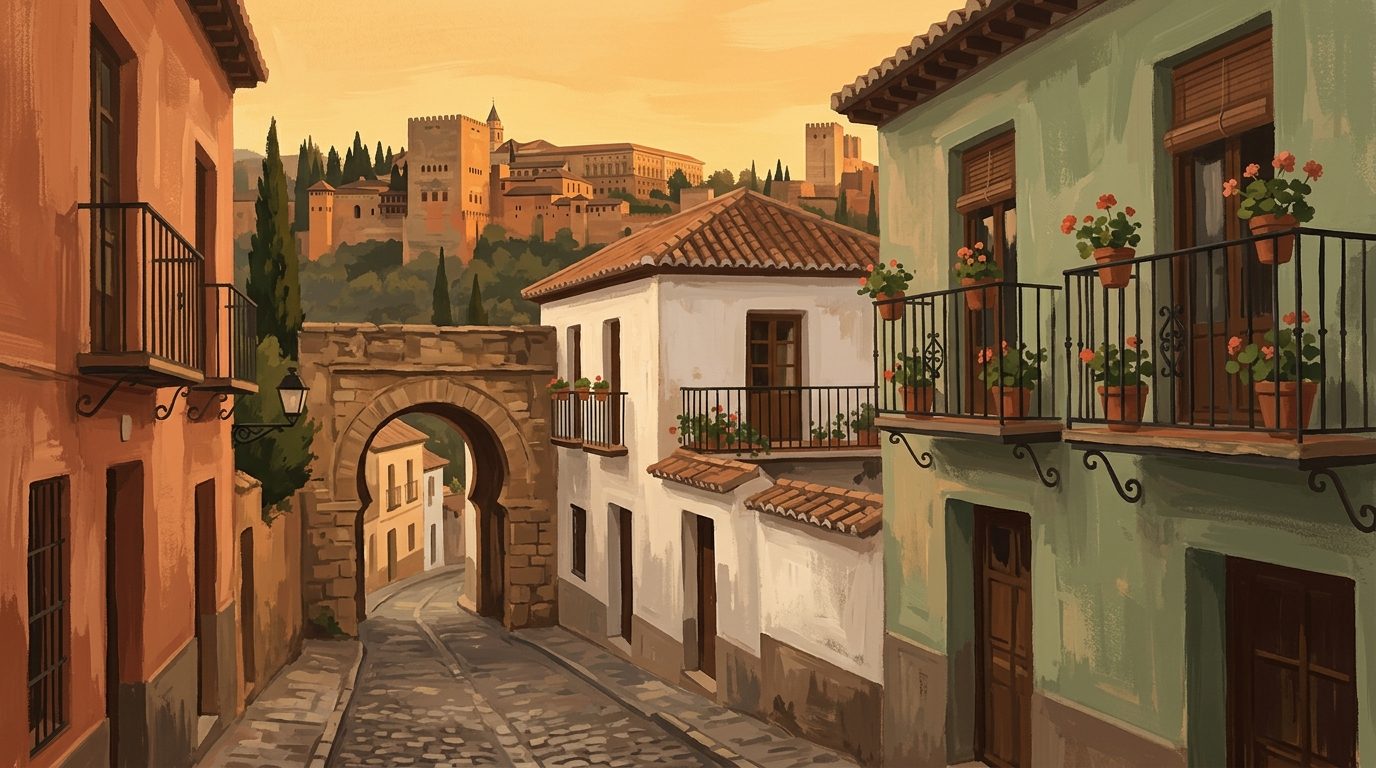
The Resistance of the Plate: Why Granada Refuses to Sell Its Soul
In a world of monetised moments and rising margins, Granada holds fast to a radical social contract: the gift of a plate with every glass.
7 min read
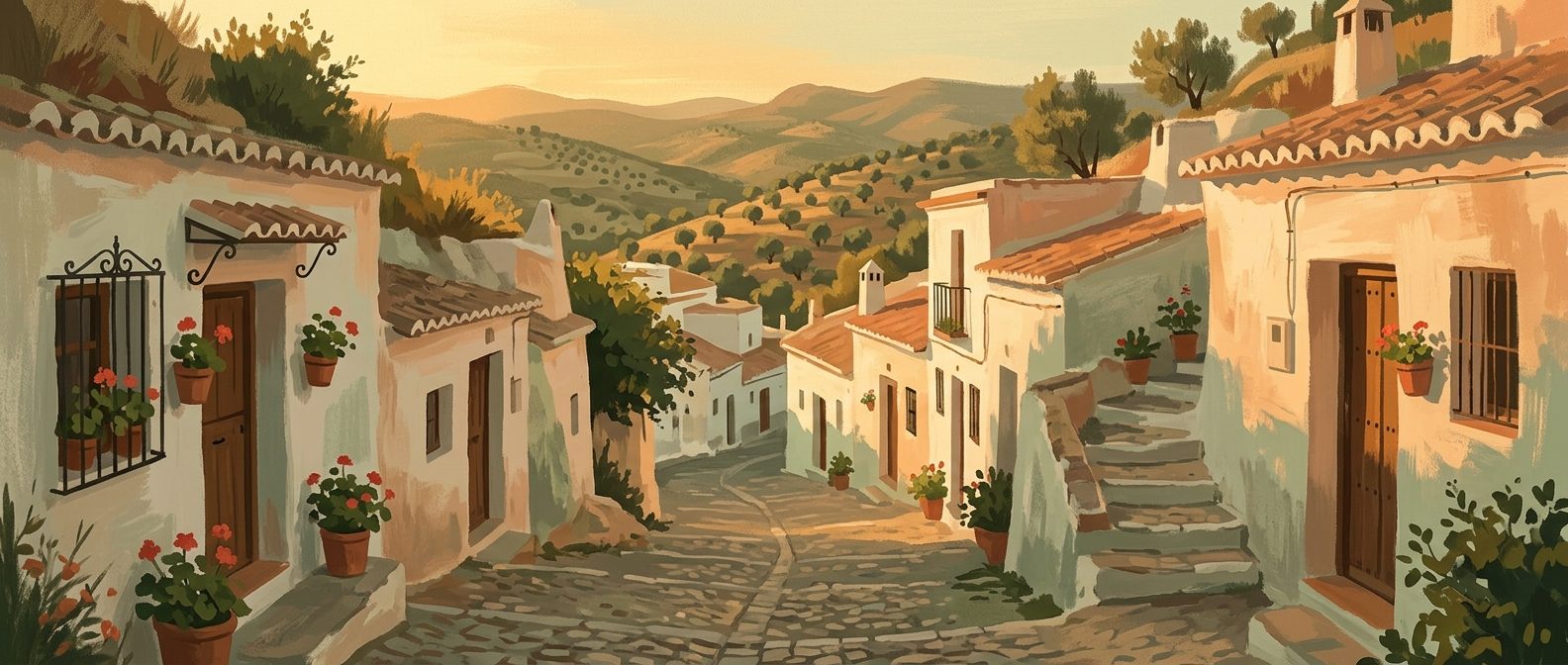
Beyond the White Caves: The Unseen Struggle of Sacromonte
The whitewash on Curro’s fingers is thick as paste, a seasonal ritual of reclaiming a home from the damp appetite of the hillside.
7 min read
Newsletter
More stories from Andalucía
Weekly notes, seasonal picks, and the next guides worth bookmarking.