feature
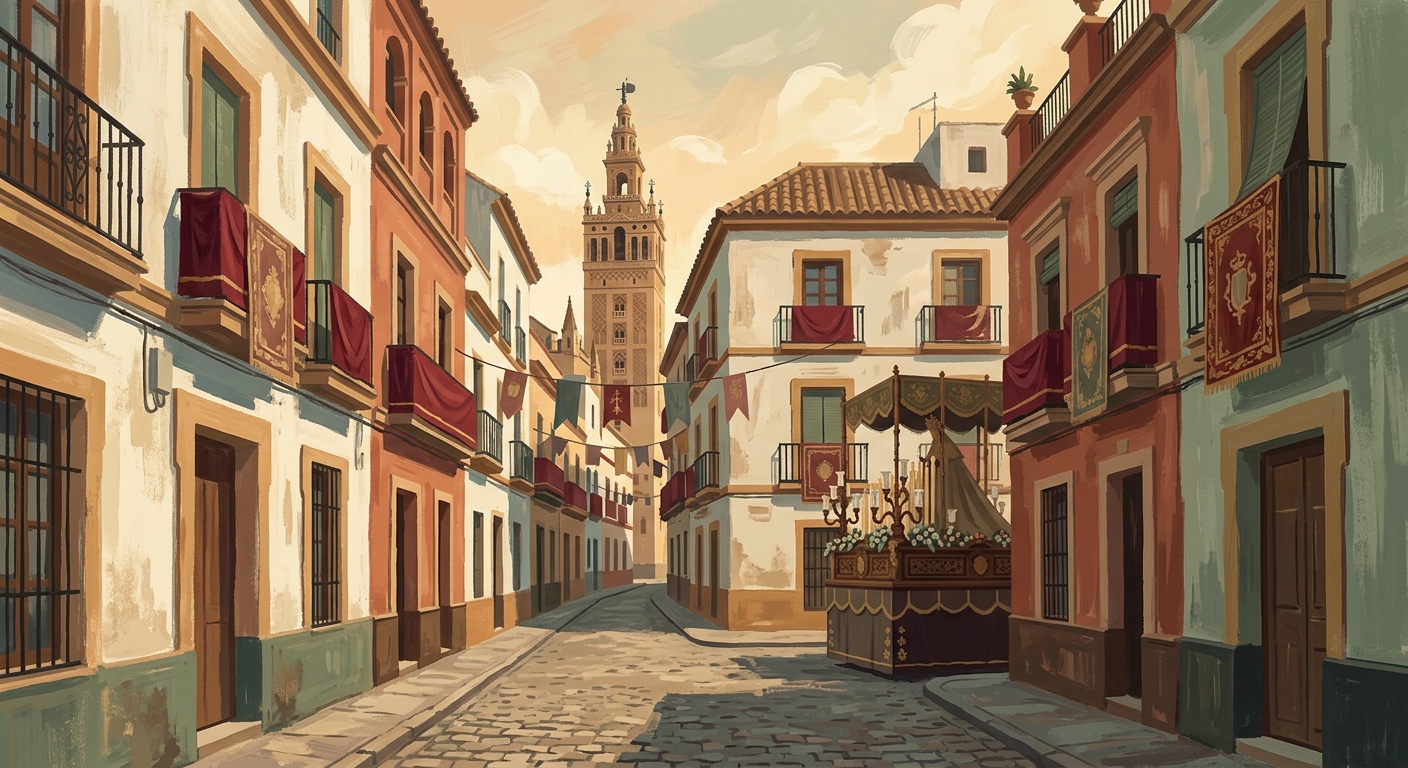
Semana Santa in Sevilla is an intense expression of faith, art and civic identity. Unlike other cities, the spectacular wooden floats are carried from below by hidden costaleros, moving to the slow beat of mourning marches or absolute silence.
feature
Semana Santa in Sevilla: A First-Timer's Guide
1 May 2026 · 8 min read · 1,800 words
Semana Santa in Sevilla is an intense expression of faith, art and civic identity. Unlike other cities, the spectacular wooden floats are carried from below by hidden costaleros, moving to the slow beat of mourning marches or absolute silence.
To understand Sevilla, you must first understand its approach to Semana Santa. For eight days in spring, the city ceases all normal operations and gives itself over entirely to a religious and cultural phenomenon that has shaped its identity for centuries. This is not a tourist spectacle put on for visitors. It is a profound local ritual, an emotional anchor for the citizens, and an event that demands both physical endurance and deep cultural respect from anyone travelling to witness it.
What sets Sevilla apart from the rest of Andalucía is the specific mechanical and aesthetic nature of its processions. In cities like Málaga, the massive floats are known as tronos and are carried openly on the shoulders of hundreds of men and women. In Sevilla, the floats are called pasos. They are carried by a crew of costaleros who are hidden entirely beneath the heavy velvet skirts of the structure. Bearing the immense weight on the back of their necks using a rolled protective cloth called a costal, these men navigate impossibly narrow streets in suffocating heat. They are guided blindly by the voice of the capataz (overseer) and the sharp strike of a ceremonial silver hammer known as the llamador. The result is an illusion: the heavy wooden platforms, bearing centuries-old sculptures of Christ and the Virgin Mary, appear to walk, sway and breathe on their own through the centre of the city.
What to expect
The atmosphere in Sevilla during Holy Week is overwhelming. The air is thick with the competing scents of burning frankincense and the sweet azahar (orange blossom) blooming on the city trees. A defining feature of the Andalucían capital during this week is the bulla. This local term refers to the incredibly dense, slow-moving crowd that forms naturally around the processions. The bulla is a physical experience. You will be pressed against strangers, moving inch by inch down mediaeval alleys. However, it is rarely aggressive. Local families know how to navigate the human tide with patience, and as a visitor, you must simply surrender to the collective pace.
Visually, the processions are led by hundreds, sometimes thousands, of nazarenos. These penitents wear long robes and the distinctive capirote, a tall, conical hood that covers the face to ensure their penance remains anonymous. Depending on the brotherhood, the mood shifts dramatically. Some processions feature triumphant, brass-heavy marching bands playing complex cornets and drums. Others walk in complete, unnerving silence, broken only by the rhythmic scraping of the costaleros shifting their feet on the cobblestones. The emotional weight of the crowd is palpable. You will frequently see people weeping openly as their preferred image of the Virgin Mary passes by.
When it happens
Semana Santa takes place during Holy Week, falling in March or April depending on the lunar calendar. The official programme begins on Domingo de Ramos (Palm Sunday) and concludes on Domingo de Resurrección (Easter Sunday). The narrative arc of the week moves from the joyous, sunlit arrivals of Palm Sunday into progressively darker, more solemn themes as Good Friday approaches.
The undisputed climax of the week is La Madrugá. This is the transitional night between Holy Thursday and Good Friday, running from midnight until the late afternoon of the following day. During La Madrugá, the city does not sleep. Over half a million people take to the streets to watch the six most historic and deeply revered brotherhoods complete their penance. The sheer logistical scale of coordinating tens of thousands of participants through the dark streets is a marvel of civic organisation.
The processions
There are over seventy distinct brotherhoods (hermandades) participating in the official week. Each group begins at its home parish, which could be in the historic centre or in a working-class suburb miles away. Regardless of their origin, every single procession must complete the Carrera Oficial (Official Route). This mandated path begins at Plaza de la Campana, funnels down the narrow, shop-lined Calle Sierpes, crosses Plaza de San Francisco, advances down Avenida de la Constitución, and finally enters the grand Cathedral of Sevilla before returning home.
During La Madrugá, you will encounter the defining figures of Sevillian devotion. El Silencio is the oldest brotherhood, walking in pitch blackness with crosses of penitence. El Gran Poder is known as the Lord of Sevilla, an awe-inspiring carving of Christ walking with the cross, accompanied by thousands of silent nazarenos. La Macarena is the Queen of Sevilla. Her passing is a joyous, weeping celebration, with crowds throwing flower petals from balconies. Esperanza de Triana brings the rhythmic, defiant pride of the historic sailors quarter across the river, while Los Gitanos is accompanied by flamenco-infused marches that echo through the dawn. Finally, El Calvario provides a stark, austere contrast to the larger crowds.
Where to watch
The most important thing for a first-time visitor to recognise is that the entire Carrera Oficial is lined with thousands of folding chairs and grandstands. These seats are privately rented by local families and passed down through generations. It is virtually impossible for a casual visitor to secure a seat here. Therefore, you will be watching the action in the free, public streets.
Finding a good viewing spot requires arriving hours in advance. Cuesta del Rosario is an excellent location because its slight incline allows you to see the pasos rising above the sea of heads. The Plaza del Salvador is another magnificent backdrop, framed by the towering pink facade of the collegiate church. If you want to see the Triana brotherhoods, standing on the Puente de Triana (Isabel II bridge) as they cross the Guadalquivir river at sunrise is an unforgettable experience. For a more intimate, sombre atmosphere, position yourself near the Postigo del Aceite. This historic archway is incredibly tight, and the costaleros must drop to their knees to navigate the floats beneath the stone vault.
What to wear & cultural sensitivities
Sevillanos treat Semana Santa with immense formality. This is not a time for casual tourist attire, especially on the most important days. On Palm Sunday, it is customary for local men to wear dark suits and ties, while women wear elegant dresses. On Holy Thursday and Good Friday, the dress code becomes strictly mournful. Many local women don the mantilla, a stunning black lace veil held high by a comb, paired with modest black dresses. While visitors are not expected to wear a mantilla or a full suit, you must dress respectfully. Smart trousers and a collared shirt are appropriate. Shorts, flip-flops, sportswear and beach attire are considered highly disrespectful.
Behavioural etiquette is equally important. Never attempt to cross through a procession line by walking between the nazarenos. You must wait for a designated crossing point managed by the police or the brotherhood coordinators. Silence is mandatory when a silent brotherhood passes. More importantly, if a saeta begins, you must freeze. A saeta is a spontaneous, piercing flamenco prayer sung a cappella from a balcony directly to the wooden sculptures. When a singer begins, the float stops, the crowd falls entirely mute, and any talking or moving is a grave offence. Finally, while photography is permitted, using a flash near the costaleros or the capataz is dangerous as it can blind them in difficult spots.
Where to eat & drink
Dining during Semana Santa is an exercise in timing and patience. Forget about long, seated meals in fine dining restaurants. The city operates on a strict schedule of tapeo, eating small plates while standing at crowded bars before moving back to the streets. Due to the Catholic tradition of vigilia (abstaining from meat on Fridays), the local gastronomy shifts towards seasonal, meat-free specialities. You will find espinacas con garbanzos (spinach stewed with chickpeas and cumin) and pavías de bacalao (strips of cod fried in a thick, saffron-tinted batter) in nearly every tavern.
The most iconic sweet of the season is the torrija, a thick slice of bread soaked in milk or wine, dipped in egg, fried, and drenched in local honey. For historic atmosphere, head to El Rinconcillo on Calle Gerona, the oldest bar in the city, though you will have to fight for space at the mahogany counter. Bodeguita Romero on Calle Harinas is essential for an afternoon break, famous for its montaditos (small sandwiches). For the ultimate Semana Santa immersion, visit Casa Ricardo near the parish of San Lorenzo. The walls are completely plastered with framed photographs of local processions, and they serve arguably the best croquetas in the entire region.
Where to stay & booking advice
Accommodation during Holy Week is incredibly expensive and requires booking at least ten to twelve months in advance. The most central neighbourhoods are Santa Cruz, El Arenal and the immediate surroundings of the Cathedral. Staying here means you are in the heart of the action, but it also carries a risk: you might literally find yourself trapped inside your hotel if a major procession blocks your street for three hours. The police will not let you break the lines just to reach your door.
For a slightly more manageable experience, look at neighbourhoods that border the historic centre. San Bernardo, Nervión or the area around the Alameda de Hércules offer excellent access on foot while providing a crucial escape route from the densest crowds. Triana is another fantastic option across the river, offering its own distinct, deeply passionate local identity and a slightly more relaxed daytime atmosphere before its own brotherhoods set out.
Practical notes
Getting around Sevilla during this week relies entirely on your feet. The entire historic centre is closed to surface traffic. Taxis and public buses are completely useless for navigating the central districts, as their routes are heavily diverted to accommodate the processions. You must bring comfortable, broken-in walking shoes that still look smart.
The single most useful tool for a visitor is the local radio station app, El Llamador (run by Canal Sur), which provides real-time GPS tracking of every single paso in the city. Without it, finding a specific brotherhood in the labyrinth of mediaeval streets is a matter of pure luck. If you are staying outside the immediate centre, the Sevilla Metro is highly efficient. Line 1 runs directly to Puerta de Jerez and Plaza de Cuba, dropping you just a short walk from the main procession arteries. Finally, be aware of the weather. The antique wooden sculptures are priceless works of art. If it rains even slightly, processions will seek immediate refuge in the nearest church or cancel their routes entirely, a heartbreaking reality for the thousands of locals who wait all year for this single week.
More guides
UNESCO World Heritage Sites in Andalucía
A curated guide to the cultural and natural sites in Andalucía recognised by UNESCO for their universal value. These landmarks offer a profound insight into the diverse civilisations of the region.
5 min read
Read guide →
The Best Beaches in Andalucía
From the Atlantic dunes of Huelva to the volcanic coves of Almería, the coastline of southern Spain offers an unparalleled variety of maritime landscapes.
5 min read
Read guide →
Phoenicians and Tartessians in Andalucía
Around three thousand years ago, eastern Mediterranean merchants arrived on the Iberian coast seeking silver and copper. Their arrival sparked a cultural collision that transformed local chiefdoms into the legendary civilisation of Tartessos.
6 min read
Read guide →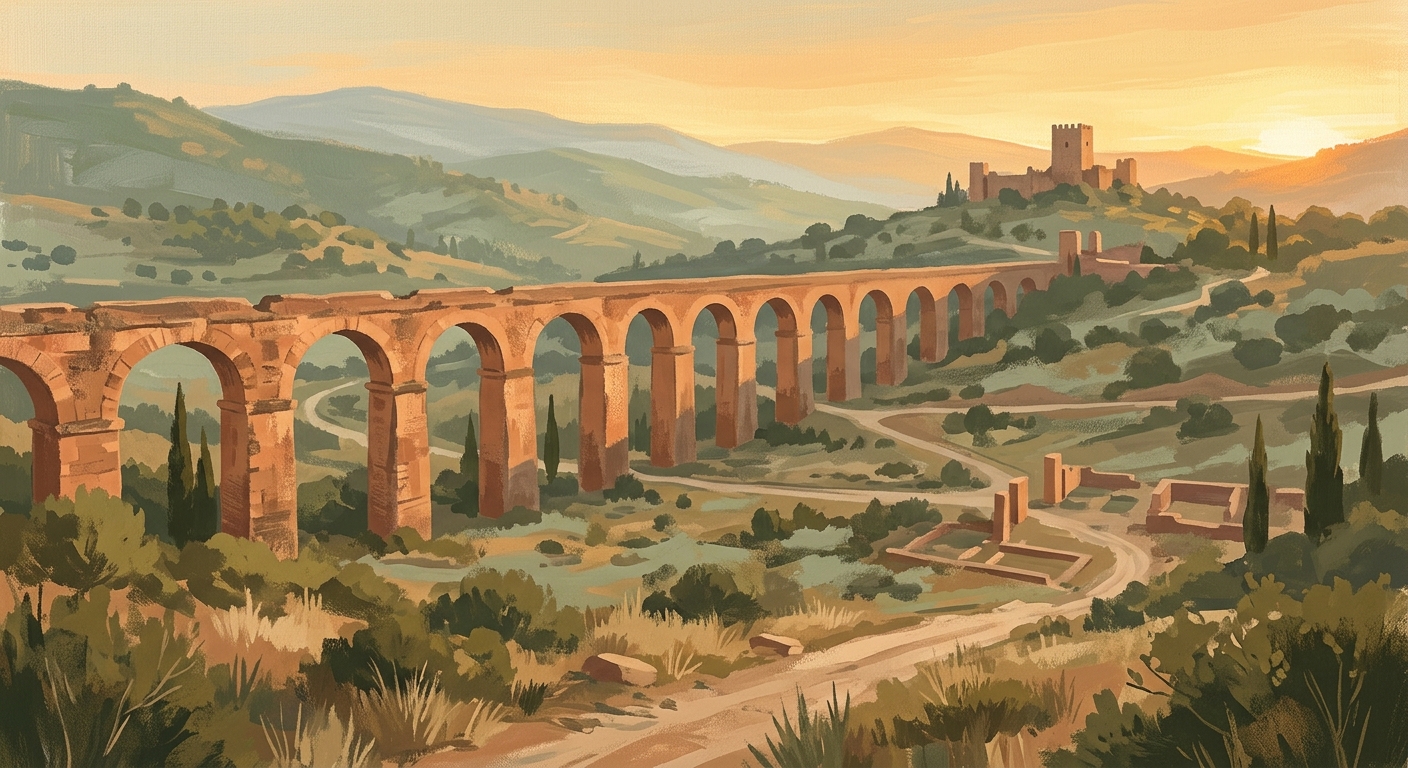
Roman Andalucía: Ruins and Archaeological Sites
Discover the monumental legacy of the Roman province of Baetica, from grand amphitheatres in the Guadalquivir valley to maritime cities on the Atlantic coast.
6 min read
Read guide →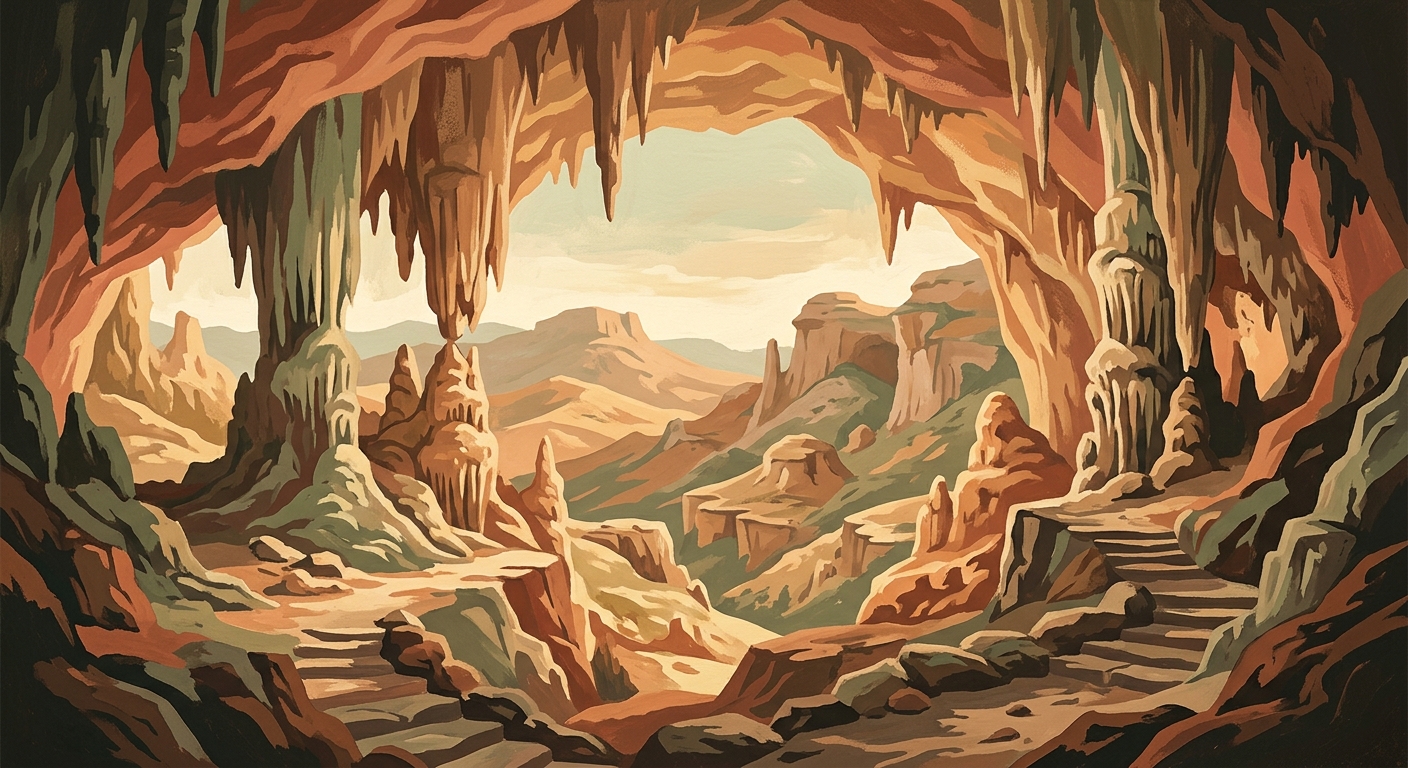
Geological Wonders: Caves and Karst Landscapes of Andalucía
Discover the subterranean wonders and prehistoric secrets preserved within the limestone massifs and gypsum deposits of southern Spain.
5 min read
Read guide →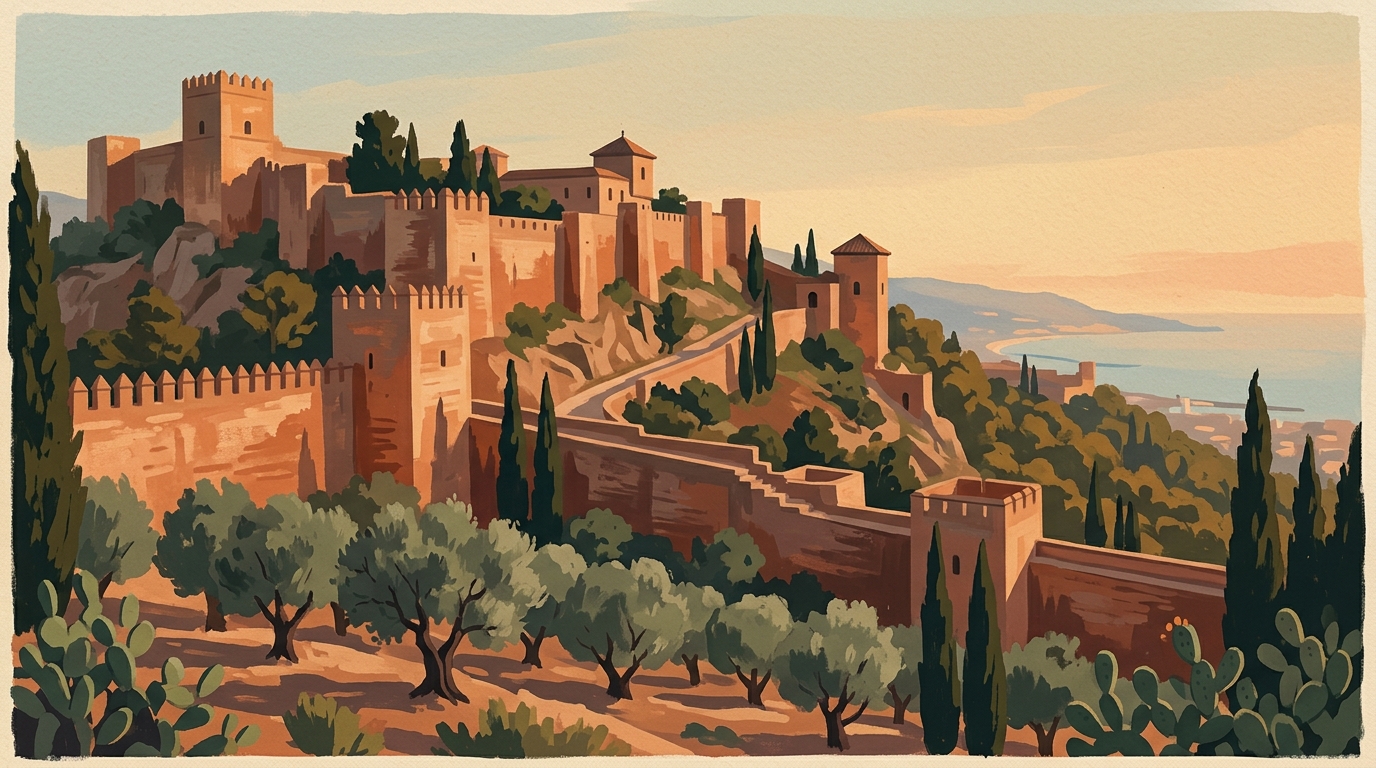
Castles and Fortresses of Andalucía
The fortresses of Andalucía are the stone guardians of a complex past, marking the ancient frontiers between empires and offering some of the most spectacular views in the southern peninsula.
6 min read
Read guide →
The Iberians in Andalucía: Warlords, Sculptors and the Dawn of Iron
Who were the sophisticated, iron-working peoples who controlled southern Spain before the Roman conquest? Their fortified hill towns and striking stone sculptures reveal a formidable culture caught between ancient local traditions and Mediterranean ambition.
6 min read
Read guide →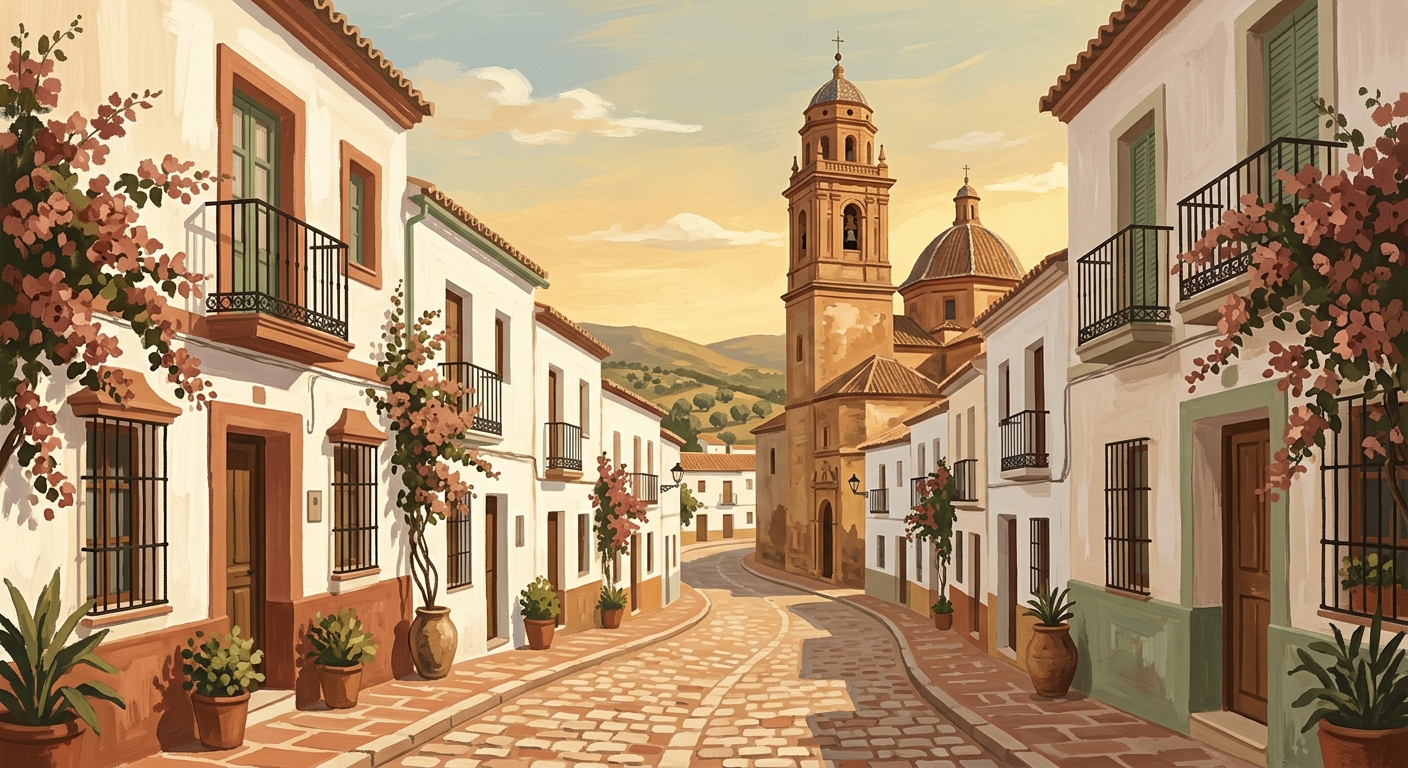
UNESCO Geoparks and Natural Wonders of Andalucía
Discover the geological heritage of Southern Spain through its UNESCO-designated geoparks and natural wonders. Explore the tectonic history and diverse ecosystems of Almería, Granada, and Cádiz.
6 min read
Read guide →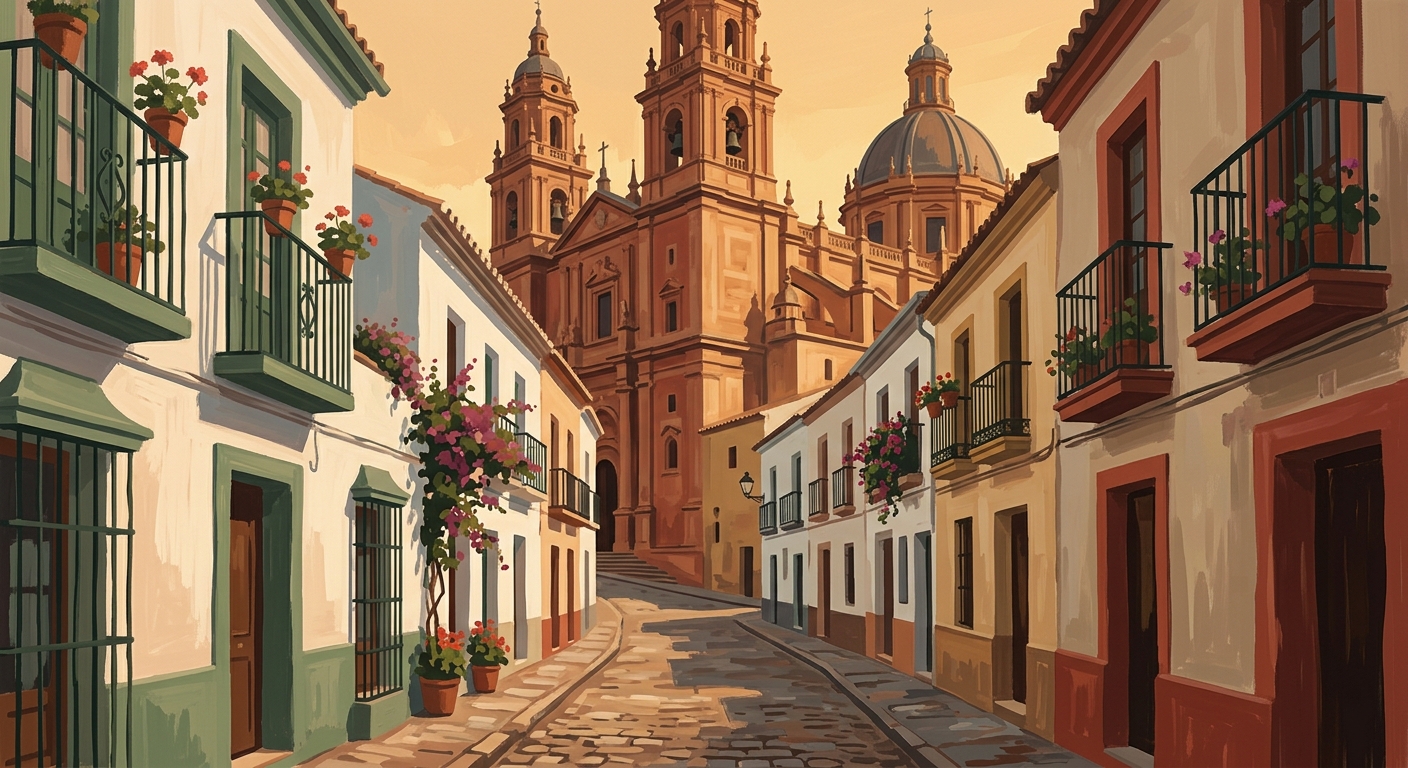
Cathedrals and Great Churches of Andalucía
A guide to the monumental religious architecture of Southern Spain, from the vast Gothic nave of Sevilla to the Renaissance masterworks of Jaén and Granada.
5 min read
Read guide →Newsletter
More stories from Andalucía
Weekly notes, seasonal picks, and the next guides worth bookmarking.