
Seasonal guide · Granada
Granada in January: Peaks, Palaces and Pure Winter Air
Experience Granada in January, where crisp winter sun illuminates the Sierra Nevada and the Alhambra sits in quiet, crowd-free majesty.
By Dan · Updated 5 June 2026 · 6 min read
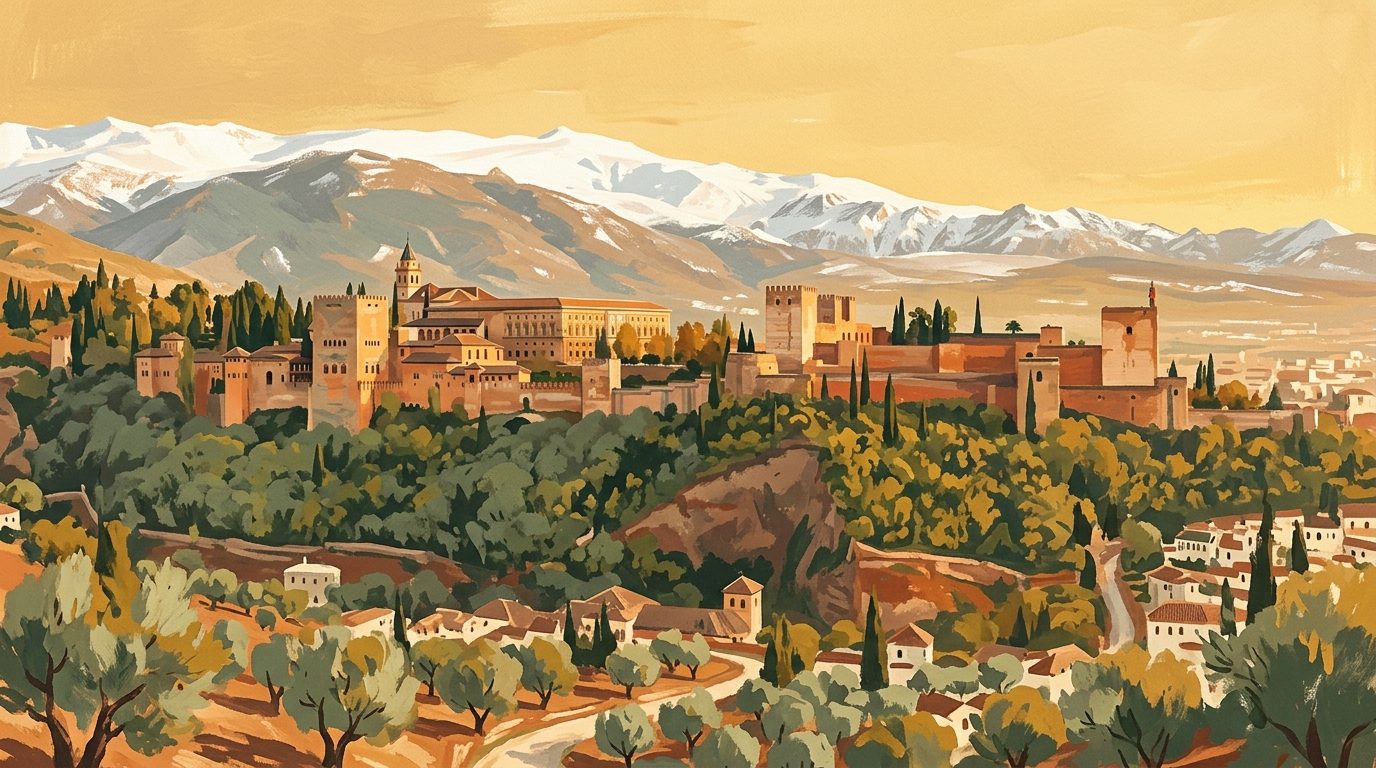
Granada in January is a season of sharp clarity, where the snow-capped Sierra Nevada provides a stark backdrop to the red walls of the Alhambra. It is the time for thick coats, churros dipped in chocolate, and quiet strolls through the Albaicín without the summer heat.
January in the province of Granada is a month of distinct layers. While the rest of Europe often feels grey and damp, Granada frequently enjoys bright, piercingly blue skies and a clarity of light that makes the city’s Moorish architecture look its absolute best. However, do not be fooled by the sunshine; this is a month of genuine cold. The air that rolls down from the Sierra Nevada is crisp and biting, making January the time for heavy woollen layers and evening tapas near a crackling fire.
This month is defined by a transition from the high-energy celebrations of the Christmas period to a calmer, more reflective pace of life. After the Epiphany on 6 January, the crowds thin significantly, and the province returns to the locals. It is a period where you can find yourself almost alone in the narrow, winding streets of the Alpujarras or standing in the middle of a square in the Albaicín with only the sound of a distant fountain for company. It is a month for those who prefer their travel to be slow, affordable, and free from the frantic energy of the peak tourism season.
Weather: A Tale of Three Climates
Granada province is topographically diverse, and the weather in January reflects this. You can effectively experience three different seasons within a ninety-minute drive. In Granada city, the climate is continental and dry. Expect daytime temperatures to hover around 12°C to 14°C when the sun is out, but as soon as the sun dips behind the mountains, the temperature drops precipitously, often hitting 0°C or minus 2°C at night. Frost is common in the mornings, giving the city a sparkling, crystalline appearance.
Ascend into the Sierra Nevada, and you are in a true alpine winter. Temperatures here rarely rise above 5°C and frequently stay well below freezing. This is the month when snow cover is most reliable for skiers and snowboarders. Conversely, if you drive south to the Costa Tropical (towns like Almuñécar, Salobreña, and Motril), the weather is remarkably mild. Protected by the mountains from the northern winds, the coast sees daytime highs of 17°C or 18°C. While not quite swimming weather for most, it is warm enough for a lunch on the beach in a light jumper.
Rainfall is relatively low compared to northern Europe, with an average of six or seven days of rain throughout the month. When it does rain in the city, it usually falls as heavy snow in the mountains, which only adds to the spectacular views from the Mirador de San Nicolás.
Events & Festivals
The month begins with Día de la Toma (Day of the Capture) on 2 January. This is a civic ceremony commemorating the entry of the Catholic Monarchs, Isabella and Ferdinand, into the city in 1492. It is a day of processions and historical significance, though it remains a point of local debate. The focus is usually around the Plaza del Carmen and the Royal Chapel.
On the evening of 5 January, the Cabalgata de Reyes (Three Kings Parade) takes place. This is one of the oldest parades of its kind in Spain and is a major event for families. Elaborate floats travel through the city centre, and thousands of kilograms of sweets are thrown to the crowds. It is followed by a quiet family day on 6 January for Epifanía (Epiphany), where the traditional Roscón de Reyes cake is eaten.
Later in the month, on 17 January, the city celebrates San Antón. This is the patron saint of animals, and you will see locals bringing their pets to be blessed at various churches. It is also a culinary tradition; many restaurants serve the Olla de San Antón, a hearty, heavy stew made with beans, dried broad beans, and various parts of the pig. It is specifically designed to ward off the January chill and is a cornerstone of the local winter diet.
What to Do
The Alhambra is the primary draw, and in January, the experience is transformed. The lower volume of tourists means you can appreciate the intricate carvings and the stillness of the Generalife gardens without being nudged by tour groups. The winter light is low and golden, which is perfect for photography, particularly in the Court of the Lions. Ensure you book tickets in advance on the official website, as even in the low season, daily limits are strictly enforced.
For outdoor enthusiasts, the Sierra Nevada Ski Station is in full swing. Pradollano, the resort village, is a hive of activity. Even if you do not ski, taking the gondola up to enjoy the views across to the Mediterranean and even the coastline of Morocco on clear days is a highlight. The resort is one of the highest in Europe, ensuring good snow quality throughout January (check the official website for live snow reports before travelling).
In the Alpujarras, the high-altitude villages like Capileira and Bubión are wonderful for winter walking. The trails are quiet, and the air is incredibly fresh. This is also the best time to visit Trevélez, the highest village, to see the ham-curing process. The cold, dry air of January is exactly what is needed for the famous jamón serrano to cure naturally. Afterwards, retreating to a local bar for a glass of robust red wine and a tapa of local ham is a quintessential Granada experience.
Back in the city, January is the ideal month for a visit to a Hammam. The contrast between the freezing outdoor temperatures and the steam and hot water of the Arab baths is particularly satisfying. It is a quiet way to spend an afternoon when the sun goes down and the temperature begins to bite.
Who Should Visit
- Skiers and Snowboarders: January offers the most consistent snow conditions and the resort is less busy than during the February school holidays.
- Budget Travellers: After the first week of January, hotel prices in the city drop significantly, making it one of the cheapest times of the year to visit.
- Culture Lovers: Those who want to see the Alhambra and the Cathedral without the summer queues and the oppressive heat.
- Hikers: Ideal for those who enjoy crisp, cold conditions and clear visibility in the mountain foothills.
- Foodies: Anyone interested in traditional, seasonal mountain cuisine like the Olla de San Antón stew.
Practical Notes
Crowd levels are high during the first week of January due to the Spanish Christmas holidays, which run until the 6th. However, from the 7th onwards, the city becomes much quieter. This is also the start of the winter sales (the Rebajas), so the shops on Calle Mesones and Calle Reyes Católicos are active with locals looking for bargains.
Prices for accommodation are at their lowest in January, excluding the ski resort which remains at peak pricing. You can often find high-quality boutique hotels in the Albaicín for a fraction of their May or September rates. Booking for the Alhambra remains essential, but you will have more flexibility with time slots than at other times of the year.
When packing, think in layers. You will need a heavy winter coat, gloves, and a scarf for the evenings, but you might find yourself stripping down to a t-shirt or light jumper during a sunny lunch on a terrace. Ensure your accommodation has adequate heating; many older buildings in the Albaicín can be very draughty, and stone floors remain cold throughout the month.
Monthly Verdict
January in Granada is a month for the senses. It offers the rare opportunity to see world-famous monuments in a state of quietude, framed by the white peaks of the Sierra Nevada. While the nights are genuinely cold, the abundance of sunshine and the lack of crowds make it a rewarding time for those who value authenticity over sunbathing. It is a period of rest for the province, and there is a certain magic in sharing the city with locals as they go about their winter routines.
Last reviewed: 21 June 2026 · Editorial policy
Related guides
Granada in December
December in Granada province offers a sharp transition from the temperate autumn to a crisp winter, defined by snow-capped peaks and festive traditions.
6 min read
Granada in February: Almond Blossom and Alpine Peaks
February brings a sharp clarity to Granada, where snow-dusted peaks overlook valleys filled with delicate almond blossom.
6 min read
Granada in March: Spring Peaks and Snowy Slopes
As the winter chill recedes from the Alhambra’s stone walls, the scent of bitter orange blossom begins to drift through the Albaicín. This is the month when the province awakens, offering the rare opportunity to ski in the Sierra Nevada and sunbathe on the Costa Tropical in a single afternoon.
6 min read
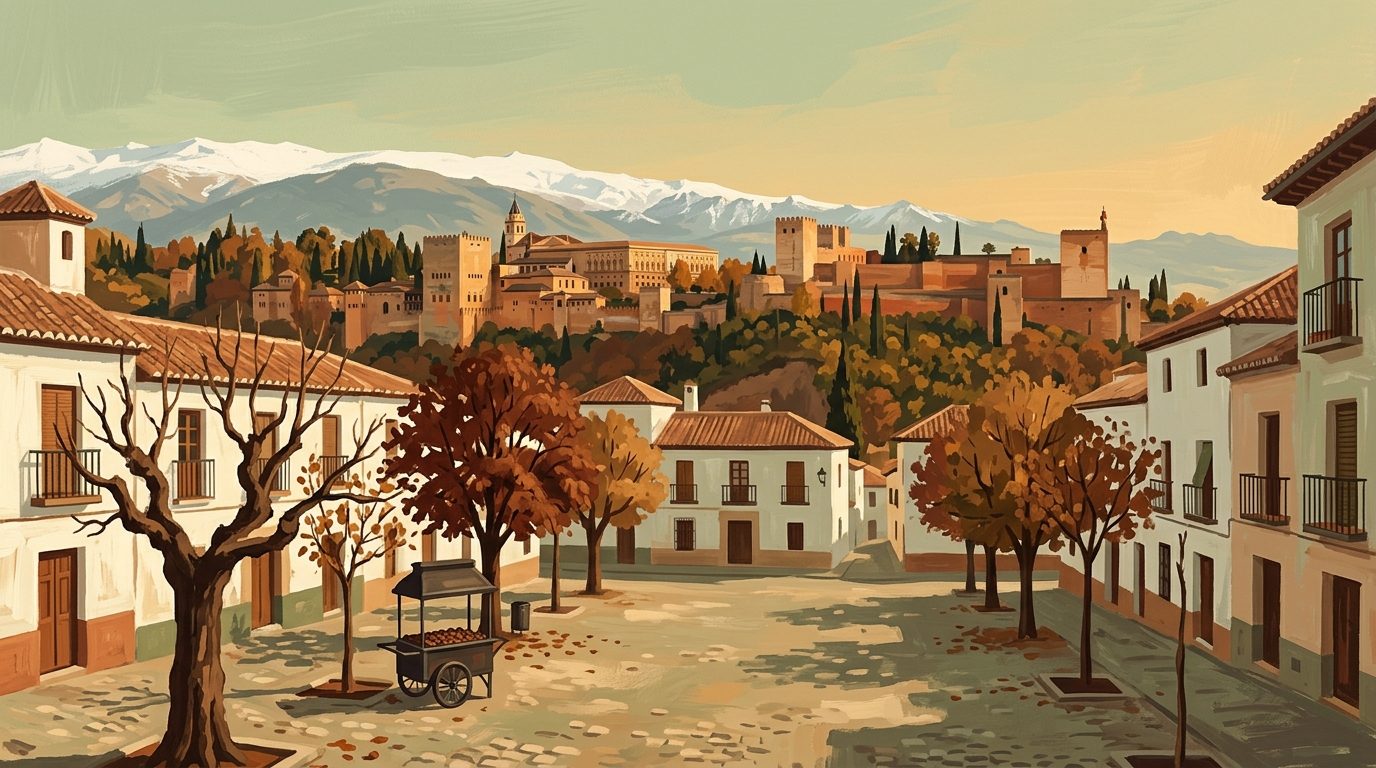
Granada in November: Chestnuts, Snow-Capped Peaks and Quiet Squares
November brings a crisp change to Granada, as the Sierra Nevada peaks turn white and the city streets fill with the aroma of roasting chestnuts and woodsmoke.
6 min read
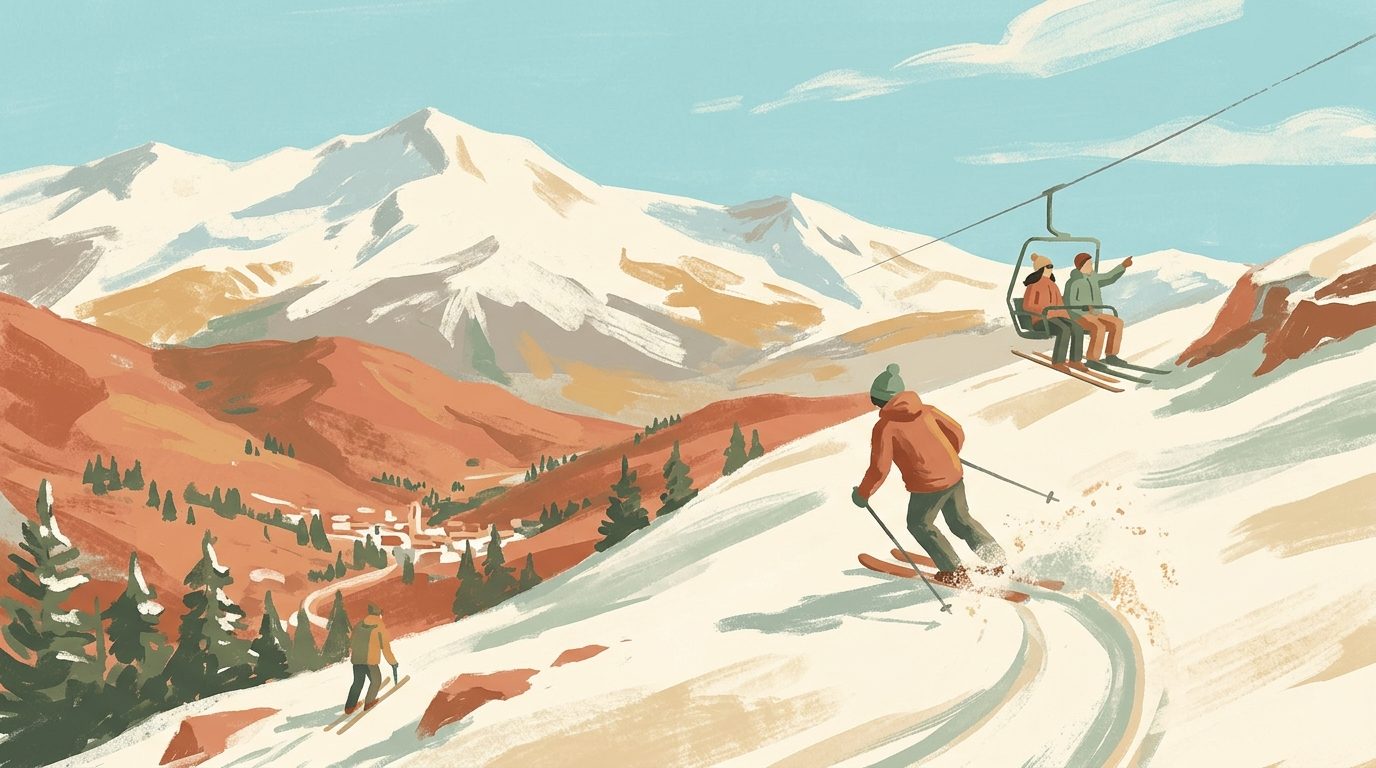
Skiing in Sierra Nevada: A Guide to the Sunniest Slopes in Europe
Experience the unique thrill of skiing in southern Spain, where you can carve through snow in the morning and relax by the Mediterranean in the afternoon. Discover everything from the 110km of pistes in Sierra Nevada to the best spots for tapas in Pradollano.
5 min read
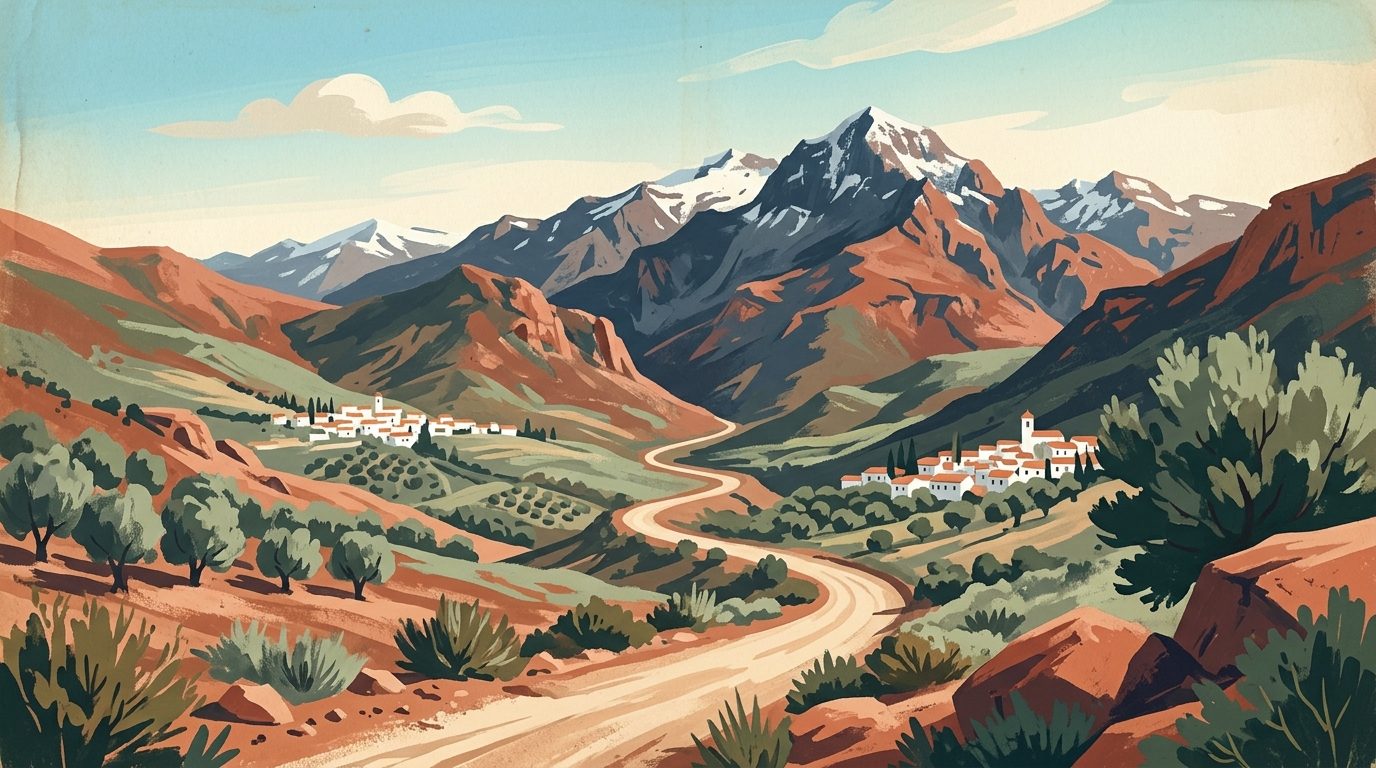
Sierra Nevada Skiing Guide: Southern Spain's High-Altitude Pistes
Skiing in the <a href="/granada/sierra-nevada" class="internal-link">Sierra Nevada</a> offers an experience unparalleled in Europe: carving down sun-drenched pistes at 3,000 metres before driving down to the coast for an afternoon on the beach. Here are the best strategies for navigating the peaks of <a href="/granada/sierra-nevada/pradollano" class="internal-link">Pradollano</a>, avoiding the weekend bottlenecks, and finding the quietest red runs above <a href="/granada" class="internal-link">Granada</a>.
9 min read
More from Granada
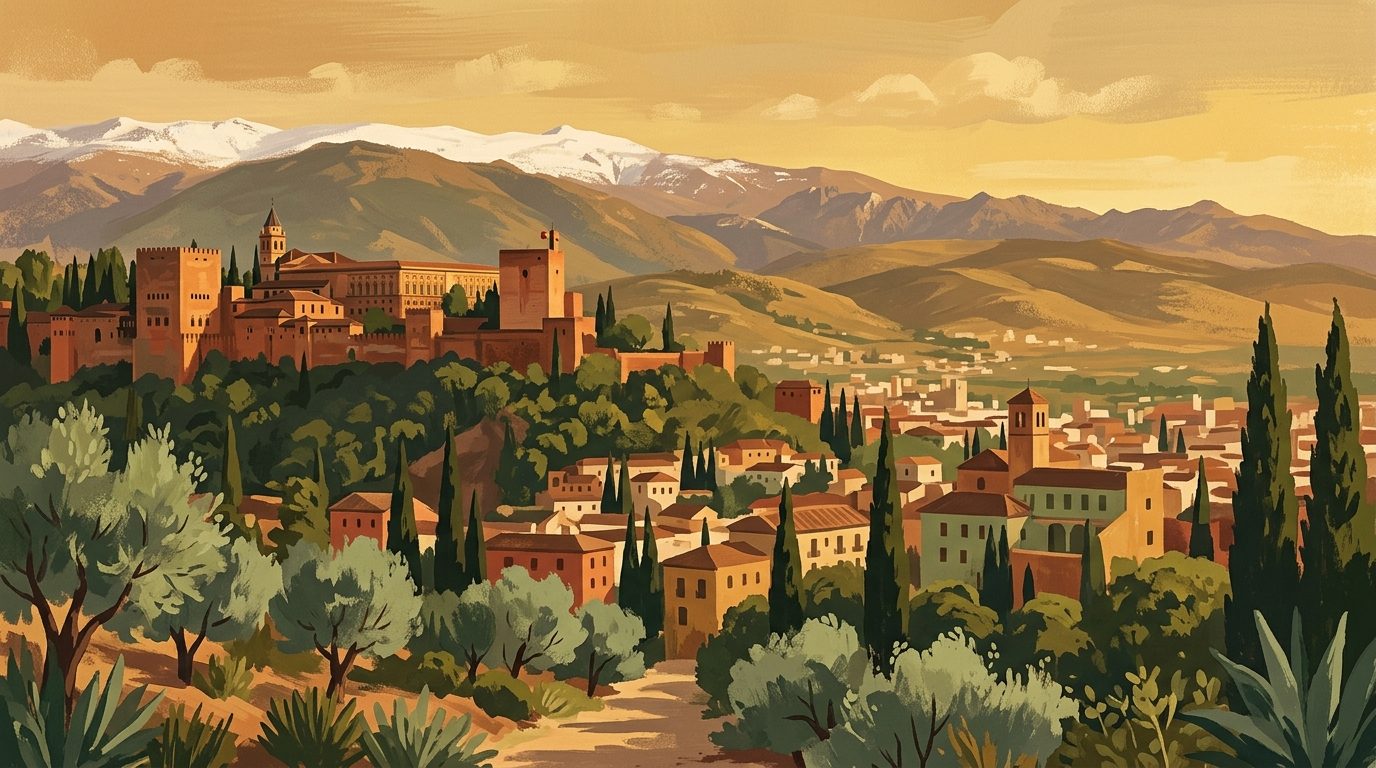
Granada in June: Music, Mountains, and the Arrival of Summer
June in Granada marks the arrival of the summer heat, tempered by the prestigious International Festival of Music and Dance and the lively Feria de Corpus Christi.
7 min read
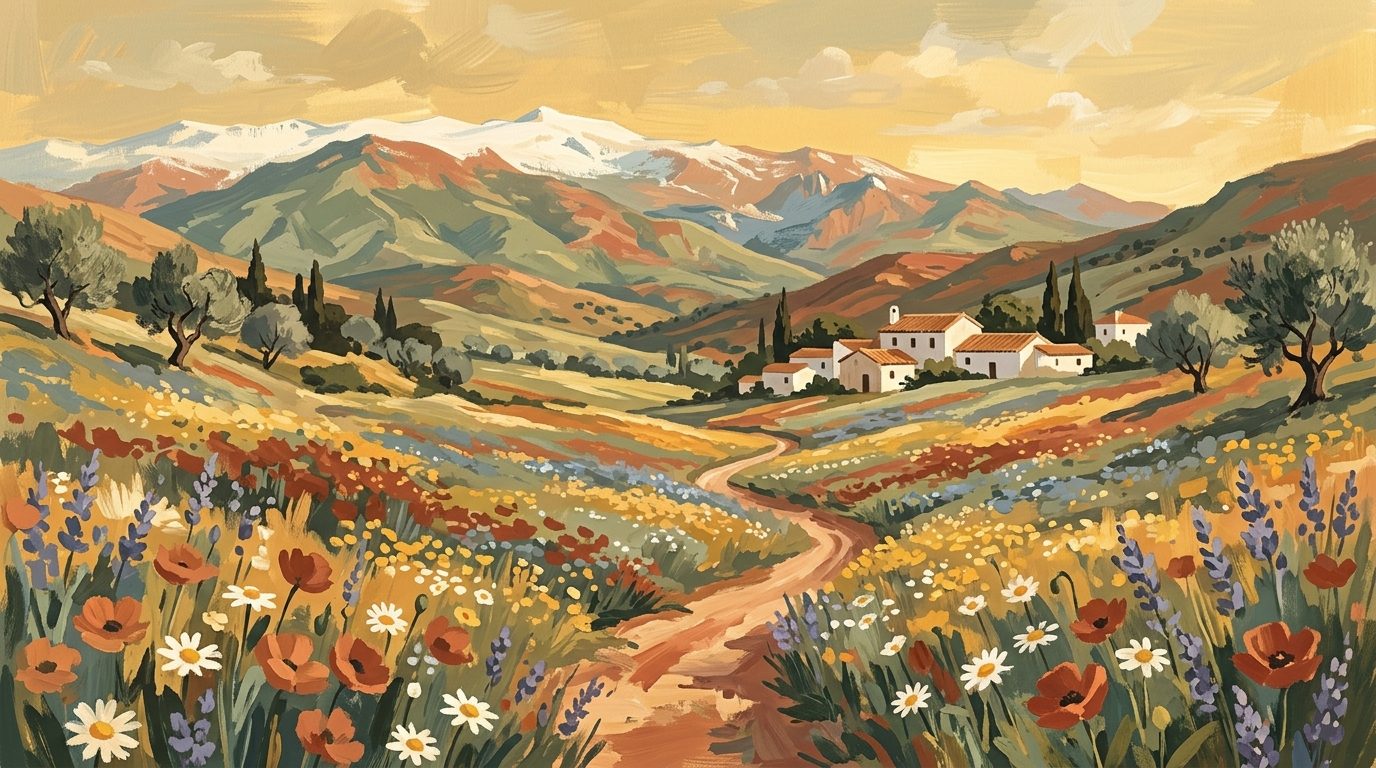
Granada in April: Snowcaps, Wildflowers, and Incense
April in Granada province offers a striking visual balance between the white peaks of the Sierra Nevada and the blossoming valleys below. It is a month defined by the solemnity of Easter processions and the arrival of consistent spring warmth.
6 min read
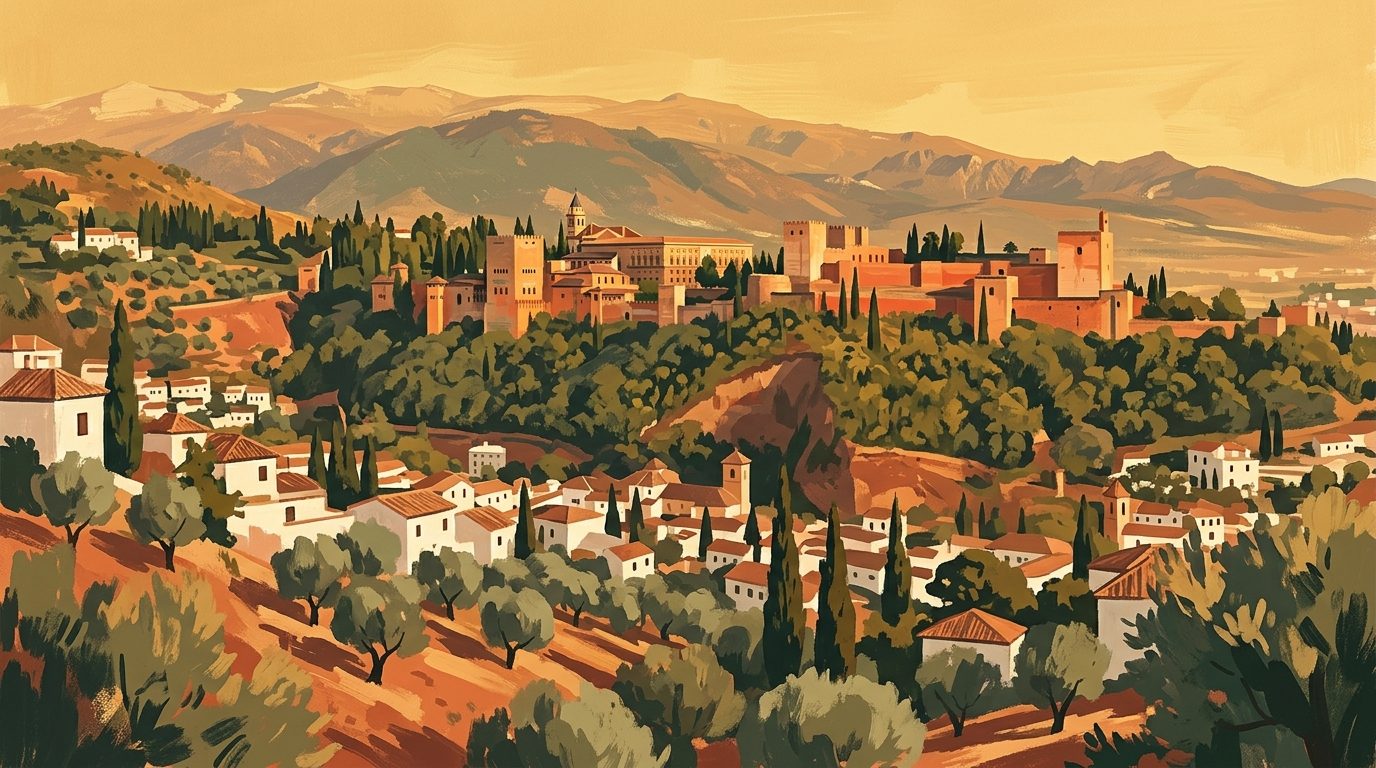
Granada in August
August in Granada is a month of dramatic shifts, offering scorching afternoons in the city and refreshing, crisp air on the high peaks of the Sierra Nevada.
6 min read
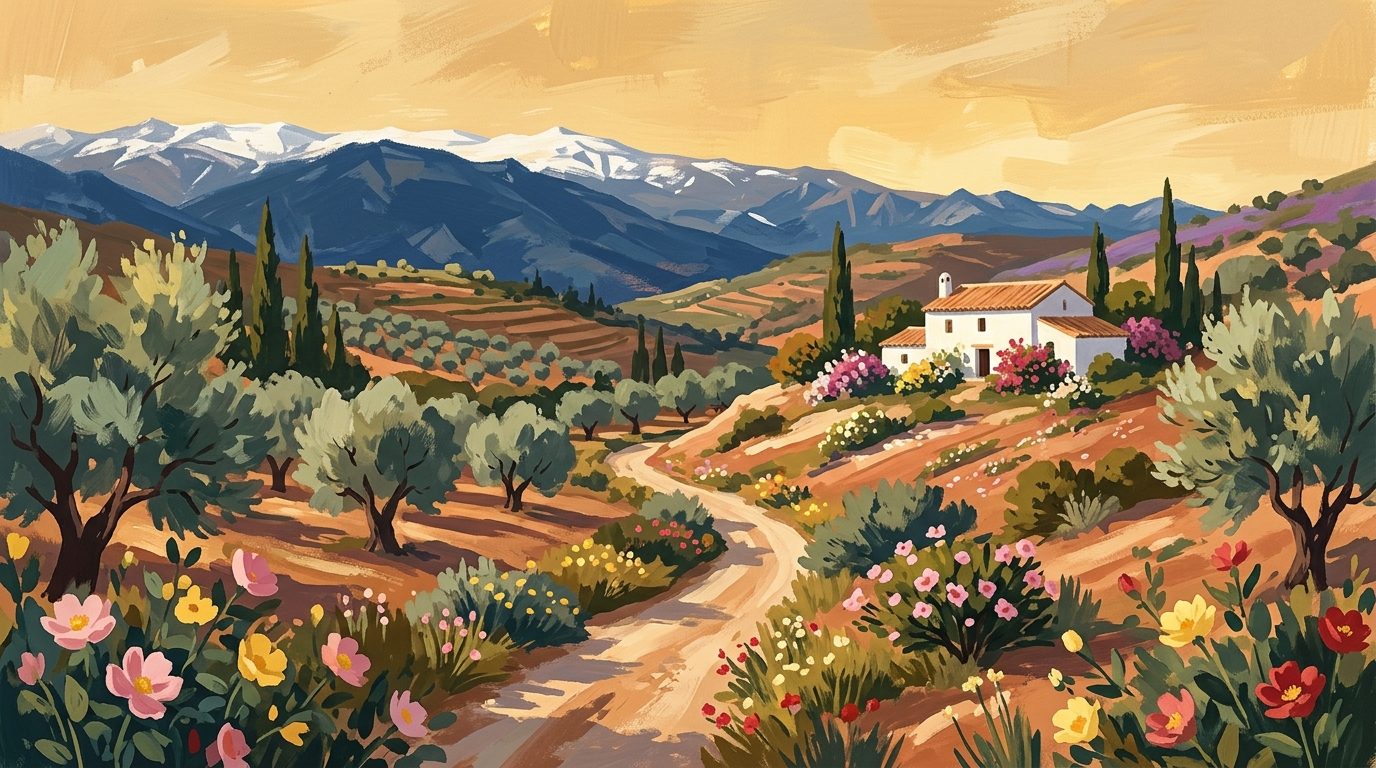
Granada in May: Roses, Snowcaps, and the Scent of Spring
May represents the atmospheric peak of the year in Granada, where the gardens of the Alhambra reach full bloom against a backdrop of snow-dusted peaks. It is a month of transition, offering the final weeks of comfortable walking weather before the intense heat of the Andalucían summer takes hold.
7 min read
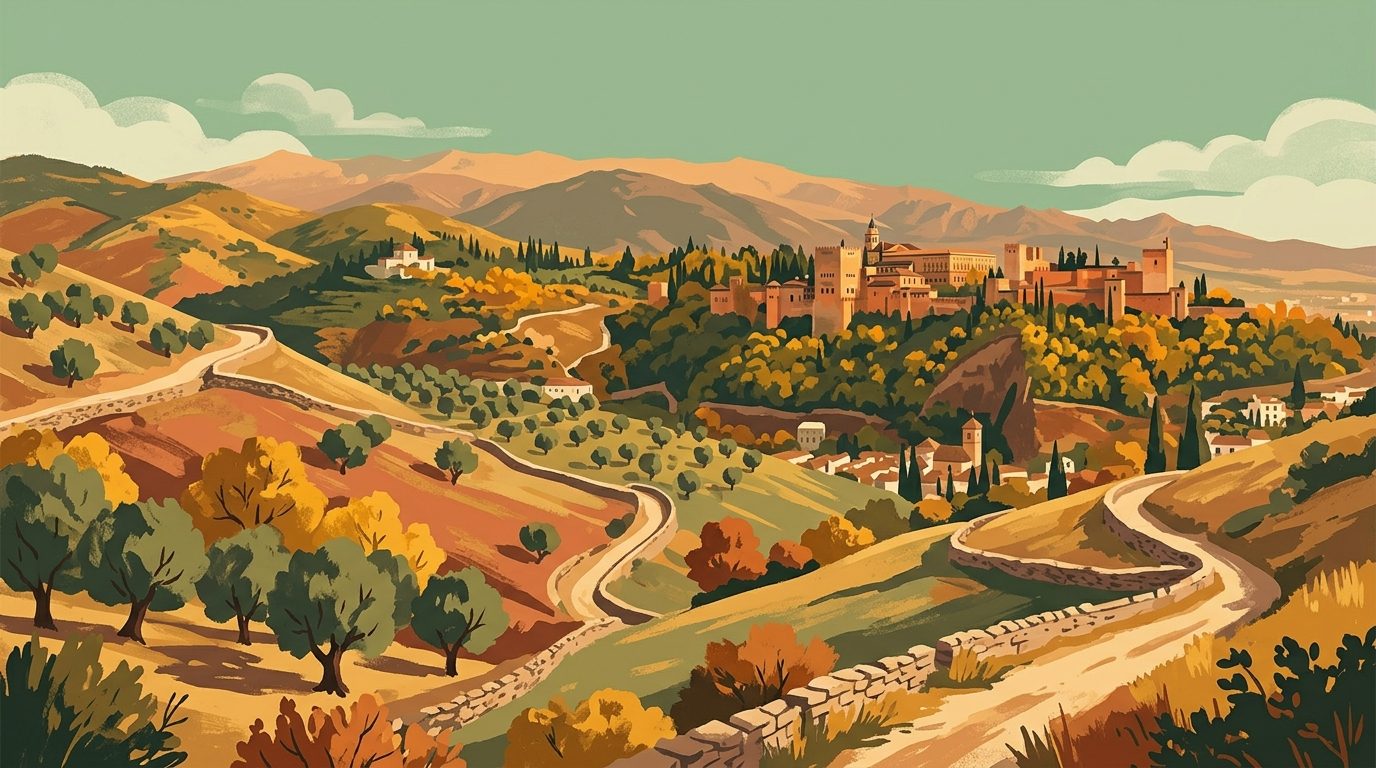
Granada in October: Gold Leaf and Mountain Air
October brings a refreshing change to Granada, with comfortable 22°C days, the start of the chestnut harvest, and golden autumn foliage across the Sierra Nevada.
6 min read
Granada in July: From Sun-Scorched Plazas to High Sierra Peaks
Experience the stark shift between the sun-scorched city streets and the cool mountain air of the Alpujarras. July in Granada province is a month of late-night guitar concerts and high-altitude escapes.
6 min read
Granada in September: A Season of Harvest and High Peaks
Experience the transition from summer heat to autumn harvest in Granada, featuring thinning crowds at the Alhambra and perfect hiking conditions in the Sierra Nevada.
6 min read
Newsletter
More stories from Andalucía
Weekly notes, seasonal picks, and the next guides worth bookmarking.