
Seasonal guide · Málaga
Málaga in March: Spring Arrivals and Coastal Calm
March in Málaga offers a serene transition as the province awakens with orange blossom scents, early spring sunshine, and the anticipation of Easter traditions.
By Dan · Updated 5 June 2026 · 6 min read
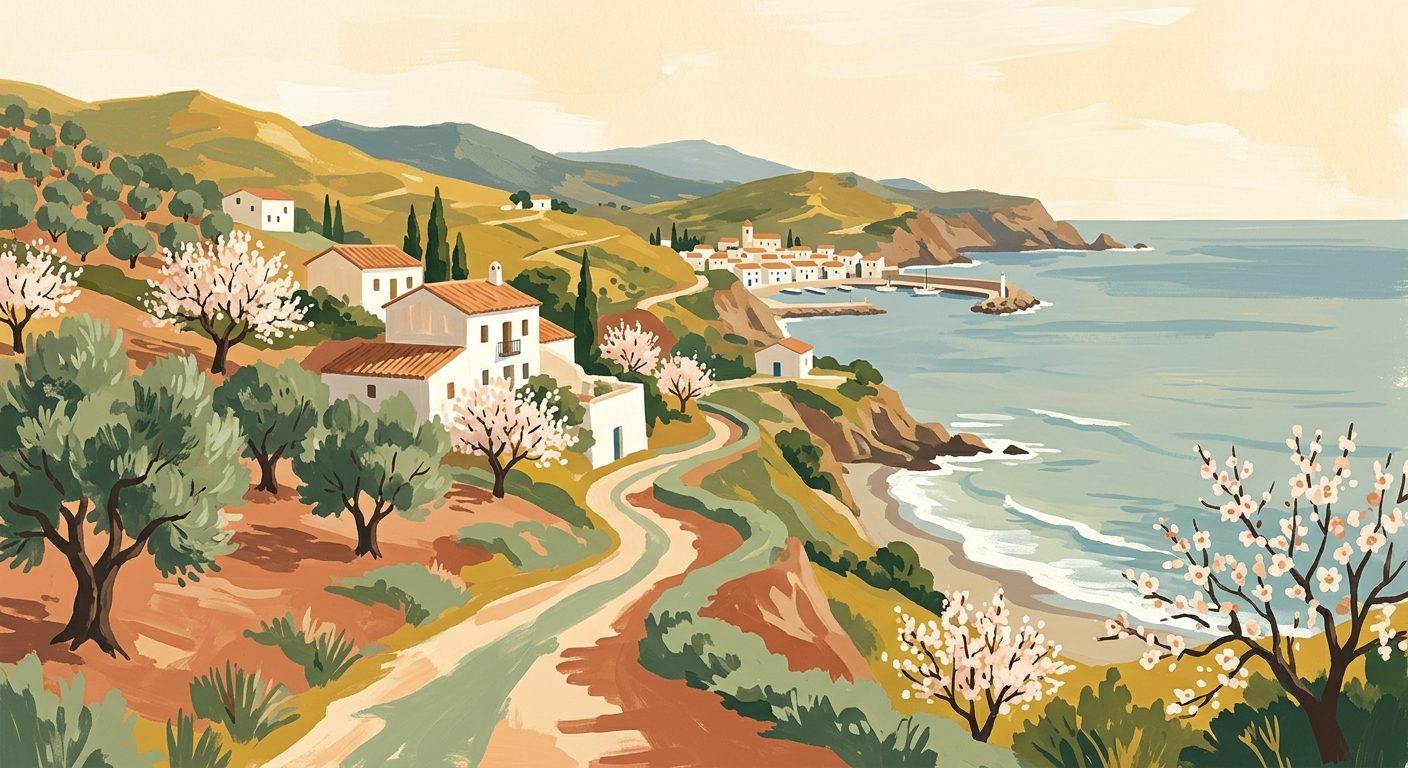
March is a month of anticipation in Málaga, where the sharp chill of winter retreats to make way for the first reliable warmth of the southern Spanish spring. The province sheds its quiet winter skin, offering a window of time where the landscape is green, the citrus trees are heavy with fruit, and the intense summer crowds are still months away.
To visit Málaga province in March is to witness a landscape in transition. While northern Europe often remains gripped by grey skies and rain, the Costa del Sol and its mountainous hinterland begin to glow. The light changes this month; it becomes clearer and sharper, reflecting off the Mediterranean with a brightness that signals the end of the short winter. It is a period of preparation, particularly in the provincial capital, as the city readies itself for the solemnity of Holy Week and the glamour of its national film festival.
Away from the urban centres, the countryside is at its most productive. In the Guadalhorce Valley, known as the orchard of Málaga, the scent of azahar (orange blossom) begins to drift through the air. In the Axarquía, the steep hillsides are covered in soft green grasses and wildflowers before the heat of May turns them to gold. For those who prefer activity over sunbathing, March provides perhaps the most comfortable climate of the year for exploration.
Weather and Temperature
The weather in March is generally mild, but it remains unpredictable. It is a month of two halves; the first fortnight can still carry the tail-end of Atlantic weather fronts, while the latter half often feels remarkably like summer. In Málaga city and along the coastal towns like Nerja or Marbella, daytime temperatures typically hover around 18°C to 20°C. On a cloudless day, the sun feels significantly hotter than the thermometer suggests, and you will often see locals and tourists alike in short sleeves by midday.
However, the coastal conditions differ greatly from the interior. If you head inland to Ronda or Antequera, the altitude makes a marked difference. While it might be 19°C in Torremolinos, it could easily be 14°C in Ronda, with temperatures dropping close to 4°C or 5°C once the sun sets. Rainfall is a possibility, with an average of five to six days of rain across the month. These are usually short, sharp showers rather than the persistent drizzle found in the UK. The sea remains cold, averaging about 15°C, which is generally too chilly for all but the most dedicated swimmers.
What to pack: Layering is essential. You will need light linen or cotton clothes for the daytime, but a medium-weight jacket or a trench coat is necessary for the evenings. If you plan on visiting the mountains, bring a scarf and a windproof layer.
Events and Festivals
March is a significant month for the cultural calendar in Málaga, dominated by two very different types of spectacle. The first is the Festival de Málaga (Málaga Spanish Film Festival). Usually held in early to mid-March (check the official website for specific dates), this event transforms the city centre. The Cervantes Theatre becomes the focal point, and a red carpet is rolled out down the length of Calle Larios. It is an excellent time for film lovers to catch new Spanish-language releases and see the city at its most sophisticated.
The second major influence is Semana Santa (Holy Week). Because the dates of Easter change every year, Semana Santa often begins in late March. Even if the main processions fall in April, March is the month of the traslados. These are smaller, local events where the religious statues are moved from their home churches to the large processional thrones in the guild halls. These smaller parades are often more intimate and moving than the main event, accompanied by the haunting sound of brass bands practising in the distance.
In the villages, keep an eye out for the Día de la Vieja (Day of the Old Woman), celebrated in several interior towns around mid-Lent. This traditional day involves families heading into the countryside for a picnic, often featuring 'La Vieja', a paper doll filled with sweets that the children break open at the end of the day.
What to Do in Málaga in March
This is the prime season for hiking and outdoor exploration. El Torcal de Antequera, a landscape of eroded limestone karst formations, is spectacular in March. During the summer, the white rocks can be blindingly hot, but the cool March air makes the walking trails manageable. The flora here is unique, and you are likely to spot Iberian ibex (wild mountain goats) perched on the rock pillars.
For those who enjoy the white villages, the Axarquía region to the east of Málaga city is at its most beautiful. Villages such as Frigiliana and Cómpeta are decorated with spring flowers, and the hiking trails through the Sierras de Tejeda, Almijara and Alhama are lush and green. This is also the best time to walk the Caminito del Rey. The famous aerial walkway through the Desfiladero de los Gaitanes canyon is far more pleasant when the temperatures are moderate, though you must book tickets weeks in advance via the official Caminito del Rey website as it remains popular year-round.
In Málaga city, the Jardín Botánico Histórico La Concepción (The Historical Botanical Gardens) is a priority in March. The wisteria bower, one of the garden's most famous features, typically begins its purple bloom in late March, creating a spectacular scented tunnel. It is one of the few times of year when the garden's tropical and temperate plants are both at their most visually striking.
Who Should Visit?
- Hikers and Nature Lovers: The interior mountains are green, the air is crisp, and the temperatures are ideal for long-distance walking without the risk of heat exhaustion.
- Culture Seekers: With the Film Festival and Holy Week preparations, the city's cultural life is at its peak.
- Budget Travellers: Accommodation prices are significantly lower than in the summer months, and you can often find high-end hotels at a fraction of their peak-season cost.
- Photographers: The clarity of the spring light and the fresh green of the landscape provide excellent conditions for photography.
Practical Notes
In terms of crowds, March is relatively quiet. On the Costa del Sol, you will find plenty of space on the beaches and no queues at the major museums like the Picasso Museum or the Centre Pompidou. However, if your visit coincides with the start of Semana Santa, the city centre will become extremely crowded and prices for accommodation will spike dramatically for those specific dates.
Most chiringuitos (beach restaurants) that closed for the winter will begin to reopen in March, making it the first month of the year where you can reliably enjoy espetos (sardines grilled on bamboo skewers) by the sea. Public transport remains efficient, though the suburban train (Cercanías) from Málaga to Fuengirola can be busier during the Film Festival.
Monthly Verdict
March in Málaga is for the traveller who prefers the scent of orange blossom to the smell of suncream. It offers a sophisticated and calm experience of the province, where the natural world is in full bloom and the cultural life of the city is at its most authentic. While it is not yet tanning weather, the moderate temperatures and lack of crowds make it one of the most rewarding times of the year to explore both the coast and the mountain villages.
Last reviewed: 21 June 2026 · Editorial policy
Related guides
Málaga in November: A Guide to the Season of Calm and Light
Experience the calm of Málaga in November, from the traditional chestnut festivals in the mountains to the spectacular Christmas light switch-on in the city.
6 min read
Málaga in December: Winter Light and Festive Traditions
Málaga transforms into a city of light and social warmth during December, offering a mild escape from the harsh northern European winter.
7 min read
Cádiz in February (Carnaval)
February transforms the oldest city in the West into a theatre of satire, where the Atlantic breeze carries the sound of copper whistles and witty choruses.
6 min read
Málaga in February: Almond Blossom and Winter Sun
February in Málaga province offers a quiet transition, where the scent of almond blossom fills the air and the city streets remain peaceful before the spring rush.
7 min read
Málaga in May: The Sweet Spot of the Andalucían Calendar
May is the month when the Costa del Sol truly wakes up, offering a balance of warm sunshine and the tail end of the spring bloom. It is the ideal window for those who want to explore the mountains and the Mediterranean without the oppressive heat of July.
6 min read
Andalucía in April
April brings the intoxicating scent of orange blossom and the dramatic spectacle of Semana Santa to Andalucía, offering the perfect balance of warm weather and cultural depth.
7 min read
More from Málaga
Málaga in April: Spring Festivals, Orange Blossom, and the First Glimpse of Summer
April in Málaga brings lively spring festivals, occasional Semana Santa processions, and the first warm days perfect for beach lunches and mountain hiking.
7 min read
Málaga in October
October in Málaga represents the transition from the scorching summer heat to a mellow, golden clarity. It is a period where the Mediterranean remains warm enough for swimming, yet the inland mountains become crisp and accessible for exploration.
7 min read
Málaga in January: Quiet Shores and Crisp Mountain Air
Discover Málaga in January, a month of crisp blue skies, 17°C coastal afternoons, and the quietest streets of the year.
6 min read
Málaga in September: A Mellow Transition
Málaga in September offers a gentle transition with warm seas, harvest festivals in the Axarquía, and a softening of the summer heat.
6 min read
Málaga in July
Experience the height of the Mediterranean summer in Málaga, where 38°C heat is balanced by maritime festivals, roasted sardines on the beach, and a lively night culture.
6 min read
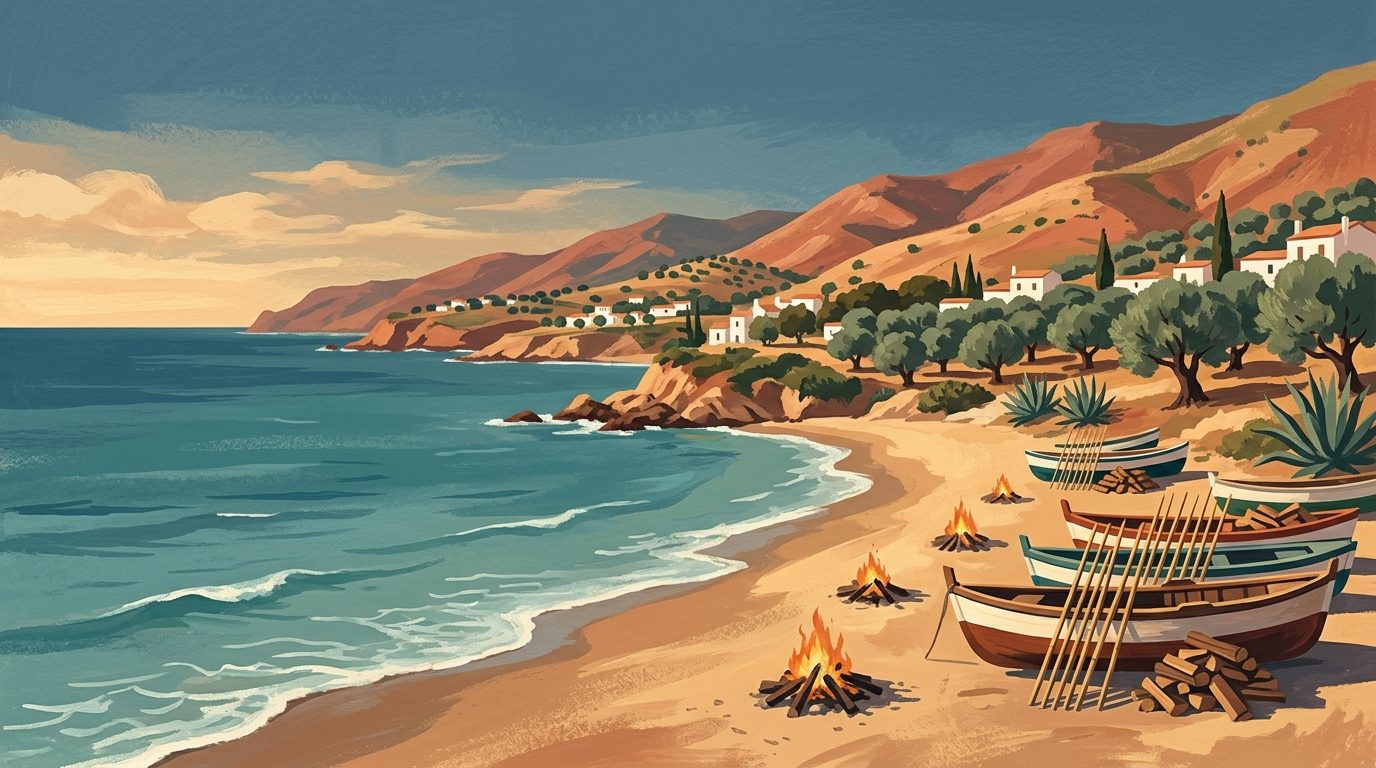
Málaga in June: Sunshine, Sardines and San Juan
June in Málaga offers the perfect blend of long, sun-soaked days and the first warm swimming temperatures of the year. From the bonfires of San Juan to the sardine spits on the beach, it is the quintessential month for a Mediterranean escape.
7 min read
Málaga in August: Feria Season and Peak Summer Heat
August in Málaga is defined by the high-energy celebrations of the city fair and the intense heat of the terral wind. It is a month for late nights, sea swims, and embracing the slow pace of peak summer.
6 min read
Newsletter
More stories from Andalucía
Weekly notes, seasonal picks, and the next guides worth bookmarking.