
Seasonal guide · Granada
Granada in August
August in Granada is a month of dramatic shifts, offering scorching afternoons in the city and refreshing, crisp air on the high peaks of the Sierra Nevada.
By Dan · Updated 7 June 2026 · 6 min read
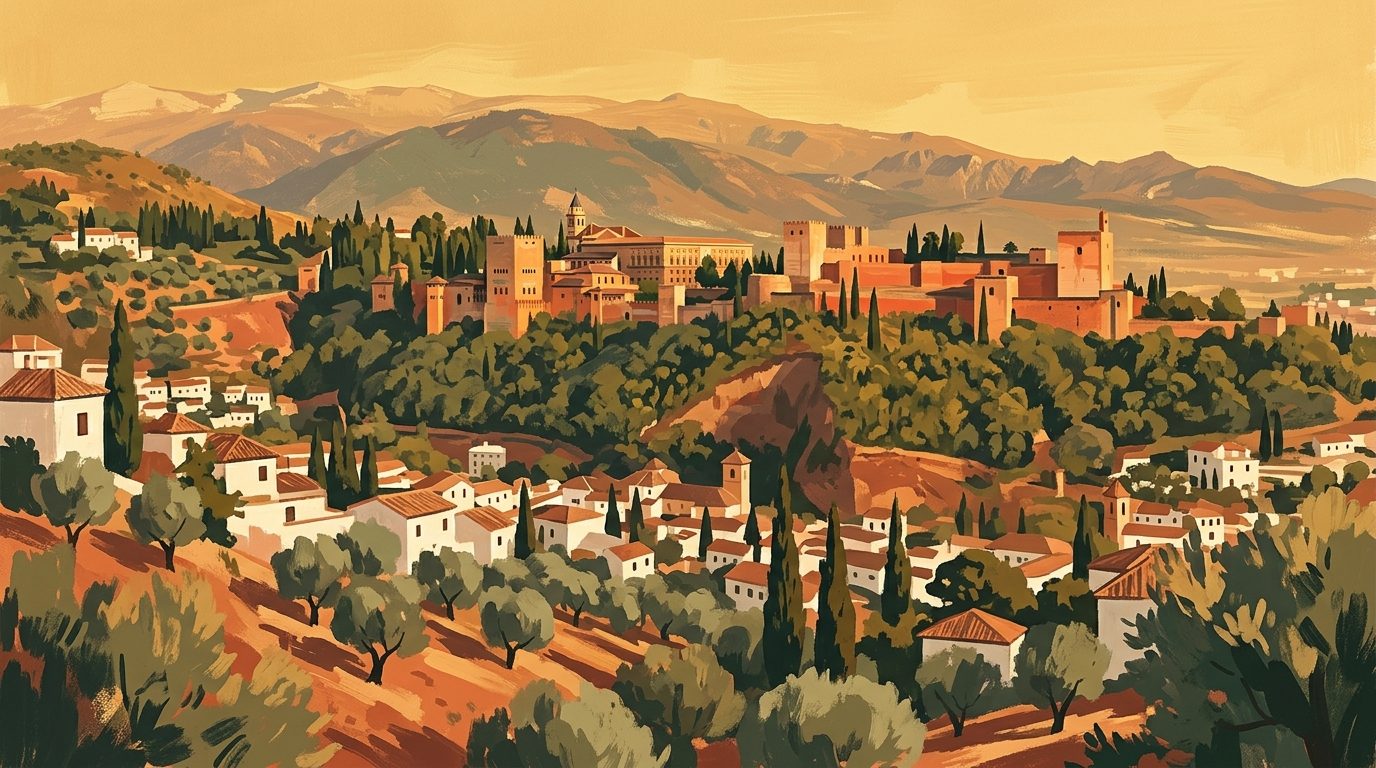
Experience the stark difference between the heat of the Genil valley and the cool heights of the Sierra Nevada. August in Granada demands a slow pace, rewarding those who embrace the late-night culture and the high-altitude escapes.
What to Expect: The Character of the Province
August in Granada is a month of extremes. The province presents two distinct personalities: the sun-drenched, heavy heat of the city and its surrounding plains, and the refreshing, wind-swept heights of the mountain ranges. In the city of Granada itself, the atmosphere is one of afternoon hibernation. Between the hours of 2:00 PM and 8:00 PM, the streets of the Albayzín and the Realejo go quiet as locals retreat behind thick stone walls and shutters to escape the peak intensity of the sun. The air is dry and carries the scent of sun-baked dust and flowering jasmine that peaks after dusk.
Conversely, the high-altitude villages of the Alpujarras and the peaks of the Sierra Nevada offer a sanctuary. While the rest of Spain swelters, these areas provide a crispness that is rare in the Mediterranean summer. Down on the Costa Tropical, the atmosphere shifts again. It is energetic and busy, with a humidity that clings to the skin, tempered only by the salty breeze of the Alboran Sea. This is the month of the late-night terraza, where dinner begins at 10:00 PM and the city only truly feels alive once the sun has dipped behind the Sierra Elvira.
Weather: From Scorching Plains to Cool Peaks
The weather in Granada province during August is reliably dry, with rainfall being almost non-existent. However, temperatures vary significantly depending on your elevation.
In Granada City, daily highs frequently reach between 36°C and 41°C. It is not uncommon for the thermometer to touch 43°C during a heatwave. Nights offer some relief, dropping to around 18°C to 21°C, though the heat can linger in the narrow streets of the city centre. Humidity is low here, which makes the heat feel sharp rather than heavy.
The Costa Tropical (including Motril, Salobreña, and Almuñécar) is milder but more humid. Expect daytime temperatures of 29°C to 32°C. The sea temperature is at its annual peak, roughly 24°C, making it ideal for swimming.
In the Sierra Nevada and the Alpujarras, the climate is Mediterranean-subalpine. In villages like Trevélez or Capileira, daytime temperatures sit comfortably at 25°C to 28°C, while nighttime temperatures can drop to a chilly 12°C. If you venture to the summits of Mulhacén or Veleta, even in August, you will need a windbreaker as temperatures at 3,000 metres can hover around 10°C even at midday.
What to wear: Lightweight linen and cotton are essential for the city and coast. However, if you plan to visit the mountains, a jumper and a light jacket are necessary for the evenings. High-SPF sun protection and a hat are mandatory across the entire province.
Events & Festivals: Tradition and Celebration
While the major city festivals occur in the spring, August is the month of the fiesta del pueblo (village fair). Nearly every small town in the province celebrates its patron saint this month.
- Romería de la Virgen de las Nieves (August 5th): This unique pilgrimage takes place in the Sierra Nevada. Devotees and hikers climb to the peak of Veleta or the surrounding ridges to honour the Virgin of the Snows. It is a spectacular sight to see a religious procession at such high altitude against a backdrop of barren grey slate and blue sky.
- Feria de Motril (Mid-August): The largest town on the coast celebrates its main fair in mid-August. You will find traditional flamenco dress, daytime casetas (marquees) offering local rum and fried fish, and evening concerts. The atmosphere is authentically Andalucían and less geared towards international tourists than the fairs on the Costa del Sol.
- Festival de Música, Danza y Flamenco de la Alpujarra (Early August): This roving festival moves between villages each year (verify the 2026 host village in the local Alpujarra press), showcasing the unique folk music and trovo (improvised poetic combat) of the mountain regions. It is an excellent way to hear instruments like the bandurria and laud in their traditional setting.
- Fiestas de San Roque (Mid-August): Celebrated in various villages, most notably in Pinos Genil or the Lecrín Valley, often featuring communal meals in the streets and late-night dancing in the main square.
What to Do: High Peaks and Midnight Palaces
In August, timing is everything. To enjoy Granada, you must align your schedule with the sun.
The Alhambra at Night: While the Generalife gardens are beautiful in the early morning, the Palacios Nazaríes (Nasrid Palaces) are at their most evocative during a night visit. The stone stays cool, the lighting is subtle, and the absence of the midday glare allows the intricate plasterwork to stand out. Booking these tickets at least two months in advance is vital (visit the official Patronato de la Alhambra website to secure your spot).
High Altitude Trekking: August is the only month when the highest peaks of the Sierra Nevada are reliably free of snow. The Servicio de Interpretación de las Altas Cumbres (SIAC) operates a 4x4 shuttle bus from Capileira and Pradollano (check the National Park website for the latest 2026 timetables) that takes you high into the national park, allowing you to summit Mulhacén (the highest point in mainland Spain) without a gruelling multi-day trek. The air here is thin, fresh, and a welcome respite from the valley heat.
Caving in Guadix and El Marquesado: East of the city, the landscape turns into a dramatic red-clay desert. The cave houses of Guadix are naturally temperature-regulated, staying a constant 18 to 20°C regardless of the weather outside. Visiting the Centro de Interpretación de las Cuevas provides a fascinating look at this subterranean lifestyle and a literal escape from the sun.
Beach Escapes on the Costa Tropical: Avoid the central beaches of Almuñécar if you dislike crowds. Instead, seek out smaller coves like Playa de Cantarriján (a clothing-optional beach with excellent chiringuitos) or the cliffs of Maro-Cerro Gordo for snorkelling in clear, temperate waters.
Who Should Visit?
- Culture Lovers: Ideal for those who enjoy late-night dining and the spirited atmosphere of Spanish summer nights. The night-time views of the Alhambra from the Mirador de San Nicolás are unparalleled this month.
- Hikers and Mountaineers: This is the premier month for high-altitude trekking in the Sierra Nevada. The weather is stable, and the mountain passes are clear.
- Night Owls: If you prefer to sleep during the day and explore at night, Granada in August is your perfect match. The city doesn't truly wake up until 9:00 PM.
- Not Ideal for: Young children or the elderly who are sensitive to extreme heat. Budget travellers should also note that coastal prices are at their peak.
Practical Notes: Crowds and Prices
Crowds: The city of Granada is actually less crowded in August than in May or October, as many locals head to the coast. However, the Alhambra remains at full capacity daily. The Costa Tropical is at its most congested; finding parking in Salobreña or Almuñécar can be extremely difficult after 11:00 AM. In the Alpujarras, the villages are busy but manageable.
Prices: Accommodation in Granada city can often be found at a discount in August as hotels try to lure visitors despite the heat. Conversely, coastal rentals and hotels are at their most expensive. Expect to pay a premium for any accommodation with a swimming pool.
Transport: If driving, ensure your car's air conditioning is in top order. The A-44 motorway connecting the city to the coast is efficient but can be busy on Friday afternoons and Sunday evenings with the weekend exodus.
Monthly Verdict
August in Granada is a month of dramatic contrasts that requires a specific mindset. If you attempt to sightsee at midday, the heat will be punishing. However, if you adapt to the local rhythm, retreating during the afternoon and emerging for tapas and mountain air under the stars, it is a rewarding time to visit. The ability to stand on the highest peak in Spain in the morning and swim in the Mediterranean by the evening makes Granada a unique summer destination for those who can handle the mercury rising.
Last reviewed: 21 June 2026 · Editorial policy
Related guides
Granada in July: From Sun-Scorched Plazas to High Sierra Peaks
Experience the stark shift between the sun-scorched city streets and the cool mountain air of the Alpujarras. July in Granada province is a month of late-night guitar concerts and high-altitude escapes.
6 min read
Granada in June: Music, Mountains, and the Arrival of Summer
June in Granada marks the arrival of the summer heat, tempered by the prestigious International Festival of Music and Dance and the lively Feria de Corpus Christi.
7 min read
Granada in March: Spring Peaks and Snowy Slopes
As the winter chill recedes from the Alhambra’s stone walls, the scent of bitter orange blossom begins to drift through the Albaicín. This is the month when the province awakens, offering the rare opportunity to ski in the Sierra Nevada and sunbathe on the Costa Tropical in a single afternoon.
6 min read
Granada in September: A Season of Harvest and High Peaks
Experience the transition from summer heat to autumn harvest in Granada, featuring thinning crowds at the Alhambra and perfect hiking conditions in the Sierra Nevada.
6 min read
Granada in May: Roses, Snowcaps, and the Scent of Spring
May represents the atmospheric peak of the year in Granada, where the gardens of the Alhambra reach full bloom against a backdrop of snow-dusted peaks. It is a month of transition, offering the final weeks of comfortable walking weather before the intense heat of the Andalucían summer takes hold.
7 min read
Granada in December
December in Granada province offers a sharp transition from the temperate autumn to a crisp winter, defined by snow-capped peaks and festive traditions.
6 min read
More from Granada
Granada in January: Peaks, Palaces and Pure Winter Air
Experience Granada in January, where crisp winter sun illuminates the Sierra Nevada and the Alhambra sits in quiet, crowd-free majesty.
6 min read
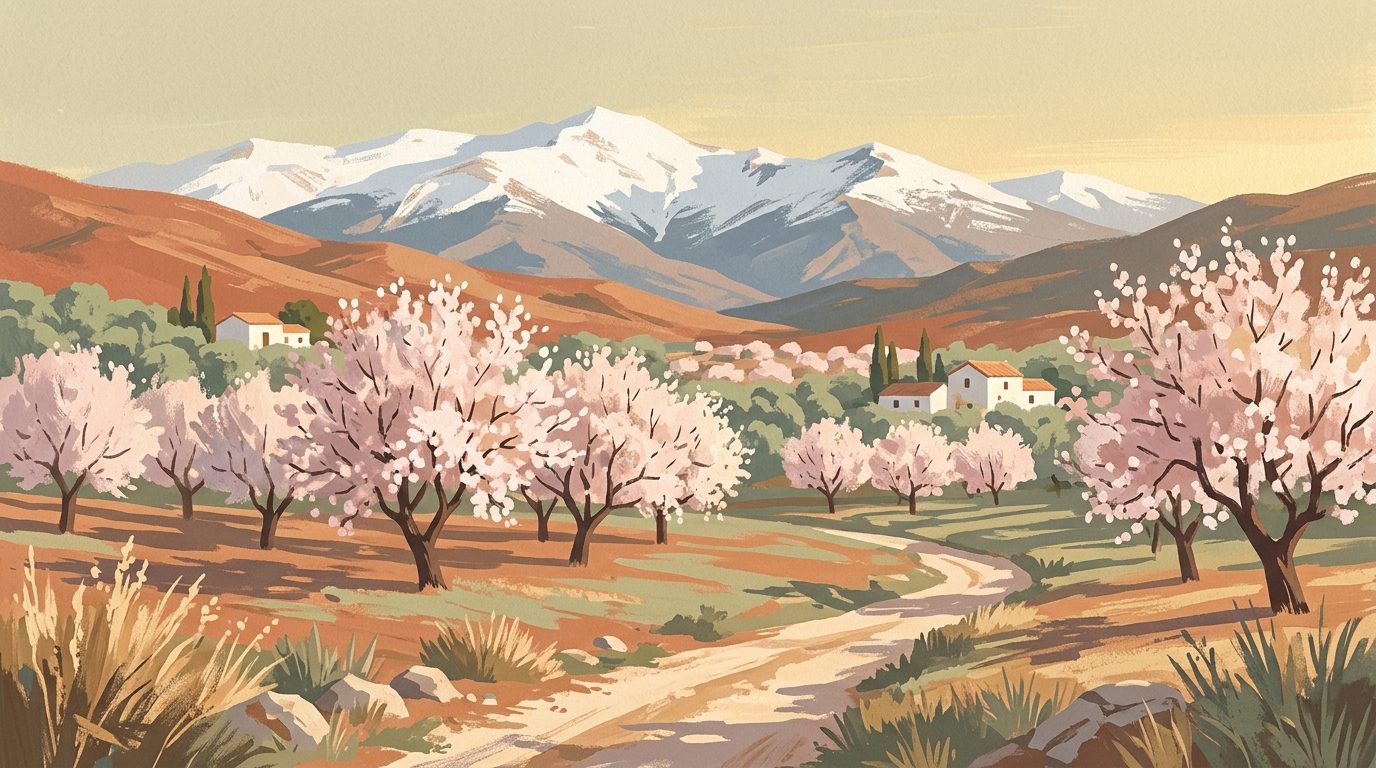
Granada in February: Almond Blossom and Alpine Peaks
February brings a sharp clarity to Granada, where snow-dusted peaks overlook valleys filled with delicate almond blossom.
6 min read
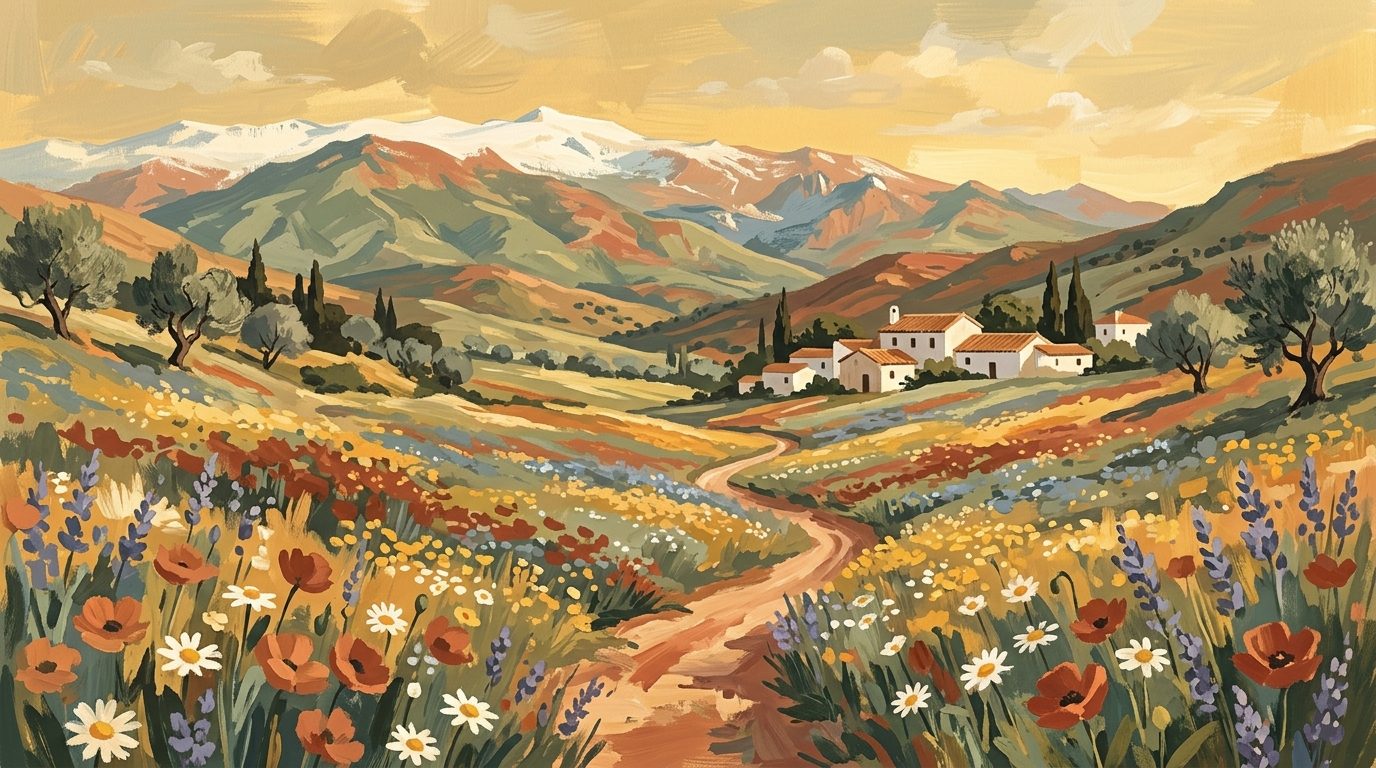
Granada in April: Snowcaps, Wildflowers, and Incense
April in Granada province offers a striking visual balance between the white peaks of the Sierra Nevada and the blossoming valleys below. It is a month defined by the solemnity of Easter processions and the arrival of consistent spring warmth.
6 min read
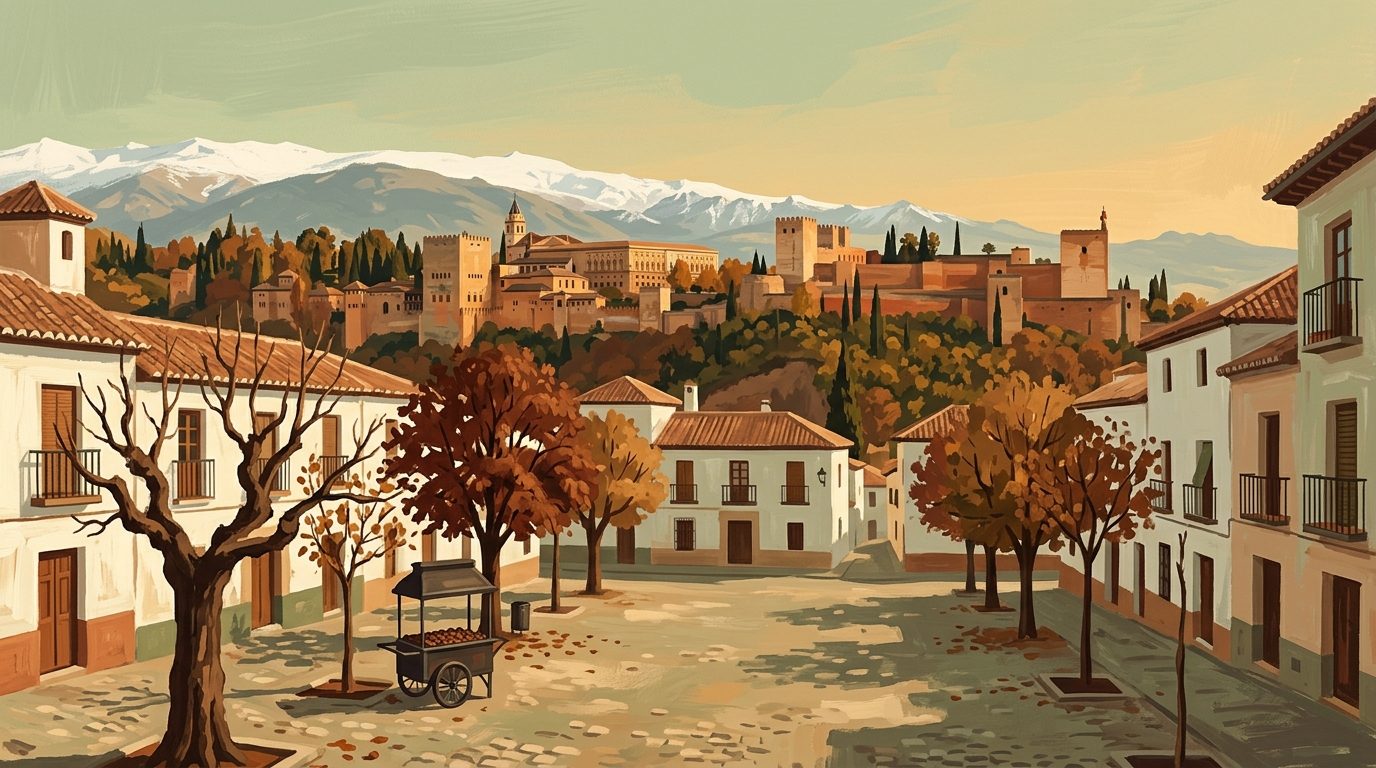
Granada in November: Chestnuts, Snow-Capped Peaks and Quiet Squares
November brings a crisp change to Granada, as the Sierra Nevada peaks turn white and the city streets fill with the aroma of roasting chestnuts and woodsmoke.
6 min read
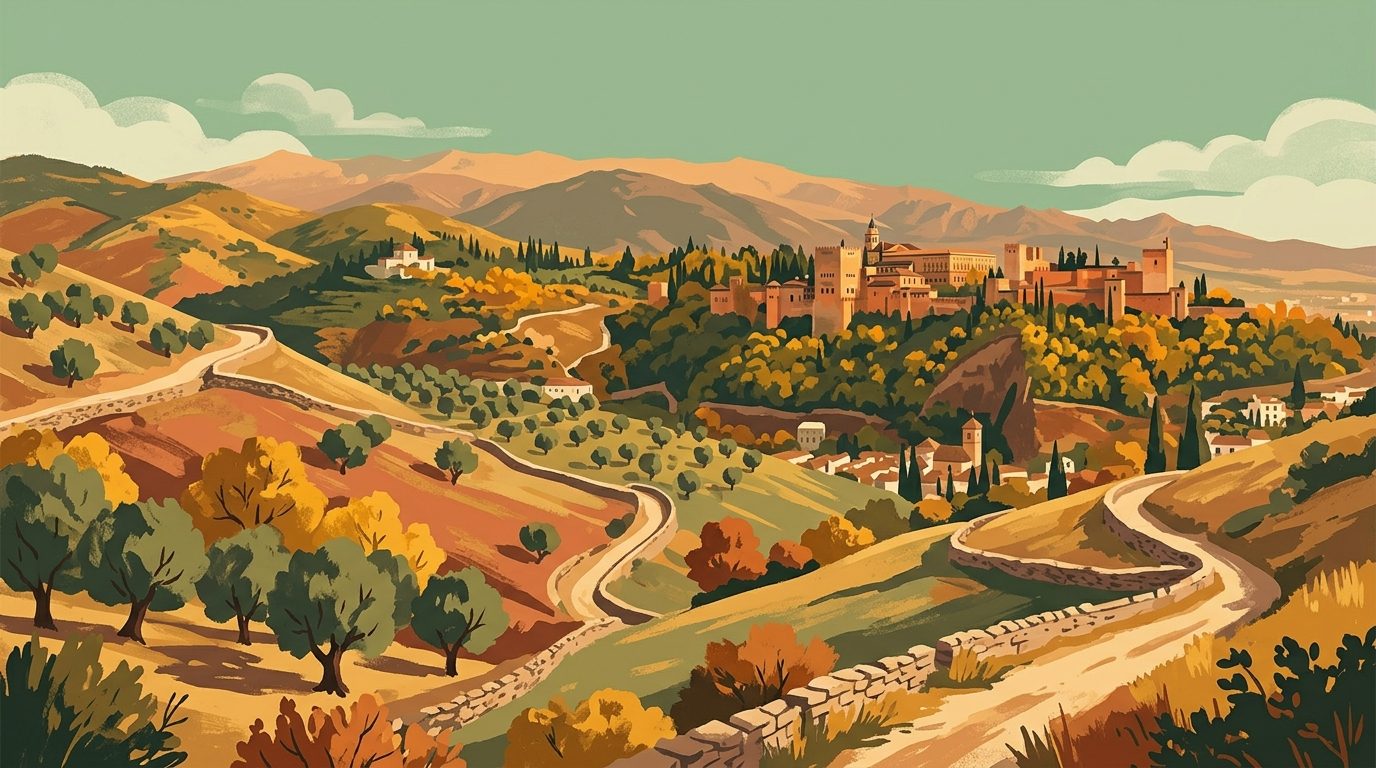
Granada in October: Gold Leaf and Mountain Air
October brings a refreshing change to Granada, with comfortable 22°C days, the start of the chestnut harvest, and golden autumn foliage across the Sierra Nevada.
6 min read
Newsletter
More stories from Andalucía
Weekly notes, seasonal picks, and the next guides worth bookmarking.