
Things to do · Córdoba
Exploring the Trails of Córdoba: From the Sierra Morena to the Subbética
Escape the city heat and explore the diverse landscapes of Córdoba, from the rugged limestone peaks of the south to the Mediterranean forests of the Sierra Morena.
By Dan · Updated 16 July 2026 · 6 min read
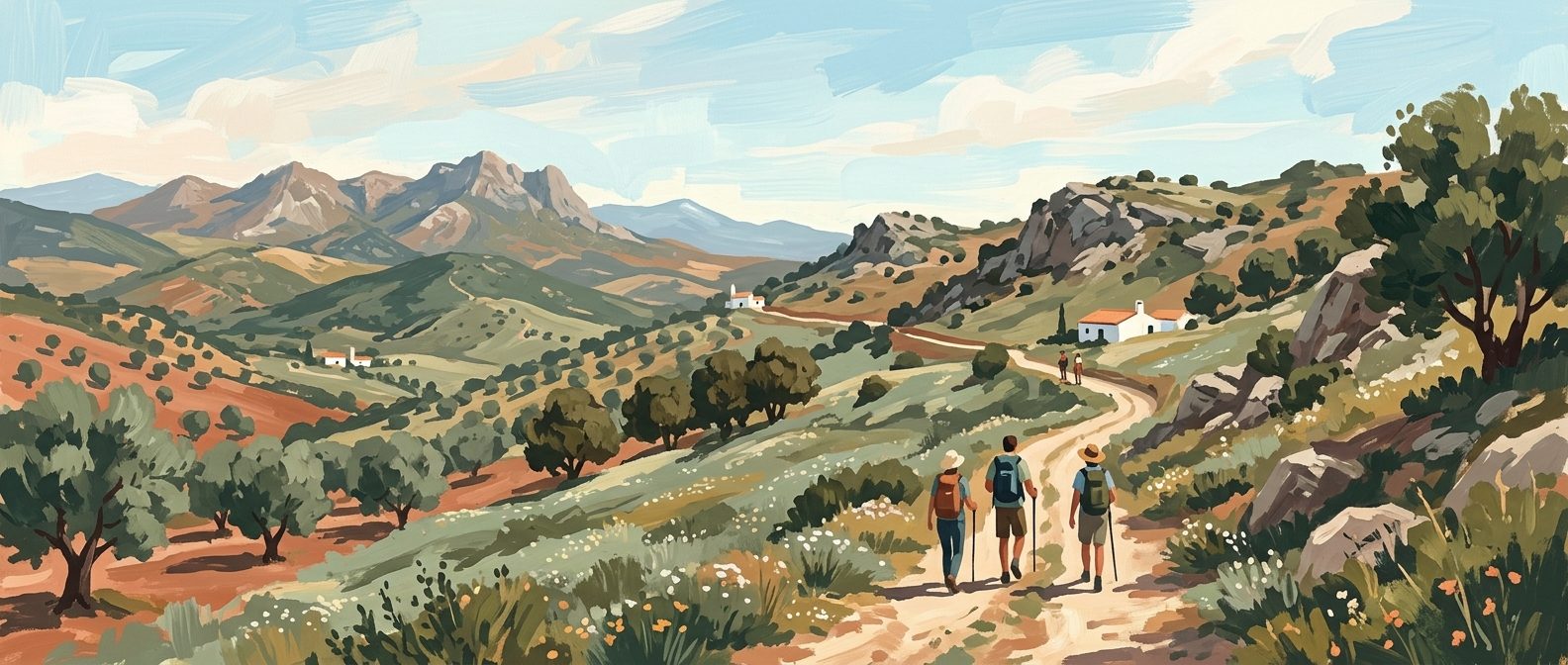
Beyond the famous arches of the Mezquita lies a province of dramatic elevation, where ancient drovers' paths cross limestone massifs and old railway lines serve as corridors through the olive groves. For anyone looking for a gentle afternoon stroll or a challenging ascent, the trails of Córdoba offer some of the most rewardingwalking in southern Spain.
Many visitors to Córdoba never make it past the city walls, which is a missed opportunity for anyone who enjoys the outdoors. The province is geographically divided into three distinct zones: the Sierra Morena to the north, the Guadalquivir valley in the middle, and the Sierras Subbéticas to the south. Each offers a completely different walking experience, ranging from the dense cork oak forests of Hornachuelos to the stark, craggy heights above the white village of Zuheros.
Walking here is a way to connect with the agricultural and industrial soul of the region. You will find yourself following the same paths used by shepherds for centuries, or treading the gravel of the Vía Verde, where steam trains once hauled olive oil towards the coast. The infrastructure for walkers has improved significantly in recent years, with well-marked trails and a growing number of local operators offering guided experiences for those who want to look more closely at the local ecology and geology. The pace of life slows down once you leave the tarmac behind, replaced by the scent of wild rosemary and the sound of goat bells echoing across the ravines.
Best Places to Hike in Córdoba
Sierras Subbéticas Natural Park and Zuheros
The Sierras Subbéticas, located in the south of the province, offer perhaps the most dramatic scenery in the region. This is a UNESCO Global Geopark characterised by limestone formations, deep canyons, and high plateaus. The village of Zuheros serves as the primary gateway for walkers. It is a striking settlement of whitewashed houses pressed against a vertical rock face, topped by the ruins of a Moorish castle.
The standout route here is the Sendero del Río Bailón. This 12-kilometre trail starts near the Cueva de los Murciélagos (Bat Cave) high above the village and descends through a spectacular karst landscape. You will pass through the 'Polje de la Nava', a massive flat-bottomed valley surrounded by grey limestone peaks that look more like the moon than southern Spain. The path follows the riverbed, which is often dry in summer but flows vigorously after autumn rains, ending with a steep descent back into Zuheros.
For those seeking a serious challenge, the ascent of La Tiñosa is the ultimate Córdoba hike. At 1,570 metres, it is the highest point in the province. The climb is steep and requires a good level of fitness and sturdy boots, as the terrain is loose and rocky. The reward is a panoramic view that, on a clear day, stretches across the olive sea to the snow-capped peaks of the Sierra Nevada in Granada.
Vía Verde del Aceite (The Oil Train Greenway)
If you prefer flat, accessible walking without the need for technical gear, the Vía Verde del Aceite is an excellent choice. This converted railway line, which includes the Vía Verde de la Subbética in Córdoba province, runs for 128 kilometres between Jaén and Puente Genil, with a significant portion passing through the south of Córdoba. It is ideal for families, casual walkers, and those using mountain bikes.
The section between Doña Mencía, Luque, and Zuheros is particularly scenic. You will walk across impressive iron viaducts designed by the school of Gustave Eiffel, spanning deep valleys and providing bird's-eye views of the surrounding countryside. The path is paved or hard-packed gravel, making it easy on the knees. Along the way, several old railway stations have been converted into cafes and restaurants, such as the one in Doña Mencía, where you can stop for a glass of local Montilla-Moriles wine and some tapas before continuing your journey.
Sierra de Hornachuelos
In the western part of the province, the Sierra de Hornachuelos Natural Park preserves one of the best-preserved Mediterranean forests in the world. This is a landscape of rolling hills covered in cork oaks, holm oaks, and dense scrubland. It is a quieter, more shaded alternative to the exposed limestone of the Subbética.
The Sendero del Águila (Eagle’s Trail) is a popular 12-kilometre circular route that starts near the visitor centre in Hornachuelos. It takes you along the banks of the Bembézar river and through the heart of the forest. The area is a haven for wildlife; keep your eyes on the skies for Griffon vultures and Golden eagles, and if you are very quiet, you might spot deer or wild boar in the undergrowth. The path also passes near the Monastery of Santa María de las Escalonias, which adds a sense of serenity to the walk.
Santa María de Trassierra and the Baños de Popea
For those staying in Córdoba city who don't want to travel far, the hills of the Sierra Morena are just a 15-minute drive or a short bus ride away. The village of Santa María de Trassierra is the focal point for local walkers. From here, you can access the Baños de Popea and the Arroyo del Bejarano.
This route is a local favourite because of its cooling water features and historical ruins. The path follows the Guadiato river, leading to small waterfalls and pools (the 'Baths of Poppaea') and the remains of ancient flour mills. It is a relatively easy walk that feels worlds away from the heat of the city streets. The area is also significant for its environmental value, with lush riverbank vegetation that stays green even in the height of summer.
Practical Information
Hiking in Córdoba is generally free, as most trails are located within public natural parks or follow established right-of-ways. However, if you plan to climb La Tiñosa, note that it passes through private land and requires a permit from the Junta de Andalucía. It is essential to apply in advance via the 'Cupo de la Tiñosa' portal to ensure legal access and conservation compliance. Local guides offer half-day excursions, with prices varying depending on group size (check on the operator's website before travelling).
The best seasons for walking are autumn (October to November) and spring (March to May). During these times, the temperatures are mild, and the landscape is either flush with wildflowers or the changing colours of the oaks. Winter is also excellent, though mornings can be surprisingly frosty in the mountains. Avoid hiking in July and August, when temperatures regularly exceed 40°C; the heat can be life-threatening on exposed trails.
Standard kit should include breathable clothing, a wide-brimmed hat, and at least two litres of water. In the Subbética, hiking poles are useful for the rocky descents. Maps are available at visitor centres, but downloading GPX tracks from apps like Wikiloc is highly recommended as trail markings can sometimes be inconsistent.
Local Tips
If you are heading to Zuheros on a Sunday, arrive early. The village is small and parking fills up quickly with locals visiting for lunch. Speaking of lunch, try the local goats' cheese in Zuheros; the 'Los Balanchares' factory is right at the entrance of the village and makes for a perfect post-hike snack. For those using public transport, the 'Autocares Ramírez' bus line connects the city of Córdoba with the Sierra Morena villages like Trassierra, making it easy to reach the trails without a car. Finally, always check the weather forecast for 'viento' (wind) if heading to the Subbética peaks, as the ridges can be very exposed.
Last reviewed: 21 June 2026 · Editorial policy
Related guides
Exploring the Trails: A Guide to Hiking and Walking in Málaga
Discover the rugged interior of Málaga through its diverse walking trails, from the spectacular Caminito del Rey to the prehistoric limestone peaks of El Torcal.
7 min read
A Guide to Hiking and Walking in Andalucía
Discover the best hiking trails in Andalucía, from the high peaks of the Sierra Nevada to the volcanic coast of Cabo de Gata and the lush forests of Grazalema.
7 min read
Hiking and Walking in Cádiz: From Atlantic Cliffs to Mountain Peaks
Discover the diverse landscapes of Cádiz, from the high-altitude Spanish Fir forests of Grazalema to the dramatic coastal cliffs of Barbate.
6 min read
Hiking and Walking in Granada: From High Peaks to Gorge Trails
From the high-altitude peaks of the Sierra Nevada to the terraced valleys of the Alpujarras, Granada offers some of the most varied walking terrain in southern Spain.
6 min read
Exploring the Trails: A Guide to Hiking and Walking in Sevilla
Sevilla province offers a diverse range of walking landscapes, from the dramatic karst formations of the north to the tranquil riverside paths of the Guadalquivir.
5 min read
Hiking and Walking in Almería: Deserts, Volcanic Coasts and High Sierras
Discover the raw beauty of Almería’s diverse landscapes, from the volcanic cliffs of Cabo de Gata to the rugged badlands of the Tabernas Desert.
6 min read
More from Córdoba

Golf in Córdoba Province: Courses, Holidays, and Shops
Discover practical tips, course details, and holiday planning advice for playing golf in Córdoba province, from the mountain fairways of Sierra Morena to the historic greens of Los Pedroches.
10 min read
Beyond the Mezquita: The Best Day Trips from Córdoba
Discover the best day trips from Córdoba, from the ruins of Medina Azahara to the white villages and olive groves of the Subbética mountains.
9 min read
Water Sports in Córdoba: A Guide to the Inland Sea and the Great River
Escape the heat of the city and discover the best spots for kayaking, paddleboarding, and sailing across the province of Córdoba.
6 min read
Cycling in Córdoba: The Best Routes and Practical Guide
From the flat trails of the Guadalquivir valley to the rugged peaks of the Sierras Subbéticas, Córdoba offers a diverse landscape for cyclists of all abilities.
6 min read
Newsletter
More stories from Andalucía
Weekly notes, seasonal picks, and the next guides worth bookmarking.