
Practical guide
Guide to Train Travel in Andalucía: Renfe, AVE, and Regional Routes
A practical guide to train travel in Andalucía, covering AVE, Avant, Media Distancia, Cercanías, airport rail, booking checks, accessibility and operator links.
By Dan · Updated 16 July 2026 · 8 min read
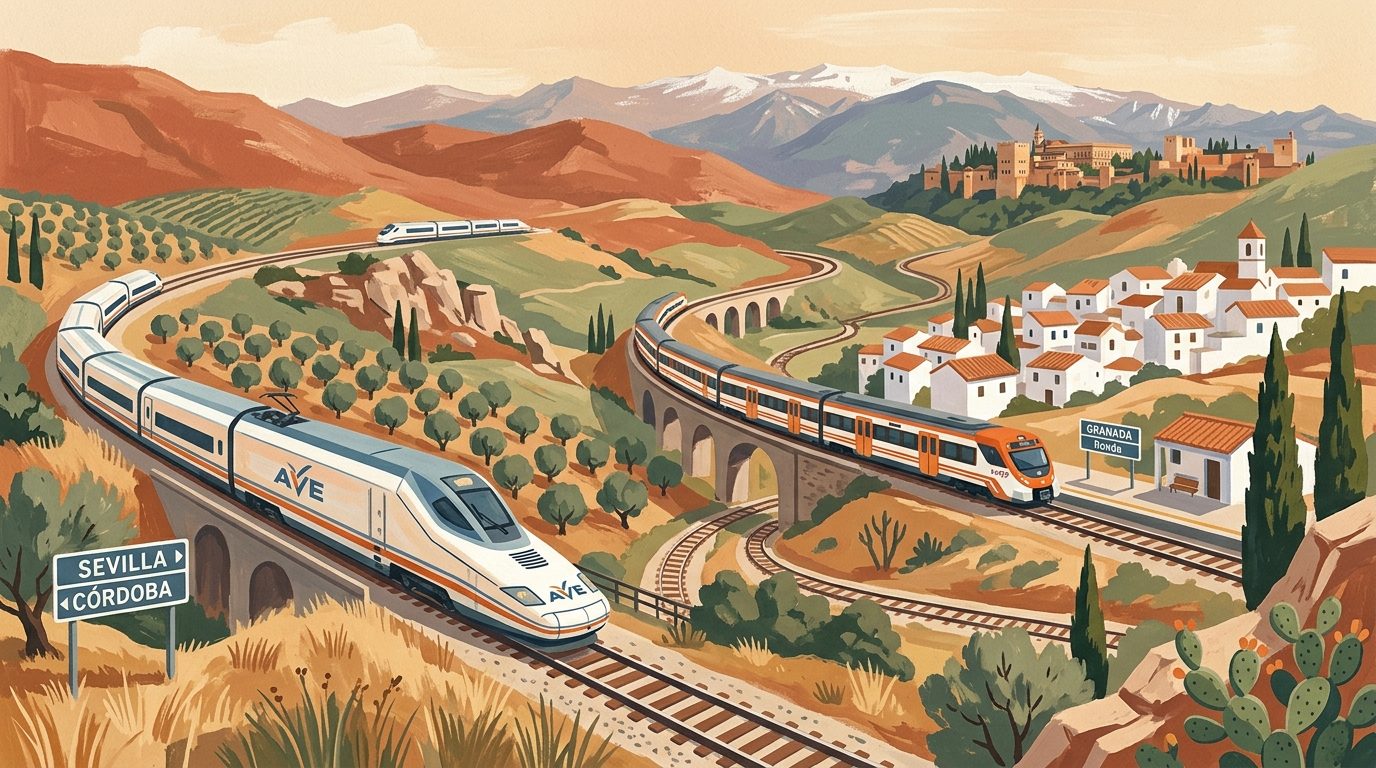
Train travel in Andalucía is centred on a high-speed rail backbone connecting major cities to Madrid, supported by regional and commuter networks for local travel.
Rail travel in Andalucía is efficient and reliable, managed almost exclusively by the state-owned operator, Renfe. The high-speed AVE network links Sevilla, Malaga, and Cordoba to Madrid and each other in under two hours. For smaller towns and coastal areas, you will use Media Distancia or Cercanías services. Tickets should be booked in advance online to secure the lowest fares, as station ticket offices often have long queues and higher prices on the day of travel.
Quick route-planning checklist
- Use trains for: Sevilla to Córdoba, Málaga to Córdoba or Madrid, Granada to Córdoba or Madrid, Cádiz or Huelva to Sevilla, and Málaga Airport to the Costa del Sol.
- Check buses as well for: white villages, many beaches, natural parks, Jaén province, Almería province and late-evening returns.
- Search Spanish station names: use Sevilla-Santa Justa, Málaga-María Zambrano, Córdoba, Granada and Cádiz in operator search boxes.
- Verify the final leg: some stations sit outside the historic centre, so check local bus, taxi or walking access before booking a tight connection.
The Rail Network: High-Speed vs. Regional
Spain’s rail system is divided into three distinct categories. Understanding these is essential for booking the correct ticket and finding the right platform.
1. AVE and Long-Distance (Larga Distancia)
The AVE (Alta Velocidad Española) is the flagship high-speed service. These trains reach speeds of 310 km/h and require a seat reservation.
- Major Hubs: Sevilla Santa Justa, Malaga María Zambrano, and Cordoba Central.
- Alvia/Intercity: These are long-distance trains that use both high-speed and traditional tracks. They are slightly slower than AVE but connect cities like Cadiz and Huelva directly to Madrid.
- Competitors: While Renfe dominates, low-cost operators Iryo and Ouigo now run on the Madrid to Sevilla and Madrid to Malaga routes, often offering lower prices.
2. Avant and Media Distancia (Regional)
These trains connect cities within the region. They are slower than AVE but more affordable.
- Avant: High-speed trains designed for short regional journeys, such as Malaga to Sevilla (approx. 1 hour 55 minutes) or Cordoba to Sevilla (approx. 45 minutes).
- Media Distancia: Standard regional trains. These are the primary way to reach places like Jaén, Almería, or Ronda.
3. Cercanías (Commuter Trains)
These are local suburban networks operating in and around Sevilla, Malaga, and Cadiz. You do not need to book these in advance; tickets are bought from machines at the station.
- Malaga C1 Line: Connects Malaga Airport to the city centre and coastal resorts including Torremolinos, Benalmádena, and Fuengirola. It runs every 20 minutes.
- Sevilla Network: Connects the city centre (Santa Justa and San Bernardo) to suburban towns.
How to Book Train Tickets
For high-speed and regional travel, booking in advance is highly recommended. Prices operate on a dynamic model similar to airlines; the earlier you book, the less you pay.
Using the Renfe Website and App
The Renfe website is notoriously difficult to navigate. If you encounter issues, follow these tips:
- Use the App: The "Renfe" app is often more stable than the desktop site for international credit cards.
- Language Settings: Ensure the site is set to English (top right corner), but search using Spanish station names (e.g., 'Sevilla-Santa Justa' rather than 'Seville') for the most accurate results.
- Third-Party Sites: If the Renfe site fails, use platforms like Trainline or Omio. They charge a small booking fee but offer a much smoother user experience and accept international cards without issue.
Fare Types
Renfe currently uses three main fare tiers for AVE and long-distance travel:
- Básico: The cheapest option. No changes or cancellations allowed. Large luggage is permitted, but seat selection is not.
- Elige: Allows for some flexibility with changes (usually for a fee) and seat selection.
- Prémium: Includes full flexibility, better seating (Comfort class), and often a meal service.
Fares, discounts and schemes
Do not treat old fare examples as reliable. AVE, Avant and long-distance prices are dynamic, and the cheapest tickets may disappear quickly on Fridays, Sundays, holidays and festival weeks. Use the operator's live search for the exact train, then compare the total cost after seat choice, luggage, changes, cancellation terms and booking fees.
Spain has periodically offered discounted or free commuter and Media Distancia passes, but these schemes change by government decision, route and date. They can be useful for residents or long-stay visitors making repeated journeys, but they are rarely worth planning around for a short holiday unless the current Renfe conditions clearly match your itinerary.
The Renfe Pass
The Renfe Spain Pass is available to non-residents. It allows for 4, 6, 8, or 10 journeys over a one-month period on all long-distance and high-speed trains. While convenient, it is often cheaper to book individual "Básico" tickets in advance unless you require total flexibility to travel on specific days at short notice.
Practical Tips for the Station
- Security Checks: For AVE and long-distance trains, there is a mandatory luggage X-ray check. It is fast, but you should arrive at the station at least 30 minutes before departure.
- Platform Closures: Boarding gates for high-speed trains usually close 2 minutes before the train departs. Do not expect the train to wait.
- Valid ID: Always carry your passport or TIE/DNI. Conductors frequently check ID against the name on the digital ticket.
- Accessibility: Renfe directs passengers with disabilities or reduced mobility to Adif Acerca. Some stations offer requested assistance up to 30 minutes before departure, while ad-hoc stations require earlier notice, so check the station type and request assistance as soon as your journey is fixed.
Low-Cost High-Speed Trains
Madrid routes now have more choice than the old Renfe-only pattern. Avlo is Renfe's low-cost brand, while Ouigo and iryo compete on selected high-speed corridors to cities such as Sevilla, Málaga and Córdoba. They can be excellent value, but compare the final price, not just the headline fare.
- Seat and luggage rules: The cheapest ticket may limit seat choice, changes, cancellation and larger bags. Add these during booking if you need them.
- Station choice: In Andalucía the main high-speed stations are central, but in Madrid check whether your connection uses Atocha, Chamartín or both.
- Disruption handling: If you split tickets between operators, each company is usually responsible only for its own train. Leave more connection time than you would on a single through booking.
Luggage, Security and Boarding Reality
High-speed departures feel more like a small airport than a normal railway platform. Bags pass through a scanner before you enter the boarding area, but there is no liquid rule and you keep your shoes and coat on. The queue is usually quick, except on Friday afternoons, Sunday evenings and holiday weekends.
- Arrive earlier with a suitcase: Twenty to thirty minutes is sensible for AVE, Avlo, Ouigo and iryo services, more if you need assistance or are unfamiliar with the station.
- Keep documents handy: Staff may compare your ticket name with passport, DNI, TIE or another accepted ID.
- Mind the gate closure: Once boarding closes, arguing at the barrier rarely helps. Spanish long-distance trains normally leave on time.
Cercanías Lines Visitors Actually Use
Do not overlook commuter trains. Málaga's C1 is the easiest public transport link between the airport, Málaga city, Torremolinos, Benalmádena and Fuengirola. It is often faster and calmer than a taxi queue in peak beach season. The Cádiz bay network is useful for Cádiz, San Fernando, El Puerto de Santa María and Jerez, especially when parking is tight. Sevilla's Cercanías lines are less tourist-heavy, but can help with suburban hotels, university areas and some event journeys.
For towns without a rail stop, compare train and bus travel in Andalucía before booking. The bus is often the better answer for white villages, inland natural parks and late returns from smaller coastal places.
Frequently Asked Questions
Can I take luggage on the train?
Yes, but rules depend on train type and fare. Check the current Renfe luggage conditions before travelling with large suitcases, bikes, sports equipment or anything that may not fit in overhead or carriage-end racks.
Are pets allowed on Renfe trains?
Renfe allows pets under specific conditions, and larger-dog trials or fare products can change by route. Check the current pet policy and our travelling with pets guide before booking, especially if you are travelling with anything larger than a small carrier pet.
Is there Wi-Fi on the trains?
Most AVE trains offer free Wi-Fi through the "PlayRenfe" portal. It is generally stable enough for emails and basic browsing but may struggle with streaming in tunnels. Media Distancia and Cercanías trains do not have Wi-Fi.
Can I buy food on board?
AVE and long-distance trains have a cafeteria car (Coche Cafetería) serving coffee, sandwiches, and snacks. Prices are higher than at station cafes. Media Distancia trains generally do not have catering, so bring your own water and food for longer journeys like Sevilla to Almería.
Summary
- Book in advance: Use the operator site or app early for long-distance trains, then check change and cancellation terms before paying.
- Arrive early: High-speed trains require a security check; arrive 30 minutes before departure.
- Check the train type: AVE and Avant are fast; Media Distancia and Alvia are slower but reach more destinations.
- Discount schemes: Check current Renfe abono or discount conditions if staying in the region for several months.
Official checks before booking
Use Renfe for mainline, Avant, Media Distancia and Cercanías searches, Renfe Cercanías Málaga for the airport/coast line, Renfe and Adif Acerca for assistance, Renfe pet rules for animals, Ouigo Spain and Iryo for competing high-speed services where available.
Last reviewed: 14 July 2026 · Editorial policy
Related guides
A Practical Guide to Bus Travel in Andalucía with Alsa
A comprehensive guide to using Alsa buses in Andalucía, covering booking tips, major routes, luggage rules, and station facilities.
7 min read

Hiring a Car in Andalucía: A Practical Guide
A practical guide to hiring a car in Andalucía, covering rental contracts, deposits, insurance exclusions, parking, tolls, cross-border rules and official driving checks.
7 min read

Money and Costs in Andalucía: A Practical Guide
A practical guide to money, daily costs, and banking in Andalucía. Discover typical prices for meals and transport, plus expert tips on avoiding ATM fees and navigating local banks.
9 min read

Airports in Andalucía: A Practical Guide for Travellers
A practical guide to Andalucía's five international airports, covering transport links, airlines, and transfer costs for Málaga, Sevilla, Jerez, Granada, and Almería.
7 min read

A Practical Guide to Solo Travel in Andalucía
Andalucía is a safe, accessible destination for solo travellers, offering excellent public transport and a social dining culture perfectly suited to those exploring alone.
7 min read
Mobile Data, SIM Cards and WiFi in Andalucía: A Practical Guide
A comprehensive practical guide to securing mobile data, SIM cards and WiFi in Andalucía. Learn about mandatory ID laws, navigating the transition from tourist eSIMs to resident contracts, and avoiding the most common connectivity traps in southern Spain.
8 min read
More guides
Using a VPN in Andalucía: A Practical Guide for Travellers and Residents
A comprehensive guide to using a VPN in Andalucía for security, accessing UK streaming services, and maintaining privacy on public Wi-Fi.
6 min read
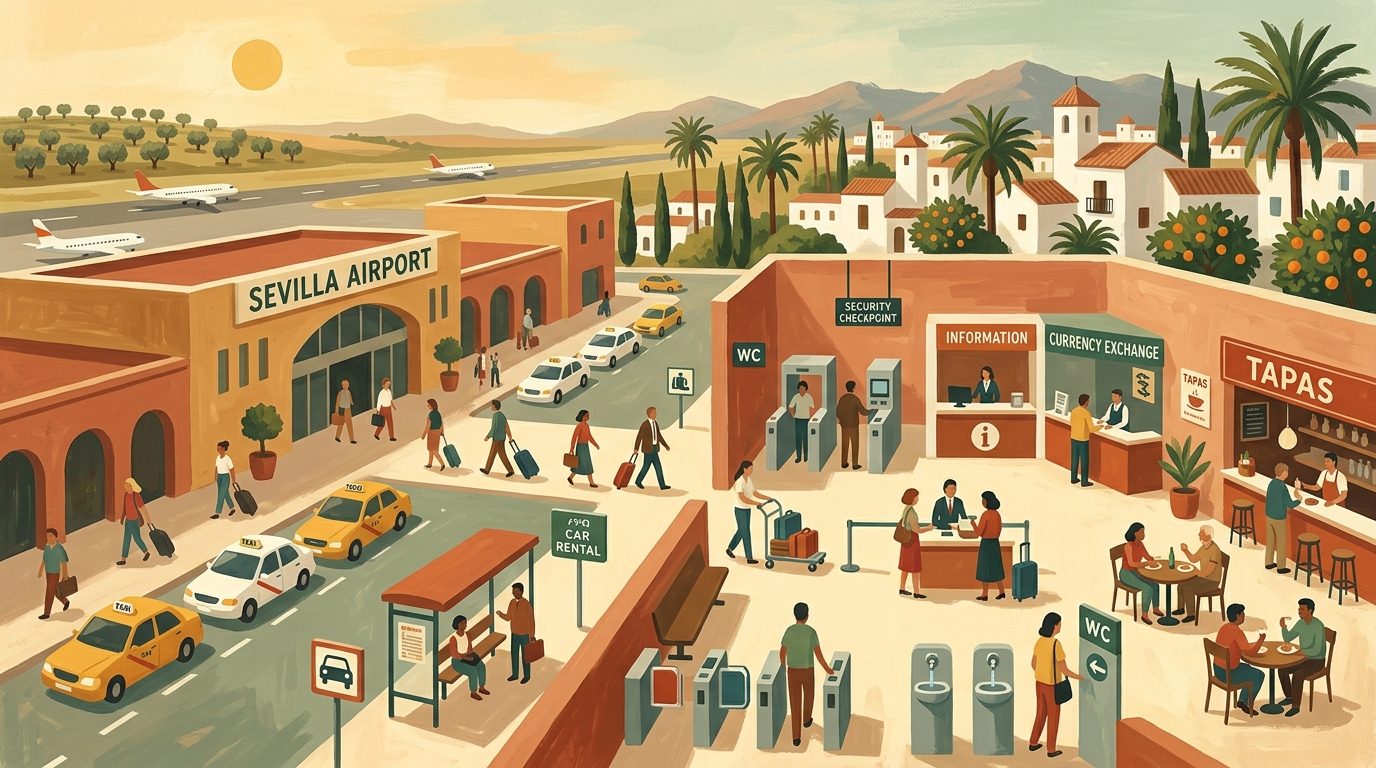
Sevilla Airport (SVQ) Guide: Transport, Facilities and Tips
A practical guide to Sevilla Airport (SVQ) covering the EA bus, taxi flat rates, terminal facilities, car hire, and connecting to wider Andalucía.
9 min read
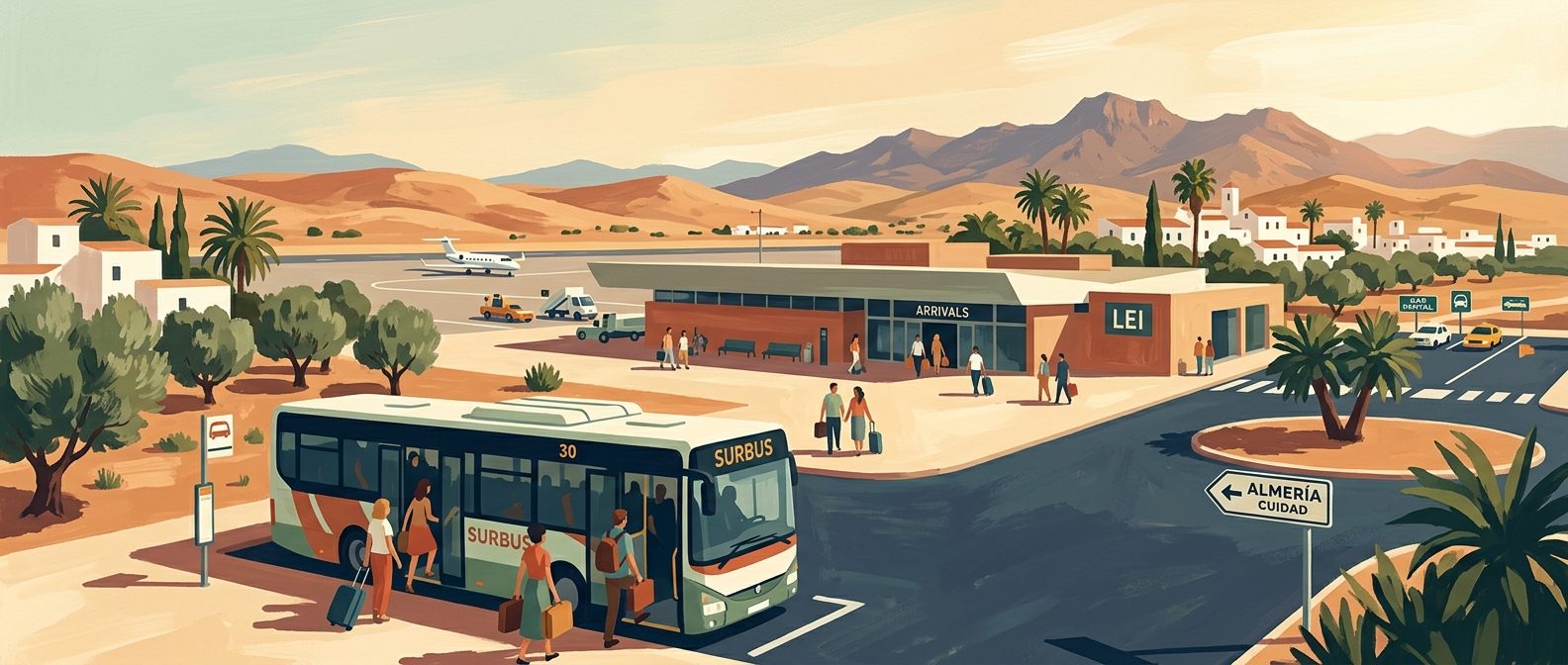
Practical Guide to Almería Airport (LEI)
A practical logistics guide to arriving at Almería Airport (LEI). Discover how to navigate terminal facilities, use the Surbus Line 30, connect to intercity buses, and avoid common transport mistakes.
7 min read
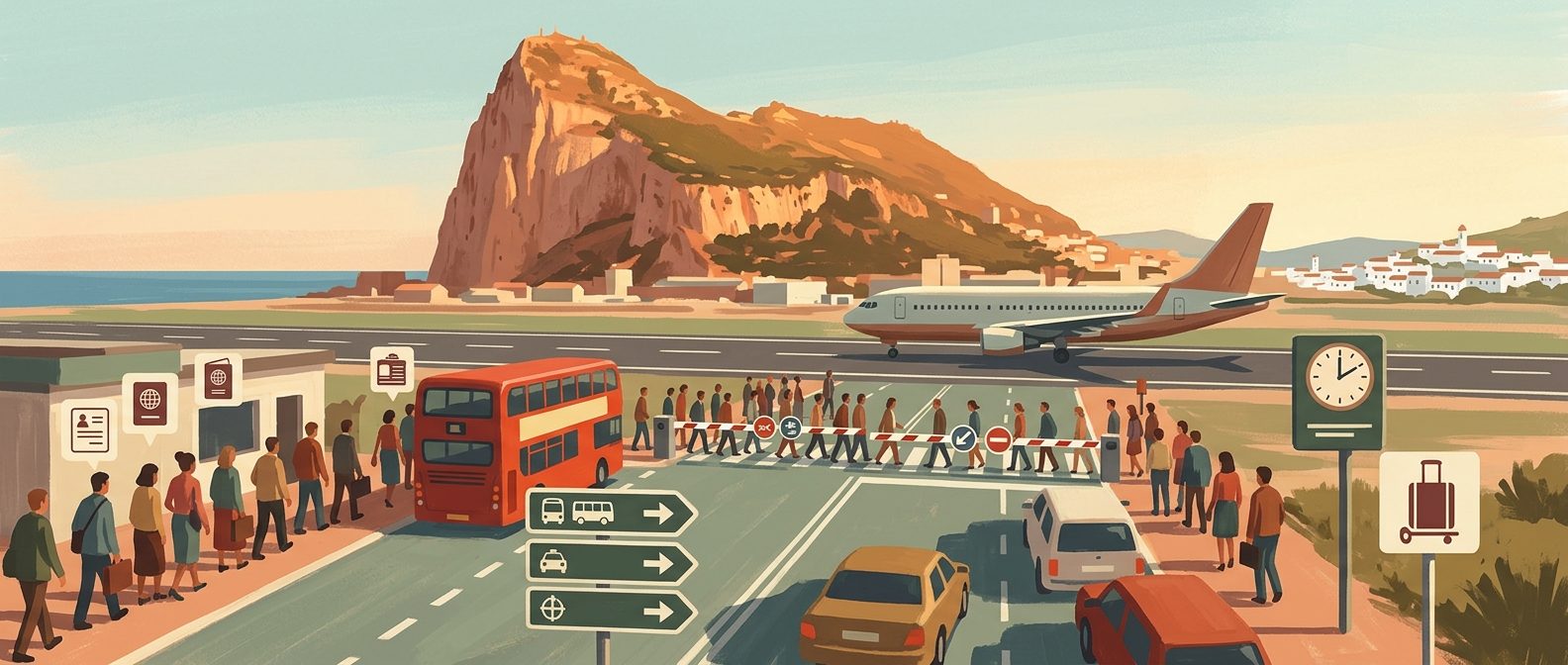
Practical Guide to Gibraltar International Airport (GIB)
A practical guide to using Gibraltar Airport (GIB) for trips into Andalucía, covering border logistics, avoiding vehicle queues, Spanish transport options, and how to handle wind diversions.
8 min read
Málaga-Costa del Sol Airport (AGP) Travel Guide
A deep practical guide to navigating Málaga-Costa del Sol Airport (AGP). Learn the realities of arrivals, transport connections, parking rules, and common mistakes.
8 min read
Federico García Lorca Granada-Jaén Airport Guide: Transport, Costs and Tips
A complete practical guide to Granada-Jaén Airport (GRX), covering airport buses, taxi fares, car hire friction, terminal facilities, and the step-by-step reality of arriving and departing.
7 min read

Jerez Airport (XRY): The Complete Guide to the Gateway of Cádiz
A deep-dive practical guide to using Jerez Airport (XRY). Learn the realities of onward transport to Cádiz province, car hire friction, train timetables, and how to avoid the most common arrival mistakes.
8 min read

Understanding Spanish Festival Culture in Andalucía
A deep dive into Andalucían festival culture for residents and visitors. Understand Semana Santa, ferias, local holidays, etiquette, administrative friction and how to survive the local party season.
9 min read
Driving in Andalucía: Rules, Tolls, and Parking Guide
A practical guide to driving in Andalucía, covering road rules, ZBE checks, AP-7 toll choices, parking, roundabouts, breakdown equipment and official sources.
9 min read
Newsletter
More stories from Andalucía
Weekly notes, seasonal picks, and the next guides worth bookmarking.