
Route
Budget Backpacker Guide to Andalucía
Andalucía on a shoestring is entirely possible if you know where to eat, how to travel, and which timing tricks unlock the region's monuments for free. Taking this approach strips away the tourist premium to show you exactly how to backpack southern Spain on less than €50 a day.
By Dan · Updated 8 May 2026 · 10 min read
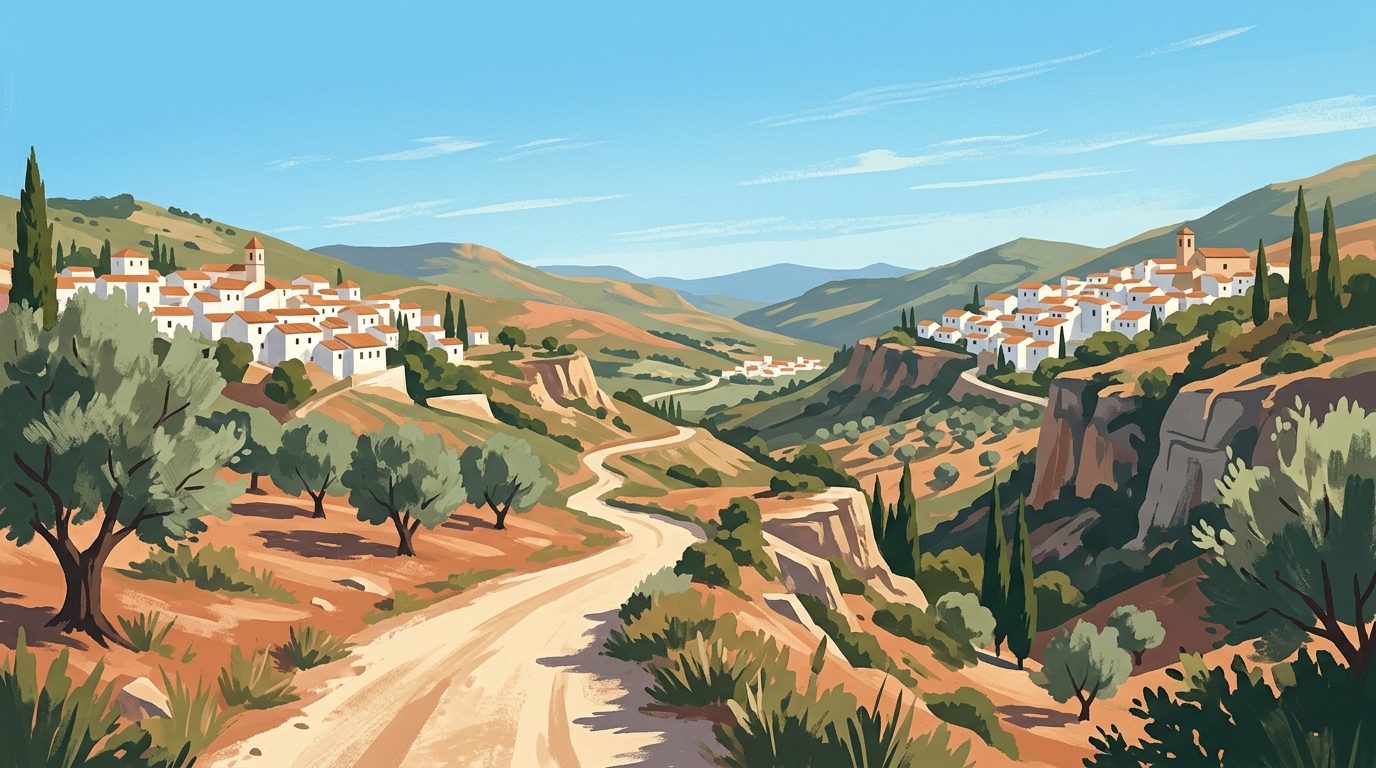
Andalucía on a shoestring is entirely possible if you know where to eat, how to travel, and which timing tricks unlock the region's monuments for free. Taking this approach strips away the tourist premium to show you exactly how to backpack southern Spain on less than €50 a day.
Southern Spain operates on two parallel financial realities. There is the international circuit, defined by €300-a-night converted palaces, private flamenco shows, and €25 plates of jamón ibérico. Then there is the local reality: an entire infrastructure designed for university students, young professionals, and minimum-wage workers. If you align yourself with the latter, backpacking across the eight provinces of Andalucía becomes remarkably affordable.
Many travellers assume that a region famous for monumental palaces and sprawling coastal resorts will drain their travel funds instantly. The truth is quite the opposite. Andalucía is arguably the most budget-friendly region in Western Europe, provided you understand its specific rhythms. This means adopting the local schedule, eating your main meal at 2:30 PM, utilising the extensive intercity bus network, and memorising the exact hours when the major monuments open their doors for free.
Having spent entirely too many hours waiting for delayed buses in the midday sun and navigating the crowded tapas bars of Granada, I can assure you that travelling here cheaply does not mean sacrificing quality. You will still eat exceptional food, sleep in highly rated accommodation, and stand inside thousand-year-old mosques. You simply need to know how the system works to backpack Andalucía on a tight budget.
The Daily Budget Breakdown
To comfortably travel through Andalucía, you should aim for a daily budget of €45 to €55. Here is exactly where that money goes:
- Accommodation (€18 to €28): A bed in a highly rated hostel dorm. Prices spike in April and May, but drop significantly in November and February.
- Food & Drink (€15 to €20): A supermarket breakfast (€3), a substantial lunch from a bakery or local market (€6), and two beers with free tapas in the evening (€6 to €10).
- Transport (€5 to €10): Averaged out over a week. Intercity bus tickets usually cost between €10 and €20, so on days you don't travel between cities, this budget shifts to local city buses (€1.40) or stays in your pocket.
- Activities (€0 to €5): Relying heavily on free monument hours, free walking tours (remember to tip the guide €5 to €10), and public beaches or hiking trails.
Moving Around: The Transport Strategy
Do not look at the high-speed AVE trains unless you have money to burn. The true backpacker's lifeline in southern Spain is the bus network and ride-sharing.
ALSA Buses: ALSA is the dominant bus operator. Their standard coaches are perfectly comfortable, heavily air-conditioned, and usually on time. Sign up for the free 'ALSA Plus' digital card before you buy your first ticket; it waives the booking fees and eventually earns you free trips. A standard ticket from Sevilla to Granada will cost around €25, but booking two weeks in advance can drop this to €15.
BlaBlaCar: Ride-sharing is an institution in Spain. It is frequently cheaper and faster than the bus, especially for routes that require awkward connections, like Cádiz to Tarifa or Málaga to Ronda. Download the app, look for drivers with high ratings, and prepare for a very talkative journey. Pick-up points are usually specific roundabouts or petrol stations rather than central terminals (in Sevilla, you will often meet drivers at the Prado de San Sebastián).
Media Distancia Trains: While high-speed trains are expensive, Spain's slower 'Media Distancia' (MD) trains are sometimes heavily subsidised. The MD train from Sevilla to Cádiz takes just under two hours and costs approximately €16.65 (check fares on the official Renfe website before travelling).
The Free Tapas Capitals: Granada, Almería, and Jaén
If you are travelling on a budget, you will spend a significant amount of time in Granada, Almería, or Jaén. In these provinces, the tradition of the free tapa remains firmly intact. You do not pay for food; you pay for a drink, and the food arrives automatically.
In Granada, the system operates on unwritten escalation. Your first drink (usually a €2.50 to €3.00 caña of Alhambra beer or a tinto de verano) will arrive with a modest serving of olives or potato salad. Order a second round, and you might receive a mini burger or fried fish. By the third round, expect a generous plate of paella. You do not get to choose the tapa; you eat what the kitchen sends out. Head to Bar Los Diamantes on Calle Navas for exceptional fried seafood (stand at the bar and prepare for noise), or Bodegas Castañeda for traditional stews and local wine.
In Almería, the system is more democratic: you actually get to choose your free tapa from a chalkboard menu. Order a beer at the historic Casa Puga and request the grilled pork loin or the spicy potatoes. Three rounds here will cost you less than €10 and leave you entirely full.
Cheap Eats in the Rest of the Region
In Sevilla, Córdoba, and Málaga, you will generally have to pay for your tapas. To survive here without emptying your wallet, follow these rules:
Look for the Menú del Día (Menu of the Day). Available only at lunchtime (between 1:30 PM and 3:30 PM) from Monday to Friday, this is a legally mandated worker's lunch. For €10 to €14, you receive a starter, a main course, bread, a drink, and coffee or dessert. You will spot the chalkboards outside neighbourhood bars. Avoid the ones translated into four languages.
In Sevilla, eat montaditos (small toasted sandwiches). At Bodeguita Romero, you can order the famous piripi sandwich (pork loin, bacon, cheese, tomato, and mayonnaise) for around €3.50. Pair it with a Cruzcampo beer, and you have a very cheap lunch. In Cádiz, head to Freiduría Las Flores, where you can buy paper cones of freshly fried dogfish and shrimp fritters (tortillitas de camarones) for a few euros and eat them sitting on the seawall.
Hacking the Monuments: Free Entry Times
You do not need to spend €100 on admission tickets to see Andalucía's greatest architecture. By law, major heritage sites in Spain must offer a period of free public access. You simply need to align your itinerary with these windows.
- Royal Alcázar of Sevilla: Free entry on Mondays. From April to September, the free window is 6:00 PM to 7:00 PM. From October to March, it is 4:00 PM to 5:00 PM. You absolutely must book this online weeks in advance through the official Real Alcázar ticketing portal; they charge a €1 administrative fee (check on the operator's website before travelling), which is entirely worth it to skip the standard ticket.
- Mezquita-Catedral of Córdoba: Free entry from Monday to Saturday between 8:30 AM and 9:30 AM (verify current times on the official Mezquita website before travelling). This is specifically for individual visitors, meaning no large tour groups are allowed. The guards will strictly herd everyone out at 9:30 AM, so arrive at 8:25 AM to maximise your time in the stunning arches.
- The Alhambra (Granada): The main Nasrid Palaces are never free, and frankly, you should bite the bullet and pay approximately €19.09 to see them (book months in advance via the official Patronato de la Alhambra booking portal). However, if you are strictly broke, you can enter the Alhambra grounds, walk through the massive Palace of Charles V, visit the Alhambra Museum, and explore the nearby Carmen de los Mártires gardens entirely for free.
- Picasso Museum & Alcazaba (Málaga): The Picasso Museum is free every Sunday during its last two hours of opening. The Moorish Alcazaba fortress is free every Sunday after 2:00 PM.
The Backpacker Route: A Two-Week Itinerary
If you have two weeks, this route guarantees maximum cultural exposure with minimal financial damage, leaning heavily on cheap transit and highly rated hostels.
Stage 1: Málaga (2 Days)
Fly into Málaga-Costa del Sol Airport (AGP), the cheapest entry point to southern Spain. Take the local C1 Cercanías train to the centre for €1.80. Check into The Lights Hostel, known for its cheap nightly sangria events and rooftop terrace. Walk up the steep path to the Gibralfaro viewpoint at sunset (free), and buy fresh fruit and cheap almonds at the Atarazanas Market.
Stage 2: Granada (3 Days)
Take the 90-minute ALSA bus from Málaga to Granada. Settle into Makuto Guesthouse in the historic Albaicín district. Spend your days hiking the free Los Cahorros gorge trail in the nearby village of Monachil (accessible via the 0183 local bus for €1.55). In the evenings, navigate the free tapas route. For the best view of the Alhambra, skip the heavily crowded Mirador de San Nicolás and hike slightly higher to the Mirador de San Miguel Alto.
Stage 3: Córdoba (1 Day)
Catch a morning bus to Córdoba. This city is intensely hot and expensive to sleep in during peak season, so one night is sufficient. Book a bed at Hostel La Corredera, situated right on the main historic square. Wake up early the next morning for the free 8:30 AM entry to the Mezquita.
Stage 4: Sevilla (3 Days)
Take the bus south to Sevilla. Stay at La Banda Rooftop Hostel, which offers highly social rooftop dinners that are cheaper than eating out. Spend an afternoon wandering the ceramic shops of the Triana neighbourhood, and spend your evenings at the Alameda de Hércules, a massive tree-lined plaza packed with students drinking cheap beers on outdoor terraces.
Stage 5: Cádiz and The Coast (3 Days)
Take the MD train from Sevilla to Cádiz, the oldest continuously inhabited city in Western Europe. Drop your rucksack at Casa Caracol, a legendary backpacker institution with hammocks on the roof. Spend your days on Playa de la Victoria (free) and eat lunch at the Mercado Central, where you can buy fresh tuna steaks and have local stalls cook them for a tiny fee.
Stage 6: Tarifa (2 Days)
Take the TG Comes bus down the Costa de la Luz to Tarifa, the southernmost point of continental Europe. Stay at South Hostel Tarifa. Walk the narrow causeway where the Mediterranean Sea meets the Atlantic Ocean, watch the kite-surfers, and buy cheap bocadillos from the bakeries in the old town walls.
Free Outdoor Activities
You do not need to pay for entertainment in a region with this geography. If you enjoy hiking, head to the Alpujarras, a series of white villages clinging to the southern slopes of the Sierra Nevada. Take a bus to Pampaneira and hike up through the Poqueira Gorge to Capileira: the trails are public and perfectly marked.
If you want to walk the famous Caminito del Rey near Málaga, you must plan ahead. It is relatively cheap at €10, but tickets sell out fast. You can book official access via guided Caminito del Rey tours if the standard tickets are gone. Alternatively, visit El Torcal de Antequera, a bizarre and beautiful limestone karst landscape that is completely free to wander.
Practical Information for Budget Travellers
Water is Free: Under the 2022 'Ley de Residuos', all bars, cafes, and restaurants in Spain are legally required to provide free tap water (agua del grifo) to anyone who asks. Never pay €2.50 for a plastic bottle of water with your meal. Carry a reusable bottle; the tap water across Andalucía is safe and clean, though it tastes slightly chlorinated in coastal cities like Málaga.
When to Go: Timing is everything. Do not come in July or August. The heat routinely exceeds 40°C, walking with a 65-litre rucksack becomes physically dangerous, and coastal hostels triple their prices. Avoid Easter Week (Semana Santa) and the April fairs (Feria de Abril) in Sevilla, as budget accommodation entirely disappears. The optimum times for backpackers are mid-September to November, and March to early May.
Student Discounts: If you are under 26 or hold a valid university ID (like the ISIC card), keep it in your wallet. Almost every museum, cathedral, and archaeological site in Andalucía offers a tarifa reducida, often cutting the entry fee in half. Always ask for the "descuento de estudiante" before paying.
Cash vs Card: While contactless payments are accepted almost everywhere post-2020, you should always carry about €20 in coins and small notes. You will need cash for the €1.40 local bus fares, luggage lockers at bus stations, and the very old, very traditional tapas bars in Granada that still refuse to install card machines.
Last reviewed: 21 June 2026 · Editorial policy
Related guides
A Practical Guide to Solo Travel in Andalucía
Andalucía is a safe, accessible destination for solo travellers, offering excellent public transport and a social dining culture perfectly suited to those exploring alone.
7 min read
Andalucía Solo: The Backpacker's Ten Days Route
A 10-day blueprint for solo travellers navigating Andalucía by bus and train. From the free tapas of Granada to the desert beaches of Cabo de Gata, this is the definitive backpacker route.
10 min read
A Practical Guide to Bus Travel in Andalucía with Alsa
A comprehensive guide to using Alsa buses in Andalucía, covering booking tips, major routes, luggage rules, and station facilities.
7 min read
Guide to Train Travel in Andalucía: Renfe, AVE, and Regional Routes
A practical guide to train travel in Andalucía, covering AVE, Avant, Media Distancia, Cercanías, airport rail, booking checks, accessibility and operator links.
8 min read
Hiring a Car in Andalucía: A Practical Guide
A practical guide to hiring a car in Andalucía, covering rental contracts, deposits, insurance exclusions, parking, tolls, cross-border rules and official driving checks.
7 min read
Money and Costs in Andalucía: A Practical Guide
A practical guide to money, daily costs, and banking in Andalucía. Discover typical prices for meals and transport, plus expert tips on avoiding ATM fees and navigating local banks.
9 min read
More guides
Doñana National Park Guide: Marshes, Lynx, and Restricted Zones
A shifting landscape of tidal marshes, ancient pine forests, and wind-sculpted dunes, Doñana is Europe's most crucial wetland reserve. Navigating its restricted zones requires planning, but the reward is encountering Iberian lynx and thousands of migratory flamingos in total wilderness.
9 min read
Walking the GR7 in Andalucía: The Ultimate Guide to Spain's Great Southern Trail
Leave the crowds behind and tackle Spain's greatest long-distance trail. From navigating faded waymarks to crossing the high Alpujarras, here is exactly how to walk the GR7 in Andalucía.
11 min read
The Ultimate Andalucía Photography Route: Chasing Light Across Southern Spain
Forget the bleached-out midday snaps and crowded tourist viewpoints; photographing southern Spain requires an obsession with timing and terrain. This comprehensive route guides you to the exact coordinates and precise hours needed to capture the region's finest architectural geometry and dramatic geology.
9 min read
Roman Andalucía Heritage Trail
Before the Moorish emirs reshaped southern Spain, this territory was the fiercely wealthy Roman province of Baetica, a crucial supplier of olive oil and emperors to the empire. This seven-day route traces the classical footprint across Andalucía, leading you from coastal fish-salting ruins and lonely mountain amphitheatres to the architectural remnants that bridged the fall of Rome and the rise of Al-Andalus.
9 min read
The Alpujarras Complete Guide: High Altitudes and Moorish Footpaths
South of the Sierra Nevada, the Alpujarras is a high-altitude network of steep ravines, ancient irrigation channels, and white villages clinging to the mountainside. This guide covers how to navigate the hairpin bends, where to find the best hiking trails, and which village suits your basecamp needs.
9 min read
The Ultimate Jamón Ibérico Route: Through Huelva and Córdoba
Tracking down the world's finest ham is an exercise in geography, patience, and appetite. This three-day drive through the ancient oak forests of Huelva and Córdoba takes you straight to the source of authentic Jamón 100% Ibérico de Bellota.
9 min read
Best Weekend Breaks in Andalucía
When you live in southern Spain, the temptation is to spend every weekend repeating the same comfortable Sunday routines. These seven targeted 48-hour itineraries bypass the obvious tourist traps, giving residents and expats a genuine excuse to pack a weekend bag and drive somewhere entirely new.
11 min read
One Week in Andalucía Itinerary: The Classic Triangle & Ronda
Seven days in southern Spain is just enough time to trace the defining Moorish capitals and mountain roads of Andalucía. This itinerary strips away the coastal sprawl to focus entirely on the essential cities of Málaga, Granada, Córdoba, and Sevilla, returning via the dramatic mountain gorge of Ronda.
9 min read
Motorcycle Touring in Andalucía: The Ultimate Rider's Guide
Forget the motorways; Andalucía’s true character is carved into its mountain passes, where immaculate asphalt drapes across deep ravines and high-altitude plateaus. This is a landscape built for motorcycles, offering thousands of kilometres of technical riding.
9 min read
Newsletter
More stories from Andalucía
Weekly notes, seasonal picks, and the next guides worth bookmarking.