
Route
Best Weekend Breaks in Andalucía
When you live in southern Spain, the temptation is to spend every weekend repeating the same comfortable Sunday routines. These seven targeted 48-hour itineraries bypass the obvious tourist traps, giving residents and expats a genuine excuse to pack a weekend bag and drive somewhere entirely new.
By Dan · Updated 7 June 2026 · 11 min read
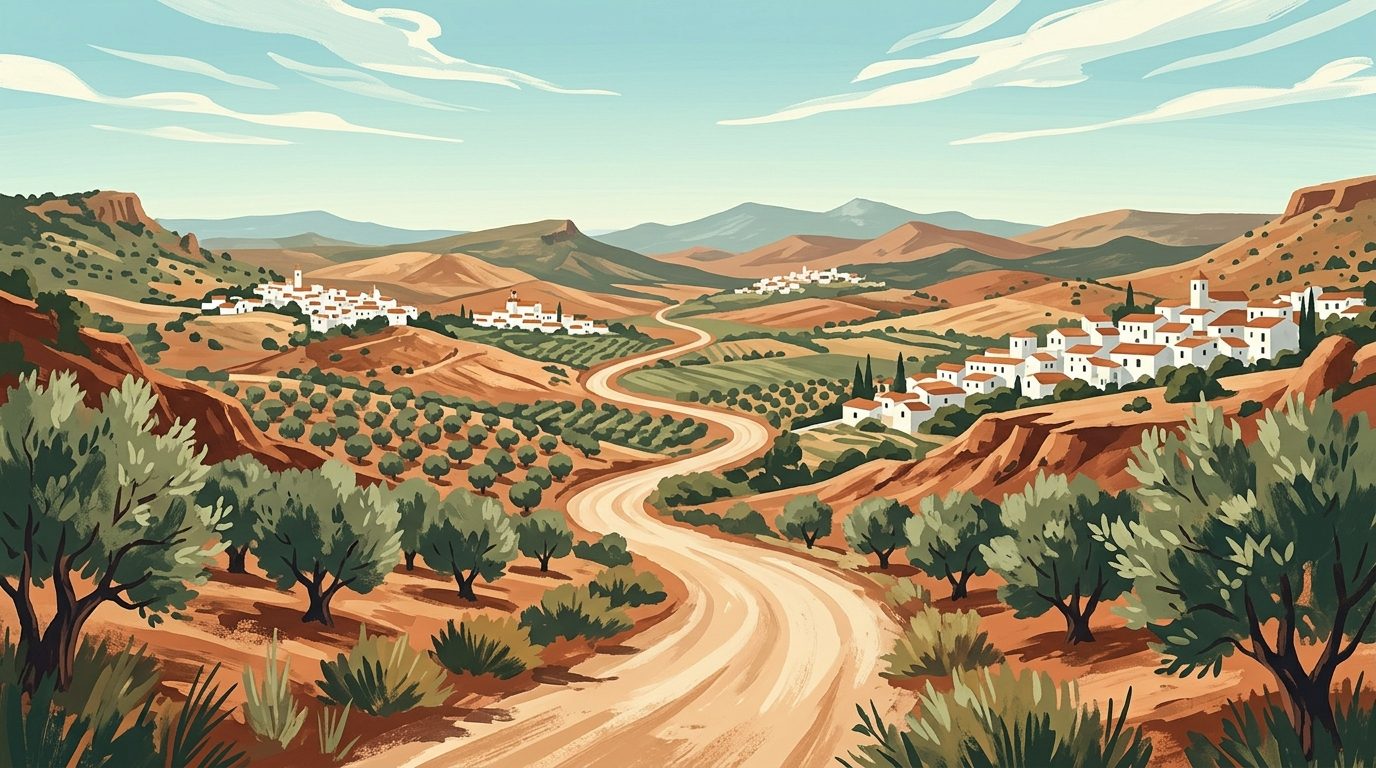
When you live in southern Spain, the temptation is to spend every weekend repeating the same comfortable Sunday routines. These seven targeted 48-hour itineraries bypass the obvious tourist traps, giving residents and expats a genuine excuse to pack a weekend bag and drive somewhere entirely new.
Living in southern Spain means you are rarely more than a three-hour drive from alpine forests, Atlantic surf, or semi-arid desert. Yet, familiarity often breeds complacency. Expats and residents frequently fall into a comfortable holding pattern: the same Sunday beach walk, the same local tapas bar, the same mid-morning tostada order. The geographical diversity of this region is staggering, but accessing it requires a willingness to break your routine.
These itineraries provide an antidote to the default weekend. We have designed seven highly specific, 48-hour escapes tailored for those who already know the region’s basic layout but want to dig deeper into its varied provinces without exhausting themselves behind the wheel. These are not frantic sightseeing tours aimed at first-time visitors ticking boxes. Instead, they are focused itineraries built around distinct geographical zones, from the wind-scoured coastline of Cádiz to the isolated mountain roads of Jaén.
Whether you want to navigate the hairpin bends of the Sierra de Segura, decipher the wind forecasts on the Strait of Gibraltar, or trace the legacy of Renaissance architects in the olive-growing heartlands, these two-night trips require minimal planning and deliver maximum return. We detail the exact roads to take, the precise times to avoid the crowds, and the harsh realities of seasonal weather, allowing you to plan a getaway that actually feels like a break.
Ronda: Gorge Walks and High-Altitude Wine
The approach to Ronda sets the tone for the entire weekend. Driving up the A-397 from San Pedro de Alcántara is a relentless 45-kilometre mountain pass that climbs quickly from the coast into the Serranía de Ronda. The road is heavily favoured by motorcyclists on Sunday mornings, so keep a close eye on your mirrors. Arrive by 10:00 on Friday and head straight for the underground parking at Plaza del Socorro to avoid the gridlock of day-trippers arriving by coach.
Day 1: The Tajo Gorge and Historic Quarter
Avoid the midday bottleneck at the Puente Nuevo. Instead, spend your afternoon walking down the Camino de los Molinos trail into the base of the El Tajo gorge. The light hits the bridge perfectly around 18:00, offering a far better perspective than you get from the top. In the evening, cross into the old Moorish quarter and secure a table for dinner. Weekend dining spots in Ronda fill up entirely by Thursday, so advance reservations are essential. Base yourself in a converted historic house within the old town walls to keep walking distances short.
Day 2: Wineries and Cave Dwellings
Ronda is gaining serious traction for its high-altitude viticulture. Drive out to Finca Descalzos Viejos, an estate set inside a restored 16th-century monastery surrounded by terraced vines, for a morning tasting. In the afternoon, take the CA-4223 north for thirty minutes to Setenil de las Bodegas. The village houses are built directly into the rock overhangs of the Trejo river gorge. Stop for a late lunch of locally cured pork under the massive stone ceilings of Calle Cuevas del Sol before heading home.
Nerja: Caverns and Coastal Trails
The eastern Costa del Sol feels entirely distinct from the concrete sprawl extending west of Málaga. When approaching Nerja, abandon the A-7 motorway early and take the N-340 coastal road for the final stretch. This route hugs the cliffs and reveals the abrupt, dramatic way the Sierra de Almijara mountains drop directly into the Mediterranean Sea.
Day 1: Subterranean Scale and Wood-Fired Paella
Arrive at the Cuevas de Nerja exactly at opening time (check on the operator's website before travelling). Getting in early allows you to appreciate the immense scale of these caverns (including the central column, which is the largest in the world) before the acoustics are ruined by large tour groups. By midday, drive down to Burriana Beach. Walk past the modern restaurants and go straight to Chiringuito Ayo, a local institution operating for decades, for a massive plate of wood-fired paella cooked in iron pans on the sand. Burn off lunch with a two-hour guided sea kayak tour along the Maro-Cerro Gordo cliffs, exploring the sea caves.
Day 2: The Heights of Frigiliana
Drive six kilometres inland on the MA-5105 to Frigiliana. Park your car at the public lot at the bottom of the village; do not attempt to drive through the narrow, steep upper streets. Spend the morning hiking the lower section of the Río Chíllar, wading through the shallow water. Alternatively, for a rigorous physical challenge, tackle the El Fuerte trail. This steep ascent yields uninterrupted, sweeping views across the coastline. Return to a boutique hotel in Nerja's centre for evening tapas around the Balcón de Europa.
Tarifa: Wind, Sand, and Roman Ruins
The success of a weekend in Tarifa hinges entirely on the weather. Check the Windguru app before travelling. If a strong Levante wind is blowing above 25 knots from the east, the beaches become sandblasted endurance tests. When the wind is calm, or a lighter Poniente is blowing from the west, the coastline is spectacular. Drive in via the N-340 through the hills above Algeciras for your first clear view of the Moroccan coastline rising across the Strait of Gibraltar.
Day 1: Almadraba Tuna and Old Town Alleys
Make your base inside the Guzmán el Bueno city walls. A restored riad-style guesthouse in the historic centre is ideal. Spend your first evening navigating the narrow grid of streets around Calle San Francisco. The local culinary speciality is wild red tuna, caught using the traditional Almadraba netting system. Order ventresca (belly) or morrillo (neck) simply seared on a hot griddle at a local tavern.
Day 2: Baelo Claudia and the Great Dune
Drive 20 kilometres west along the N-340, turning off onto the CA-8202 towards the coastal village of Bolonia. Here, the remarkably intact Roman ruins of Baelo Claudia sit directly on the sand. After exploring the ancient basilica and the fish-salting vats where garum was produced, walk west along the beach. Climb the massive natural sand dune that encroaches on the pine forest for a panoramic view over the bay. If the wind is right, return to Los Lances beach in Tarifa for an introductory kitesurfing lesson in the afternoon.
Cazorla: Deep Gorges and Wildlife Trails
The Sierras de Cazorla, Segura y Las Villas form Spain's largest protected natural space, located in the east of Jaén province. Reaching the interior requires patience. The A-319 road from Cazorla town into the heart of the park is a tortuous, winding route; covering just 40 kilometres can take well over an hour behind slow-moving local traffic. Drive carefully at dusk, as wild boar, red deer, and ibex frequently cross the macadam.
Day 1: Mountain Passes and Vultures
Check into your accommodation in Arroyo Frío, which serves as the most practical base for accessing the main hiking routes. A rural apartment with a fireplace is highly practical, as evening temperatures plummet here even in spring. Drive up to the Mirador de las Palomas for an introductory view of the Guadalquivir river valley. In the late afternoon, walk the short Cerrada de Utrero trail, a limestone gorge where you have a strong chance of spotting griffon vultures circling on the thermals.
Day 2: The Río Borosa Challenge
Arrive at the Torre del Vinagre visitor centre by 08:00 to tackle the Río Borosa trail. This linear route follows the water through deep, sheer-sided limestone gorges. Walking all the way up to the Salto de los Órganos waterfall and returning to your car is a 22-kilometre commitment. If you prefer a lighter day, simply hike the first five kilometres through the narrow wooden boardwalks of the Cerrada de Elías before turning back. In the evening, join a guided 4x4 wildlife spotting tour to explore the restricted areas of the park.
Aracena: Chestnut Forests and Iberian Pork
Located in the northern reaches of Huelva province, the Sierra de Aracena revolves around dense chestnut forests and the production of premium Iberian pork. Take the N-433 road westward from Sevilla. The landscape transitions dramatically from flat, sun-baked agricultural plains to rolling, heavily wooded hills known as the dehesa: the unique ecosystem where black Iberian pigs roam freely under the oak trees.
Day 1: Subterranean Lakes and Cured Hams
Start your weekend underground at the Gruta de las Maravillas right in the centre of Aracena town. Access is strictly by guided tour, and tickets sell out on weekends, so book online at least a week ahead to secure your entry. Spend your afternoon focused on the local gastronomy. Book a visit to a working Iberian pig farm and ham curing cellar (secadero) to understand the rigid classification system of jamón ibérico de bellota.
Day 2: The Balcony of the Sierra
Drive west on the HU-8105 towards the small village of Alájar. Park on the edge of the village and walk up the steep, cobbled path to the Peña de Arias Montano. This rocky outcrop features a 16th-century hermitage and provides severe, plunging views over the southern valleys towards the coast. Stay in a restored village house in Alájar for a perfectly silent night, waking up early to buy local honey and goat's cheese from the village market before your drive home.
Cabo de Gata: Volcanic Coasts and Desert Tracks
Europe’s only true desert climate is located on the remote south-eastern corner of Almería province. The wind here can be punishing, and the intense summer heat is dangerous. Save this specific trip for the cooler months between November and April. Access the park via the AL-3115, watching the landscape shift into stark, cinematic badlands filled with agave plants and esparto grass.
Day 1: Salt Flats and the Lighthouse
Make the coastal town of San José your base for the weekend. A seafront aparthotel provides easy access to the local hiking trails. In the late afternoon, drive the AL-3115 south out to the Faro de Cabo de Gata. The road narrows significantly past the coastal salt flats, where you can often spot flocks of migratory flamingos, and ends abruptly at a lighthouse overlooking the jagged volcanic rocks of the Arrecife de las Sirenas. The sunset here, dropping directly into the ocean, is exceptional.
Day 2: Hiking the Badlands
Leave the car in San José and hike the coastal dirt tracks heading south. You will cross the expansive, sweeping bay of Playa de los Genoveses before climbing over the headland to reach Playa de Mónsul, easily recognisable by its massive, dark volcanic rock formations jutting out of the sand. There is absolutely zero shade on this route. Even in late autumn, you must carry a minimum of three litres of water per person. For a different perspective, book a guided geology walking tour of the volcanic caldera with a local expert.
Úbeda & Baeza: Renaissance Stone and Olive Oil
Positioned in the central heartlands of Jaén province, the twin towns of Úbeda and Baeza feature some of the most concentrated and impressive Renaissance architecture on the Iberian Peninsula. The approach from the south via the A-316 dual carriageway cuts through a geometric ocean of olive trees extending completely to the horizon in every direction. This landscape dictates the local economy, the food, and the slow pace of life.
Day 1: The Grandeur of Úbeda
Drive directly into Úbeda and navigate towards the historic centre, parking on the outer ring roads to avoid the impossibly tight medieval one-way systems. Walk immediately to the Plaza Vázquez de Molina. This single, expansive stone square contains the Sacra Capilla del Salvador and the Palacio de las Cadenas, masterworks of the 16th-century architect Andrés de Vandelvira. Book a guided architectural walking tour to properly understand the scale of the stonework. In the late afternoon, head to the Centro de Interpretación Olivar y Aceite to participate in a structured olive oil tasting, learning to identify the peppery finish of early-harvest Picual oil.
Day 2: The Intimacy of Baeza
The following morning, make the short nine-kilometre drive west to Baeza. While Úbeda feels expansive and grand, Baeza is intimately scaled, quieter, and deeply atmospheric. Spend the morning walking the perimeter of the Baeza Cathedral and examining the diamond-point stonework on the façade of the Palacio de Jabalquinto. Stay overnight in a converted 16th-century palace in Baeza's centre. Have a late lunch at a traditional tavern near the Paseo de la Constitución, ordering lomo de orza (pork loin preserved in olive oil), before beginning the drive home.
Practical Information for Weekend Escapes
Costs and Budgeting
A two-night weekend break in these locations varies in cost depending on the province, excluding fuel. Inland destinations like Cazorla, Aracena, and the Jaén towns tend to offer cheaper rural accommodation and highly affordable local tapas. Conversely, coastal spots like Nerja and Tarifa maintain premium pricing year-round. If you are booking guided activities, such as a kitesurfing lesson or an extensive 4x4 wildlife tour, expect these to add noticeably to your total budget.
When to Go
Timing your travel correctly makes the difference between an excellent trip and a miserable endurance test. Attempting the exposed hiking trails of Cabo de Gata or walking the unshaded stone plazas of Úbeda in August is extremely uncomfortable and potentially dangerous. Reserve inland and desert trips exclusively for the cooler months between October and May. Conversely, the high altitudes of Cazorla and Ronda can see snow in January and February, making them ideal destinations for late spring when the temperatures rise and the mountain rivers are full.
Driving and Navigation
While the major motorways in southern Spain are excellent, the final approaches to these destinations require caution. Always park on the outskirts of historical towns like Frigiliana, Úbeda, and Alájar. Attempting to navigate the central streets usually results in scratched paintwork or getting physically stuck between ancient stone walls. Furthermore, do not rely solely on your phone for navigation. GPS signals fail entirely in the deep gorges of the Sierra de Segura and the remote valleys of Aracena, so keep a physical road map in the glovebox.
What to Bring
The temperature shifts in this region are severe. Even on the coast in Tarifa during the middle of July, a strong wind requires a thick jumper in the evening. Inland areas drop significantly in temperature as soon as the sun sets behind the mountains. Above all, pack appropriate footwear. The steep cobbled streets of Aracena and the polished stone squares of Baeza are punishing on thin-soled shoes, and regardless of your initial plans, you will inevitably end up walking much further than you intend.
Last reviewed: 21 June 2026 · Editorial policy
Related guides
Mountains & Villages Circuit: High Altitudes to Olive Groves
Leave the coast behind and turn your steering wheel towards the high altitudes, olive-clad valleys, and white-washed mountain settlements of inland Andalucía. This seven-to-ten-day driving circuit connects the dramatic peaks of the Sierra Nevada with the limestone crags of Cazorla and the architectural grandeur of Jaén and Córdoba.
9 min read
Wild Andalucía: A Nature and National Parks Route
A specialist ten-day circuit through the Iberian Peninsula’s most diverse ecosystems, from the Doñana wetlands to the volcanic cliffs of Cabo de Gata.
10 min read
The Ultimate Whale Watching Guide: Strait of Gibraltar
Fourteen kilometres of churning water separate Europe from Africa, creating a turbulent bottleneck that serves as one of the world's greatest pelagic highways. Here, in the Strait of Gibraltar, you can watch wild orcas hunt bluefin tuna and sperm whales dive into the abyss just miles from the Andalucían coast.
9 min read
Subterranean Andalucía: A Guide to Caving and Show Caves
Discover the underground wonders of Andalucía, from the record-breaking columns of Nerja to the sparkling gypsum crystals of Sorbas.
7 min read
A Guide to the Best Via Ferrata Routes in Andalucía
Discover the best via ferrata routes in Andalucía, from the iconic cliffs of Ronda to the high-wire bridges of Comares and El Chorro.
6 min read
Glamping and Eco-Pods in Andalucía: Where to Stay Under the Stars
A practical guide to glamping in Andalucía, with verified yurts, cabins, campsite tents and cave stays plus comfort, eco and protected-space checks.
3 min read
More guides
Doñana National Park Guide: Marshes, Lynx, and Restricted Zones
A shifting landscape of tidal marshes, ancient pine forests, and wind-sculpted dunes, Doñana is Europe's most crucial wetland reserve. Navigating its restricted zones requires planning, but the reward is encountering Iberian lynx and thousands of migratory flamingos in total wilderness.
9 min read
Walking the GR7 in Andalucía: The Ultimate Guide to Spain's Great Southern Trail
Leave the crowds behind and tackle Spain's greatest long-distance trail. From navigating faded waymarks to crossing the high Alpujarras, here is exactly how to walk the GR7 in Andalucía.
11 min read
The Ultimate Andalucía Photography Route: Chasing Light Across Southern Spain
Forget the bleached-out midday snaps and crowded tourist viewpoints; photographing southern Spain requires an obsession with timing and terrain. This comprehensive route guides you to the exact coordinates and precise hours needed to capture the region's finest architectural geometry and dramatic geology.
9 min read
Roman Andalucía Heritage Trail
Before the Moorish emirs reshaped southern Spain, this territory was the fiercely wealthy Roman province of Baetica, a crucial supplier of olive oil and emperors to the empire. This seven-day route traces the classical footprint across Andalucía, leading you from coastal fish-salting ruins and lonely mountain amphitheatres to the architectural remnants that bridged the fall of Rome and the rise of Al-Andalus.
9 min read
The Alpujarras Complete Guide: High Altitudes and Moorish Footpaths
South of the Sierra Nevada, the Alpujarras is a high-altitude network of steep ravines, ancient irrigation channels, and white villages clinging to the mountainside. This guide covers how to navigate the hairpin bends, where to find the best hiking trails, and which village suits your basecamp needs.
9 min read
The Ultimate Jamón Ibérico Route: Through Huelva and Córdoba
Tracking down the world's finest ham is an exercise in geography, patience, and appetite. This three-day drive through the ancient oak forests of Huelva and Córdoba takes you straight to the source of authentic Jamón 100% Ibérico de Bellota.
9 min read
One Week in Andalucía Itinerary: The Classic Triangle & Ronda
Seven days in southern Spain is just enough time to trace the defining Moorish capitals and mountain roads of Andalucía. This itinerary strips away the coastal sprawl to focus entirely on the essential cities of Málaga, Granada, Córdoba, and Sevilla, returning via the dramatic mountain gorge of Ronda.
9 min read
Budget Backpacker Guide to Andalucía
Andalucía on a shoestring is entirely possible if you know where to eat, how to travel, and which timing tricks unlock the region's monuments for free. Taking this approach strips away the tourist premium to show you exactly how to backpack southern Spain on less than €50 a day.
10 min read
Motorcycle Touring in Andalucía: The Ultimate Rider's Guide
Forget the motorways; Andalucía’s true character is carved into its mountain passes, where immaculate asphalt drapes across deep ravines and high-altitude plateaus. This is a landscape built for motorcycles, offering thousands of kilometres of technical riding.
9 min read
Newsletter
More stories from Andalucía
Weekly notes, seasonal picks, and the next guides worth bookmarking.