
Feature · Granada
The High Defiance of the Alpujarras
In the shadows of the Sierra Nevada, the sound of water running through ancient stone channels is the heartbeat of a landscape that refused to die. While the rest of Spain’s interior surrenders to silence, these high-altitude villages are learning the language of return.
By Dan · Updated 7 June 2026 · 8 min read
Story context
This is a narrative feature about rural resilience in the Alpujarras, not a demographic report. It uses named village scenes to explore architecture, acequias, return migration, tourism pressure and climate stress in the high villages south of the Sierra Nevada.
For trip planning, pair it with the Alpujarra guide and Granada province page. Use the official Andalucía and Diputación links for current destination context before relying on access, services, heritage or rural-development details.
In the shadows of the Sierra Nevada, the sound of water running through ancient stone channels is the heartbeat of a landscape that refused to die. While the rest of Spain’s interior surrenders to silence, these high-altitude villages are learning the language of return.
Manuel’s hands are the colour of the red earth he tilled until his knees finally gave out three years ago. He sits on a low stone wall in Capileira, watching the mist roll off the Mulhacén and drape itself over the flat, slate-grey roofs of the Poqueira valley. In his pocket, he carries a small whetstone, a habit of seventy years spent sharpening tools against a landscape that demands constant maintenance. For decades, Manuel watched the exodus. He watched his sons pack suitcases for the construction sites of Almería and his daughters leave for the university lecture halls of Granada. By the late 1990s, the silence in these streets was heavy, the kind of silence that precedes an ending. But today, the sound that drifts up from the plaza below isn’t the hollow echo of a dying village. It is the shrieking laughter of children leaving the local primary school, some with surnames that have been here for five centuries, others with parents from Berlin, Bristol, or Barcelona.
The Alpujarras, a labyrinth of fifty-odd villages clinging to the southern folds of the Sierra Nevada, has always been a place of refuge for those who didn’t want to be found. It was the final redoubt of the Moors, the last corner of the peninsula where the call to prayer faded into the mountain air before the Catholic Monarchs finally tightened their grip. For centuries, its isolation was its armour. Today, that same isolation is its greatest asset. While the phenomenon of España Vaciada (Empty Spain) hollows out the villages of Castile and Aragon, the Alpujarras is mounting a quiet, stubborn counter-offensive. It is not merely surviving; it is reinventing what it means to live in the Spanish interior.
The Architecture of Resistance
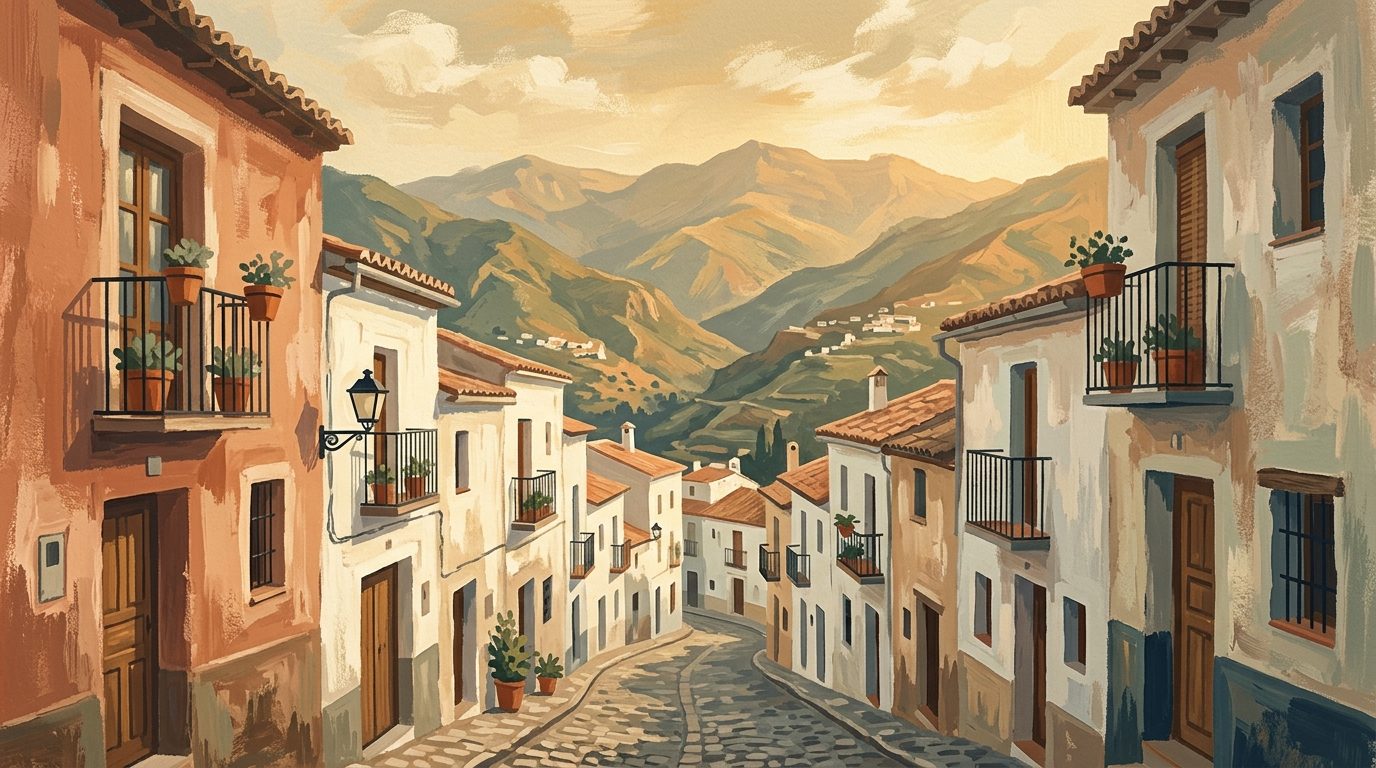
To understand the survival of this region, one must look at the rooftops. Unlike the pitched, terracotta-tiled roofs seen across the rest of Andalucía, the villages of the Alpujarras are built of flat terraos made from slate and launa, a magnesium-rich clay that becomes waterproof when packed tight. This is a Berber legacy, a direct architectural transplant from the Moroccan Atlas mountains. These roofs are not just functional; they are communal spaces, drying floors for peppers and almonds, and the very foundation of the next house built above. The villages do not sit on the mountains; they are woven into them.
This physical structure mirrors the social one. The Moorish acequias, a complex network of irrigation channels that carry snowmelt down to the terraces, require collective management. Water in the Alpujarras is not a private commodity; it is a shared responsibility. If the man in the village of Bubión doesn't clear his section of the channel, the farmer in Capileira gets no water. This ancient interdependence has created a social glue that resists the atomisation often found in modern urban life. In the mid-20th century, this system nearly collapsed as the young fled the hardship of subsistence farming. But the infrastructure remained, waiting for a new generation to realise that a reliable source of water and a stable community might be worth more than a salary in the city.
The Ghost of Gerald Brenan
The modern story of the Alpujarras cannot be told without mentioning the Englishman who arrived in Yegen in 1920 with two thousand books and a desire to escape the stifling conventions of post-war Britain. Gerald Brenan’s South from Granada turned this rugged terrain into a literary myth. He described a place of extreme poverty and extreme beauty, where the rhythms of life had changed little since the Middle Ages. For a long time, Brenan’s shadow loomed large, attracting a first wave of northern European seekers in the 1970s and 80s. These were the ‘hippies’: the dreamers who bought crumbling stone houses for a handful of pesetas and tried to learn how to shear goats.
While many expected this foreign influx to dilute the local culture, the opposite occurred. The newcomers became the custodians of traditions the locals were all too eager to discard in their rush toward modernity. It was the foreigners who first valued the old stone looms, the organic produce, and the crumbling cortijos. In villages like Órgiva, this has created a bizarre, functional syncretism. On market day, you will see a local shepherd in a flat cap sharing a coffee with a Dutch digital nomad and a British grandmother who moved here forty years ago to grow avocados. This isn't a museum; it is a messy, living experiment in rural multiculturalism. The ‘expats’ here didn't come to play golf; they came to work the land, and in doing so, they provided the economic spark that kept the local shops and schools open when they were on the brink of closure.
The Return of the Peasant
The real shift, however, is being driven by a new wave of Spaniards. These are the neo-rurales: young families from Spanish cities who are rejecting the grind of the coast for the rigours of the mountain. In the village of Pampaneira, you find small-batch chocolate makers and weavers using 18th-century techniques to create modern textiles. In the high pastures of Trevélez, the air is thin and cold, perfect for curing the famous jamón that has sustained the local economy for centuries. But even here, the industry is evolving. Smallholders are moving away from intensive practices toward regenerative agriculture, sensing that the future of the Alpujarras lies in quality and provenance rather than scale.
"My father told me I was a fool to come back," says Elena, who returned to her family’s olive groves after a decade working as a graphic designer in Madrid. She now produces organic oil that she sells directly to consumers across Europe. "He saw the mountain as a prison. He saw the work as something that broke your back. But I see it as autonomy. When I’m up here, cleaning the acequia or pruning the trees, I am in control of my time in a way I never was in the city. The mountain doesn't break you if you know how to listen to it."
This sentiment is the core of the region's survival. The Alpujarras has managed to rebrand the idea of the peasant. It is no longer a term of derision, but a badge of resilience. The ability to grow your own food, fix your own roof, and live within a community that knows your name is being viewed as a luxury. This shift in perception is what is filling the schools and keeping the pharmacies open. The ‘good life’ here is defined by the absence of noise and the presence of meaning.
The Fragile Equilibrium
However, this survival story is not without its casualties or its contradictions. The very things that make the Alpujarras attractive, its authenticity and its slow pace, are under threat from their own success. Property prices in the most famous villages of the Poqueira gorge have risen beyond the reach of many locals. There is a tension between the needs of the residents and the demands of the day-trippers who arrive by the busload from the coast. When a village becomes a picture-postcard version of itself, it risks losing the gritty reality that made it worth saving in the first place.
Then there is the climate. The Sierra Nevada is warming. The snowpack, which feeds the acequias throughout the dry summer months, is becoming less reliable. The survival of the Alpujarras has always been a battle with the elements, but the rules of that battle are changing. The water rights that have been settled for centuries are now the subject of heated debate. There is a fear that the mountain might eventually run dry, turning these green terraces back into the dusty scrubland of the southern slopes. The resilience of the people is being tested by forces far larger than local demographics.
The cost of this survival is also physical. To live here is to accept a certain level of hardship. The roads are a series of sickening hairpin bends; the nearest hospital is a long, precarious drive away; and the winter wind can cut through the thickest wool. This isn't a life for everyone, and the region's success relies on a specific type of person: someone who values the view over the convenience, and the community over the individual.
As the sun dips behind the western ridge, the village of Capileira begins to glow with a soft, amber light. Manuel stands up from his wall, his joints creaking in sympathy with the old houses. He walks toward his door, passing a young woman from the city who is struggling to haul a sack of almond wood into her porch. He stops, takes a corner of the sack, and helps her lift it. There is no long conversation, just a nod of recognition. It is a small, unremarkable moment of cooperation, the kind that has happened a million times on these slopes. The Alpujarras is not a relic of the past; it is a lesson for the future. It suggests that the way to save the countryside isn't through subsidies or slogans, but through the slow, difficult work of belonging to a place. In the gathering dark, the sound of the water in the channels continues its steady, rhythmic pulse, proof that as long as the water flows and the people stay, the mountain will never be empty.
Last reviewed: 21 June 2026 · Editorial policy
Related guides
The Morisco Revolt of the Alpujarras
The Morisco Revolt of 1568 transformed the mountainous terrain of the Alpujarras into the theatre of a brutal war. Driven to rebellion by laws erasing their culture, the descendants of Granada's Muslim population fought a desperate campaign against the Spanish Crown.
8 min read
Skiing in Sierra Nevada: A Guide to the Sunniest Slopes in Europe
Experience the unique thrill of skiing in southern Spain, where you can carve through snow in the morning and relax by the Mediterranean in the afternoon. Discover everything from the 110km of pistes in Sierra Nevada to the best spots for tapas in Pradollano.
5 min read
Sierra Nevada Skiing Guide: Southern Spain's High-Altitude Pistes
Skiing in the <a href="/granada/sierra-nevada" class="internal-link">Sierra Nevada</a> offers an experience unparalleled in Europe: carving down sun-drenched pistes at 3,000 metres before driving down to the coast for an afternoon on the beach. Here are the best strategies for navigating the peaks of <a href="/granada/sierra-nevada/pradollano" class="internal-link">Pradollano</a>, avoiding the weekend bottlenecks, and finding the quietest red runs above <a href="/granada" class="internal-link">Granada</a>.
9 min read
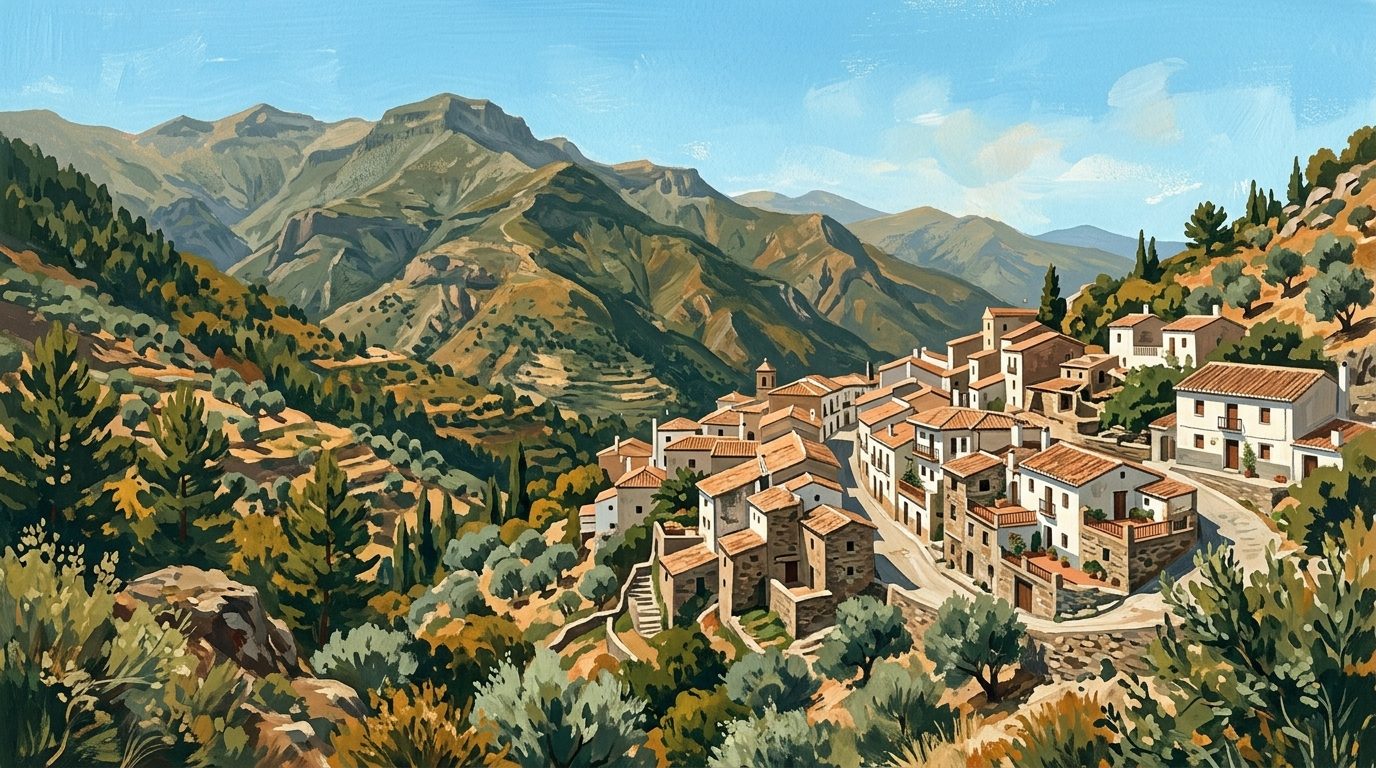
Güéjar Sierra: A Gateway to the High Sierra Nevada
Discover Güéjar Sierra, a rugged mountain village in the Sierra Nevada that serves as the ultimate base for hiking the Vereda de la Estrella and exploring the historic tramway route.
6 min read
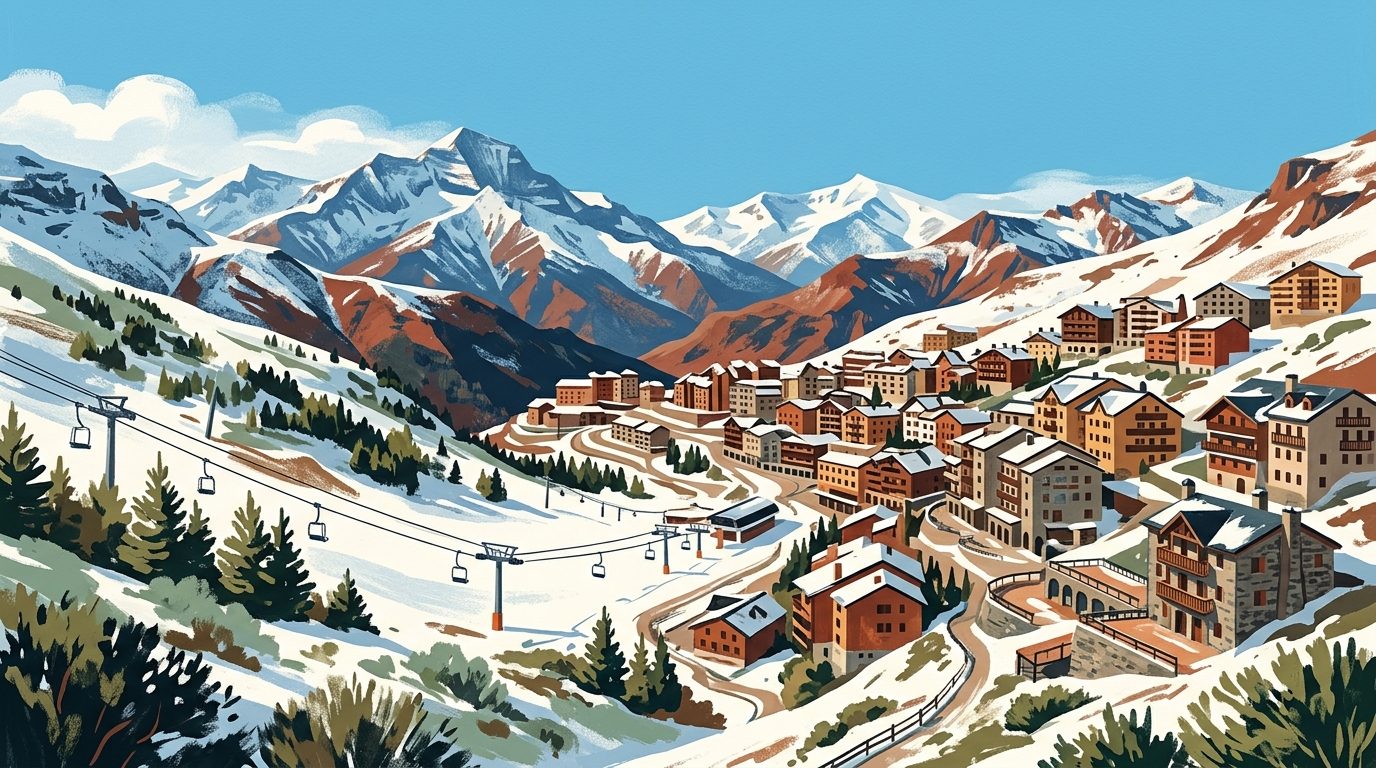
A Guide to Pradollano: Skiing and Summer in the Sierra Nevada
Discover Pradollano, the sun-soaked hub of the Sierra Nevada ski resort, offering 110km of pistes and stunning high-altitude summer hiking.
6 min read
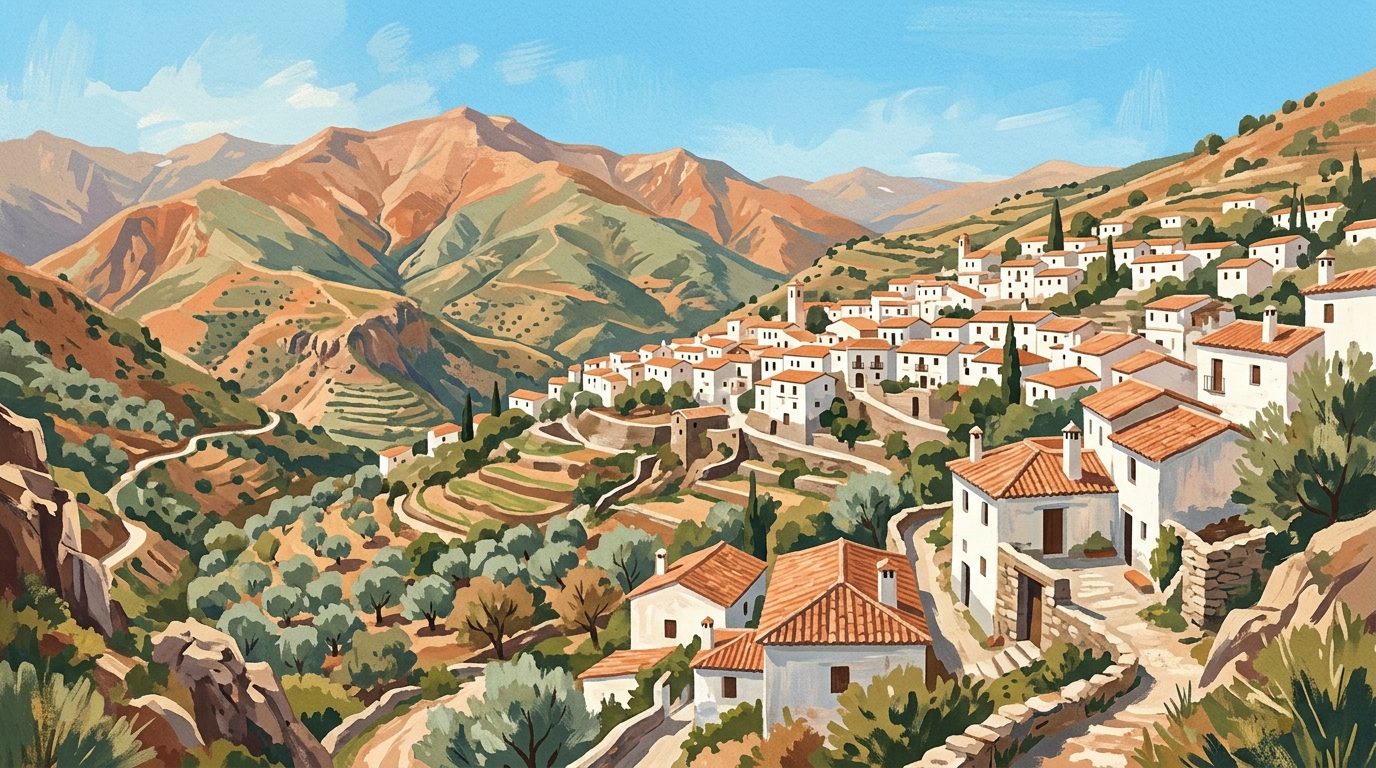
High Altitudes and Berber Roots: A Local Guide to the Alpujarra Granadina
Discover the high-altitude white villages of the Alpujarra Granadina, where Berber history meets mountain tradition in the shadows of the Sierra Nevada.
10 min read
More from Granada
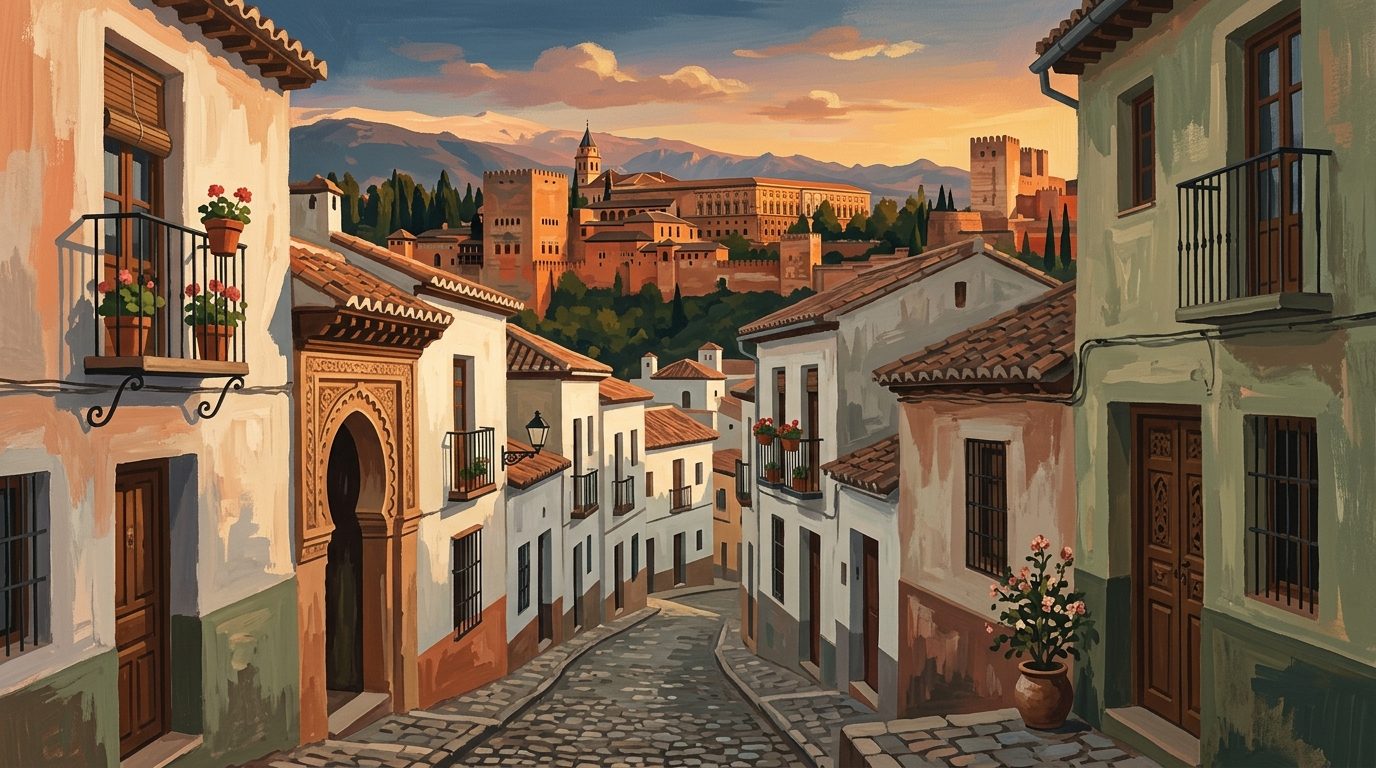
Nasrid Granada: The Last Islamic Kingdom of Iberia
Discover how the Nasrid dynasty forged a pragmatic mountain emirate that survived for over two centuries, creating the Alhambra and leaving a lasting architectural legacy.
8 min read
Lorca and the Repression in Granada
The assassination of Spain's most celebrated poet was just one part of a systematic campaign of terror. Today, the ravines of Víznar and Alfacar hold the stories of thousands whose voices were silenced.
7 min read
The Frontier of Granada: Life and War on the Edge of Al-Andalus
For over two centuries, the borderland separating the Christian Crown of Castile from the Nasrid Emirate of Granada was defined by watchful towers and sudden raids. Yet this military frontier was equally a zone of profound cultural exchange, where merchants, captives and diplomats negotiated daily survival in a divided land.
7 min read
The Fall of Granada, 1492
On the second of January 1492, the keys to the Alhambra were handed over to Ferdinand and Isabella, bringing a close to almost eight centuries of Muslim rule in the Iberian Peninsula. The capitulation of Granada reshaped the political and religious landscape of Europe forever, ending a long war of attrition.
8 min read
Semana Santa in Granada: A Complete Visitor Guide
Semana Santa in Granada swaps broad avenues for narrow Moorish streets and steep hillsides. Watching an illuminated wooden float emerge from the grounds of the Alhambra or ascend into the caves of Sacromonte offers a profound emotional experience that feels intimately tied to the landscape itself.
8 min read
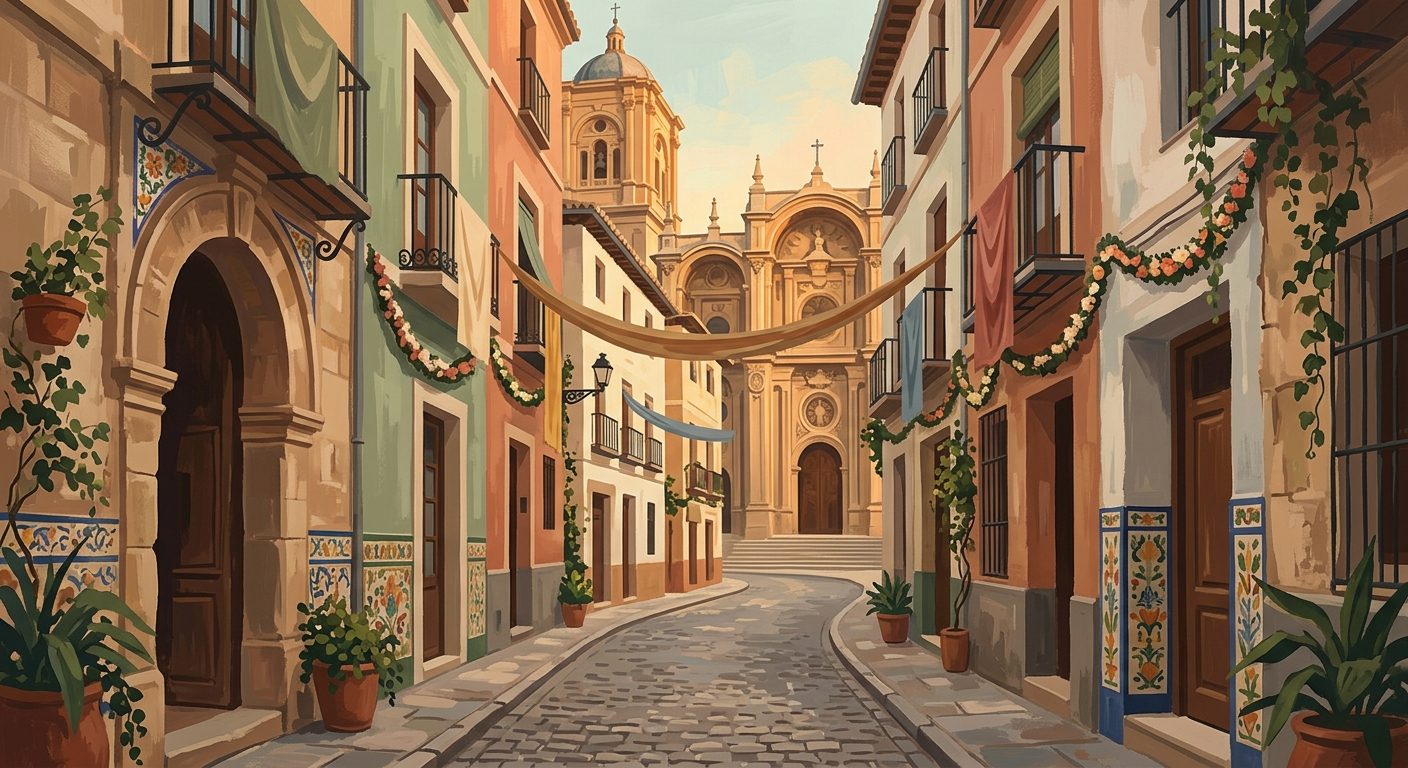
Corpus Christi in Granada: The Definitive Guide
In Granada, Corpus Christi is far more than a solemn religious observance. It is the city's largest annual festival, combining the scent of fresh rosemary crushed underfoot during the sacred Thursday procession with the unapologetic joy of the week-long public feria in Almanjáyar.
10 min read
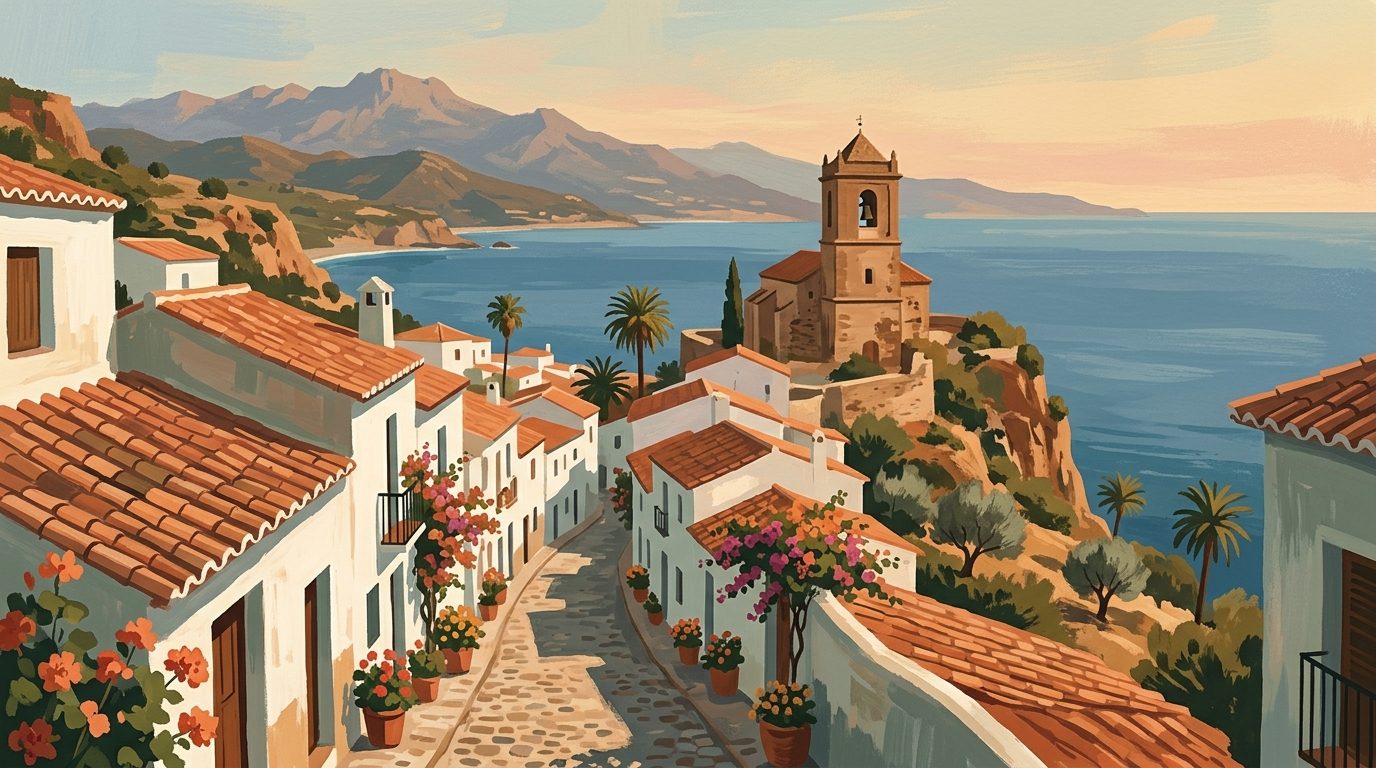
Costa Tropical: The Complete Guide to Granada's Subtropical Coast
Wedged between the foothills of the Sierra Nevada and the Mediterranean Sea, the Costa Tropical is defined by dramatic cliffs, sheltered pebble coves and a unique subtropical microclimate. It offers a quieter, more agricultural alternative to its heavily developed neighbours.
9 min read
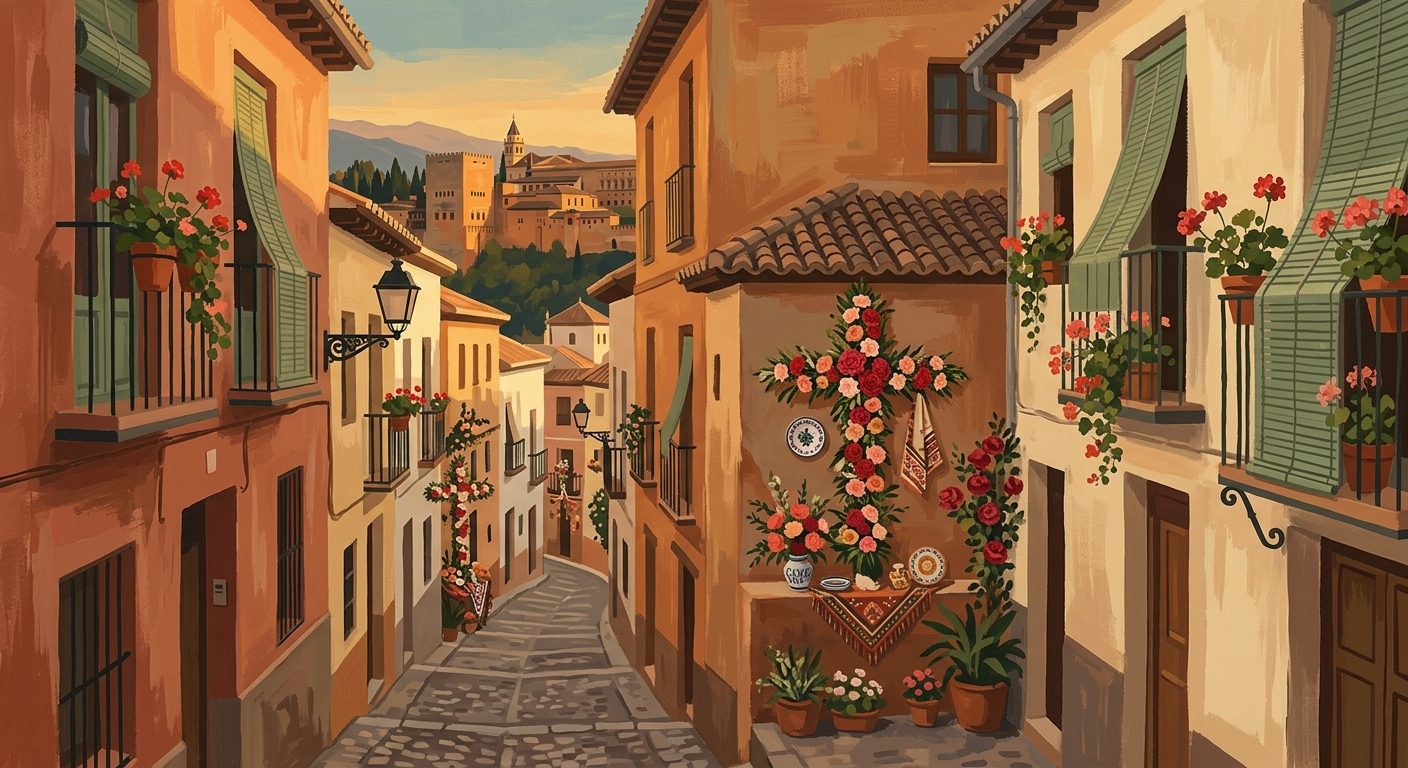
Cruces de Mayo in Granada: A Complete Guide
Discover how Granada transforms during the Cruces de Mayo festival. We detail where to find the most spectacular floral crosses, the local traditions to observe, and how to navigate the celebrations.
9 min read
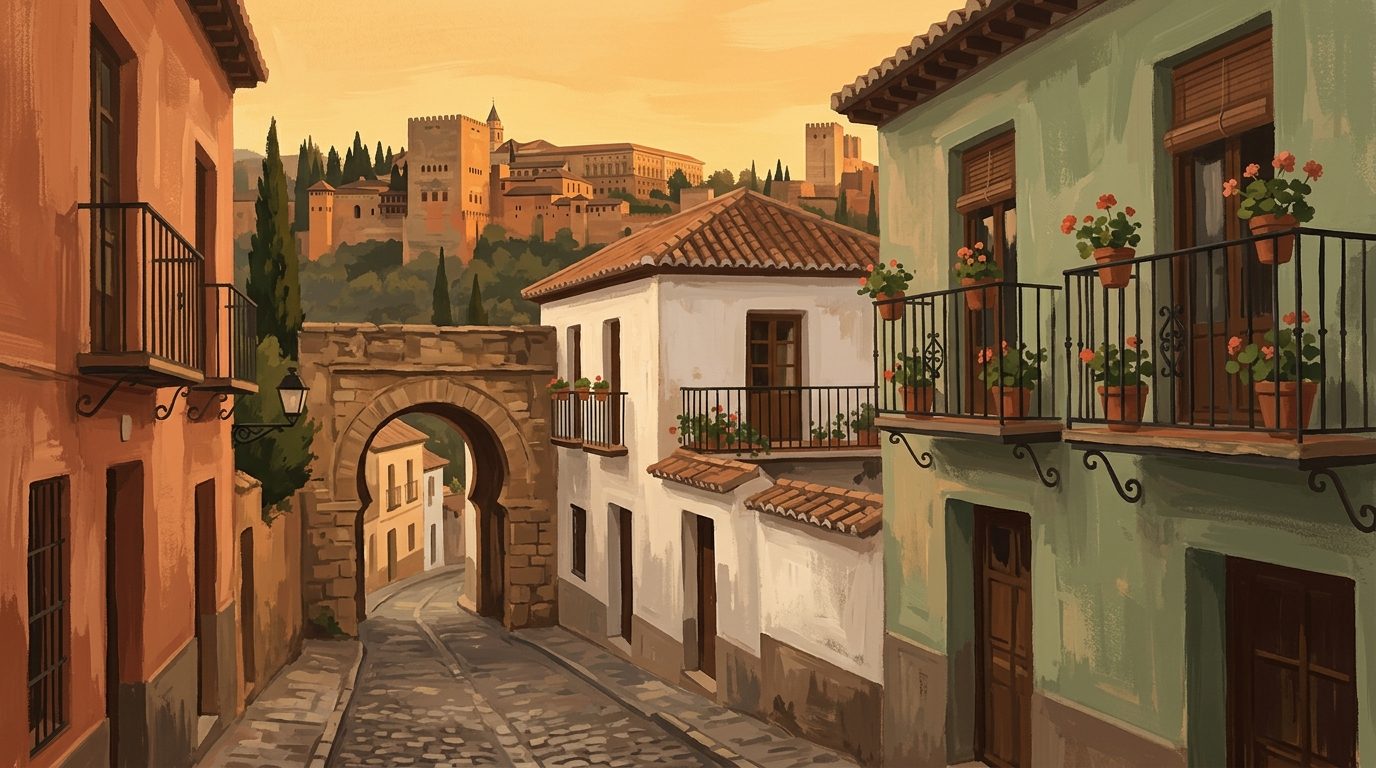
The Resistance of the Plate: Why Granada Refuses to Sell Its Soul
In a world of monetised moments and rising margins, Granada holds fast to a radical social contract: the gift of a plate with every glass.
7 min read
Newsletter
More stories from Andalucía
Weekly notes, seasonal picks, and the next guides worth bookmarking.