
Recipe
The Art of the Jamón Ibérico Platter
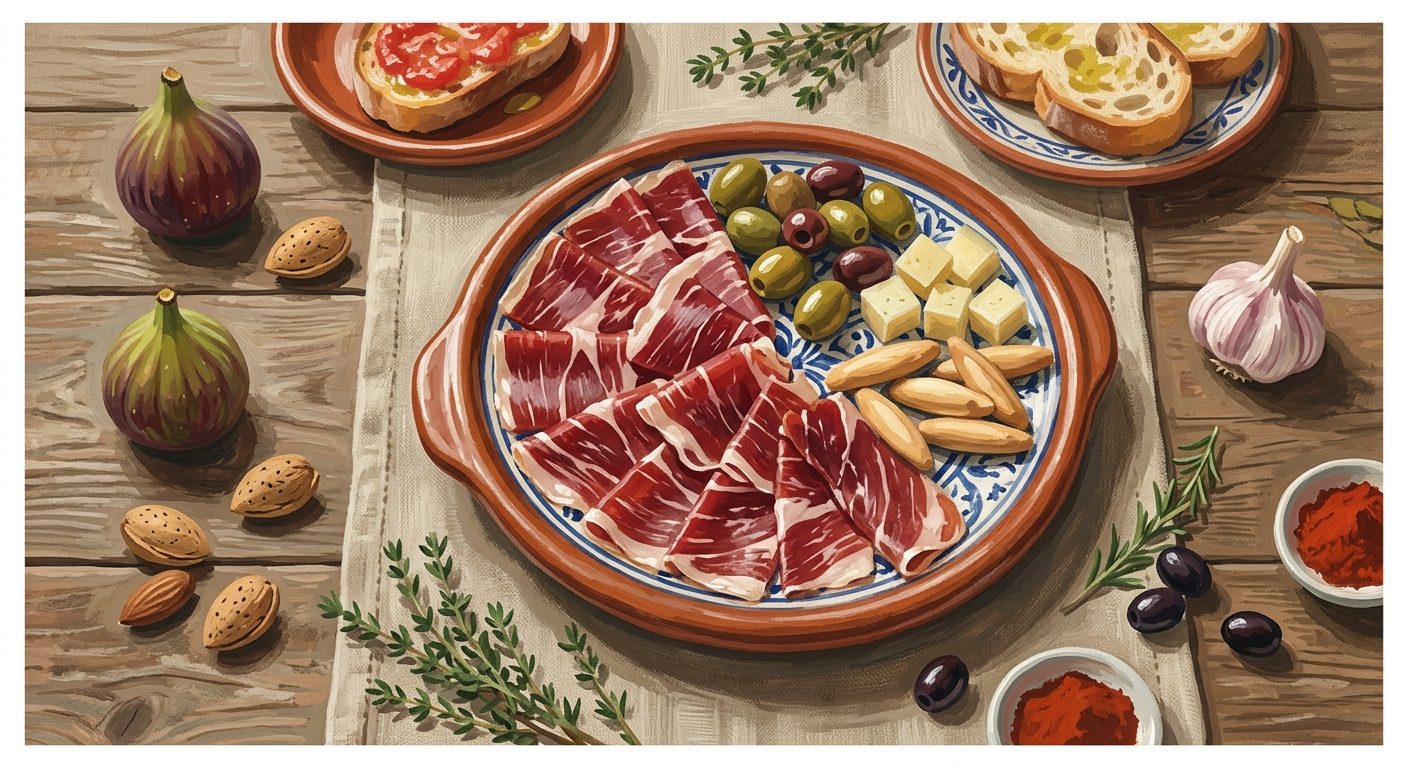
A perfectly presented platter of Jamón Ibérico is the cornerstone of any Andalucían celebration. Learn how to select, slice, and serve this legendary ham at the correct temperature.
By Dan · Updated 29 June 2026 · 3 min read
Cook’s note
A jamón platter is more about buying and serving well than cooking. Let the slices lose fridge chill before serving, keep accompaniments simple, and do not bury good jamón under strong cheese, heavy sauces or too many garnishes.
Labels matter. Bellota, cebo de campo, cebo, ibérico percentage and producer reputation all change what you are paying for. The official Spanish quality rule is legalistic, but it is the right reference when you want to understand the black, red, green and white label system.
If you are buying in Andalucía, Huelva and the Sierra de Aracena are especially relevant because of Jabugo. Use the full jamón guide for shopping context, then keep this page as the serving checklist: room temperature, thin slices, simple bread, olive oil and a dry sherry pairing.
A perfectly presented platter of Jamón Ibérico is the cornerstone of any Andalucían celebration. Learn how to select, slice, and serve this legendary ham at the correct temperature to ensure the fat melts beautifully on the palate.
In the expansive dehesas of northern Andalucía, the Iberian pig roams through ancient oak forests. The resulting ham, particularly the jamón ibérico de bellota, is widely considered the pinnacle of Spanish gastronomy. In provinces like Huelva and Córdoba, the curation process is a slow, methodical practice that relies on the mountain air to develop complex, nutty flavours over several years.
While a whole leg fixed to a wooden stand is a common sight in Andalucían homes during festivities, most modern cooks buy high-quality hand-carved vacuum packs for everyday entertaining. The secret to a professional platter lies not in complex cooking, but in the careful management of temperature and the selection of authentic, simple accompaniments that allow the quality of the pork to shine.
Serves: 4 | Prep: 20 min | Cook: 0 min
Ingredients
- 200g (7oz) Jamón Ibérico, ideally "de bellota" (acorn-fed). If hand-carved is unavailable, look for high-quality machine-sliced packs with visible marbling.
- 100g (3.5oz) Picos, the small, crunchy Andalucían breadsticks.
- 100g (3.5oz) Regañás, thin olive oil crackers often found in specialist shops or large supermarkets.
- 1 ripe vine tomato, halved.
- 1 clove of garlic, peeled.
- 4 thick slices of sourdough or pan de cristal, lightly toasted.
- Extra virgin olive oil, preferably a robust variety like Picual from Jaén.
- A handful of Gordal olives, for serving on the side.
Method
- Remove the jamón from the refrigerator at least one hour before serving. This is the most important step. The ham must reach a temperature of roughly 24 degrees Celsius so the fats become translucent and the aroma is fully released.
- If your ham is vacuum-sealed, run the unopened pack under warm water for 30 seconds before opening to help the slices separate without tearing.
- Prepare the tomato bread (pan con tomate) by rubbing the toasted sourdough slices with the cut side of the garlic clove.
- Rub the same bread slices vigorously with the cut side of the tomato until the bread is soaked in the pulp and juice. Drizzle generously with extra virgin olive oil and a small pinch of sea salt.
- Select a large, flat ceramic plate. If possible, warm the plate slightly in a low oven so it is barely tepid to the touch. This helps keep the ham fats in a semi-melted state.
- Arrange the ham slices in a single layer, starting from the outside of the plate and working inwards in a circular pattern. The slices should overlap only slightly.
- Place the picos and regañás in the centre of the plate or in a small separate bowl to maintain their crunch.
- Slice the tomato bread into smaller fingers and place them alongside the platter.
Tips & variations
- Check the label: Look for the "black label" (pata negra) for 100 percent Iberian acorn-fed ham, or the "red label" for acorn-fed ham (usually 50 percent or 75 percent Iberian breed), as classified by the Spanish Ministry of Agriculture (MAPA). Both are excellent for a platter.
- Avoid overcrowding: It is better to serve two small plates than to stack the ham in a pile, which makes the slices stick together.
- Fat is flavour: Never trim the white or yellow fat from the edges of the slices. It contains the oleic acid that gives the ham its distinct buttery texture.
- Shortcuts: Many Andalucían supermarkets sell "virutas" (ham shavings), which are cheaper than full slices. These are perfect for serving over the tomato bread if you are on a budget.
What to serve it with
The classic pairing for Jamón Ibérico is a chilled glass of dry Manzanilla or Fino sherry. These fortified wines have a salty, yeasty profile that cuts through the richness of the pork fat. Alternatively, a very cold, crisp lager or a glass of red wine from the Sierra Norte de Sevilla works well. For a complete spread, serve with a small bowl of salted almonds and some extra Gordal olives.
Last reviewed: 21 June 2026 · Editorial policy
Related guides
Traditional Andalucían Pestiños Recipe
Crispy, honey-glazed, and scented with aniseed, pestiños are the essential taste of Easter in Andalucía. These golden fritters reflect centuries of tradition, combining simple pantry staples into a sophisticated, sticky treat.
4 min read
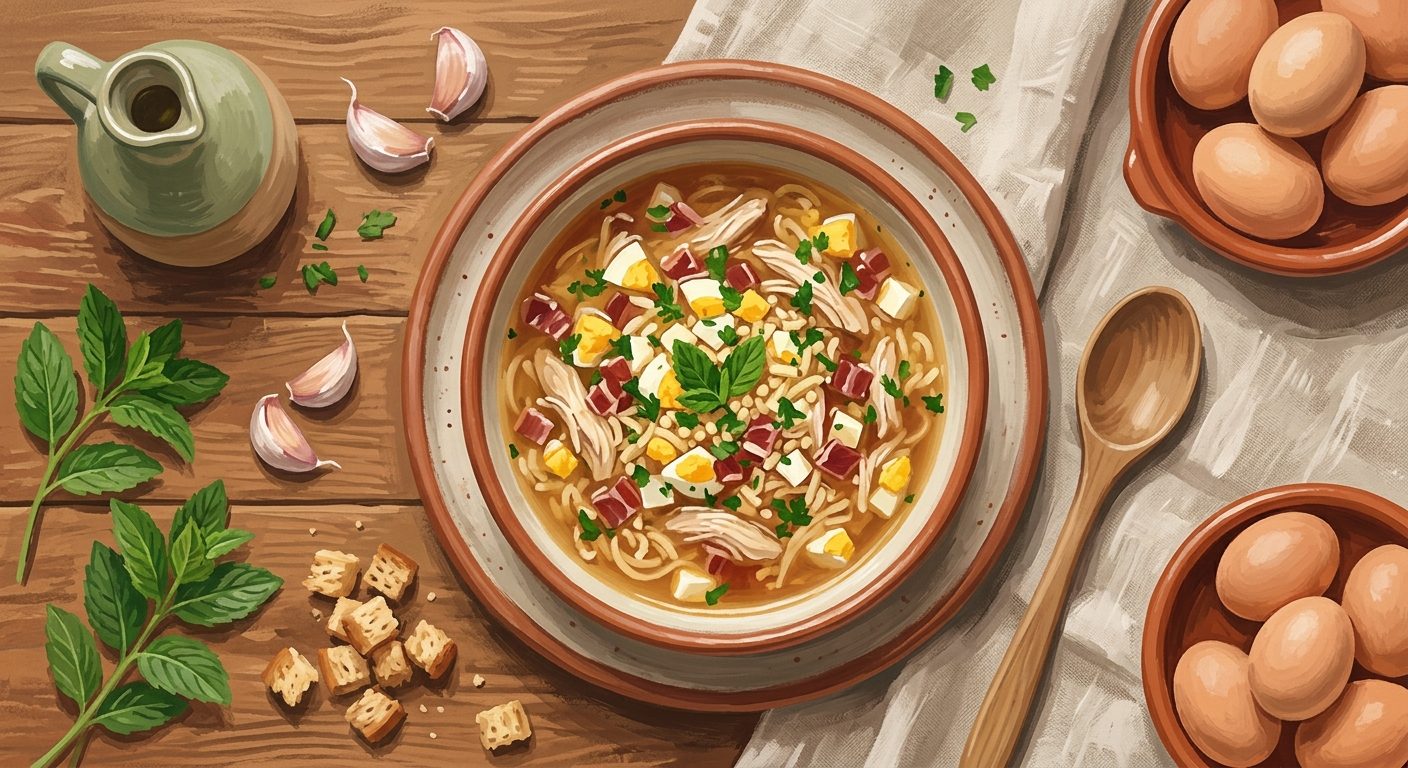
Authentic Sopa de Picadillo: A Comforting Andalucían Classic
A soul-warming chicken and mint soup from Andalucía, traditionally served with finely diced jamón and hard-boiled eggs for a comforting, protein-rich meal.
3 min read
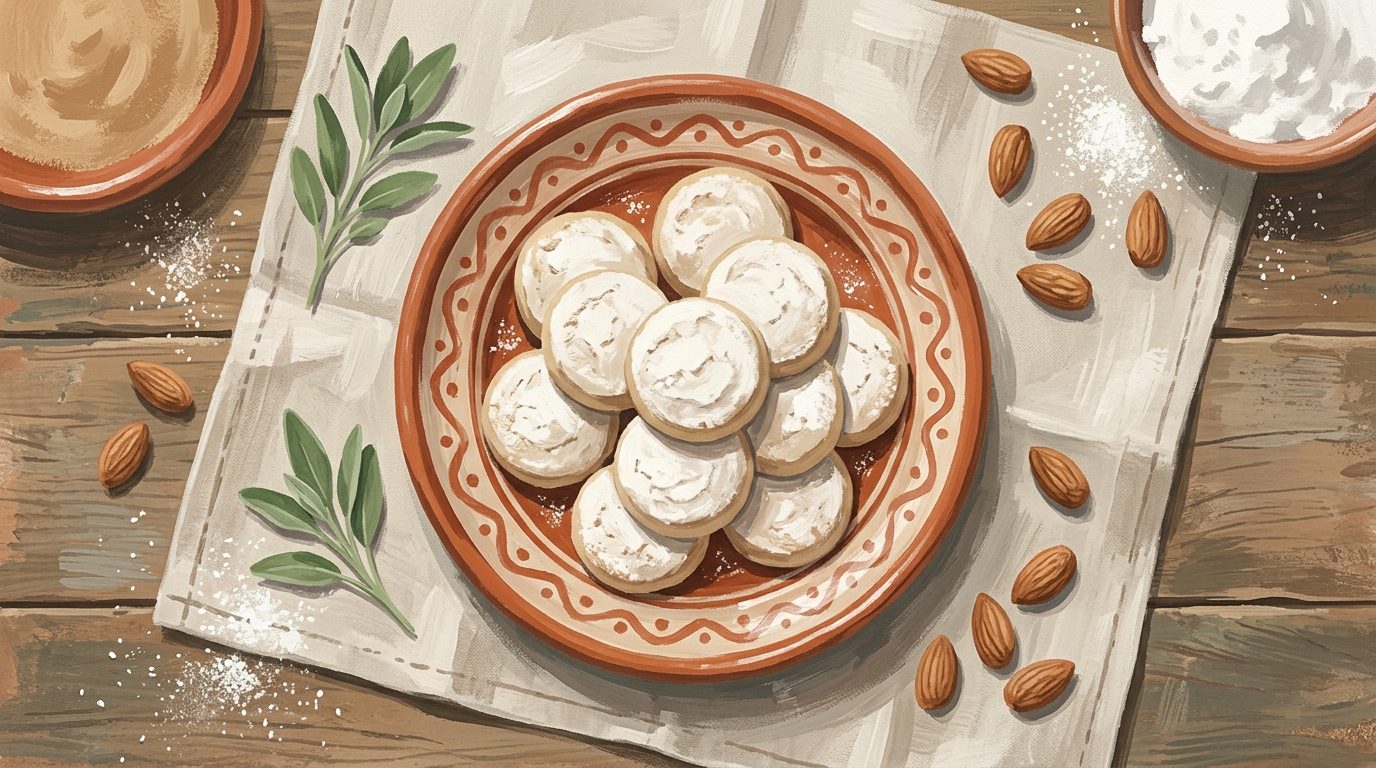
Traditional Polvorones: Andalucían Almond Shortbread
Discover how to make authentic Polvorones, the crumbly almond shortbreads from Estepa that define the festive season in Andalucía.
3 min read
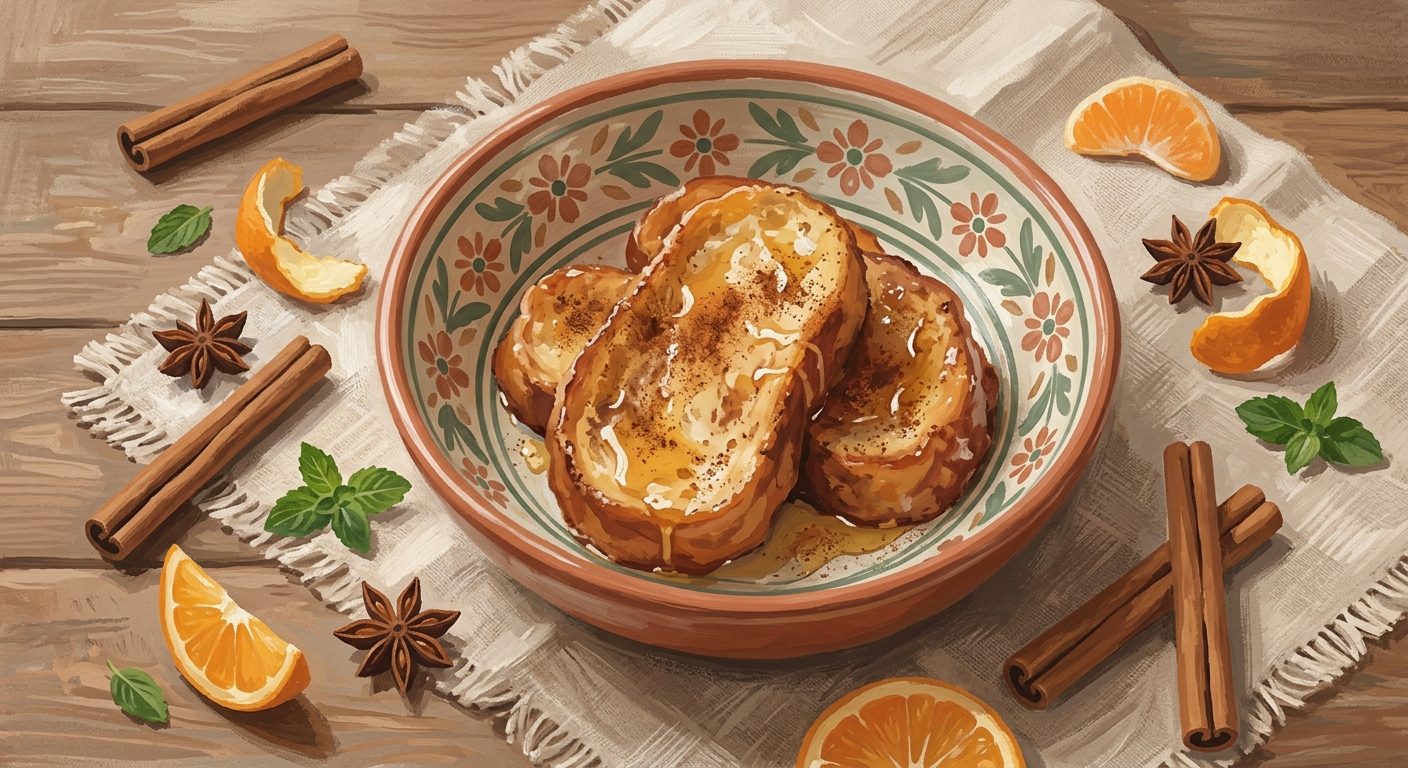
Torrijas: The Essential Holy Week Treat of Andalucía
A humble sweet treat transformed into a decadent delight, torrijas are the cornerstone of Easter celebrations across the region. These honey-soaked bread slices offer a comforting taste of Andalucían tradition in every bite.
3 min read
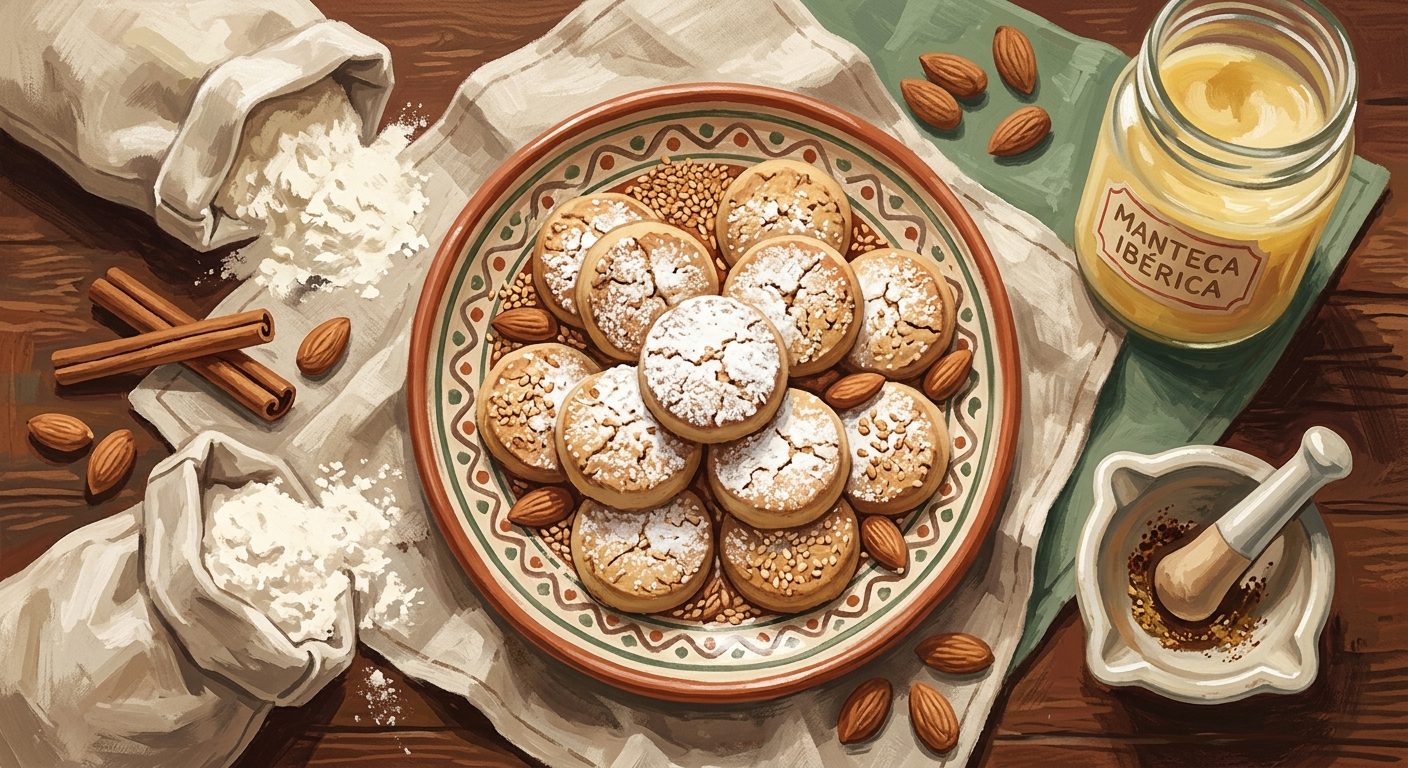
Traditional Mantecados: The Iconic Andalucían Christmas Biscuit
These crumbly, toasted-flour biscuits are a festive staple in Andalucía. Learn how to achieve the perfect sandy texture using traditional methods from Estepa and Antequera.
4 min read
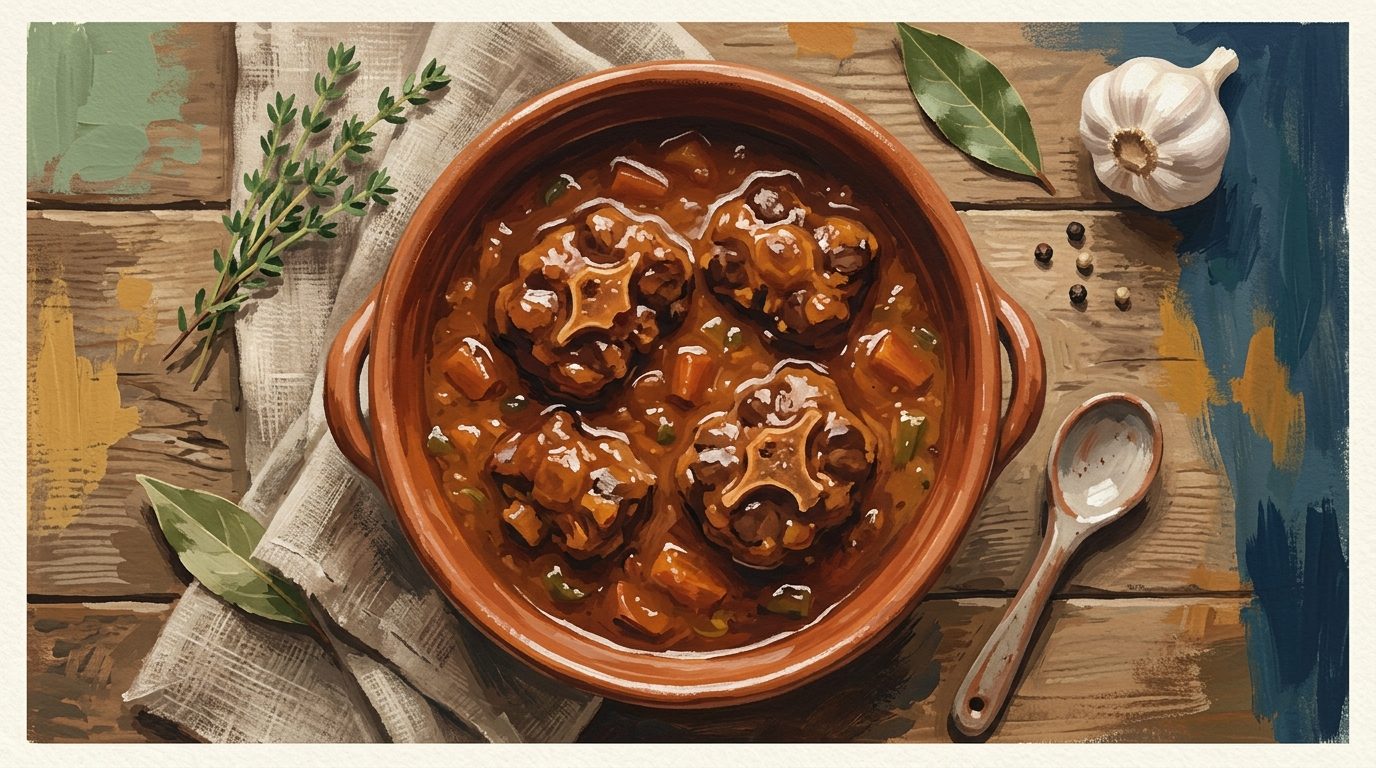
Slow-Cooked Rabo de Toro: An Andalucían Oxtail Stew
This traditional Andalucían oxtail stew is a masterclass in slow cooking, resulting in meat that falls away from the bone in a rich, silken sauce.
3 min read
More guides
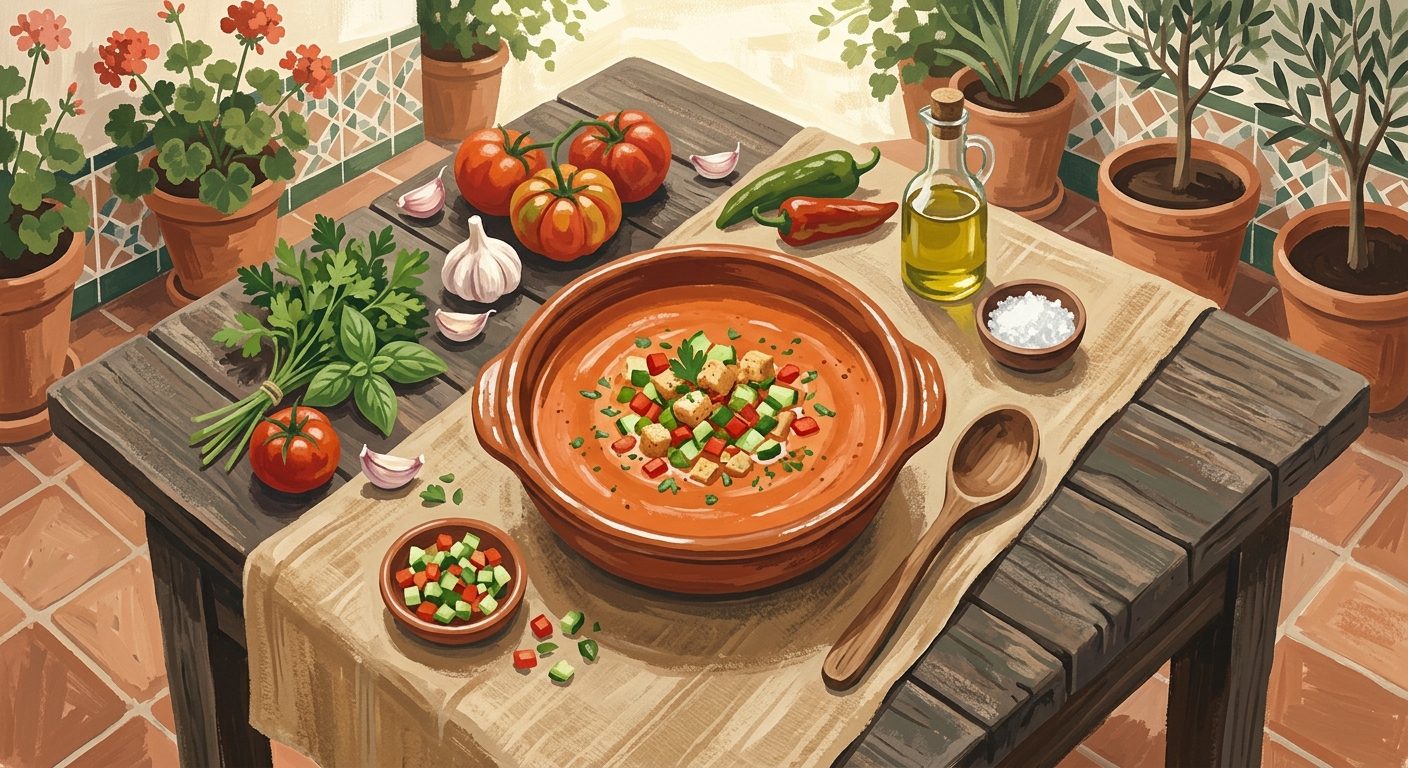
Authentic Gazpacho Andaluz Recipe
A refreshing liquid salad that defines summer in Southern Spain. This traditional chilled soup relies on quality olive oil and ripe tomatoes for its signature flavour.
3 min read
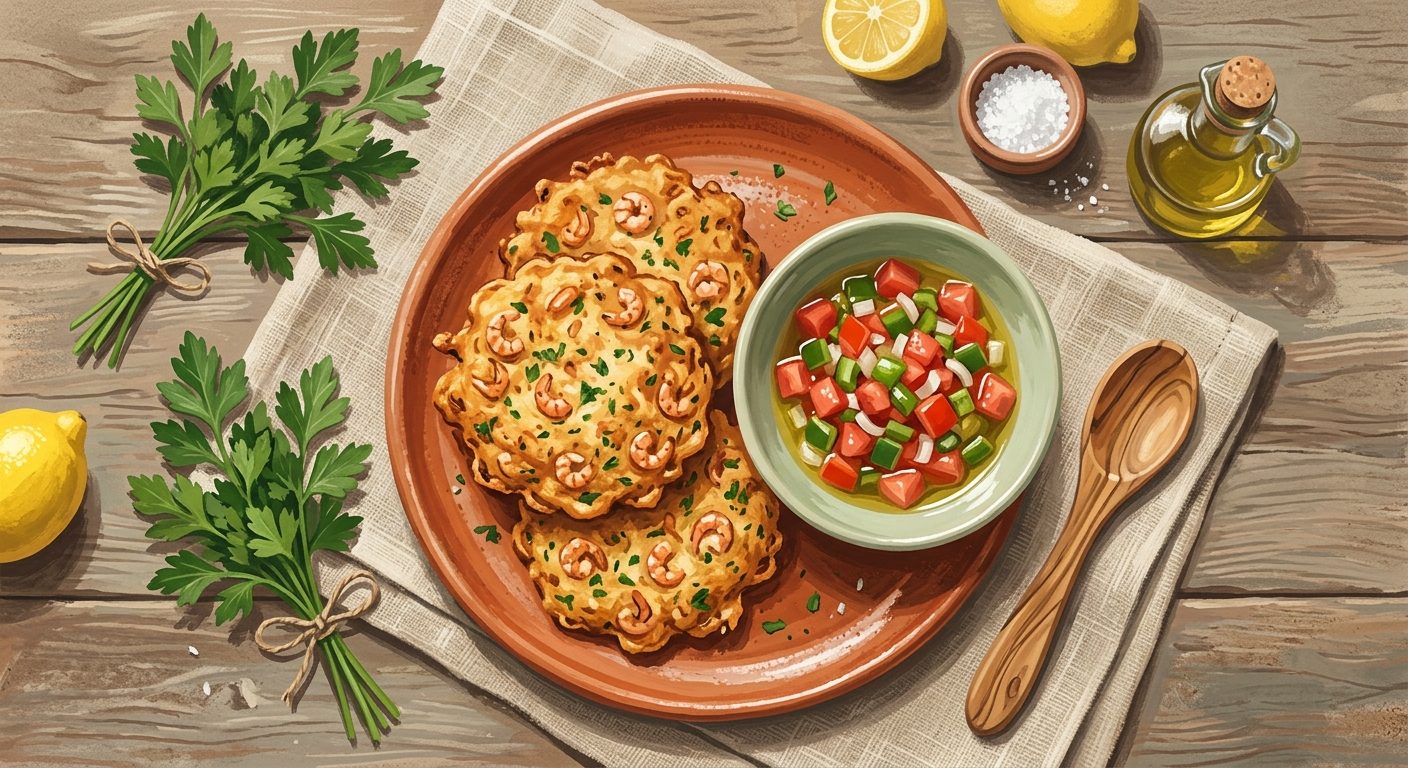
Authentic Tortillitas de Camarones Recipe
These lacy, golden shrimp fritters are the signature snack of the Bay of Cádiz, offering a crunch that defines the coast of Andalucía.
4 min read
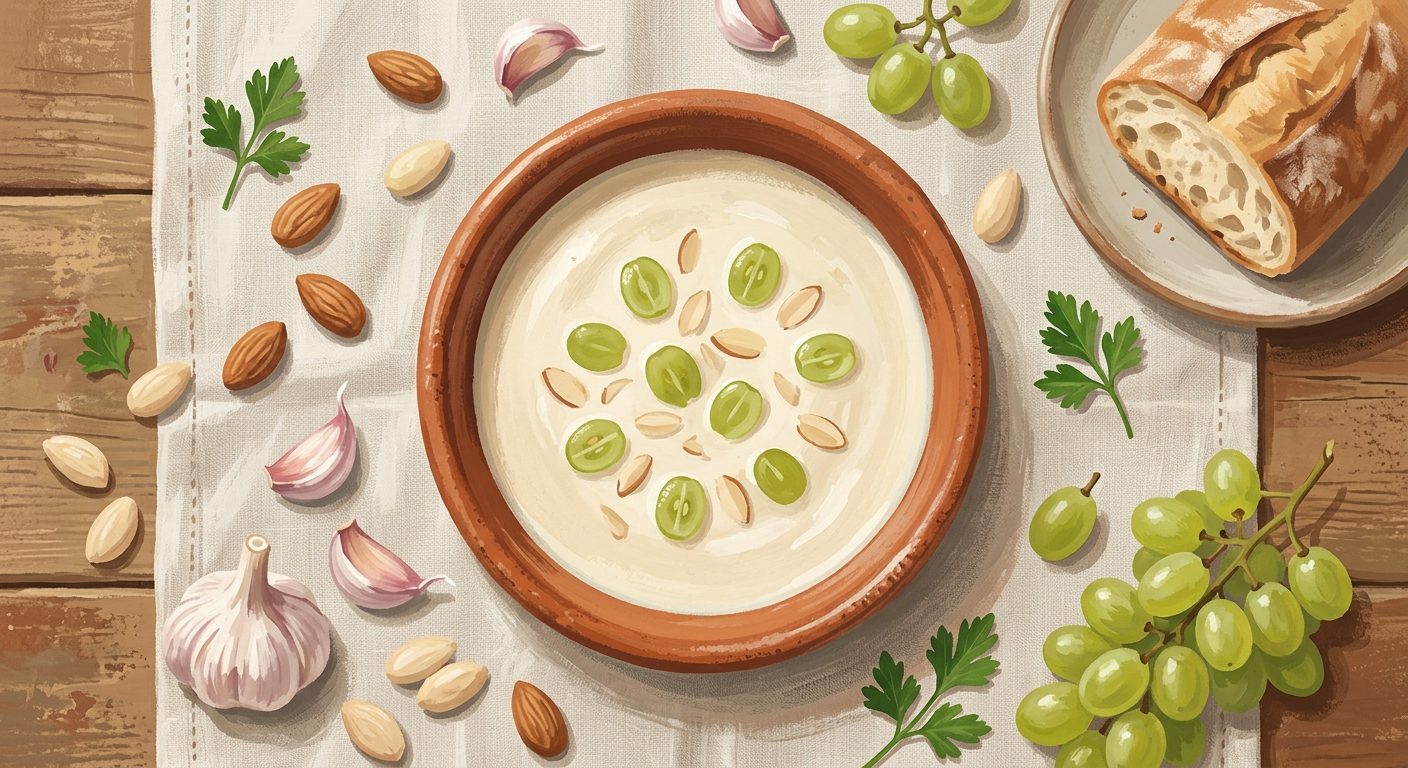
Ajoblanco Malagueño: The Original Cold Almond Soup of Málaga
Often called the white gazpacho, this chilled almond and garlic soup is a refreshing staple of Málaga. It remains one of the most elegant dishes in the Andalucían repertoire.
3 min read
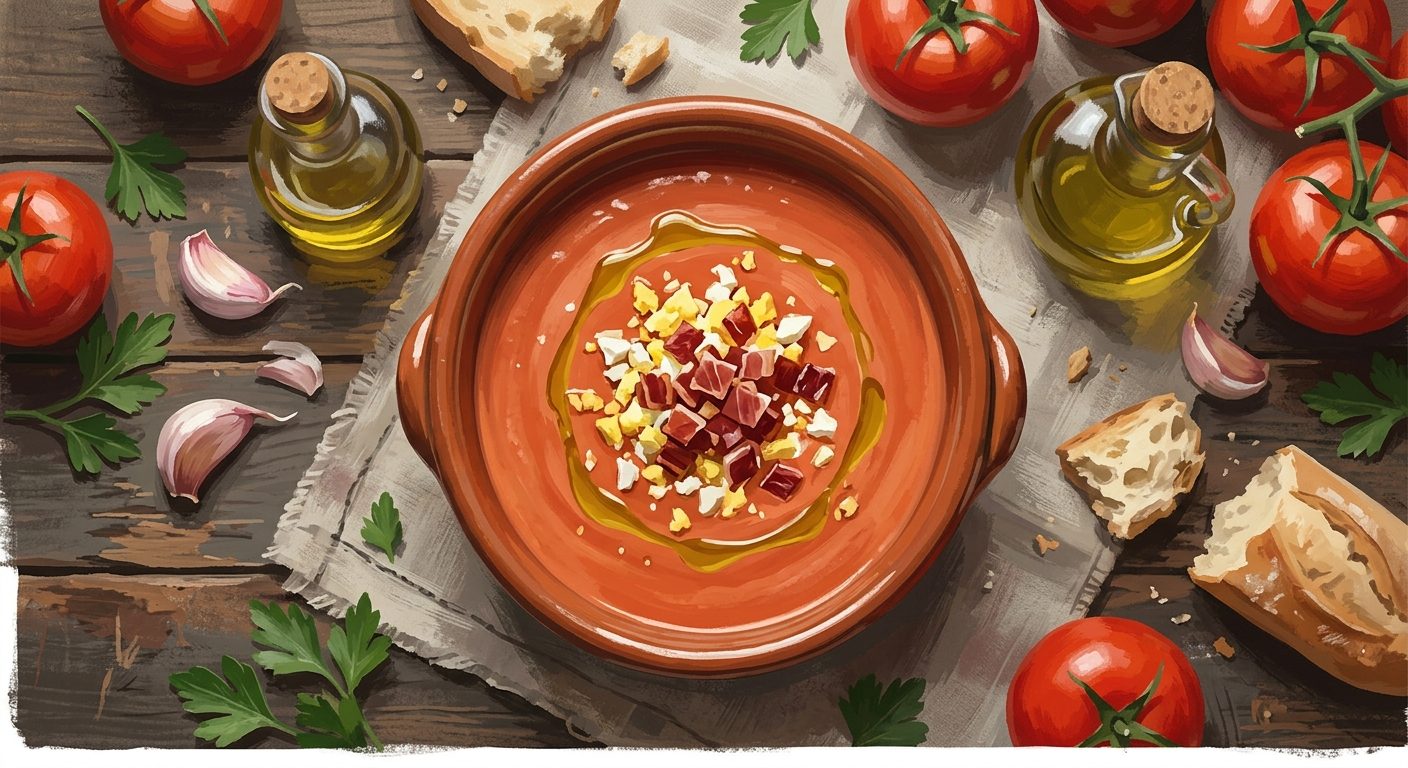
Traditional Salmorejo Cordobés Recipe
A thick, velvety cold tomato soup from Córdoba that relies on high-quality olive oil and sun-ripened tomatoes. This staple of Andalucía provides a cooling, nutritious meal.
3 min read
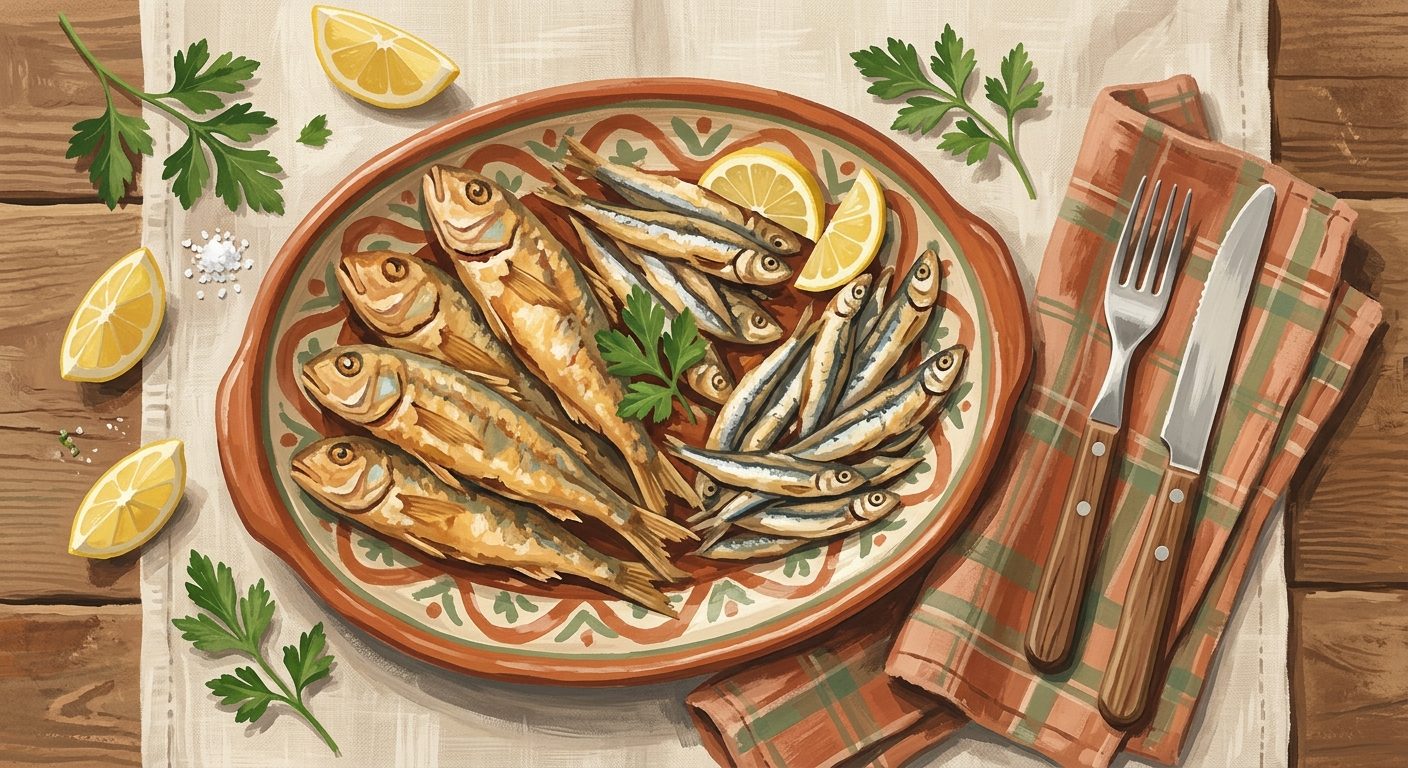
Authentic Pescaíto Frito: The Secret to Perfect Andalucían Fried Fish
A staple of the Andalucían coastline, Pescaíto Frito relies on extremely fresh fish and a light, crisp coating. This technique ensures the seafood remains tender while the exterior provides a satisfying crunch.
3 min read
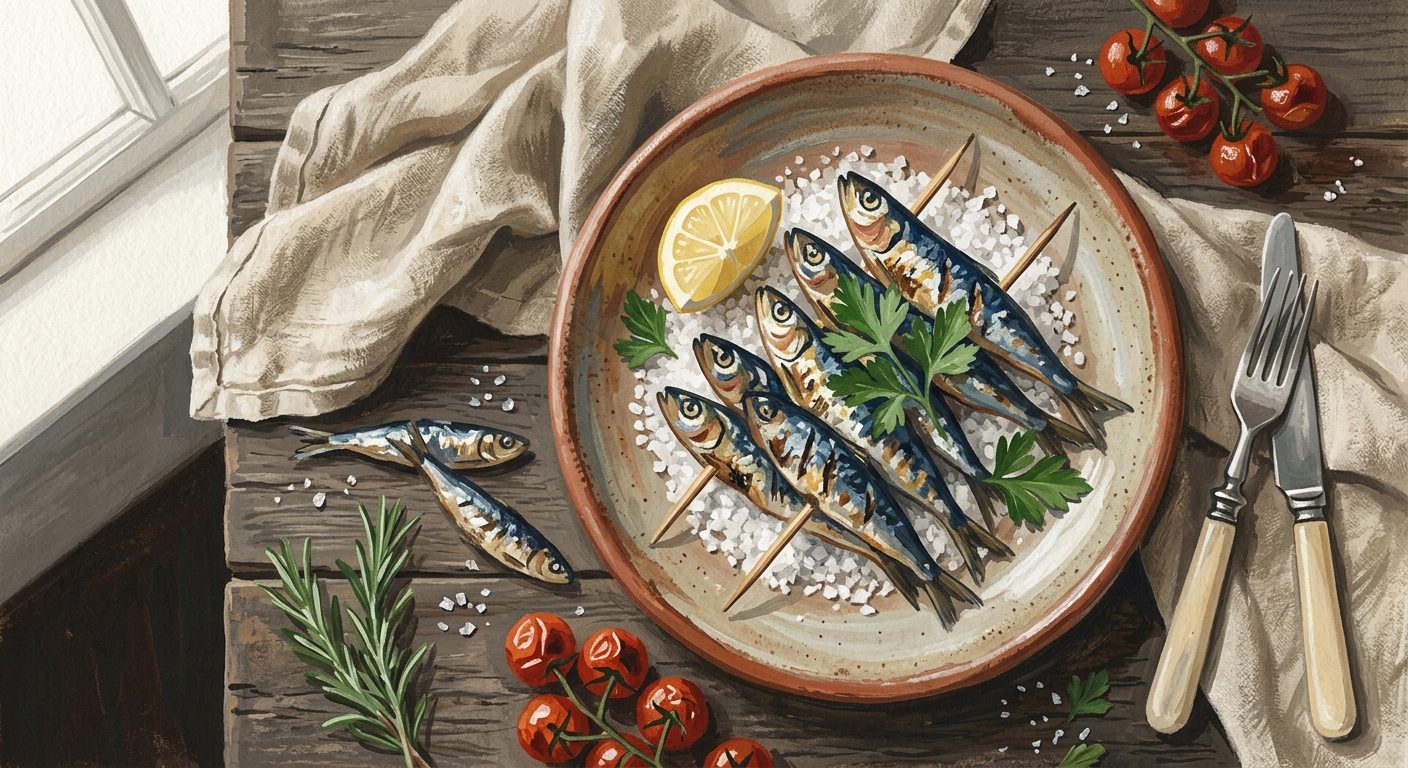
Traditional Espetos de Sardinas: The Taste of Málaga
Discover how to prepare authentic Espetos de Sardinas, the iconic grilled skewers from the beaches of Málaga, using traditional Andalucían techniques.
4 min read
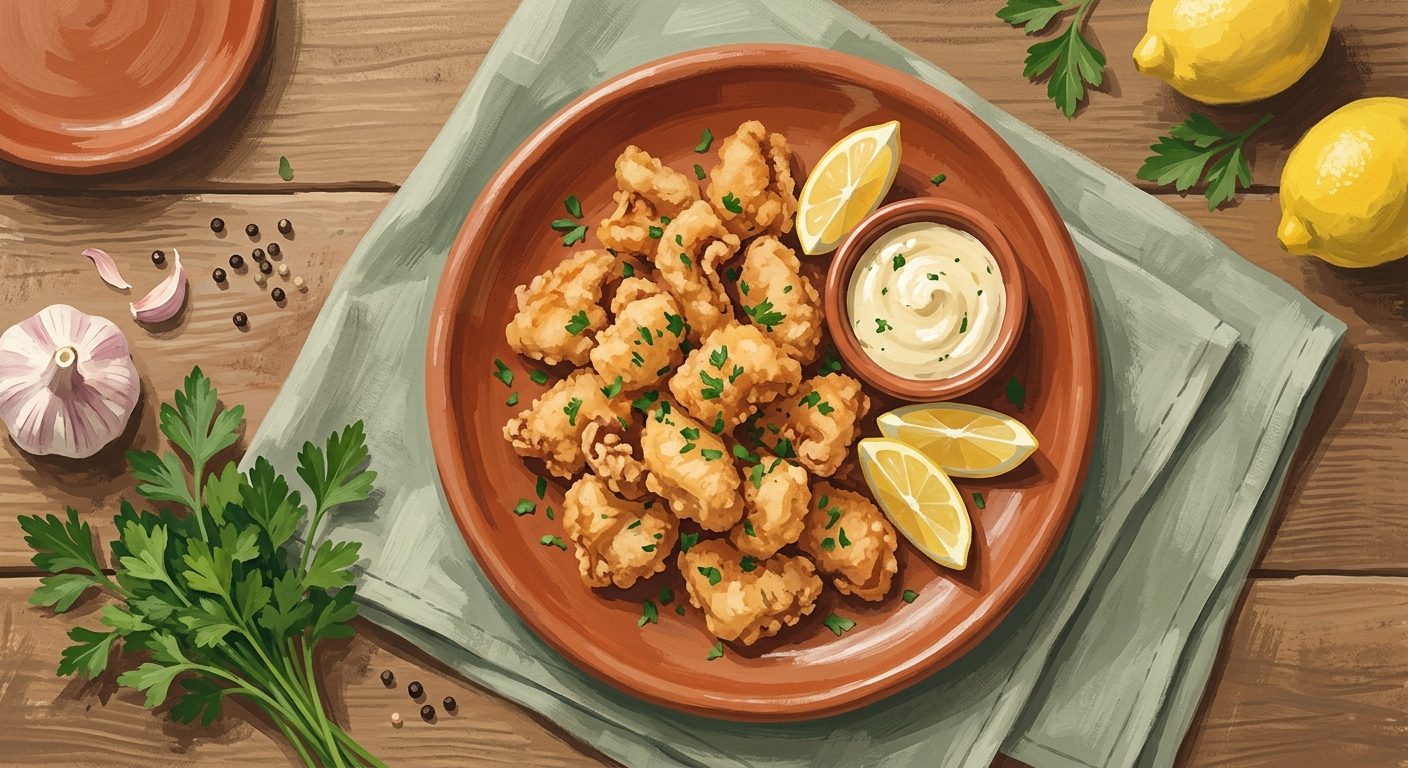
Traditional Andalucían Choco Frito Recipe
A crispy, golden staple of the Huelva and Cádiz coastlines, this fried cuttlefish dish relies on high-quality olive oil and a specific flour blend for its signature crunch.
3 min read
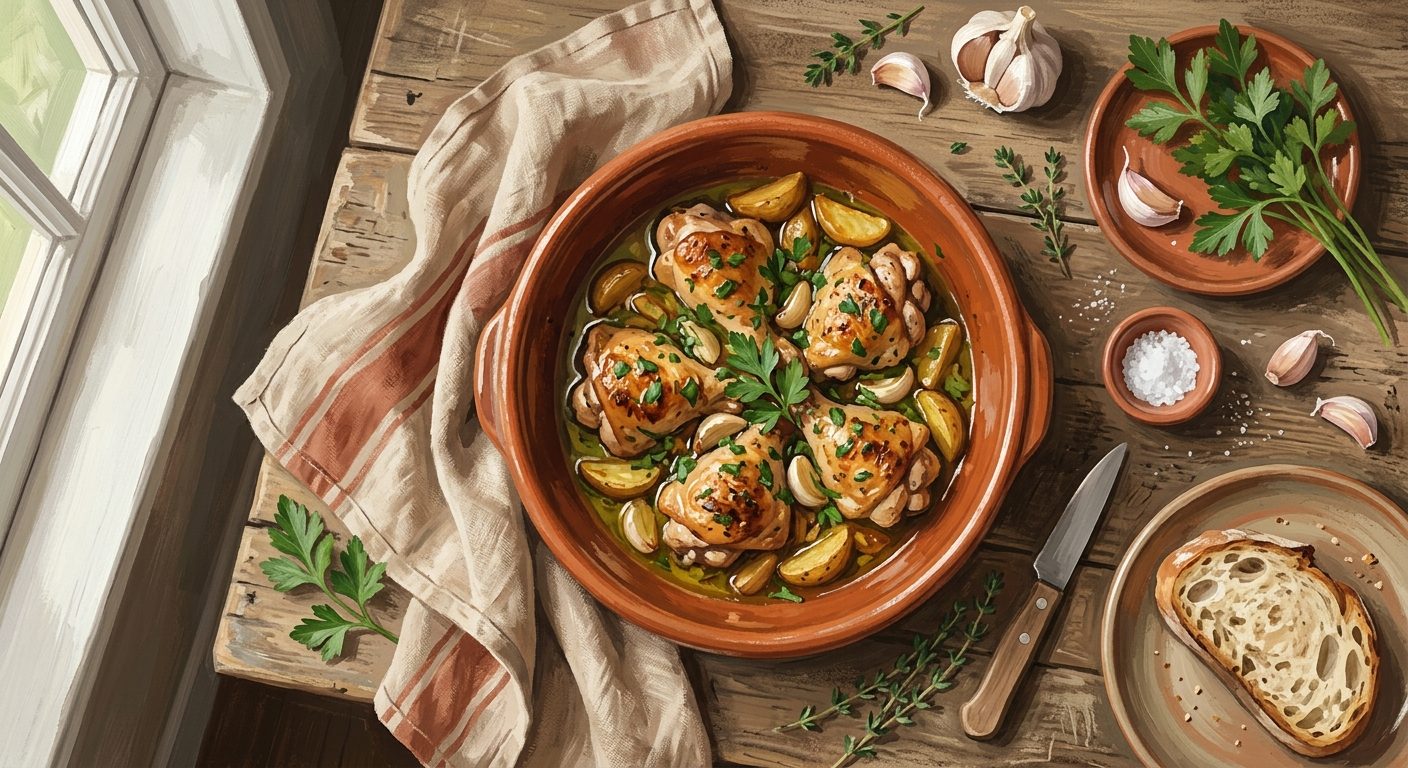
Pollo al Ajillo: The Ultimate Andalucían Garlic Chicken Recipe
A humble but spectacular dish of golden chicken fried with an abundance of garlic and dry white wine. This recipe captures the rustic essence of the Andalucían countryside in under fifty minutes.
3 min read
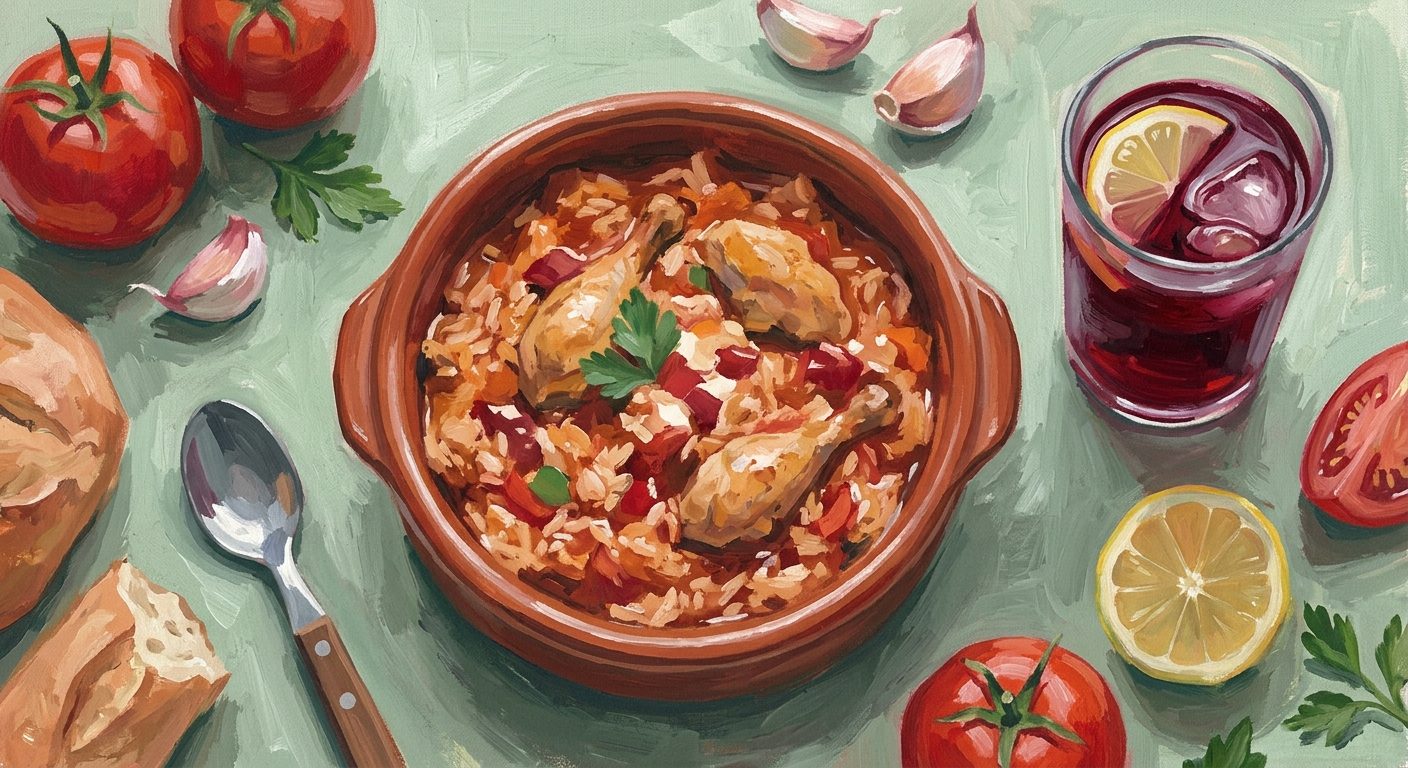
Tinto de Verano: The Authentic Andalucían Summer Cooler
A refreshing blend of red wine and lemon soda, Tinto de Verano is the authentic drink of the Andalucían summer. Easier to prepare than Sangria, it provides a cooling balance to the heat of a southern afternoon.
3 min read
Newsletter
More stories from Andalucía
Weekly notes, seasonal picks, and the next guides worth bookmarking.