
Food & drink
The Art of the Tapeo: A Local Guide to Tapas Culture in Andalucía
Discover the unwritten rules of the Andalucían tapeo, from the legendary free tapas of Granada to the historic tabernas of Sevilla.
By Dan · Updated 7 June 2026 · 6 min read
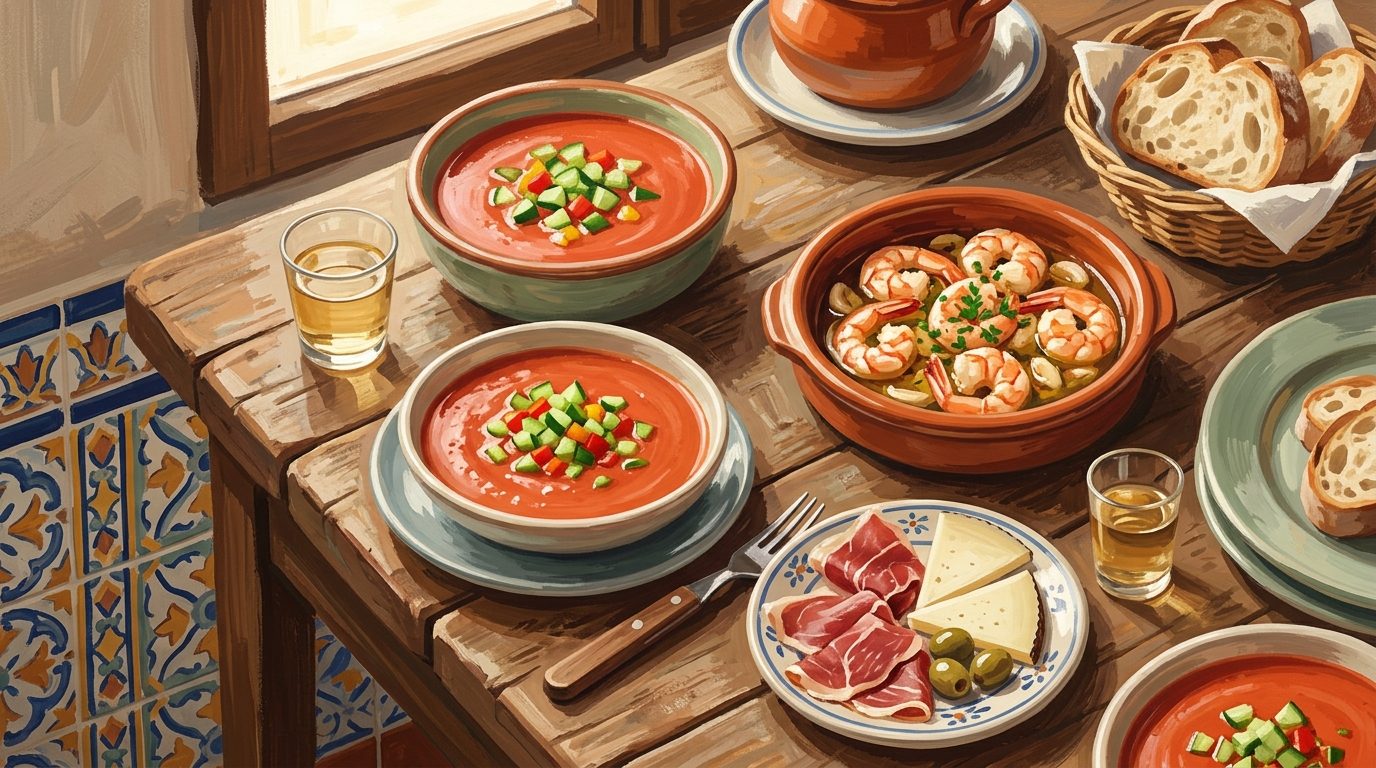
To eat your way across Andalucía is to understand that a tapa is not just a small plate of food, but a social contract that dictates the rhythm of the day. From the free morsels of Granada to the refined seafood of Cádiz, the tapeo remains the ultimate expression of southern Spanish identity.
In Andalucía, tapas is not a category of food; it is a verb. To tapear is to move from one bar to the next, standing at the counter, nursing a cold glass of Sherry or a crisp beer, and engaging in the fast-paced theatre of Andalucían social life. While many international visitors expect a formal sit-down meal, the reality of the region’s food culture is far more fluid. It is an informal, noisy, and deeply rewarding way to eat that rewards those who know the unwritten rules of the bar.
The origins of the tapa are famously murky. Some claim King Alfonso XIII covered his wine glass with a slice of ham to keep out the beach sand in Cádiz; others suggest the tapa (meaning lid or cover) was a piece of bread used to keep flies out of sweet Sherry. Whatever the history, today’s culture has evolved into a sophisticated culinary map. From the tabernas of Córdoba to the beachside chiringuitos (beach bars) of Málaga, the quality of these small plates is often superior to what you will find in many high-end restaurants. Knowing where to go, what to order, and how to behave at the bar is the difference between a tourist trap and an authentic experience.
The Tradition of the Free Tapa
The concept of the tapa de cortesía (courtesy tapa) is most fiercely guarded in the provinces of Granada, Almería, and Jaén. In these cities, when you order a drink, such as a caña (small draught beer) or a copa de vino (glass of wine), a small plate of food appears automatically, free of charge. This is not a bowl of stale olives; in a good bar, it could be a steaming portion of migas (fried breadcrumbs with chorizo), a plate of cazón en adobo (marinated, deep-fried dogfish), or carne con tomate (pork stewed in tomato sauce).
In Granada specifically, the tradition is a point of local pride. You do not typically choose your free tapa; the kitchen sends out what is being prepared at that moment. The first drink usually earns you something simple, like jamón on bread, while the third or fourth drink might yield a more substantial plate of paella or fried fish. It is a system built on loyalty and pace. If you are looking for specific recommendations in this city, consider the area around Calle Elvira or the Zaidín district for a more local feel away from the Alhambra crowds.
Andalucían Classics You Must Try
While every province has its specialities, there are several pillars of the Andalucían kitchen that appear on almost every chalkboard. Understanding these terms will help you navigate the menu without needing a translator.
- Salmorejo: A thick, cold tomato soup from Córdoba, emulsified with plenty of extra virgin olive oil and bread, usually topped with hard-boiled egg and jamón ibérico.
- Carrillada de Cerdo: Iberian pork cheeks slow-cooked in red wine or PX Sherry until they collapse at the touch of a fork. (€€)
- Gambas al Ajillo: Prawns sizzling in a terracotta dish with garlic, chilli, and olive oil. Always use the bread to mop up the oil afterwards.
- Tortillitas de Camarones: A speciality of Cádiz, these are lacy, ultra-thin fritters made with tiny whole shrimp and chickpea flour.
- Espetos: Primarily found in Málaga, these are sardines skewered on bamboo canes and grilled over olive wood fires on the beach. (€)
- Montaditos: Small toasted sandwiches. The Pringá is a classic, a rich paste made from the meats and fats of a cocido (traditional stew).
Ordering Like a Local
The first mistake many visitors make is ordering too much at once. The tapeo is a marathon, not a sprint. Start by ordering a single tapa per person and a drink. If the food is excellent, stay for another; if not, move on. In most of Andalucía (outside of Granada and Almería), you will pay for your tapas. Prices generally range from €2.50 to €5 per plate.
When looking at a menu, you will typically see three sizes: tapa (a small saucer-sized portion), media ración (a half-portion plate), and ración (a full large plate intended for sharing). Note that some modern bars are moving towards platillos (small plates) instead of the traditional three-tier sizing. If you are a group of three or four, ordering a few raciones is the most efficient way to eat. When you are finished, don't look for the waiter to bring the bill to your table; catch their eye and ask, "¿La cuenta, por favor?" In many traditional bars, the barman might still write your tab in chalk directly on the wooden bar top.
Where to Find the Best
Sevilla: The Heart of the Scene
Sevilla is arguably the tapas capital of the world. The city is home to over 3,000 bars, ranging from standing-room-only historic spots to modern gastro-bars.
- El Rinconcillo: Founded in 1670, this is the oldest bar in the city. Stand at the bar and order the espinacas con garbanzos (spinach with chickpeas) and a glass of chilled Manzanilla. (€€)
- Casa Morales: A family-run institution where you eat surrounded by giant clay wine vats (tinajas). Their montaditos and selection of cheeses are exceptional. (€)
- Las Teresas: Located in the Santa Cruz quarter, this bar is draped in cured hams. It is the place to try Jamón Ibérico de Bellota (acorn-fed ham) from the nearby Sierra de Aracena. (€€€)
Málaga: Seafood and Sweet Wine
Málaga’s food scene has undergone a massive transformation, moving beyond its fried fish roots to include some of the most innovative cooking in the south.
- Antigua Casa de Guardia: Not strictly a tapas bar, but an essential stop. It is the city's oldest winery where you drink sweet Málaga wine straight from the barrel. Simple tapas like mussels or prawns are served. (€)
- Cortijo de Pepe: A traditional spot near the Plaza de la Merced. They specialise in meats grilled over charcoal and classic portions like ensaladilla rusa (potato salad with tuna and mayo). (€€)
- Los Mellizos: For the best pescaíto frito (assorted fried fish), this is the local choice. The boquerones (anchovies) are a local obsession. (€€)
Granada: The Home of the Free Tapa
In Granada, the experience is about the surprise of what the kitchen sends out.
- Los Diamantes: Famous for its fried seafood. It is always loud and crowded, but the gambas fritas (fried prawns) are worth the squeeze. (€€)
- Bodegas Castañeda: One of the most traditional bars in the city. Try the Calicasas, a potent house blend of vermouth and wine, alongside a tabla of cured meats. (€€)
- La Tana: An exquisite wine bar with an incredible selection by the glass. Their tapas are simple but use the highest quality produce, such as heirloom tomatoes with local olive oil. (€€€)
Last reviewed: 21 June 2026 · Editorial policy
Related guides
A Guide to the Wines and Sherries of Andalucía
Discover the bone-dry finos of Jerez and the bold high-altitude reds of Ronda in our comprehensive guide to Andalucían wine culture.
6 min read
Jamón Ibérico: The Ultimate Guide to Andalucía’s Cured Gold
Discover the art of Jamón Ibérico, from the acorn-fed pastures of Jabugo to the high-altitude curing rooms of Trevélez. Learn how to decode the colour-coded labels and where to find the finest hand-carved plates in Andalucía.
6 min read
Uncorking Andalucía's Soul: A Journey Through the Sherry Triangle
Discover the rich traditions of Andalucía's Sherry Triangle, a captivating region where history, culture, and world-renowned sherry wine intertwine across Jerez, Sanlúcar, and El Puerto.
6 min read
Exploring the Living Traditions of Andalucía
Discover the deep-rooted traditions of southern Spain, from the intensity of authentic flamenco to the centuries-old secrets of sherry production.
6 min read
Andalucía for Food Lovers: A 7-Day Gastronomic Route
Forget the tourist menus; this is a rigorous seven-day map of Andalucía’s most authentic kitchens, from the sherry bodegas of Jerez to the olive groves of Jaén.
8 min read
How to Make Authentic Andalucían Sangría
While often misunderstood as a simple tourist drink, a proper Andalucían Sangría is a balanced, sophisticated punch. Learn the ratios of wine, brandy, and fresh fruit used in southern Spain.
3 min read
More guides
Beyond the Caña: The Rise of Craft Beer and Botanical Gin in Andalucía
Discover the artisanal side of Southern Spain, from the microbreweries of Málaga's Soho district to the sophisticated gin-tonic culture of Sevilla and Granada.
6 min read
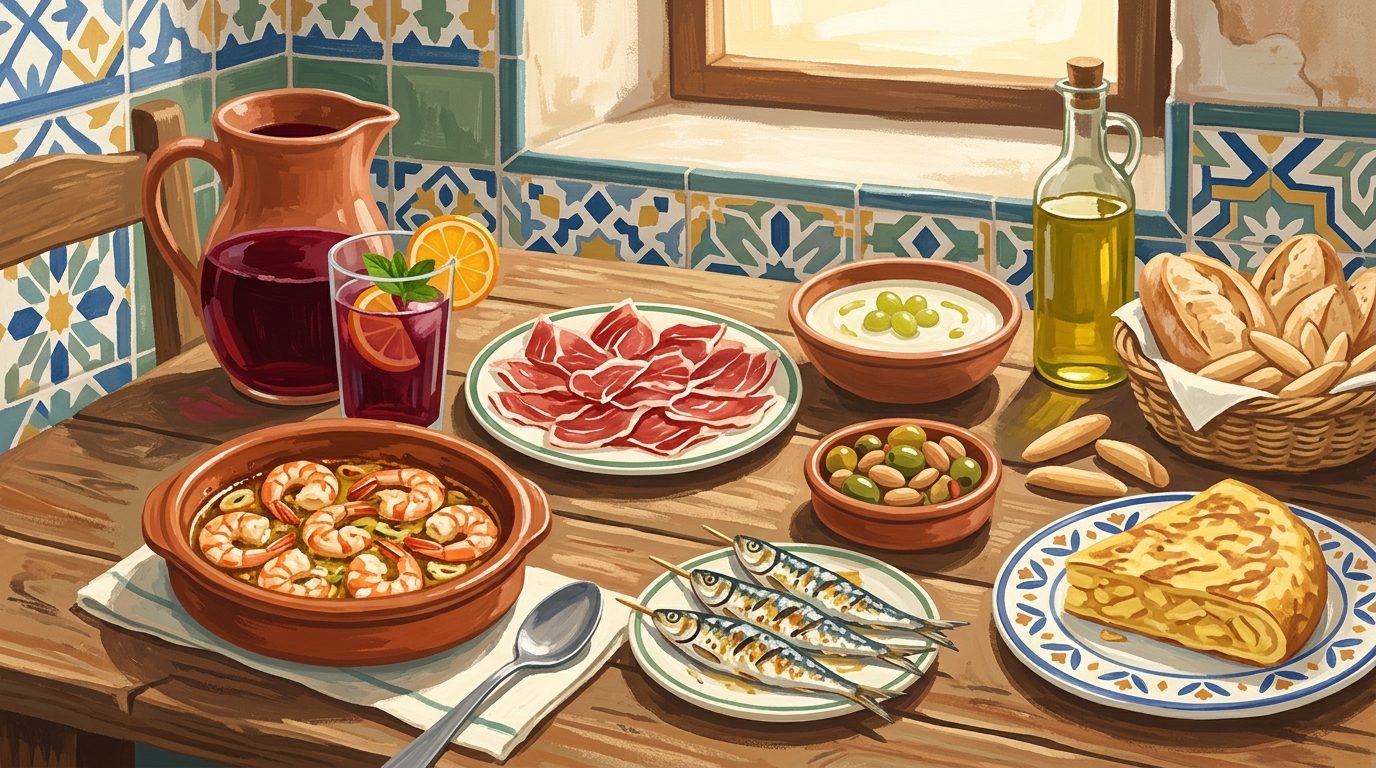
Where to Eat in Nerja: A Food Lover’s Guide to the Axarquía Coast
From wood-fired paella on the sands of Burriana to the crowded tapas bars of the old quarter, Nerja offers an authentic taste of the Málaga coastline.
6 min read
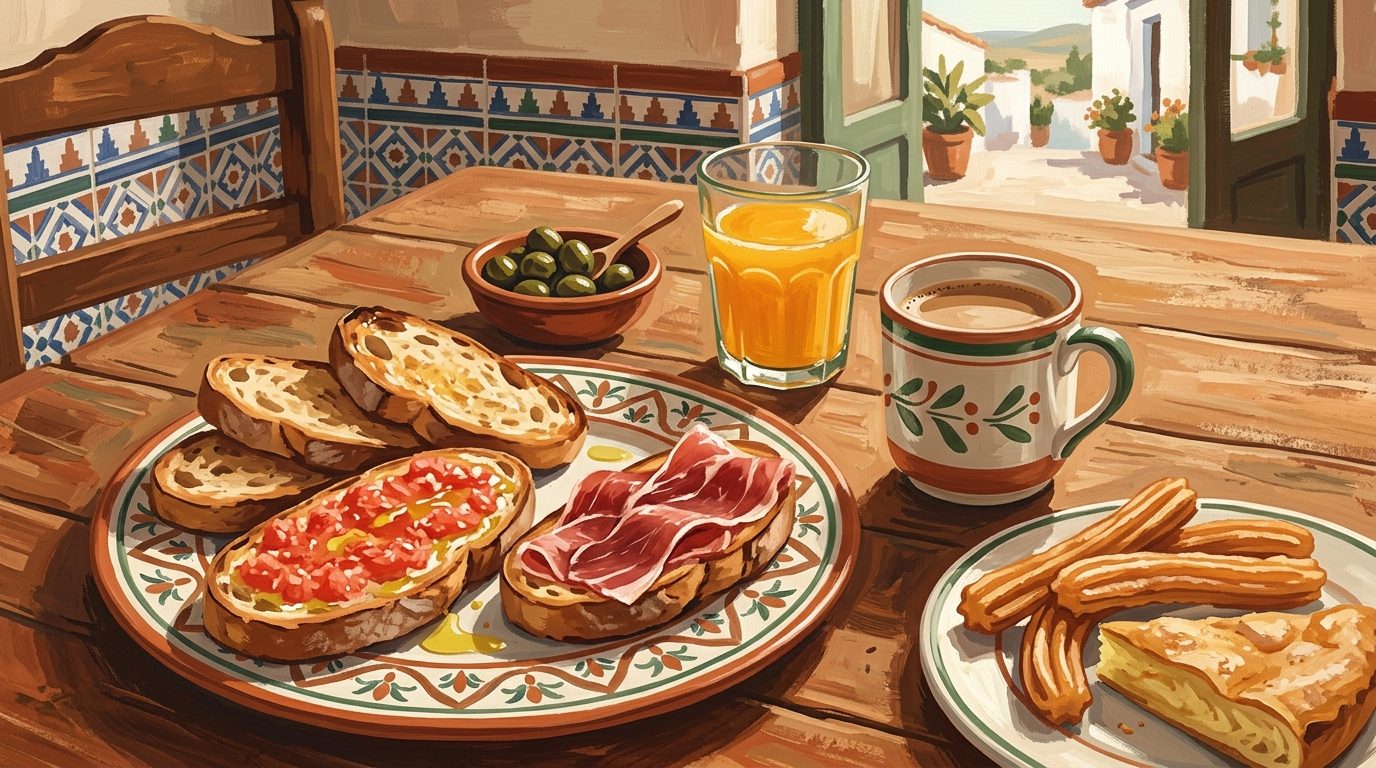
The Art of the Andalucían Breakfast and Merienda
To understand the soul of Andalucía, one must sit at a crowded bar at 10:00 am and wait for the scent of toasted bread and olive oil. It is a daily ritual that prioritises the simple pleasure of a slow morning over the rush of the working day.
6 min read
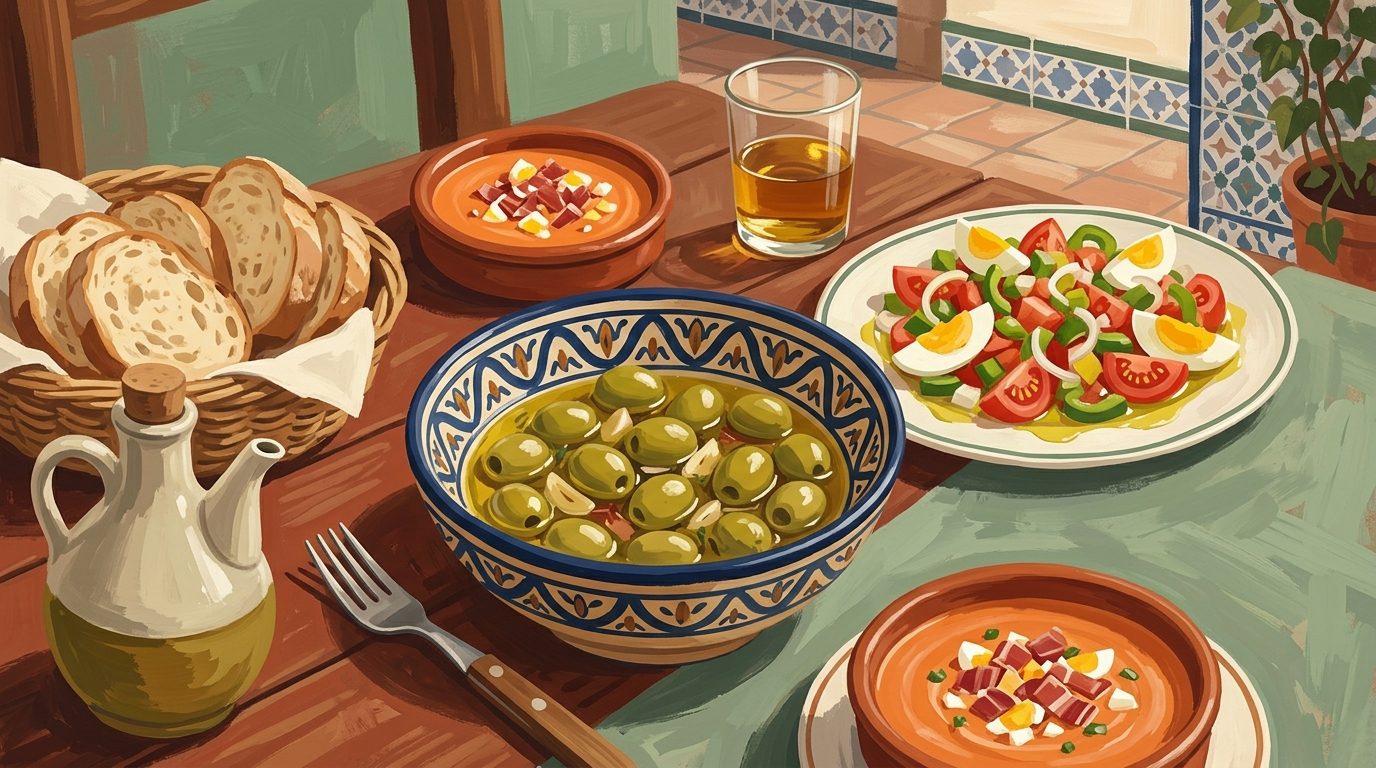
The Best Places to Eat in Jaén: A Guide to the World Capital of Olive Oil
Jaén remains one of the few places in Spain where the tradition of the free tapa is still treated with reverence. It is a city defined by its golden olive oil and a stubborn commitment to honest, seasonal cooking.
6 min read
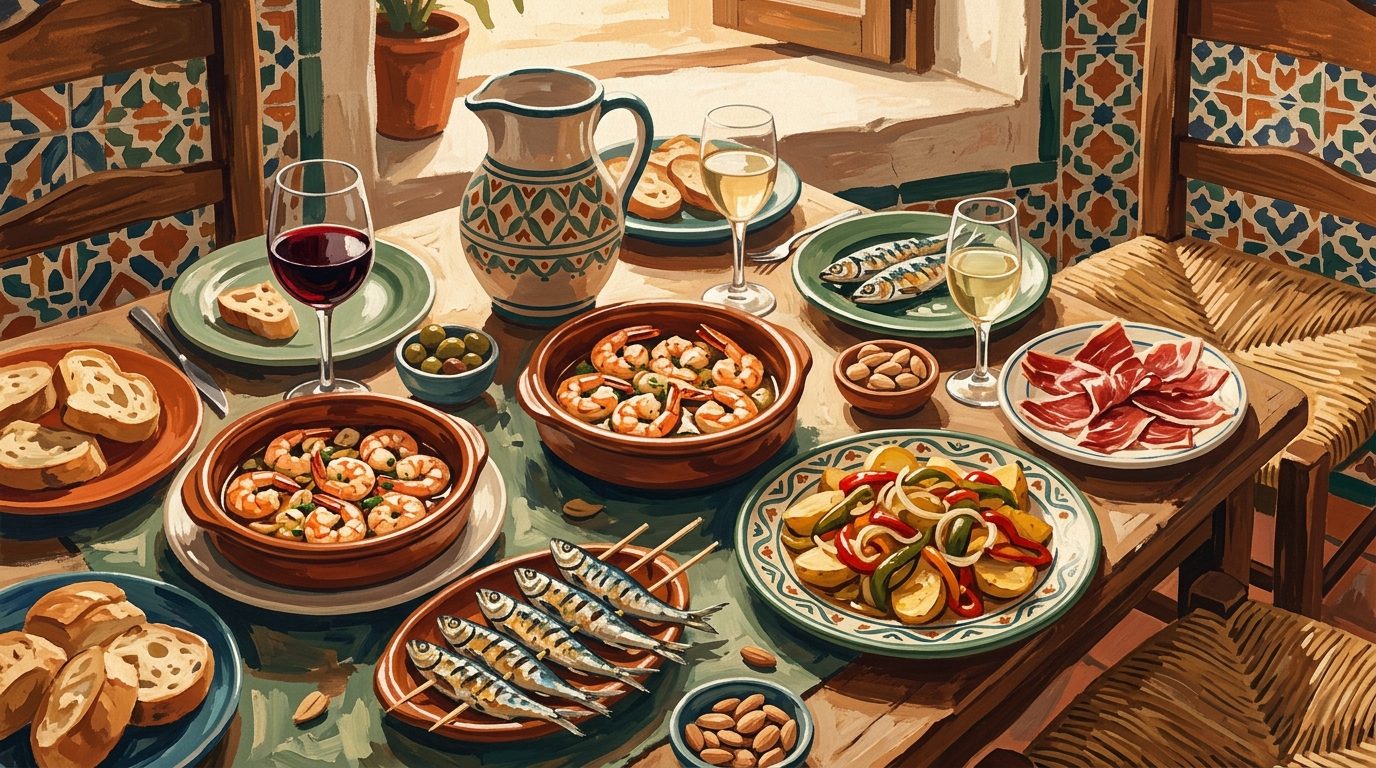
A Guide to Eating in Almería: Tapas, Seafood, and Desert Traditions
Discover the unique food culture of Almería, from the tradition of free-choice tapas to the legendary 'cherigan' toast and the freshest red prawns in the Mediterranean.
7 min read
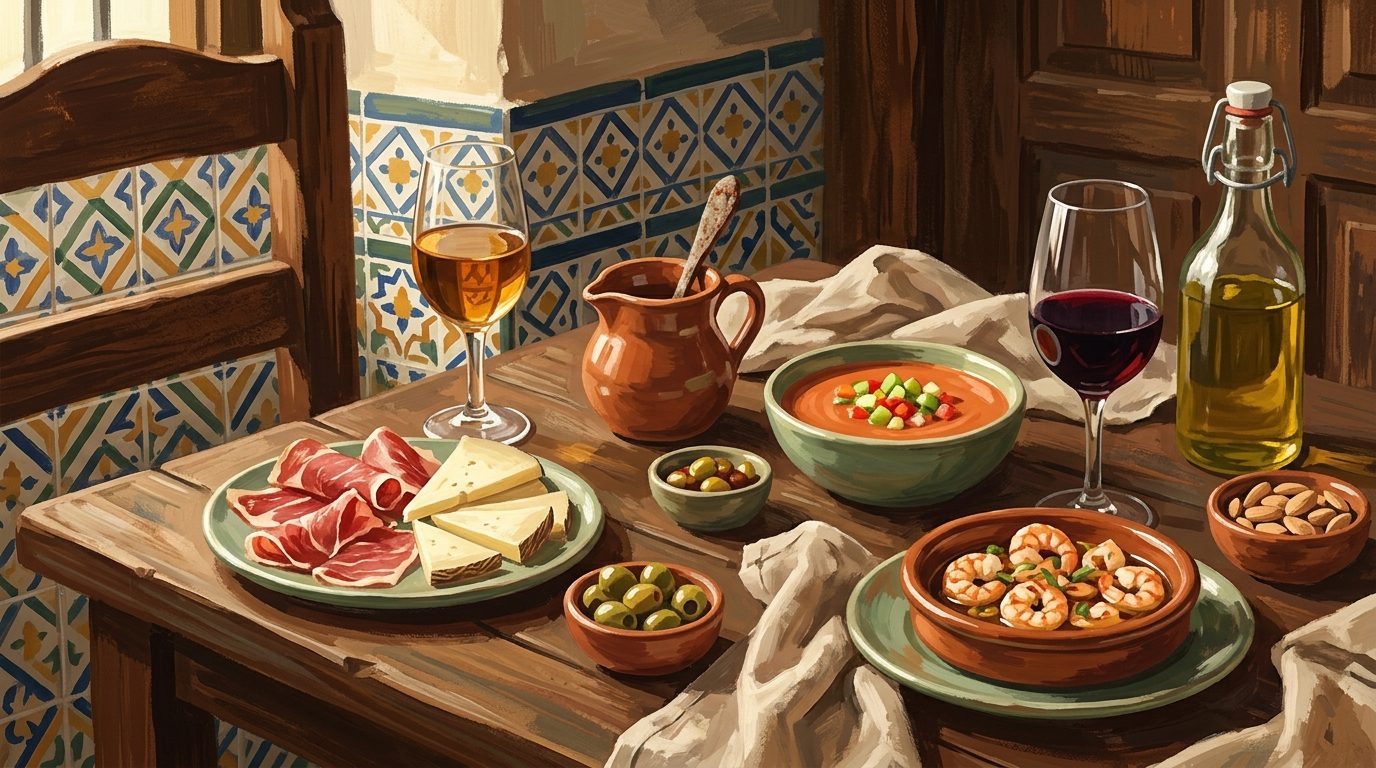
A Calendar of Flavour: The Best Food Festivals in Andalucía
From the smoky beach fires of Málaga to the prestigious ham auctions in Huelva, Andalucía’s food festivals offer a seat at the table of the region’s most authentic traditions.
7 min read
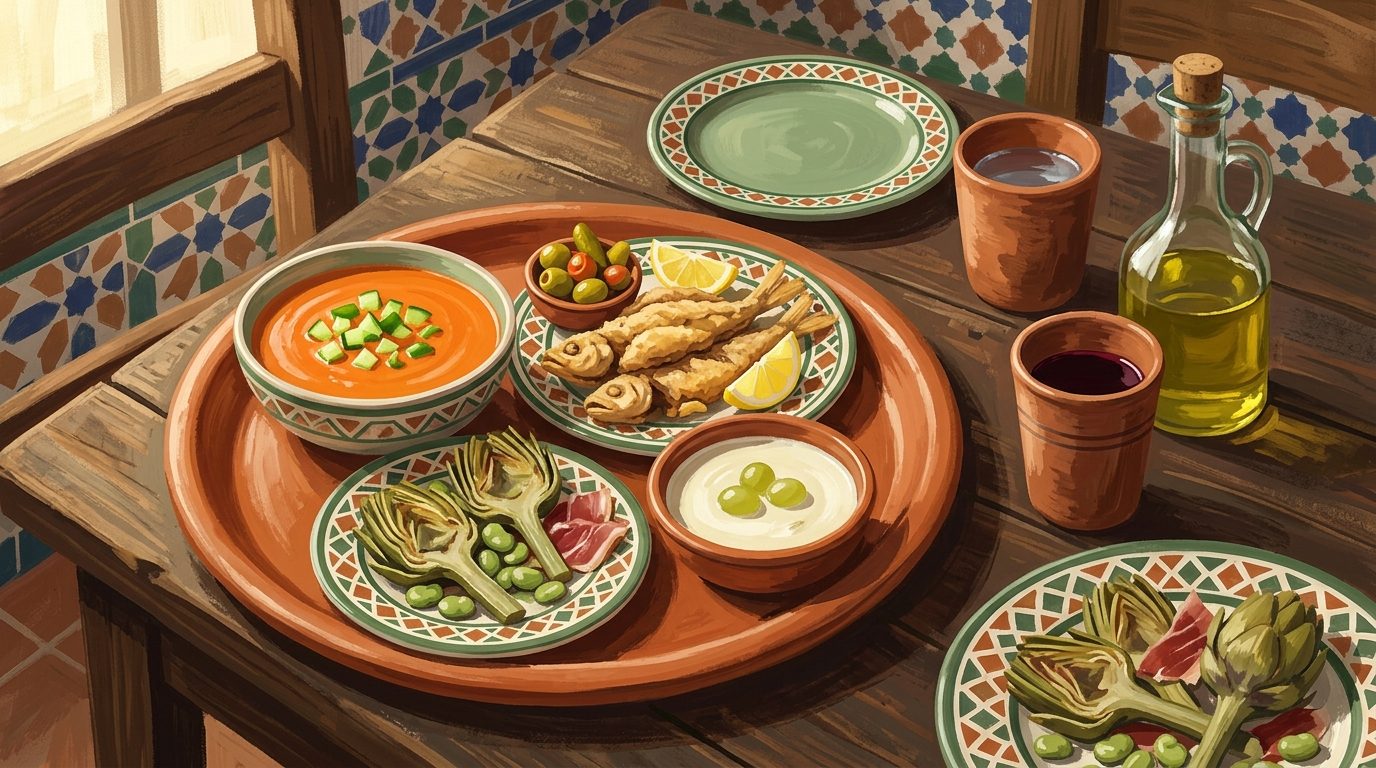
A Guide to Seasonal Eating in Andalucía
Discover the culinary calendar of Andalucía, from the sun-drenched tropical fruits of Granada to the smoky chestnut festivals of the Sierra mountains.
6 min read
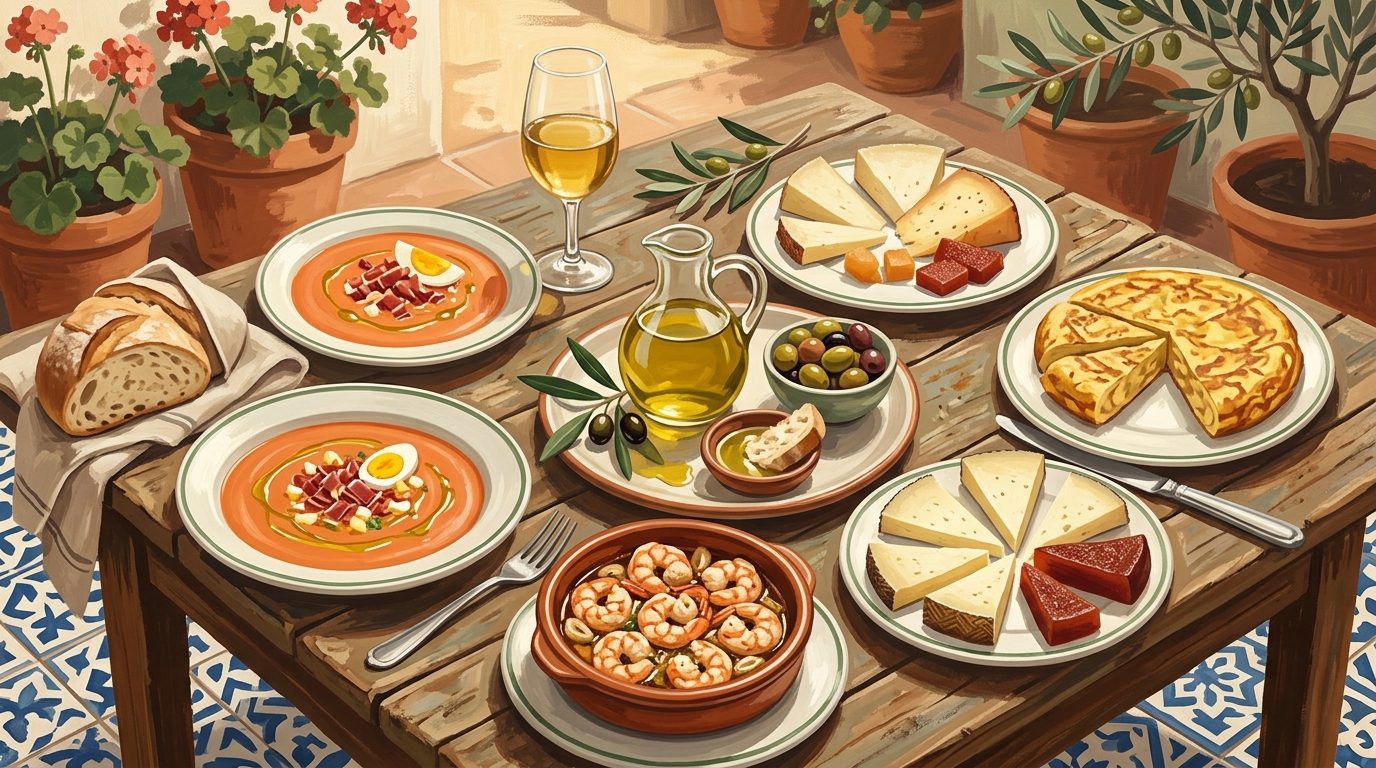
The Liquid Gold of Andalucía: A Deep Dive into the World’s Best Olive Oil
Discover the secrets of Andalucía's liquid gold, from the vast groves of Jaén to the art of the perfect breakfast tostada. This guide covers varieties, harvest secrets, and the best mills to visit.
6 min read
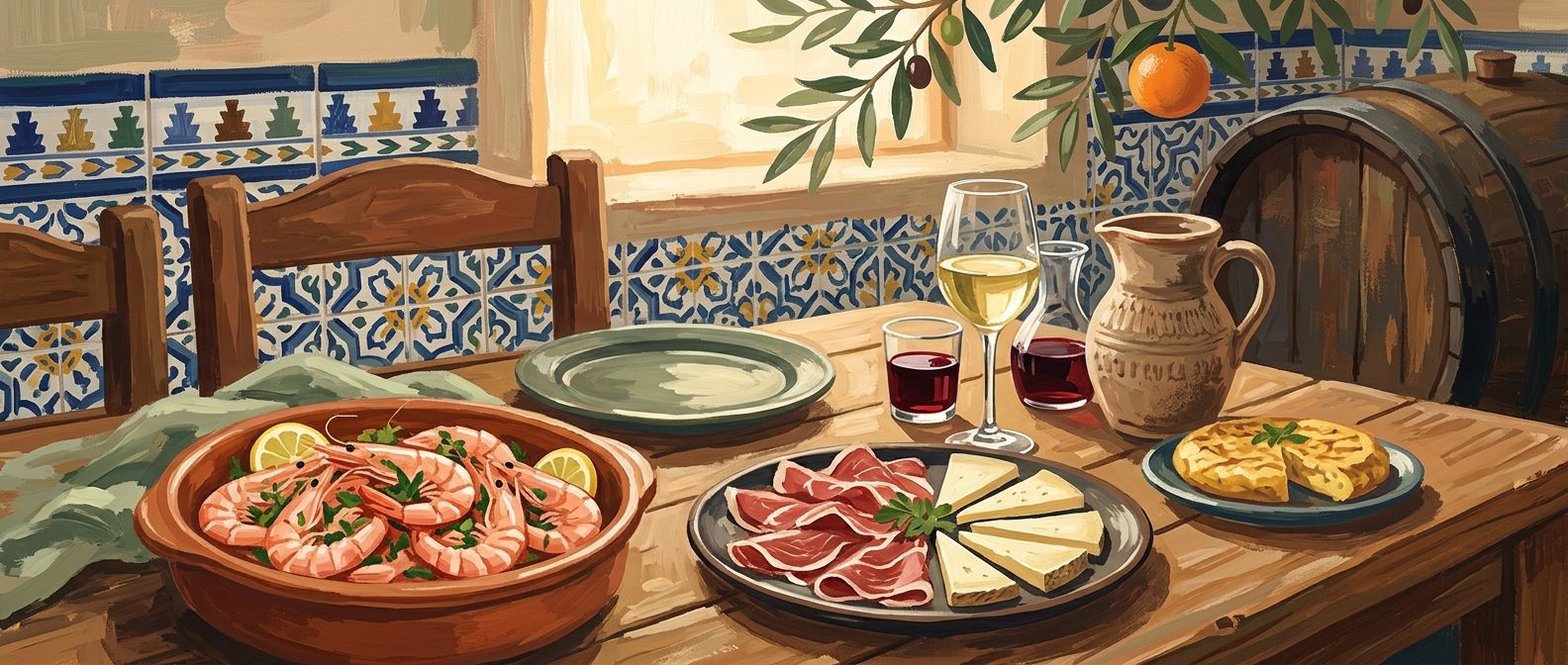
Where to Eat in Huelva: From Atlantic Prawns to the Heights of Jabugo
Discover the culinary secrets of Spain's southwestern corner, where the Atlantic's finest white prawns meet the world's best acorn-fed ham.
6 min read
Newsletter
More stories from Andalucía
Weekly notes, seasonal picks, and the next guides worth bookmarking.