
Feature · Granada
Semana Santa in Granada: A Complete Visitor Guide
Semana Santa in Granada swaps broad avenues for narrow Moorish streets and steep hillsides. Watching an illuminated wooden float emerge from the grounds of the Alhambra or ascend into the caves of Sacromonte offers a profound emotional experience that feels intimately tied to the landscape itself.
By Dan · Updated 16 July 2026 · 8 min read
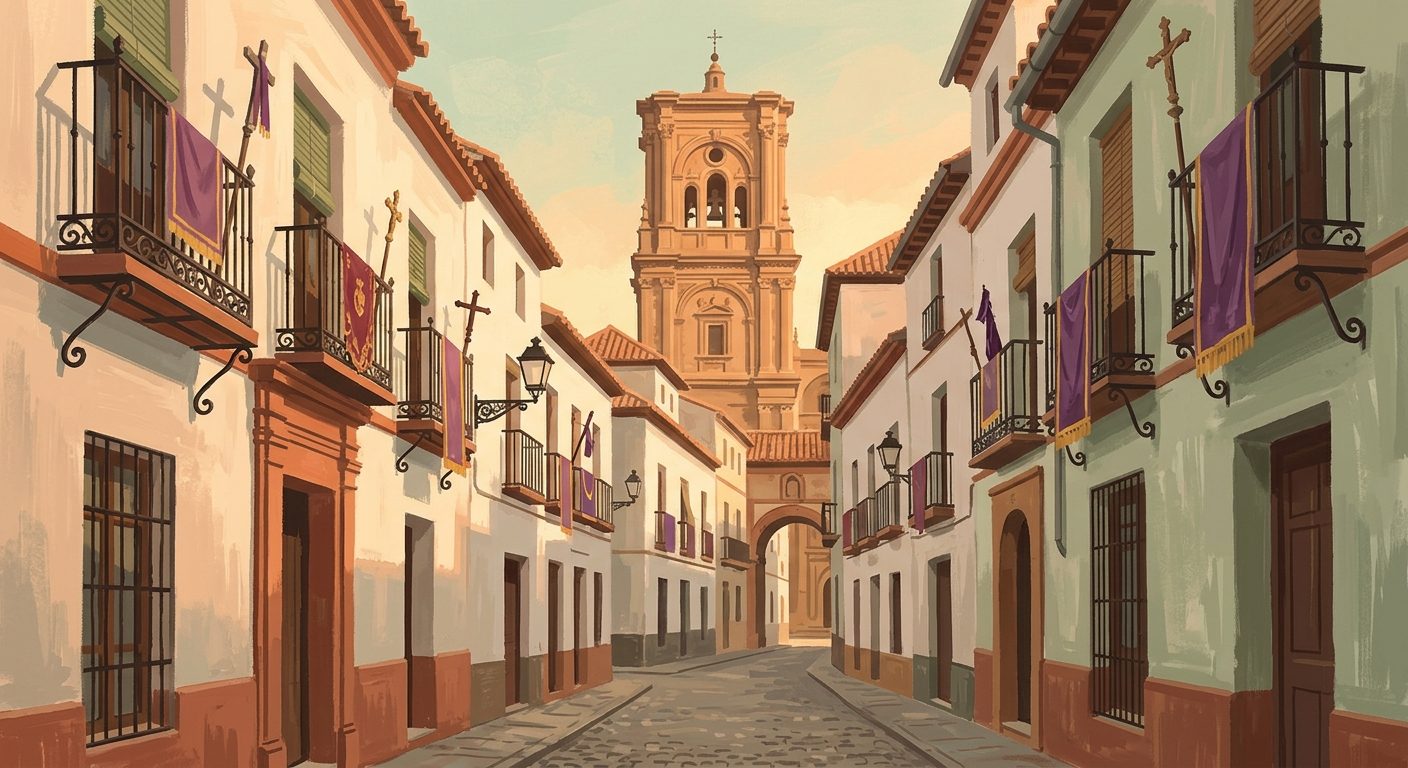
Semana Santa in Granada swaps broad avenues for narrow Moorish streets and steep hillsides. Watching an illuminated wooden float emerge from the grounds of the Alhambra or ascend into the caves of Sacromonte offers a profound emotional experience that feels intimately tied to the landscape itself.
Granada presents a holy week that feels fundamentally different from the grand, operatic scale of Sevilla or the maritime flavour of Málaga. Here, the geography dictates the atmosphere. The city is defined by its hills, meaning that the men and women carrying the heavy wooden floats (known as pasos) must navigate punishing gradients, impossibly tight corners and ancient archways. The physical exertion is palpable.
This geographical drama gives the Granada processions a uniquely theatrical backdrop. A paso framed by the illuminated Alhambra palace, or ascending the Darro river valley as dusk falls, creates a visual intensity that is hard to replicate. The cultural context is deeply rooted in the city's complex past. Brotherhoods emerge from distinct, historically significant neighbourhoods like the Albaicín (the old Moorish quarter), the Realejo (the former Jewish quarter) and Sacromonte (the traditional Roma neighbourhood). Each barrio lends its own personality to its local procession.
In Sacromonte, the passage of the Cristo de los Gitanos is accompanied by roaring bonfires and spontaneous, heartbreaking flamenco singing known as saetas. In the Albaicín, the procession of El Silencio plunges the streets into darkness, accompanied only by the haunting sound of a solitary drum. For the thoughtful visitor, understanding Granada during this week requires an appreciation of these local contrasts. It is a time when the city reclaims its streets, blending deep religious devotion with intense civic pride.
What to expect
The scale in Granada is intimate but the emotional weight is immense. Visitors often remark on the sheer physical proximity to the processions. Unlike cities with wide boulevards, Granada channels its brotherhoods through narrow alleys where the incense hangs heavy in the air and the scraping of the costaleros (the float bearers) shuffling their feet echoes off the stone walls.
You will encounter thousands of nazarenos (penitents) wearing the traditional capirote (conical hood) and carrying large wax candles. The atmosphere swings violently between solemnity and raw passion depending on the day and the neighbourhood. Some processions are defined by strict silence, where crowds stand utterly still and respectfully quiet. Others, particularly those from Sacromonte and the Realejo neighbourhoods, are marked by applause, brass bands playing mournful marches, and intense local celebration. It is an overwhelming sensory experience that demands patience and respect from those who come to watch.
When it happens
Semana Santa follows the liturgical calendar. Having recently concluded for 2026, the next celebrations will take place early in 2027, with Palm Sunday falling on 21 March and Easter Sunday on 28 March. The official timetable begins on Palm Sunday (Domingo de Ramos) and concludes on Easter Sunday (Domingo de Resurrección).
The week builds in intensity. Palm Sunday is joyous and family-oriented, featuring the famous Borriquilla procession that brings children onto the streets carrying palm fronds and clay bells (los facundillos). Monday and Tuesday see solemn processions descending from the Zaidín and Realejo districts. Wednesday marks a dramatic shift in energy with the Cristo de los Gitanos, the most famous and passionate procession of the week.
Thursday and Good Friday are the emotional high points, featuring deeply moving, austere processions such as El Silencio and the Santo Entierro. Saturday offers the unique spectacle of the Santa María de la Alhambra brotherhood descending from the palace grounds, before Sunday concludes the week with morning processions celebrating the resurrection.
The processions
Granada hosts 32 brotherhoods (cofradías), each with its own specific iconography, colours and route. All of them must eventually pass through the Carrera Oficial (the official route), which begins on Calle Ángel Ganivet, moves through Puerta Real and Calle Mesones, crosses Plaza de las Pasiegas and finally enters the Cathedral.
The defining procession of Granada is the Cristo de los Gitanos on Holy Wednesday. The brotherhood leaves the centre in the late afternoon and begins a gruelling ascent up the Cuesta del Chapiz into the Sacromonte caves late at night. The hillsides are lit by enormous bonfires known as chíscolos. Locals sing saetas from balconies, and the atmosphere is electrically charged.
On Holy Thursday, the procession of the Cristo de la Misericordia (El Silencio) commands utter reverence. Starting at midnight from the Albaicín, streetlights are literally switched off as the procession approaches. The only sounds are the dragging of chains worn by penitents and the slow beating of a single muffled drum.
Holy Saturday brings the spectacular descent of Nuestra Señora de las Angustias de Santa María de la Alhambra. This paso, crafted entirely from silver, must be carefully manoeuvred through the narrow Puerta de la Justicia of the Alhambra palace. It is a striking feat of coordination that draws massive crowds to the surrounding woods.
Where to watch / where to be
Securing a good vantage point requires strategy and patience. The Carrera Oficial has tiered seating, but these chairs are sold via season tickets long in advance and are rarely available to short-term visitors. Fortunately, the most atmospheric viewing spots are out on the streets.
The Carrera del Darro, running alongside the river beneath the Alhambra, offers an incredibly romantic setting. Watching a procession navigate this narrow cobbled street at twilight is memorable. However, it gets dangerously crowded. You must arrive at least two hours before the paso is due to secure a spot against the wall.
For the Cristo de los Gitanos on Wednesday, the prime locations are along the Camino del Sacromonte. Access is heavily restricted later in the evening, so it is wise to walk up early, secure a spot near one of the bonfires, and wait.
To witness the procession of El Silencio, position yourself on the Carrera del Darro or Plaza Nueva before midnight. If you prefer a less claustrophobic experience, the wider avenues like Calle San Antón and Calle Recogidas offer more breathing room, though they lack the medieval atmosphere of the Albaicín.
A unique Granada tradition involves the chías. These are figures dressed in historical costumes who lead certain processions playing fanfares. Look out for them in the Plaza Nueva area where the acoustics amplify their trumpets.
What to wear & cultural sensitivities
Semana Santa is deeply serious for locals. It is primarily a religious observance, not a tourist attraction. Your behaviour and dress should reflect this reality.
Dress smartly. On Holy Thursday and Good Friday, it is customary for Andalucían men to wear dark suits and ties, and for women to wear elegant dark clothing, sometimes accompanied by the traditional black lace mantilla. While visitors are not expected to don a suit, you should completely avoid beachwear, shorts, flip-flops, and overly casual or revealing clothing. Dark, conservative attire is best.
Silence is crucial during the austere processions, particularly El Silencio. Do not talk, do not whisper, and make sure your phone is completely silenced. For other processions, follow the crowd's lead. If locals are clapping after a difficult manoeuvre by the costaleros, you may join in.
Photography requires great discretion. Never use a flash, as it blinds the costaleros who are already navigating treacherous paths with limited visibility. Do not step into the path of a procession to take a selfie. Never cross through the lines of penitents.
Where to eat & drink
Dining during Semana Santa requires flexibility. Many restaurants close their standard dining rooms or severely restrict their menus. Securing a table at a regular hour is almost impossible.
Instead, rely on Granada's legendary tapas culture. Bodegas Castañeda on Calle Almireceros (just off Plaza Nueva) is an institution. It will be packed to the doors, but it is the perfect place to stand at the bar, drink a vermouth, and eat a quick plate of broad beans with ham (habas con jamón) between processions.
For fried fish, head to Bar Los Diamantes. They have several locations, but the original on Calle Navas is right in the heart of the procession zones. Expect a loud, chaotic environment where you will need to assert yourself to order.
If you want a sit-down meal, Restaurante Chikito on Plaza del Campillo offers excellent traditional Andalucían food. You must book this months in advance for Semana Santa. Look out for traditional seasonal food including potaje de vigilia (a hearty stew of chickpeas, spinach and cod) and torrijas (a sweet bread soaked in milk or wine, fried and coated in honey or sugar).
Where to stay & booking advice
Accommodation during Semana Santa is expensive and scarce. You need to book at least six to eight months in advance.
The location of your hotel will dictate your entire experience. Staying in the historic centre (around the Cathedral, Plaza Nueva, or Gran Vía) places you immediately in the action. However, be aware that your hotel entrance may literally be blocked by a procession for hours at a time.
The lower Albaicín offers beautiful boutique hotels and easy access to the Carrera del Darro, but involves steep climbs and navigating massive crowds. The Realejo is slightly quieter but still intensely atmospheric, making it an excellent compromise.
If you prefer a peaceful retreat after the intensity of the crowds, look at hotels near the Palacio de Congresos or further down the Genil river. You will have a fifteen-minute walk to the centre, but you will escape the relentless drumming and trumpet fanfares that echo through the night.
Practical notes
Public transport is heavily disrupted. The small red minibuses that usually serve the Albaicín, Sacromonte, and Alhambra are frequently rerouted or cancelled due to street closures. Taxis cannot access the centre during procession hours. Be prepared to walk everywhere, and wear very comfortable, supportive shoes. The cobbled streets and steep inclines are punishing on the feet.
If you are driving to Granada, do not attempt to bring your car into the centre. Use the large public car parks on the outskirts of the city, such as the Neptuno car park, and walk in.
Finally, the weather in early spring is unpredictable. It can be intensely warm in the afternoon sun and bitterly cold at night when the wind blows down from the snow-capped Sierra Nevada mountains. Layering is essential. Carry a warm coat for the late-night processions, as temperatures can drop significantly when the wind blows off the Sierra Nevada.
Last reviewed: 21 June 2026 · Editorial policy
Related guides
Corpus Christi in Granada: The Definitive Guide
In Granada, Corpus Christi is far more than a solemn religious observance. It is the city's largest annual festival, combining the scent of fresh rosemary crushed underfoot during the sacred Thursday procession with the unapologetic joy of the week-long public feria in Almanjáyar.
10 min read
The Siege of the Real: Inside Sevilla’s Private Universe
Beyond the yellow dust of the Real, Sevilla’s great fair is a labyrinth of closed doors where the city’s true social hierarchy is revealed in the clinking of glasses.
8 min read
The Granite and the Geranium: The Fragile Geometry of Córdoba’s May
For two weeks in May, Córdoba’s residents throw open the doors of their private courtyards, turning a city of stone into a living, breathing laboratory of botanical obsession.
6 min read
The Sound of Silence: Inside Semana Santa
The drumbeat hits the sternum first, a rhythmic thud that vibrates through the marrow before the ear registers the sound. Then comes the silence: a heavy, suffocating quiet.
7 min read
Semana Santa in Sevilla: A First-Timer's Guide
Semana Santa in Sevilla is an intense expression of faith, art and civic identity. Unlike other cities, the spectacular wooden floats are carried from below by hidden costaleros, moving to the slow beat of mourning marches or absolute silence.
8 min read
Semana Santa in Malaga: The Complete Guide
Experience the immense tronos, military anthems and communal spirit that define Holy Week in Malaga.
9 min read
More from Granada
Nasrid Granada: The Last Islamic Kingdom of Iberia
Discover how the Nasrid dynasty forged a pragmatic mountain emirate that survived for over two centuries, creating the Alhambra and leaving a lasting architectural legacy.
8 min read
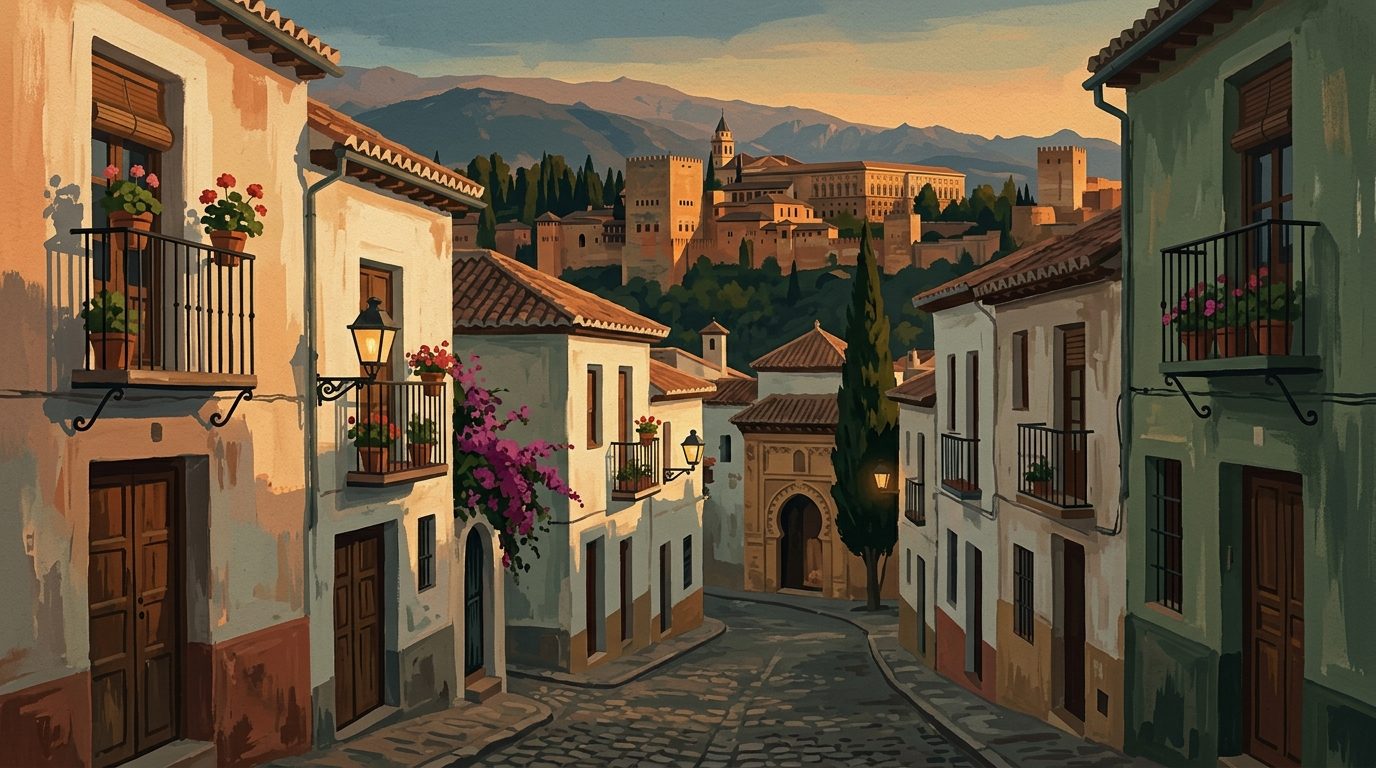
Lorca and the Repression in Granada
The assassination of Spain's most celebrated poet was just one part of a systematic campaign of terror. Today, the ravines of Víznar and Alfacar hold the stories of thousands whose voices were silenced.
7 min read
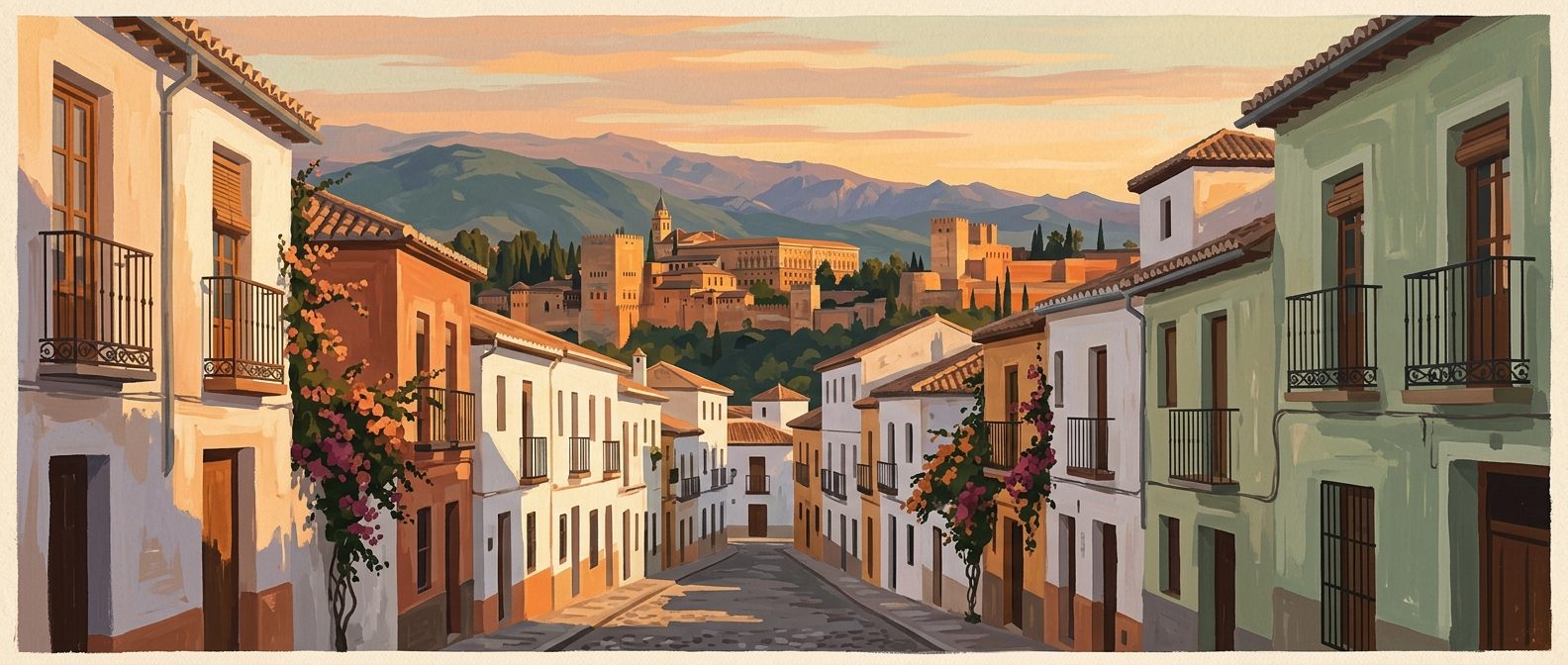
The Frontier of Granada: Life and War on the Edge of Al-Andalus
For over two centuries, the borderland separating the Christian Crown of Castile from the Nasrid Emirate of Granada was defined by watchful towers and sudden raids. Yet this military frontier was equally a zone of profound cultural exchange, where merchants, captives and diplomats negotiated daily survival in a divided land.
7 min read
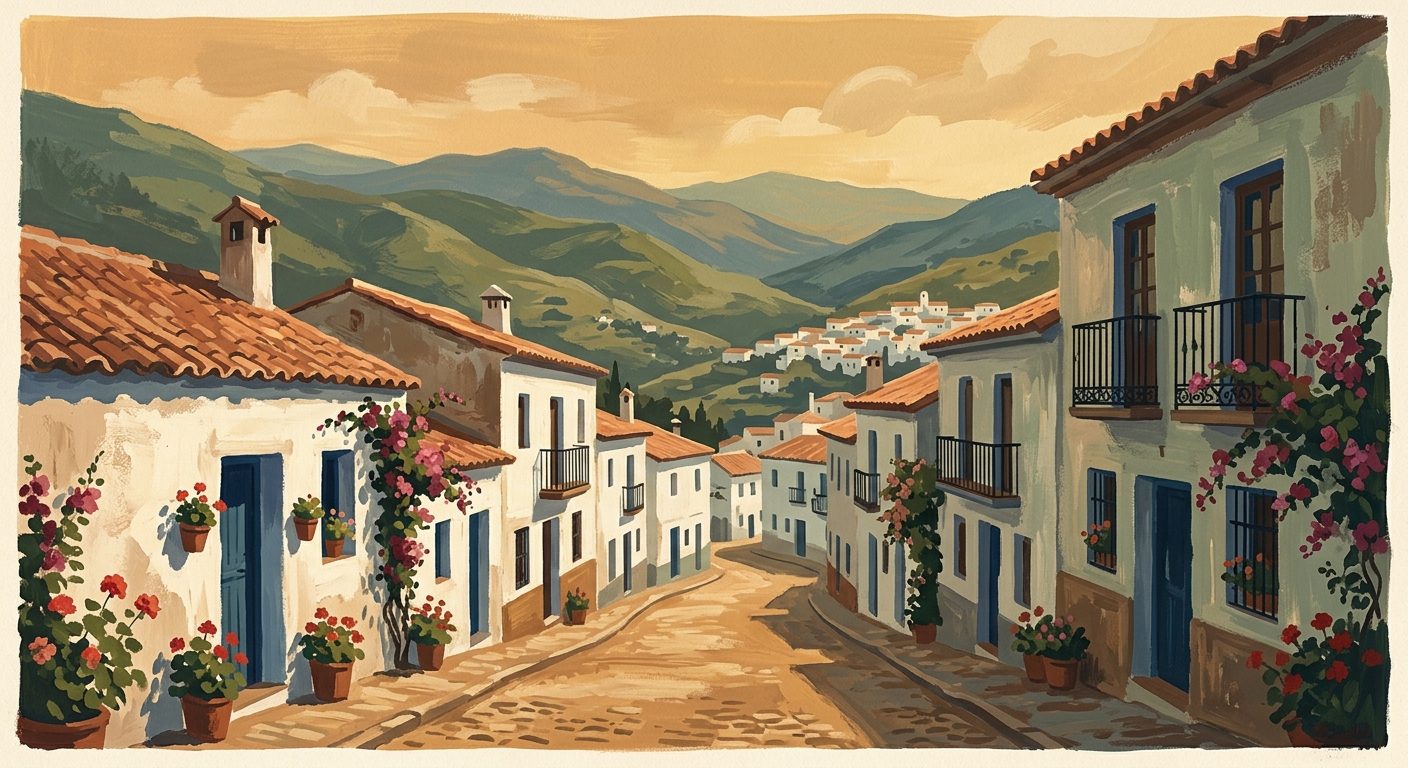
The Morisco Revolt of the Alpujarras
The Morisco Revolt of 1568 transformed the mountainous terrain of the Alpujarras into the theatre of a brutal war. Driven to rebellion by laws erasing their culture, the descendants of Granada's Muslim population fought a desperate campaign against the Spanish Crown.
8 min read
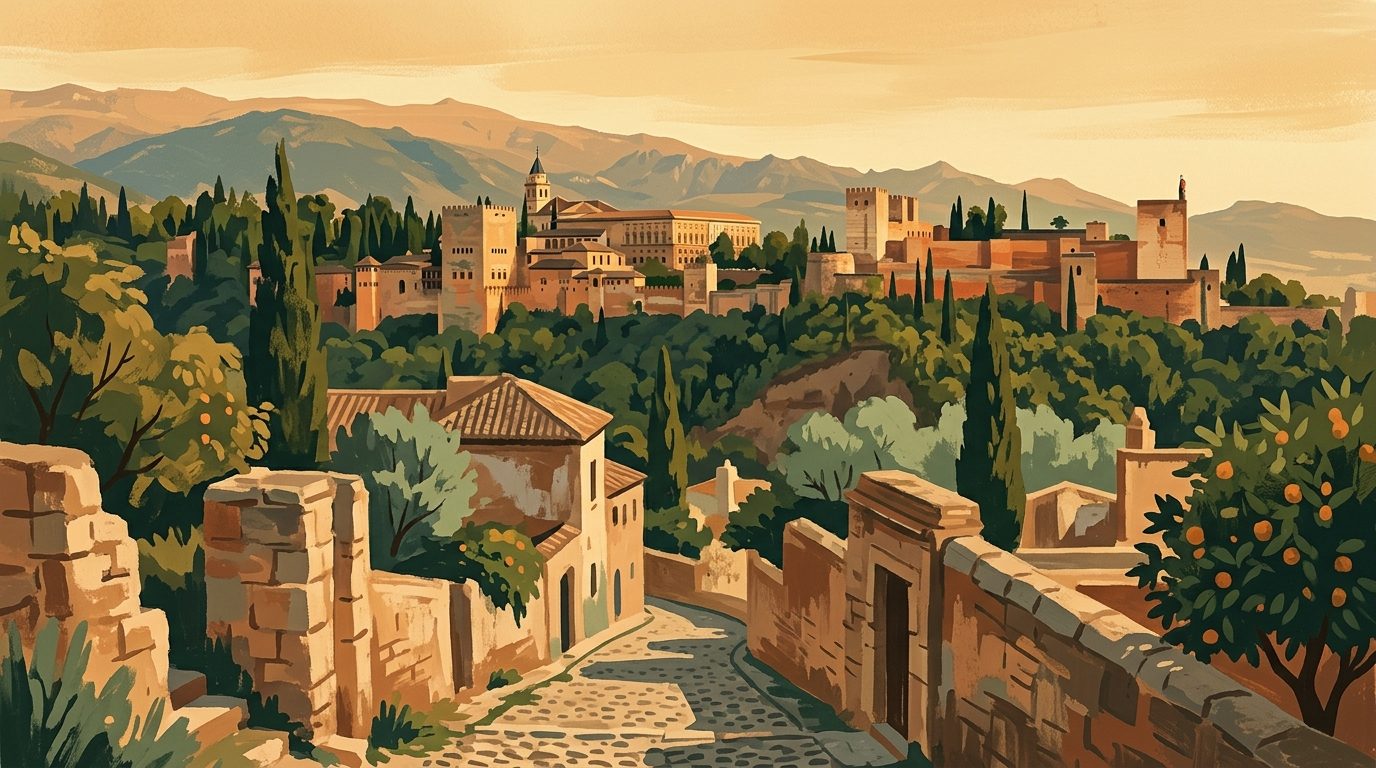
The Fall of Granada, 1492
On the second of January 1492, the keys to the Alhambra were handed over to Ferdinand and Isabella, bringing a close to almost eight centuries of Muslim rule in the Iberian Peninsula. The capitulation of Granada reshaped the political and religious landscape of Europe forever, ending a long war of attrition.
8 min read
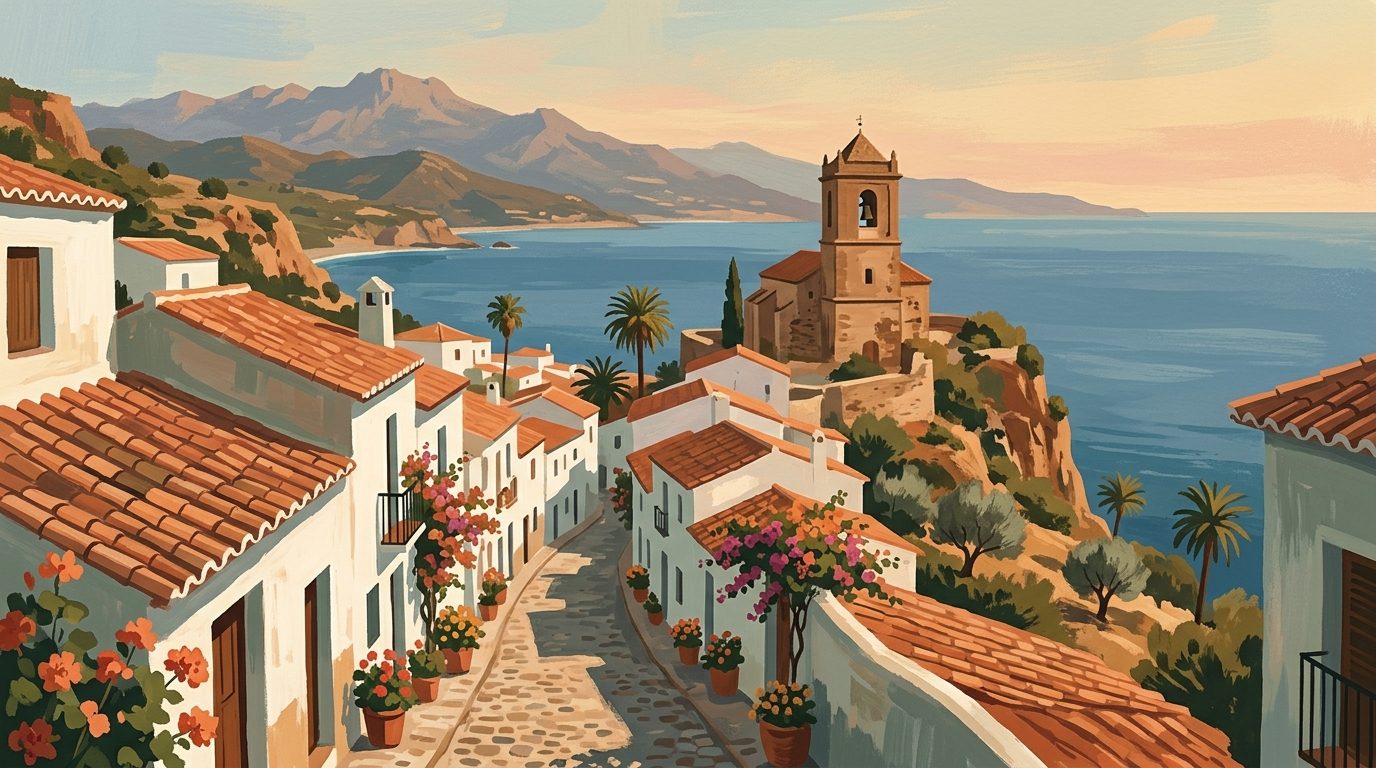
Costa Tropical: The Complete Guide to Granada's Subtropical Coast
Wedged between the foothills of the Sierra Nevada and the Mediterranean Sea, the Costa Tropical is defined by dramatic cliffs, sheltered pebble coves and a unique subtropical microclimate. It offers a quieter, more agricultural alternative to its heavily developed neighbours.
9 min read
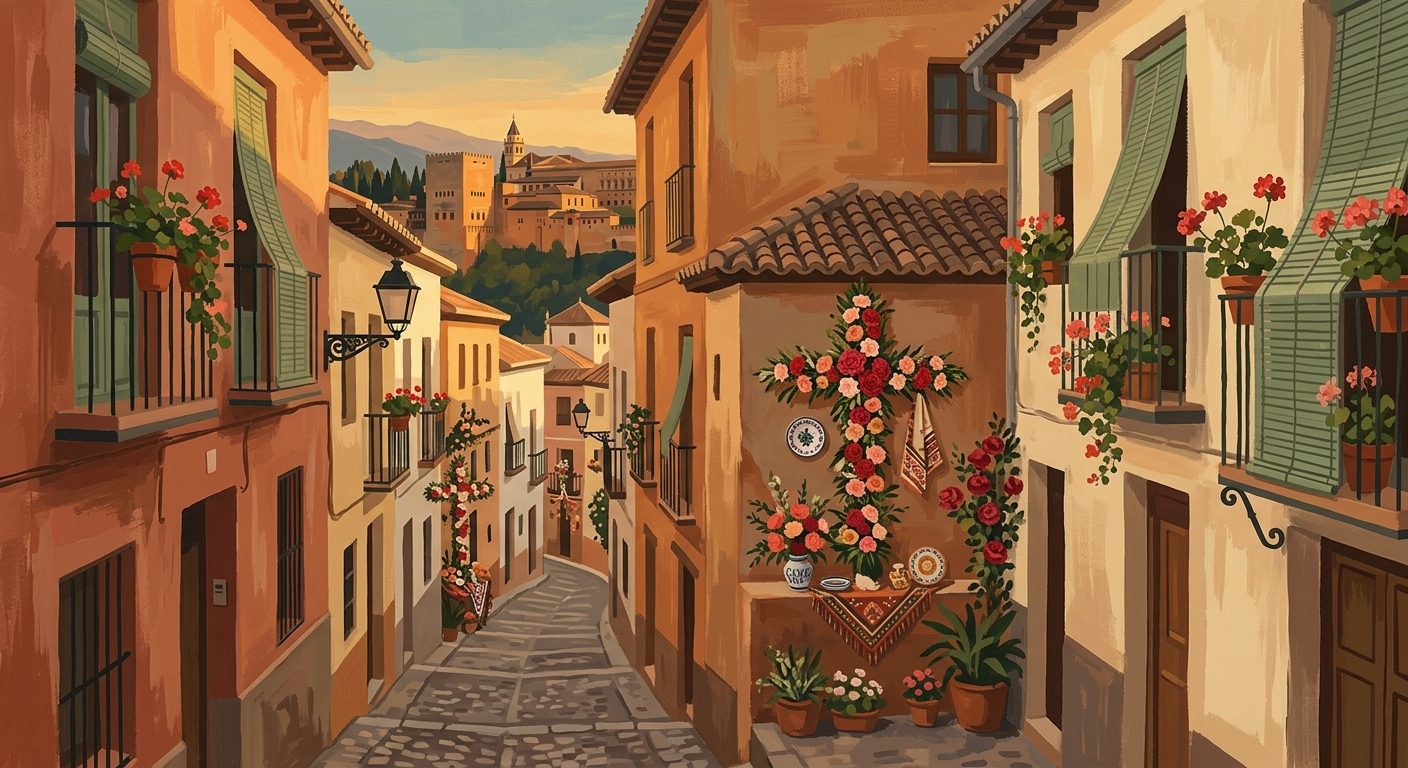
Cruces de Mayo in Granada: A Complete Guide
Discover how Granada transforms during the Cruces de Mayo festival. We detail where to find the most spectacular floral crosses, the local traditions to observe, and how to navigate the celebrations.
9 min read
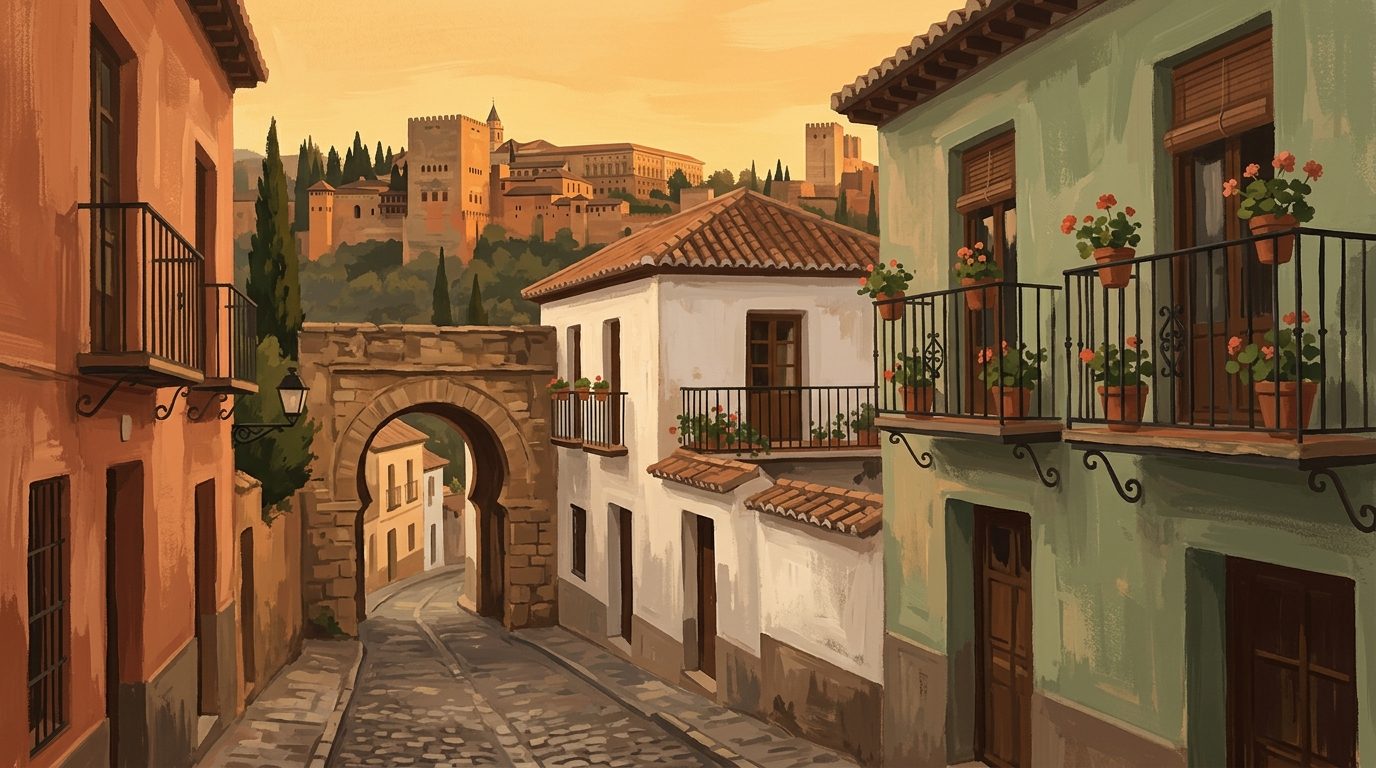
The Resistance of the Plate: Why Granada Refuses to Sell Its Soul
In a world of monetised moments and rising margins, Granada holds fast to a radical social contract: the gift of a plate with every glass.
7 min read
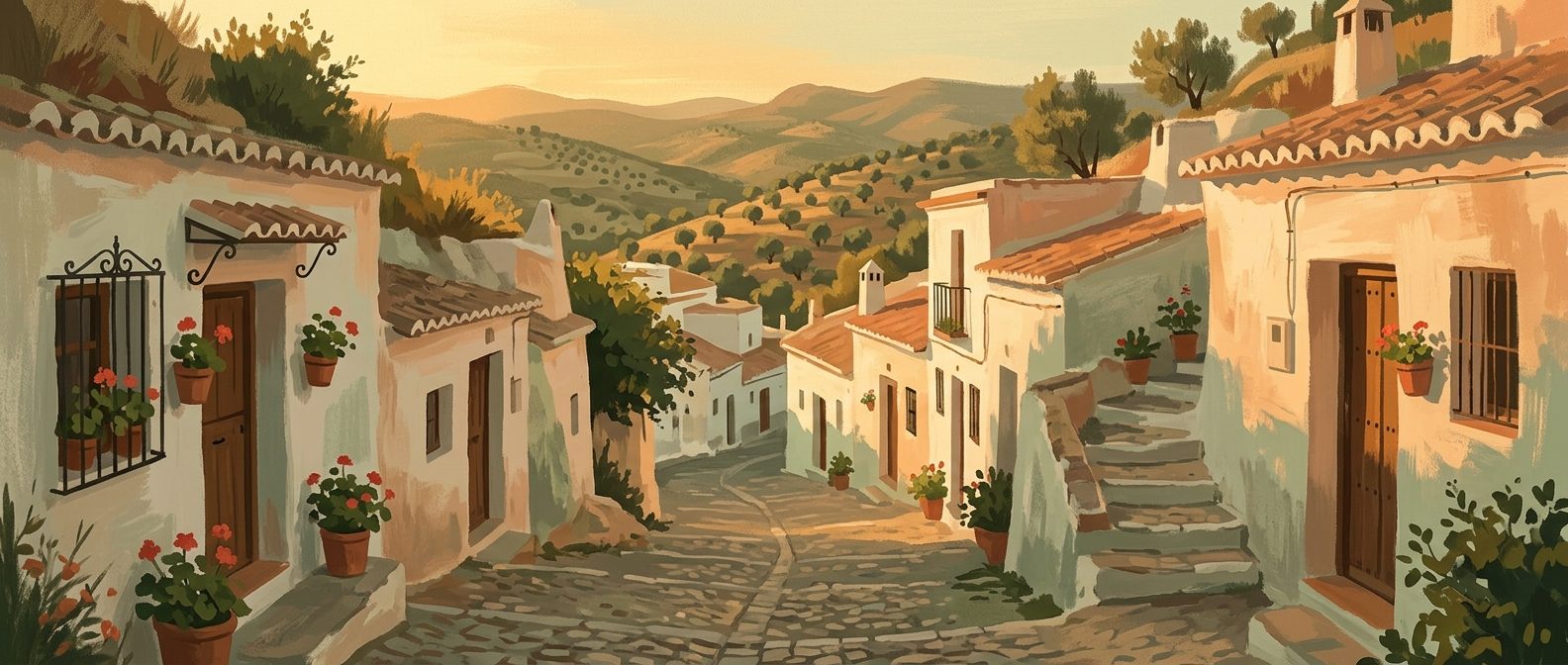
Beyond the White Caves: The Unseen Struggle of Sacromonte
The whitewash on Curro’s fingers is thick as paste, a seasonal ritual of reclaiming a home from the damp appetite of the hillside.
7 min read
Newsletter
More stories from Andalucía
Weekly notes, seasonal picks, and the next guides worth bookmarking.