
218 BC-AD 409
Roman Hispania Baetica
How did a distant southern province become the economic engine of the Roman Empire and the birthplace of emperors? The answer lies in the fertile soils and sheltered harbours of Hispania Baetica.
Roman Andalucía is unusually visible because the province of Baetica was tied into imperial food, oil, fish sauce, mining, and urban life. The remains are not limited to one city: they run from major archaeological sites to bridges, theatres, mosaics, and reused stones inside later towns.
Baelo Claudia is the easiest place to understand the garum economy because the town plan, forum, fish-salting installations, and coast sit together in one visit. Itálica, near Sevilla, gives a different view through elite houses, mosaics, amphitheatre remains, and the politics of Roman urban status.
A good Roman route focuses on either one large site or several smaller traces, not both in a day. Roman material appears throughout Andalucía, but opening times, conservation works, and access rules should always be checked with the site before travelling.
6 chapters in this era
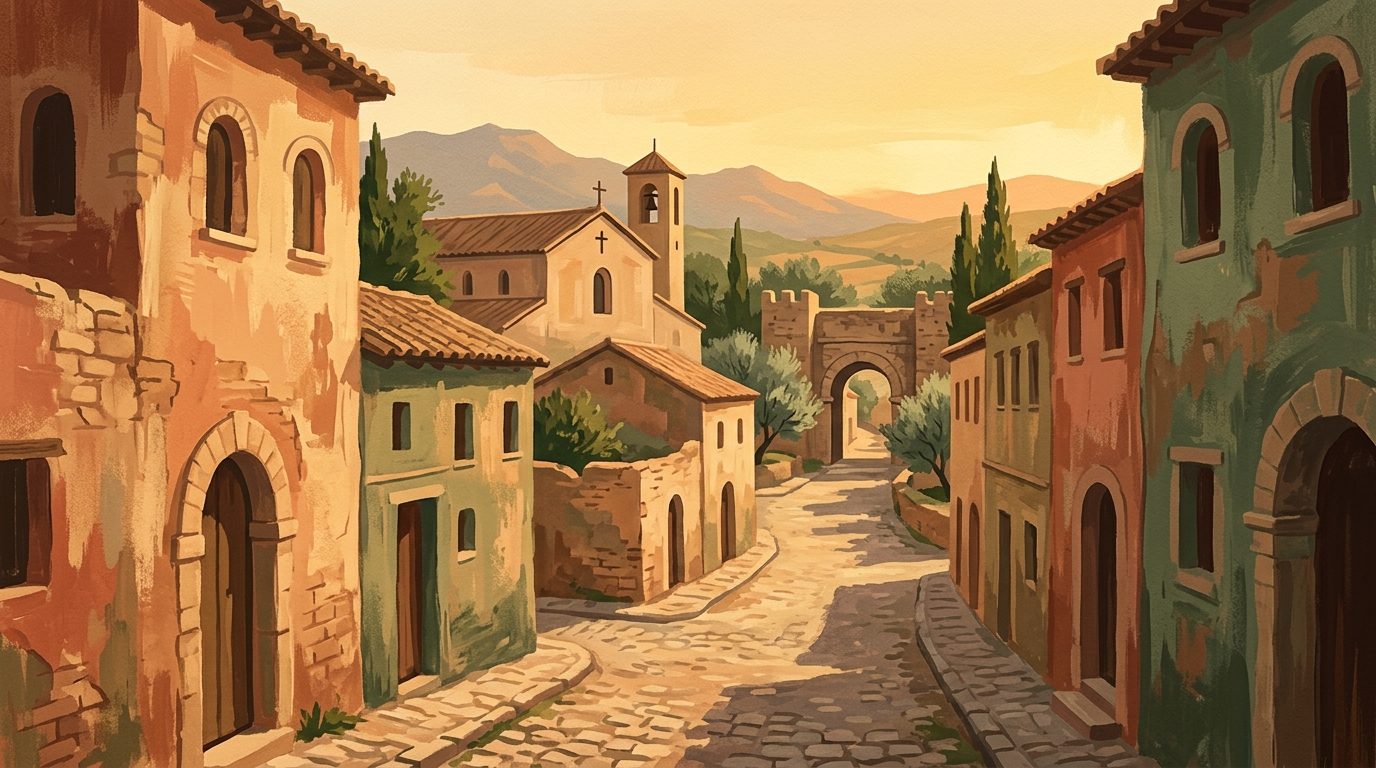
Late-Antique Andalucía: Crisis, Christianity, and the Vandals
The transformation of southern Spain from a classical Roman province to a Christianised landscape was marked by economic crises, religious upheaval, and the sudden arrival of Germanic tribes.
7 min read
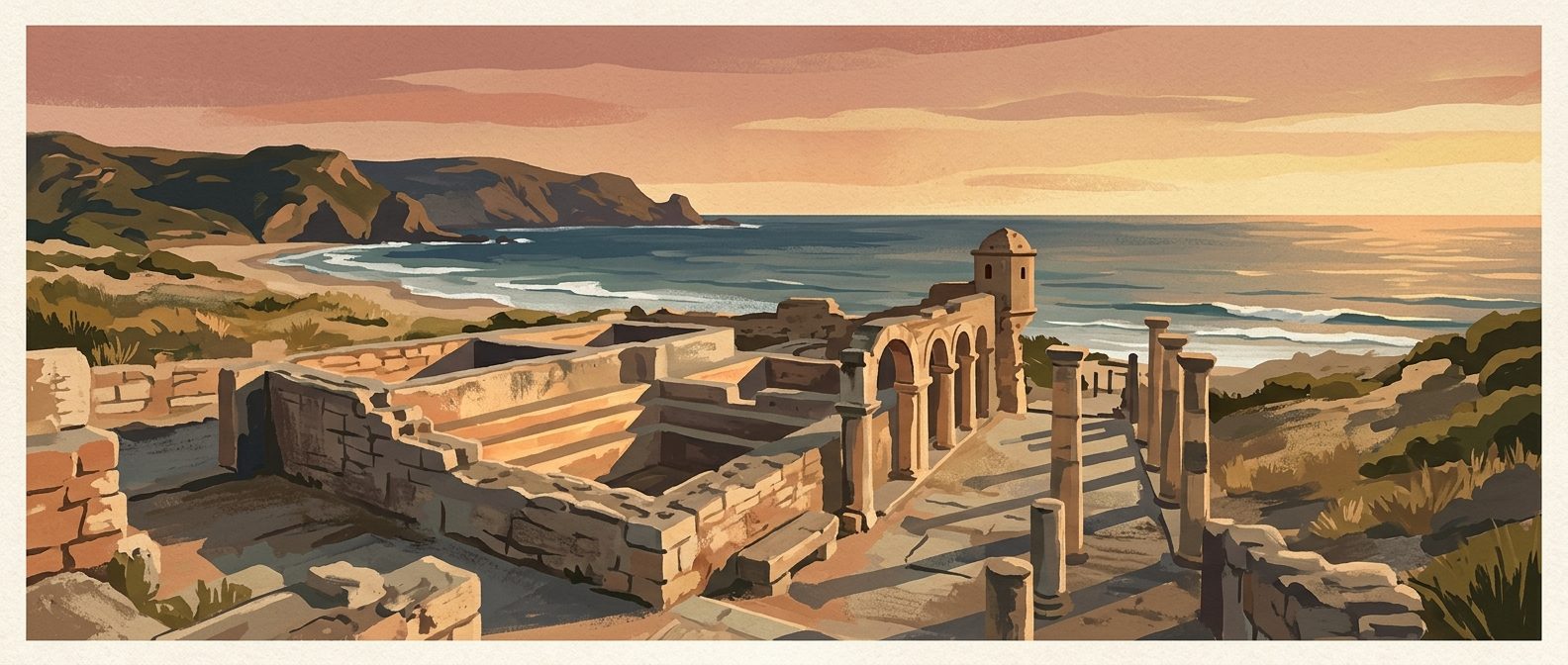
Baelo Claudia and the Garum Trade
On the windswept sands of the Cádiz coast, a complete Roman city was built entirely around the seasonal migration of bluefin tuna. This coastal settlement produced the empire's most prized condiment, shipping millions of amphorae to Rome.
8 min read
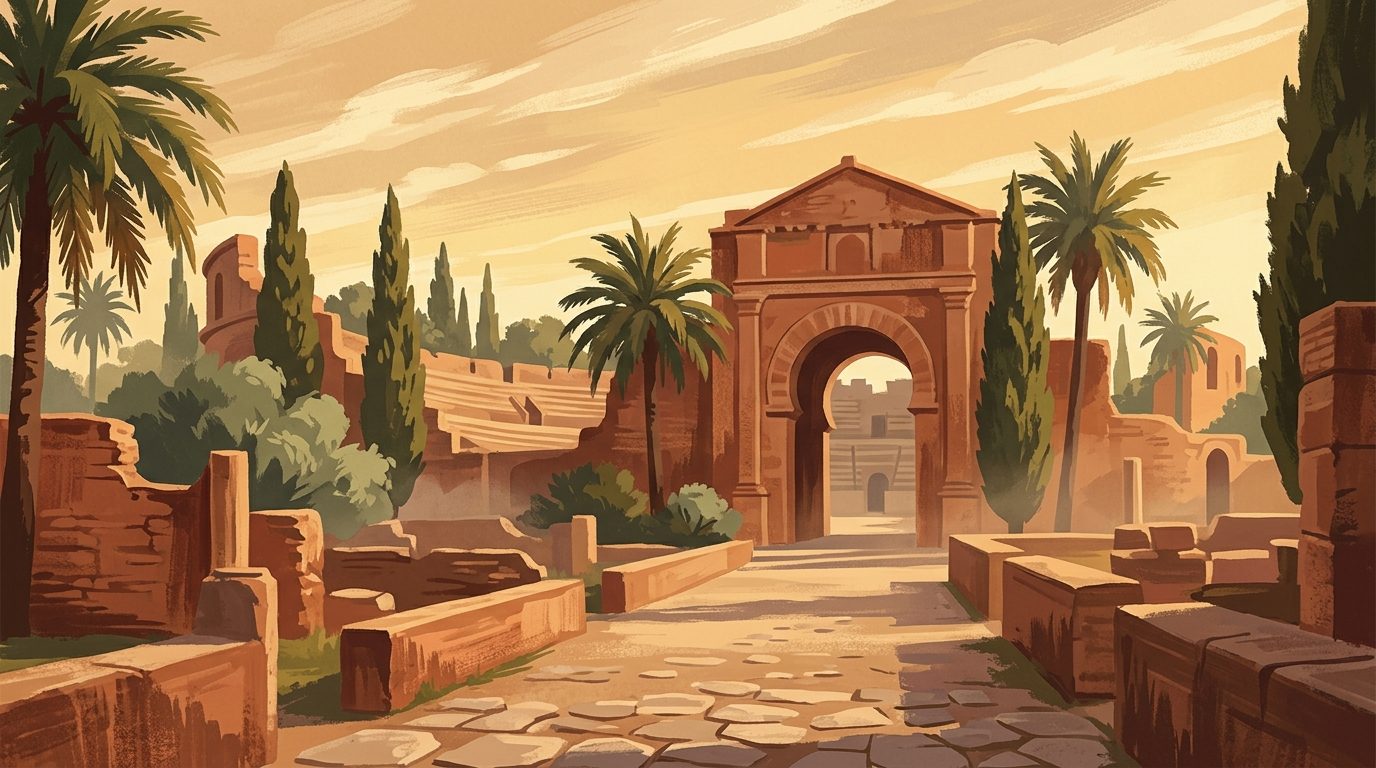
Itálica and the Emperor-Makers
Founded for wounded soldiers after a crushing military victory, Itálica rose from a provincial outpost to become a political powerhouse. By the second century AD, this settlement in southern Spain was reshaping the Roman world, producing two of its most formidable emperors.
9 min read
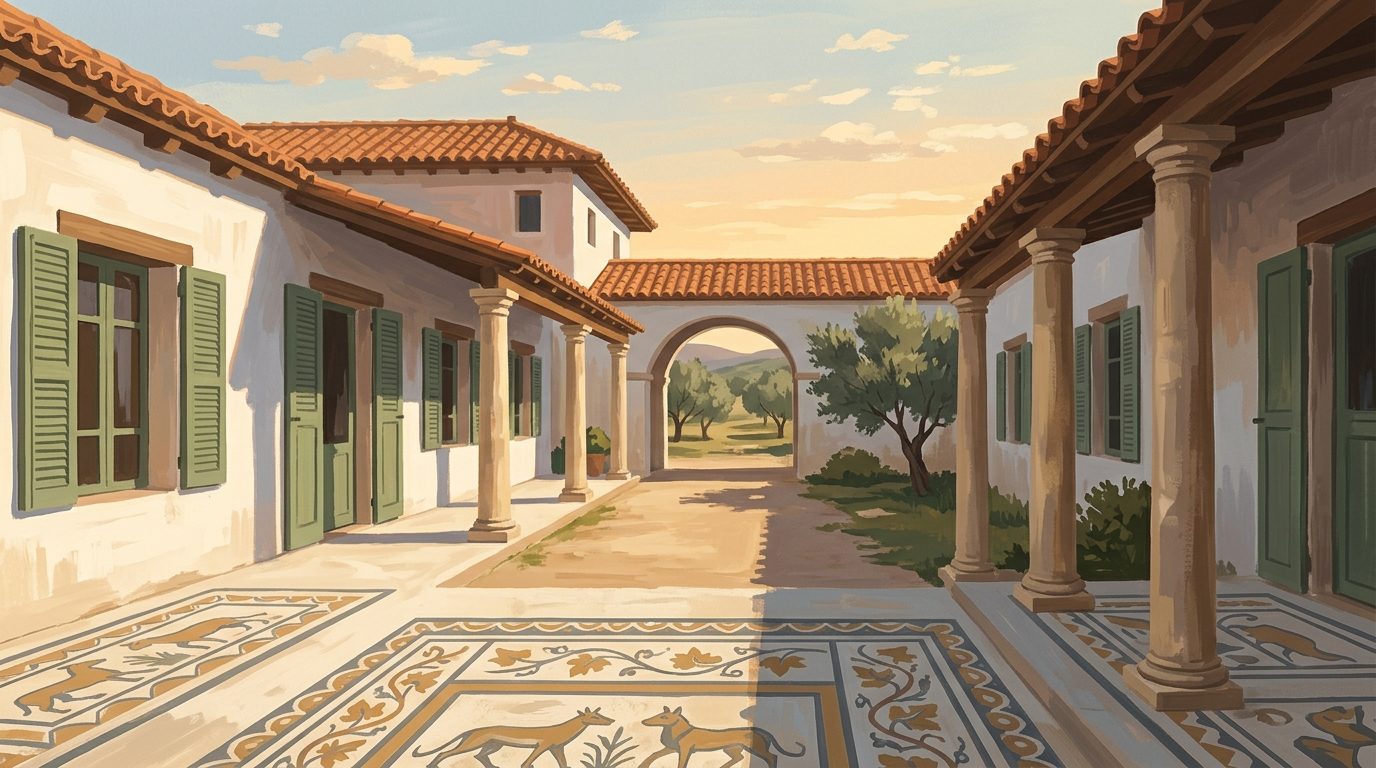
Roman Villas and Mosaics: Life on the Country Estates of Baetica
Far from the noise of the forum, the rural estates of southern Spain became centres of immense wealth and artistic patronage. Here, Roman elites built palatial homes surrounded by the olive groves and wheat fields that fed the empire.
7 min read
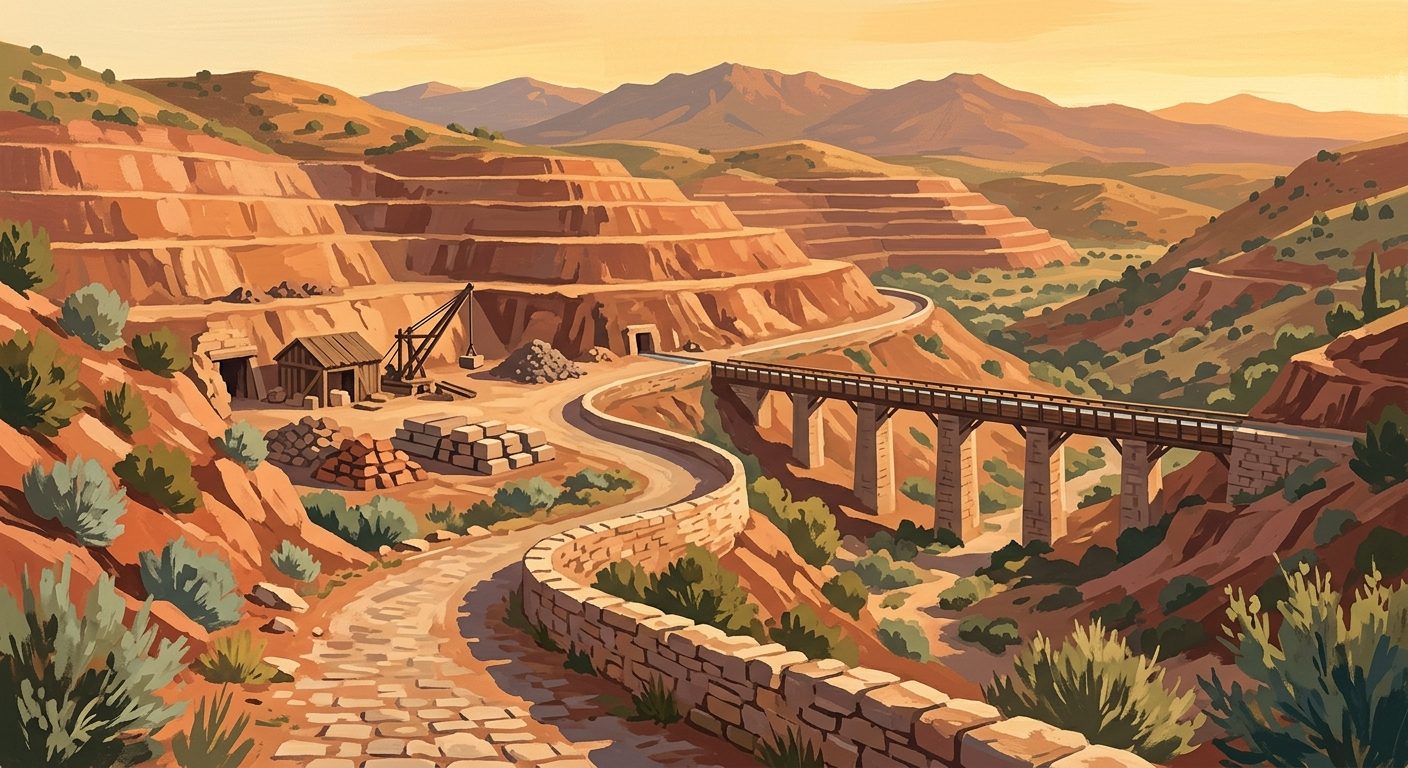
Roman Mining and the Economy of Hispania Baetica
Deep within the Iberian Pyrite Belt, Roman engineers extracted the immense mineral wealth that funded the expansion of the empire, leaving behind geological scars that remain visible today.
7 min read
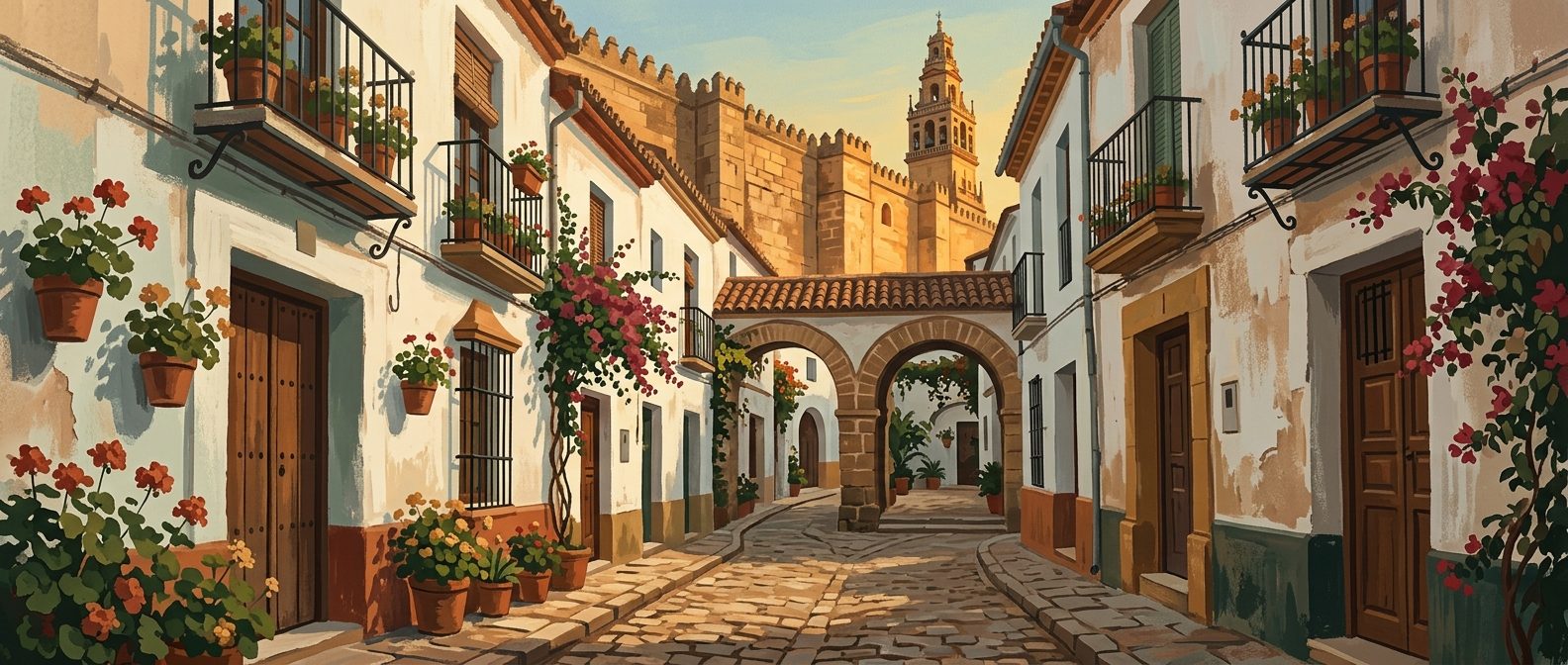
Corduba and Roman Baetica
Discover the political and intellectual might of Corduba, the wealthy administrative capital of Roman Baetica and the birthplace of the philosopher Seneca.
7 min read