
Feature
Roman Mining and the Economy of Hispania Baetica
Deep within the Iberian Pyrite Belt, Roman engineers extracted the immense mineral wealth that funded the expansion of the empire, leaving behind geological scars that remain visible today.
By Dan · Updated 21 June 2026 · 7 min read
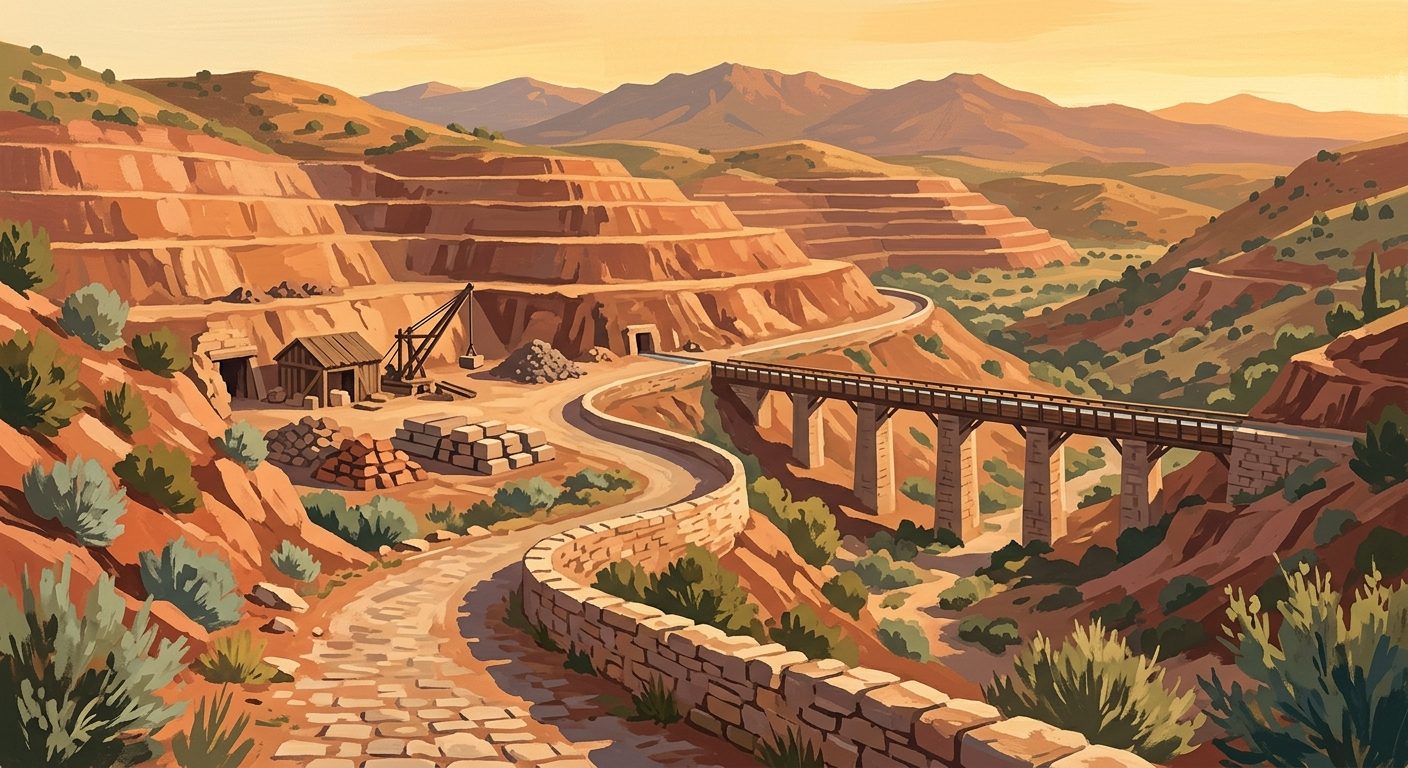
Deep within the Iberian Pyrite Belt, Roman engineers extracted the immense mineral wealth that funded the expansion of the empire, leaving behind geological scars that remain visible today.
Deep beneath the earth in the Iberian Pyrite Belt, enslaved men trod endlessly on massive wooden water wheels to keep the subterranean shafts from flooding. These reverse overshot water wheels, some of which were discovered centuries later in the flooded galleries of Río Tinto, represent the staggering scale of ancient industrial engineering. During the period of Roman Hispania Baetica (218 BC to AD 409), the southern Iberian Peninsula was not merely a breadbasket for Rome, but the financial engine that bankrolled the expansion of an empire. The earth of what is now Andalucía yielded copper, silver, gold and lead in quantities previously unseen in the ancient Mediterranean. The systematic extraction of these metals required vast capital, advanced technology and a brutal system of forced labour. From the rolling hills of Huelva to the upper Guadalquivir valley, mining reshaped the landscape, generated immense private fortunes and directly sustained the imperial mints. The impact of this extraction went far beyond local economics. It dictated the movement of legions, funded monumental building programmes in the capital and left behind geological scars so immense that they alter the chemistry of the region's rivers to this day. The story of Roman mining in southern Spain is one of supreme technical achievement balanced against a profound human cost.
The Iberian Pyrite Belt and Imperial Control
The geological formation known as the Iberian Pyrite Belt stretches across the southwestern quadrant of the peninsula, terminating in the modern province of Huelva. Long before the Romans arrived, indigenous communities and Phoenician traders had exploited the surface deposits. However, following the Roman conquest, the scale of extraction shifted from artisanal gathering to a massive industrial operation.
The primary target at Río Tinto, known in antiquity as Urium, was copper and silver. Roman prospectors sank vertical shafts hundreds of metres into the bedrock. They excavated a labyrinth of horizontal galleries to follow the most lucrative veins of ore. Initially, these mining operations were leased by the Roman Republic to private syndicates of tax farmers and investors known as societates publicanorum. These corporations possessed the immense capital required to buy enslaved workers, purchase timber for shoring up tunnels and construct the necessary smelting infrastructure.
By the early imperial period, particularly under Augustus and Tiberius, the state recognised that the mineral wealth of southern Spain was too critical to remain in private hands. The most profitable mines were gradually absorbed into the imperial estate. Roman administrators directly managed the extraction, installing military detachments to guard the shipments of bullion and oversee the increasingly complex logistics of the mining camps. The landscape was utterly transformed. Entire forests were felled to feed the smelting furnaces, resulting in the vast fields of dark slag that still dominate the terrain around Río Tinto today.
The Wealth of Carthago Nova and Cástulo
Although the administrative boundaries of Roman provinces shifted over the centuries, the economic corridors of southern Spain functioned as an interconnected network. The capture of Carthago Nova (modern Cartagena) in 209 BC gave Rome its first direct access to the peninsula's fabled silver mines. While Carthago Nova eventually fell outside the later borders of Baetica, its initial exploitation laid the blueprint for the entire region. The historian Polybius noted that the silver mines near Cartagena employed forty thousand enslaved workers and produced twenty-five thousand drachmas a day for the Roman state.
Further inland, firmly within the boundaries of modern Andalucía, lay the city of Cástulo. Located near modern Linares in the province of Jaén, Cástulo sat at the strategic crossroads between the silver and lead deposits of the Sierra Morena and the navigable waters of the Baetis (the Guadalquivir river). Cástulo thrived as the primary administrative and logistical hub for the surrounding mining districts.
Lead was extracted in phenomenal quantities, often serving as a byproduct of silver mining through a chemical separation process known as cupellation. Roman plumbers required thousands of tons of lead to manufacture the pipes that fed the empire's aqueducts and bathhouses. Shipwrecks discovered across the Mediterranean have yielded hundreds of heavy lead ingots stamped with the insignia of mining families from the Cástulo region, proving that Andalucían metal supplied building projects from Gaul to the Italian peninsula.
Engineering Feats and the Human Cost
The technological sophistication of Roman mining in Baetica was unmatched in the ancient world. As miners dug deeper to chase the veins of ore, they inevitably hit the water table. Flooding was the greatest threat to a mine's viability. To combat this, Roman engineers introduced complex drainage mechanisms.
They installed Archimedes screws, which were large wooden cylinders containing a continuous spiral designed to lift water as they turned. In the deepest galleries, they deployed pairs of massive water wheels. Enslaved workers walked continuously inside the rims of these wheels to power them, lifting water step by step up a series of terraced sumps until it could flow out of the mine through a drainage adit. The discovery of these wooden wheels, preserved in the acidic, oxygen-deprived waters of Río Tinto, remains one of the great archaeological triumphs of the twentieth century.
Yet the ingenuity of the engineering cannot mask the grim reality of the labour. The ancient historian Diodorus Siculus left a harrowing account of the conditions in the Iberian mines. He described how enslaved men were forced to work day and night beneath the earth, enduring toxic fumes from the oil lamps and the constant threat of tunnel collapses. The air was thick with rock dust, leading to respiratory diseases that guaranteed a short lifespan. In the latter centuries of the empire, as the supply of war captives dwindled, the labour force slowly shifted to include indentured workers and convicts, though the brutal nature of the work remained largely unchanged.
A Legacy Forged in Metal
The economic output of Baetica fundamentally altered the trajectory of Rome. The influx of Spanish silver allowed the Republic to issue a stable silver denarius, the currency that greased the wheels of Mediterranean commerce for centuries. Gold extracted from smaller operations across the region filled the imperial coffers, funding the legions that guarded the frontiers in Britain and Syria.
The environmental legacy of this ancient industry is still written into the Andalucían landscape. The Tinto river takes its name from its startling, deep red colour. While the river's acidity and heavy metal content have natural geological origins, scientists agree that the massive scale of Roman extraction broke open unweathered mineral deposits, drastically accelerating the chemical processes that give the water its Martian appearance. The millions of tons of slag left behind by Roman metallurgists are so dense that modern mining companies in the nineteenth and twentieth centuries actually reprocessed Roman waste to extract the copper that ancient furnaces had left behind.
Where to see it today
To comprehend the true scale of ancient extraction, the Parque Minero de Riotinto in the province of Huelva is unparalleled. The Museo Minero (Mining Museum) contains an exceptional collection of Roman artefacts recovered from the subterranean galleries. The absolute highlight is the reconstructed Roman water wheel. Viewing its wooden buckets and bronze axles allows you to appreciate the physical effort required to keep the mines dry. A short distance away lies the Corta Atalaya, an immense open-pit mine. While the pit itself is largely the result of nineteenth-century British operations, the surrounding landscape is still covered in Roman slag heaps, offering a clear visual record of ancient industrial waste.
In the province of Jaén, the Archaeological Ensemble of Cástulo provides crucial context for how the wealth was administered. Walking through the excavated remains of the city allows you to see the infrastructure that supported the mining administrators, including thermal baths and intricate mosaics funded by the metal trade. The adjacent Archaeological Museum of Linares is essential for understanding the logistics of the era. The museum holds an impressive collection of Roman mining tools, oil lamps used in the galleries, and lead ingots bearing the epigraphic stamps of the societates that controlled the Sierra Morena extraction zones.
Finally, the Museum of Huelva (Museo de Huelva) houses substantial collections related to the region's metallurgy, including Roman anchors and maritime artefacts that illustrate how the copper and silver of Baetica were loaded onto ships and distributed across the known world.
If you visit
The mining districts of western Andalucía are best explored in the spring or autumn, as the inland areas of Huelva and Jaén experience severe heat during the peak summer months. If you are starting your journey at the Parque Minero de Riotinto, it is highly recommended to book tickets in advance through the official Parque Minero de Riotinto website, as access to certain zones requires a guided tour. A sturdy pair of walking shoes is essential for navigating the uneven terrain around the excavated sites. When visiting Cástulo, allow a full morning to explore the archaeological park before retreating to the town of Linares to view the museum collections during the hotter afternoon hours.
Last reviewed: 21 June 2026 · Editorial policy
Related guides
Ink and Olive Groves: A Literary Journey through Andalucía
Discover the literary heart of Southern Spain, from the tragic poetry of Lorca in Granada to Hemingway’s dramatic Ronda and the contemplative prose of Machado in Sevilla.
10 min read
The Auto-da-Fé in Andalucía: Spectacle and Judgement
The auto-da-fé was not merely a trial, but a highly choreographed spectacle of religious and political power. Across the great squares of Sevilla, Córdoba and Granada, these public acts of faith transformed the grim mechanics of judgement into grand urban theatre.
8 min read
Expulsion of the Jews and the Conversos
The Alhambra Decree of 1492 forced a devastating ultimatum upon the Jewish population of Andalucía: exile or conversion. For those who chose baptism, the decision marked the beginning of centuries of relentless inquisitorial surveillance.
7 min read
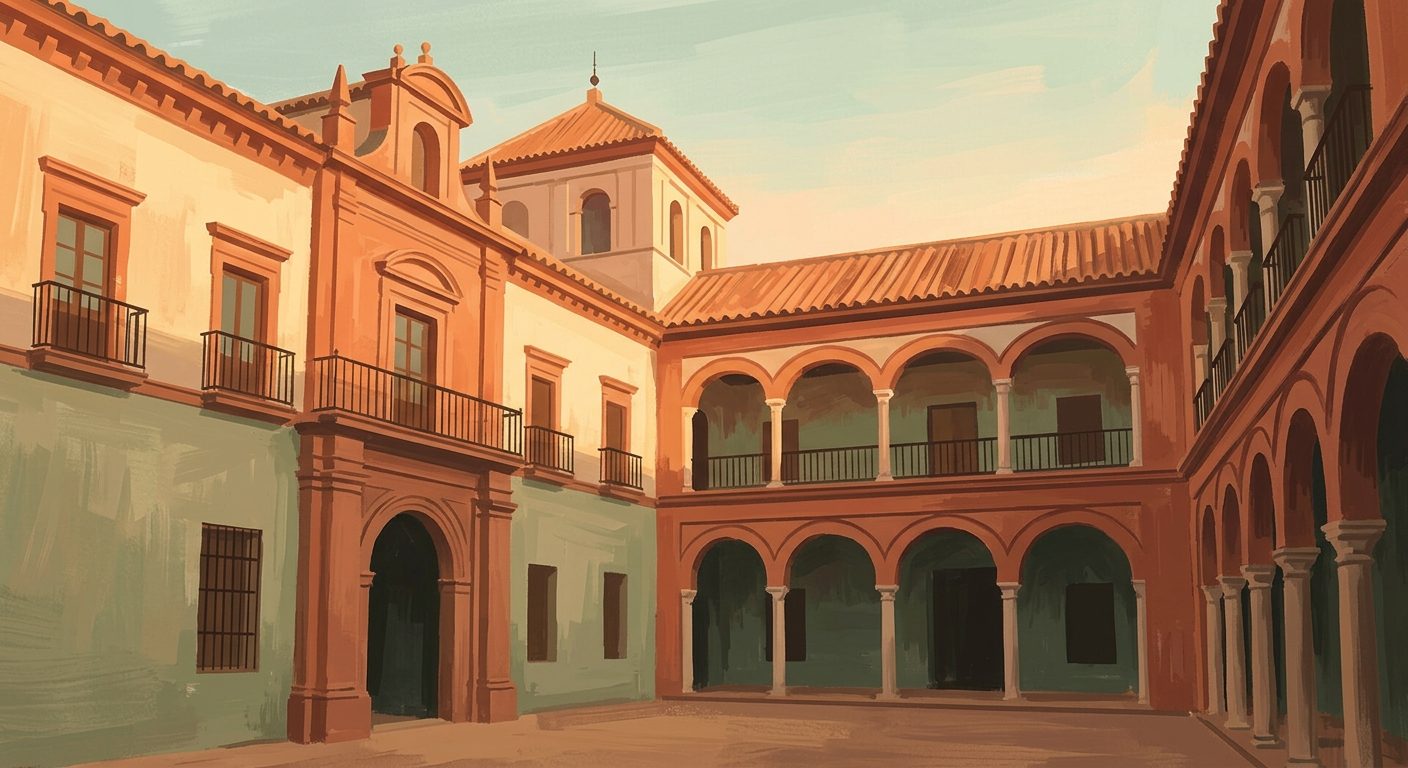
Foundation of the Sevilla Inquisition Tribunal
In 1478, a papal bull established the Spanish Inquisition. Sevilla became the testing ground for a systematic pursuit of heresy that would define an era.
7 min read
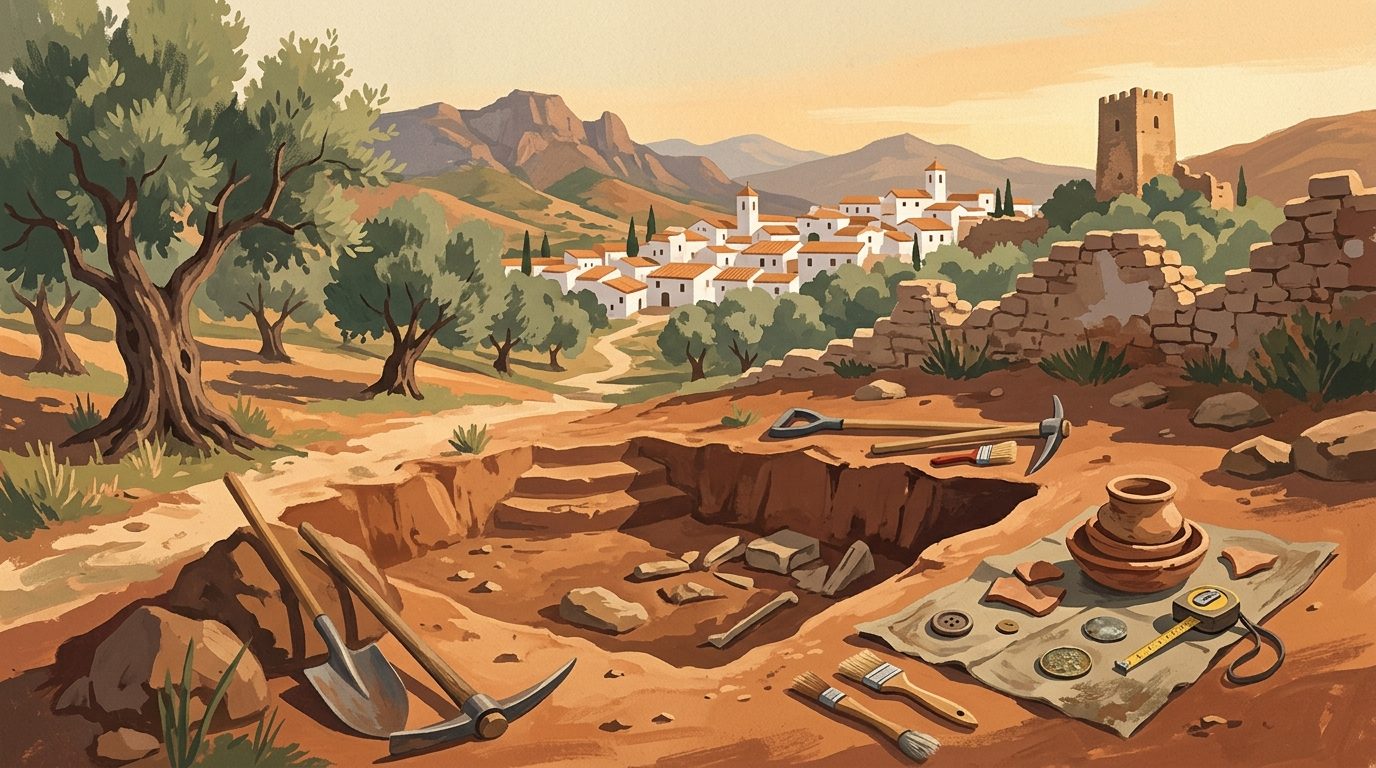
Historical Memory and Exhumations in Andalucía: Unearthing the Past
For decades, the earth of southern Spain held the silent victims of systematic repression. Today, meticulous forensic exhumations are restoring names and dignity to thousands who lay forgotten in unmarked mass graves.
7 min read
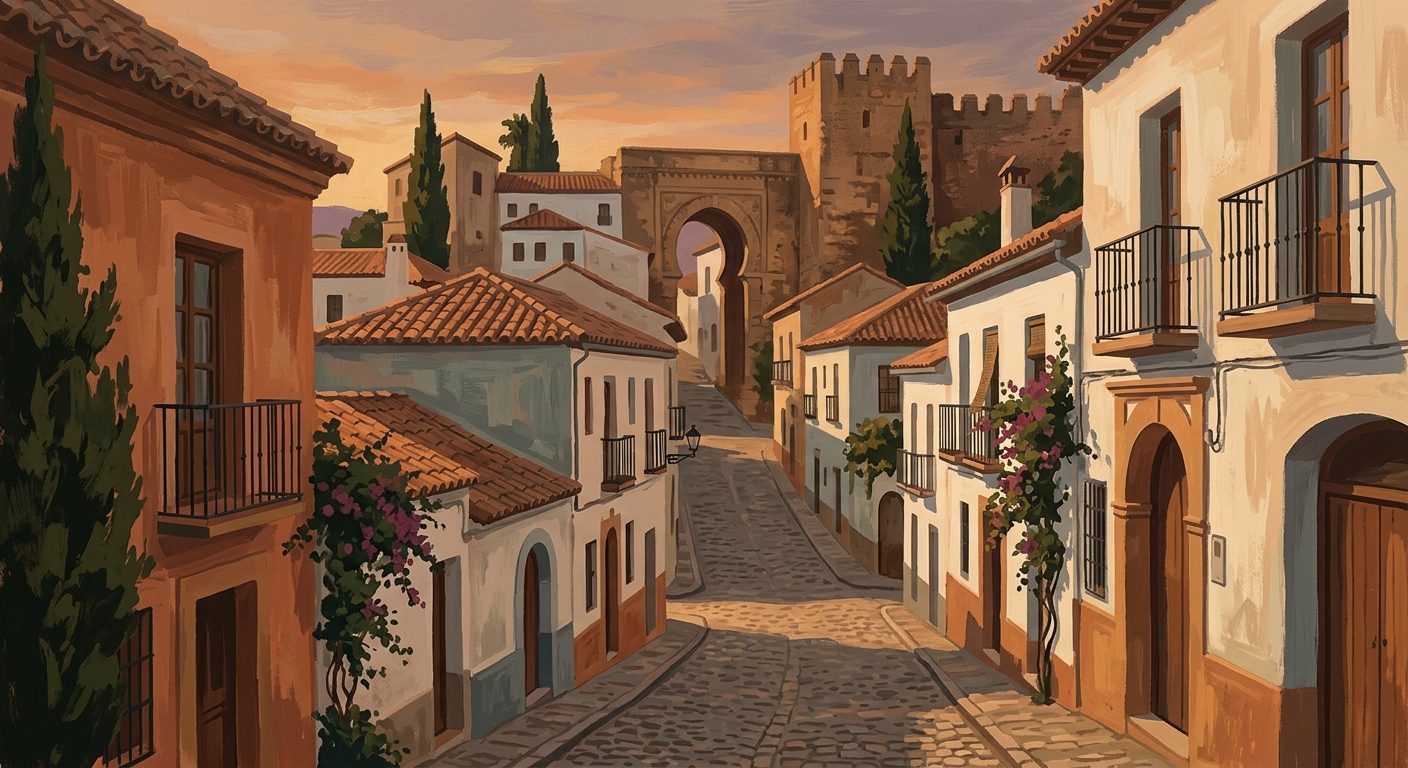
The Long Decline and Final Abolition of the Inquisition in Andalucía
The twilight of the Holy Office was a slow, bureaucratic fading rather than a sudden collapse. Enlightenment ideals and political upheaval finally dismantled a system that had overseen centuries of religious orthodoxy.
8 min read
More guides
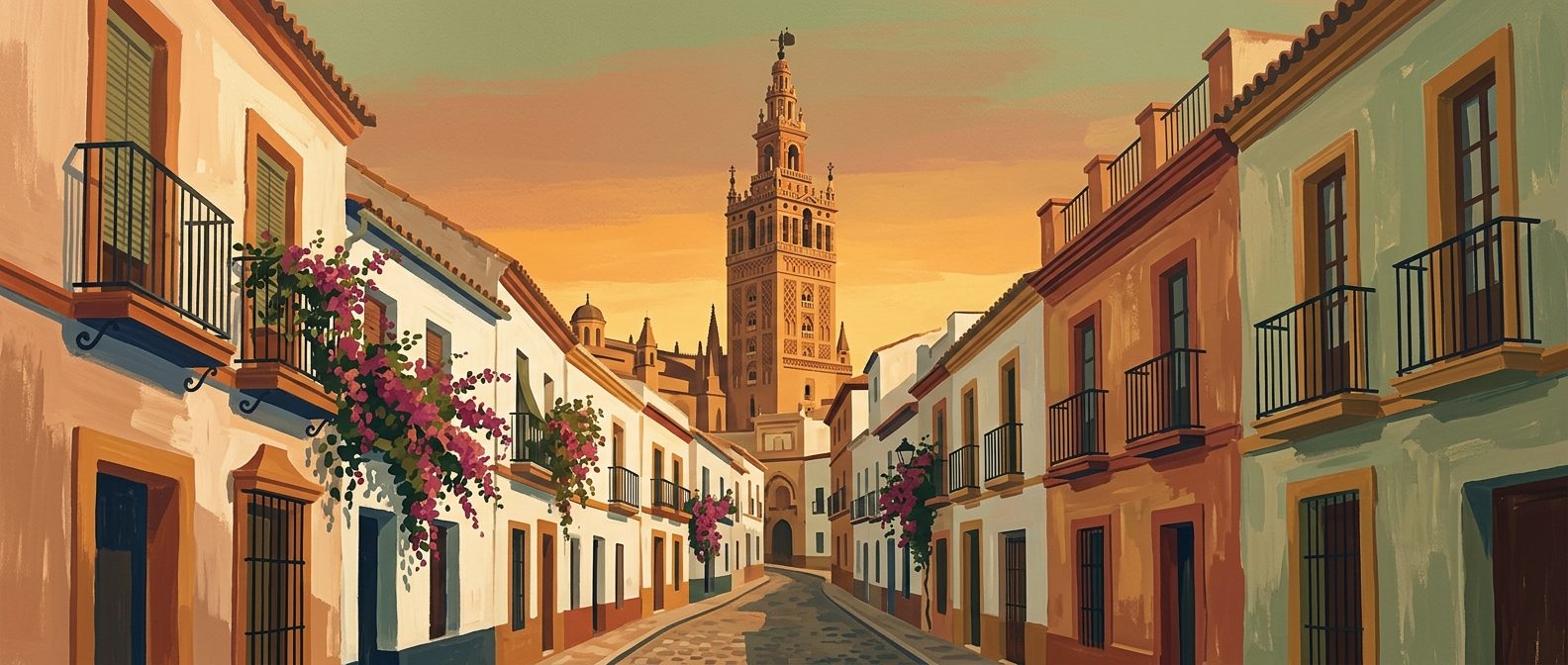
UNESCO World Heritage Sites in Andalucía
A curated guide to the cultural and natural sites in Andalucía recognised by UNESCO for their universal value. These landmarks offer a profound insight into the diverse civilisations of the region.
6 min read
The Best Beaches in Andalucía
From the Atlantic dunes of Huelva to the volcanic coves of Almería, the coastline of southern Spain offers an unparalleled variety of maritime landscapes.
6 min read
Phoenicians and Tartessians in Andalucía
Around three thousand years ago, eastern Mediterranean merchants arrived on the Iberian coast seeking silver and copper. Their arrival sparked a cultural collision that transformed local chiefdoms into the legendary civilisation of Tartessos.
6 min read
Roman Andalucía: Ruins and Archaeological Sites
Discover the monumental legacy of the Roman province of Baetica, from grand amphitheatres in the Guadalquivir valley to maritime cities on the Atlantic coast.
7 min read
Geological Wonders: Caves and Karst Landscapes of Andalucía
Discover the subterranean wonders and prehistoric secrets preserved within the limestone massifs and gypsum deposits of southern Spain.
6 min read
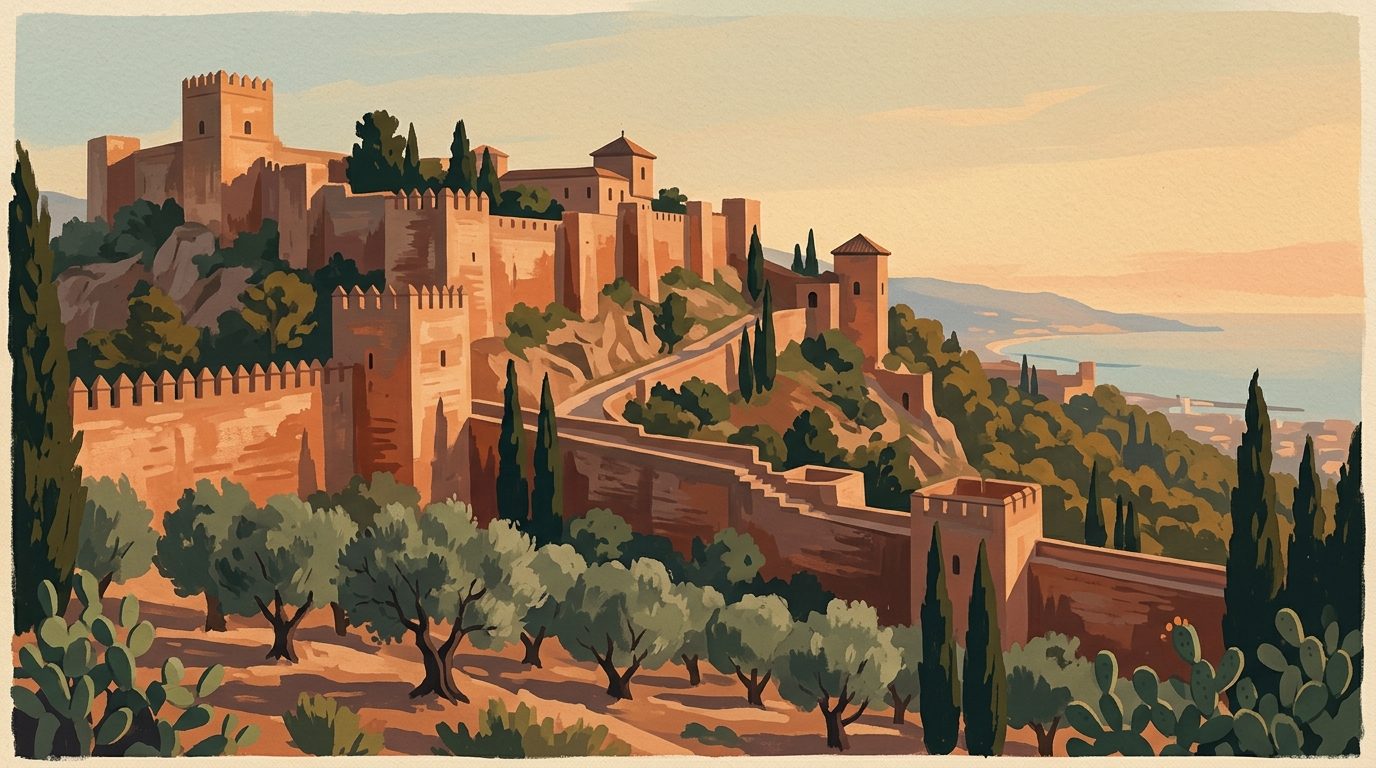
Castles and Fortresses of Andalucía
The fortresses of Andalucía are the stone guardians of a complex past, marking the ancient frontiers between empires and offering some of the most spectacular views in the southern peninsula.
6 min read
The Iberians in Andalucía: Warlords, Sculptors and the Dawn of Iron
Who were the sophisticated, iron-working peoples who controlled southern Spain before the Roman conquest? Their fortified hill towns and striking stone sculptures reveal a formidable culture caught between ancient local traditions and Mediterranean ambition.
6 min read
UNESCO Geoparks and Natural Wonders of Andalucía
Discover the geological heritage of Southern Spain through its UNESCO-designated geoparks and natural wonders. Explore the tectonic history and diverse ecosystems of Almería, Granada, and Cádiz.
6 min read
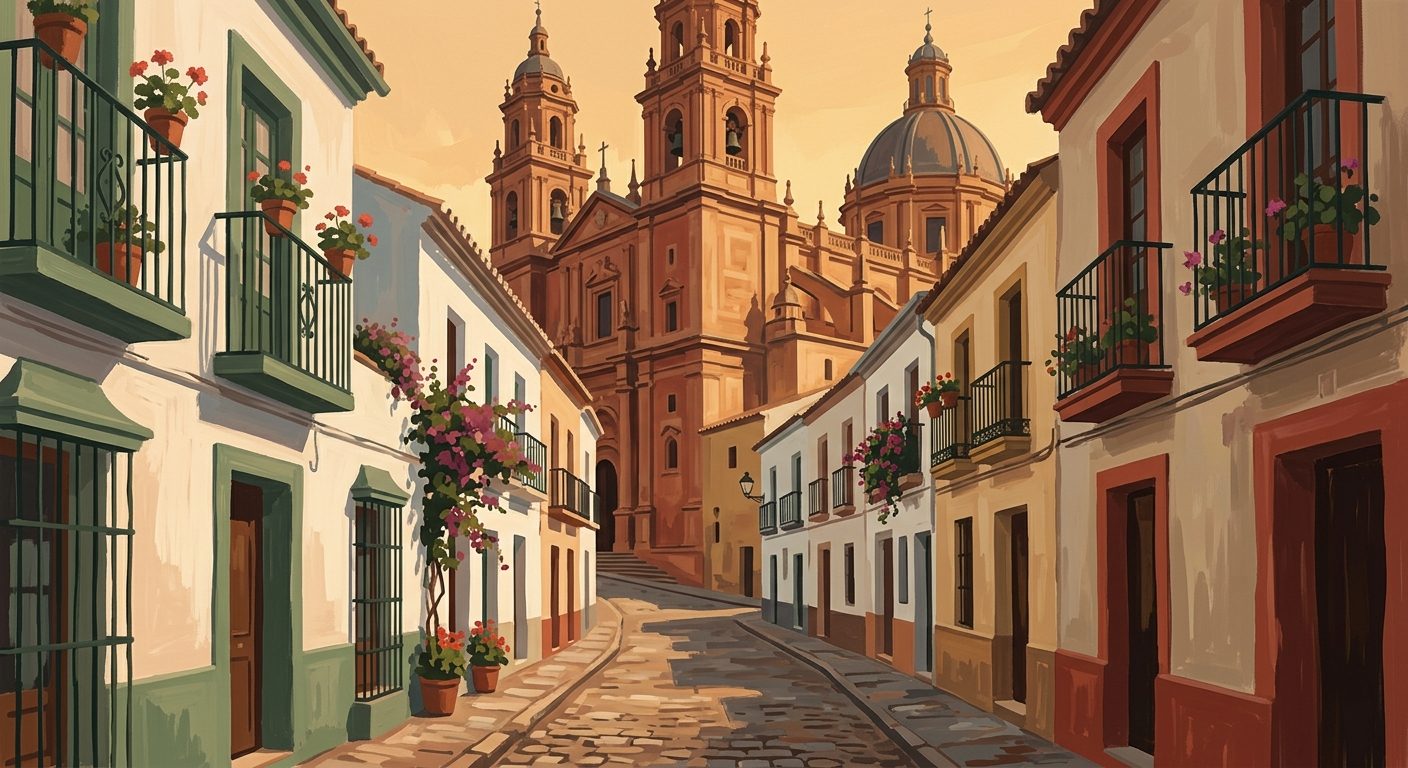
Cathedrals and Great Churches of Andalucía
A guide to the monumental religious architecture of Southern Spain, from the vast Gothic nave of Sevilla to the Renaissance masterworks of Jaén and Granada.
6 min read
Newsletter
More stories from Andalucía
Weekly notes, seasonal picks, and the next guides worth bookmarking.