
Itinerary
Ten Days in Andalucía: The Classic Route
A definitive ten-day guide through Málaga, Ronda, Sevilla, and Granada, focusing on the essential sights, the best sherry bodegas, and the most authentic tapas bars.
By Dan · Updated 16 July 2026 · 11 min read
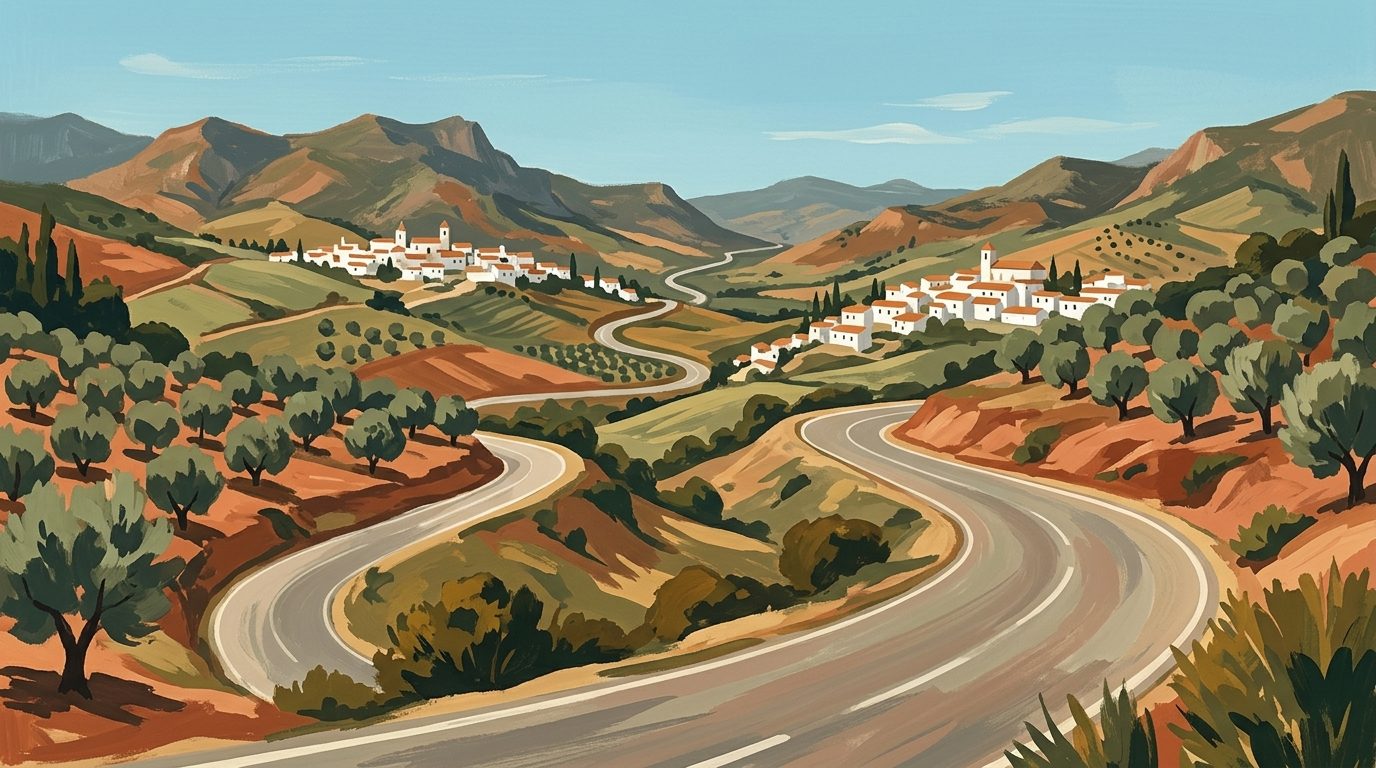
This route prioritises the heavy hitters of the south, moving from the Mediterranean coast through the mountain peaks of the Serranía de Ronda to the Moorish heartlands. It is a logistical blueprint designed to maximise your time at the monuments while ensuring you actually sit down for a long lunch.
Andalucía is a massive territory, larger than many European countries, and trying to see it all in ten days is a recipe for exhaustion. This itinerary focuses on the 'Golden Triangle' of Sevilla, Córdoba, and Granada, but starts in the coastal gateway of Málaga and includes the dramatic cliff-top town of Ronda and the Atlantic salt-air of Cádiz. It is designed for the first-time visitor who wants the definitive experience: the greatest Islamic architecture in Europe, the most authentic flamenco, and the sharpest sherry.
This plan works because it follows a logical geographical loop. You begin in the south-east, head west to the Atlantic, and then swing back east through the heart of the Guadalquivir valley. It suits travellers who enjoy a mix of self-driving and high-speed rail, though it can be done entirely by public transport with a few minor adjustments. We have made the difficult choices for you, selecting specific neighbourhoods and dining spots that avoid the worst of the tourist traps.
Day 1: Arrival in Málaga: The Cultural Gateway
Many travellers skip Málaga and head straight to the resorts, which is a mistake. In the last decade, the city has transformed into a sophisticated cultural hub. After arriving at AGP airport, take the C1 Renfe train (12 minutes) or a taxi to the city centre.
Morning: Start at the Picasso Museum (Calle San Agustín, 8). Picasso was born here, and this collection, housed in a 16th-century palace, is essential for understanding his early work. Book the 10:30 slot online to avoid the queue.
Afternoon: Walk to the Mercado de Atarazanas. This is a working market with a stunning stained-glass wall. Eat at one of the small bars inside; order the fritura malagueña (mixed fried fish) and a glass of dry Victoria beer. Afterward, climb the Alcazaba (09:00 to 20:00). It is a smaller, more intimate version of the Alhambra and offers the best views over the port.
Evening: Head to Calle Carretería. Avoid the highly advertised spots on the main harbour. Instead, find a table at Cortijo de Pepe in Plaza de la Merced. Order the lomo en manteca and grilled octopus. It is loud, crowded, and exactly how Málaga should taste.
Day 2: The Serranía de Ronda
Pick up your hire car and drive inland. The route takes you through the Guadalhorce valley, ascending into the mountains. The drive takes approximately 1 hour and 45 minutes.
Morning: Arrive in Ronda and head straight for the Puente Nuevo. This 18th-century bridge spans a 120-metre chasm. Walk down the 'Camino de los Molinos' trail for the iconic view looking back up at the bridge. It takes about 20 minutes and is steep, so wear decent shoes.
Afternoon: Visit the Plaza de Toros. Even if you dislike bullfighting, this is one of the oldest and most beautiful rings in Spain. The museum explains the social history of the region. Afterward, walk through the Alameda del Tajo park for a view over the plateau.
Evening: Book a table at Casa Maria. There is no menu here; the staff will ask about your preferences and then bring a series of seasonal dishes. It is the most honest dining experience in town. Stay overnight in the historic quarter to see the bridge illuminated after the day-trippers have left.
Day 3: Sherry in Jerez and Sunset in Cádiz
Drive west for 1 hour 30 minutes to Jerez de la Frontera, the world capital of Sherry. This is the heart of the 'Sherry Triangle'.
Morning: Visit Bodegas Tradición. Unlike the larger, more commercial houses, Tradición focuses on VOS and VORS (very old) sherries. They also house a private Spanish art collection including works by Goya and Velázquez. A guided tasting here is a masterclass in complexity.
Afternoon: Continue the drive (35 minutes) to Cádiz. Park your car in one of the underground car parks near the port and walk into the old city. Eat lunch at the Mercado Central de Abastos. Look for the stall selling chicharrón de Cádiz (slow-roasted pork belly sliced thin with lemon and salt).
Evening: Walk to La Caleta beach. This is the spot between two old castles where the sun sets over the Atlantic. For dinner, head to Taberna Casa Manteca in the Barrio de la Viña. It is a legendary taberna decorated with bullfighting memorabilia where you eat cured meats off wax paper.
Day 4: The Ancient Port of Cádiz
Cádiz is the oldest continuously inhabited city in Western Europe, and Day 4 is about soaking in that salty, ancient atmosphere.
Morning: Climb the Torre Tavira (10:00 to 18:00). It is the highest point in the old town and features a camera obscura that provides a real-time projection of the city. You must book a time slot in advance as the sessions are small. Afterward, visit the Cathedral with its yellow-tiled dome.
Afternoon: Walk the perimeter of the city along the sea walls (the Campo del Sur). The architecture here resembles Havana, which is why the city has often stood in for the Cuban capital in films. Stop for fried fish at Freiduría Las Flores.
Evening: Explore the El Pópulo district, the oldest part of the city. It is a maze of narrow alleys and stone arches. Find a small bar for a glass of Manzanilla sherry and some local Almadraba tuna, which is the best in the world.
Day 5: Sevilla: The Almohad Capital
Drive 1 hour 15 minutes north to Sevilla. Drop your hire car at the Santa Justa train station or a city centre depot. You will not need it for the rest of the trip.
Morning: Check into your hotel and head straight to the Real Alcázar (09:30 to 17:00). This is a royal palace that is still in use today. The Mudéjar architecture (Islamic style built under Christian rule) is striking. You must book your tickets at least a month in advance.
Afternoon: Walk through the Barrio Santa Cruz. It is touristy, yes, but its winding alleys and orange trees are essential Sevilla. Avoid eating here; instead, walk 10 minutes north to the Setas de Sevilla (Metropol Parasol), a giant wooden structure. Walk across the top for a view of the city's rooftops.
Evening: Spend your evening in the Alfalfa district. It is less crowded than the area around the Cathedral. Eat at La Bodega de la Alfalfa. Order the solomillo al whisky (pork sirloin in a whisky and garlic sauce), a classic Sevillano dish.
Day 6: The Soul of Sevilla
Today is about the city’s dual identity: the monumental and the working-class.
Morning: Visit the Sevilla Cathedral and the Giralda tower. It is the largest Gothic cathedral in the world. Instead of stairs, the tower has 34 ramps, designed so the Sultan could ride his horse to the top for the call to prayer. The tomb of Christopher Columbus is inside.
Afternoon: Cross the Isabel II bridge into Triana. This was traditionally the sailors' and potters' quarter. Visit the Centro Cerámica Triana to learn about the tile-making heritage. For lunch, eat at the Mercado de Triana, built over the remains of the Inquisition's castle.
Evening: Flamenco. Avoid the 'dinner shows' which are overpriced and poor quality. Instead, book a performance at Casa de la Memoria or La Carbonería. These venues focus on the art form itself. Finish the night with a drink in the Alameda de Hércules, the city's alternative nightlife heart.
Day 7: Córdoba: The City of Caliphs
Take the high-speed AVE train from Sevilla Santa Justa to Córdoba. The journey takes only 45 minutes.
Morning: The Mezquita-Catedral (10:00 to 19:00) is the priority. It is a forest of over 800 red-and-white striped arches. In the 16th century, a Renaissance cathedral was built right in the middle of the mosque. The contrast is jarring and spectacular. Book the 'Bell Tower' climb for a bird’s-eye view.
Afternoon: Explore the Judería (Jewish Quarter) and the Calleja de las Flores. For lunch, you must try Córdoba's signature dishes: salmorejo (a thick, garlic-heavy cold tomato soup) and flamenquín (pork loin wrapped around jamón, breaded and fried). Bodegas Mezquita is a reliable spot for these.
Evening: Walk across the Roman Bridge at sunset. Looking back at the city from the opposite bank of the Guadalquivir is the classic Córdoba photograph. Have a quiet dinner in the San Basilio district, famous for its flower-filled patios.
Day 8: Granada: The Last Moorish Kingdom
Take the train from Córdoba to Granada (1 hour 30 minutes). Granada feels different from the rest of Andalucía: cooler, more mountainous, and deeply influenced by its Nasrid past.
Morning: Drop your bags and head to the Albaicín, the old Moorish quarter. It is a steep climb through white-washed streets. The goal is the Mirador de San Nicolás. The view of the Alhambra against the backdrop of the Sierra Nevada mountains is the finest in Spain.
Afternoon: Descend to the Carrera del Darro, a road running alongside the river. Visit the El Bañuelo, 11th-century Arab baths that survived the Reconquista. For lunch, take advantage of Granada's unique culture: the free tapas. In most bars here, when you order a drink, you get a plate of food for free. Try Los Diamantes for fried seafood.
Evening: Walk through the Sacromonte district. This is where the city’s Roma community lives in cave houses carved into the hillside. While some of the flamenco here is geared towards tourists, the atmosphere of the caves is worth experiencing for a late-night drink.
Day 9: The Alhambra: The Crown Jewel
This entire day is dedicated to the Alhambra. You must book your tickets exactly three months in advance the moment they are released. If you do not have a ticket for the Nasrid Palaces, you have missed the point of the trip.
Morning: Start at the Generalife, the Sultan’s summer palace and gardens. The water features and scent of myrtle are designed to evoke paradise. Then, explore the Alcazaba, the military fortress, for views over the city.
Afternoon: Your ticket will have a specific half-hour window for the Nasrid Palaces. Do not be late; they will not let you in. This is the pinnacle of Islamic art in Europe: intricate stucco-work, muqarnas ceilings, and the famous Court of the Lions. Spend at least two hours here.
Evening: After the intensity of the Alhambra, have a relaxed dinner in the Realejo (the old Jewish quarter). Puesto 43 is excellent for fresh fish, or try La Botillería for more modern takes on Andalucían meat dishes.
Day 10: The Royal Chapel and Departure
Morning: Visit the Capilla Real (Royal Chapel). This is the final resting place of the Catholic Monarchs, Isabella and Ferdinand, who conquered Granada in 1492. It is a site of immense historical weight. Adjacent is the Granada Cathedral, a masterpiece of the Spanish Renaissance.
Afternoon: Do some final shopping in the Alcaicería, which was once the Great Bazaar of Granada. Today it sells ceramics, spices, and silks. If you have time before your flight, book a session at the Hammam Al Ándalus for a traditional Arabic bath and massage to unwind before the journey home.
Departure: Granada has its own airport (GRX) with some international connections, or you can take the high-speed train back to Málaga (1 hour 15 minutes) for a wider range of flights from AGP.
Getting Around
For this itinerary, we recommend a hybrid transport approach. Hire a car in Málaga on Day 2 and keep it until you reach Sevilla on Day 5. The drive to Ronda and then through the white villages to Jerez and Cádiz is one of the most scenic in Europe and difficult to do efficiently by bus. Once you reach Sevilla, a car becomes a liability. Parking in Sevilla, Córdoba, and Granada is expensive (upwards of €25 per day) and the historic centres are often restricted to residents (ZBE zones). Use the AVE and Avant high-speed trains for the Sevilla-Córdoba-Granada legs. They are punctual, comfortable, and drop you in the city centres.
Where to Stay
- Málaga: Stay in the Centro Histórico or Soho. Soho is the 'arts district' and slightly quieter but still within walking distance of the main sights.
- Ronda: Book a hotel in the La Ciudad (the old part) rather than the 'Mercadillo' (the newer part). You want to be within a 5-minute walk of the bridge.
- Cádiz: Stay within the old city walls. The Barrio de la Viña is excellent for food lovers, while the area near the Plaza de Mina is more elegant.
- Sevilla: Look for hotels in Alfalfa or Regina. Avoid the area immediately surrounding the Cathedral as it is noisy and overpriced.
- Córdoba: The Judería is beautiful but can be cramped. Consider the San Andrés neighbourhood for a more local feel.
- Granada: The Albaicín offers the best views but involves lots of hills and cobbles. The Realejo is flatter, central, and has a great dining scene.
Best Time for This Itinerary
Spring (April to June) is the peak season for a reason. The orange blossoms (azahar) are in bloom in Sevilla, and the temperatures are pleasant (20 to 25°C). However, be aware that Easter (Semana Santa) and the Sevilla April Fair (Feria de Abril) cause prices to triple and crowds to swell. Autumn (September to October) is the second-best choice. Avoid July and August at all costs; the Guadalquivir valley (Sevilla and Córdoba) frequently exceeds 40°C, making sightseeing during the day nearly impossible.
Practical Planning
Budget: For a mid-range experience (boutique hotels, daily tapas, museum entries), estimate €150 to €200 per person, per day.
What to book in advance:
- Alhambra tickets: 90 days in advance.
- Real Alcázar: 30 days in advance.
- Mezquita-Catedral: 7 days in advance.
- AVE Trains: 60 days in advance for the best prices via Renfe or Iryo.
Entry Requirements: Most non-EU travellers (UK, USA, Canada) require a valid passport with 6 months validity. Confirm your ETIAS status and requirements, which are now mandatory for most non-EU travellers as of 2026.
Last reviewed: 21 June 2026 · Editorial policy
Related guides
Andalucía for Food Lovers: A 7-Day Gastronomic Route
Forget the tourist menus; this is a rigorous seven-day map of Andalucía’s most authentic kitchens, from the sherry bodegas of Jerez to the olive groves of Jaén.
8 min read
Language Guide for Andalucía: Communication Tips for Visitors and Expats
Mastering communication in Andalucía means understanding the local Andaluz dialect and knowing how to navigate Spanish bureaucracy. Discover essential phrases, regional quirks, and practical tips for daily life.
7 min read
Master the Art of the Andalucían Kitchen: The Best Cooking Classes in Southern Spain (2026 Guide)
Discover the secrets of the Andalucían kitchen, from masterclasses in the markets of Sevilla to sherry-infused cooking in the hills of Cádiz.
7 min read
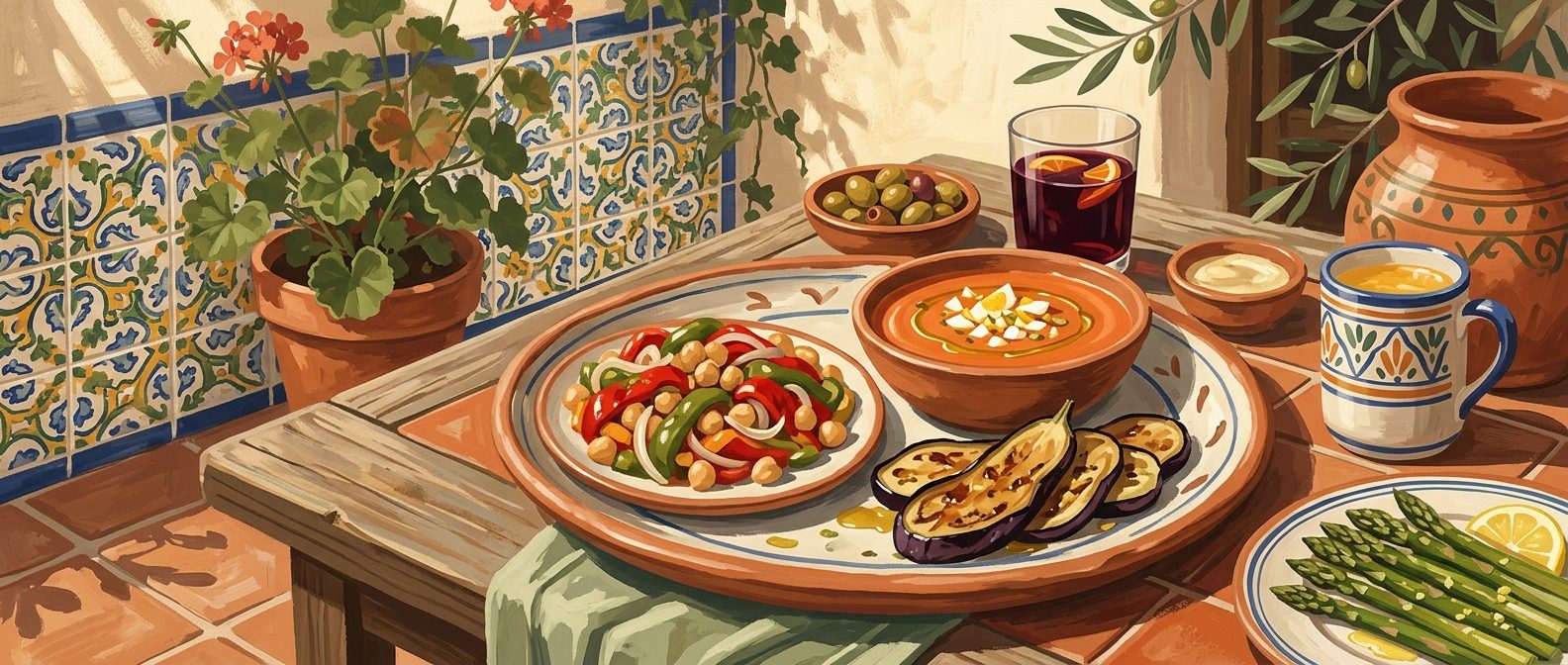
Eating Plant-Based in the South: A Guide to Vegetarian and Gluten-Free Andalucía
Navigating Andalucía as a vegetarian or coeliac is a journey through the region's rich 'cocina de la huerta'. From traditional spinach and chickpea tapas to modern vegan bistros, the south offers an abundance of plant-based delights.
6 min read
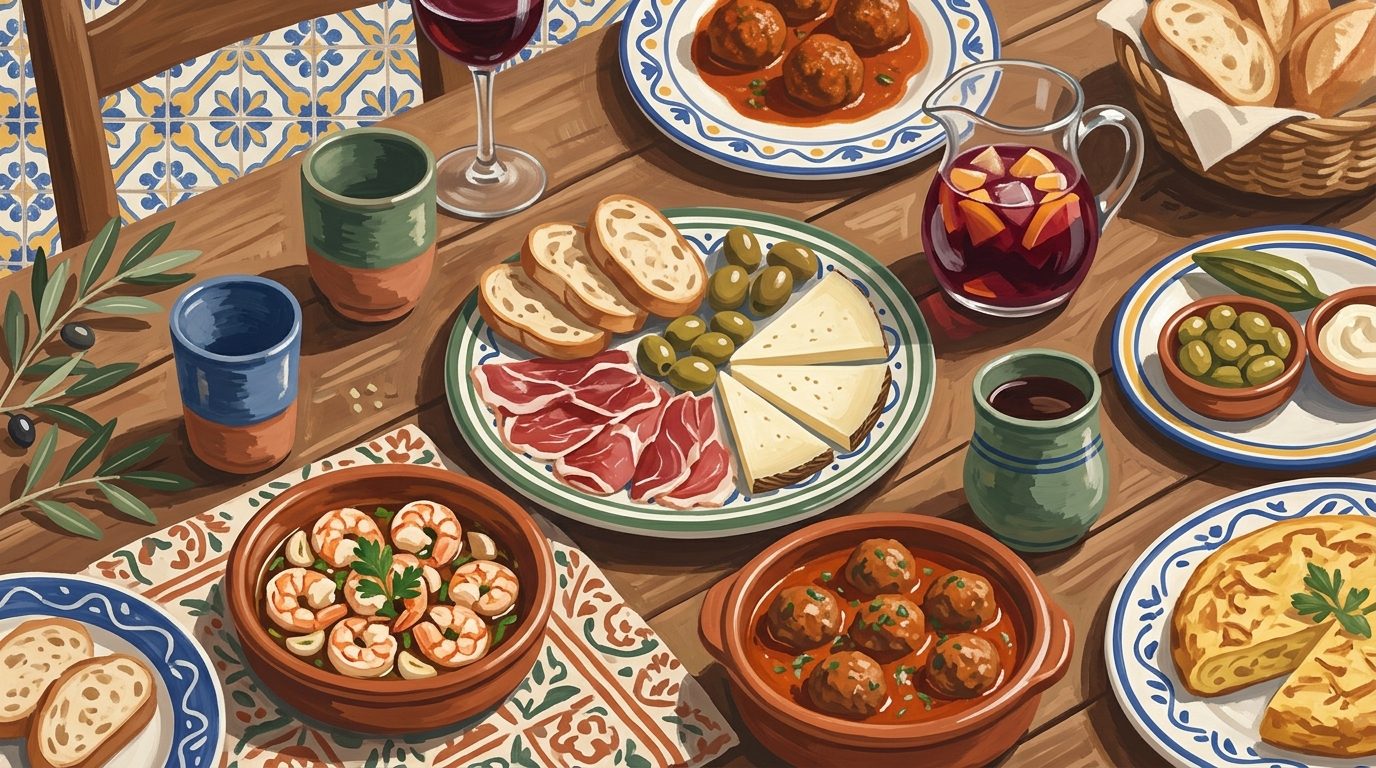
Beyond the Tapas Bar: A Journey Through the Flavours of Andalucía
Discover the essential dishes of Southern Spain, from the chilled salmorejo of Córdoba to the smoky espetos of the Málaga coast.
7 min read
Semana Santa Guide: Decoding Andalucía's Most Intense Week
Holy Week in Andalucía is a profound sensory experience of heavy incense, brass bands, and thousands of shuffling feet. This guide decodes the intricate schedules, unwritten rules, and distinct regional styles of Spain’s most intense cultural phenomenon.
9 min read
More guides
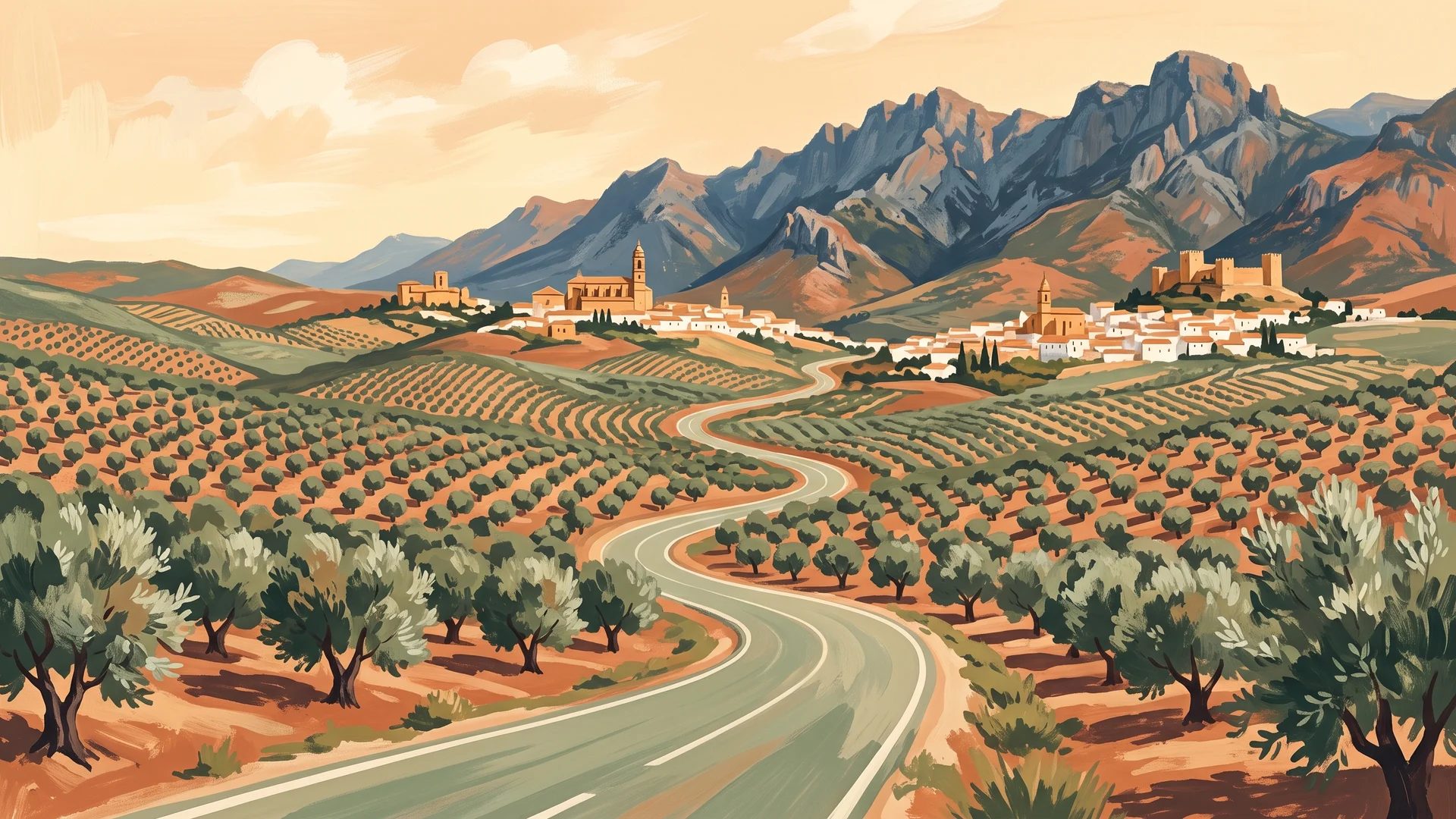
5 Days in Jaén: Renaissance Cities and Cazorla
A realistic five-day driving itinerary through Jaén province, balancing the monumental Renaissance architecture of Úbeda and Baeza with the rugged mountain wilderness of the Sierra de Cazorla.
11 min read
5 Days in Huelva: Atlantic Coast, Doñana and Sierra
A realistic five-day driving route through Huelva province, linking the maritime history of the capital with the tidal wetlands of Doñana and the chestnut forests of the Sierra de Aracena.
12 min read
5 Days in Almería: City, Desert and Cabo de Gata
A realistic five-day driving itinerary through Almería province, balancing the historic capital, the cinematic Tabernas badlands, and the protected volcanic shores of Cabo de Gata.
13 min read
One Week in Sevilla: A Complete Seven Days Itinerary
Spending a full week in Sevilla allows you to slow down and adopt the local rhythm. You can explore the monumental centre, wander through neighbourhood markets, and take the train to nearby Andalucían cities without feeling rushed.
13 min read
Two Days in Granada: A Step-by-Step Itinerary
Two days in Granada gives you just enough time to explore the Alhambra and lose yourself in the steep alleys of the Albaicín. This itinerary balances major monuments with the city's legendary free tapas culture.
10 min read
48 Hours in Sevilla: A Weekend Itinerary
Spend a weekend in Sevilla navigating the royal palaces, historic tapas bars and shaded plazas. This two-day plan balances major architectural sights with long lunches and evening walks along the river.
8 min read
Three Days in Sevilla: The Complete Itinerary
Spend 72 hours exploring the heart of the Andalucían capital. This pacing allows time for the Real Alcázar, late tapas in Triana and the essential afternoon siesta.
9 min read
Two Days in Sevilla: A Complete Itinerary
Two days in Sevilla requires strict prioritisation to avoid exhaustion under the Andalucían sun. This itinerary balances the grand monuments of the historic centre with the slower, more local rhythm of Triana and Santa Cruz.
10 min read
A Weekend in Cordoba: Two Days in Andalucía's Caliphate City
Spend 48 hours in Cordoba exploring the mesmerising Mezquita, getting lost in the whitewashed streets of the Judería, and eating excellent salmorejo.
9 min read
Newsletter
More stories from Andalucía
Weekly notes, seasonal picks, and the next guides worth bookmarking.