
Itinerary · Málaga
A Perfect Weekend Itinerary for Malaga
Spend 48 hours in Malaga discovering a coastal city that balances centuries of Moorish architecture with excellent art galleries and outstanding local seafood. This weekend plan helps you navigate the historic centre, avoid the longest queues, and eat at the best neighbourhood tapas bars.
By Dan · Updated 29 June 2026 · 9 min read

Keep Málaga walkable, but book the gallery and fortress pieces
A Málaga weekend works best without a car. Use the airport train, stay in or near the historic centre, and save buses for Pedregalejo or the Gibralfaro climb rather than trying to cover the wider Costa del Sol.
Book Picasso Museum slots ahead, check Alcazaba/Gibralfaro ticketing, and confirm museum hours if your weekend touches Monday. The city has enough art, food and seafront time for two full days without adding long day trips.
Spend 48 hours in Malaga discovering a coastal city that balances centuries of Moorish architecture with excellent art galleries and outstanding local seafood. This weekend plan helps you navigate the historic centre, avoid the longest queues, and eat at the best neighbourhood tapas bars.
Welcome to Malaga. For decades, travellers viewed this Mediterranean city merely as an airport gateway to the concrete resorts of the coast. Today, the city is an essential cultural destination in its own right. A weekend here gives you enough time to experience a city that carefully balances centuries of Roman and Moorish architecture with a modern, energetic food scene and dozens of world-class art galleries.
This itinerary focuses strictly on the historic centre and the immediate coastal neighbourhoods. If your time is short, avoid planning long excursions down the coast and dedicate your energy to the walkable urban core. We have structured this two-day plan to align with the traditional Spanish schedule. To make the most of your trip, you should adapt to the local rhythm. This means taking late breakfasts, sitting down for long lunches at two o'clock in the afternoon, resting in the shade during the hottest part of the day, and eating dinner no earlier than half past eight in the evening.
Day 1: The Historic Centre and Picasso's Legacy
Morning
Start your Saturday morning at half past nine with a traditional local breakfast. Casa Aranda on Herreria del Rey is an absolute Malaga institution. The waiters here have been serving freshly fried churros and cups of thick, dark hot chocolate to locals for decades. Take a table in the narrow alleyway and soak up the morning atmosphere. From here, walk five minutes to the Malaga Cathedral. Locals affectionately call this soaring Renaissance building La Manquita, meaning the one-armed lady, because its second bell tower was never completed due to a lack of funds. Pay the entry fee to spend an hour admiring the vaulted ceilings and the spectacularly carved wooden choir stalls.
Afterwards, take a seven-minute walk through the marble-paved, pedestrianised streets to the Picasso Museum on Calle San Agustin. Pablo Picasso was born in Malaga, and this museum is beautifully housed in the Palacio de Buenavista, an elegant building blending traditional Andalucían architecture with modern gallery spaces. We strongly recommend booking your tickets online at least one to two weeks in advance, especially for weekend slots. The physical ticket queue often snakes around the block (especially during the peak summer months of June through August), and walk-up entry is rarely guaranteed on weekends. Dedicate two hours to viewing the permanent collection, which provides a fascinating look at the artist's early sketches and later ceramic works.
Lunch
By half past one, the local tapas bars begin to fill up with hungry locals. Walk five minutes from the museum to Uvedoble Taberna on Calle Mariana Pineda, near Plaza de la Constitución. This modern, minimalist tapas bar offers incredibly creative updates to traditional Andalucían flavours. Try their black noodles with squid, the mini kebabs, and the tuna tataki. Alternatively, if you prefer a deeply traditional tavern environment, Cortijo de Pepe on Plaza de la Merced is excellent. Grab a stool at the wooden bar and order plates of grilled meats, classic potato salad, and padron peppers.
Afternoon
Following a heavy lunch, you will find the Mediterranean sun hitting its peak. This is the crucial time to avoid strenuous walking, particularly from June through to late September. Take a very slow stroll past the Roman Theatre, which sits conveniently at the base of the Alcazaba. You can view the ancient stone terraces perfectly well from the public plaza without buying a ticket. After taking a few photographs, do as the locals do and retreat. Head back to your hotel for a siesta or find a deeply shaded, air-conditioned cafe for a slow coffee. If you prefer to keep your momentum going, the Carmen Thyssen Museum is a ten-minute walk away. It offers a superb collection of nineteenth-century Spanish landscape paintings inside a wonderfully cool, shaded courtyard.
Evening
As the sun finally begins to set, the historic centre cools down and the streets fill with people. Begin your evening around half past eight at Bodega Bar El Pimpi. Yes, this sprawling complex of wine barrels and tiled patios is incredibly popular with visitors, but it remains a genuine Malaga classic. Order a small glass of sweet Malaga wine poured directly from the barrel and secure a table on the terrace to enjoy the illuminated view of the Roman Theatre. For your main dinner, head westward towards the streets branching off Calle Marques de Larios. Find Los Gatos on Plaza de Uncibay. Here you can order plates of perfectly sliced jamon iberico, local cheeses, and fried fish until late into the night.
Day 2: Moorish Palaces and the Mediterranean Shore
Morning
Dedicate your second morning to exploring Malaga's most impressive historical complex. Arrive at the entrance of the Alcazaba exactly at the nine o'clock opening time. This eleventh-century Moorish fortress is beautifully preserved. As you walk up through the defensive gates, you will find tranquil courtyards, trickling water channels, and excellent views over the modern port. Going early is essential. It helps you beat the intense midday heat and keeps you ahead of the largest tour groups.
From the upper levels of the Alcazaba, you have a choice. You can hike up the steep, pine-fringed pathway to the Gibralfaro Castle for the ultimate panoramic view of the city and the bullring. This walk takes roughly twenty-five minutes and is entirely uphill, requiring a good level of fitness. Alternatively, you can catch bus number 35 from the Paseo del Parque to ride to the top. Whichever way you travel, make sure to purchase a combined ticket for both fortresses online beforehand to save money and avoid queuing twice.
Lunch
By two o'clock, you should be ready to experience Malaga's famous coastal cuisine. Walk down to the Paseo del Parque and catch bus number 11 heading east to the Pedregalejo neighbourhood. This former fishing village is highly regarded for its beachfront chiringuitos, which are casual seafood restaurants situated right on the sand. El Caleño is an excellent, reliable choice. You absolutely must order an espeto de sardinas. These are fresh sardines skewered on a bamboo cane and roasted over an open wood fire directly on the beach. Pair this local speciality with a plate of fried aubergines drizzled with cane honey and a very cold local Victoria beer.
Afternoon
Spend your afternoon walking off your lunch along the flat seafront promenade. The walk from Pedregalejo back towards the city centre (approx. 4.5km) takes roughly an hour at a leisurely pace, keeping the Mediterranean Sea on your left the entire way. Alternatively, take the bus back and disembark at Muelle Uno. This modern, open-air port promenade is lined with boutiques and cafes. At the far end of the pier sits the Centre Pompidou Malaga, which is instantly recognisable by its large, multicoloured glass cube. If you are visiting on a Sunday, please note that standard high street shops will be closed. However, the museums and the restaurants along Muelle Uno remain open all day. Spend an hour browsing the contemporary art exhibitions before the early evening sets in.
Evening
For your final night, take the opportunity to look down upon the city you have just explored. Head to the AC Hotel Malaga Palacio and take the lift up to their rooftop terrace. You will pay a premium for your drinks here compared to a street-level bar, but the sunset view over the illuminated Cathedral and the darkening port is completely worth the extra cost. Afterwards, take a ten-minute walk south into the Soho district for your final dinner. Book a table at La Deriva, located on the edge of the neighbourhood. They offer exceptional contemporary Andalucían cuisine, an excellent selection of regional cheeses, and an extensive wine list. Secure your booking for nine o'clock to align perfectly with the local dining crowd.
Where to Stay
Centro Historico: The historic centre is undeniably the most convenient option for a short weekend break. Staying here means you will be within a fifteen-minute walk of almost every major site, museum, and restaurant on this itinerary. The main streets around Calle Larios are completely pedestrianised, which makes walking a joy. However, you should keep in mind that rooms facing busy plazas can be noisy late into the night, as the Spanish socialise outdoors until the early hours. Ask your hotel for an inward-facing room if you are a light sleeper.
Soho: Located just south of the historic centre and north of the port area, Soho serves as the designated arts district of Malaga. It provides a slightly quieter atmosphere than the main centre while remaining incredibly central. The neighbourhood features several excellent boutique hotels and is famous for its large-scale street art murals painted by international artists. It takes less than ten minutes to walk from the heart of Soho straight into the old town.
La Malagueta: If you prefer to wake up with a view of the sea, look for accommodation in the La Malagueta neighbourhood. You are still comfortably within a twenty-minute walk of the Cathedral and the Picasso Museum, but you gain the added benefit of immediate access to the sand. This area is heavily residential but offers excellent proximity to the seafront promenade and the restaurants of the Muelle Uno port complex.
Practical Notes
Arrival logistics: Travelling into the city from Malaga Costa del Sol Airport is incredibly straightforward. The C1 local train line departs directly from the underground station at Terminal 3. It takes exactly twelve minutes to reach the Malaga Centro Alameda station. From there, it is merely a ten-minute walk or a very short, inexpensive taxi ride to the heart of the historic centre. There is rarely a need to book a private transfer.
Getting around: The core of Malaga is entirely flat, compact, and highly walkable. You will rarely need to use public transport unless you are travelling out to the eastern beaches of Pedregalejo or deciding to take the bus up the steep hill to the Gibralfaro Castle. Pack highly supportive walking shoes, as the smooth, marble-paved streets of the historic centre can be remarkably slippery, especially after a rare rain shower.
Tickets to pre-book: It is essential to secure your Picasso Museum tickets well in advance, as weekend time slots sell out completely. Buying a combined ticket for the Alcazaba and Gibralfaro online also saves you from waiting in the sun at the physical ticket kiosk. If your weekend in Malaga is part of a longer Andalucían itinerary, remember that tickets for the wider region's most famous monuments sell out months in advance. You must secure your entry to the Alhambra in Granada, the Real Alcázar in Sevilla, the Mezquita in Cordoba, and the nearby Caminito del Rey gorge walk long before you arrive in Spain. Finally, keep in mind that many state-run museums across the country close entirely on Mondays, so check individual opening times carefully if you plan to extend your weekend into Monday.
What to wear by season: Understanding the seasonal weather is vital. In the peak of summer, breathable linen and lightweight cotton are essential. The coastal humidity, combined with temperatures frequently exceeding thirty degrees Celsius, means you will sweat through heavy clothes quickly. In winter, the daytime is generally mild, bright, and sunny, but the temperature drops sharply in the evenings, requiring a medium-weight jacket or jumper. Dressing in adaptable layers is the most practical approach for a weekend visit at any time of the year.
Last reviewed: 21 June 2026 · Editorial policy
Related guides
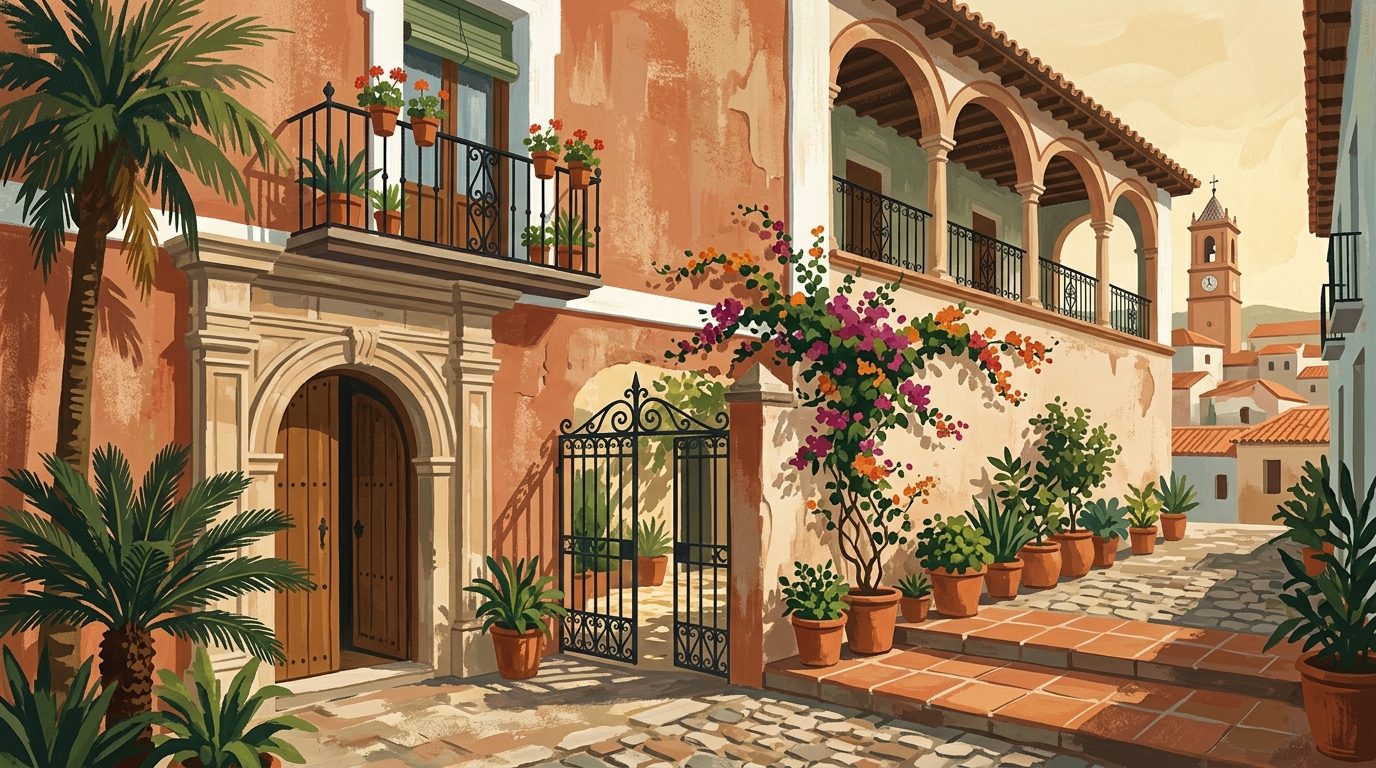
Hotels with Family Rooms in Malaga: Best Stays in Malagueta and Soho
A practical guide to choosing family-friendly accommodation in Malaga, from the beachside rooms of Malagueta to the pedestrianised streets of Soho.
5 min read
Two Days in Ronda: The Complete Itinerary
Two days in Ronda allows you to explore the dramatic gorge, walk the ancient walls, and sample local wines at a relaxed pace. This itinerary balances major landmarks with quiet local squares and traditional dining.
8 min read
Three Days in Malaga: A Complete Itinerary
Plan the perfect 72 hours in Malaga with our detailed daily itinerary, balancing Moorish history and world-class art with authentic Andalucían tapas.
8 min read
Two Days in Cordoba: A Complete Itinerary
Two days in Cordoba gives you enough time to look beyond the famous arches of the Mezquita and explore the quiet residential courtyards that define the city.
8 min read
Three Days in Cordoba: An Itinerary for Independent Travellers
A three-day stay allows you to experience Cordoba without the typical day-tripper rush. Take time to explore aristocratic palaces, authentic tapas taverns and the ruined caliphate city of Medina Azahara.
8 min read
A Weekend in Cordoba: Two Days in Andalucía's Caliphate City
Spend 48 hours in Cordoba exploring the mesmerising Mezquita, getting lost in the whitewashed streets of the Judería, and eating excellent salmorejo.
9 min read
More from Málaga

One Week in Ronda: A Seven-Day Itinerary for the Serranía
A seven-day stay in Ronda allows you to experience the deep gorge and ancient streets long after the day-trippers have left. Using the city as a base, you can easily explore the surrounding white villages, hike the Sierra de las Nieves, and settle into the true rhythm of mountain life.
13 min read
Seven Days in Malaga: A One-Week Itinerary
Spending a full week in Malaga allows you to explore the historic centre at a relaxed pace while leaving time for the coast and nearby mountains. This plan balances world-class art and Moorish architecture with long lunches by the Mediterranean Sea.
12 min read
Three Days in Ronda: The Complete Itinerary
A three-day stay in Ronda allows you to look beyond the famous bridge and properly explore the ancient Moorish quarters, local wineries, and the spectacular gorge.
8 min read
Two Days in Malaga: A Practical Weekend Itinerary
Two days in Malaga offers exactly enough time to wander through ancient Moorish fortresses and linger over grilled sardines on the Mediterranean shore. This itinerary balances the major art galleries with long lunches in shaded plazas.
10 min read
A Perfect Weekend Itinerary for Ronda
Spend 48 hours exploring the dramatic gorge of Ronda, walking its ancient walls and sampling its excellent tapas scene. This practical weekend guide helps you navigate the crowds and savour the local rhythm.
8 min read
Newsletter
More stories from Andalucía
Weekly notes, seasonal picks, and the next guides worth bookmarking.