
Itinerary · Granada
A Weekend in Granada: The Perfect Two Days Itinerary
Make the most of 48 hours in Granada with our practical guide. We balance essential palace visits with unhurried tapas crawls through the Albaicín and Realejo neighbourhoods.
By Dan · Updated 29 June 2026 · 9 min read
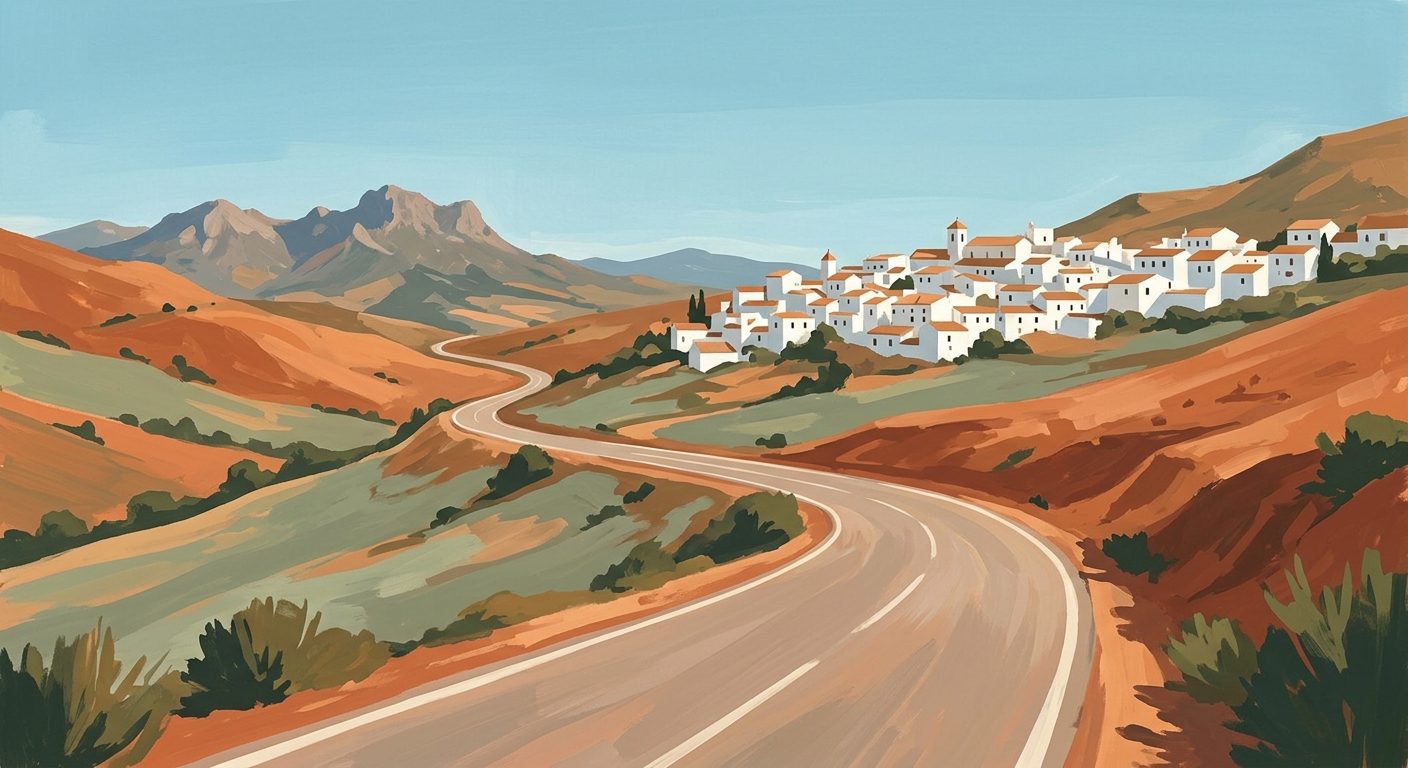
Let the Alhambra ticket shape the whole weekend
Granada is the weekend itinerary where one reservation matters more than anything else: the Alhambra, especially the Nasrid Palaces time slot. Book it first, then arrange Realejo, Albaicín and Sacromonte walking around that fixed entry time.
The city is much steeper than it looks on a map. Use the small buses when needed, avoid dragging luggage into the upper Albaicín, and check cathedral, Royal Chapel and Sacromonte museum hours if your visit includes Sunday or Monday.
Granada demands a slower pace. A weekend here is best spent balancing the architectural scale of the Alhambra with long, unhurried tapas crawls through narrow, cobbled streets.
Granada rewards those who understand its distinct rhythm. While two full days is just enough time to cover the headline sights, rushing from plaza to plaza will only leave you exhausted and frustrated. The key to a successful weekend is accepting that you cannot see everything. Skip the outlying monasteries on a short visit and focus your time entirely on the historic core. This covers the Alhambra, the hillside Albaicín, the Realejo district and the immediate commercial centre.
This itinerary respects the traditional Spanish clock. We have factored in late breakfasts, a mandatory pause during the afternoon heat (which is especially crucial from June to September) and dinners that do not start until 9:00 pm at the earliest. Granada is famously one of the last Andalucían cities to serve a free and substantial tapas plate with every round of drinks. Pace your alcohol intake and your walking speed accordingly.
The hills here are incredibly steep, and the ancient cobblestones are unforgiving on tired feet. By clustering your sightseeing by neighbourhood, you minimise the steep climbs and maximise your time sitting outside a local bar, watching the city go by.
Day 1: The Alhambra and the Realejo
Morning
Begin your weekend with Granada's most famous site. Securing tickets for the Alhambra requires planning weeks or even months in advance. You must book a specific time slot for the Nasrid Palaces, which will dictate how you structure the rest of your morning.
Assuming a mid-morning palace entry, start your day around 8:30 am with a traditional breakfast of tostada con tomate (toast with crushed tomato and olive oil) at Café Fútbol in Plaza Mariana Pineda. From here, it is a 20-minute uphill walk along the Cuesta de Gomérez, passing through the shaded Puerta de las Granadas, to the main entrance pavilion.
The Alhambra is an enormous complex, not a single building. Inside the Nasrid Palaces, you will pass through a sequence of increasingly intricate spaces, culminating in the Court of the Lions with its delicate marble columns and the grand Comares Palace. Allow at least three hours to explore the entire complex properly. If your Nasrid Palace entry time is 10:30 am, visit the Generalife gardens (the summer estate of the sultans) and the Alcazaba fortress either before or after, depending on the queue length. Bring a water bottle, as the summer sun beats down relentlessly on the exposed fortress walls.
Lunch
Leave the Alhambra via the Puerta de la Justicia and take the 15-minute downhill walk into the Realejo, the old Jewish quarter of Granada. Your destination is Taberna La Tana on Placeta del Agua. This tiny, family-run wine bar opens at 1:00 pm and is usually full by 1:30 pm. They serve an exceptional selection of Andalucían wines, pouring generous glasses that arrive accompanied by high-quality complimentary tapas, such as cured meats, local cheeses or their famous cherry tomato salad.
If you prefer a sit-down meal, walk five minutes further to Plaza del Campo del Príncipe. This broad, tree-lined square is ringed with outdoor terraces. Try Bar Los Diamantes for their expertly fried seafood (they have several locations, but this one has seating) or Restaurante Los Martinetes for traditional stews and grilled meats.
Afternoon
The Spanish siesta is a practical necessity, not a stereotype. Between 4:00 pm and 7:00 pm, particularly from late May to September, the streets empty out as temperatures peak. Use this time to rest at your accommodation.
When you re-emerge in the late afternoon, take a gentle walk through the lower Realejo. The walls of this neighbourhood serve as an outdoor gallery for local street artists, most notably Raúl Ruiz (known as 'El Niño de las Pinturas'). Walk down Calle Molinos to spot his distinct, swirling murals. Stop by the Cuarto Real de Santo Domingo, a 13th-century Moorish palace that predates much of the Alhambra. It sits quietly within modern gardens and rarely has queues, providing a shaded retreat and a glimpse into aristocratic Moorish life.
Evening
Granada's tapas culture is legendary. The golden rule is simple: order a drink (usually a small beer called a caña or a glass of wine) and you will receive a free plate of food. You do not get to choose the first tapa, but if you stay for a second or third round, the portions often become larger and more elaborate.
Start your evening around 8:30 pm on Calle San Matías. Drop into La Botillería for a modern take on Andalucían flavours. Next, move towards the centre and brave the crowds at Bodegas Castañeda on Calle Almireceros. It is loud, chaotic and standing-room only, but the barrels of vermouth and massive platters of cold cuts make it an essential Granada experience. Finish the night with a walk through the adjacent Plaza Nueva, admiring the floodlit Alhambra on the hill above.
Day 2: Royal Tombs and the Albaicín
Morning
Start your second day in the flat commercial centre. Have coffee and churros at the historic Gran Café de Bib-Rambla, located in the spacious Plaza de Bib-Rambla. A two-minute walk from here takes you to the Capilla Real (Royal Chapel). This late-Gothic building houses the marble tombs of the Catholic Monarchs, Ferdinand and Isabella, alongside their daughter Joanna the Mad and her husband Philip the Handsome. It is a striking monument to the Christian conquest of the city.
Directly next door sits the Granada Cathedral. Unlike the dark, heavy Gothic cathedrals found elsewhere in Spain, Granada's cathedral is a soaring Renaissance masterpiece with bright white interiors and massive classical pillars. After visiting both sites (allow 90 minutes total), walk through the Alcaicería. This network of narrow alleys was once the Moorish silk market. Today, it is filled with souvenir stalls, but the architecture retains its original North African layout.
Lunch
By 1:30 pm, begin your ascent into the Albaicín, the city's oldest Moorish quarter. From Plaza Nueva, walk up Calle Calderería Nueva, a steep pedestrian street lined with tea houses and bakeries selling honey-drenched pastries. Continue climbing for another 15 minutes until you reach Plaza Larga, the working heart of the upper Albaicín.
Snag a table at Bar Aixa in the plaza. It is an unpretentious local favourite serving excellent fried aubergines with cane honey (berenjenas con miel) and garlic prawns. The atmosphere here is completely different from the polished centre below. You are surrounded by whitewashed houses, tight corners and locals doing their daily shopping. Notice the traditional houses here, known as cármenes, which hide terraced orchards and vine-draped gardens behind high white walls.
Afternoon
Spend the afternoon getting lost in the Albaicín. Maps are only somewhat helpful here, as the streets twist and dead-end abruptly. Eventually, you will want to seek out the viewpoints (miradores). The Mirador de San Nicolás offers the most famous, unobstructed view of the Alhambra backed by the Sierra Nevada mountains. However, it is invariably packed with tour groups and buskers.
For a quieter experience, walk 10 minutes west to the Mirador de San Cristóbal, or head downhill to the Placeta de los Carvajales, which offers a lower, more intimate angle of the fortress. From the Albaicín, walk east along the Camino del Sacromonte (about 20 minutes) into the traditional Roma neighbourhood. The Museo Cuevas del Sacromonte is well worth the modest entry fee. It features preserved cave dwellings that explain the history of the area and its deep ties to flamenco. Note that the museum closes at 4:00 pm in winter and 6:00 pm in summer.
Evening
As the sun begins to set, walk back down the Cuesta del Chapiz until you reach the Paseo de los Tristes. This riverside promenade runs directly beneath the Alhambra walls. The name translates to the 'Promenade of the Sad Ones', as it was the historical route to the local cemetery, but today it is one of the most romantic spots in the city.
Settle in for dinner at Restaurante Ruta del Azafrán, located right on the promenade. Unlike the casual tapas bars of the previous night, this restaurant offers a seated, multi-course experience with a menu that highlights the Moorish influence on Andalucían cuisine. Try the pastela mozárabe (a sweet and savoury chicken pastry) or the couscous. Booking a table in advance is highly recommended for Friday and Saturday nights, as well as Sunday lunch.
Where to stay
The Realejo: The former Jewish quarter offers an excellent balance of local life and accessibility. The lower streets are flat and packed with excellent tapas bars, while the upper streets offer quiet, residential charm. It is an ideal base if you want to walk to both the Alhambra and the city centre within 15 minutes.
The Albaicín: Staying in this historic Moorish quarter guarantees atmosphere and spectacular views. However, you must be prepared for steep, cobbled streets and limited vehicle access. Taxis cannot reach many of the hotels and rented apartments here, meaning you may have to drag your luggage uphill over rough terrain.
Centro and Plaza Nueva: If mobility is a concern, or if you simply prefer to step out of your door right into the action, the commercial centre is the most practical choice. It is entirely flat and heavily serviced by buses and taxis. The trade-off is noise. Areas around Plaza Nueva and Calle Navas stay loud until the early hours of the morning, particularly on weekends.
Practical notes
Arrival logistics: Federico García Lorca Granada Airport is small and mostly handles domestic flights. The Alsa airport bus (Line 245) costs approximately €3.00 and takes 45 minutes to reach the city centre. If arriving by train, the modern AVE high-speed rail connects Granada to Madrid in just over three hours, and to Córdoba in 90 minutes. The train station is a 20-minute walk or a short taxi ride from the centre.
Tickets to pre-book: You cannot leave Alhambra tickets to chance. They regularly sell out weeks in advance, and sometimes months ahead during the spring and autumn peaks. Only buy tickets through the official Patronato de la Alhambra website. Third-party sites charge massive markups. Remember to bring your original physical passport or ID card to the Alhambra, as staff check it against your ticket at multiple checkpoints.
Getting around: Granada is a walking city, but the topography is punishing. Pack comfortable trainers with thick soles to handle the relentless cobblestones. Small red minibuses (the Alhambra Bus network) run continuous loops up into the Albaicín, Sacromonte and the Alhambra. They cost less than two euros and are a lifesaver when you cannot face another uphill climb.
Sunday and Monday closures: Keep a close eye on the calendar. While the Alhambra remains open every day, smaller municipal sites, such as the Casa de los Tiros or the Fine Arts Museum, observe strict Monday closures. Furthermore, many traditional businesses and restaurants shut down entirely on Sundays or Sunday evenings. Always verify opening hours before walking across the city.
Weather and clothing: Granada's climate is extreme due to its inland location and proximity to the Sierra Nevada mountains. Summer temperatures routinely exceed 40 degrees Celsius, making sightseeing between 1:00 pm and 7:00 pm physically exhausting. In contrast, winters are bitterly cold, with icy winds blowing off the snow-capped peaks. Pack thick layers from November to March. Spring and autumn offer the most comfortable weather for exploring the steep hills.
Last reviewed: 21 June 2026 · Editorial policy
Related guides
Hotels with a Pool in Granada: Rooftop Plunges and Seasonal Tips
Finding a hotel with a pool in Granada requires understanding seasonal limits and the difference between a rooftop plunge and a full-sized basin.
5 min read
Seven Days in Andalucía: Sevilla, Córdoba, and Granada
A precise 7-day guide to Andalucía's Moorish heart, covering the essential sights and tastes of Sevilla, Córdoba, and Granada without the fluff.
9 min read
A Perfect Weekend in Granada
A practical three-day guide to Granada, focusing on the Alhambra, the winding lanes of the Albaicín, and the city's unique tapas culture.
8 min read
Three Days in Granada: The Perfect Itinerary
Spend three days exploring Granada without the rush. Discover how to pace your visits to the Alhambra, navigate the winding Albaicín, and master the free tapas culture.
8 min read
Two Days in Granada: A Step-by-Step Itinerary
Two days in Granada gives you just enough time to explore the Alhambra and lose yourself in the steep alleys of the Albaicín. This itinerary balances major monuments with the city's legendary free tapas culture.
10 min read

Exploring the Historic Heart of Granada
Discover the historic heart of Granada, where the grand Renaissance Cathedral and the Royal Chapel stand alongside medieval silk markets and a legendary free tapas culture.
6 min read
More from Granada
Seven Days in Granada: The Complete Slow Travel Itinerary
Spend a full week in Granada to look beyond the Alhambra and sink into the authentic rhythm of an Andalucían capital. Seven days allows you to hike the Sierra Nevada foothills, wander the winding streets of the Albaicín, and master the city's legendary free tapas culture without rushing.
9 min read
Andalucía by Train: Rail Journey from Málaga to Granada
Ditch the car hire queues and traverse southern Spain using the high-speed AVE network on this 10-day rail adventure from the coast to the Sierra Nevada.
9 min read
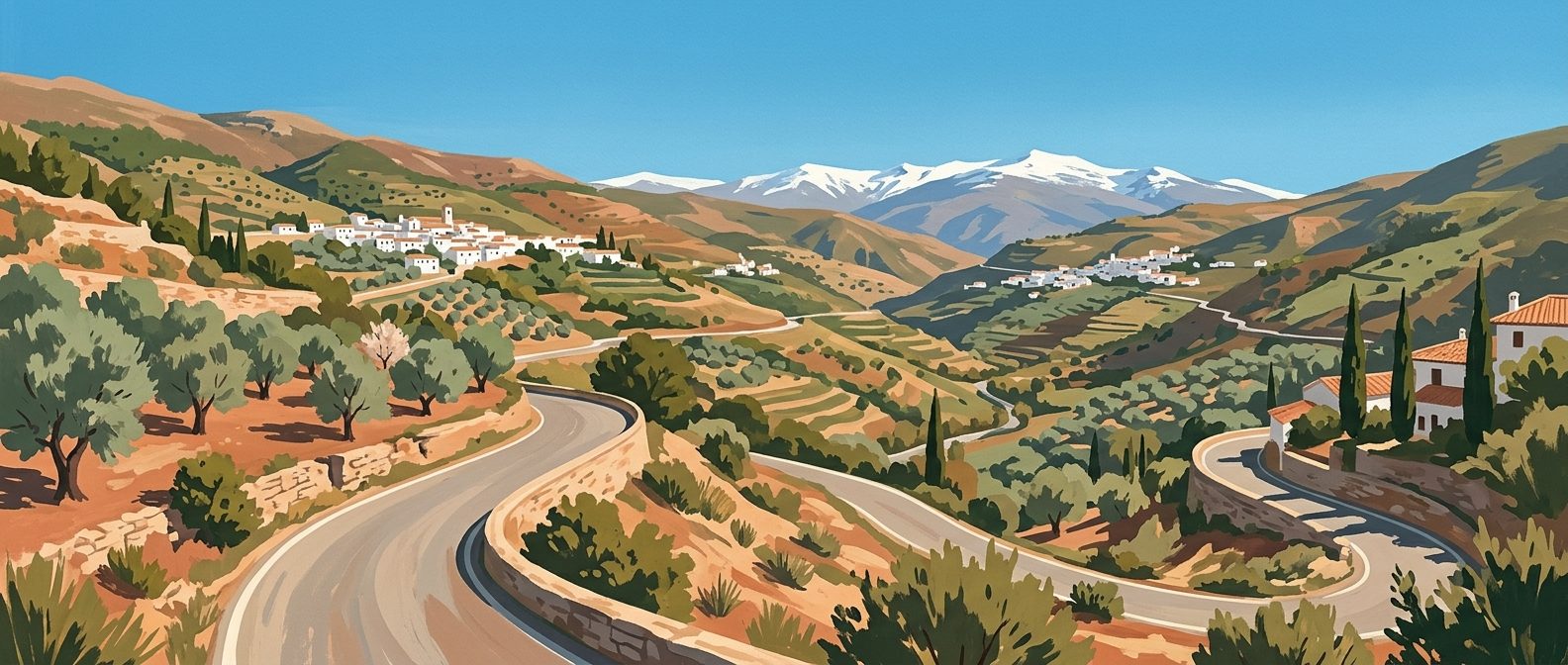
Granada and the Alpujarras: A 5-Day Loop
Combine the architectural majesty of the Nasrid kings with the high-altitude solitude of the Sierra Nevada's southern slopes. This five-day loop transitions from urban tapas culture to the rugged traditions of Spain’s highest white villages.
8 min read
Newsletter
More stories from Andalucía
Weekly notes, seasonal picks, and the next guides worth bookmarking.