
Itinerary · Córdoba
Two Days in Cordoba: A Complete Itinerary
Two days in Cordoba gives you enough time to look beyond the famous arches of the Mezquita and explore the quiet residential courtyards that define the city.
By Dan · Updated 22 June 2026 · 8 min read
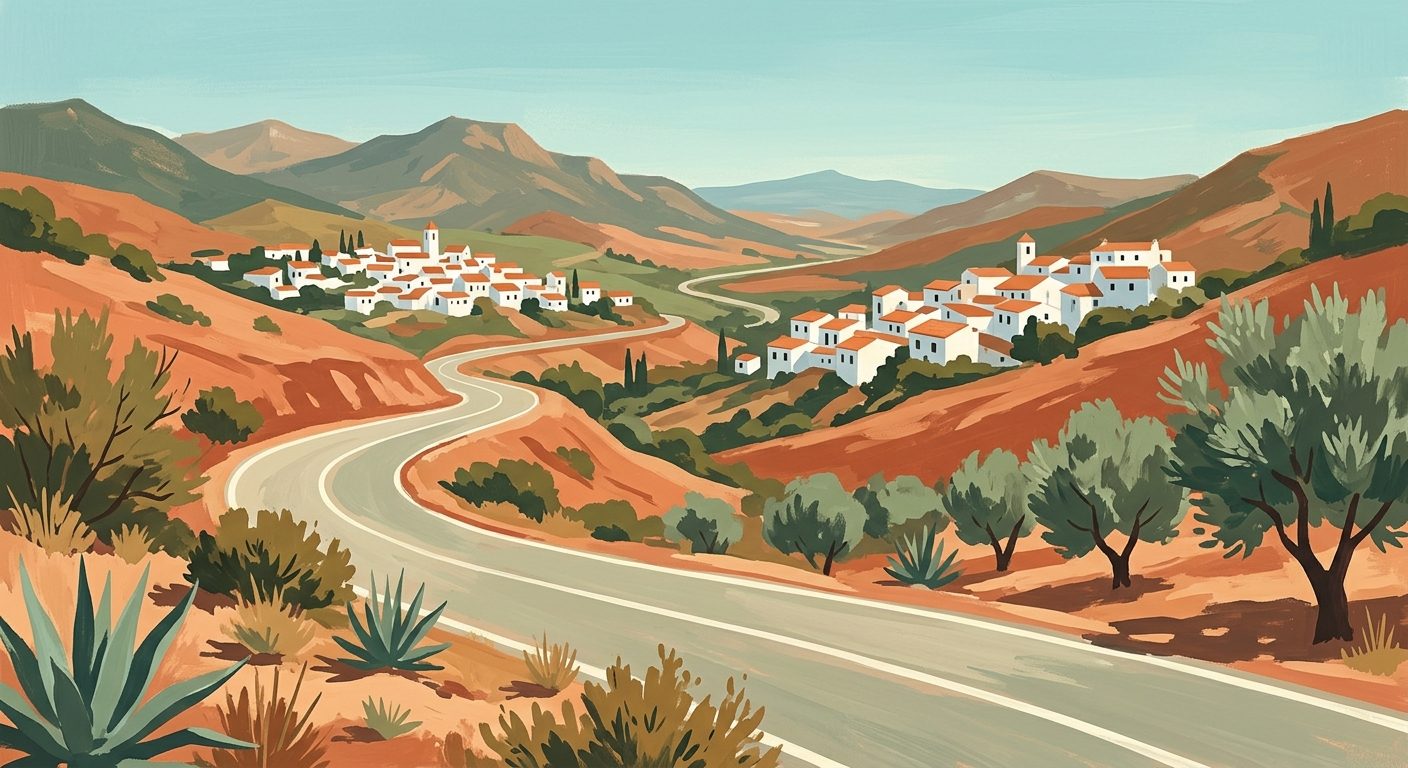
Two days in Cordoba gives you enough time to look beyond the famous arches of the Mezquita and explore the quiet residential courtyards that define the city. This itinerary balances major monuments with long, shaded lunches to keep you moving at a proper Andalucían pace.
Cordoba is often treated as a rushed day trip from Sevilla or Madrid. However, staying for two full days allows you to experience the city before the day-trippers arrive and after they leave. Forty-eight hours gives you the bandwidth to properly digest the Mezquita, wander through the historic Judería, and explore the northern neighbourhoods where local life actually happens.
The city rests on the banks of the Guadalquivir river, backed by the foothills of the Sierra Morena. This geography traps the heat, shaping a local culture built around heavy morning activity, long afternoon siestas, and late evening socialising. If your time is short, you could skip the archaeological museum or the interiors of the lesser palaces, but you should never rush a meal here. Cordoban cuisine is deeply influenced by its Moorish past and the surrounding olive-growing regions.
Cordoba gets unimaginably hot from June to September. During those months, you must adapt to the local rhythm: early starts, a heavy lunch at 2:00 pm, a long afternoon rest indoors, and evening activities that do not begin until the sun has well and truly set. This route places heavy sightseeing in the mornings. It keeps the afternoons light and walkable, assuming you will need to seek shade or air conditioning. Be prepared to walk, as the historic centre is largely pedestrianised, full of tight alleyways, and heavily cobbled.
Day 1: The Great Mosque and the River
Morning
Start your day at the Mezquita-Catedral, the defining architectural triumph of Islamic Spain. It is highly recommended to book your tickets online at least one month in advance for the peak spring and autumn months, selecting an entry slot for 9:00 am or 9:30 am. Entering early helps you avoid the large coach groups that arrive from the Costa del Sol around 11:00 am. Before heading inside, take twenty minutes to sit under the citrus trees in the Patio de los Naranjos, observing the ancient irrigation channels.
Once inside, spend at least two hours walking through the vast forest of red and white striped arches. Take your time to examine the intricate golden mosaics of the mihrab, and prepare for the jarring but fascinating sight of a soaring Renaissance cathedral built directly into the centre of the mosque. Before you leave, climb the Campanario, the bell tower built over the original minaret, for a clear view over the city roofs. From the Mezquita, it is a brief five-minute walk through narrow streets to your lunch spot.
Lunch
Head to Casa Pepe de la Judería on Calle Romero. This historic tavern has been serving traditional Cordoban food since 1920. It operates as a casual tapas bar on the ground floor and a formal restaurant upstairs. Request a table in the interior courtyard or on the rooftop terrace if the weather is mild.
Order a bowl of salmorejo, a thick tomato, garlic, and bread emulsion topped with Iberian ham and chopped boiled egg. It is far richer and creamier than its cousin, gazpacho. Follow this with a plate of fried aubergines drizzled with a thick, sweet Pedro Ximénez wine reduction.
Afternoon
Take a ten-minute stroll south towards the river to reach the Alcázar de los Reyes Cristianos. You must pre-book tickets for this fortress, especially in spring and autumn. The interior rooms are relatively bare, save for an impressive collection of Roman mosaics discovered beneath the city streets, but the terraced water gardens are spectacular. You will find plenty of shade under mature cypress and lemon trees alongside long rectangular reflection pools. Allow an hour to walk the garden paths.
As the late afternoon light softens, walk five minutes east to the Roman Bridge. Cross the Guadalquivir river on foot, looking back towards the old town for the classic photograph of the city skyline. At the far southern end sits the Torre de la Calahorra, a fortified gatehouse which houses an interesting museum detailing the daily life of the city during its Islamic period.
Evening
Walk back across the bridge and follow the riverbank east for fifteen minutes to the Ribera neighbourhood. This riverside promenade is packed with excellent dining options and provides a welcome breeze on warm nights. Find a table at Garum 2.1 on Calle San Fernando. They specialise in modern tapas, offering oxtail croquettes, salmorejo variations, and updated versions of local classics. The atmosphere is relaxed, and it serves as a great introduction to the contemporary Andalucían culinary scene.
Day 2: Aristocratic Palaces and Roman Columns
Morning
Leave the immediate tourist centre and walk fifteen minutes north into the Santa Marina neighbourhood. Your destination is the Palacio de Viana. This aristocratic manor house features twelve distinct courtyards, known as patios, each designed with different planting schemes, fountains, and architectural styles.
You will see everything from the functional Patio de los Gatos to the grand Renaissance styling of the Patio de las Columnas. It is the best place in Cordoba to understand the local obsession with interior gardens without navigating the heavy crowds of the May patio festival, which typically runs during the first two weeks of that month. Spend two hours exploring the grounds, taking in the scents of jasmine and orange blossom.
After leaving the palace, take a ten-minute walk south to Plaza de los Capuchinos. Here you will find the Cristo de los Faroles, a striking crucifix surrounded by eight wrought-iron lanterns in a stark, beautifully austere whitewashed square.
Lunch
Walk another five minutes south to Taberna La Montillana, located just off Plaza de San Miguel. This is a brilliant spot for a sit-down meal, focusing heavily on high-quality ingredients sourced from the surrounding province. Try the flamenquín, a local speciality consisting of pork loin wrapped around cured ham, breaded and fried, served with homemade mayonnaise and thick-cut chips. Pair it with a crisp white wine from the region.
Afternoon
Continue your walk south for five minutes to the Templo Romano on Calle Claudio Marcelo. These reconstructed Roman columns sit incongruously next to the modern city hall, providing a stark reminder of Cordoba as a former provincial capital of the Roman Empire.
Next, turn down the side streets to enter Plaza de la Corredera. This vast, rectangular 17th-century square is unique in Andalucía and heavily resembles the grand plazas of Madrid. Grab a coffee at one of the arcaded cafes and watch the local families pass by. If you have the energy, walk ten minutes through the winding streets to the Museo Arqueológico in Plaza de Jerónimo Páez. The museum houses excellent Moorish and Roman artefacts within a stunning Renaissance palace. Be acutely aware that the museum is completely closed on Mondays, so plan your days accordingly.
Evening
For your final dinner, head back towards the Judería to Bodegas Mezquita on Calle Céspedes. While it is incredibly close to the main tourist sites, it remains consistently reliable for traditional dishes and maintains a loyal local following. Book ahead, as it fills up quickly after 8:30 pm. Order the rabo de toro, a slow-cooked oxtail stew that falls off the bone. Finish your meal with a glass of sweet Montilla-Moriles wine, the local alternative to sherry, produced just south of the city.
Where to stay
The Judería is the most convenient area for a first-time, short visit. You will be within five minutes of the major monuments, though you will have to deal with crowded daytime streets, narrow access for taxis, and premium hotel prices.
San Basilio offers a quieter alternative. Located just west of the Alcázar, this neighbourhood is famous for its heavily decorated residential patios. It feels like a distinct, self-contained village while still keeping you within a fifteen-minute walk of the Mezquita and the river.
Santa Marina and San Lorenzo are ideal for returning visitors or those wanting a slower pace. These northern neighbourhoods are heavily residential, offering cheaper boutique accommodation, excellent neighbourhood tapas bars, and a genuinely local atmosphere, at the cost of a twenty-minute walk to the historic core.
Practical notes
Arrival logistics: The high-speed AVE train connects Cordoba to Madrid in under two hours and to Sevilla in forty-five minutes. Alternative operators like Iryo and Ouigo also serve this route, making train travel highly competitive and efficient. The train station is a twenty-minute walk or a short five-minute taxi ride from the historic centre. Do not attempt to drive into the old town. The streets are extremely narrow, strictly camera-controlled, and mostly pedestrianised, resulting in heavy fines for unauthorised vehicles.
Tickets to pre-book: It is highly recommended to buy tickets for the Mezquita and the Alcázar de los Reyes Cristianos at least one month in advance during the spring and autumn high seasons. The bell tower at the Mezquita requires a separate timed ticket. Palacio de Viana tickets can usually be purchased a few days before your visit, though booking ahead online saves time at the gate.
What to wear: Cordoba has an extreme inland climate. In July and August, temperatures frequently exceed forty degrees Celsius, meaning light linen clothing, sunglasses, and a wide-brimmed hat are strictly necessary. Winters can be surprisingly crisp due to the nearby mountains, requiring a good coat in the mornings and late evenings. Flat, comfortable walking shoes with thick soles are non-negotiable year-round due to the notoriously uneven cobblestone streets.
Crowd management tips: The narrow alleyways around the Mezquita become severely congested between 11:00 am and 4:00 pm. Plan to visit the major sites right at opening time, retreat for a long lunch, and explore the wider city in the late afternoon when the large tour groups have caught their buses back to the coast.
Last reviewed: 14 July 2026 · Editorial policy
Related guides
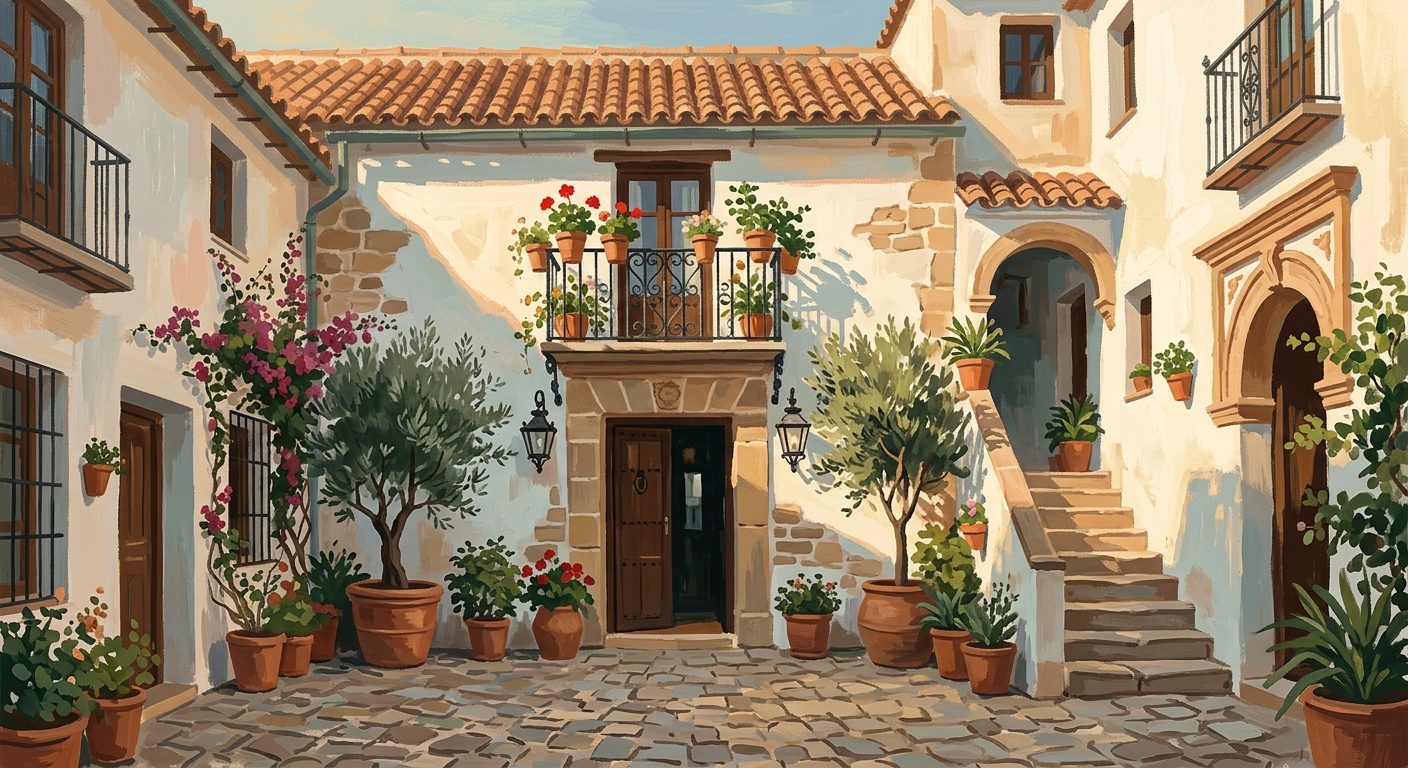
Boutique Hotels in Cordoba: Historic Patios and Manor Houses
Discover the nuances of Cordoba boutique hotels, from historical patio houses in the Judería to grand manor houses in the quiet Santa Marina district.
6 min read
Three Days in Cordoba: An Itinerary for Independent Travellers
A three-day stay allows you to experience Cordoba without the typical day-tripper rush. Take time to explore aristocratic palaces, authentic tapas taverns and the ruined caliphate city of Medina Azahara.
8 min read
A Weekend in Cordoba: Two Days in Andalucía's Caliphate City
Spend 48 hours in Cordoba exploring the mesmerising Mezquita, getting lost in the whitewashed streets of the Judería, and eating excellent salmorejo.
9 min read
Three Days in Ronda: The Complete Itinerary
A three-day stay in Ronda allows you to look beyond the famous bridge and properly explore the ancient Moorish quarters, local wineries, and the spectacular gorge.
8 min read
Two Days in Ronda: The Complete Itinerary
Two days in Ronda allows you to explore the dramatic gorge, walk the ancient walls, and sample local wines at a relaxed pace. This itinerary balances major landmarks with quiet local squares and traditional dining.
8 min read
A Perfect Weekend Itinerary for Malaga
Spend 48 hours in Malaga discovering a coastal city that balances centuries of Moorish architecture with excellent art galleries and outstanding local seafood. This weekend plan helps you navigate the historic centre, avoid the longest queues, and eat at the best neighbourhood tapas bars.
9 min read
More from Córdoba
Newsletter
More stories from Andalucía
Weekly notes, seasonal picks, and the next guides worth bookmarking.