
Itinerary · Granada
Two Days in Granada: A Step-by-Step Itinerary
Two days in Granada gives you just enough time to explore the Alhambra and lose yourself in the steep alleys of the Albaicín. This itinerary balances major monuments with the city's legendary free tapas culture.
By Dan · Updated 16 July 2026 · 10 min read
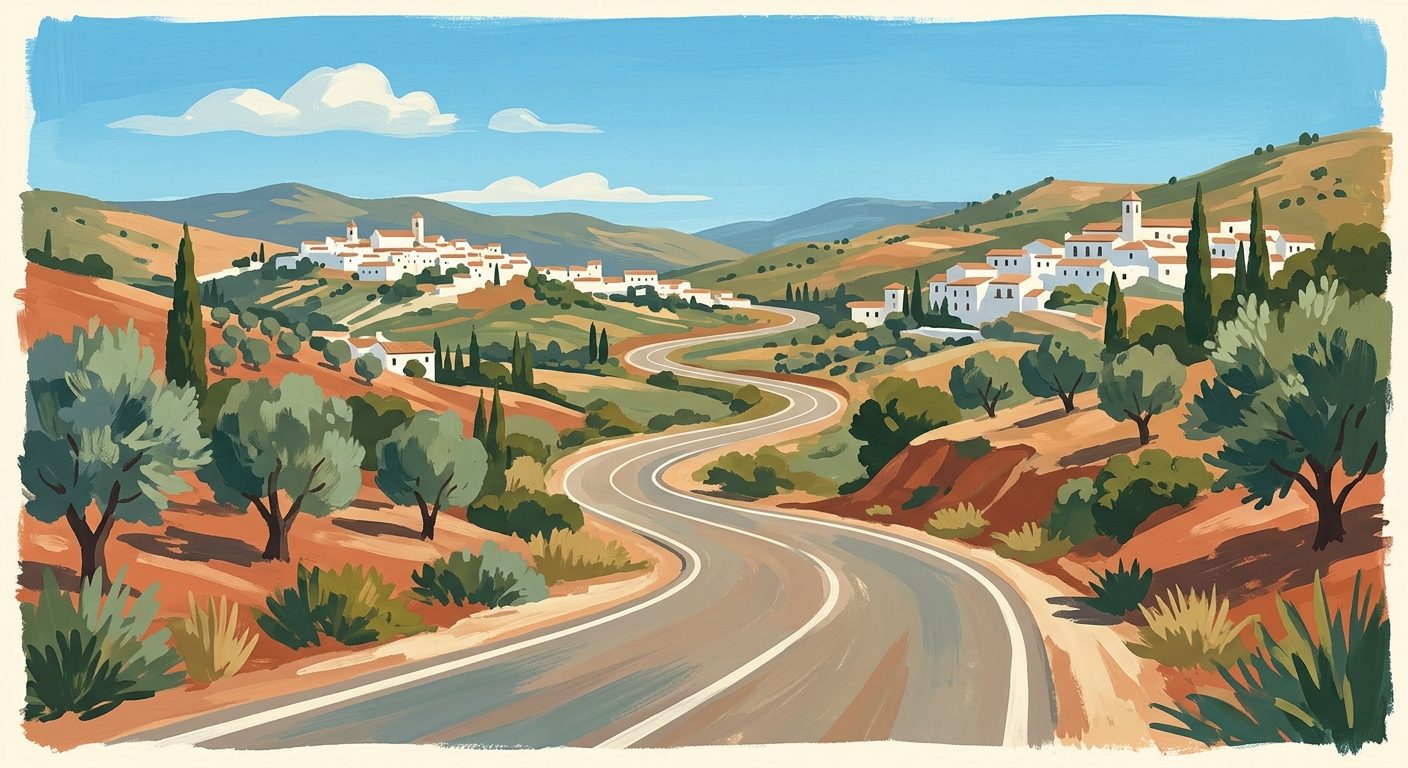
Two days in Granada gives you just enough time to explore the Alhambra and lose yourself in the steep alleys of the Albaicín. This itinerary balances major monuments with the city's legendary free tapas culture, ensuring you experience the true rhythm of an Andalucían weekend.
Forty-eight hours in Granada is the sweet spot for an introductory visit. It is enough time to dedicate an entire morning to the Alhambra without rushing, spend an evening crawling between traditional tapas bars, and still have a day left for the cathedral and the historic Moorish quarter. The pacing here respects the traditional Spanish clock. We build in late lunches, a quiet period during the afternoon heat, and dinners that do not start until the sun has set.
If you are short on time, skip the newer southern districts or the Sacromonte cave museums, and focus entirely on the historical centre and the Albaicín. Granada is remarkably compact, but the topography is punishing. The walk up to the Alhambra and the steep alleys of the Albaicín will test your calves, so sensible footwear is non-negotiable. This plan adapts to the season. Just remember that midday in summer demands a strategic retreat to a shaded courtyard.
Day 1: The Alhambra and the Albaicín
Morning
Your first morning belongs entirely to the Alhambra. You must secure your tickets online months in advance, as same-day sales are practically non-existent. When booking, you will be asked to select a specific time slot for the Nasrid Palaces. Aim for 9:00 AM. This early entry allows you to beat the worst of the coach tour crowds and experience the intricate stucco work and reflecting pools in relative peace.
Start your day at 8:00 AM with a quick coffee and a tostada con tomate at Café Fútbol in Plaza Mariana Pineda. From there, it is a brisk twenty-minute walk up the steep, tree-shaded Cuesta de Gomérez to the main entrance. Once inside the complex, head straight for the Nasrid Palaces to meet your timed entry. Spend your first hour marvelling at the Court of the Lions and the Hall of the Ambassadors.
After the palaces, allow another two hours to explore the Alcazaba fortress, the oldest part of the complex, where the Torre de la Vela provides sweeping panoramic views over the city grid and the distant mountains. Follow this with a stroll through the Generalife gardens. The walk between the palaces and the summer estate of the Generalife takes about fifteen minutes along shaded, cypress-lined pathways. You will pass trickling fountains and immaculate rose gardens that showcase the sophisticated Moorish mastery of water. By noon, the midday heat will start to build if you are visiting between May and September.
Lunch
Exit the Alhambra via the Cuesta del Rey Chico, a steep, cobbled path that winds down the hillside to the Darro River. This walk takes roughly twenty minutes. At the bottom, you will emerge onto the Paseo de los Tristes, a scenic promenade offering spectacular views back up to the fortress walls.
Stop for lunch at Restaurante Ruta del Azafrán at the end of the promenade. Ask for a table by the window. They serve an excellent menu blending traditional Andalucían flavours with Moorish influences, such as pastela moruna (a savoury-sweet chicken pastry) and slow-cooked lamb. Expect to spend around two hours here, allowing the heaviest heat of the day to pass.
Afternoon
Cross the river and begin your ascent into the Albaicín, the city's ancient Moorish quarter. The streets here are a labyrinth of whitewashed houses, hidden courtyard gardens known as cármenes, and narrow staircases. There is no logical grid, so accept that you will get lost at least once.
From the river, walk up the Carrera del Darro, one of the most photographed streets in Spain. Turn right up the narrow Cuesta de la Victoria. Your goal is the Mirador de San Nicolás. The walk takes about twenty-five minutes, but factor in plenty of stops to catch your breath. The plaza at the top offers the iconic, unobstructed view of the Alhambra backed by the Sierra Nevada mountains.
It will be crowded. Instead of fighting for space on the stone wall, slip into the courtyard of the adjacent Mezquita Mayor de Granada. The mosque gardens are open to the public, offer the exact same view, and are usually completely silent. Afterwards, slowly weave your way back down towards the city centre, stopping for an iced coffee or a cold Cruzcampo beer at any small plaza you find appealing.
Evening
Granada is the undisputed capital of free tapas in Andalucía. With every drink you order, you receive a complimentary plate of food. The golden rule is to pace yourself. Do not order a main meal; just move from bar to bar, ordering small beers (cañas) or glasses of local wine.
Start at 8:30 PM at Bodegas Castañeda on Calle Almireceros. It is loud, chaotic, and brilliant. The waiters shout orders across the room, and the house vermouth is dangerously drinkable. Your first tapa might be a small bowl of rich, saffron-infused paella, a slice of thick Spanish omelette, or a hearty pork stew. It is a baptism of fire into local dining.
Next, walk five minutes to Calle Navas, the most famous tapas street in the city. Squeeze into Bar Los Diamantes. This legendary institution specialises in fried seafood. It is standing room only, but the fresh fried squid, adobo fish, and garlic mushrooms are worth the lack of elbow room. Finish your night at La Botillería on Calle Varela. This establishment offers a slightly more refined environment to enjoy a glass of bold red wine from the surrounding region, served alongside excellent local cheeses and Iberian ham.
Day 2: Royal Tombs, Cathedral and Realejo
Morning
Start your second day at a more relaxed pace. Head to the Gran Vía de Colón around 9:30 AM for breakfast. Go to the classic Pastelería Casa Pasteles for thick hot chocolate and churros.
By 10:30 AM, walk three minutes to the Capilla Real (Royal Chapel). This late Gothic monument houses the magnificent marble tombs of the Catholic Monarchs, Ferdinand and Isabella. You do not need to book months in advance, but buying a ticket online a few days prior will save you twenty minutes of queuing. The audio guide is highly recommended, taking about forty-five minutes to complete.
Immediately next door is the Cathedral of Granada. Unlike the dark Gothic interiors common elsewhere in Spain, this Renaissance structure is blindingly white and filled with natural light. Take thirty minutes to walk the perimeter and admire the massive Corinthian columns.
Upon leaving the cathedral, you will find yourself in the Alcaicería. This network of narrow alleys is a reconstruction of the original Moorish silk market. Today, it is largely dedicated to souvenir stalls, but the architecture remains fascinating. Walk through quickly, taking in the colourful displays of ceramics and hanging glass lamps.
Lunch
Keep lunch strictly local. Walk two minutes from the Alcaicería to Plaza de Pescadería. Here, you will find Restaurante Oliver. Secure a table on the terrace if the weather is mild. This is a traditional, white-tablecloth establishment favoured by Granada locals for weekend lunches. Order the habitas con jamón (baby broad beans with cured ham), a classic local dish, followed by grilled fish.
Take your time. A proper Spanish lunch lasts at least two hours. If you are visiting in the height of summer, this is the time to retreat to your hotel for a siesta and a cold shower before heading out again.
Afternoon
At 4:30 PM, when the shadows start to lengthen, walk fifteen minutes south from the cathedral to the Realejo. This is the old Jewish quarter of Granada. Before the Catholic Monarchs conquered the city in 1492, this was a thriving, wealthy district known as Garnata al-Yahud. Today, it receives a fraction of the foot traffic compared to the Albaicín, offering a much quieter, more residential atmosphere.
Start at the Cuarto Real de Santo Domingo. This thirteenth-century palace is a precursor to the Alhambra and features stunning original tilework and quiet gardens. Entry is cheap and you rarely need to queue.
From there, walk ten minutes uphill to the Placeta de la Puerta del Sol. This small, triangular plaza features an old stone washhouse and provides sweeping views over the city rooftops towards the agricultural plain of Granada. It is a peaceful spot, perfect for reading a book or simply resting your feet after a long day of walking.
Evening
For your final evening, elevate your dining experience by exploring the upper Realejo or the area around Plaza del Carmen. Head to Taberna La Tana on Calle Rosario around 8:30 PM. It is tiny, holding perhaps twenty people, and focuses heavily on exceptional Spanish wines. The owner will ask what you like and pour something surprising, accompanied by high-quality cured meats, artisan cheeses, and excellent olive oil.
For a proper sit-down dinner to close out your trip, walk five minutes to Restaurante Carmen de San Miguel. Located high up near the Alhambra woods, it offers incredible views over the city at night. You must book a table here at least a week in advance. The menu modernises traditional recipes, using local seasonal produce from the Vega de Granada. It is the perfect, quiet conclusion to forty-eight hours in the city.
Where to stay
The Albaicín: Staying here provides incredible atmosphere, with narrow streets and historic architecture at every turn. Waking up to a view of the Alhambra is memorable. However, you will be hauling your luggage over steep, uneven cobblestones, and taxis cannot reach many of the specific addresses. It is best suited for light packers with good mobility.
City Centre (Centro): The area immediately surrounding the Cathedral and Plaza Nueva is the most practical choice. It is completely flat, packed with excellent cafes, and within a twenty-minute walk of every major site. If you want convenience and immediate access to the best tapas streets without climbing hills at night, base yourself here.
The Realejo: Located at the foot of the Alhambra hill, this neighbourhood balances the historical charm of the Albaicín with the convenience of the centre. It has a high concentration of excellent, slightly less tourist-heavy restaurants and wine bars. The streets slope upwards towards the fortress, but the inclines are far more manageable than the northern districts.
Practical notes
Arrival logistics: If you are flying into Federico García Lorca Airport, the official ALSA airport bus is the most efficient transfer. It takes forty-five minutes to reach the Gran Vía and aligns directly with flight arrivals. If arriving by high-speed AVE train from Madrid or Sevilla, the central station (Estación de Trenes) is a twenty-minute walk or a ten-minute taxi ride to the cathedral area.
Getting around: Granada is fundamentally a walking city. The historic centre restricts private vehicles, and distances between monuments are short. However, the gradients are severe. When your legs fail you, rely on the red C30, C31, C32, and C34 minibuses (known locally as the Alhambra buses). They weave through the impossibly tight alleys of the Albaicín and Sacromonte, providing a cheap and highly entertaining way to reach the upper viewpoints.
Tickets to pre-book: The Alhambra is the single most important ticket in Spain. You must book online via the official Patronato de la Alhambra website at least two to three months in advance. The timed entry applies strictly to the Nasrid Palaces; miss your thirty-minute entry window by even five minutes, and the guards will deny you entry with absolute finality. Booking tickets for the Cathedral and the Royal Chapel a few days in advance is also highly recommended to bypass the slow-moving ticket office queues.
Seasonal clothing: Granada sits at the foot of the Sierra Nevada mountains. This altitude creates massive temperature swings. In winter, mornings can drop below freezing, but afternoons often reach a pleasant fifteen degrees Celsius; layering is essential. In summer, temperatures regularly exceed forty degrees Celsius. Pack lightweight linen, a wide-brimmed hat, and carry a water bottle at all times.
Crowd management: To avoid the heaviest crowds, visit major squares and viewpoints early in the morning or late at night. The Mirador de San Nicolás is beautiful at sunset, but it is also packed with aggressive selfie-stick users and loud buskers. Go at 9:00 AM instead for a peaceful experience, or opt for the lesser-known Mirador de San Cristóbal slightly further up the hill. Keep your schedule flexible, and remember that retreating for a long, shaded lunch is not a waste of time; it is the Andalucían way of surviving the day.
Last reviewed: 21 June 2026 · Editorial policy
Related guides
Hotels with a Pool in Granada: Rooftop Plunges and Seasonal Tips
Finding a hotel with a pool in Granada requires understanding seasonal limits and the difference between a rooftop plunge and a full-sized basin.
5 min read
A Perfect Weekend in Granada
A practical three-day guide to Granada, focusing on the Alhambra, the winding lanes of the Albaicín, and the city's unique tapas culture.
8 min read
Three Days in Granada: The Perfect Itinerary
Spend three days exploring Granada without the rush. Discover how to pace your visits to the Alhambra, navigate the winding Albaicín, and master the free tapas culture.
8 min read
A Long Weekend in Sevilla: The Definitive Four Days Itinerary
A precise 4-day guide to Sevilla, covering the Gothic Cathedral, royal palaces, Triana's pottery workshops, and the best tapas bars in the city.
8 min read
Three Days in Cadiz: The Ultimate Itinerary for Independent Travellers
Three days allows you to completely sink into the maritime rhythm of Europe's oldest city. You can cover the historic centre, explore the twin seaside fortresses, and still have time for a sherry tasting afternoon across the bay.
7 min read
Three Days in Sevilla: The Complete Itinerary
Spend 72 hours exploring the heart of the Andalucían capital. This pacing allows time for the Real Alcázar, late tapas in Triana and the essential afternoon siesta.
9 min read
More from Granada
A Weekend in Granada: The Perfect Two Days Itinerary
Make the most of 48 hours in Granada with our practical guide. We balance essential palace visits with unhurried tapas crawls through the Albaicín and Realejo neighbourhoods.
9 min read
Seven Days in Granada: The Complete Slow Travel Itinerary
Spend a full week in Granada to look beyond the Alhambra and sink into the authentic rhythm of an Andalucían capital. Seven days allows you to hike the Sierra Nevada foothills, wander the winding streets of the Albaicín, and master the city's legendary free tapas culture without rushing.
9 min read
Andalucía by Train: Rail Journey from Málaga to Granada
Ditch the car hire queues and traverse southern Spain using the high-speed AVE network on this 10-day rail adventure from the coast to the Sierra Nevada.
9 min read
Granada and the Alpujarras: A 5-Day Loop
Combine the architectural majesty of the Nasrid kings with the high-altitude solitude of the Sierra Nevada's southern slopes. This five-day loop transitions from urban tapas culture to the rugged traditions of Spain’s highest white villages.
8 min read
Seven Days in Andalucía: Sevilla, Córdoba, and Granada
A precise 7-day guide to Andalucía's Moorish heart, covering the essential sights and tastes of Sevilla, Córdoba, and Granada without the fluff.
9 min read
Newsletter
More stories from Andalucía
Weekly notes, seasonal picks, and the next guides worth bookmarking.