
Itinerary · Málaga
A Perfect Weekend Itinerary for Ronda
Spend 48 hours exploring the dramatic gorge of Ronda, walking its ancient walls and sampling its excellent tapas scene. This practical weekend guide helps you navigate the crowds and savour the local rhythm.
By Dan · Updated 16 July 2026 · 8 min read
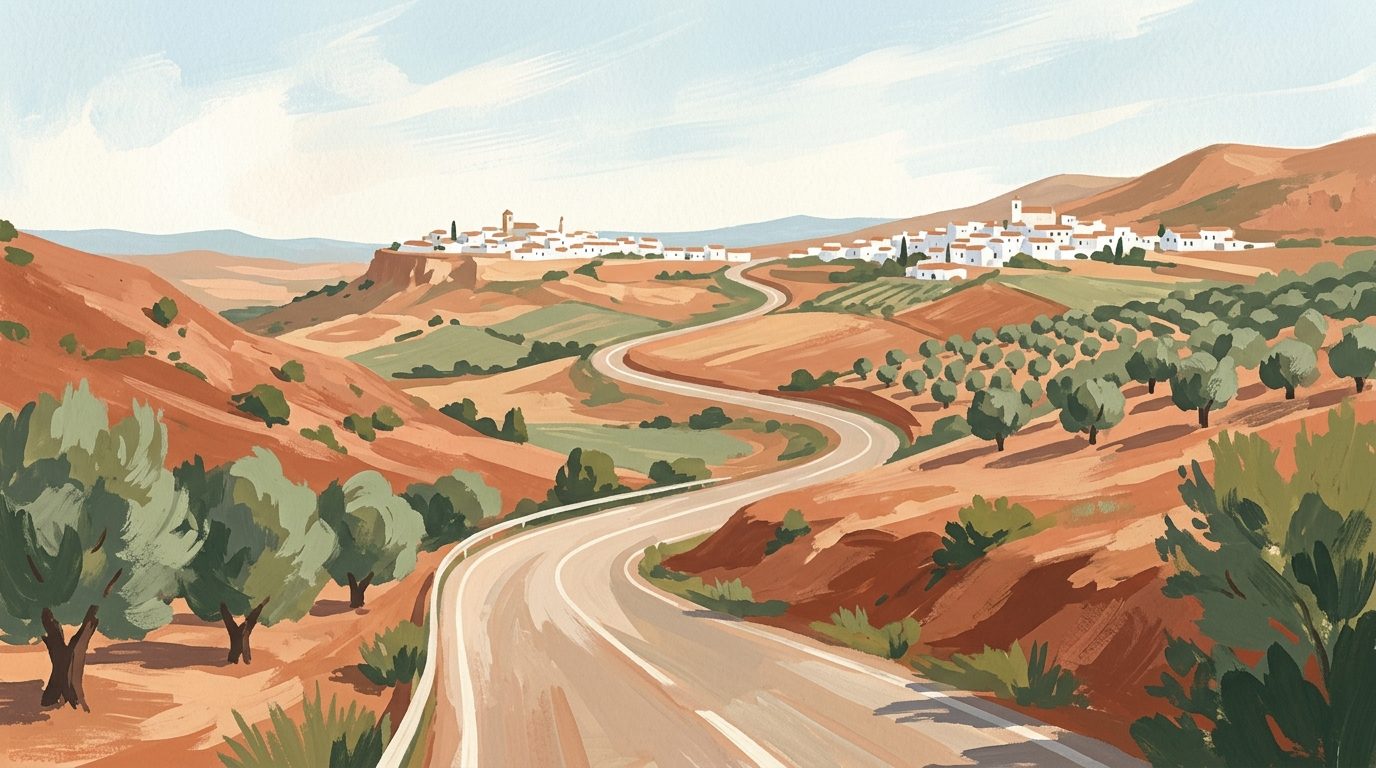
Plan Ronda around the gorge paths and day-trip crowds
Ronda is compact on a map but slow on foot because the best viewpoints, old-town lanes and lower gorge paths involve steep cobbles, gravel and stairs. Build the weekend around early mornings, late afternoons and a proper midday pause rather than trying to see every museum in one sweep.
Before travelling, check current opening times for Casa del Rey Moro, the bullring and local transport. If you are arriving without a car, confirm train times on Renfe and keep a taxi budget for late arrivals or accommodation outside El Mercadillo.
Spend 48 hours exploring the dramatic gorge of Ronda, walking its ancient walls and sampling its excellent tapas scene. This practical weekend guide helps you navigate the crowds and savour the local rhythm.
Two days in Ronda is the perfect amount of time to appreciate its cliffside setting without feeling rushed. Many visitors only stay for an afternoon, arriving on coaches from the Costa del Sol. By staying for the weekend, you have the advantage of experiencing the streets early in the morning and late at night, long after the day crowds have departed.
The city is split in half by El Tajo, a 100-metre deep gorge carved by the Guadalevín river. To the north lies El Mercadillo, the newer town established after the Christian conquest in 1485. To the south sits La Ciudad, the original Moorish settlement with its narrow, irregular streets. This itinerary balances the heavy-hitting architectural sites of both halves with leisurely meals and dedicated rest time. You will walk a considerable distance, often on steep and uneven inclines, making a slow pace and a midday rest essential. If your time is exceptionally tight, skip the modern commercial district north of the train station entirely and focus your energy on the old Moorish town and the gorge paths.
Day 1: The Classic Gorge and Old Town
Morning
Start your day at 9:00 AM before the regional tour groups arrive. Have a late breakfast at Café de Alba on Carrera Espinel, where you can order a traditional tostada with crushed tomato and local olive oil. From here, it is a brief five-minute walk to the Puente Nuevo. This iconic bridge spans the gorge and offers spectacular views across the Serranía de Ronda mountains. The morning light hitting the stonework is excellent for photography.
After crossing the bridge, take the steep, unpaved path leading down from Plaza de María Auxiliadora. It takes around 20 minutes to walk down to the classic viewpoint at the bottom and 30 minutes to walk back up. Wear sturdy shoes, as the path is covered in loose gravel. At the bottom, you can see the ruins of the old flour mills and appreciate the sheer scale of the 18th-century engineering by architect José Martín de Aldehuela.
Lunch
Climbing back up the gorge will leave you ready for a substantial lunch. Walk back across the Puente Nuevo to the El Mercadillo side and head to Tragatá on Calle Nueva. This is an extremely popular restaurant serving contemporary Andalucían dishes. The brioche with calamari and their award-winning Russian salad are exceptional. They open for lunch at 1:30 PM. Arrive ten minutes early to secure a table, as they do not take small bookings for their outdoor terrace.
Afternoon
Cross the bridge once more into La Ciudad to spend the afternoon escaping the heat at the Casa del Rey Moro. While the terraced gardens designed by Jean-Claude Nicolas Forestier are beautiful, the main attraction is the water mine. You will descend over 200 steep, uneven steps cut deep into the bedrock right down to the river surface. It is physically demanding but historically fascinating. Advance tickets are not strictly necessary, but it is wise to buy them online ahead of time, specifically for weekends in May and September or during peak summer months, to avoid waiting.
After catching your breath, walk another ten minutes south to Plaza Duquesa de Parcent. Here you will find the Santa María la Mayor church. Originally a mosque, it was converted into a church and features a fascinating mix of Gothic, Renaissance and Baroque architectural styles. It takes about 30 minutes to tour the interior.
Evening
The Spanish eat late, so take a siesta or relax at your accommodation until 8:00 PM. As the sun begins to set, walk to the Alameda del Tajo park. The balconies here hang right over the cliff edge, providing the best sunset views in the city.
For dinner, leave the tourist centre and walk 15 minutes south of the old town walls to the San Francisco neighbourhood. Restaurante Almocábar (Plaza Ruedo Alameda, +34 952 87 59 77) serves outstanding regional food, including oxtail and wild mushrooms. It is essential to book a table at least a week in advance. If you cannot get a reservation, De Locos Tapas near the Puerta de Almocábar is a superb alternative.
Day 2: Baths, Bridges and Bullring
Morning
Begin your second day by walking down into the Barrio de San Miguel to explore the Baños Árabes, the Arab Baths. Built in the 13th century, they are among the best-preserved Islamic baths in Spain. Look up at the star-shaped roof vents designed to control the steam and let in shafts of sunlight. The walk down from the town centre takes 15 to 20 minutes downhill.
Instead of walking back the way you came, head up the hill via the Puente Viejo and Puente Romano. These are the two older, smaller bridges that cross the river further down the gorge. The cobbled path leads you through the old city gates, specifically the Puerta de Felipe V, and back up into the heart of La Ciudad.
Lunch
Make your way back into the new town for a classic, noisy and authentic tapas experience. Go to El Lechuguita on Calle Virgen de los Remedios (check the operator's website before travelling for up-to-date hours, as they do not take bookings). It is incredibly cheap and strictly traditional. They open at 1:30 PM and a queue forms by 1:15 PM. You order by ticking boxes on a paper slip, choosing from dozens of small bites like flamenquín and spicy potatoes. It gets very loud and crowded, but it is an essential local experience. The service is fast, so expect to eat standing at the bar or perched at a high table.
Afternoon
Walk five minutes to the Plaza de Toros de Ronda, the Real Maestranza de Caballería. Regardless of your stance on bullfighting, this 18th-century arena is a vital piece of Spanish architectural heritage. The audio guide takes around an hour. The site includes the expansive sandy arena, the stone seating tiers and an impressive museum of riding gear and antique firearms.
If you prefer to skip the bullring entirely, spend your afternoon at the Palacio de Mondragón. Located in La Ciudad, this former palace houses the municipal museum and features three gorgeous courtyards with original Moorish tilework.
Evening
Spend your final evening walking the western cliff path, the Paseo de los Ingleses, which borders the edge of the new town. For a final meal, Sensur Gastrobar on Calle San José offers creative tapas in a relaxed setting, just five minutes from the main shopping street. End the night with a glass of local wine at a terrace near the Parador hotel, admiring the Puente Nuevo illuminated against the dark sky.
Where to stay
El Mercadillo (New Town): This area is relatively flat and packed with cafes, shops and tapas bars. It is the most convenient place to stay, especially if you are arriving by train or bus. You are never more than a ten-minute walk from the gorge, and you have the widest variety of late-night dining options right on your doorstep.
La Ciudad (Old Town): South of the bridge, the old Moorish town is incredibly quiet at night once the day crowds leave. The streets are steep, narrow and cobbled, meaning you will need good walking shoes and a willingness to walk uphill to reach the main commercial areas. It is highly atmospheric, offering peaceful evenings and dramatic architecture.
Barrio San Francisco: Located outside the southern medieval walls, this neighbourhood feels like a separate, self-contained village. It has fantastic local restaurants and a highly authentic atmosphere. However, you will face a 20-minute uphill walk to reach the Puente Nuevo and the central sights.
Practical notes
Arrival logistics: Ronda has a small train station connecting to Antequera and Madrid (note: check Renfe for current engineering works or bus-substitution updates), as well as a bus station with routes to Sevilla and Malaga. Both are located in the northern part of El Mercadillo. Walking to the centre from either station takes around 15 minutes. If you are driving, street parking is nearly impossible to find. Head straight to a public garage like Parking Martínez Astein or Parking Plaza del Socorro.
Getting around: Ronda is a walking city. You will not need public transport, but you must be prepared for steep hills, stairs and uneven ground. If you have mobility issues, stick to the El Mercadillo side and view the gorge from the accessible Alameda del Tajo park.
Tickets to pre-book: Attractions within Ronda, such as the bullring or the Arab Baths, rarely require months of planning and can often be booked on the day. However, if Ronda is part of a wider Andalucían road trip, remember that major regional sites have strict daily entry quotas. You must book tickets for the Alhambra in Granada, the Real Alcázar in Sevilla, the Mezquita in Córdoba and the nearby Caminito del Rey weeks or even months in advance.
What to wear by season: Ronda sits at an elevation of 700 metres. Winter days can be bitterly cold, and many older buildings lack central heating, so pack warm layers and a good coat. In summer, the midday heat is fierce, often exceeding 35 degrees Celsius. A hat, sunglasses and sunscreen are essential. Sturdy walking shoes are an absolute requirement year-round to safely navigate the steep gorge paths.
Crowd management and timing: The city receives thousands of day visitors between 10:30 AM and 4:00 PM. To avoid the worst congestion, visit the Puente Nuevo viewpoints and the narrowest streets of La Ciudad early in the morning. Retreat indoors for a long, shaded lunch and use the peak afternoon hours for a siesta. Be aware that many smaller municipal museums close on Mondays. Additionally, expect widespread Sunday closures; many local shops and family-run restaurants shut down entirely on Sunday afternoon, so always secure a dinner reservation or confirm opening hours in advance.
Last reviewed: 21 June 2026 · Editorial policy
Related guides
Hotels with Family Rooms in Malaga: Best Stays in Malagueta and Soho
A practical guide to choosing family-friendly accommodation in Malaga, from the beachside rooms of Malagueta to the pedestrianised streets of Soho.
5 min read
A Weekend in Granada: The Perfect Two Days Itinerary
Make the most of 48 hours in Granada with our practical guide. We balance essential palace visits with unhurried tapas crawls through the Albaicín and Realejo neighbourhoods.
9 min read
48 Hours in Sevilla: A Weekend Itinerary
Spend a weekend in Sevilla navigating the royal palaces, historic tapas bars and shaded plazas. This two-day plan balances major architectural sights with long lunches and evening walks along the river.
8 min read
Three Days in Ronda: The Complete Itinerary
A three-day stay in Ronda allows you to look beyond the famous bridge and properly explore the ancient Moorish quarters, local wineries, and the spectacular gorge.
8 min read
Seven Days in Andalucía: Sevilla, Córdoba, and Granada
A precise 7-day guide to Andalucía's Moorish heart, covering the essential sights and tastes of Sevilla, Córdoba, and Granada without the fluff.
9 min read
A Long Weekend in Sevilla: The Definitive Four Days Itinerary
A precise 4-day guide to Sevilla, covering the Gothic Cathedral, royal palaces, Triana's pottery workshops, and the best tapas bars in the city.
8 min read
More from Málaga
One Week in Ronda: A Seven-Day Itinerary for the Serranía
A seven-day stay in Ronda allows you to experience the deep gorge and ancient streets long after the day-trippers have left. Using the city as a base, you can easily explore the surrounding white villages, hike the Sierra de las Nieves, and settle into the true rhythm of mountain life.
13 min read
Seven Days in Malaga: A One-Week Itinerary
Spending a full week in Malaga allows you to explore the historic centre at a relaxed pace while leaving time for the coast and nearby mountains. This plan balances world-class art and Moorish architecture with long lunches by the Mediterranean Sea.
12 min read
A Perfect Weekend Itinerary for Malaga
Spend 48 hours in Malaga discovering a coastal city that balances centuries of Moorish architecture with excellent art galleries and outstanding local seafood. This weekend plan helps you navigate the historic centre, avoid the longest queues, and eat at the best neighbourhood tapas bars.
9 min read
Three Days in Malaga: A Complete Itinerary
Plan the perfect 72 hours in Malaga with our detailed daily itinerary, balancing Moorish history and world-class art with authentic Andalucían tapas.
8 min read
Two Days in Ronda: The Complete Itinerary
Two days in Ronda allows you to explore the dramatic gorge, walk the ancient walls, and sample local wines at a relaxed pace. This itinerary balances major landmarks with quiet local squares and traditional dining.
8 min read
Two Days in Malaga: A Practical Weekend Itinerary
Two days in Malaga offers exactly enough time to wander through ancient Moorish fortresses and linger over grilled sardines on the Mediterranean shore. This itinerary balances the major art galleries with long lunches in shaded plazas.
10 min read
Newsletter
More stories from Andalucía
Weekly notes, seasonal picks, and the next guides worth bookmarking.