
Itinerary · Córdoba
A Weekend in Cordoba: Two Days in Andalucía's Caliphate City
Spend 48 hours in Cordoba exploring the mesmerising Mezquita, getting lost in the whitewashed streets of the Judería, and eating excellent salmorejo.
By Dan · Updated 29 June 2026 · 9 min read
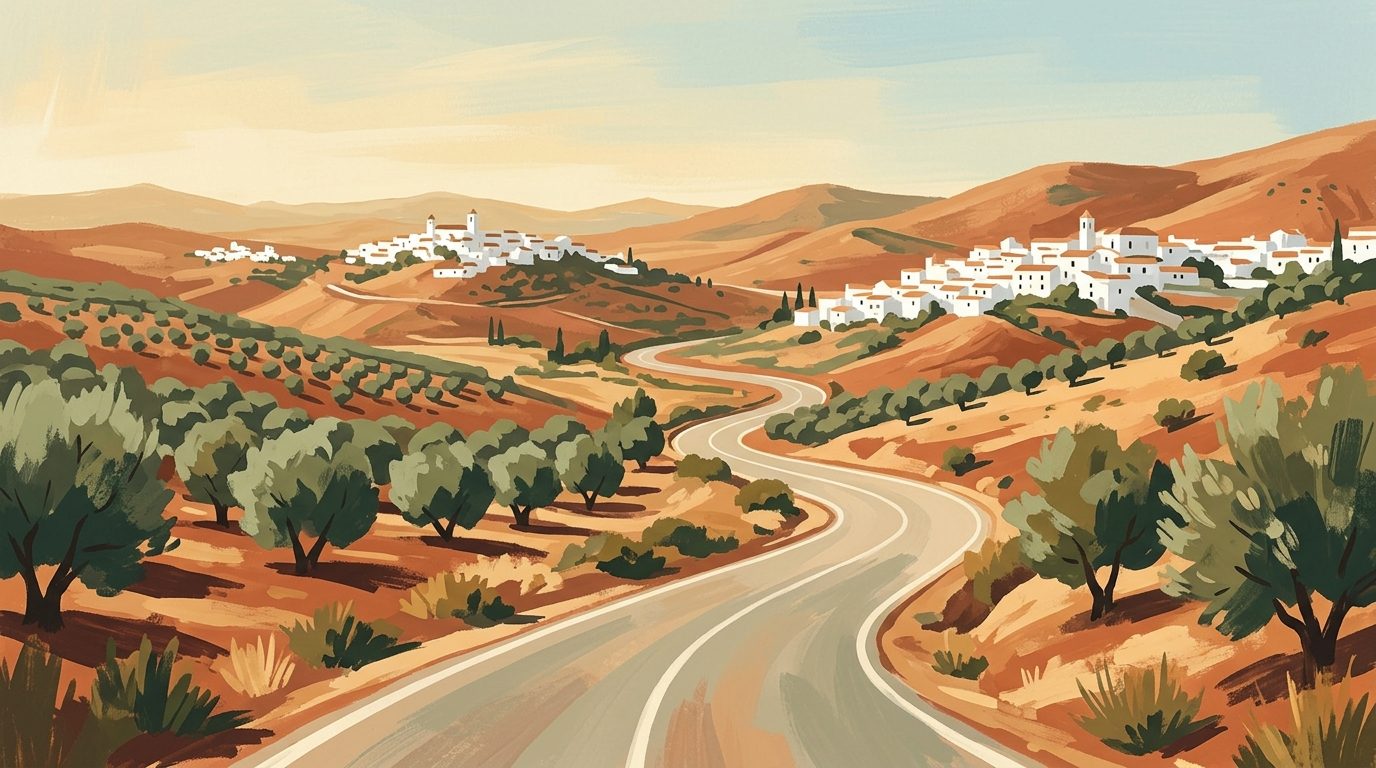
Use the weekend for Córdoba itself, not Medina Azahara
For a two-day visit, Córdoba is strongest when you keep the focus on the historic centre: Mezquita-Cathedral, Alcázar gardens, Judería lanes, patios, river views and northern palace courtyards. Medina Azahara deserves its own half-day rather than being squeezed into this version.
Book the Mezquita-Cathedral and Alcázar before travelling, then check Viana and museum hours if your visit touches Monday. In hot months, build the itinerary around early interiors, a long lunch, and late-afternoon gardens rather than continuous walking.
Spend 48 hours in Cordoba exploring the mesmerising Mezquita, getting lost in the whitewashed streets of the Judería, and eating excellent salmorejo. This two-day itinerary shows you exactly how to structure your weekend in the city.
Cordoba demands to be experienced at a measured pace. For centuries, this was the capital of the Islamic caliphate in the Iberian Peninsula, a centre of learning and architecture that rivalled Damascus and Baghdad. Today, its legacy is carved into the stonework of its streets. While coach tours and day-trippers rush from the train station to the Mezquita and back before sunset, dedicating a full weekend to the city allows you to sync with the local rhythm. You can wander the narrow lanes of the Jewish Quarter after the crowds have dispersed, sit for a long, shaded lunch under orange trees, and join the evening promenade along the banks of the Guadalquivir river.
With 48 hours, you have precisely enough time to absorb the central monuments, explore the famous courtyards, and eat very well. To make this itinerary work, we advise against visiting Medina Azahara on a two-day trip. The ruined palatine city requires a bus journey out of town and will easily consume an entire morning. Keep your focus strictly on the dense historic centre.
This itinerary respects the traditional Andalucían clock. That means starting your cultural visits early to beat the queues and the fierce midday sun, taking a proper break between 16:00 and 18:00, and sitting down for dinner no earlier than 20:30.
Day 1: The Heart of the Caliphate
Morning
Start your day at 09:30 with Cordoba's greatest architectural achievement: the Mezquita-Catedral. Booking your tickets online via the official Cabildo website at least three weeks in advance is absolutely essential for a weekend visit. The lines for same-day tickets at the ticket office in the Patio de los Naranjos (the orange tree courtyard) can stretch for over an hour, and morning entry slots frequently sell out.
Once inside, allow at least ninety minutes to wander through the mesmerising forest of red and white striped arches. Take your time observing how the architecture shifts from the original 8th-century mosque, with its delicate mihrab decorated in Byzantine gold mosaic, to the 16th-century Renaissance cathedral inserted directly into its centre. The sheer scale of the building is difficult to comprehend until you are standing beneath the vaulted ceilings.
By 11:30, exit the Mezquita and walk three minutes south to the Puerta del Puente, the triumphal arch guarding the river. Cross the Puente Romano (Roman Bridge) for the classic photograph of the old city skyline with the slow-moving river in the foreground. At the far end of the bridge stands the Torre de la Calahorra. You do not need to go inside, but the surrounding pavement offers the best vantage point for photography. Walk back across the bridge and spend an hour getting deliberately lost in the Judería, the medieval Jewish Quarter. Walk down Calleja de las Flores, a narrow alleyway framed by blue pots of geraniums, but expect to share the tight space with dozens of other photographers. The nearby Sinagoga on Calle de los Judíos is one of only three remaining pre-Inquisition synagogues in Spain and warrants a quick fifteen-minute visit.
Lunch
By 14:00, it is time for lunch. Avoid the restaurants immediately facing the Mezquita walls, as they largely cater to tourists in a hurry. Instead, take a ten-minute walk northeast to Taberna Salinas on Calle Tundidores. Operating since 1889, this tavern serves definitive versions of local classics in an authentic courtyard setting. Order a bowl of salmorejo (a thick, cold tomato and bread emulsion garnished with Iberian ham and boiled egg) and a plate of berenjenas fritas con miel de caña (fried aubergines drizzled with dark molasses). Pair this with an ice-cold beer to combat the midday heat.
Afternoon
Between 16:00 and 18:00, the city shuts down. Shops close, streets empty, and during the summer months, the temperature can soar past 40 degrees Celsius. Retreat to your accommodation for a rest, or find a shaded cafe for a slow drink.
Emerge at 18:00 and walk to the Alcázar de los Reyes Cristianos. Like the Mezquita, you must book tickets online via the official tourism website ahead of your visit. The interior fortress is relatively sparse, though the Roman mosaics on display, discovered in the 1950s, are remarkable. However, the true highlight lies outside. The tiered, water-filled gardens are spectacular, especially in the golden late afternoon light. Spend an hour walking among the cypress trees, statues of monarchs, and reflection pools. From the Alcázar, it is a five-minute walk to the San Basilio neighbourhood, an area famous for its traditional whitewashed houses and internal floral patios.
Evening
As dusk falls around 20:30, walk fifteen minutes north towards Plaza San Miguel. The area surrounding this square feels distinctly local, full of residents meeting for drinks before dinner. Grab a table at Casa El Pisto (officially Taberna San Miguel). This atmospheric tavern is decorated with vintage bullfighting posters, dark wooden barrels, and historic photographs. It is the ideal place to try flamenquín, a local speciality consisting of pork loin wrapped around dry-cured ham, which is then breaded and fried. Finish the night with a glass of Montilla-Moriles wine, the regional equivalent to sherry, which is poured directly from the barrel.
Day 2: Patios, Plazas and Palaces
Morning
Begin your second day at 10:00 in the northern half of the historic centre. This area is far less crowded than the Judería but equally beautiful, characterised by twisting streets and ancient churches. Your destination is the Palacio de Viana on Plaza de Don Gome. We highly recommend securing tickets in advance via their official website. This vast Renaissance palace features twelve distinct courtyards, each planted with a different botanical scheme. It is the perfect way to understand the local patio culture without dealing with the chaotic crowds of the May festival season.
Give yourself two hours to explore the grounds. The flow from one courtyard to the next is carefully managed, moving from formal rose gardens to shaded citrus groves and spaces dedicated to climbing jasmine. It is a masterclass in Andalucían domestic architecture and natural climate control, showing how wealthy families kept their homes cool centuries before air conditioning.
Lunch
Leave the palace at 12:30 and take a fifteen-minute stroll south to Plaza de la Corredera. This vast, enclosed 17th-century square is unique in Andalucía, strongly resembling the grand plazas of Madrid or Salamanca with its uniform red and yellow facades. Find a seat at one of the terrace cafes under the arcades for a mid-morning coffee or a cold beer, watching the city pass by.
For lunch at 14:00, walk five minutes down Calle Rodríguez Marín to Taberna La Alquería. This small, unpretentious spot serves excellent grilled meats and traditional stews in a relaxed environment. Alternatively, if you want variety, walk another ten minutes west to Mercado Victoria. This modern gourmet market, housed in a 19th-century wrought-iron pavilion set within public gardens, offers dozens of stalls. You can order local cheeses, cured meats, fresh seafood, and modern tapas, taking your plates to shared high tables.
Afternoon
After lunch, walk ten minutes to the Templo Romano on Calle Claudio Marcelo. You cannot walk among these reconstructed Roman columns, but they are typically fully visible from the street (check for temporary restoration scaffolding before visiting) and provide a stark reminder of Cordoba's imperial Roman past.
Spend the rest of the afternoon shopping and browsing. Walk five minutes west to Plaza de las Tendillas, the commercial heart of the modern city, notable for its equestrian statue and the clock that chimes with the sound of flamenco guitar chords. The streets radiating from here, particularly Calle Cruz Conde, are lined with independent boutiques, shoe shops, and high-street Spanish brands. If you need a caffeine boost around 17:30, stop at one of the cafés near Plaza de las Tendillas for excellent coffee and a slice of pastel cordobés, a traditional puff pastry filled with sweetened pumpkin known as cabello de ángel.
Evening
For your final evening, head towards the Guadalquivir riverbank, known locally as the Ribera. This wide avenue has undergone extensive renovation over the past decade and is now the most popular spot for evening dining.
Book a table at Garum 2.1 at 21:00. This modern tapas bar bridges the gap between traditional regional recipes and contemporary presentation. Their oxtail (rabo de toro) is legendary, slow-cooked until it falls off the bone, and they serve an award-winning version of salmorejo featuring amaranth and smoked sardines. After dinner, take a final walk along the illuminated riverbank, looking back up at the glowing sandstone walls of the Mezquita.
Where to stay
The Judería is the most obvious choice for a first visit. Staying here puts you within a five-minute walk of the Mezquita and the Roman Bridge, allowing you to easily return to your room during the heat of the day. The downside is the noise from early morning delivery vans navigating the cobbled streets, and the sheer volume of tour groups passing your front door.
The San Andrés and Santa Marina neighbourhoods, located north of the commercial centre, offer a much quieter alternative. The streets here are lined with traditional houses, orange trees, and small neighbourhood squares, giving you a sense of everyday local life while remaining within a twenty-minute walk of the main monuments.
The Ribera district is ideal if you prioritise evening entertainment and dining. Staying near the river puts you steps away from the city's best contemporary restaurants and cocktail bars, with lovely views over the water, though you will have a slightly longer uphill walk to reach the central shopping district.
Practical notes
Arrival in Cordoba is remarkably straightforward. The central train station is located a fifteen-minute walk from the historic centre. High-speed AVE trains connect the city to Madrid in under two hours and Sevilla in forty-five minutes, making it highly accessible. Taxis are readily available at the station entrance if you are travelling with heavy luggage, and the fare to the centre is inexpensive.
Once you are settled, Cordoba is entirely walkable. The old town is largely pedestrianised, and local buses are rarely necessary unless you are travelling to the deep outskirts. Be prepared for uneven cobblestones in the historic quarters, meaning comfortable, flat walking shoes are absolutely required for this itinerary.
Securing tickets in advance is the single most important part of planning your trip. The Mezquita-Catedral and the Alcázar de los Reyes Cristianos operate on strict capacity limits. If you arrive without tickets on a weekend, you will almost certainly be turned away or forced to wait for late afternoon cancellations. Remember that most municipal museums (including the Alcázar) are closed on Mondays, so check specific opening times if you are extending your weekend into the start of the week.
Seasonality deeply affects your wardrobe and your schedule. In July and August, afternoon temperatures frequently exceed 40 degrees Celsius. If you visit in summer, light linen clothing, a wide-brimmed hat, and an adherence to the afternoon siesta are matters of health and safety. Spring and autumn are milder, requiring a light jacket for the evenings, while winter days are crisp and bright, calling for layered clothing. If you travel during the patio festival in May, be prepared for peak crowds, higher restaurant prices, and ensure you book your accommodation at least six months in advance.
Last reviewed: 21 June 2026 · Editorial policy
Related guides
Boutique Hotels in Cordoba: Historic Patios and Manor Houses
Discover the nuances of Cordoba boutique hotels, from historical patio houses in the Judería to grand manor houses in the quiet Santa Marina district.
6 min read
Two Days in Ronda: The Complete Itinerary
Two days in Ronda allows you to explore the dramatic gorge, walk the ancient walls, and sample local wines at a relaxed pace. This itinerary balances major landmarks with quiet local squares and traditional dining.
8 min read
Two Days in Cordoba: A Complete Itinerary
Two days in Cordoba gives you enough time to look beyond the famous arches of the Mezquita and explore the quiet residential courtyards that define the city.
8 min read
Three Days in Cordoba: An Itinerary for Independent Travellers
A three-day stay allows you to experience Cordoba without the typical day-tripper rush. Take time to explore aristocratic palaces, authentic tapas taverns and the ruined caliphate city of Medina Azahara.
8 min read
Seven Days in Cordoba: The Complete One-Week Itinerary
Seven days in Cordoba allows you to sink into the slow rhythm of Southern Spain. Beyond the famous Mosque Cathedral, a full week gives you time to explore aristocratic palaces, sip local wines in ancient taverns, and venture out to the olive groves and castles of the surrounding province.
13 min read
A Long Weekend in Sevilla: The Definitive Four Days Itinerary
A precise 4-day guide to Sevilla, covering the Gothic Cathedral, royal palaces, Triana's pottery workshops, and the best tapas bars in the city.
8 min read
Newsletter
More stories from Andalucía
Weekly notes, seasonal picks, and the next guides worth bookmarking.