
Itinerary · Málaga
Two Days in Ronda: The Complete Itinerary
Two days in Ronda allows you to explore the dramatic gorge, walk the ancient walls, and sample local wines at a relaxed pace. This itinerary balances major landmarks with quiet local squares and traditional dining.
By Dan · Updated 29 June 2026 · 8 min read
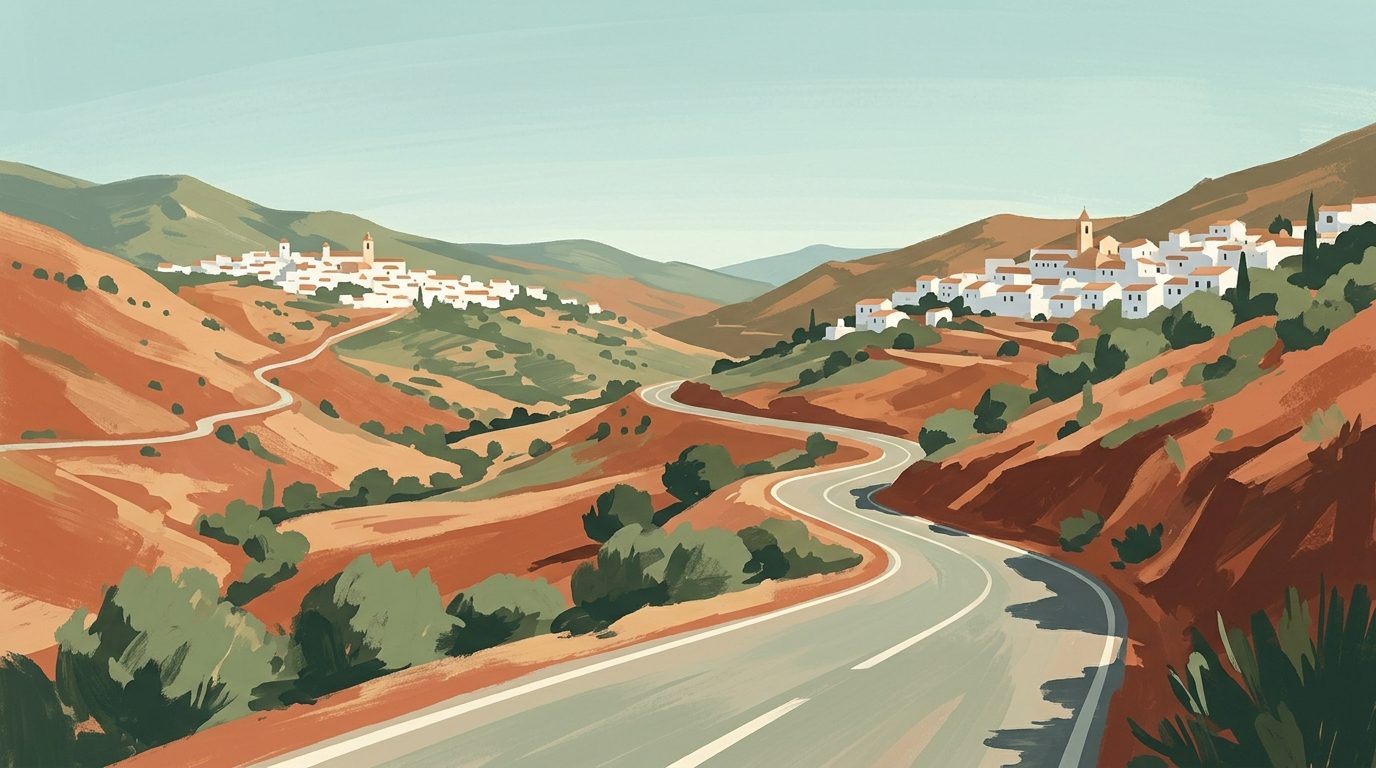
Two days in Ronda allows you to explore the dramatic gorge, walk the ancient walls, and sample local wines at a relaxed pace. This itinerary balances major landmarks with quiet local squares and traditional dining.
The Pacing of a Two-Day Visit
Ronda is visually spectacular. Sliced in half by the 120-metre-deep El Tajo gorge, the town draws thousands of visitors daily. The crucial advantage of spending two days here is escaping the day-tripper rush. Between 11:00 and 16:00, the central streets and main viewpoints become heavily congested with coach tours arriving from the Costa del Sol. By staying overnight, you secure the crisp, quiet mornings and the atmospheric evenings entirely for yourself.
This itinerary covers both halves of the town: La Ciudad (the old Moorish quarter) and El Mercadillo (the newer town, dating from the 15th century). The schedule respects the traditional Andalucían rhythm. You will start early to beat the crowds, pause for a heavy, late lunch, rest during the peak afternoon heat, and head back out as the town cools down for dinner.
If you are extremely short on time, you could condense the major sights into a single, highly demanding day. However, a second day provides the crucial breathing room to walk down to the base of the gorge, explore the quieter southern neighbourhoods, and actually enjoy a long lunch without watching the clock.
Day 1: The Old Town and the Edge of the Abyss
Morning: Puente Nuevo and La Ciudad
Start your day at 09:00 at the Puente Nuevo. This 18th-century bridge spans the gorge and connects the two halves of Ronda. Early morning is the only time you can photograph the structure without a crowd of people in your shot. From the bridge, walk south into La Ciudad, following Calle Santo Domingo.
Your first major stop is the Casa del Rey Moro. Do not let the name fool you: the house itself is an 18th-century construction (currently closed for renovation as of June 2026, though you should check the official website before travelling). You are paying the entrance fee to access the water mine. Carved directly into the rock by Moorish slaves in the 14th century, this staggering piece of engineering features 231 steep, damp steps leading right down to the riverbed. The descent takes about 10 minutes, but the climb back up requires a reasonable level of fitness. Take your time and wear shoes with good grip.
Once you resurface, walk five minutes south to the Plaza Duquesa de Parcent. This is one of the most beautiful squares in Andalucía. Here you will find the Iglesia de Santa María la Mayor. Built over the former grand mosque, the church displays a fascinating mix of Gothic, Renaissance, and Baroque architecture. You can still see a surviving section of the original mihrab archway near the entrance.
Lunch: Traditional Tapas in San Francisco
By 13:30, it is time to escape the central tourist zones. Continue walking south from the church for about 10 minutes until you pass through the Puerta de Almocábar, the original defensive gate of the city. You are now in the Barrio de San Francisco.
This residential neighbourhood offers a much more authentic dining experience than the restaurants overlooking the gorge. Head to Bar Bodega San Francisco on Plaza Ruedo Alameda. It is a local favourite, serving excellent portions of traditional Andalucían food. Order the carrillada (slow-cooked pork cheek), the rabo de toro (oxtail), and a plate of jamón ibérico. Service is fast, the prices are exceptionally fair, and the atmosphere is entirely local.
Afternoon: Palaces and Moorish Baths
After lunch and perhaps a short rest at your accommodation, head back up the hill towards La Ciudad. Make your way to the Baños Árabes (Moorish Baths) located just outside the old city walls in the San Miguel quarter. Built in the 13th century, they are among the best-preserved Islamic baths in Spain. Walk through the cold, warm, and hot rooms, looking up at the star-shaped vents in the vaulted ceilings. Note that opening hours can change on Mondays, so double-check locally.
From the baths, face the steep, 15-minute uphill walk to the Palacio de Mondragón. This palace was once the residence of the Moorish kings of Ronda and later housed King Ferdinand and Queen Isabella. Today, it functions as the municipal museum. The true appeal lies in its stunning Mudejar courtyards and the peaceful water gardens that look out over the cliff edge. It provides a perfect, quiet retreat in the late afternoon.
Evening: Sunset Views and Local Wine
Aim to be at the Mirador de Aldehuela, right next to the Puente Nuevo, about 30 minutes before sunset. The light turns the stone walls of the gorge a deep, warm gold.
For dinner, Ronda has some exceptional options. If you want creative, high-quality tapas, book a table at De Locos Tapas. Located right by the Puerta de Almocábar, this tiny restaurant is run by a welcoming couple and serves brilliant, modern takes on classic dishes. Booking several weeks in advance is essential. Alternatively, try Tragá in El Mercadillo for contemporary Andalucían cooking in a sharp, modern dining room. Spaniards usually sit down for dinner between 20:30 and 21:30.
Day 2: The New Town, Bullring and the Gorge Walk
Morning: Plaza de Toros and El Mercadillo
Begin your second day in El Mercadillo, the town north of the gorge. Your first stop is the Plaza de Toros. Opened in 1785, it is one of the oldest and most architecturally significant bullrings in Spain. Even if you have no interest in the spectacle of bullfighting, the sheer scale of the sandstone columns and the history attached to the building make it a fascinating visit. The entrance ticket includes access to the museum beneath the seating areas and allows you to walk out onto the sand.
After the bullring, take a slow walk through the Paseo de Blas Infante, a park with viewing balconies that hang directly over the cliff edge. The drop is sheer, and the views out to the Serranía de Ronda are spectacular. From here, cut inland to the Carrera del Espinel. Known locally as La Bola, this is a pedestrianised street approximately 700 metres long, lined with local shops, bakeries, and cafes. It is an excellent place to grab a mid-morning coffee and a tostada with tomato and olive oil.
Lunch: Modern Bites near Carrera del Espinel
For lunch around 14:00, turn off La Bola onto Calle Pozo to find Entre Vinos. This small, highly rated spot is ideal for wine lovers. The owner can guide you through an excellent selection of wines produced in the nearby Serranía de Ronda, paired with local cheeses, cured meats, and inventive small plates.
Afternoon: The Bottom of the Gorge
The afternoon of your second day is dedicated to getting the classic photograph of the Puente Nuevo from below. Be warned: if you are travelling in July or August, do not attempt this walk until after 18:00 due to the intense summer heat. Carry plenty of water.
Head to the Plaza de María Auxiliadora. From here, a dirt path winds its way down the side of the cliff. It takes about 20 minutes to reach the main viewpoint, the Mirador del Puente Nuevo de Ronda. From this angle, you truly appreciate the scale of the 18th-century engineering, with the bridge seeming to grow organically out of the rock face. If you have the energy, you can continue further down the path to the base of the river, passing old ruined mills. The walk back up to the top is steep and completely unshaded, so pace yourself.
Evening: A Relaxed Andalucían Dinner
After the strenuous gorge walk, spend your final evening relaxing in the Plaza del Socorro. This is the main social hub of El Mercadillo, surrounded by bars and featuring a statue of Blas Infante, the father of Andalucían nationalism.
For your final dinner, head to Tropicana. Located slightly north of the main pedestrian zones, it offers fantastic cuts of grilled meat and excellent service in a comfortable setting. If you have a very generous budget and have planned months ahead, Ronda is also home to Bardal, a two-Michelin-starred restaurant offering an exceptional tasting menu focused on hyper-local Andalucían ingredients.
Where to stay in Ronda
La Ciudad: Staying in the old Moorish quarter provides a deeply historic atmosphere. The streets are cobbled, narrow, and wonderfully quiet after dark. It is highly romantic but comes with logistical challenges. Parking is incredibly difficult, and the streets are steep.
El Mercadillo: This is the most practical area for most visitors. It is closer to the train and bus stations, the streets are flatter, and you have a much wider choice of restaurants and cafes right on your doorstep. Look for hotels near the cliff edge for dramatic views.
Barrio de San Francisco: Located a 15-minute walk south of the historic centre, this neighbourhood feels entirely different. It is a working-class residential area with great local tapas bars, easy street parking, and lower accommodation prices. It is ideal if you are driving and prefer to avoid the stress of navigating the medieval centre.
Practical notes
Arrival and departure: Ronda is well connected. The train station is in the north of the town, about a 15-minute walk from the central bridge. There are direct trains from Algeciras and Córdoba. The bus station is nearby and offers regular, reliable services from Málaga and Sevilla. If you are driving, do not attempt to take your car into La Ciudad. Use the large underground car park, Parking Martinez Astein, located at the northern end of Carrera del Espinel.
Tickets and planning: Unlike the Alhambra in Granada or the Real Alcázar in Sevilla, you do not need to book Ronda's main attractions months in advance. Tickets for the bullring, the Moorish Baths, and the Casa del Rey Moro can be bought on the door, though the bullring offers online booking via its official website. The only things requiring serious advance booking are tables at highly rated restaurants like De Locos Tapas or Bardal.
Weather and altitude: Ronda sits at an altitude of 739 metres. This completely alters its climate compared to the coastal towns of Andalucía. Winters can be bitterly cold with freezing winds. Summers are fiercely hot during the day, regularly exceeding 35 degrees Celsius, but the altitude means temperatures drop comfortably at night. Spring and autumn are the prime seasons for visiting, offering perfect walking weather, though you should always carry a light rain jacket in November and April.
Getting around: Ronda is a walking town. There is no need for public transport to get between the main sites. However, you must be prepared for steep inclines, uneven cobbled streets, and many flights of stairs. Comfortable, flat walking shoes are absolutely non-negotiable.
Official resources: For up-to-date local events, detailed maps, and current site information, consult the official Ronda Tourism Office website.
Last reviewed: 21 June 2026 · Editorial policy
Related guides
Hotels with Family Rooms in Malaga: Best Stays in Malagueta and Soho
A practical guide to choosing family-friendly accommodation in Malaga, from the beachside rooms of Malagueta to the pedestrianised streets of Soho.
5 min read
A Weekend in Cordoba: Two Days in Andalucía's Caliphate City
Spend 48 hours in Cordoba exploring the mesmerising Mezquita, getting lost in the whitewashed streets of the Judería, and eating excellent salmorejo.
9 min read
Two Days in Malaga: A Practical Weekend Itinerary
Two days in Malaga offers exactly enough time to wander through ancient Moorish fortresses and linger over grilled sardines on the Mediterranean shore. This itinerary balances the major art galleries with long lunches in shaded plazas.
10 min read
Three Days in Ronda: The Complete Itinerary
A three-day stay in Ronda allows you to look beyond the famous bridge and properly explore the ancient Moorish quarters, local wineries, and the spectacular gorge.
8 min read
Three Days in Malaga: A Complete Itinerary
Plan the perfect 72 hours in Malaga with our detailed daily itinerary, balancing Moorish history and world-class art with authentic Andalucían tapas.
8 min read
A Perfect Weekend Itinerary for Malaga
Spend 48 hours in Malaga discovering a coastal city that balances centuries of Moorish architecture with excellent art galleries and outstanding local seafood. This weekend plan helps you navigate the historic centre, avoid the longest queues, and eat at the best neighbourhood tapas bars.
9 min read
More from Málaga
One Week in Ronda: A Seven-Day Itinerary for the Serranía
A seven-day stay in Ronda allows you to experience the deep gorge and ancient streets long after the day-trippers have left. Using the city as a base, you can easily explore the surrounding white villages, hike the Sierra de las Nieves, and settle into the true rhythm of mountain life.
13 min read
Seven Days in Malaga: A One-Week Itinerary
Spending a full week in Malaga allows you to explore the historic centre at a relaxed pace while leaving time for the coast and nearby mountains. This plan balances world-class art and Moorish architecture with long lunches by the Mediterranean Sea.
12 min read
A Perfect Weekend Itinerary for Ronda
Spend 48 hours exploring the dramatic gorge of Ronda, walking its ancient walls and sampling its excellent tapas scene. This practical weekend guide helps you navigate the crowds and savour the local rhythm.
8 min read
Newsletter
More stories from Andalucía
Weekly notes, seasonal picks, and the next guides worth bookmarking.