
attraction · Sevilla
Castillo de Constantina
Andalucía 365 · Updated 18 July 2026
Our Verdict
“The hilltop castle anchors Constantina's medieval history and provides a distinct built-heritage counterpart to Cerro del Hierro, though the steep climb and restricted interior access require careful planning.”
Last verified: July 2026
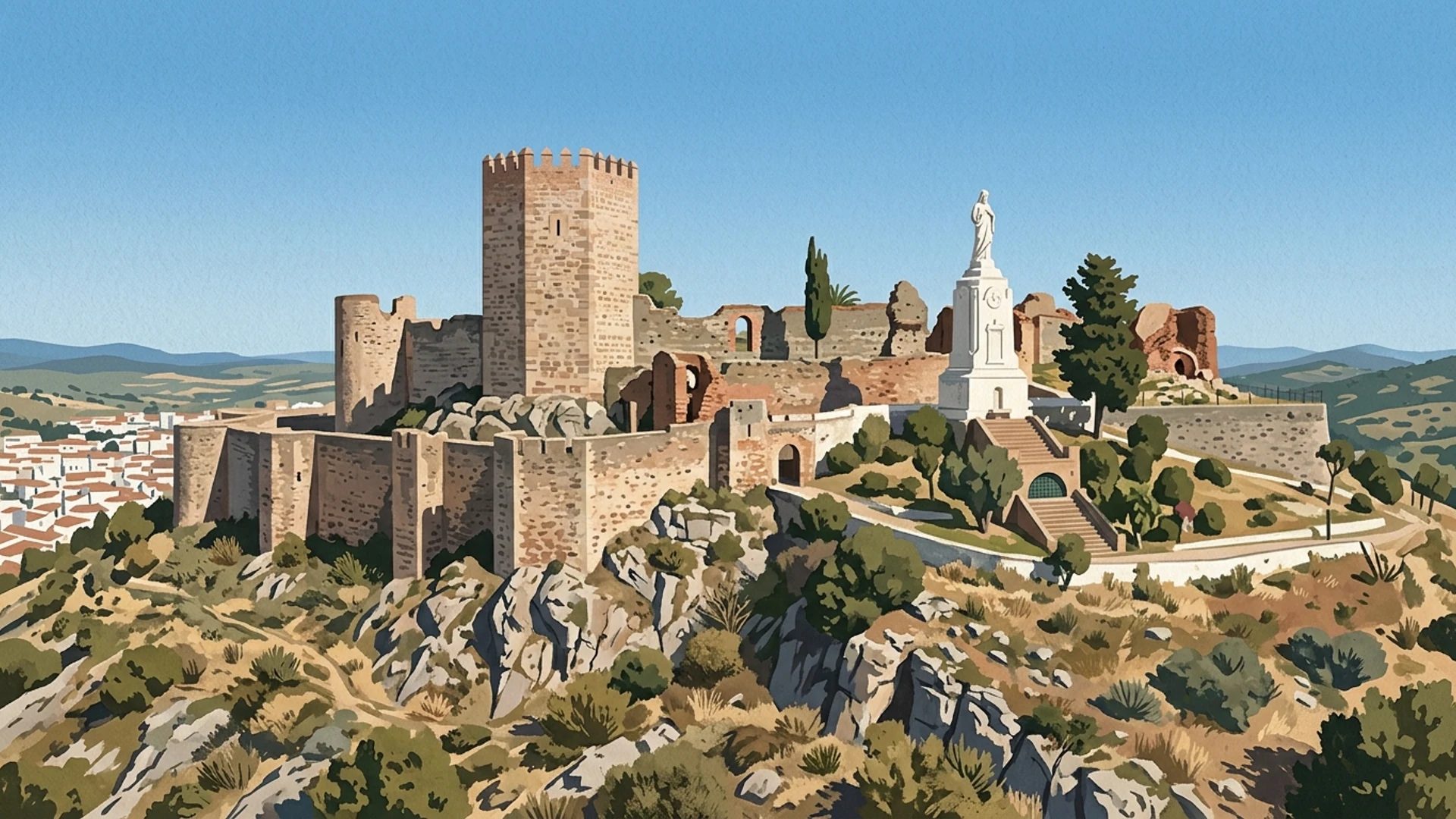
Crowning a steep hill above the white-washed streets of Constantina, the Castillo de Constantina is a formidable medieval fortress commanding the Valle de la Osa. Established during the Islamic period to defend the northern approaches to Sevilla, the stronghold was expanded by Christian forces following the thirteenth-century conquest and heavily fortified during the Peninsular War. Today, its polygonal walls, reconstructed keep, and subterranean cistern offer a tangible link to the military history of the region. While the ascent requires considerable physical effort, the panoramic views over the town and the surrounding biosphere reserve thoroughly reward the climb. It is an essential stop for heritage enthusiasts and hikers seeking a historical counterpart to the vast natural landscapes of the Sierra Norte de Sevilla.
A Strategic Stronghold Through the Centuries
The origins of the Castillo de Constantina are deeply intertwined with the strategic importance of the Sierra Morena. Built to reinforce the administrative district known as the Cora de Firrish during the Islamic period, the fortress likely sits upon the foundations of an earlier Roman castrum. This location capitalised on a vantage point that allowed absolute control over the valley below and the vital routes connecting the Guadalquivir basin with the northern plateau. The surviving structure is primarily a mix of its original Islamic foundations and later Christian military architecture. Following the Christian conquest by Fernando III in 1247, the castle remained a crucial defensive asset. It was eventually handed over to the Catholic Monarchs in 1478 and subsequently modified by Rodrigo Ponce de León, who adapted the outer walls to serve as an advanced defensive barrier.
The fortress also played an intense role during the Peninsular War. Between 1810 and 1812, occupying French troops utilised the castle as a fortified garrison. Historical records indicate that hundreds of local men were conscripted to rebuild the defensive walls, construct new barracks adjacent to the cistern, and install masonry bases for artillery cannons. This layered history makes the site a complex architectural record of military occupation.
The Collapse and Anastylosis of the Keep
In recent decades, the castle has undergone significant restoration. Declared a Bien de Interés Cultural in 1985, the site suffered from prolonged exposure to the elements. This deterioration culminated in March 2010, when the twelve-metre-high Torre del Homenaje, the main keep that guarded the entrance, suffered a catastrophic structural failure and collapsed following months of heavy rainfall.
Rather than abandoning the structure or replacing it with a modern interpretation, heritage authorities undertook a highly complex process of anastylosis. This rigorous archaeological method involves rebuilding a ruined structure using its original fallen stones, carefully placing each block back into its historical position. Completed and inaugurated in the summer of 2014, this meticulous intervention rescued the monument from permanent ruin. The keep now stands once again at the entrance of the fortress, reinstating its dominant silhouette against the skyline and serving as a testament to modern conservation techniques.
The Polygonal Walls and the Subterranean Aljibe
The broader fortress comprises a ninety-metre polygonal enclosure originally defended by a barbacana, an outer wall, and seven flanking towers. Today, two of these circular towers remain largely intact, featuring well-preserved vaulted ceilings that were consolidated during earlier restoration works. The layout centres around a spacious parade ground, which once housed the military garrison and their supplies.
Beneath the surface of this courtyard lies one of the castle's most significant surviving features: a large, semi-excavated aljibe, or cistern. Dating back to the fourteenth century, this subterranean water reservoir was constructed with thick rammed-earth walls and a vaulted ceiling to ensure a reliable water supply during prolonged sieges. Following a dedicated restoration project completed in late 2023, the aljibe has been made accessible to visitors. The intervention added an interpretive route and accessible walkways, shedding light on medieval water management in Andalucía and opening up a previously hidden dimension of the fortress.
The Ascent and the Sagrado Corazón
Reaching the Castillo de Constantina requires a strenuous walk up from the town centre. The path winds through the steep, narrow streets of the Morería, the old Moorish quarter, eventually giving way to an exposed, uneven climb up the hillside. At the summit, the historical ruins share the plateau with the Monumento al Sagrado Corazón, a sixteen-metre-high religious statue erected in 1954. Driven by a local parish priest, Padre Félix, this monument adds a distinct mid-century layer to the site, its white form contrasting sharply with the weathered stone of the medieval walls.
The primary reward for the ascent is the unobstructed vantage point. From the castle walls, visitors can look down over the tiled roofs and church towers of Constantina, and outward across the rolling, oak-forested hills of the Sierra Morena. It provides a clear geographical context for why this specific hill was chosen for a military stronghold centuries ago.
Practical Planning and Access
The exterior grounds of the castle, the parade ground, and the viewpoints are generally accessible on foot throughout the year. However, access to the interior spaces, particularly the newly restored aljibe, is strictly managed by the local municipality. Visitors hoping to explore the subterranean cistern or join a guided historical tour must consult the official Constantina tourism website to register for scheduled openings, which often take place on weekends.
When planning your visit, keep the following practicalities in mind:
- Due to the complete lack of shade on the hillside, the climb is best attempted in the early morning or late afternoon, particularly during the warmer months.
- The uneven terrain, loose stones, and steep gradients mean the site is not suitable for wheelchair users or those with limited mobility.
- Sturdy footwear and a supply of drinking water are highly recommended before beginning the ascent.
Our verdict
The Castillo de Constantina offers a compelling historical narrative, but it requires managed expectations. This is not a fully intact, furnished palace; it is a rugged, partially ruined military outpost. The physical exertion required to reach the summit will deter some, and the reliance on municipal schedules for interior access can frustrate spontaneous visitors who arrive hoping to see the cistern.
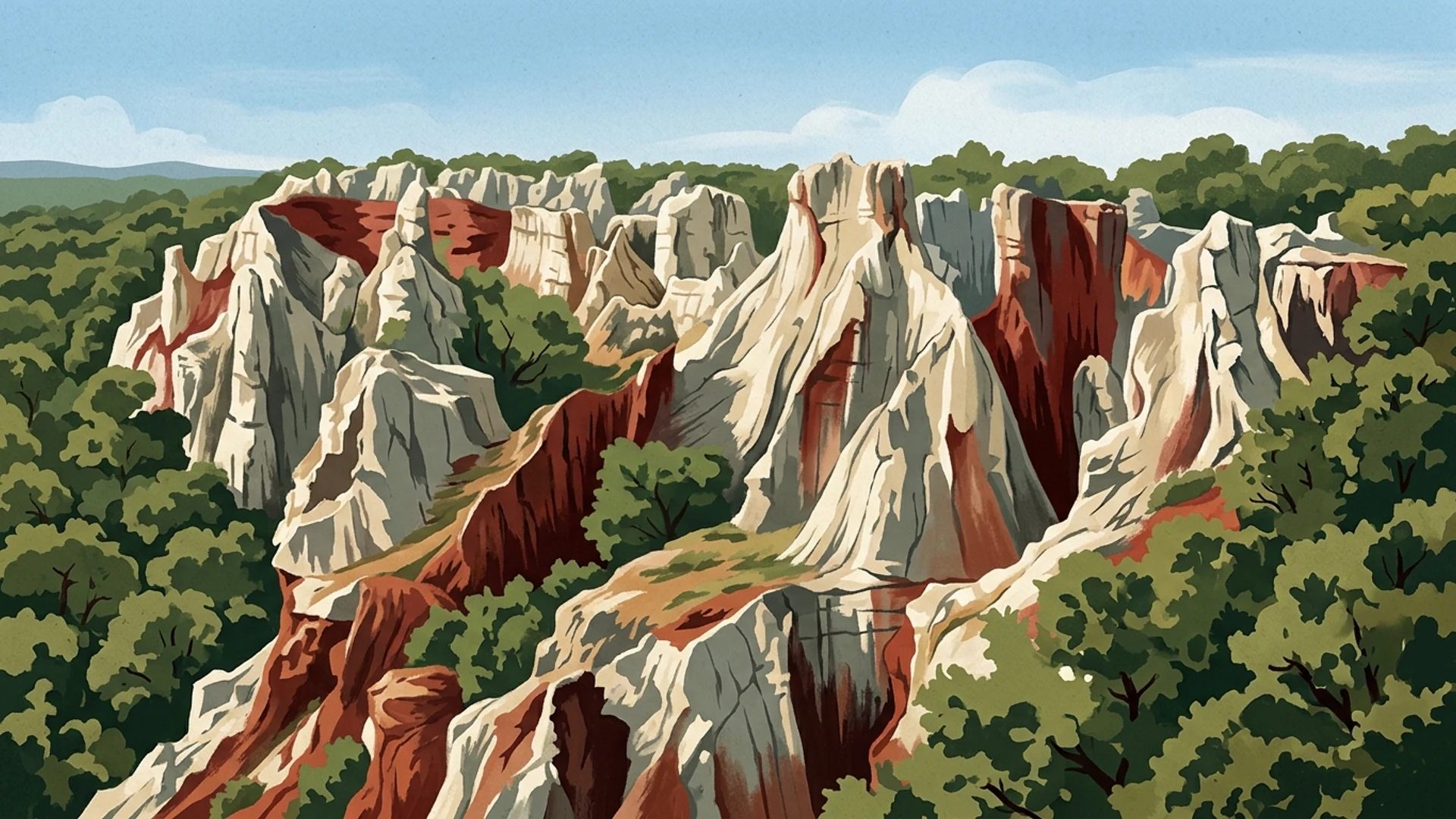
However, for those exploring the Sierra Norte de Sevilla, the fortress provides a vital cultural anchor. It serves as an excellent built-heritage counterpart to the geological wonders of the Monumento Natural Cerro del Hierro. If you are already planning a visit to Constantina, the climb is entirely justified by the sweeping views, the impressive scale of the reconstructed keep, and the palpable sense of history that permeates the hilltop.
Nearby worth your time
A few well-placed stops for extending the day without turning it into a checklist.

Continue through Sierra Norte de Sevilla
Step back into the wider landscape with local guides, nearby places and the province overview.
Things to do · 9 min
The Definitive Guide to Feria de Abril in Sevilla
Discover the cultural nuances, strict dress codes, and insider advice for navigating Sevilla's exclusive spring fair like a seasoned local.
Things to do · 10 min
Golf in Sevilla Province: Courses, Holidays and Local Pro Shops
Swap the crowded coastal fairways for the refined courses of Sevilla province. Discover top layouts designed by golfing legends, local shops, and expert tips for your next trip.
Itinerary · 13 min
One Week in Sevilla: A Complete Seven Days Itinerary
Spending a full week in Sevilla allows you to slow down and adopt the local rhythm. You can explore the monumental centre, wander through neighbourhood markets, and take the train to nearby Andalucían cities without feeling rushed.